On This Page
Description
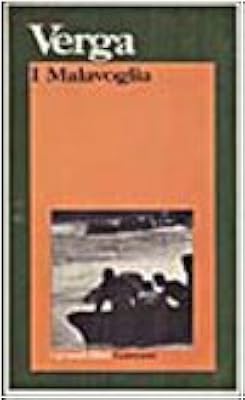
Three generations of fishermen conduct an epic struggle against nature, fate, and society in this moving tale by acclaimed realist writer Giovanni Verga. Written in 1881 and set in the Sicilian village of Aci Trezza during the 1860s, the novel recounts an impoverished family's attempts to pay off a crushing debt, to reclaim their lost boat and ancestral home, and to reunite their scattered clan. This groundbreaking work of fiction offers a revealing look at the social and political climate show more in post-revolutionary Italy. Verga combines lyrical prose and inspiring social commentary to chronicle the poverty suffered by provincial Sicilian communities after Garibaldi's conquest. Rich in character and starkly honest, The House by the Medlar Tree offers a life-affirming story of misfortunes endured with humor and courage. show lessTags
Recommendations




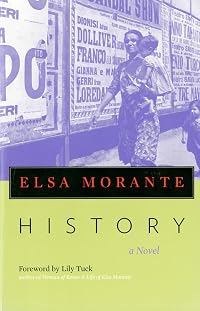


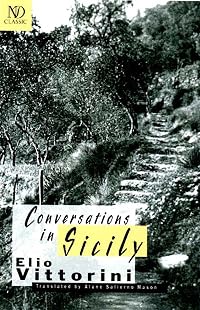

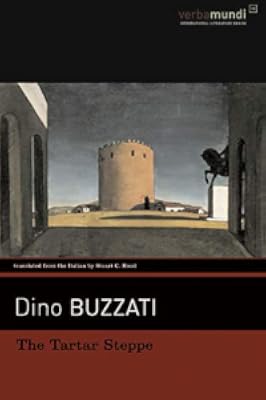


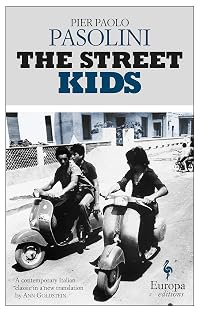










Member Recommendations

Member Reviews
(see our full review on the blog, along with photos): http://thereadersroom.org/2015/03/07/1001-book-review-house-by-the-medlar-tree/
3.5 stars
Verga’s I Malagovia is a wonderful short novel for those readers who want to feel themselves immersed in Southern Italy. The story takes place in a small fishing village in Trezza, Sicily. It follows the decline and struggle of the Malgovia family.
I enjoyed this book. For me, what made the book special wasn’t the plot (which was fairly simple), but rather the rich description of the setting that is achieved primarily through dialogue. Although the plot centers around one family, it is really the story of the village that struggles economically and socially to adapt to the changing times. show more Verga’s lyrical realist style of writing makes you feel as if you’re walking through the cobblestone streets in this village.
I didn’t find the main plot line to be particularly novel or compelling, and I never truly connected with any of the main characters, although I did have empathy for the family as a whole. The story is a family saga that is far from unique but the writing style is unique. Verga never describes the characters, he uses dialogue as a primary strategy, thus allowing the reader to draw their own pictures of the villagers and their surroundings.
I’ve visited Italy several times, but have never had the opportunity to travel to Sicily. I especially appreciated the portions of the book that made me feel like I was in the village observing all the people in their daily lives. I love books that make me want to travel somewhere new and this book definitely made me want to pack my suitcase. show less
3.5 stars
Verga’s I Malagovia is a wonderful short novel for those readers who want to feel themselves immersed in Southern Italy. The story takes place in a small fishing village in Trezza, Sicily. It follows the decline and struggle of the Malgovia family.
I enjoyed this book. For me, what made the book special wasn’t the plot (which was fairly simple), but rather the rich description of the setting that is achieved primarily through dialogue. Although the plot centers around one family, it is really the story of the village that struggles economically and socially to adapt to the changing times. show more Verga’s lyrical realist style of writing makes you feel as if you’re walking through the cobblestone streets in this village.
I didn’t find the main plot line to be particularly novel or compelling, and I never truly connected with any of the main characters, although I did have empathy for the family as a whole. The story is a family saga that is far from unique but the writing style is unique. Verga never describes the characters, he uses dialogue as a primary strategy, thus allowing the reader to draw their own pictures of the villagers and their surroundings.
I’ve visited Italy several times, but have never had the opportunity to travel to Sicily. I especially appreciated the portions of the book that made me feel like I was in the village observing all the people in their daily lives. I love books that make me want to travel somewhere new and this book definitely made me want to pack my suitcase. show less
Sicily in 1863, just after it became part of the Kingdom of Italy; the book is really a social portrait of poverty. Exceptionally good characterizations, great storytelling.
Questo romanzo l'ho letto e abbastanza apprezzato nonostante il "pessimismo cosmico", che in genere si attribuisce a Leopardi ma che si adatta benissimo anche al romanziere siciliano. Lo stile verista mi fa allergia, come già detto in altre recensioni, e ho trovato la trama infinitamente forzata su tutta una serie di drammi da cui questa povera famiglia si trova ad essere schiacciata. E la reazione rassegnata dei protagonisti mi ha sempre fatto rabbia e tristezza.
Giovanni Verga's novel "The House by the Medlar Tree" was a really interesting story once it got going. I liked the book overall but it was a very slow read for me.
The book is the story of the Malavoglia family, who are poor fishermen in Sicily. A tragic accident sends their fortunes spiraling downward and the family tries repeatedly to climb out of poverty, to return to the place where they started.
It was difficult to get into this book at first-- there were a lot of characters and it was hard to keep everyone straight. I ultimately decided to read it without focusing on characters and just letting the story unfold. About midway through the book, the story really got going and the importance of the characters really sorted itself out. show more Glad to have continued on, as the book was worth the effort. show less
The book is the story of the Malavoglia family, who are poor fishermen in Sicily. A tragic accident sends their fortunes spiraling downward and the family tries repeatedly to climb out of poverty, to return to the place where they started.
It was difficult to get into this book at first-- there were a lot of characters and it was hard to keep everyone straight. I ultimately decided to read it without focusing on characters and just letting the story unfold. About midway through the book, the story really got going and the importance of the characters really sorted itself out. show more Glad to have continued on, as the book was worth the effort. show less
Se me hizo complicada la traducción, porque si bien entiendo la idea de trasponer los localismos, que en esta novela son muy importantes, al recibirlos como latinoamericano me costó horrores entender que estábamos hablando de Sicilia en 1860 y no de, ponele, Málaga en 1930.
En fin, librazo.
En fin, librazo.
Read for Reading 1001 February BOTM. This story set in Sicily by Giovanni Verga tells the story of three generations of Sicilian fishermen family. First published in 1881 it is a novel that is considered a “realism” novel, though Verga did not want to be considered any certain type of author. He is considered to be a contributor to the development of the novel. Verga was influenced by Flaubert and Zola and this book most reminded me of Germinal by Zola. The family has many setbacks, loses everything to slowly work there way back. It is a story of hard work and poverty set in Sicily.
Soffocante l'arrendevolezza al destino,purtroppo ancora socialmente presente.
Members
- Recently Added By
Lists

1001 Books You Must Read Before You Die
1,448 works; 1,137 members

Books Set in Italy
167 works; 19 members

Italian Literature
558 works; 43 members

Best Family Stories
241 works; 22 members
Favorite Coming of Age Novels.
164 works; 51 members

Philip Ward's Lifetime Reading Plan
592 works; 22 members

Favourite 19th century fiction
257 works; 62 members

Best family sagas
244 works; 34 members

Western World's Greatest Books - Project Gutenberg
295 works; 15 members

1,001 BYMRBYD Concensus
723 works; 27 members
Lamont's Hundred Best Novels (1947)
100 works; 4 members
Best Domestic Fiction
77 works; 6 members

CCE 1000 Good Books List
1,033 works; 12 members

Tagged 19th Century
104 works; 7 members
Harold Bloom - The Western Canon: C. The Democratic Age
336 works; 15 members

For Further Reading: A List of 160 Novels from 15 Literatures
160 works; 4 members

Bibliografia essenziale
86 works; 2 members
Lista dei 100 migliori libri italiani degli ultimi 200 anni
100 works; 1 member
Author Information

A Sicilian, like Leonardo Sciascia and Luigi Pirandello, Verga was educated as a writer in Florence and Milan but drew on Sicily for the subject of his chief novels, plays, and short stories. In 1895 he returned permanently to Catania, his Sicilian birthplace, but by then he had already written his best novels of fictional realism (verismo): show more Malavoglia (The House by the Medlar Tree)Malavoglia (1881) and Mastro-don Gesualdo (Master don Gesualdo) (1889), the first dealing with a family of poor Sicilian fishermen, the second with the social climbing of a stonemason who has made a fortune. These classic works of realism established Verga as the father of the nineteenth-century Italian novel. In fact, D. H. Lawrence translated several of his novellas, calling him, "the greatest writer of Italian fiction since Manzoni."Of greater international fame has been Verga's novella Cavalleria Rusticana (Rustic Chivalry) (1880), which provided the libretto for Mascagni's famous opera. (Bowker Author Biography) show less
Some Editions
Awards and Honors
Notable Lists
Series

Belongs to Publisher Series
Oscar Narrativa (13)
Wereldboeken (12)
Anchor Books (A47)
ET Tascabili [Einaudi] (401)
Bibliothek Suhrkamp (761)
A tot vent (232)
insel taschenbuch (2720)
Work Relationships
Common Knowledge
- Canonical title
- The House by the Medlar Tree
- Original title
- I Malavoglia
- Original publication date
- 1881 (original Italian) (original Italian); 1964 Rosenthal translation
- People/Characters
- Padron 'Ntoni; 'Ntoni; Alessi; Zio Crocifisso
- Important places
- Trezza
- Related movies*
- La terra trema (Luchino Visconti)
- First words
- Un tempo i Malavoglia erano stati numerosi come i sassi della strada vecchia di Trezza; ce n'erano persino ad Ognina, e ad Aci Castello, tutti buona e brava gente di mare, proprio all'opposto di quel che sembrava al no... (show all)mignolo, come dev'essere.
There was a time when the Malavoglia were as thick as the stones on the old Trezza road. - Last words
- (Click to show. Warning: May contain spoilers.)- Ora è tempo d'andarsene, perché fra poco comincerà a passar gente. Ma il primo di tutti a cominciar la sua giornata è stato Rocco Spatu.
(Click to show. Warning: May contain spoilers.)He picked up his bag and said "Now it's time to go, because soon people will start coming down the road. But Rocco Spatu was the first to begin the day's work." - Blurbers
- Howe, Irving
- Original language
- Italian
*Some information comes from Common Knowledge in other languages. Click "Edit" for more information.
Classifications
- Genres
- Fiction and Literature, General Fiction
- DDC/MDS
- 853.8 — Literature & rhetoric Italian, Romanian & related literatures Italian fiction Later 19th century 1859–1900
- LCC
- PQ4734 .V5 .M33 — Language and Literature French, Italian, Spanish and Portuguese literatures Italian literature Individual authors, 1701-1900
- BISAC
Statistics
- Members
- 1,410
- Popularity
- 16,836
- Reviews
- 21
- Rating
- (3.56)
- Languages
- 11 — Catalan, Dutch, English, Finnish, French, German, Italian, Norwegian (Bokmål), Portuguese, Russian, Spanish
- Media
- Paper, Audiobook, Ebook
- ISBNs
- 142
- ASINs
- 50