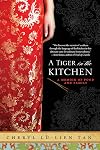
A Tiger in the Kitchen: A Memoir of Food and Family
by Cheryl Lu-lien Tan
On This Page
Description
"A book about the author's quest to recreate the dishes of her native Singapore during one Lunar Calendar year, as a way to connect food and family with her sense of home"--Provided by publisher.Tags
Recommendations
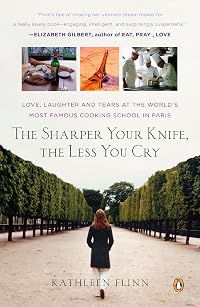
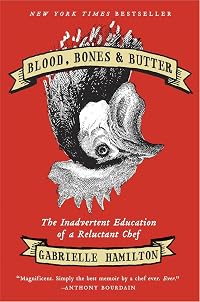
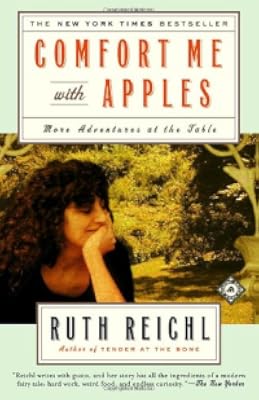
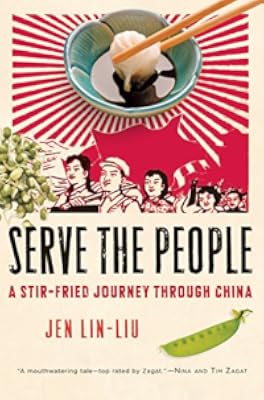







Member Reviews
I have almost nothing in common with the Singapore writer of this book. I married young, started my family early, and both my husband and I have Southern roots. But like her, food is a big part of my family tradition. Reading her journey to discovery her culinary heritage reminded me of the big family traditions we had back in Texas and the meals I enjoyed at my grandparents homes. It also made me a little hungry, but not super hungry, because I'm not quite sure I wanted to sample all these recipes! But it was a great, funny, enlightening read. What dedication her family had! What love put into food!
Thanks to the LT Early Reviewers program for the chance to read this book.
Thanks to the LT Early Reviewers program for the chance to read this book.
 This review was written for LibraryThing Early Reviewers.
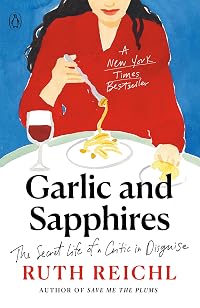
What a delightful treat! Amy Tan meshes with Ruth Reichl in this memoir written by an American immigrant from Singapore. I loved Ms. Tan's style of writing--friendly, down-to-earth, funny. I loved the cooking lessons and the bread-making adventures. As I read this book, I HAD to order "The Bread Baker's Apprentice . . ." (Peter Reinhart), and now I absolutely must try some Singaporean food (once I figure out where it is available)!! Most of all I enjoyed the stories of Cheryl Tan's personal life, her family, and her Chinese ancestors. It was fun to read about the different holidays and traditional foods.
I plan on trying at least one recipe from this book. Unfortunately, most of the recipes seem unworkable for me due to the unusual show more ingredients. I'll have to see how that all works out once I hit an Asian market.
I think this would be a very enjoyable book for anyone who enjoys cooking and/or the Asian culture. show less
I plan on trying at least one recipe from this book. Unfortunately, most of the recipes seem unworkable for me due to the unusual show more ingredients. I'll have to see how that all works out once I hit an Asian market.
I think this would be a very enjoyable book for anyone who enjoys cooking and/or the Asian culture. show less
This review was written for LibraryThing Early Reviewers."A bowl of porridge – a hallmark of traditional Teochew cuisine – appeared. The water was just slightly milky, the grains of rice soft, yet still separate and not so soft that they were mushed together, as they often can be in lesser versions. The porridge was simple and clean – a lovely canvas for the subtle dishes that would follow. A giant steamed fish came prepared with silvers of ginger and swimming in a slightly sweet broth with tinges of the tomatoes and sour plums that had been steeped in it. A crunchy beggar’s purse erupted in an avalanche of diced chicken when sliced open. Perfectly fried prawn balls were crunchy outside and hot and juicy inside. Goose legs and wings were braised in sweet soy sauce to such softness show more that the meat was like cotton puffs on our tongues."
Being part Teochew myself, I salivated over the many Teochew and Singaporean dishes that Tan, who lives and works in the US, consumes and learns to make from her family in Singapore. I longed for more, much more. I got some, with my fill with her tales of making pineapple tarts, rice dumplings, duck soup. But to be honest, in the end I was a little disappointed.
With a myriad of food-related memoirs out there, it’s a tough market. This book’s hook – Singapore food. A rojak of Singapore food. There’s Chinese New Year pineapple tarts, duck soup, a Malay dish, and plenty of bread baking. Reading A Tiger in the Kitchen made me think of home, it made me think of my late grandmother, whom I would find sitting in the kitchen when we visited for Sunday dinners. ‘Mama’ I would greet her and nose around the dining table to check out what we were having for dinner (of course the kids ate at the plastic table on the front porch, not with the adults at the rosewood table). I would request for her kong bah (stewed pork belly with steamed buns) and prawn fritters for my birthdays. But what I miss most are her rice dumplings, orh nee and braised duck, the recipes of which have been lost forever.
Reading this book made me think of the wonderful times spent with my mum in kitchen, helping her chop and wash and cook, helping her whack out the snowskin mooncakes from their wooden moulds. It’s been so long since I’ve had her mooncakes, her simple yet delicious quiche, her sayur lodeh (a vegetable curry). I can’t wait till August when she and my dad come to visit! Hopefully she won’t mind doing some cooking when she’s here! So in that respect, all good. A book that brings up such fond memories, that stirs up the appetite – what could be better?
But there was this sense of disconnect in A Tiger in the Kitchen. Tan’s from Singapore, but lives in the US. First a fashion writer, then a food writer. She starts out quite clueless but thanks to help from her family in Singapore, and her friends and ‘uncles’ in the US, she begins to learn to cook and bake. The book isn’t just about Singapore food, as Tan is fond of baking and breadmaking. And sometimes it’s a bit too back and forth. In Singapore, in the US, cooking Singapore food, baking bread. I mean I understand it’s not all about making mee siam and nasi padang, life in Singapore is very ‘rojak’, but it left me feeling like tighter editing might have come in handy. This book is also a story about her family. However I felt that while bits of her family are revealed, there is much more left unsaid. I can understand, Singapore is a small country, somehow it always seems like there are less than six degrees connecting each other, and I wouldn’t really want people to read about my life! So I kept having this impression that I was always just skimming the fat off the surface of the soup (yeah those food metaphors were just prepped and ready to be used). I wanted to plunge my spoon in deeper, to dig to the bottom of the soup bowl for all the good stuff, to learn more about her family, her passion for food.
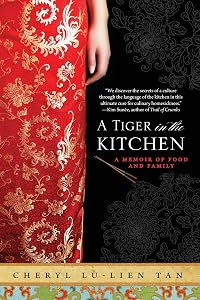
I know photos can be a little overdone when it comes to memoirs/food-related books, but just to have a hint of the food in the recipes would be better, especially for those who are unfamiliar with Singapore food. And then there’s the cover. I really hate this whole ‘oriental’ rubbish. This is a book about food, so why the red cheongsam? It’s as if they searched ‘Asia’ or ‘Oriental’ and used the first image they found. Then added the chopsticks to signal that this book is not just ‘Oriental’, it is food-related. So why not a picture of food?
A Tiger in the Kitchen may have its flaws (which book doesn’t) but it did something that few books have. It made me long for home, for my family, for my food. show less
Being part Teochew myself, I salivated over the many Teochew and Singaporean dishes that Tan, who lives and works in the US, consumes and learns to make from her family in Singapore. I longed for more, much more. I got some, with my fill with her tales of making pineapple tarts, rice dumplings, duck soup. But to be honest, in the end I was a little disappointed.
With a myriad of food-related memoirs out there, it’s a tough market. This book’s hook – Singapore food. A rojak of Singapore food. There’s Chinese New Year pineapple tarts, duck soup, a Malay dish, and plenty of bread baking. Reading A Tiger in the Kitchen made me think of home, it made me think of my late grandmother, whom I would find sitting in the kitchen when we visited for Sunday dinners. ‘Mama’ I would greet her and nose around the dining table to check out what we were having for dinner (of course the kids ate at the plastic table on the front porch, not with the adults at the rosewood table). I would request for her kong bah (stewed pork belly with steamed buns) and prawn fritters for my birthdays. But what I miss most are her rice dumplings, orh nee and braised duck, the recipes of which have been lost forever.
Reading this book made me think of the wonderful times spent with my mum in kitchen, helping her chop and wash and cook, helping her whack out the snowskin mooncakes from their wooden moulds. It’s been so long since I’ve had her mooncakes, her simple yet delicious quiche, her sayur lodeh (a vegetable curry). I can’t wait till August when she and my dad come to visit! Hopefully she won’t mind doing some cooking when she’s here! So in that respect, all good. A book that brings up such fond memories, that stirs up the appetite – what could be better?
But there was this sense of disconnect in A Tiger in the Kitchen. Tan’s from Singapore, but lives in the US. First a fashion writer, then a food writer. She starts out quite clueless but thanks to help from her family in Singapore, and her friends and ‘uncles’ in the US, she begins to learn to cook and bake. The book isn’t just about Singapore food, as Tan is fond of baking and breadmaking. And sometimes it’s a bit too back and forth. In Singapore, in the US, cooking Singapore food, baking bread. I mean I understand it’s not all about making mee siam and nasi padang, life in Singapore is very ‘rojak’, but it left me feeling like tighter editing might have come in handy. This book is also a story about her family. However I felt that while bits of her family are revealed, there is much more left unsaid. I can understand, Singapore is a small country, somehow it always seems like there are less than six degrees connecting each other, and I wouldn’t really want people to read about my life! So I kept having this impression that I was always just skimming the fat off the surface of the soup (yeah those food metaphors were just prepped and ready to be used). I wanted to plunge my spoon in deeper, to dig to the bottom of the soup bowl for all the good stuff, to learn more about her family, her passion for food.
I know photos can be a little overdone when it comes to memoirs/food-related books, but just to have a hint of the food in the recipes would be better, especially for those who are unfamiliar with Singapore food. And then there’s the cover. I really hate this whole ‘oriental’ rubbish. This is a book about food, so why the red cheongsam? It’s as if they searched ‘Asia’ or ‘Oriental’ and used the first image they found. Then added the chopsticks to signal that this book is not just ‘Oriental’, it is food-related. So why not a picture of food?
A Tiger in the Kitchen may have its flaws (which book doesn’t) but it did something that few books have. It made me long for home, for my family, for my food. show less
A Tiger in the Kitchen: A Memoir of Food and Family made me hungry. Really hungry. I love Asian food of all sorts, and listening to author Cheryl Lu-Lien Tan describe these family favorites in such loving detail made me want to try to make them myself, because I just knew takeout was going to be a disappointment. Dumplings, soups and special desserts, often tied to holiday celebrations and memories of family dinners, are all on the menu in her book, subtitled “A Memoir of Food and Family.” Her attempts to reconnect with her family and childhood through not just recipes but the act of preparing them, will be achingly familiar to many readers.
Tan had a comfortable childhood in Singapore. It seems her parents were expecting a boy, but show more instead, they got a feisty, independent daughter who left for America at 18. In her home, cooking was a task left to the maids, but she has vivid memories of the cooking that went on in the homes of her grandmothers and aunties. As a professional journalist, living in New York, she begins baking as a sort of therapy:
In this cloud of cinnamon-scented zen, the pressures of New York would melt away. Outside the kitchen, life was complicated and meandered in unpredictable and uncontrollable ways. But with my mixer in hand and two sticks of softened butter before me, the possibilities were thrilling and endless and the outcome was entirely governed by me.
She shares some incredible stories about her family history, many of them stories that she never heard until she began spending time with her aunties. Cooking is a great distraction; you have something to do with your hands, something to concentrate on, so you speak more freely, less self-consciously, so I’m not surprised that it led to some great conversations. Besides, you have to do something while you’re waiting for dough to rise or rice to cook. Gossip and story-telling are a great way to kill time. One auntie tells the story of her brief stint as an opium courier. There are the stories about what Singaporean fiances have to do to win their wives (mainly: bring money and eat disgusting things). Talk about the festivals in Singapore, what one feeds a Hungry Ghost, and why cats have to be shooed away from funerals. It’s a small whirlwind of Singaporean culture, with a side of chicken rice.
It’s the descriptions of the food that really got me. My stomach rumbled just reading them:
One of the dishes I desperately wanted to know how to make was tau yew bak, a stew of pork belly braised in dark soy sauce, sweet and thick, and a melange of spices…When done well, the meat is so tender you feel almost as if you are biting into pillows. The gravy is salty, sweet, and gently flecked with traces of ginger, star anise, and cinnamon — just perfect drizzled over rice.
In some ways, Tan comes off as a little selfish and spoiled, with all the talk of ignoring her aunties’ hard work and leaving the cooking to the maids, but these are stories of her childhood. Being laid off from her job at the Wall Street Journal gave her the time and freedom to spend time in Singapore with her family, learning to cook the old family recipes, but my poor practical heart screams, “what about job hunting? those flights are expensive! what about your husband, stuck at home?” If you can manage it, that’s great and I am desperately jealous, but it’s hard for me to imagine. show less
Tan had a comfortable childhood in Singapore. It seems her parents were expecting a boy, but show more instead, they got a feisty, independent daughter who left for America at 18. In her home, cooking was a task left to the maids, but she has vivid memories of the cooking that went on in the homes of her grandmothers and aunties. As a professional journalist, living in New York, she begins baking as a sort of therapy:
In this cloud of cinnamon-scented zen, the pressures of New York would melt away. Outside the kitchen, life was complicated and meandered in unpredictable and uncontrollable ways. But with my mixer in hand and two sticks of softened butter before me, the possibilities were thrilling and endless and the outcome was entirely governed by me.
She shares some incredible stories about her family history, many of them stories that she never heard until she began spending time with her aunties. Cooking is a great distraction; you have something to do with your hands, something to concentrate on, so you speak more freely, less self-consciously, so I’m not surprised that it led to some great conversations. Besides, you have to do something while you’re waiting for dough to rise or rice to cook. Gossip and story-telling are a great way to kill time. One auntie tells the story of her brief stint as an opium courier. There are the stories about what Singaporean fiances have to do to win their wives (mainly: bring money and eat disgusting things). Talk about the festivals in Singapore, what one feeds a Hungry Ghost, and why cats have to be shooed away from funerals. It’s a small whirlwind of Singaporean culture, with a side of chicken rice.
It’s the descriptions of the food that really got me. My stomach rumbled just reading them:
One of the dishes I desperately wanted to know how to make was tau yew bak, a stew of pork belly braised in dark soy sauce, sweet and thick, and a melange of spices…When done well, the meat is so tender you feel almost as if you are biting into pillows. The gravy is salty, sweet, and gently flecked with traces of ginger, star anise, and cinnamon — just perfect drizzled over rice.
In some ways, Tan comes off as a little selfish and spoiled, with all the talk of ignoring her aunties’ hard work and leaving the cooking to the maids, but these are stories of her childhood. Being laid off from her job at the Wall Street Journal gave her the time and freedom to spend time in Singapore with her family, learning to cook the old family recipes, but my poor practical heart screams, “what about job hunting? those flights are expensive! what about your husband, stuck at home?” If you can manage it, that’s great and I am desperately jealous, but it’s hard for me to imagine. show less
Cheryl Tan, after growing up in Singapore, moving to the US to pursue her journalistic dreams, and being married a while, decides to go back to Singapore and reconnect with her family through cooking. I found that the writer told a lot more than showed us and that family stories were told in big chunks instead of over cooking. Well, I suppose she was too busy taking down notes to make the food. It just seems to me that there is a glut of books, especially women with great jobs doing a 180 and suddenly have this desire to be a housewife. I myself am a woman and I love to cook and bake, but I also have a job and want to do things that do not involve the kitchen. I know that Tan has a job, but it's mentioned in the periphel and no where show more near as heavily emphasized on the baking and cooking. I wonder what message this is sending to men and women who read it. Also, she reinforces the sterotype of women who spend too much shopping and then make it up to hubby by making his favorite foods. show less
This review was written for LibraryThing Early Reviewers."I was born in the year of the Tiger with a lucky star over my head and a knife in my hand." (p.7) This is how Tan introduces us to her childhood in Singapore. After a childhood of generational intent and dreams, Tan shows a life full of ambition and food. While she was happy to build her life in New York, Tan missed her home dishes even as she learned to appreciate meatloaf and bread. After her grandmother's death, she realizes that she has no concept of the dishes she grew up with and makes plans to spend the next year in Singapore, learning in the kitchens of her aunts and mother. As she learns the family recipes, she also learns details about her family's history. Food is just the beginning as Tan realizes she has so much more to show more gain than just recipes. Through failures and successes in cooking, the kitchen becomes a gateway into Tan's family past and a lifeline that connects her in the present.
I love culinary memoirs. Tan's descriptive prose of her time in the kitchen, both in her tiny space in New York and in her relatives' spaces in Singapore, drew me in. I got lost not only in her family history, but in the process of cooking. As someone who feels that food is a definite way to connect to family, I really enjoyed the details. Even as she moves back and forth between reminiscing about her childhood and the present day, I had no trouble keeping pace with the story.
Fans of Michael Ruhlman's Soul of a Chef or Ruth Reichl's Tender at the Bone should enjoy this memoir, which is a personal journey into Tan's family life and kitchen. show less
I love culinary memoirs. Tan's descriptive prose of her time in the kitchen, both in her tiny space in New York and in her relatives' spaces in Singapore, drew me in. I got lost not only in her family history, but in the process of cooking. As someone who feels that food is a definite way to connect to family, I really enjoyed the details. Even as she moves back and forth between reminiscing about her childhood and the present day, I had no trouble keeping pace with the story.
Fans of Michael Ruhlman's Soul of a Chef or Ruth Reichl's Tender at the Bone should enjoy this memoir, which is a personal journey into Tan's family life and kitchen. show less
This review was written for LibraryThing Early Reviewers.I spent many happy hours reading this fascinating, funny, heart-warming book. Tiger in the Kitchen is a great choice for anyone interested in Singapore, travel, culture, families or food.
Like Amy Chua who wrote Battle Hymn of the Tiger Mother, author Cheryl Lu-Lien Tan was born in the Year of the Tiger which is supposed to make her dynamic and aggressive. It is certainly true in Tan's case. As a child in Singapore she was always ambitious and never interested in girl pursuits like cooking, but her fondest memories of growing up all involve eating. When Tan was eighteen she defied her family's wishes by traveling far from home to study journalism at an American college, but once there she found she missed the foods of Singapore. Their show more multilayered flavors were hard to duplicate in America. The British had established a busy trading port at Singapore early in the nineteenth century so its food are unique with influences coming from all over, including China, Malaysia, India and Europe.
After college Tan stayed in America and in the fall 2008 when the financial crisis in full swing she was working at the Wall Street Journal. Because she covered fashion and retail, her days were spent on devastating stories of closures and bankruptcies. Many of her New York friends were losing their jobs. By early 2009 Tan had migraines so intense her doctor thought she might be having a stoke and she knew she needed a change. With Chinese New Year approaching, Tan's aunts in Singapore would be baking up a storm so Tan decided to take a break, fly to Singapore, and learn how to make the pineapple tarts she had loved as a child.
Cooking with her aunties just whet her appetite for more. She fantasized about returning to Singapore for more extended sessions of cooking instructions, weeks or even months long, but with the financial crisis still wrecking havoc it was completely impractical to think of taking that much time away from work. Fortunately, she was laid off. For the next year, Chinese New Year to Chinese New Year, Tan traveled back and forth from New York City to Singapore so she could spend time with her extended family and master the art of cooking the foods she remembered from childhood.
Tan started out approaching this project like the true tiger woman that she is, trying to simultaneously participate in, photograph and write down the often overwhelmingly elaborate recipe steps her aunts carried effortlessly in their heads. She spent the early days frantically begging those aunts for exact measurements of everything, which made them laugh because it wasn't how they cook. Tan had to learn not to be squeamish when ingredients included whole ducks, heads and all, or pig belly with some bristly skin still attached.
The subtitle, A Memoir of Food and Family, is apt because her story is as much about getting to know her extended family better as it is about their food. Tan culminated her year of cooking classes from her grandmother and aunts by preparing a family meal for them all during the Chinese New Year celebration. While not every dish turned out as perfectly as she had envisioned, family members who had previously been estranged were now sitting around the table together laughing, talking, and enjoying food.
Recipes for several of the foods Tan learns to cook, including the pineapple tarts from her first lesson, are in the back of the book. The March 23, 2011 edition of the Washington Post has one more, her grandmother's recipe for "Gambling Rice". During Tan's year of family and food she learned to her great surprise that both of her sweet but shrewd grandmothers had run illicit gambling dens in their homes to earn needed money for their families. Gambling Rice was a convenient meal that could be eaten right at the card table so the gamblers didn't have to stop playing when they got hungry. show less
Like Amy Chua who wrote Battle Hymn of the Tiger Mother, author Cheryl Lu-Lien Tan was born in the Year of the Tiger which is supposed to make her dynamic and aggressive. It is certainly true in Tan's case. As a child in Singapore she was always ambitious and never interested in girl pursuits like cooking, but her fondest memories of growing up all involve eating. When Tan was eighteen she defied her family's wishes by traveling far from home to study journalism at an American college, but once there she found she missed the foods of Singapore. Their show more multilayered flavors were hard to duplicate in America. The British had established a busy trading port at Singapore early in the nineteenth century so its food are unique with influences coming from all over, including China, Malaysia, India and Europe.
After college Tan stayed in America and in the fall 2008 when the financial crisis in full swing she was working at the Wall Street Journal. Because she covered fashion and retail, her days were spent on devastating stories of closures and bankruptcies. Many of her New York friends were losing their jobs. By early 2009 Tan had migraines so intense her doctor thought she might be having a stoke and she knew she needed a change. With Chinese New Year approaching, Tan's aunts in Singapore would be baking up a storm so Tan decided to take a break, fly to Singapore, and learn how to make the pineapple tarts she had loved as a child.
Cooking with her aunties just whet her appetite for more. She fantasized about returning to Singapore for more extended sessions of cooking instructions, weeks or even months long, but with the financial crisis still wrecking havoc it was completely impractical to think of taking that much time away from work. Fortunately, she was laid off. For the next year, Chinese New Year to Chinese New Year, Tan traveled back and forth from New York City to Singapore so she could spend time with her extended family and master the art of cooking the foods she remembered from childhood.
Tan started out approaching this project like the true tiger woman that she is, trying to simultaneously participate in, photograph and write down the often overwhelmingly elaborate recipe steps her aunts carried effortlessly in their heads. She spent the early days frantically begging those aunts for exact measurements of everything, which made them laugh because it wasn't how they cook. Tan had to learn not to be squeamish when ingredients included whole ducks, heads and all, or pig belly with some bristly skin still attached.
The subtitle, A Memoir of Food and Family, is apt because her story is as much about getting to know her extended family better as it is about their food. Tan culminated her year of cooking classes from her grandmother and aunts by preparing a family meal for them all during the Chinese New Year celebration. While not every dish turned out as perfectly as she had envisioned, family members who had previously been estranged were now sitting around the table together laughing, talking, and enjoying food.
Recipes for several of the foods Tan learns to cook, including the pineapple tarts from her first lesson, are in the back of the book. The March 23, 2011 edition of the Washington Post has one more, her grandmother's recipe for "Gambling Rice". During Tan's year of family and food she learned to her great surprise that both of her sweet but shrewd grandmothers had run illicit gambling dens in their homes to earn needed money for their families. Gambling Rice was a convenient meal that could be eaten right at the card table so the gamblers didn't have to stop playing when they got hungry. show less
This review was written for LibraryThing Early Reviewers.Members
- Recently Added By
Lists

Food Memoirs
97 works; 9 members
Author Information

4 Works 490 Members
Common Knowledge
- People/Characters
- Cheryl Lu-Lien Tan; Soo Liap Tan (Daddo); Daphne Tan; Auntie Alice; Tanglin Ah-Ma; Auntie Khar Imm (show all 13); Jessie; Ah-Ma; Simpson Wong; Willin Low; Auntie Leng Eng; Ai-Kyung Linster; Mike
- Important places
- New York, New York, USA; Singapore
- Dedication
- For Daddo, Mammo and Daffo,
who loved me enough to let me go.
And for Mike,
who caught me on the other side. - First words
- I was born in the year of the Tiger with a lucky star over my head and a knife in my hand.
- Last words
- (Click to show. Warning: May contain spoilers.)"You passed already."
Classifications
- Genres
- Nonfiction, Food & Cooking, Biography & Memoir, General Nonfiction
- DDC/MDS
- 641.595957 — Applied science & technology Home economics & family management Food, Cooking & Recipes / Meals, Picnics Cooking; cookbooks Ethnic Cookbooks Asia Southeast Asia Malaysia; Singapore; Brunei Singapore
- LCC
- TX724.5 .S55 .T36 — Technology Home economics Home economics Cooking
- BISAC
Statistics
- Members
- 190
- Popularity
- 172,431
- Reviews
- 44
- Rating
- (3.38)
- Languages
- English
- Media
- Paper, Ebook
- ISBNs
- 3
- ASINs
- 3