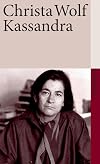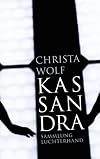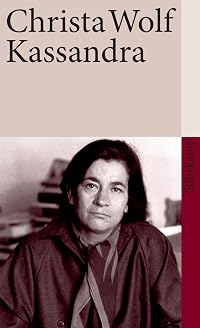
Cassandra
by Christa Wolf
On This Page
Description
Cassandra, daughter of the King of Troy, is endowed with the gift of prophecy but fated never to be believed. After ten years of brutal war, Troy has fallen to the Greek army, and Cassandra is now a prisoner of war, shackled outside the gates of a foreign fortress, Agamemnon's Mycenae. Through memories of her childhood and reflections on the long years of conflict, Cassandra pieces together the legendary fall of her city. A woman living in an age of heroes, Cassandra reveals the untold show more personal story that has been lost among the triumphs of Achilles and Hector. show lessTags
Recommendations





























Member Recommendations

Member Reviews
This is one of Wolf's most famous works - it takes the form of a first-person monologue set within the foreground timeframe of Cassandra's appearance in Aeschylus's Agamemnon. Expanding (a good deal) on her speeches in the play, Cassandra looks back on her life in Troy, the war and fall of the city, and the circumstances that have led to her impending murder by Clytemnestra. Although there's no formal metrical structure, and the narrative is basically a stream-of-consciousness mixing memories of different time-periods quite arbitrarily, Wolf does use a declamatory style that is at least "rhetorically aware" - it echoes the feel of the play, and this is a book you certainly have to imagine being read aloud.
For a feminist writer, the show more character of Cassandra is just a gift that keeps on giving. She's known above all as a woman doomed not to be listened to, and - as we know from Aeschylus - that was a punishment for saying "no" to sex with Apollo. And there are other traditions that she was a rape-victim and was forced into a political marriage by her father. But she's possibly also the first woman in literature who is there because of the work she does and not because of who her father or her husband is. And for Wolf, she's above all a representative of the transition from the matriarchal societies of the Minoan tradition to the hard new patriarchal culture of the Achaeans.
Cassandra's Troy, in Wolf's account, is being turned into a militaristic police-state by a Himmler-like figure called Eumelos who is fond of the "those who are not with us are against us" version of binary logic; those who still seek to follow the old ways and respect the mother-goddess are being forced underground.
Wolf is such a capable writer that none of this sounds like strident cliché when we meet it on the printed page, and Cassandra is a much more complex character than we might expect. She has a complex relationship with Aeneas, for instance, which seems to be there not for any obvious political reason but simply because Wolf found him an interesting character and wanted to work out for herself what he might be doing in the story. Definitely worth the effort. show less
For a feminist writer, the show more character of Cassandra is just a gift that keeps on giving. She's known above all as a woman doomed not to be listened to, and - as we know from Aeschylus - that was a punishment for saying "no" to sex with Apollo. And there are other traditions that she was a rape-victim and was forced into a political marriage by her father. But she's possibly also the first woman in literature who is there because of the work she does and not because of who her father or her husband is. And for Wolf, she's above all a representative of the transition from the matriarchal societies of the Minoan tradition to the hard new patriarchal culture of the Achaeans.
Cassandra's Troy, in Wolf's account, is being turned into a militaristic police-state by a Himmler-like figure called Eumelos who is fond of the "those who are not with us are against us" version of binary logic; those who still seek to follow the old ways and respect the mother-goddess are being forced underground.
Wolf is such a capable writer that none of this sounds like strident cliché when we meet it on the printed page, and Cassandra is a much more complex character than we might expect. She has a complex relationship with Aeneas, for instance, which seems to be there not for any obvious political reason but simply because Wolf found him an interesting character and wanted to work out for herself what he might be doing in the story. Definitely worth the effort. show less
This is one of the best books I've ever read. The language is overwhelming, the story brings new aspects at every page to the old story of the Trojan war and the end, though it is clear from the beginning, is so sad that you feel like like a stain on your heart. Wolf's book is not feminist, it is the story of a person that gets rid of all illusions and learns to look at reality in a candid and honest way.
Një udhëtim i jashtëzakonshëm në mitin grek. Zëri i fuqishëm i Christa Wolf, na rrëfen në këtë libër të bukur jetën e princeshës fatthënëse, e bija e Priamit dhe Hekubës, para dhe pas rënies dramatike të qytetit të saj, Trojës, duke na sjellë Kasandrën, këtë personazh të jashtëzakonshëm, kompleks e që në penën e saj tingëllon aq modern.
I love mythology, but this is such a boring read... It took me forever to get past the first 20 pages and I gave up after 40 which barely ever happens.
Yeah, I read this book both in German and in translation. Pretty much, all books are better in the original language than the translated language. This is no exception.
"Wann Krieg beginnt, das kann man wissen, aber wann beginnt der Vorkrieg. Falls es da Regeln gäbe, müßte man sie weitersagen. In Ton, in Stein eingraben, überliefern. Was stünde da?
Da stünde, unter andern Sätzen: Laßt euch nicht von den Eignen täuschen."
Da stünde, unter andern Sätzen: Laßt euch nicht von den Eignen täuschen."
Non avrei mai detto che Cassandra potesse colpirmi forte come aveva fatto Medea: Voci della stessa autrice: non mi sembrava un mito capace di coinvolgermi come quello della maga della Colchide. Un pregiudizio che mi ha fatto ritardare la lettura di Cassandra di anni, finendo però per farmelo leggere proprio nel momento migliore.
Tramite Cassandra, infatti, Wolf ci racconta il momento nel quale si afferma definitivamente la società patriarcale, il cui esponente più rappresentativo diventa Achille la bestia, che mi ha fatto venire i brividi tanto il suo personaggio riesce a incarnare tutto l’orrore che la mascolinità tossica porta con sé.
E a costui [Achille] lui, il veggente Calcante, ha poi dovuto cedere sua figlia. Forse si è show more voluto convincere che solo il più brutale avrebbe potuto proteggere una donna in mezzo ai bruti. Rividi Briseide, quando fummo spinti attraverso il campo dei greci dopo la caduta di Troia. Credevo di aver già visto tutto l’orrore che può vedere un essere umano. So quel che dico: il viso di Briseide superò ogni cosa.
Cassandra sa che il disastro sta arrivando: lo vede nell’estromissione delle donne dal potere decisionale, lo vede nella violenza della guerra, lo vede nella cecità con la quale si persegue l’annientamento dell’altro, lo vede nel potere gerarchico maschile difeso a ogni costo. C’è un modo per evitarlo? Difficilmente. Bisognerebbe imparare ad ascoltare le donne e a dare spazio e importanza al loro punto di vista, oltre a costruire un ideale maschile diverso. Tra uccidere e morire c’è una terza via: vivere.
Wolf mi ha sorpreso tantissimo per la sua capacità di parlare alla me di oggi, alle prese con questa rinnovata fascinazione collettiva per gli uomini forti. È uno di quei libri che secondo me ogni persona, ma soprattutto ogni donna, dovrebbe leggere almeno una volta nella vita, perciò concludo con due consigli per godervelo al meglio.
Il primo riguarda la storia narrata: Wolf non perde tempo in dettagli e ci catapulta immediatamente nella storia, sparando nomi ed eventi a raffica che, soprattutto nelle prime pagine, possono confondere. Vi consiglio quindi un ripasso veloce del mito per non farvi trovare impreparatə.
L’altro consiglio vuole mettervi in guardia sulla struttura del romanzo, che segue il flusso di coscienza di Cassandra e quindi ha molti sbalzi temporali che richiedono tutta la vostra attenzione per essere seguiti. Non mettetevi a leggere Cassandra con distrazione... show less
Tramite Cassandra, infatti, Wolf ci racconta il momento nel quale si afferma definitivamente la società patriarcale, il cui esponente più rappresentativo diventa Achille la bestia, che mi ha fatto venire i brividi tanto il suo personaggio riesce a incarnare tutto l’orrore che la mascolinità tossica porta con sé.
E a costui [Achille] lui, il veggente Calcante, ha poi dovuto cedere sua figlia. Forse si è show more voluto convincere che solo il più brutale avrebbe potuto proteggere una donna in mezzo ai bruti. Rividi Briseide, quando fummo spinti attraverso il campo dei greci dopo la caduta di Troia. Credevo di aver già visto tutto l’orrore che può vedere un essere umano. So quel che dico: il viso di Briseide superò ogni cosa.
Cassandra sa che il disastro sta arrivando: lo vede nell’estromissione delle donne dal potere decisionale, lo vede nella violenza della guerra, lo vede nella cecità con la quale si persegue l’annientamento dell’altro, lo vede nel potere gerarchico maschile difeso a ogni costo. C’è un modo per evitarlo? Difficilmente. Bisognerebbe imparare ad ascoltare le donne e a dare spazio e importanza al loro punto di vista, oltre a costruire un ideale maschile diverso. Tra uccidere e morire c’è una terza via: vivere.
Wolf mi ha sorpreso tantissimo per la sua capacità di parlare alla me di oggi, alle prese con questa rinnovata fascinazione collettiva per gli uomini forti. È uno di quei libri che secondo me ogni persona, ma soprattutto ogni donna, dovrebbe leggere almeno una volta nella vita, perciò concludo con due consigli per godervelo al meglio.
Il primo riguarda la storia narrata: Wolf non perde tempo in dettagli e ci catapulta immediatamente nella storia, sparando nomi ed eventi a raffica che, soprattutto nelle prime pagine, possono confondere. Vi consiglio quindi un ripasso veloce del mito per non farvi trovare impreparatə.
L’altro consiglio vuole mettervi in guardia sulla struttura del romanzo, che segue il flusso di coscienza di Cassandra e quindi ha molti sbalzi temporali che richiedono tutta la vostra attenzione per essere seguiti. Non mettetevi a leggere Cassandra con distrazione... show less
Jan 12, 2024Italian
Members
- Recently Added By
Published Reviews
ThingScore 75
"Kassandra" von Christa Wolf ist eine Neuinterpretation des antiken griechischen Mythos, in dessen Mittelpunkt die Figur der Kassandra steht, Tochter des Königs Priamos von Troja. Verflucht mit Weitsicht, aber dazu bestimmt, nie geglaubt zu werden, entfaltet sich Kassandras Geschichte durch introspektive Reflexionen. Der Roman erforscht den Fall Trojas, den Trojanischen Krieg und die Taten show more der griechischen Helden. Wolfs einzigartige Darstellung von Kassandra als widerstandsfähiger und hinterfragender Figur stellt gesellschaftliche Normen in Frage.
Die Erzählung befasst sich mit Themen des Feminismus und Existenzialismus und schildert die Kämpfe Kassandras in einer patriarchalischen Gesellschaft. Mit dem Wissen um eine tragische Zukunft wird der Roman zu einer ergreifenden Erkundung von Identität, Handlungsfähigkeit und den Folgen des Widerstands gegen gesellschaftliche Erwartungen. "Kassandra" zeichnet sich durch seine literarische Innovation aus, die historische Elemente mit einer neuen Perspektive verbindet und einer traditionell marginalisierten Figur der griechischen Mythologie eine Stimme verleiht. Wolfs Neuinterpretation lädt den Leser dazu ein, die Komplexität des Schicksals und des Glaubens im Angesicht eines vorherbestimmten Schicksals zu überdenken. show less
Die Erzählung befasst sich mit Themen des Feminismus und Existenzialismus und schildert die Kämpfe Kassandras in einer patriarchalischen Gesellschaft. Mit dem Wissen um eine tragische Zukunft wird der Roman zu einer ergreifenden Erkundung von Identität, Handlungsfähigkeit und den Folgen des Widerstands gegen gesellschaftliche Erwartungen. "Kassandra" zeichnet sich durch seine literarische Innovation aus, die historische Elemente mit einer neuen Perspektive verbindet und einer traditionell marginalisierten Figur der griechischen Mythologie eine Stimme verleiht. Wolfs Neuinterpretation lädt den Leser dazu ein, die Komplexität des Schicksals und des Glaubens im Angesicht eines vorherbestimmten Schicksals zu überdenken. show less
added by Peter_MacTroy
Lists

Best Contemporary Literary Fiction (Around the Last 30 Years)
388 works; 124 members

German Literature
518 works; 55 members

Best historical fiction set in the ancient world
126 works; 40 members

Canon de la narrativa universal del siglo XX
254 works; 6 members

Top Five Books of 2017
757 works; 231 members

Nobel non-laureates, non-male
30 works; 10 members

Elena Ferrante's 40 favourite books by female authors
40 works; 10 members

The Trojan War
109 works; 13 members

Harold Bloom - The Western Canon: D. The Chaotic Age
833 works; 24 members

Canon de la narrativa universal del s. XX (cicutadry)
499 works; 3 members
Author Information

116+ Works 5,611 Members
Christa Wolf was born on March 18, 1929, in Landsberg, which is now Gorzow, Poland. Her father joined the Nazi Party and she became a member of the girls' version of the Hitler Youth. In 1949, she joined the Socialist Unity Party and studied German literature at universities in Jena and Leipzig. She wrote numerous novels during her lifetime show more including The Divided Heaven, The Quest for Christa T., A Model Childhood, and Cassandra. She won several awards including the Heinrich Mann Prize in 1963 and Thomas Mann Prize for literature in 2010. She died on December 1, 2011 at the age of 82. (Bowker Author Biography) show less
Some Editions
Awards and Honors
Series
Belongs to Publisher Series
Venècies (4)
Sammlung Luchterhand (455)
Work Relationships
Is contained in
Is abridged in
Has as a commentary on the text
Has as a student's study guide
Common Knowledge
- Canonical title
- Cassandra
- Original title
- Kassandra
- Alternate titles*
- Kassandra : verhaal
- Original publication date
- 1983
- Important places
- Troy
- Important events
- Trojan War
- First words*
- Hier war es.
- Last words*
- (Click to show. Warning: May contain spoilers.)Im Wechsel des Lichts scheinen sie sich zu rühren.
- Original language
- German
- Disambiguation notice
- 3518460528 2008 softcover German suhrkamp taschenbuch 4052
3518742205 2010ebook German suhrkamp taschenbuch 4052
*Some information comes from Common Knowledge in other languages. Click "Edit" for more information.
Classifications
- Genres
- Fiction and Literature, General Fiction, Historical Fiction
- DDC/MDS
- 833.914 — Literature & rhetoric German & related literatures German fiction 1900- 1900-1990 1945-1990
- LCC
- PT2685 .O36 .K3 — Language and Literature German, Dutch and Scandinavian literatures German literature Individual authors or works 1961-2000
- BISAC
Statistics
- Members
- 833
- Popularity
- 32,953
- Reviews
- 14
- Rating
- (3.97)
- Languages
- 19 — Albanian, Bosnian, Danish, Dutch, English, Finnish, French, German, Italian, Latvian, Norwegian (Bokmål), Portuguese, Romanian, Russian, Serbian, Croatian, Spanish, Swedish, Turkish
- Media
- Paper, Audiobook, Ebook
- ISBNs
- 55
- ASINs
- 12