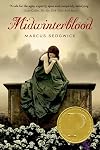
Midwinterblood
by Marcus Sedgwick
On This Page
Description
"Seven linked vignettes unfold on a Scandinavian island inhabited--throughout various time periods--by Vikings, vampires, ghosts, and a curiously powerful plant"--Provided by publisher.Tags
Recommendations
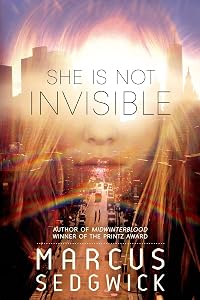
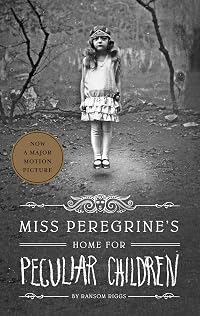



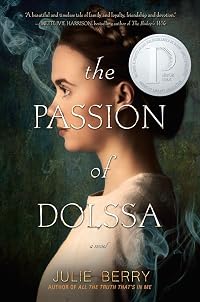
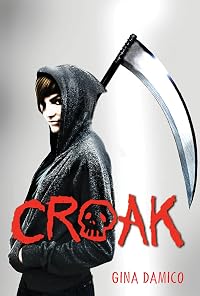
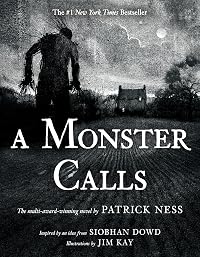
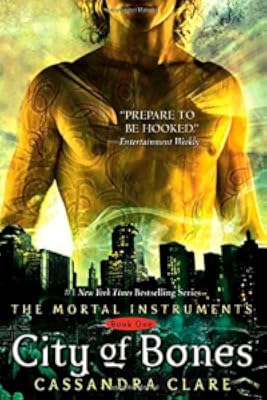
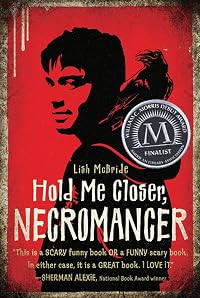
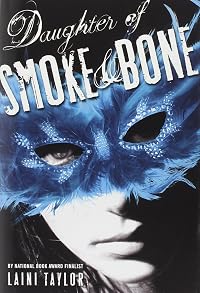
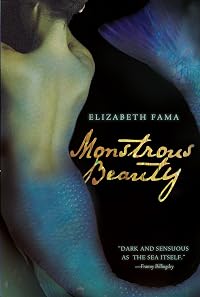
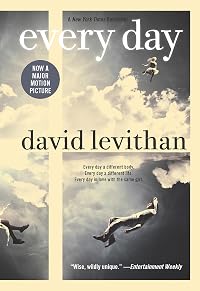
Member Recommendations
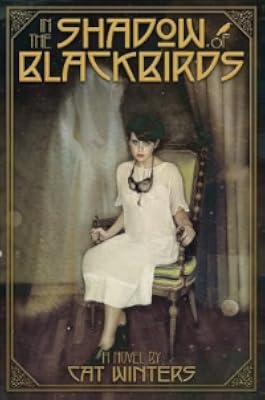
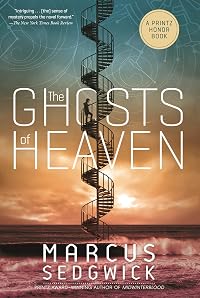
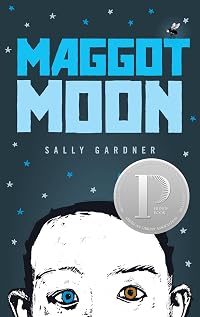
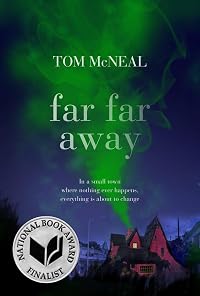
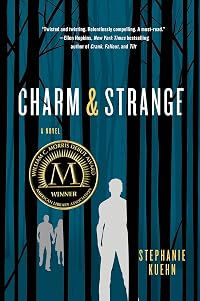
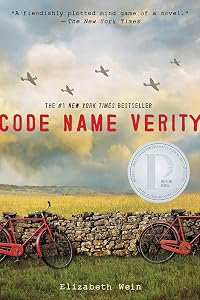
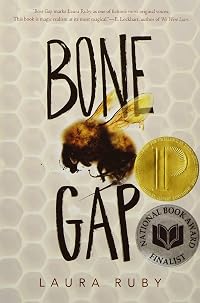
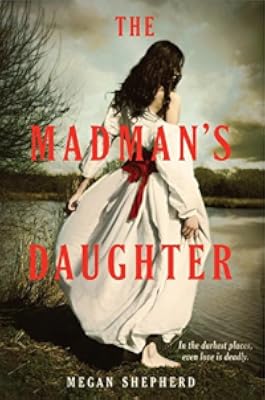
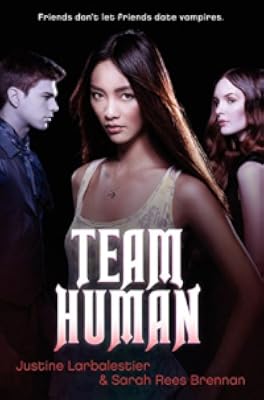
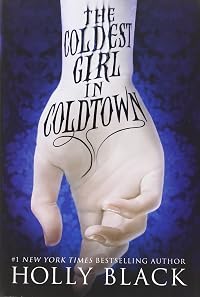
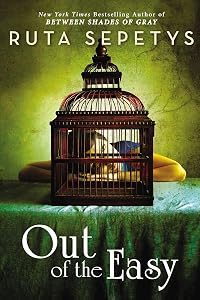
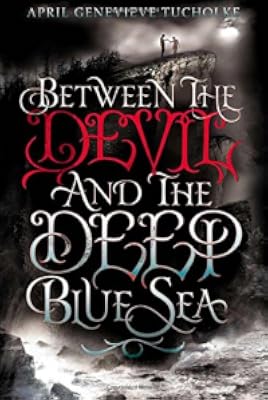
celerydog similar inter-linked stories structure and equally satisfying
Member Reviews
I have a love/hate relationship with Marcus Sedgwick's books. I love My Swordhand is Singing with an intense passion; Revolver and The Book of Dead Days, not so much. I tend to approach with caution and his books get pushed down my to-be-read list easily. That said, I really enjoyed Midwinterblood! The short vignettes all tied together by a common thread through time were engrossing. I especially liked the story of the archaeologist. Each story added a piece to the bigger puzzle and, at the end, the reader looks back over a large landscape, seeing the patterns merge and form a whole, like the painting. A great read.
Eric Seven is a journalist. He is traveling to Blessed Island. He has heard stories about the island and the people there that do not age. Eric meets Merle. He feels an instant connection with her. Eric has a feeling that he has met her before. Eric realizes that he has met Merle before in a past life. Not just a past life but six other lives.
I have never read anything by this author. To be honest this is not the type of book that I would typically purchase for myself but always willing to try new authors. While, this book did sound good I still had my reservations about it going into the book. Well those were quickly put aside once I started reading this book. I was spellbound. I could not read this book fast enough. This was both a show more good thing and a bad thing. Good because it was that great and bad because this book already was a fast read with short chapters.
The seven stories just flowed from one to the next. Each one added to the whole tale as a whole piece of the pie. I am not usually a fan of time travel but loved it for this book. The refreshing thing I loved about this book was that the stories were told from future to past or the beginning. So I knew how the story ended but it was cool to get to go backwards and see how it all started. I want to go back and comment and say that this book was in a sense time travel but more reincarnation. This book will have both young and adult readers enjoying it. Midwinter Blood is like finding a piece of valuable treasure! show less
I have never read anything by this author. To be honest this is not the type of book that I would typically purchase for myself but always willing to try new authors. While, this book did sound good I still had my reservations about it going into the book. Well those were quickly put aside once I started reading this book. I was spellbound. I could not read this book fast enough. This was both a show more good thing and a bad thing. Good because it was that great and bad because this book already was a fast read with short chapters.
The seven stories just flowed from one to the next. Each one added to the whole tale as a whole piece of the pie. I am not usually a fan of time travel but loved it for this book. The refreshing thing I loved about this book was that the stories were told from future to past or the beginning. So I knew how the story ended but it was cool to get to go backwards and see how it all started. I want to go back and comment and say that this book was in a sense time travel but more reincarnation. This book will have both young and adult readers enjoying it. Midwinter Blood is like finding a piece of valuable treasure! show less
What did I just read? A romance with horror? A horrific romance? A book about past lives? It is a book about sacrifice, and how love can span time, and how terrible that can be. Clear and beautiful prose--it is a book that can't be defined. Why they HELL is it labeled YA?
I had been delaying writing this review because I was trying to figure out my own reaction to the book. There is a lot good in the book - the linked stories have just enough subtlety in the connections between them to make them well done and just enough independence to make them work on their own, the reversed timeline is pulled off masterfully. But it also has its weak points - the epilogue does not feel like it belongs to the book and I am still not sure why this is classified as YA - it looks like a cop out to allow shallowly built characters and more coincidences than one would accept in an adult book. And I would not be so unhappy of the latter if the book was not actually pretty good - it could have worked as an adult book with show more very little change.
But let's go back to the story - somewhere out there, there is an island where a special flower is grown - a flower that can extend people's life but it also makes them forget things. The 7 stories in the novel go back in time in the lives of two lovers - they died in their first life but always find themselves - sometimes as lovers, sometimes as friends. There is a ghost story and an archeological dig, a picture and a magically hidden part of the island, vampires and vikings. One story leads into another and the connections are built with a mastery that makes me wonder why it was not extended to building the characters as well. We follow an archeologist finding a bomb and a grave, in the next stories we learn how they ended up there; we will see a picture and then we will see it painted and then we will see how the actual scene happened. It starts with a sacrifice and it ends with one - despite the centuries between the two, it is one and the same. Time makes a full circle and one wonders if it will be just one.
The start of the novel is mundane - a journalist is sent to an island that seems to be weird and special; an island where he will meet a woman that seems to be his destiny. He needs to forget and he needs to remember. The end of the novel, without the epilogue is lyrical and fitting. The epilogue is useless and although it seems to be built to tie the stories together, it manages to sound condescending and totally out of style.
The prose weaves between simple (even simplistic) and lyrical. I can see why it won awards for YA novels but I also wonder what could have been if Sedgwick had written it as a proper novel - it could have stood as one. And I am not sure how fair it is to have this kind of a mish-mash called YA - it has the same issues as most of the YA books but it also has elements that put it on top of them.
At the end, it is a readable novel - somewhere between YA and adult literature. A lost opportunity in so many ways despite the awards it had won - it's not YA except by name but it does not get to the level of a good adult fiction either. show less
But let's go back to the story - somewhere out there, there is an island where a special flower is grown - a flower that can extend people's life but it also makes them forget things. The 7 stories in the novel go back in time in the lives of two lovers - they died in their first life but always find themselves - sometimes as lovers, sometimes as friends. There is a ghost story and an archeological dig, a picture and a magically hidden part of the island, vampires and vikings. One story leads into another and the connections are built with a mastery that makes me wonder why it was not extended to building the characters as well. We follow an archeologist finding a bomb and a grave, in the next stories we learn how they ended up there; we will see a picture and then we will see it painted and then we will see how the actual scene happened. It starts with a sacrifice and it ends with one - despite the centuries between the two, it is one and the same. Time makes a full circle and one wonders if it will be just one.
The start of the novel is mundane - a journalist is sent to an island that seems to be weird and special; an island where he will meet a woman that seems to be his destiny. He needs to forget and he needs to remember. The end of the novel, without the epilogue is lyrical and fitting. The epilogue is useless and although it seems to be built to tie the stories together, it manages to sound condescending and totally out of style.
The prose weaves between simple (even simplistic) and lyrical. I can see why it won awards for YA novels but I also wonder what could have been if Sedgwick had written it as a proper novel - it could have stood as one. And I am not sure how fair it is to have this kind of a mish-mash called YA - it has the same issues as most of the YA books but it also has elements that put it on top of them.
At the end, it is a readable novel - somewhere between YA and adult literature. A lost opportunity in so many ways despite the awards it had won - it's not YA except by name but it does not get to the level of a good adult fiction either. show less
Free lance journalist Eric Seven arrives on Blessed Island in 2073. Blessed Island is north of the Arctic Circle, in the land of the midnight sun, and very isolated. He’s come in the hope of a story about a place where people, it’s rumored, “have started to live forever.” He finds the people there friendly, if a bit strange. He falls in love with a young woman named Merle. Blessed Island is very restful; he sleeps an unusually long time each day, but then he starts to discover that he’s having a very difficult time remembering why he came.
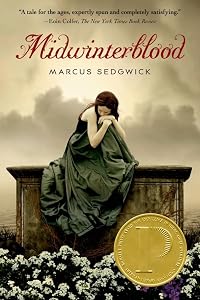
Inspired by the controversial 1915 painting Midvinterblot by Swedish artist Carl Larsson, Sedgwick writes his creepy tale of reoccurring sacrifice in seven parts starting in the future and show more going back to prehistory. Recurrent motifs in all the stories are a girl or woman named Merle and a boy or man named Eric who dies or has been severely damaged physically, a hare or hares, the and powerful orchids, Orchidae dracula beati, “little blessed dragon,” grown on the western side of the island from which a soporific, psychoactive tea is brewed. show less
Inspired by the controversial 1915 painting Midvinterblot by Swedish artist Carl Larsson, Sedgwick writes his creepy tale of reoccurring sacrifice in seven parts starting in the future and show more going back to prehistory. Recurrent motifs in all the stories are a girl or woman named Merle and a boy or man named Eric who dies or has been severely damaged physically, a hare or hares, the and powerful orchids, Orchidae dracula beati, “little blessed dragon,” grown on the western side of the island from which a soporific, psychoactive tea is brewed. show less
Not at all what I expected, Midwinterblood is a series of beautiful interconnected stories about Blessed Island. The stories weave through time, sometimes unsettling, sometimes sweet, but coming together into a powerful conclusion.
I can't quite figure out why this was marketed as a YA novel, not because teens wouldn't enjoy it — I'm sure they would — but because the themes are rather adult themes. Instead of dealing with teenage concerns normally presented in YA (such as growing up, figuring out who you are, dealing with friendship and first love and the feeling of being an outcast and so on), the book mainly presents adults with adult concerns, such as regret, life not having gone as expected, the love of work, death and mourning. show more There's a emotional maturity here that I just didn't expect and it makes for a wonderful and beautiful read. show less
I can't quite figure out why this was marketed as a YA novel, not because teens wouldn't enjoy it — I'm sure they would — but because the themes are rather adult themes. Instead of dealing with teenage concerns normally presented in YA (such as growing up, figuring out who you are, dealing with friendship and first love and the feeling of being an outcast and so on), the book mainly presents adults with adult concerns, such as regret, life not having gone as expected, the love of work, death and mourning. show more There's a emotional maturity here that I just didn't expect and it makes for a wonderful and beautiful read. show less
Beautiful, beautiful. Somehow spare and dense at the same time, it asks questions about fate, love and sacrifice without giving any easy answers. The narrative moves like a current, each little tale it's own island and I am swept up and out to sea again.
Members
- Recently Added By
Lists

Best Library Reads of 2013
114 works; 1 member

Modern Books for Young Adults
87 works; 11 members
Author Information

58+ Works 7,576 Members
Marcus Sedgwick was born in East Kent, England. He is primarily a young adult author. His books include She Is Not Invisible, White Crow, Revolver, and The Ghosts of Heaven. He won the 2014 Michael L. Printz Award for Midwinterblood. His first adult novel, A Love Like Blood, was published in 2014. (Bowker Author Biography)
Some Editions
Awards and Honors
Awards
Distinctions
Notable Lists
Common Knowledge
- Original publication date
- 2011
Classifications
- Genres
- Fiction and Literature, Teen, Fantasy, Young Adult, Horror
- DDC/MDS
- 823.92 — Literature & rhetoric English & Old English literatures English fiction 1900- 2000-
- LCC
- PZ7 .S4484 .M — Language and Literature Fiction and juvenile belles lettres Fiction and juvenile belles lettres Juvenile belles lettres
- BISAC
Statistics
- Members
- 982
- Popularity
- 26,804
- Reviews
- 76
- Rating
- (3.72)
- Languages
- 6 — Chinese, English, French, German, Portuguese, Turkish
- Media
- Paper, Audiobook, Ebook
- ISBNs
- 24
- ASINs
- 8