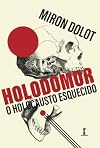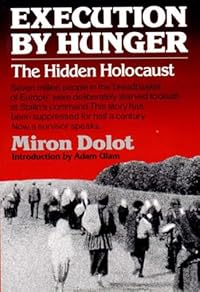
Execution by Hunger: The Hidden Holocaust
by Miron Dolot
On This Page
Description
In 1929 Joseph Stalin ordered the collectivization of all Ukranian farms in an effort to destroy the well-to-do peasant farmers. In the ensuing years, a brutal Soviet campaign of confiscations, terrorizing, and murder spread throughout Urkainian villages. What food remained after the seizures was insufficient to support the population. In the resulting famine as many as seven million Ukrainians starved to death.Tags
Recommendations
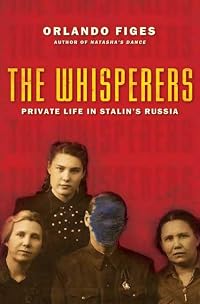
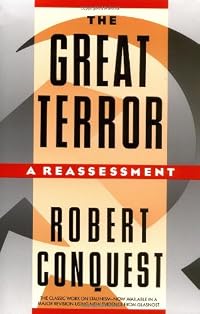
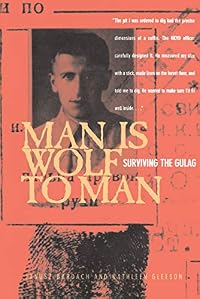
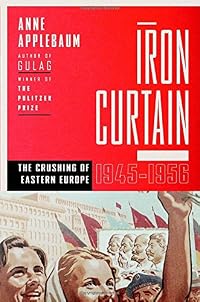
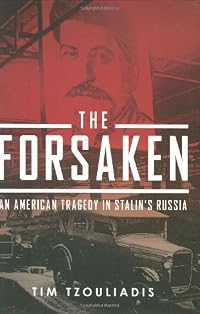
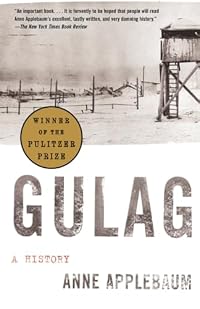
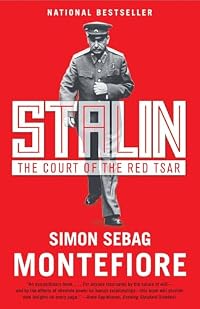
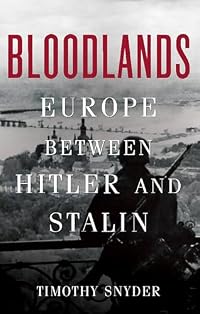
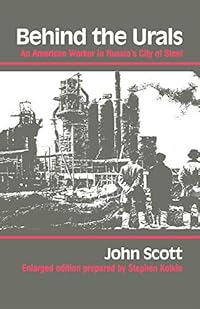

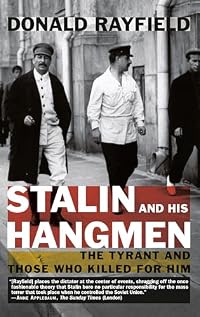
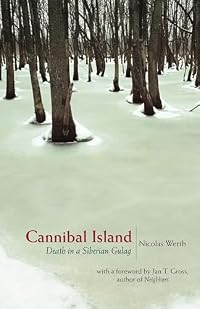

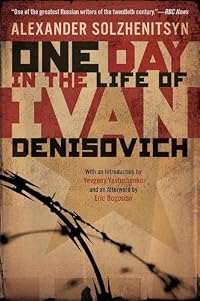

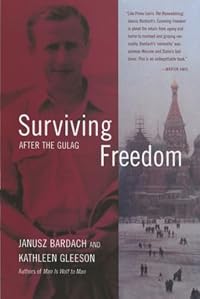
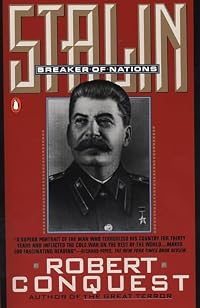
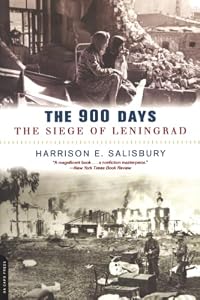
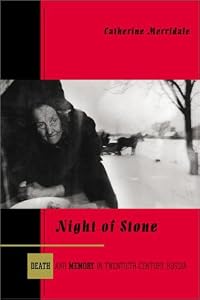
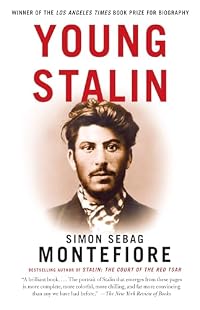


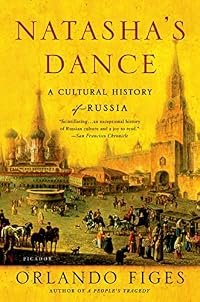


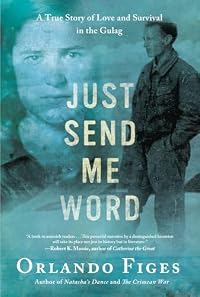
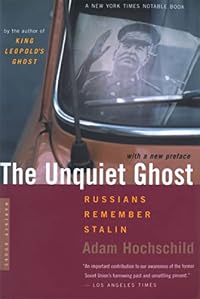
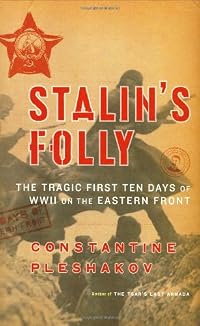



Member Recommendations


Member Reviews
This book was strangely tragicomic. On the one hand, the descriptions of starvation, abject suffering and the results (suicide, murder and cannibalism all feature within these pages) were physically painful to read. It had a stronger affect on me, in fact, than the books I've read about the Holocaust.
On the other hand, there were times when I felt like laughing because the Soviet officials brought in to maximize productivity on the collective farm knew NOTHING about farming and they were so stupid it was funny. For instance, at one point the Soviet commissar called a general meeting and spent the time ranting about how there were not enough foals on the farm and how could the mares reproduce when they were locked up in their stalls all show more day, and henceforth they must be allowed to roam freely, and then they would have more babies. The people listened in silence, and obeyed, because they knew better than to protest, but they knew it would do no good because there were no stallions on the farm.
See what I mean?
To borrow a phrase from Sara Nomberg-Przytyk, the Soviet Union in 1933 was a strange and grotesque land.
The book is kind of caught between being a memoir of the author Miron Dolot's experiences -- he was a boy during this period, about thirteen or so -- and a general report of what happened. It's neither one thing or the other. I do wish he had included more about his family and his personal life. And I wish it hadn't ended so abruptly: "World War II separated us [that is, Dolot and the rest of his family], and what happened after that I don't know."
I looked up Dolot online to see if he had gotten in touch with his family again after the Iron Curtain fell, but I couldn't find out much about him and he's dead now. show less
On the other hand, there were times when I felt like laughing because the Soviet officials brought in to maximize productivity on the collective farm knew NOTHING about farming and they were so stupid it was funny. For instance, at one point the Soviet commissar called a general meeting and spent the time ranting about how there were not enough foals on the farm and how could the mares reproduce when they were locked up in their stalls all show more day, and henceforth they must be allowed to roam freely, and then they would have more babies. The people listened in silence, and obeyed, because they knew better than to protest, but they knew it would do no good because there were no stallions on the farm.
See what I mean?
To borrow a phrase from Sara Nomberg-Przytyk, the Soviet Union in 1933 was a strange and grotesque land.
The book is kind of caught between being a memoir of the author Miron Dolot's experiences -- he was a boy during this period, about thirteen or so -- and a general report of what happened. It's neither one thing or the other. I do wish he had included more about his family and his personal life. And I wish it hadn't ended so abruptly: "World War II separated us [that is, Dolot and the rest of his family], and what happened after that I don't know."
I looked up Dolot online to see if he had gotten in touch with his family again after the Iron Curtain fell, but I couldn't find out much about him and he's dead now. show less
This book is a excellent book to help USA citizens see what is in store for their nation if the leftists & communists continues to grow in power. You will see the same Red tactics being used on Americans by local, state and federal government minions to reach the goal of seizure of all property and to enslave the people of our great country. It's a raw brutal look at the true holocaust of the Ukraine Christian people by the Jewish leadership of the Soviet Union. If you have guts read it.
Simon Starow Is the author of this book about the genocide of the Ukrainian people in the years 1931-33. Russian Communists hated Ukraine nationalism and conspired to kill as many Ukrainians as possible by deprivation. First, they forced the farmers into collectivization by ruthless, insidious ways. Next, they demanded the livestock, and forced them to produce ever higher portions of grain. Taxation was added until there simply wasn't anything more to give. Refusing to admit that they were starving the people to death, Communist party officials insisted that those who died in this way were too lazy to work. more than 7 million Ukrainians died in this way. The book ends suddenly, when Starow finds a way to get into higher education and show more leave the country, eventually fighting in WWII and becoming a POW for a time in Germany. For whatever reason, he never attempted to find his mother and brother he left behind, and emigrated to the U.S. where he became a professor in a university in Monterey, CA. show less
read it. you owe it to the people whose death's are more or less completely forgotten. Oh, and keep in mind that modern American agriculture is MORE centralized than 1930 Soviet...
Best book Ive read this year, I cant believe it isnt more widely known.
A política de coletivização compulsória introduzida pelo regime soviético no fim de 1929 demandava a coletivização de todas as fazendas ucranianas e ainda o estabelecimento de uma firme vinculação dos fazendeiros às coletivas. As fazendas foram coletivizadas, mas não sem luta. Porém, desarmados, desorganizados e sem lideranças, os fazendeiros não eram páreo para as forças do governo. Foram esmagados sem piedade. Suas vilas foram arruinadas e despovoadas. Muitos foram enviados a campos de concentração ou banidos de suas vilas com destino a regiões do norte esquecidas por Deus, e outros tantos simplesmente desapareceram.
Jan 13, 2023Portuguese (Brazil)
Ratings
Members
- Recently Added By
Author Information

2 Works 169 Members
Some Editions
Common Knowledge
Classifications
- Genres
- Nonfiction, History, General Nonfiction, Biography & Memoir, Politics and Government
- DDC/MDS
- 363.8094771 — Society, Government, and Culture Social problems and social services Public Safety - Police, Crime Investigation Food supply History, geographic treatment, biography Europe Russia, etc. Ukraine Crimea
- LCC
- HC337 .U5 .D59 — Social sciences Economic history and conditions Economic history and conditions By region or country
- BISAC
Statistics
- Members
- 166
- Popularity
- 194,206
- Reviews
- 6
- Rating
- (4.23)
- Languages
- English, French, Portuguese (Portugal), Ukrainian
- Media
- Paper, Ebook
- ISBNs
- 7
- ASINs
- 1