On This Page
Description
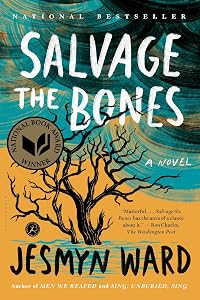
Enduring a hardscrabble existence as the children of alcoholic and absent parents, four siblings from a coastal Mississippi town prepare their meager stores for the arrival of Hurricane Katrina while struggling with such challenges as a teen pregnancy and a dying litter of prize pups.Tags
Recommendations

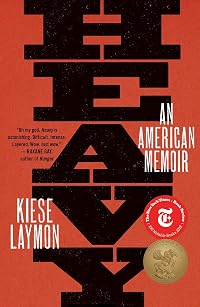
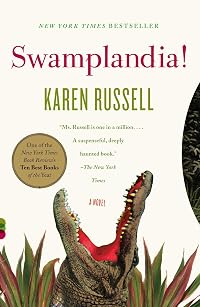
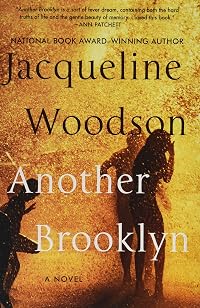
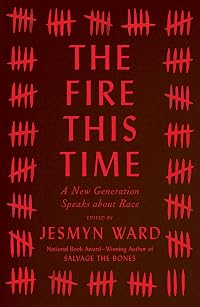


Member Recommendations
Citizenjoyce Another look at continuing racism as exposed by Katrina and its aftermath.
20
Member Reviews
For many of us who did not have the misfortune to live through Hurricane Katrina on a first-hand basis, the most indelible images of that disaster are of the havoc and heartbreak wrought on the city of New Orleans. In Salvage the Bones, however, author Jesmyn Ward reminds us that the scope of the tragedy was considerably wider. Set along the Mississippi gulf coast in the twelve days leading up to when Katrina made landfall, the novel relates the heart-wrenching plight of the Batiste clan, a dirt-poor African American family whose matriarch has died leaving the four children to mostly fend for themselves despite the presence of their still-grieving father.
As told in the first-person by Esch, fifteen years old and the only daughter, the show more story revolves around the preparations the family is forced to make while still trying to sort out the tribulations of their everyday lives. Their journey is rocky and grim, to say the least. Along the way, the reader is confronted with such dark realities as alcoholism, teen pregnancy, petty theft and vandalism, drug use, dog fighting for sport, physical disfigurement, death in child birth, and personal betrayal. And all of that happens before the storm even hits!
Salvage the Bones is highly atmospheric and contains some of the strongest images and most powerful writing that I have come across in quite some time. Ward has done a wonderful job of developing her protagonists—particularly the four Batiste children—into fully realized characters. Also, the main themes she explores—the tyranny of unrelenting poverty, the poignancy of unrequited love, loyalty to family and friends, the power of nature, dismissive attitudes toward women—felt real and were all deeply affecting. On the other hand, the novel seemed to be a little overwritten at times; Esch’s preoccupation with the Greek myth of Medea and Jason was both repetitive and a bit of a false note. Still, that is a small complaint and hardly one that detracts from what was ultimately a satisfying reading experience. show less
As told in the first-person by Esch, fifteen years old and the only daughter, the show more story revolves around the preparations the family is forced to make while still trying to sort out the tribulations of their everyday lives. Their journey is rocky and grim, to say the least. Along the way, the reader is confronted with such dark realities as alcoholism, teen pregnancy, petty theft and vandalism, drug use, dog fighting for sport, physical disfigurement, death in child birth, and personal betrayal. And all of that happens before the storm even hits!
Salvage the Bones is highly atmospheric and contains some of the strongest images and most powerful writing that I have come across in quite some time. Ward has done a wonderful job of developing her protagonists—particularly the four Batiste children—into fully realized characters. Also, the main themes she explores—the tyranny of unrelenting poverty, the poignancy of unrequited love, loyalty to family and friends, the power of nature, dismissive attitudes toward women—felt real and were all deeply affecting. On the other hand, the novel seemed to be a little overwritten at times; Esch’s preoccupation with the Greek myth of Medea and Jason was both repetitive and a bit of a false note. Still, that is a small complaint and hardly one that detracts from what was ultimately a satisfying reading experience. show less
Bloody hell. This is a tough, tough book to read - a poor black family in rural Louisiana somewhere scraping lives together in the shadow of the looming Hurricane Katrina. The writing is stunning - building dread and sadness throughout, bringing out the tough bonds forged between siblings and completely occupying the voice of Eche, the 14 year old narrator. Like the storm itself, Salvage the Bones builds and builds, slowly upping the tension, before exploding into a finale as ragged, breathless and overwhelming as the hurricane.
A great book, but not one I'm not likely to read again soon. "Salvage the Bones" is, from its very beginning, an almost unbearably intense reading experience. Forget the hurricane, which finally makes its appearance in the book's final third. From the very moment we meet Esch, her life is defined by generational poverty, geographic and isolation, bad luck and, thankfully, intense love for attachment to her family. "Too much, too soon" is a cliché, but I've seldom seen it expressed in prose better -- or more poignantly -- than Ward expresses it here. In her mid-teens, we see Esch balance the roles of sister, substitute mother, provider and student. I suppose it isn't particularly surprising, then, that things fall apart by the end of show more the novel, though the weather event that will not be named here makes things more dramatic than they otherwise might have been.
Ward's writing fits this material almost too well, treading the line between exhilarating and exhausting. It'd be difficult to argue that Esch's teenage experience is typical, at least by the standards of widely read American literature. But the author's style deftly recalls a time in which even the most insignificant events can have enormous, both emotional and otherwise. Esch's life -- and the life of all her family -- is constantly teetering on the edge, and the book's prose, which is suffused with deep feeling, sensuality, desire, fear, and memory, reflects that well. Not that this makes "Salvage the Bones" an easy read. From a certain, perhaps shallow perspective, Esch's life seems so exhausting that it's difficult for even the reader to get through its particulars. The world that "Salvage the Bones" describes often gives the impression of being disordered and borderless: everything -- nature and late capitalism, brutality and affection, hard-fought life and luckless death -- comes together in ways that are sometimes surprising and other times sadly fated. The book itself seems set in a place between past and present that's difficult to pin down: its characters live in a verdant, swampy forest that seems as old as time itself, but car speakers are discussed and Outkast earns a mention. There's sex, but not a lot of love. There are opportunities to make money and dreams of glory about, but nothing set and stone, and lots of it heartbreakingly contingent. This isn't a book to read casually. It demands your attention and fairly overwhelms your senses. I had to force myself to get through it, and I wouldn't be surprised if lots of readers simply don't make it to the last page.
Still, there were some things about "Salvage the Bones" that pleasantly surprised me. Refreshingly, Ward does not seem to be interested in having a conversation with William Faulkner, as Toni Morrison often did. This novel's main preoccupation is often the natural word, something else that Katrina also had a hand in damaging. Esch is at home in the forest, and is comfortable around many of its animal and vegetable inhabitants, and not in the way that MFA-earning poets are. There were times I felt that I was back in "As I Lay Dying" getting stuck in the Mississippi mud on yet another unbearably hot day, but this feeling proved to be fleeting. I loved Ward's descriptions of Big Henry, one of the few teenage characters here -- besides Esch -- who seems older and calmer than his years. And the family's love for Junior, their youngest son, and the care they take of him, is genuinely touching.
Ward also introduces some material from some unexpected sources: While Edith Hamilton's "Mythology" and the story of Medea is frequently mentioned, I couldn't help hearing Edenic overtones throughout "Salvage the Bones" as well. That Hamilton's retelling of Medea's experience might strike some readers as both improbable and a touch precious. There don't seem to be any other books in Esch's house. But I think that the sheer emotional force that "Salvage the Bones" imparts -- and its essentially tragic structure -- more than justifies it. But, in a sense, that represents one of this novel's problems, too. You could -- and many will -- read "Salvage the Bones" as a tragedy in the truest cosmic sense. You can't escape the notion that Esch and her relations are doomed from the very first page, and this doesn't make for a joyful reading experience. Many will call it too dark, too sad, and just too much, and they might not be wrong. It doesn't help, I suppose, that dogfighting is one of this book's major plot points. I'm hardly a dog person under the best of conditions, but I found having to read about the birth, training, and fighting of truly fierce pitbulls to be almost more than I could take. Like many other elements in "Salvage the Bones", they are fierce, bloody, undeniably strong, and, however improbably, the object of one of this novel's characters boundless affections. Uf, it's too much. It's antipodean summertime right now, and I'm off to read something a little lighter. I'll get to "Sing, Unburied, Sing" eventually. Whatever problems I may have had with it, "Salvage the Bones" is so good that Ward's work can't just be written off as Southern misery porn. She's a real-deal writer. show less
Ward's writing fits this material almost too well, treading the line between exhilarating and exhausting. It'd be difficult to argue that Esch's teenage experience is typical, at least by the standards of widely read American literature. But the author's style deftly recalls a time in which even the most insignificant events can have enormous, both emotional and otherwise. Esch's life -- and the life of all her family -- is constantly teetering on the edge, and the book's prose, which is suffused with deep feeling, sensuality, desire, fear, and memory, reflects that well. Not that this makes "Salvage the Bones" an easy read. From a certain, perhaps shallow perspective, Esch's life seems so exhausting that it's difficult for even the reader to get through its particulars. The world that "Salvage the Bones" describes often gives the impression of being disordered and borderless: everything -- nature and late capitalism, brutality and affection, hard-fought life and luckless death -- comes together in ways that are sometimes surprising and other times sadly fated. The book itself seems set in a place between past and present that's difficult to pin down: its characters live in a verdant, swampy forest that seems as old as time itself, but car speakers are discussed and Outkast earns a mention. There's sex, but not a lot of love. There are opportunities to make money and dreams of glory about, but nothing set and stone, and lots of it heartbreakingly contingent. This isn't a book to read casually. It demands your attention and fairly overwhelms your senses. I had to force myself to get through it, and I wouldn't be surprised if lots of readers simply don't make it to the last page.
Still, there were some things about "Salvage the Bones" that pleasantly surprised me. Refreshingly, Ward does not seem to be interested in having a conversation with William Faulkner, as Toni Morrison often did. This novel's main preoccupation is often the natural word, something else that Katrina also had a hand in damaging. Esch is at home in the forest, and is comfortable around many of its animal and vegetable inhabitants, and not in the way that MFA-earning poets are. There were times I felt that I was back in "As I Lay Dying" getting stuck in the Mississippi mud on yet another unbearably hot day, but this feeling proved to be fleeting. I loved Ward's descriptions of Big Henry, one of the few teenage characters here -- besides Esch -- who seems older and calmer than his years. And the family's love for Junior, their youngest son, and the care they take of him, is genuinely touching.
Ward also introduces some material from some unexpected sources: While Edith Hamilton's "Mythology" and the story of Medea is frequently mentioned, I couldn't help hearing Edenic overtones throughout "Salvage the Bones" as well. That Hamilton's retelling of Medea's experience might strike some readers as both improbable and a touch precious. There don't seem to be any other books in Esch's house. But I think that the sheer emotional force that "Salvage the Bones" imparts -- and its essentially tragic structure -- more than justifies it. But, in a sense, that represents one of this novel's problems, too. You could -- and many will -- read "Salvage the Bones" as a tragedy in the truest cosmic sense. You can't escape the notion that Esch and her relations are doomed from the very first page, and this doesn't make for a joyful reading experience. Many will call it too dark, too sad, and just too much, and they might not be wrong. It doesn't help, I suppose, that dogfighting is one of this book's major plot points. I'm hardly a dog person under the best of conditions, but I found having to read about the birth, training, and fighting of truly fierce pitbulls to be almost more than I could take. Like many other elements in "Salvage the Bones", they are fierce, bloody, undeniably strong, and, however improbably, the object of one of this novel's characters boundless affections. Uf, it's too much. It's antipodean summertime right now, and I'm off to read something a little lighter. I'll get to "Sing, Unburied, Sing" eventually. Whatever problems I may have had with it, "Salvage the Bones" is so good that Ward's work can't just be written off as Southern misery porn. She's a real-deal writer. show less
"Seeing him broke the cocoon of my rib cage, and my heart unfurled to fly." (page 4-5)
I had originally rated this 4.5 stars because there were a few flaws in it, but going back and re-reading parts and knowing how much I loved this story, it just felt wrong not to give it a full 5. I connected with it on a level I had not expected and was so very moved by it. What is more deserving of five stars than a book like that?
Searing. Brutal. Stunning. Heartbreaking. Beautiful. Powerful. Painful. Hopeful. I could just string some adjectives together and be done with it, but this book deserves so much more. And I won't do it justice. I will say that putting aside the particular circumstances and specifics of the story - poverty, race, Katrina, show more dog fighting, neglect and all sorts of other horrors - this book is about family. How we hold it together, depend on it, make it up as we go, and create ones where none exist. All you really need to know is that 15 year old Esch is motherless and pregnant. Those two facts are the bookends of the story - everything else happens within that context. Motherhood can be both beautiful and brutal. Esch has warm memories of her own mother who died when she was eight; now she is pregnant and her only model of what a mother is comes from her brother's fighting pit bull who just birthed a litter of puppies. We want so badly for something good to happen for Esch but she is repeatedly beaten down by both the cruelty of her circumstances and the cruelty of the father of her baby. And then the hurricane comes...
Please read this book.
"When she died, Mama told me that she had gone away, and then I wondered where she went. Because everyone else was crying, I clung like a monkey to Mama, my legs and arms wrapped around her softness, and I cried, love running through me like a hard, blinding summer rain. And then Mama died, and there was no one left for me to hold on to." (page 59) show less
I had originally rated this 4.5 stars because there were a few flaws in it, but going back and re-reading parts and knowing how much I loved this story, it just felt wrong not to give it a full 5. I connected with it on a level I had not expected and was so very moved by it. What is more deserving of five stars than a book like that?
Searing. Brutal. Stunning. Heartbreaking. Beautiful. Powerful. Painful. Hopeful. I could just string some adjectives together and be done with it, but this book deserves so much more. And I won't do it justice. I will say that putting aside the particular circumstances and specifics of the story - poverty, race, Katrina, show more dog fighting, neglect and all sorts of other horrors - this book is about family. How we hold it together, depend on it, make it up as we go, and create ones where none exist. All you really need to know is that 15 year old Esch is motherless and pregnant. Those two facts are the bookends of the story - everything else happens within that context. Motherhood can be both beautiful and brutal. Esch has warm memories of her own mother who died when she was eight; now she is pregnant and her only model of what a mother is comes from her brother's fighting pit bull who just birthed a litter of puppies. We want so badly for something good to happen for Esch but she is repeatedly beaten down by both the cruelty of her circumstances and the cruelty of the father of her baby. And then the hurricane comes...
Please read this book.
"When she died, Mama told me that she had gone away, and then I wondered where she went. Because everyone else was crying, I clung like a monkey to Mama, my legs and arms wrapped around her softness, and I cried, love running through me like a hard, blinding summer rain. And then Mama died, and there was no one left for me to hold on to." (page 59) show less
This is absorbing. Ward writes about a rural Mississippi family’s life leading up to Katrina’s arrival in 2005. But Katrina is not really the major event of the story — in fact, most of the book is the story of their lives before Katrina hits.
Esch, a teenaged young woman, tells the story. She and her brothers, Skeetah, Randall, and Junior, live with their father in deep southern Mississippi. Their lives are pretty much make-do. Skeetah’s dog China is everything to him — he loves her like people love their dogs, but she’s also his fighting dog, a meal ticket. Randall is a basketball prospect, by Esch’s description someone who comes alive and only becomes himself with a basketball in his hands. Junior is just starting out, show more born well after his brothers and sister, and destined to follow hard footsteps. Esch’s father is on the edge of broken, his wife having died in Junior’s childbirth and life just a hard crawl every day.
The turns of Esch’s life take on significance through her reading and seeing herself through the mirror of the story of Medea and Jason (she is reading Edith Hamilton’s Mythology). There’s a justice in her seeing herself through that mirror of Greek myth — the heroes (and anti-heroes) of mythology are great not so much because they are heroes but because they are human, staking out the timeless themes and tensions of human lives. And Esch elevates her own life through the lens of Medea and Jason.
Ward has the rare ability to make you feel as if you are actually inside the story. When Katrina hit, I felt the rain and wind. I felt the oppressive confines of Esch’s, Skeetah’s, Junior’s, Randall’s, and their father’s lives. I felt the gleam of light that Randall got from basketball, Skeetah from China, and Esch from her romantic daydreams.
Seeing characters from the inside this way makes them sympathetic no matter their faults, and there are plenty to go around here. It works in real life, too. This is how you get past appearances.
If we are going to understand Katrina, and, if we are going to understand anything about what it is to be poor, rural, and black in southern Mississippi, we need writers like Ward. This is the kind of stuff that makes you bigger. show less
Esch, a teenaged young woman, tells the story. She and her brothers, Skeetah, Randall, and Junior, live with their father in deep southern Mississippi. Their lives are pretty much make-do. Skeetah’s dog China is everything to him — he loves her like people love their dogs, but she’s also his fighting dog, a meal ticket. Randall is a basketball prospect, by Esch’s description someone who comes alive and only becomes himself with a basketball in his hands. Junior is just starting out, show more born well after his brothers and sister, and destined to follow hard footsteps. Esch’s father is on the edge of broken, his wife having died in Junior’s childbirth and life just a hard crawl every day.
The turns of Esch’s life take on significance through her reading and seeing herself through the mirror of the story of Medea and Jason (she is reading Edith Hamilton’s Mythology). There’s a justice in her seeing herself through that mirror of Greek myth — the heroes (and anti-heroes) of mythology are great not so much because they are heroes but because they are human, staking out the timeless themes and tensions of human lives. And Esch elevates her own life through the lens of Medea and Jason.
Ward has the rare ability to make you feel as if you are actually inside the story. When Katrina hit, I felt the rain and wind. I felt the oppressive confines of Esch’s, Skeetah’s, Junior’s, Randall’s, and their father’s lives. I felt the gleam of light that Randall got from basketball, Skeetah from China, and Esch from her romantic daydreams.
Seeing characters from the inside this way makes them sympathetic no matter their faults, and there are plenty to go around here. It works in real life, too. This is how you get past appearances.
If we are going to understand Katrina, and, if we are going to understand anything about what it is to be poor, rural, and black in southern Mississippi, we need writers like Ward. This is the kind of stuff that makes you bigger. show less
This book made me rethink almost everything I thought I knew about every topic it touches; poverty, Katrina, even dog-fighting. An important, beautiful book. Hard to read in places, probably even harder to write. These characters will stay with me for a long long time.
Well written, sometimes moving account of a poor black family's daily struggles 12 days before and directly after Hurricane Katrina. The story is told through a 12 year old girl, who has just learned that she is pregnant. I have read few novels recently that do a better job of getting you into the experience of being poor and black in the deep south. In this sense,it feels like a classic--a book that may be assigned some day to high school students as mandatory reading. Which may be my biggest criticism too--feels like a book that should be read to make you a better person. Nonetheless, this book will make it totally clear just how difficult it is to stage an effective response to a disaster like Katrina and why aiming such aid at the show more wealthy or even the middle class will be totally and utterly ineffective. This is a very talented young new voice. show less
Members
- Recently Added By
Lists

Vote: Your June OLOB Preference List
4 works; 145 members

Recommend the 20 best books you've read in the last five years
2,168 works; 603 members

Favourite Books
1,820 works; 308 members

Top Five Books of 2020
982 works; 350 members

National Book Award - Fiction
78 works; 10 members
Southern Fiction
212 works; 52 members

Top Five Books of 2022
736 works; 272 members

Best African American Literature
53 works; 9 members

Top Five Books of 2014
1,064 works; 397 members

Top Five Books of 2019
387 works; 111 members

Literature by People of Color
81 works; 9 members

Top Five Books of 2015
811 works; 240 members

Books Read in 2014
2,344 works; 89 members

Banned or Challenged Books
402 works; 43 members

50 Books from the Past 50 Years
50 works; 8 members

The Zora Canon
98 works; 4 members

Recommendations
17 works; 1 member
Overdue Podcast
808 works; 9 members

A's favorite novels
100 works; 3 members
First Novels
373 works; 17 members

Books Read in 2022
5,226 works; 115 members

Lit Lattes Ep 001
9 works; 1 member

Book of the Month Selections 2016 to Present
130 works; 5 members

Schomburg Centennial Reading List
100 works; 4 members

.
184 works; 1 member

Best Books of the 2010s
20 works; 1 member

NYT 100 best books of 21st C
100 works; 31 members

The Atlantic's The Great American Novel
136 works; 12 members

LitHub's Best Novels of the Decade 2010-2019
39 works; 1 member

BingoDOG - Books With Natural Disasters: Fiction
39 works; 11 members
National Book Award winners
65 works; 11 members
Black Authors
386 works; 32 members

Zora Canon
100 works; 6 members

Climate Change
39 works; 2 members

Books Featured on Readers' Review of the Diane Rehm Show
161 works; 8 members

Florida's Book Bans and Challenges
311 works; 4 members

Books With Body Parts in the Title
153 works; 9 members

Books Read in 2021
5,361 works; 113 members

Library List - Pulitzer Adjacent
40 works; 1 member
Author Information

12+ Works 13,058 Members
Jesmyn Ward was born in DeLisle, Mississippi in 1977. She became a writer after the death of her brother by a drunk driver. She received a MFA in creative writing from the University of Michigan. Her books include the novel Where the Line Bleeds, the memoir Men We Reaped, and the nonfiction work The Fire This Time: A New Generation Speaks about show more Race. Salvage the Bones won the National Book Award in Fiction in 2011 and an Alex Award in 2012. Sing, Unburied, Sing won the National Book Award in Fiction in 2017. She taught at University of New Orleans, the University of South Alabama, and Tulane University. (Bowker Author Biography) show less
Some Editions
Awards and Honors
Awards
Distinctions
Series

Common Knowledge
- Canonical title
- Salvage the Bones
- Original title
- Salvage the Bones
- Original publication date
- 2011
- People/Characters
- Esch Batiste; Jason "Skeetah" Batiste; Randall Batiste; Claude "Junior" Batiste; Claude Batiste; Manny (show all 9); Marquise; China; Big Henry
- Important places
- Bois Sauvage, Mississippi, USA; Mississippi, USA
- Important events
- Hurricane Katrina
- Epigraph
- See now that I, even I am he, and there is no god with me; I kill and I make alive, I wound and I heal, neither is there any can deliver out of my hand. -Deuteronomy 32:39
For though I'm small, I know many things, and ... (show all)my body is an endless eye through which, unfortunately, I see everything. -Gloria Fuertes, "Now"
We on our backs staring at the stars about, talking about what we going to be when we grow up, I said what you wanna be? She said, "Alive." -Outkast, "Da Art of Storytellin' (Part 1)," Aquemini - Dedication
- For my brother, Joshua Adam Dedeaux,
who leads while I follow. - First words
- China's turned on herself.
- Quotations
- "To give life...is to know what's worth fighting for. And what's love."
- Last words
- (Click to show. Warning: May contain spoilers.)She will know that I am a mother.
- Blurbers
- Kasischke, Laura; Delbanco, Nicholas; Horack, Skip; Holland, Travis; Wells, Ken
- Canonical DDC/MDS
- 813.6
- Canonical LCC
- PS3623.A7323
Classifications
Statistics
- Members
- 3,617
- Popularity
- 4,523
- Reviews
- 181
- Rating
- (3.94)
- Languages
- 10 — Danish, English, French, German, Italian, Korean, Norwegian, Portuguese, Spanish, Swedish
- Media
- Paper, Audiobook, Ebook
- ISBNs
- 41
- ASINs
- 21
