On This Page
Description
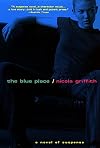
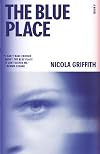
A police lieutenant with the elite "Red Dogs" until she retired at twenty-nine , Aud Torvigen is a rangy six-footer with eyes the color of cement and a tendency to hurt people who get in her way. Born in Norway into the failed marriage between a Scandinavian diplomat and an American businessman, she now makes Atlanta her home, luxuriating in the lush heat and brashness of the New South. She glides easily between the world of silken elegance and that of sleaze and sudden savagery, equally at show more home in both; functional, deadly, and temporarily quiescent, like a folded razor. On a humid April evening between storms, out walking just to stay sharp, she turns a corner and collides with a running woman, Catching the scent of clean, rain-soaked hair, Aud nods and silently tells the stranger Today, you are lucky, and moves on--when behind her house explodes, incinerating its sole occupant, a renowned art historian. When Aud turns back, the woman is gone. show lessTags
Recommendations
















Member Recommendations

tangentialine same type of kick-ass protagonist, unaccountably straight. don't know if this is the best jane whitefield, but her series is pretty consistently good.
Member Reviews
Aud Torvingen runs her life based on analysis and her senses, with very limited room for emotions. When her ex-cop background involves her in investigating an arson at the request of an intriguing client -- an arson that killed a man and destroyed evidence of an artwork scam -- she becomes embroiled in a physically dangerous situation that, true to quick lesbian love attachment, also begins to risk her heart.
Aud Torvingen is a fascinating character. She's uncompromising; she's very good at what she does. She kills or seriously injures at least six people in the book, not out of passion but because it just makes sense. No regrets, no remorse. Self-preservation trumps all. One of this book's highlights for me was the tension between me show more identifying completely with Aud's personality yet being horrified by her actions, and the questions that that combination raises for who I am.
At the same time, the unfolding story of cross-continental deceit pushed me through the book, whereas Aud's love story and emotional thawing only raised the stakes. Throughout the book, I was never sure what would next be revealed. My interest in how the plot would be resolved -- and whether the author had the strength to kill her characters -- only increased as I read further.
The Blue Place is much more tightly written than Ammonite or Slow River, but it is also less deep. While it still has the lone-wolf-protagonist-finds-love-and-begins-to-unbend theme, it plays with fewer big ideas and has fewer insights than either of the previous books, perhaps because this novel is quasi-gritty real world detective drama rather than spec fic. While I (very) much enjoyed the technical improvements of this book, and came out of it thinking I had a new favorite among Griffith's work, in retrospect I find myself feeling some nostalgia for the more thought-provoking nature of her previous work. show less
Aud Torvingen is a fascinating character. She's uncompromising; she's very good at what she does. She kills or seriously injures at least six people in the book, not out of passion but because it just makes sense. No regrets, no remorse. Self-preservation trumps all. One of this book's highlights for me was the tension between me show more identifying completely with Aud's personality yet being horrified by her actions, and the questions that that combination raises for who I am.
At the same time, the unfolding story of cross-continental deceit pushed me through the book, whereas Aud's love story and emotional thawing only raised the stakes. Throughout the book, I was never sure what would next be revealed. My interest in how the plot would be resolved -- and whether the author had the strength to kill her characters -- only increased as I read further.
The Blue Place is much more tightly written than Ammonite or Slow River, but it is also less deep. While it still has the lone-wolf-protagonist-finds-love-and-begins-to-unbend theme, it plays with fewer big ideas and has fewer insights than either of the previous books, perhaps because this novel is quasi-gritty real world detective drama rather than spec fic. While I (very) much enjoyed the technical improvements of this book, and came out of it thinking I had a new favorite among Griffith's work, in retrospect I find myself feeling some nostalgia for the more thought-provoking nature of her previous work. show less
I don't normally read mysteries, but because I liked other books by Griffith, I gave this one a chance. I am SO glad I did.
The writing in this book is perfection. Griffith's word choices, sentence structure, and what she purposely chooses to include/exclude are completely interwoven with the tone of the book/scene. It's one of those books where the writing itself is a major part of the experience of the book, that only very few authors can pull off. Every word and phrase serves a purpose. The writing is tight, almost clinical, but still so world-buildingly dense and deliberate. The entire book is sharp and smart: words, characters, flow, content, plot, dialogue, themes.
Griffith builds phenomenal tension and expectation. She very show more craftily uses a word here or an almost throwaway sentence there, and even though you as the reader don't quite know what's going on yet (even though the narrator does), you know something's coming and get caught up inexorably into that delicious anticipation.
The climactic scene was written so well I could visualize it perfectly in my mind. I honestly don't think seeing it in movie form would have improved it. In fact I think it would have diminished it, the writing was that tight and integral to experiencing the action. I happened to read this scene during my work lunch break and had to focus on calming down my adrenaline rush so I could get through the afternoon.
Aud has a special appreciation for nature, and her descriptions of the world around her both bring the reader deeply into the scene and in me, at least, sparked a serious appreciation for nature myself. I find myself paying more attention when I'm outside, to what I see, hear, smell, and feel. It's a beautiful feeling. I'm curious now to reread this book to see if Aud's nature descriptions increase after she meets and increasingly interacts with Julia.
I've never read a book where the 1st person was executed so well. It was clearly a very deliberate choice that brings as much to the matrix of the experience of this book as the rest of the writing. We get insight into Aud's evaluations of characters, her recognizing their perceptions of her and meeting their expectations to manipulate situations to her needs. We as the audience see all the moving parts through her eyes and feel powerful as a result, which is exactly how she positions herself. Love a competent character and woman.
I loved every moment of this book, even the rough ending. Cannot recommend Griffith enough. show less
The writing in this book is perfection. Griffith's word choices, sentence structure, and what she purposely chooses to include/exclude are completely interwoven with the tone of the book/scene. It's one of those books where the writing itself is a major part of the experience of the book, that only very few authors can pull off. Every word and phrase serves a purpose. The writing is tight, almost clinical, but still so world-buildingly dense and deliberate. The entire book is sharp and smart: words, characters, flow, content, plot, dialogue, themes.
Griffith builds phenomenal tension and expectation. She very show more craftily uses a word here or an almost throwaway sentence there, and even though you as the reader don't quite know what's going on yet (even though the narrator does), you know something's coming and get caught up inexorably into that delicious anticipation.
The climactic scene was written so well I could visualize it perfectly in my mind. I honestly don't think seeing it in movie form would have improved it. In fact I think it would have diminished it, the writing was that tight and integral to experiencing the action. I happened to read this scene during my work lunch break and had to focus on calming down my adrenaline rush so I could get through the afternoon.
Aud has a special appreciation for nature, and her descriptions of the world around her both bring the reader deeply into the scene and in me, at least, sparked a serious appreciation for nature myself. I find myself paying more attention when I'm outside, to what I see, hear, smell, and feel. It's a beautiful feeling. I'm curious now to reread this book to see if Aud's nature descriptions increase after she meets and increasingly interacts with Julia.
I've never read a book where the 1st person was executed so well. It was clearly a very deliberate choice that brings as much to the matrix of the experience of this book as the rest of the writing. We get insight into Aud's evaluations of characters, her recognizing their perceptions of her and meeting their expectations to manipulate situations to her needs. We as the audience see all the moving parts through her eyes and feel powerful as a result, which is exactly how she positions herself. Love a competent character and woman.
I loved every moment of this book, even the rough ending. Cannot recommend Griffith enough. show less
This is a 3.5 to me but I was tempted to give this book a higher rating despite the fact that I needed the first 90 or so pages to get into it. But ultimately I rate books by personal enjoyment and not objective brilliance and craftmanship. The prose is as brilliant and rich as always with Nicola Griffith. Several times I found myself pausing to let a sentence sink in, to really feel it. This was a very calm and slow read for me, I needed my time to get into it but I just can't say many bad about it. Measured against some of Griffiths other work this just didn't grip me as much but it still pulled me in at some point.
Every place visited in the story feels so real, like an actual memory I have now. The book lingers a lot, which makes show more for a very slow and almost contemplative progression. It lingers on feelings, places and people. It takes its time explaining things like woodworking or norwegian folklore. I have to admit that I am currently trying to get myself to slow down, getting rid of fast-paced dopamine rushes we get from smartphones and such. I am not quite there yet and that might have played into me needing a lot of time to get into the books rythm.
I also needed a lot of time to "get" Aud, the protagonist. In the beginning I liked her objectively for her coolness and toughness but didn't really feel for her. She is very intelligent, professional and good at seemingly everything. She fantasizes a lot about killing other people, in a very cold and controlled way. But with time Aud loses some of her armor, we as readers get to feel her fears, her longings, her shortcomings. We also start to see her through Julias eyes a bit. And suddenly I found myself even using the word "adorable" for Aud. I don't think she'd like that. So she grew on me quite a bit and the very objective "oh she's cool, would like more female characters like her" turned into genuine love for such a well crafted character.
Despite being very happy with being single, the way Nicola Griffith writes about love and sex and romance always makes me long for a relationship a bit. Not because it's dreamy or larger than life, quite the opposite. It feels so real in a very detailed way. It reminds me of my past relationships, women I have longed for and loved. It feels right and it feels like home.
"Detailed" are also the descriptions of violence. But it makes sense. With the rest of the book explaining and lingering and giving details about everything it would have felt weird if the violent aspects were kept simple and short. So I didn't mind them.
This book is very precise regarding what the author wants you to feel. Sometimes you are sinking deep and calm, then you realize that you are drowning and everything gets frantic and intense. This book made me feel everything it wanted me to feel.
But this is maybe one of the slowest books I've read so far and you have to be into the long elaborations Griffith confronts you with. show less
Every place visited in the story feels so real, like an actual memory I have now. The book lingers a lot, which makes show more for a very slow and almost contemplative progression. It lingers on feelings, places and people. It takes its time explaining things like woodworking or norwegian folklore. I have to admit that I am currently trying to get myself to slow down, getting rid of fast-paced dopamine rushes we get from smartphones and such. I am not quite there yet and that might have played into me needing a lot of time to get into the books rythm.
I also needed a lot of time to "get" Aud, the protagonist. In the beginning I liked her objectively for her coolness and toughness but didn't really feel for her. She is very intelligent, professional and good at seemingly everything. She fantasizes a lot about killing other people, in a very cold and controlled way. But with time Aud loses some of her armor, we as readers get to feel her fears, her longings, her shortcomings. We also start to see her through Julias eyes a bit. And suddenly I found myself even using the word "adorable" for Aud. I don't think she'd like that. So she grew on me quite a bit and the very objective "oh she's cool, would like more female characters like her" turned into genuine love for such a well crafted character.
Despite being very happy with being single, the way Nicola Griffith writes about love and sex and romance always makes me long for a relationship a bit. Not because it's dreamy or larger than life, quite the opposite. It feels so real in a very detailed way. It reminds me of my past relationships, women I have longed for and loved. It feels right and it feels like home.
"Detailed" are also the descriptions of violence. But it makes sense. With the rest of the book explaining and lingering and giving details about everything it would have felt weird if the violent aspects were kept simple and short. So I didn't mind them.
This book is very precise regarding what the author wants you to feel. Sometimes you are sinking deep and calm, then you realize that you are drowning and everything gets frantic and intense. This book made me feel everything it wanted me to feel.
But this is maybe one of the slowest books I've read so far and you have to be into the long elaborations Griffith confronts you with. show less
When you read that a series of books are “brilliant and heartbreaking and made of awesome sauce and everybody should read them but go into them blind or you won’t get their full impact” (MartinWisse on Metafilter) well then you simply have to give the first book a try, don’t you?
Well, I did and I have to agree with MartinWisse after just reading the first book in the series. In The Blue Place we are introduced to Aud Torvingen, an ex-police officer, the daughter of a Norwegian diplomat and an American father. Someone who grew up in England but is so very Norwegian. A woman who knows danger and violence and who always plays to win.
I just loved this book. Aud is such a great character. I’ve skimmed through a few reviews on show more Goodreads1 and I just can’t get over how many people dismissing this as a “lesbian romance”, I mean, yes Aud is a lesbian. And there is romance, so both of those words are accurate and true. But would you usually describe James Bond as a straight romantic hero? I mean, he always gets the girl, doesn’t he? And that aspect is usually quite important in the story. But we never do, do we? Straight male authors who pursue a romantic storyline never get dismissed as just a romance. So why do so many people seem to do that when it is a female lead?
I will allow that this is more of a character study than a plot driven thriller or mystery. But I am perfectly fine with that. More character than plot is a plus for me. Your reading may vary.
I loved it and will be reading the sequel soon. show less
Well, I did and I have to agree with MartinWisse after just reading the first book in the series. In The Blue Place we are introduced to Aud Torvingen, an ex-police officer, the daughter of a Norwegian diplomat and an American father. Someone who grew up in England but is so very Norwegian. A woman who knows danger and violence and who always plays to win.
I just loved this book. Aud is such a great character. I’ve skimmed through a few reviews on show more Goodreads1 and I just can’t get over how many people dismissing this as a “lesbian romance”, I mean, yes Aud is a lesbian. And there is romance, so both of those words are accurate and true. But would you usually describe James Bond as a straight romantic hero? I mean, he always gets the girl, doesn’t he? And that aspect is usually quite important in the story. But we never do, do we? Straight male authors who pursue a romantic storyline never get dismissed as just a romance. So why do so many people seem to do that when it is a female lead?
I will allow that this is more of a character study than a plot driven thriller or mystery. But I am perfectly fine with that. More character than plot is a plus for me. Your reading may vary.
I loved it and will be reading the sequel soon. show less
I was pleasantly surprised at how enjoyable this book is to read. Normally, I'm not into the suspense/mystery genre, but Griffith builds more of a noir feeling, a la James Ellroy, than the typical whodunnit bestsellers.
The descriptive language is much more lush and lyrical than Ellroy, but I found it just as evocative and compelling as his works. I loved the main character, Aud, and how she interacts with her locations- being in Atlanta or Norway brings out different parts of her character. I also loved the way Griffith plays different sides and tones throughout-- violence is portrayed as both shockingly out of place and terribly mundane/realistic. Aud is emotionally vulnerable but physically impenetrable or unbeatable. Etc. Etc.
I show more think the only downside to the book is how quickly and completely Aud falls in love with Julia. Its simply too quick and too out-of-character for someone who is portrayed as being just this side of a psychotic criminal. Also, the "I just met you but I'm completely in love" thing is kind of an obvious plot device, and boring to read. Once Aud is in love, I totally knew the Big and Bad end was coming, even if I didn't figure out all of the details. Its like watching a horror movie-- don't go into the basement when the creepy music is playing! Don't make me sympathize with a damaged and difficult character for two-thirds of a novel only to take the easy way out thro the Power of Luuuurve (& Subsequent Doom for Luuurvers) at the start of the final act.
Also, the sex was a bit on the fluffy side for my taste. Too much symbolism, not enough hawt sexxin. I want a lesbian relationship portrayed just as graphically, as erotically, as steamy, as the hetero-normative romance novels portray "straight" sex. Its a political thang, I can't help it.
However, even if I finished the book slightly disappointed, and also had my queer sensibilities slightly riled, the character of Aud has stayed with me since reading it. I crave knowing more about her, am semi-desperate to continue reading the series, and found myself unable to read anything else for thinking about Aud. Butch, mysterious, violent, Norwegian-- I kind of love her. show less
The descriptive language is much more lush and lyrical than Ellroy, but I found it just as evocative and compelling as his works. I loved the main character, Aud, and how she interacts with her locations- being in Atlanta or Norway brings out different parts of her character. I also loved the way Griffith plays different sides and tones throughout-- violence is portrayed as both shockingly out of place and terribly mundane/realistic. Aud is emotionally vulnerable but physically impenetrable or unbeatable. Etc. Etc.
I show more think the only downside to the book is how quickly and completely Aud falls in love with Julia. Its simply too quick and too out-of-character for someone who is portrayed as being just this side of a psychotic criminal. Also, the "I just met you but I'm completely in love" thing is kind of an obvious plot device, and boring to read. Once Aud is in love, I totally knew the Big and Bad end was coming, even if I didn't figure out all of the details. Its like watching a horror movie-- don't go into the basement when the creepy music is playing! Don't make me sympathize with a damaged and difficult character for two-thirds of a novel only to take the easy way out thro the Power of Luuuurve (& Subsequent Doom for Luuurvers) at the start of the final act.
Also, the sex was a bit on the fluffy side for my taste. Too much symbolism, not enough hawt sexxin. I want a lesbian relationship portrayed just as graphically, as erotically, as steamy, as the hetero-normative romance novels portray "straight" sex. Its a political thang, I can't help it.
However, even if I finished the book slightly disappointed, and also had my queer sensibilities slightly riled, the character of Aud has stayed with me since reading it. I crave knowing more about her, am semi-desperate to continue reading the series, and found myself unable to read anything else for thinking about Aud. Butch, mysterious, violent, Norwegian-- I kind of love her. show less
Aud rhymes with shroud. Aud rhymes with proud.
Aud Torvingen is a hell of a character. She’s six feet tall of toughness, danger, ass-kicking, emotionally complex, Scandinavian blondness. A Norwegian expat living in Atlanta, Georgia, Torvingen consults for the police (she’s an ex-cop), works as a bodyguard, teaches self-defense, crafts her own furniture, tends her garden, and constantly thinks about the best way to kill someone.
And I lapped all this no-nonsense up. In a move uncharacteristic of me, I read my way straight through Nicola Griffith’s three Aud outings – The Blue Place, Stay, and Always. (Perhaps a new goal for 2012? Just read! That is, why save to savour? Why not savour now?!)
It is difficult to talk about the plots of show more these three books without spoilers. So essentially it’s a crime series. Not that Aud is a PI or anything, rather, these cases seem to sniff her out. So with most crime/mystery series, there are dead bodies and women of interest (both in terms of the case as well as romantic interest).
One of the biggest surprises that these books had for me were Griffith’s way with places. A very plenty surprise for an armchair traveler like me. Aud travels home to Norway. It is gorgeous. Griffith makes me want to visit.
“It’s a land that doesn’t compromise. It’s snow, ice and darkness in the winter; and endless midnight sun, bright meadow flower and sweet green grass for two months in the summer. Black or white. On or off. Yes or no. It explains some of the way you react to what life throws at you, the pragmatic immediacy, the readiness – you never forget that there are trolls in the hills.”
I was especially taken with Vigeland Park, filled with sculptures by Gustav Vigeland.
“‘Why do you suppose his work was so large?’ she said to herself as we descended the steps slowly. She stopped before the woman washing another woman’s hair. ‘It’s intimate, almost sexual, and yet quite ordinary. I suppose that’s what he was trying to say: everything is ordinary.’
‘He was saying everything in life is special. Every moment is a gift.’”
Griffith’s way with places makes me even want to visit North Carolina, a place that has not been on my list of must-sees. But she describes the woods in which Aud crafts her cabin so mesmerisingly, that I feel a desperate need to step outside, to stand under the shade of a big leafy tree (wrong season I know!), to inhale some fresh air.
“From the roof of my cabin I can see only forest, an endless canopy of pecan and hickory, ash and beech and sugar maple. Wind flows through the trees and down the mountain, and the clearing seems like nothing but a step in a great green waterfall. Even the freshly split shingles make me think of water. Cedar is an aromatic wood; warmed by the autumn sunlight of a late North Carolina afternoon, it smells ancient and exotic, like the spice-laden hold of a quinquereme of Nineveh. It would be easy to close my eyes and imagine a long ago ocean cut by oars – water whispering along the hull, the taste of spray…”
Hard as nails. I’m not sure if I’ve ever used that phrase before but it is exceptionally suited to Aud Torvingen (If there were a film version, I would imagine that Tilda Swinton would be quite suited to the part). But it’s not all about kicks and asses and ass-kicking, Aud is a character who grows, learns, develops, who eventually becomes a different person from the one you first imagine her to be. And yet she manages to stay true to herself. Aud is quite unforgettable. show less
Aud Torvingen is a hell of a character. She’s six feet tall of toughness, danger, ass-kicking, emotionally complex, Scandinavian blondness. A Norwegian expat living in Atlanta, Georgia, Torvingen consults for the police (she’s an ex-cop), works as a bodyguard, teaches self-defense, crafts her own furniture, tends her garden, and constantly thinks about the best way to kill someone.
And I lapped all this no-nonsense up. In a move uncharacteristic of me, I read my way straight through Nicola Griffith’s three Aud outings – The Blue Place, Stay, and Always. (Perhaps a new goal for 2012? Just read! That is, why save to savour? Why not savour now?!)
It is difficult to talk about the plots of show more these three books without spoilers. So essentially it’s a crime series. Not that Aud is a PI or anything, rather, these cases seem to sniff her out. So with most crime/mystery series, there are dead bodies and women of interest (both in terms of the case as well as romantic interest).
One of the biggest surprises that these books had for me were Griffith’s way with places. A very plenty surprise for an armchair traveler like me. Aud travels home to Norway. It is gorgeous. Griffith makes me want to visit.
“It’s a land that doesn’t compromise. It’s snow, ice and darkness in the winter; and endless midnight sun, bright meadow flower and sweet green grass for two months in the summer. Black or white. On or off. Yes or no. It explains some of the way you react to what life throws at you, the pragmatic immediacy, the readiness – you never forget that there are trolls in the hills.”
I was especially taken with Vigeland Park, filled with sculptures by Gustav Vigeland.
“‘Why do you suppose his work was so large?’ she said to herself as we descended the steps slowly. She stopped before the woman washing another woman’s hair. ‘It’s intimate, almost sexual, and yet quite ordinary. I suppose that’s what he was trying to say: everything is ordinary.’
‘He was saying everything in life is special. Every moment is a gift.’”
Griffith’s way with places makes me even want to visit North Carolina, a place that has not been on my list of must-sees. But she describes the woods in which Aud crafts her cabin so mesmerisingly, that I feel a desperate need to step outside, to stand under the shade of a big leafy tree (wrong season I know!), to inhale some fresh air.
“From the roof of my cabin I can see only forest, an endless canopy of pecan and hickory, ash and beech and sugar maple. Wind flows through the trees and down the mountain, and the clearing seems like nothing but a step in a great green waterfall. Even the freshly split shingles make me think of water. Cedar is an aromatic wood; warmed by the autumn sunlight of a late North Carolina afternoon, it smells ancient and exotic, like the spice-laden hold of a quinquereme of Nineveh. It would be easy to close my eyes and imagine a long ago ocean cut by oars – water whispering along the hull, the taste of spray…”
Hard as nails. I’m not sure if I’ve ever used that phrase before but it is exceptionally suited to Aud Torvingen (If there were a film version, I would imagine that Tilda Swinton would be quite suited to the part). But it’s not all about kicks and asses and ass-kicking, Aud is a character who grows, learns, develops, who eventually becomes a different person from the one you first imagine her to be. And yet she manages to stay true to herself. Aud is quite unforgettable. show less
"Danger is not a game. Danger is a casually violent Viking... When it sits opposite and offers you the cup and dice, you either walk away or play full throttle."
While out for a walk one night, former police officer Aud Torvington nearly slams into a women running in the opposite direction. As the woman leaves a house explodes in a violent plume of flames. When the same woman later hires Aud to discover who set the explosion, she finds herself accepting the job, much to her own surprise.
Aud is a fascinating character. On the one hand, she's a skilled fighter, capable of shattering bones with a thrust of her fist and comfortable with violence. Yet, she also has a cool quiet side that enjoys the contemplation of nature and the smooth show more honest work of carving wood or digging flower beds. In one moment, she can visualize a precise method she could kill the person she's politely talking to (more her reflection on how easily danger can shatter someone's life than an actual desire to act), and the next moment, she's watching the shrews battle in her backyard.
This is not a fast paced noir, with action around every corner. I mean there is plenty of tension and action in the right places, but there is also a lot of still moments. The result of this combined mystery and character study and romance is a fantastic, compelling read that has me eager to pick up the next book in the three part series. show less
While out for a walk one night, former police officer Aud Torvington nearly slams into a women running in the opposite direction. As the woman leaves a house explodes in a violent plume of flames. When the same woman later hires Aud to discover who set the explosion, she finds herself accepting the job, much to her own surprise.
Aud is a fascinating character. On the one hand, she's a skilled fighter, capable of shattering bones with a thrust of her fist and comfortable with violence. Yet, she also has a cool quiet side that enjoys the contemplation of nature and the smooth show more honest work of carving wood or digging flower beds. In one moment, she can visualize a precise method she could kill the person she's politely talking to (more her reflection on how easily danger can shatter someone's life than an actual desire to act), and the next moment, she's watching the shrews battle in her backyard.
This is not a fast paced noir, with action around every corner. I mean there is plenty of tension and action in the right places, but there is also a lot of still moments. The result of this combined mystery and character study and romance is a fantastic, compelling read that has me eager to pick up the next book in the three part series. show less
Members
- Recently Added By
Published Reviews
ThingScore 100
The Blue Place
The Blue Place was published in 1999. I could have sworn I read it much longer ago than that, but maybe I’m thinking of her first two novels, Ammonite and Slow River. Those are both science fiction (because strong women just aren’t believable in the real world, don’tcha know) and they are excellent, but it was The Blue Place that thoroughly thrashed me. Hard to explain what show more I mean by that.
Nicola’s hero — the word ‘heroine’ doesn’t do her justice — is the most amazing person I’ve ever run across in a book. Aud Torvingen is utterly unique. Smart, powerful, violent — just the kind of feminist hero that terrifies people.
This first Aud book is sometimes described as a thriller — Norwegian noir someone called it — but it is much more than that. It is a meditation on our plight, stranded as we are in this strange universe where to be different is always fraught with something or other. And where to be different gives access to ways of being that more conventional folks will never discover. I suppose they should be grateful for that. show less
The Blue Place was published in 1999. I could have sworn I read it much longer ago than that, but maybe I’m thinking of her first two novels, Ammonite and Slow River. Those are both science fiction (because strong women just aren’t believable in the real world, don’tcha know) and they are excellent, but it was The Blue Place that thoroughly thrashed me. Hard to explain what show more I mean by that.
Nicola’s hero — the word ‘heroine’ doesn’t do her justice — is the most amazing person I’ve ever run across in a book. Aud Torvingen is utterly unique. Smart, powerful, violent — just the kind of feminist hero that terrifies people.
This first Aud book is sometimes described as a thriller — Norwegian noir someone called it — but it is much more than that. It is a meditation on our plight, stranded as we are in this strange universe where to be different is always fraught with something or other. And where to be different gives access to ways of being that more conventional folks will never discover. I suppose they should be grateful for that. show less
added by melsbks
The writing in The Blue Place is clear and descriptive without overdoing the latter, which makes it easy to picture both the more pleasant parts (nature, sex, women, food) and the perhaps not so suitable for the squeamish parts (somewhat vivid descriptions of violence).
The pace felt appropriate, with a good mix of suspense throughout the main plot. Hints towards a deepening connection between show more Aud and Julia reach a smoothly incorporated climax (even literally). Despite the main plot and although it might be a little predictable, the romance doesn't come across as conveniently forced in alongside everything else.
If you're looking for lesbian main characters in a story where their being lesbian isn't made the focus and isn't tacked on as a token "and she likes women/is going to discover being attracted to women" either, this does the job. show less
The pace felt appropriate, with a good mix of suspense throughout the main plot. Hints towards a deepening connection between show more Aud and Julia reach a smoothly incorporated climax (even literally). Despite the main plot and although it might be a little predictable, the romance doesn't come across as conveniently forced in alongside everything else.
If you're looking for lesbian main characters in a story where their being lesbian isn't made the focus and isn't tacked on as a token "and she likes women/is going to discover being attracted to women" either, this does the job. show less
added by melsbks
Lists

Best Noir Fiction
160 works; 14 members

HarperCollins Publishers
144 works; 3 members
Author Information

34+ Works 8,071 Members
Some Editions
Awards and Honors
Awards
Series

Common Knowledge
- Original publication date
- 1998
- People/Characters
- Aud Torvingen; Julia Lyons-Bennet
- Important places
- Atlanta, Georgia, USA; Oslo, Norway
- Dedication
- For Kelley, my pearl.
- First words
- An April night in Atlanta between thunderstorms: dark and warm and wet, sidewalks shiny with rain and slick with torn leaves and fallen azalea blossoms.
- Last words
- (Click to show. Warning: May contain spoilers.)The world fractured; meltwater ran down my face.
- Blurbers
- Allison, Dorothy
- Original language
- English
Classifications
Statistics
- Members
- 633
- Popularity
- 46,048
- Reviews
- 27
- Rating
- (3.78)
- Languages
- English, French, German, Italian
- Media
- Paper, Ebook
- ISBNs
- 11
- ASINs
- 4