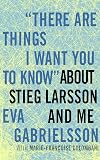
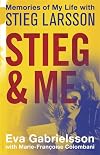
"There Are Things I Want You to Know" about Stieg Larsson and Me
by Eva Gabrielsson (Author), Marie-Françoise Colombani (Author)
On This Page
Description
Here is the real inside story--not the one about the Stieg Larsson phenomenon, but rather the love story of a man and a woman whose lives came to be guided by politics and love, coffee and activism, writing and friendship. Only one person knows that story well enough to tell it with authority. Eva and Stieg shared everything, starting when they were both eighteen until his untimely death 32 years later. Here, Eva accepts the daunting challenge of telling the story of their shared life, show more steeped in love and sharpened in the struggle for justice and human rights. She chooses to tell it in short, spare, lyrical chapters, like snapshots, the inside account of how he wrote, why he wrote, who the sources were for Lisbeth and his other characters--graciously answering Stieg's readers' most pressing questions--and at the same time telling us about love and loss, death, betrayal, and the mistreatment of women.--From publisher description. show lessTags
Recommendations























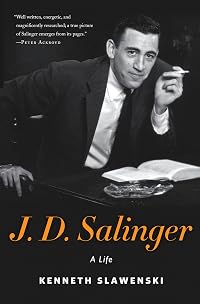

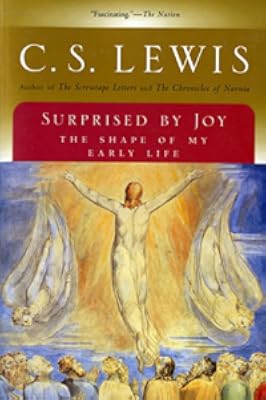


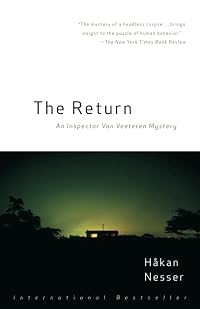





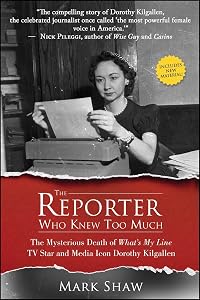






Member Recommendations
Under This Beautiful Dome: A Senator, A Journalist, and the Politics of Gay Love in America by Terry Mutchler
akblanchard Cautionary tales about what happens if your deceased lover did not leave a will.
Member Reviews
I liked this book more than I thought I would. It's a quick read, and presents a moving portrait of a woman in mourning.
I'm not a big fan of Stieg Larsson or the Milennium trilogy (I've read only The Girl with the Dragon Tattoo and don't have much interest in reading the other two). I was interested in this book because of the controversy regarding Larsson's estate. The author died suddenly, without a will, and without ever marrying his live-in companion of over thirty years, Eva Gabrielsson. Therefore, the millions Larsson has earned posthumously due to the success of his crime novels have gone to his father and brother, not to his companion.
Gabrielsson's understandably bitter, She blames mysterious enemies ("they") who overworked her show more late lover to the point of early death. She even performs an ancient Norse ritual to inflict curses on these people, whoever they are (but, as she admits, Larsson did not take good care of himself and that his mother and grandfather both died young, from heart problems, just like Larsson did. His heart attack at the age of fifty is much more likely to be the natural result of these factors than the machinations of mysterious enemies).
She gives a number of excuses why they never found an opportunity in 30 years to get married. Although she never says this, I suspect that the main reason is that as former Trotskyites, they thought marriage was just too bourgeois for them. Predictably, she claims there was a will that left everything to her, but it was regrettably unwitnessed and therefore not valid.
I don't know anything about Swedish law, but it seems to me that if you aren't married, you can't expect the benefits of marriage. If you don't have a properly-prepared will, you can't expect the benefits of having a properly-prepared will. It's too bad, but that's the way the law works.
The one thing she still has is his laptop, which she says contains an incomplete draft of a fourth Millennium novel. She says that she is capable of finishing the book herself, and hints that she was involved in the writing of Larsen's published books ("We often wrote together," she writes ambiguously).
I do sympathize with Eva Gabrielsson. She's lost the love of her life, his money and control of his literary legacy. It's clear her impulse is to blame everyone else (the father, the brother, the enemies) for the situation, rather than the man she loved, who, in my opinion, bears some of the responsibility as well.. show less
I'm not a big fan of Stieg Larsson or the Milennium trilogy (I've read only The Girl with the Dragon Tattoo and don't have much interest in reading the other two). I was interested in this book because of the controversy regarding Larsson's estate. The author died suddenly, without a will, and without ever marrying his live-in companion of over thirty years, Eva Gabrielsson. Therefore, the millions Larsson has earned posthumously due to the success of his crime novels have gone to his father and brother, not to his companion.
Gabrielsson's understandably bitter, She blames mysterious enemies ("they") who overworked her show more late lover to the point of early death. She even performs an ancient Norse ritual to inflict curses on these people, whoever they are (but, as she admits, Larsson did not take good care of himself and that his mother and grandfather both died young, from heart problems, just like Larsson did. His heart attack at the age of fifty is much more likely to be the natural result of these factors than the machinations of mysterious enemies).
She gives a number of excuses why they never found an opportunity in 30 years to get married. Although she never says this, I suspect that the main reason is that as former Trotskyites, they thought marriage was just too bourgeois for them. Predictably, she claims there was a will that left everything to her, but it was regrettably unwitnessed and therefore not valid.
I don't know anything about Swedish law, but it seems to me that if you aren't married, you can't expect the benefits of marriage. If you don't have a properly-prepared will, you can't expect the benefits of having a properly-prepared will. It's too bad, but that's the way the law works.
The one thing she still has is his laptop, which she says contains an incomplete draft of a fourth Millennium novel. She says that she is capable of finishing the book herself, and hints that she was involved in the writing of Larsen's published books ("We often wrote together," she writes ambiguously).
I do sympathize with Eva Gabrielsson. She's lost the love of her life, his money and control of his literary legacy. It's clear her impulse is to blame everyone else (the father, the brother, the enemies) for the situation, rather than the man she loved, who, in my opinion, bears some of the responsibility as well.. show less
How does one write a book to tell millions of fans what a man was really like when so much has been written about him?
Eva Gabrielsson and Stieg Larsson lived together over 30 years. Larsson unexpectantly died just before his first three novels were published and went on to receive meteoric and international acclaim. Afterwards there was so many truths, half-truths, myths, and lies published about Larsson and the couple that it has often be difficult to hear anything through the noise. After facing the horrible shock and tremendous grief of the death of her soul-mate, Gabrielsson attempts to introduce strangers to the man she knew.
Many elements have been been printed before in news stories but she does describe his early life and uses show more it to help illustrate Larsson's character. For readers who have not read Larsson's articles about political extremists -- which is the case for many who live outside Sweden -- there are only hints of his journalistic efforts. This hinders the readers' ability to truly grasp the depth of the Larsson (and Gabrielsson's) commitment to sharing observations of the very real dangers in the political and social landscape.
For me -- as an American -- I was drawn in to the Millennium trilogy in part because of the peeling back to reveal the social injustice that occurs often hidden around us each day. The surprise was the amount of common ground between the Sweden described in the novels and the USA: the growth of extreme conservative right-wing; increase in hate speech; erosion of journalistic ethics and standards; monetary greed from business and political corruption, etc.
So while we don't really get to know Larsson the man, we are introduced to his partner Gabrielsson. While her emotions are reserved, it is evident that her loss has affected her profoundly. A loss compounded by a legal injustice -- Sweden does not recognize the rights of cohabitating partners -- and a loss of access to the control of his works. These injustices are keen and sharp. The end of the book it is about recovery. The slow climb back from the nadir experienced after Larsson's death, the fame, and the betrayals. Not every fight will be won but she is facing each one. show less
Eva Gabrielsson and Stieg Larsson lived together over 30 years. Larsson unexpectantly died just before his first three novels were published and went on to receive meteoric and international acclaim. Afterwards there was so many truths, half-truths, myths, and lies published about Larsson and the couple that it has often be difficult to hear anything through the noise. After facing the horrible shock and tremendous grief of the death of her soul-mate, Gabrielsson attempts to introduce strangers to the man she knew.
Many elements have been been printed before in news stories but she does describe his early life and uses show more it to help illustrate Larsson's character. For readers who have not read Larsson's articles about political extremists -- which is the case for many who live outside Sweden -- there are only hints of his journalistic efforts. This hinders the readers' ability to truly grasp the depth of the Larsson (and Gabrielsson's) commitment to sharing observations of the very real dangers in the political and social landscape.
For me -- as an American -- I was drawn in to the Millennium trilogy in part because of the peeling back to reveal the social injustice that occurs often hidden around us each day. The surprise was the amount of common ground between the Sweden described in the novels and the USA: the growth of extreme conservative right-wing; increase in hate speech; erosion of journalistic ethics and standards; monetary greed from business and political corruption, etc.
So while we don't really get to know Larsson the man, we are introduced to his partner Gabrielsson. While her emotions are reserved, it is evident that her loss has affected her profoundly. A loss compounded by a legal injustice -- Sweden does not recognize the rights of cohabitating partners -- and a loss of access to the control of his works. These injustices are keen and sharp. The end of the book it is about recovery. The slow climb back from the nadir experienced after Larsson's death, the fame, and the betrayals. Not every fight will be won but she is facing each one. show less
I recently won a Twitter contest by Tantor Media and when I was allowed to choose an audiobook I could not pass up this selection. Since I had recently finished the Dragon Tattoo series I was interested in knowing a little more about the man behind it. This book did not disappoint.
Although they never married Eva Gabrielsson was Stieg Larsson’s lifelong companion. Sharing thirty-two years together Ms. Gabreilsson is able to relate some of Mr. Larsson’s childhood and early life with the reader as well as the kind of man he was as an adult. The reader learns about his career ambitions and the road his life took in that respect. She also shares his strong moral beliefs on a variety of subjects.
Any book dealing with his life cannot omit show more what happened after his sudden death in 2004 at the age of fifty. Ms. Gabrielsson not only writes about her understandable grief but also discusses the difficulties surrounding the Millennium series (with family, lawyers and the government) with a grace that I feel I could not muster under similar circumstances. Although admittedly one sided, since she is the author of the book, I feel she deserves kudos in that department.
In reading other reviews of this book I realize many people were disappointed that it was not more of a tell all (behind bedroom door type secrets) but I do not believe that was Ms. Gabrielsson’s mission in writing this book. As it stands this book was an interesting insight into the man behind the phenomenal success of the Dragon Tattoo books, but also an opportunity to get to know a little bit about a woman who is quite amazing in her own right. show less
Although they never married Eva Gabrielsson was Stieg Larsson’s lifelong companion. Sharing thirty-two years together Ms. Gabreilsson is able to relate some of Mr. Larsson’s childhood and early life with the reader as well as the kind of man he was as an adult. The reader learns about his career ambitions and the road his life took in that respect. She also shares his strong moral beliefs on a variety of subjects.
Any book dealing with his life cannot omit show more what happened after his sudden death in 2004 at the age of fifty. Ms. Gabrielsson not only writes about her understandable grief but also discusses the difficulties surrounding the Millennium series (with family, lawyers and the government) with a grace that I feel I could not muster under similar circumstances. Although admittedly one sided, since she is the author of the book, I feel she deserves kudos in that department.
In reading other reviews of this book I realize many people were disappointed that it was not more of a tell all (behind bedroom door type secrets) but I do not believe that was Ms. Gabrielsson’s mission in writing this book. As it stands this book was an interesting insight into the man behind the phenomenal success of the Dragon Tattoo books, but also an opportunity to get to know a little bit about a woman who is quite amazing in her own right. show less
It was interesting to read about Steig Larsson from his partner's perspective — the one who knew him best — and to learn about their lives together.
I really enjoyed spending time with Eva and felt her pain as she told her story. She's a great lady who deserved much better than she got after her husband died. Their love and the life they shared makes for a great love story.
Ratings
Members
- Recently Added By
Author Information

Eva Gabrielsson is a working architect, author, and political activist. In addition to having worked with Stieg Larsson on his writing projects, she is the coauthor of a monograph on the subject of cohabitation in Sweden, a study on sustainable housing, and a forthcoming book on the Swedish urban planner Per Olof Hallman. She has also translated show more into Swedish Philip K. Dick's The Man in the High Castle. As an activist, she works to stop violence against women. Eva Gabrielsson and Stieg Larsson met in 1972, when they were both eighteen, and lived and wrote together from 1974 until his death in 2004. Their struggle together for social justice was the basis for the books in Larsson's Millennium Trilogy. "There Are Things I Want You to Know" about Stieg Larsson and Me has been published in nineteen languages in twenty-one countries. show less

Some Editions
Common Knowledge
- Canonical title*
- "Millénium", Stieg et moi
- Original title
- Millenium, Stieg et moi
- Original publication date
- 2011
- People/Characters
- Stieg Larsson; Eva Gabrielsson
- Dedication
- To all of those who supported me when I faltered. And to those who are standing by me still. - EG
- First words
- People often ask me if the Swedish drink as much coffee as do the characters in The Millennium Trilogy.
*Some information comes from Common Knowledge in other languages. Click "Edit" for more information.
Classifications
- Genres
- Biography & Memoir, Fiction and Literature
- DDC/MDS
- 839.738 — Literature & rhetoric German & related literatures Other Germanic literatures Swedish literature Swedish fiction 2000-
- LCC
- PT9876.22 .A6933 .Z6413 — Language and Literature German, Dutch and Scandinavian literatures Swedish literature Individual authors or works 1961-2000
- BISAC
Statistics
- Members
- 232
- Popularity
- 140,929
- Reviews
- 5
- Rating
- (3.43)
- Languages
- 13 — Catalan, Czech, Danish, Dutch, English, Finnish, French, German, Italian, Norwegian (Bokmål), Polish, Spanish, Swedish
- Media
- Paper, Audiobook, Ebook
- ISBNs
- 30
- ASINs
- 4