On This Page
Description
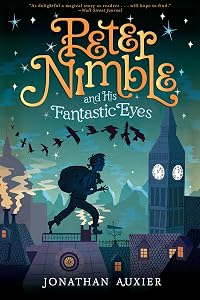
Raised to be a thief, blind orphan Peter Nimble, age ten, steals from a mysterious stranger three pairs of magical eyes, that lead him to a hidden island where he must decide to become a hero or resume his life of crime.Tags
Recommendations
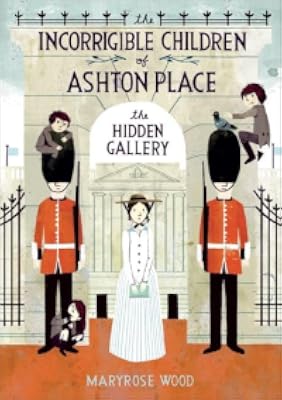
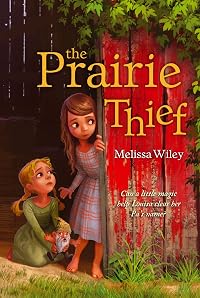

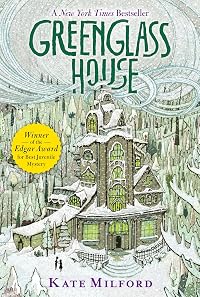
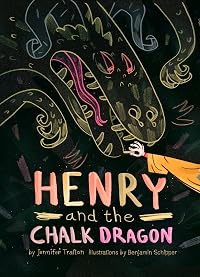



Member Recommendations

Member Reviews
I received this book as a part of LibraryThing’s Early Reviewers program. I was super excited about it because I’ve read some of Jonathan Auxier’s early chapter books and thought they were fantastic: very imaginative and full of wonderful vocabulary and humour. I was expecting much the same from Peter Nimble, though aimed at slightly older readers, and I wasn’t disappointed.
I did have a difficult start with this one. The premise, which can be read on the back of the book as well as the first chapter, is that blind children make the best thieves due to their extra sensitive hearing, smell, and touch, even claiming that they can smell what’s on the other side of a door including “fine cloth, gold, and peanut brittle.” As show more can be inferred from that intro, Peter’s blindness doesn’t seem to slow him down. It felt very much like the character was falling into the magical disability trope. I was cringing while reading for the first several chapters and was very close to giving up on the book altogether.
And then this line: “The only thing worse than a perilous adventure is a boring one.” Such a simple line but so much feeling contained in it. Auxier’s humour really kept me in, despite my concerns about the disability representation. My favourite parts were often concise little tidbits like that, along with a pun that paid off fully half a chapter after it was presented.
Overall, I enjoyed the book and the magical kingdom and characters contained within it. My 9-year-old has asked to read it, and I look forward to hearing her thoughts on it, although I think we will have to do some extra reading on what life is actually like for people who are blind without mystical thieving powers. show less
I did have a difficult start with this one. The premise, which can be read on the back of the book as well as the first chapter, is that blind children make the best thieves due to their extra sensitive hearing, smell, and touch, even claiming that they can smell what’s on the other side of a door including “fine cloth, gold, and peanut brittle.” As show more can be inferred from that intro, Peter’s blindness doesn’t seem to slow him down. It felt very much like the character was falling into the magical disability trope. I was cringing while reading for the first several chapters and was very close to giving up on the book altogether.
And then this line: “The only thing worse than a perilous adventure is a boring one.” Such a simple line but so much feeling contained in it. Auxier’s humour really kept me in, despite my concerns about the disability representation. My favourite parts were often concise little tidbits like that, along with a pun that paid off fully half a chapter after it was presented.
Overall, I enjoyed the book and the magical kingdom and characters contained within it. My 9-year-old has asked to read it, and I look forward to hearing her thoughts on it, although I think we will have to do some extra reading on what life is actually like for people who are blind without mystical thieving powers. show less
 This review was written for LibraryThing Early Reviewers.
Jonathan Auxier’s Peter Nimble and His Fantastic Eyes is a whirlwind of imagination and adventure that refuses to sit still for even a moment. Fast-paced and full of surprising turns, this book takes readers on an unpredictable journey through a world seen—or rather, not seen—through the eyes of a blind orphan thief.
One of the most striking aspects of this novel is its world-building. Unlike many fantasy adventures, Auxier’s world isn’t lavishly or visually described, which feels entirely intentional. Since Peter is blind, the narrative builds a sensory-rich world through touch, sound, and intuition rather than grand visual spectacle. This creates a distinct reading experience—immersive, yet grounded in Peter’s unique show more perspective.
The plot itself is wonderfully tangled. Readers are asked to hold on tight as Auxier layers mystery upon mystery, with small details early on later tying together in satisfying and sometimes unexpected ways. This makes the book an advanced middle-grade read—one that rewards careful readers who can keep track of its many threads. The pacing rarely slows, leaving little room to catch your breath, and for some readers, that intensity can be both exhilarating and exhausting.
Humor plays a key role in balancing the chaos. Auxier sprinkles the story with witty asides and clever observations, keeping the tone playful even when the stakes rise. And while Peter Nimble and His Fantastic Eyes may feel like a mashup of classic tales—echoes of Peter Pan, Alice in Wonderland, and even Don Quijote are hard to miss—it’s open to interpretation whether the book is borrowing too freely from these literary greats or paying tribute to them.
Either way, nothing about this story is predictable. It’s weird, whimsical, and wild—a concoction that some readers will absolutely adore for its daring originality, while others may find it too chaotic to follow. But that’s exactly what makes Peter Nimble and His Fantastic Eyes such a conversation starter: it’s a divisive, imaginative, and truly one-of-a-kind adventure that challenges what a middle-grade fantasy can be.
In short, Auxier’s novel is a test of whether you like your stories neatly ordered—or delightfully, brilliantly unhinged. show less
One of the most striking aspects of this novel is its world-building. Unlike many fantasy adventures, Auxier’s world isn’t lavishly or visually described, which feels entirely intentional. Since Peter is blind, the narrative builds a sensory-rich world through touch, sound, and intuition rather than grand visual spectacle. This creates a distinct reading experience—immersive, yet grounded in Peter’s unique show more perspective.
The plot itself is wonderfully tangled. Readers are asked to hold on tight as Auxier layers mystery upon mystery, with small details early on later tying together in satisfying and sometimes unexpected ways. This makes the book an advanced middle-grade read—one that rewards careful readers who can keep track of its many threads. The pacing rarely slows, leaving little room to catch your breath, and for some readers, that intensity can be both exhilarating and exhausting.
Humor plays a key role in balancing the chaos. Auxier sprinkles the story with witty asides and clever observations, keeping the tone playful even when the stakes rise. And while Peter Nimble and His Fantastic Eyes may feel like a mashup of classic tales—echoes of Peter Pan, Alice in Wonderland, and even Don Quijote are hard to miss—it’s open to interpretation whether the book is borrowing too freely from these literary greats or paying tribute to them.
Either way, nothing about this story is predictable. It’s weird, whimsical, and wild—a concoction that some readers will absolutely adore for its daring originality, while others may find it too chaotic to follow. But that’s exactly what makes Peter Nimble and His Fantastic Eyes such a conversation starter: it’s a divisive, imaginative, and truly one-of-a-kind adventure that challenges what a middle-grade fantasy can be.
In short, Auxier’s novel is a test of whether you like your stories neatly ordered—or delightfully, brilliantly unhinged. show less
This review was written for LibraryThing Early Reviewers.This book is such a strange little gem in the best possible way. It opens with a blind ten-year-old orphan who also happens to be a master thief, and it only gets wilder from there.
Peter is clever, resourceful, and a little rough around the edges, which makes him easy to root for. The whole story kicks off when he steals a box of magical eyes, and from that moment on, you're swept into a world that feels completely its own.
The Vanished Kingdom is whimsical but never fluffy. Auxier builds a world where every detail feels intentional. There are moments that are funny, weird, dark, and thoughtful, often all at once. Sir Tode, Peter’s part-horse, part-cat, part-human companion, is one of the strangest sidekicks I’ve ever read, and yet show more somehow he works. The bond between him and Peter ends up being one of the most charming parts of the story.
It reads like a fairy tale and a classic adventure rolled into one. The language is rich but accessible, and the pacing keeps things moving without feeling rushed. There are layers here too, with deeper themes about identity, power, and what it means to do the right thing when it costs you something.
Perfect for kids who like a little mischief and magic in their stories, and honestly just as enjoyable for grown-up readers who want to get swept away. I’m excited to see how the rest of this new series unfolds. show less
Peter is clever, resourceful, and a little rough around the edges, which makes him easy to root for. The whole story kicks off when he steals a box of magical eyes, and from that moment on, you're swept into a world that feels completely its own.
The Vanished Kingdom is whimsical but never fluffy. Auxier builds a world where every detail feels intentional. There are moments that are funny, weird, dark, and thoughtful, often all at once. Sir Tode, Peter’s part-horse, part-cat, part-human companion, is one of the strangest sidekicks I’ve ever read, and yet show more somehow he works. The bond between him and Peter ends up being one of the most charming parts of the story.
It reads like a fairy tale and a classic adventure rolled into one. The language is rich but accessible, and the pacing keeps things moving without feeling rushed. There are layers here too, with deeper themes about identity, power, and what it means to do the right thing when it costs you something.
Perfect for kids who like a little mischief and magic in their stories, and honestly just as enjoyable for grown-up readers who want to get swept away. I’m excited to see how the rest of this new series unfolds. show less
This review was written for LibraryThing Early Reviewers.Fantastic Eyes completely drew me in from the very first page. It’s one of those rare stories that feels both whimsical and heartfelt, with a perfect mix of adventure, humor, and a touch of mystery. The characters are so unique and memorable, and the world-building is wonderfully imaginative without ever feeling overwhelming. What I loved most is how the story balances excitement with deeper themes—it’s fun and swashbuckling, but also touching in ways that linger after you put the book down. I found myself rooting for the main character every step of the way, and the journey kept surprising me.
This review was written for LibraryThing Early Reviewers.PETER NIMBLE AND HIS FANTASTIC EYES is a long middle-grade fantasy novel about the world's greatest thief, Peter Nimble. Orphaned and blinded as a baby, Peter grows to the age of ten when circumstances pitch him into the adventure of a lifetime — and as we learn, a lifetime of adventure.
What surprised me about this novel was how dark it is. The plot is consistently darker than the books in the Harry Potter series, even darker than books 5 through 7; I was surprised how casually death, violence, and intentional cruelty were introduced. This novel is also not a good choice for readers who prefer realistic fiction, as the plot depends consistently on readers being willing to suspend disbelief and accept stunning coincidences — but of show more course, these are qualities that befit legendary storytelling.
I have read and admired Auxier's work in the past. There are more book in this series, called The Vanished Kingdom, and I look forward to seeing what else has sprung from Auxier's imaginative mind. show less
What surprised me about this novel was how dark it is. The plot is consistently darker than the books in the Harry Potter series, even darker than books 5 through 7; I was surprised how casually death, violence, and intentional cruelty were introduced. This novel is also not a good choice for readers who prefer realistic fiction, as the plot depends consistently on readers being willing to suspend disbelief and accept stunning coincidences — but of show more course, these are qualities that befit legendary storytelling.
I have read and admired Auxier's work in the past. There are more book in this series, called The Vanished Kingdom, and I look forward to seeing what else has sprung from Auxier's imaginative mind. show less
This review was written for LibraryThing Early Reviewers.A sightless, orphan boy under the control of a heartless man, the Dickensian Peter Nimble uses his remarkable senses to survive, becoming as unseen as he is sightless - a master of thievery, lock picking, diversion, filching, clipping and pilfering. It is a mean and demeaning life until the day he steals an elaborately guarded, locked and fortified box containing three sets of eyes - eyes which catapult him into a strange and fantastic journey to the spaces that have heretofore been left blank upon the maps of the world. His destiny is a quest for the Vanished Kingdom. To accomplish his mission, he has only his new companion, the part feline/part equine/part human Sir Tode (a most miserably enchanted knight), an unfinished riddle, his show more burgle-sack, and of course, the Fantastic Eyes.
The language of Peter Nimble is the straightforward language of action and adventure, which is not to say that this book is simple or unsophisticated. In fact, the plot has many twists with depth equal to the cruel mines of the Vanished Kingdom. There is some obvious foreshadowing, but this may be a planned device, offering the reader a sense of accomplishment while following this exciting adventure as it changes perspective when new characters enter and expand the story.
As Peter Nimble is blind, the reader depends upon the narrator and good Sir Tode to set the visual scene. Peter's view of the world is colored, so to speak, by his other senses. He tells the time of day by the "feel" of the sun or moon. He can "smell the dew percolating up from the ground." He can judge the size of a chamber or hall by the echo of voices or machinery. But he cannot do it all alone, and enlists the help of the loyal Sir Tode, a fish, thieves, a raven, and "the Princess," in a fierce battle to aid the author of the riddle,
"Kings aplenty, princes few,
The ravens scattered and seas withdrew.
Only a stranger may bring relief,
But darkness will reign, unless he's --"
For ages 10 and up, readers of Peter Nimble and His Fantastic Eyes can expect some violence and even death (no quest is without danger!), but Peter and his allies are up to the challenge, and when they falter, they are reminded,
"There are times when Justice demands from us more than we would give."
A satisfying and captivating debut novel that certainly leaves open the possibility of future adventures. A treat for fans of action, adventure, magic and fantasy!
www.shelf-employed.blogspot.com show less
The language of Peter Nimble is the straightforward language of action and adventure, which is not to say that this book is simple or unsophisticated. In fact, the plot has many twists with depth equal to the cruel mines of the Vanished Kingdom. There is some obvious foreshadowing, but this may be a planned device, offering the reader a sense of accomplishment while following this exciting adventure as it changes perspective when new characters enter and expand the story.
As Peter Nimble is blind, the reader depends upon the narrator and good Sir Tode to set the visual scene. Peter's view of the world is colored, so to speak, by his other senses. He tells the time of day by the "feel" of the sun or moon. He can "smell the dew percolating up from the ground." He can judge the size of a chamber or hall by the echo of voices or machinery. But he cannot do it all alone, and enlists the help of the loyal Sir Tode, a fish, thieves, a raven, and "the Princess," in a fierce battle to aid the author of the riddle,
"Kings aplenty, princes few,
The ravens scattered and seas withdrew.
Only a stranger may bring relief,
But darkness will reign, unless he's --"
For ages 10 and up, readers of Peter Nimble and His Fantastic Eyes can expect some violence and even death (no quest is without danger!), but Peter and his allies are up to the challenge, and when they falter, they are reminded,
"There are times when Justice demands from us more than we would give."
A satisfying and captivating debut novel that certainly leaves open the possibility of future adventures. A treat for fans of action, adventure, magic and fantasy!
www.shelf-employed.blogspot.com show less
First sentence: Now, for those of you who know anything about blind children, you are aware that they make the very best thieves. As you can well imagine, blind children have incredible senses of smell, and they can tell what lies behind a locked door--be it fine cloth, gold, or peanut brittle--at fifty paces. Moreover their fingers are small enough to slip right through keyholes, and their eyes keen enough to detect the faintest clicks and clacks of every moving part inside even the most complicated lock. Of course, the age of great thievery has long since passed; today there are few child-thieves left, blind or otherwise. At one time, however, the world was simply thick with them. This is the story of the greatest thief who ever show more lived. His name, as you've probably guessed, is Peter Nimble.
Premise/plot: Who is Peter Nimble? Who are his parents? Where did he come from? What does Peter know about his past--if anything? What do readers know about his past? Yes, he's an orphan who raised himself on the streets. Yes, he's a thief by necessity and manipulation. (Peter "being taken care of" by Mr. Seamus.) But is he destined for more than that? What does his future hold for him?
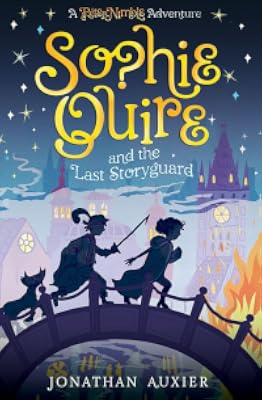
My thoughts: Did I enjoy reading Peter Nimble and His Fantastic Eyes? Yes. Definitely. Or rereading as the case may be. There are two more books in the series--one a reread for me, Sophie Quire and the Last Storyguard--and one BRAND NEW, JUST RELEASED. I think--if memory serves--I enjoyed the Sophie Quire book MORE than this first book. That's not to say I didn't like it. I did. I just didn't love it.
I liked Peter Nimble and His Fantastic Eyes because it is a fantasy, a grand old-fashioned fantasy. The concept of his "fantastic eyes" is just intriguing. Pairs of magical "eyes" that he can put in and take out that do unusual, fantastic things--though not without risk and danger! And the adventure he lands in and the people he meets...it's just a compelling story, one that's easy to recommend. show less
Premise/plot: Who is Peter Nimble? Who are his parents? Where did he come from? What does Peter know about his past--if anything? What do readers know about his past? Yes, he's an orphan who raised himself on the streets. Yes, he's a thief by necessity and manipulation. (Peter "being taken care of" by Mr. Seamus.) But is he destined for more than that? What does his future hold for him?
My thoughts: Did I enjoy reading Peter Nimble and His Fantastic Eyes? Yes. Definitely. Or rereading as the case may be. There are two more books in the series--one a reread for me, Sophie Quire and the Last Storyguard--and one BRAND NEW, JUST RELEASED. I think--if memory serves--I enjoyed the Sophie Quire book MORE than this first book. That's not to say I didn't like it. I did. I just didn't love it.
I liked Peter Nimble and His Fantastic Eyes because it is a fantasy, a grand old-fashioned fantasy. The concept of his "fantastic eyes" is just intriguing. Pairs of magical "eyes" that he can put in and take out that do unusual, fantastic things--though not without risk and danger! And the adventure he lands in and the people he meets...it's just a compelling story, one that's easy to recommend. show less
Members
- Recently Added By
Lists

Children's Fantasy
73 works; 10 members
Author Information

13+ Works 4,655 Members
Awards and Honors
Awards
Series

Common Knowledge
- Canonical title
- Peter Nimble and His Fantastic Eyes
- Original title
- Peter Nimble and His Fantastic Eyes
- Original publication date
- 2011
- Dedication
- For Mary
Fools as we were in motley,
all jangling and absurd,
When all church bells were silent
our cap and bells were heard. - First words
- Now, for those of you who know anything about blind children, you are aware that they make the very best thieves.
- Last words
- (Click to show. Warning: May contain spoilers.)The story of Peter Nimble and his Fantastic Eyes was handed down to each generation -- the tale of the prince who became a thief to become a king.
Classifications
Statistics
- Members
- 1,138
- Popularity
- 22,290
- Reviews
- 46
- Rating
- (3.98)
- Languages
- 6 — English, Estonian, German, Italian, Polish, Portuguese
- Media
- Paper, Audiobook, Ebook
- ISBNs
- 26
- ASINs
- 5
