Introduction to Permaculture
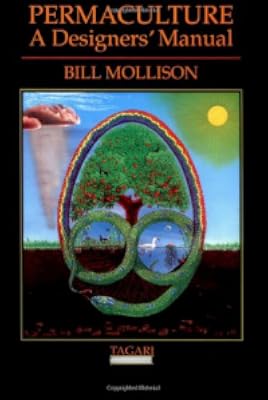
by Bill Mollison
On This Page
Description
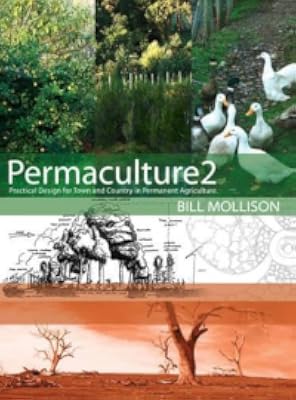
Permaculture is the science and art of designing a permanent and sustainable agriculture. This book outlines permaculture planning and design methods, garden layouts, greenhouse and fencing strategies, integrating livestock and aquaculture with crops, land access, community funding systems and more.Tags
Recommendations







Member Reviews
Halfway between gardening and agriculture is permaculture, the belief in the small, the manageable, the endlessly adaptable force of the human interacting with its other - nature.
Even if we immerse ourselves in nature, we are still not part of it. We have evolved to exist over it, around it and cleverly tell ourselves we can jump in and out of it as we please. We garden, hike, swim, sail and immerse ourselves in forests once in a while to get a refresher on our ancient DNA.
Still, working with nature, as permaculture proposes, is the least insane way of dealing with our environs. And produce food, shelter, tools, water supply, fire retardation etc. Practical as well as primal.
The clearest most basic principle Mollison writes about is show more that every resource or action should have multiple purposes. One use of an idea is not enough. A building should be sited not only to take in passive energy for heating, but also be a windbreak for a garden, be proximate to the kitchen garden. Grow bamboo as a windbreak and garden stakes or building material, and its ornamental - there's three applications.
The book itself has a built in redundancy. Once principles are known, simply apply them and ignore the book. Just like you do not need a fancy big expensive coffee table book to make compost. The principles are basic, carbon and nitrogen material, air, correct moisture, time.
There's a few diagrams, design is a big part of all this, but not puffed up and arty, just backyard, junk yard style is good enough. Permaculture doesn't need gurus; yet, I'm sure there are thousands of them out there, screwing people for every cent they can get. Someone should tell them, its just bloody gardening with a little thought.
The book is out of print, which is a real shame because out there are overpriced arty books and expensive seminars and consultants you really don't need. The gurus control the flow of information and the cash register, sadly. show less
Even if we immerse ourselves in nature, we are still not part of it. We have evolved to exist over it, around it and cleverly tell ourselves we can jump in and out of it as we please. We garden, hike, swim, sail and immerse ourselves in forests once in a while to get a refresher on our ancient DNA.
Still, working with nature, as permaculture proposes, is the least insane way of dealing with our environs. And produce food, shelter, tools, water supply, fire retardation etc. Practical as well as primal.
The clearest most basic principle Mollison writes about is show more that every resource or action should have multiple purposes. One use of an idea is not enough. A building should be sited not only to take in passive energy for heating, but also be a windbreak for a garden, be proximate to the kitchen garden. Grow bamboo as a windbreak and garden stakes or building material, and its ornamental - there's three applications.
The book itself has a built in redundancy. Once principles are known, simply apply them and ignore the book. Just like you do not need a fancy big expensive coffee table book to make compost. The principles are basic, carbon and nitrogen material, air, correct moisture, time.
There's a few diagrams, design is a big part of all this, but not puffed up and arty, just backyard, junk yard style is good enough. Permaculture doesn't need gurus; yet, I'm sure there are thousands of them out there, screwing people for every cent they can get. Someone should tell them, its just bloody gardening with a little thought.
The book is out of print, which is a real shame because out there are overpriced arty books and expensive seminars and consultants you really don't need. The gurus control the flow of information and the cash register, sadly. show less
A must read if you are interested in Permaculture.
Ratings
Members
- Recently Added By
Lists

Permaculture
58 works; 7 members

To Read List
21 works; 1 member
Author Information

30+ Works 1,351 Members
All Editions
Common Knowledge
- Alternate titles
- Permakültüre giris
Classifications
Statistics
- Members
- 449
- Popularity
- 68,195
- Reviews
- 2
- Rating
- (4.30)
- Languages
- 6 — Czech, English, French, Italian, Spanish, Turkish
- Media
- Paper
- ISBNs
- 10
- ASINs
- 3