On This Page
Description
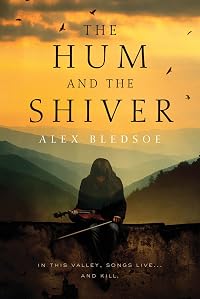
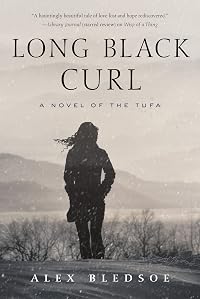
"No one knows where the Tufa came from, or how they ended up in the mountains of East Tennessee. When the first Europeans came to the Smoky Mountains, the Tufa were already there. Dark-haired and enigmatic, they live quietly in the hills and valleys of Cloud County, their origins lost to history. But there are clues in their music, hidden in the songs they have passed down for generations. . . . Private Bronwyn Hyatt, a true daughter of the Tufa, has returned from Iraq, wounded in body and show more spirit, but her troubles are far from over. Cryptic omens warn of impending tragedy, while a restless "haint" has followed her home from the war. Worse yet, Bronwyn has lost touch with herself and with the music that was once a part of her. With death stalking her family, will she ever again join in the song of her people, and let it lift her onto the night winds? "-- show lessTags
Recommendations

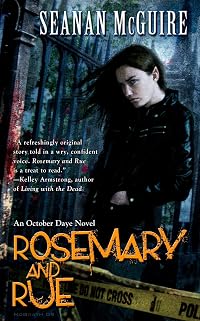
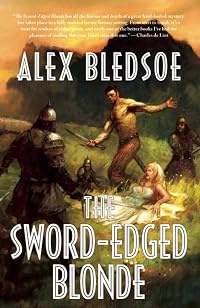
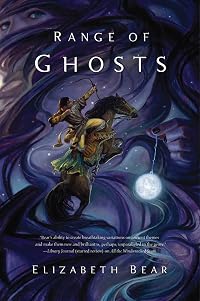
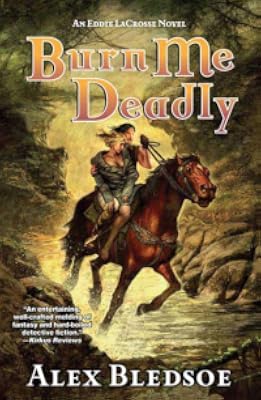

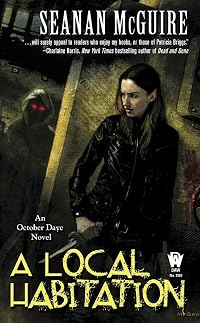
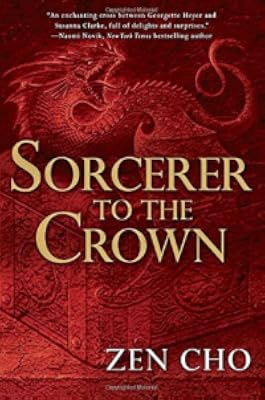
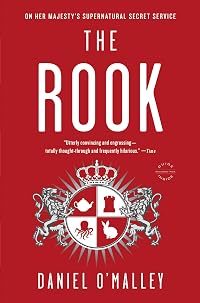
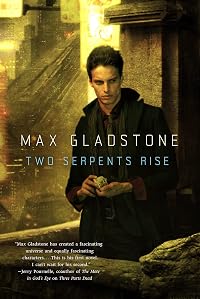

Member Recommendations

by anonymous user
Member Reviews
Bronwyn Hyatt has returned to her small town in the mountains of Tennessee a hero. She was the only survivor of an ambush that killed most of her fellow soldiers. She killed many of the enemy soldiers before being rescued on live TV and becoming a celebrity. But Bronwyn's small town is different than others. She is a full blooded Tufa. The Tufa are a people that are their own ethnicity. Legend says that the Tufa were living in the mountains of Tennessee before any other people came there. Bronwyn must now adjust to life back in the small town with the obligations of being a first daughter of her people, an obligation that she went to war to escape.
I really enjoyed this book. It is a bit of urban fantasy (without the urban part) and a show more bit of magical realism. The Tufa may have their special magic, but they come across as real people with small town problems rather than magical beings. It is really about a young woman chafing from the responsibilities of her family and her small town life being forced to return and face the constraints that drove her to leave in the first place. It is a human story with a bit of magic and fantasy. I look forward to reading more books about the Tufa. show less
I really enjoyed this book. It is a bit of urban fantasy (without the urban part) and a show more bit of magical realism. The Tufa may have their special magic, but they come across as real people with small town problems rather than magical beings. It is really about a young woman chafing from the responsibilities of her family and her small town life being forced to return and face the constraints that drove her to leave in the first place. It is a human story with a bit of magic and fantasy. I look forward to reading more books about the Tufa. show less
move over Charles de Lint because Alex Bledsoe is definitely a new urban fantasy writer deserving of attention. The Hum and the Shiver is pure Appalachian Fantasy - modern, subtle and enticing. He puts a new twist on an old myth of the folk faerie without being wildly extreme. It is one thing to write fantasy in which all creatures of magic and mystery are out and in the open, but to write of the hidden and haunted takes talent. Bledsoe doesn't disappoint and the intertwining theme of song into the mythos is superb.
Overall summary: Very, very disappointing.
I really wanted to love this book. I like the concept, I love visiting the Smokies so the setting was a definite plus, and I quite like several bits and pieces in this book. But in the end... that's nearly all it was: a concept, a setting, and a few bits and pieces, mostly feeling random and not very interconnected.
The plot - well, there really wasn't much. Bronwyn Hyatt returns an injured war hero to her home clan; but beyond a few 'her? she's not a hero' comments from her nearest and dearest, and using the injuries as an excuse to re-evaluate her life some... this didn't really feature. It was pretty much entirely unnecessary to the rest of the story, which seemed to be meant to be about half show more revealed local politics in which Bronwyn has some part - but beyond a couple of half-hearted inferences, nothing ever came of that, either.
The characters - well, again, there really wasn't much here. Bronywyn was a little all over the place, but okay, she's just returned home after a traumatic experience (and I include the 'hero' aftermath as part of that trauma), I can cut her a little slack. She's having difficult integrating who she used to be to who she is - and deciding who she wants to be - today. This could have been an interesting piece of character development but instead it just felt like muddled characterisation, with the character forced by the plot, instead of the plot driven by the character. The villain was a one-note asshole which was annoying, but could have been made to work if you'd seen less into his mind and he'd been allowed to be a little less totally ineffective. But my biggest pet peeve in characterisation here is Bronwyn's mother, Chloe: there is a total lack of consistent characterisation here, which made the relationship between Bronwyn and Chloe - a key part of the story - a complete pain to read. How are Bronwyn and her family meant to come to any kind of believable resolution when her mother's basic characteristics change according to what Bledsoe thinks the plot needs at any give point, and not according to any kind of consistent internal coherence? She's not a character, she's a plot device for a plot that doesn't even really exist. For a character who spends so much time onscreen, so to speak, this is really unforgiveable.
There are also several subplots and strands that go nowhere -- I'm guessing the side-story with the reporter was meant to help introduce us to the Tufa, but it's pretty much tangential to the whole thing, and we don't learn anything with Swayback that we haven't learnt elsewhere. The state trooper - bad caricature, and unnecessary. (Also thoroughly dislikeable.)
But what bugged me most of all: I like the idea of the Tufa. I've no objection to an amount of mystery around a central culture of a story. But I want to feel as though the author, at least, has some direction on it... and beyond a few clumsy pointers that the Tufa equate to the Tuatha de Danaan, I don't think Bledsoe has a clue himself what comes here. It leaves me feeling as though he may already have written himself into a corner on it, despite not having really committed to anything yet, and that's just not conducive to a good story. show less
I really wanted to love this book. I like the concept, I love visiting the Smokies so the setting was a definite plus, and I quite like several bits and pieces in this book. But in the end... that's nearly all it was: a concept, a setting, and a few bits and pieces, mostly feeling random and not very interconnected.
The plot - well, there really wasn't much. Bronwyn Hyatt returns an injured war hero to her home clan; but beyond a few 'her? she's not a hero' comments from her nearest and dearest, and using the injuries as an excuse to re-evaluate her life some... this didn't really feature. It was pretty much entirely unnecessary to the rest of the story, which seemed to be meant to be about half show more revealed local politics in which Bronwyn has some part - but beyond a couple of half-hearted inferences, nothing ever came of that, either.
The characters - well, again, there really wasn't much here. Bronywyn was a little all over the place, but okay, she's just returned home after a traumatic experience (and I include the 'hero' aftermath as part of that trauma), I can cut her a little slack. She's having difficult integrating who she used to be to who she is - and deciding who she wants to be - today. This could have been an interesting piece of character development but instead it just felt like muddled characterisation, with the character forced by the plot, instead of the plot driven by the character. The villain was a one-note asshole which was annoying, but could have been made to work if you'd seen less into his mind and he'd been allowed to be a little less totally ineffective. But my biggest pet peeve in characterisation here is Bronwyn's mother, Chloe: there is a total lack of consistent characterisation here, which made the relationship between Bronwyn and Chloe - a key part of the story - a complete pain to read. How are Bronwyn and her family meant to come to any kind of believable resolution when her mother's basic characteristics change according to what Bledsoe thinks the plot needs at any give point, and not according to any kind of consistent internal coherence? She's not a character, she's a plot device for a plot that doesn't even really exist. For a character who spends so much time onscreen, so to speak, this is really unforgiveable.
There are also several subplots and strands that go nowhere -- I'm guessing the side-story with the reporter was meant to help introduce us to the Tufa, but it's pretty much tangential to the whole thing, and we don't learn anything with Swayback that we haven't learnt elsewhere. The state trooper - bad caricature, and unnecessary. (Also thoroughly dislikeable.)
But what bugged me most of all: I like the idea of the Tufa. I've no objection to an amount of mystery around a central culture of a story. But I want to feel as though the author, at least, has some direction on it... and beyond a few clumsy pointers that the Tufa equate to the Tuatha de Danaan, I don't think Bledsoe has a clue himself what comes here. It leaves me feeling as though he may already have written himself into a corner on it, despite not having really committed to anything yet, and that's just not conducive to a good story. show less
(Reprinted from the Chicago Center for Literature and Photography [cclapcenter.com]. I am the original author of this essay, as well as the owner of CCLaP; it is not being reprinted illegally.)
The whole reason I picked up this 2011 novel is because a sequel to it is just now being released, and I was so fascinated by the concept behind them that I thought the two books might make for a good double-review; that concept being, "What if some of the ancient clans from Scotland and Ireland who eventually emigrated in the 1700s to the American Appalachian Mountains were in fact not human at all, but actually varying families of fairies who had fled Scotland and Ireland a thousand years before that, and that some of those backwards, closed-off show more small towns in Kentucky and Tennessee are in fact now entirely inhabited by people who can perform magic?" (Or in other words, if you consider something like Neil Gaiman's 1990s work to be "urban fantasy," this might best be called "rural fantasy.") Unfortunately, though, author Alex Bledsoe never finds anything interesting to actually do with this fascinating concept, turning in a molasses-slow story that repeats all its relatively small amount of plot points five or six times in order to fill pages (I get it! Our Iraq-veteran hero is going to heal more quickly than humans! I GET IT, BLEDSOE!), and that paints its overly obvious villains as broadly as a cartoon might. And worst of all, although there's an NPR enthusiast's amount of obsession over the true-life folk songs of Appalachia (I suspect one of the main reasons Bledsoe even wanted to write this), barely any actual magic takes place, aside from occasional weird hand gestures and Jedi Mind Trick headaches; and without the magical element, this is simply a story about feuding hillbillies in red state hell, and Lord, I have no interest in reading that. Not actually badly written, it's still getting a low score, simply from the huge disappointment the reality of this book was compared to the expectations of its premise.
Out of 10: 6.9 show less
The whole reason I picked up this 2011 novel is because a sequel to it is just now being released, and I was so fascinated by the concept behind them that I thought the two books might make for a good double-review; that concept being, "What if some of the ancient clans from Scotland and Ireland who eventually emigrated in the 1700s to the American Appalachian Mountains were in fact not human at all, but actually varying families of fairies who had fled Scotland and Ireland a thousand years before that, and that some of those backwards, closed-off show more small towns in Kentucky and Tennessee are in fact now entirely inhabited by people who can perform magic?" (Or in other words, if you consider something like Neil Gaiman's 1990s work to be "urban fantasy," this might best be called "rural fantasy.") Unfortunately, though, author Alex Bledsoe never finds anything interesting to actually do with this fascinating concept, turning in a molasses-slow story that repeats all its relatively small amount of plot points five or six times in order to fill pages (I get it! Our Iraq-veteran hero is going to heal more quickly than humans! I GET IT, BLEDSOE!), and that paints its overly obvious villains as broadly as a cartoon might. And worst of all, although there's an NPR enthusiast's amount of obsession over the true-life folk songs of Appalachia (I suspect one of the main reasons Bledsoe even wanted to write this), barely any actual magic takes place, aside from occasional weird hand gestures and Jedi Mind Trick headaches; and without the magical element, this is simply a story about feuding hillbillies in red state hell, and Lord, I have no interest in reading that. Not actually badly written, it's still getting a low score, simply from the huge disappointment the reality of this book was compared to the expectations of its premise.
Out of 10: 6.9 show less
To read more in this series and others, check out keikii eats books!
95 points/100 (5/5 stars!)
Alert: Gushing Incoming
Former wild child Bronwyn Hyatt is returning from Iraq a hero, a bit more broken than she was before she left. But, she doesn't feel like a hero, she feels lost. Since she returned, death omens have been stalking her family, and with her hurt and broken, she has to heal quickly because she refuses to let it happen.
This. was. amazing! Oh my god, guys. How have I never read this before? Heck, I didn't even hear about it until late last year! Someone really needed to tell me about this sooner. I'm actually angry no one told me this existed sooner.
It has been no secret that I love fae. Bledsoe has such an amazing take on show more them! At first, I wasn't quite certain if they're fae or something he made up entirely new for this series. It is left a bit ambiguous because of the way the story reveals itself. I absolutely love the way they are built. They are mysterious, even to themselves sometimes. Even by the of the book, we don't even know anything close to everything about the Tufa.
Alex Bledsoe manages to take me back to a time right after 9/11, when the military and its soldiers were right in the public conscious and when they came home it was a big deal. I had to double check when it came out, because I thought it could have been 2005, not 2011. Even though they aren't that distant in time, it still manages to catch the fervor of that time.
Bronwyn doesn't feel like a hero, still. She likely never will. She still feels like the wild child she was. It doesn't help that she doesn't exactly remember the events they call her a hero for. She knows what happened, but she doesn't remember. She is torn up inside because of everything, the expectations of others, and the fact she never really wanted to come back.
There are a lot of plots that are connected together in The Hum and the Shiver, though. The main plot is about Bronwyn as well as the death omens. Bronwyn finding out who she is again is a minor but vital part to this book. The death omen plot is scary and depressing. There is also the story of Don Swayback, who is finding his Tufa heritage. It is interesting, and it manages to give a way for Bledsoe to introduce the fae from a more outsider perspective, since Bronwyn already knows, and the third character that I'm about to mention can't really know. The last is a newly appointed methodist minister, Craig Chess, who was sent to the area that try and convert the area. Craig is a great character, with a very strong sense of how he wants to present himself to the world with his calling. All of this unfolds piece by piece, layer by layer, to create a magical whole.
This is a blending of magic and music and religion. The book runs off magic and music. The magic is a mystery, we don't know what it can do or how (yet). The music is a calling. Every Tufa hears the music, lives the music. It is beautiful, even if the music doesn't call to me. The religion is new to the Tufa, and it isn't really their way. Yet, it is a part of Craig, and he wants it to be a part of the Tufa. They aren't derisive about it, it just isn't a part of their traditions. It is an interesting blend of the three.
The ending made this. As much as I want more, it is because I always want more. I loved Bronwyn and Craig, I even liked Don by the end. Yet, it still ends at a great place. This isn't a light, fun story. It is heavy and thrilling and just plain odd, and the end reflects that.
Audiobook Update: If you're looking for a new audiobook with a great story and a wonderful set of narrators, this is it! The Hum and the Shiver features two narrators who do the job perfectly. show less
95 points/100 (5/5 stars!)
Alert: Gushing Incoming
Former wild child Bronwyn Hyatt is returning from Iraq a hero, a bit more broken than she was before she left. But, she doesn't feel like a hero, she feels lost. Since she returned, death omens have been stalking her family, and with her hurt and broken, she has to heal quickly because she refuses to let it happen.
This. was. amazing! Oh my god, guys. How have I never read this before? Heck, I didn't even hear about it until late last year! Someone really needed to tell me about this sooner. I'm actually angry no one told me this existed sooner.
It has been no secret that I love fae. Bledsoe has such an amazing take on show more them! At first, I wasn't quite certain if they're fae or something he made up entirely new for this series. It is left a bit ambiguous because of the way the story reveals itself. I absolutely love the way they are built. They are mysterious, even to themselves sometimes. Even by the of the book, we don't even know anything close to everything about the Tufa.
Alex Bledsoe manages to take me back to a time right after 9/11, when the military and its soldiers were right in the public conscious and when they came home it was a big deal. I had to double check when it came out, because I thought it could have been 2005, not 2011. Even though they aren't that distant in time, it still manages to catch the fervor of that time.
Bronwyn doesn't feel like a hero, still. She likely never will. She still feels like the wild child she was. It doesn't help that she doesn't exactly remember the events they call her a hero for. She knows what happened, but she doesn't remember. She is torn up inside because of everything, the expectations of others, and the fact she never really wanted to come back.
There are a lot of plots that are connected together in The Hum and the Shiver, though. The main plot is about Bronwyn as well as the death omens. Bronwyn finding out who she is again is a minor but vital part to this book. The death omen plot is scary and depressing. There is also the story of Don Swayback, who is finding his Tufa heritage. It is interesting, and it manages to give a way for Bledsoe to introduce the fae from a more outsider perspective, since Bronwyn already knows, and the third character that I'm about to mention can't really know. The last is a newly appointed methodist minister, Craig Chess, who was sent to the area that try and convert the area. Craig is a great character, with a very strong sense of how he wants to present himself to the world with his calling. All of this unfolds piece by piece, layer by layer, to create a magical whole.
This is a blending of magic and music and religion. The book runs off magic and music. The magic is a mystery, we don't know what it can do or how (yet). The music is a calling. Every Tufa hears the music, lives the music. It is beautiful, even if the music doesn't call to me. The religion is new to the Tufa, and it isn't really their way. Yet, it is a part of Craig, and he wants it to be a part of the Tufa. They aren't derisive about it, it just isn't a part of their traditions. It is an interesting blend of the three.
The ending made this. As much as I want more, it is because I always want more. I loved Bronwyn and Craig, I even liked Don by the end. Yet, it still ends at a great place. This isn't a light, fun story. It is heavy and thrilling and just plain odd, and the end reflects that.
Audiobook Update: If you're looking for a new audiobook with a great story and a wonderful set of narrators, this is it! The Hum and the Shiver features two narrators who do the job perfectly. show less
This book particularly appealed to me because it takes place in a thinly-disguised town in the next country from where I grew up in East Tennessee. And the Tufa people are a fantasy re-imagining of the Melungeon people who do, in fact, live in the area.
That said, I enjoyed the story, but only modestly. I may well read the sequel because Bledsoe does such masterful job of evoking my homeland. But it isn't a burning ambition at the moment.
[Audiobook note]: The audiobook is performed by two readers: one when the narration mostly comes from a female character; the other when it comes from a male. While I can understand why the producer chose to do this, I'm not sure it was the best decision. The female reader (Emily Janice Card) does a much show more better job of capturing the mountain accent. And the story might have been smoother without the back-and-forth transition between readers.] show less
That said, I enjoyed the story, but only modestly. I may well read the sequel because Bledsoe does such masterful job of evoking my homeland. But it isn't a burning ambition at the moment.
[Audiobook note]: The audiobook is performed by two readers: one when the narration mostly comes from a female character; the other when it comes from a male. While I can understand why the producer chose to do this, I'm not sure it was the best decision. The female reader (Emily Janice Card) does a much show more better job of capturing the mountain accent. And the story might have been smoother without the back-and-forth transition between readers.] show less
Clever and compelling, this is one of those books that sneaks up on you. In the beginning, I was barely interested, just reading to read. A few chapters in, however, I couldn't put it down. Bledsoe's characters are striking and interesting, not to mention believable, and his plot carries off a perfect balance of tension and description. I'm honestly not sure whether I'd classify this as general fiction, fantasy, or magical realism, but whatever your reading interests, it's a fascinating and fast-paced read.
Absolutely recommended.
Absolutely recommended.
Members
- Recently Added By
Published Reviews
ThingScore 100
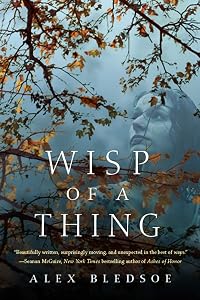
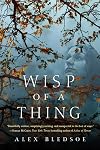
Now we return to the world of the Tufa in Bledsoe’s Wisp of a Thing, and the mysteries revealed in The Hum and the Shiver deepen more as we’re drawn further into life of the tiny town of Needsville—an ironic name, given that the town neither needs nor wants anything from outside itself. Within is another matter.
added by legallypuzzled
Lists

Faerie Mythology
87 works; 13 members

Jean's Sci Fi/Fantasy Reading list
189 works; 12 members

KayStJ's to-read list
1,616 works; 11 members
Author Information

33+ Works 2,509 Members
Some Editions
Awards and Honors
Distinctions
Series

Work Relationships
Is contained in
Common Knowledge
- Canonical title
- The Hum and the Shiver
- Original publication date
- 2011
- People/Characters
- Bronwyn Hyatt
- Important places
- Needsville, Tennessee, USA (fictional place)
- Dedication
- To Jennifer Goree, for the title and the music.
- First words
- A screech owl stood on the porch rail, its tiny talons scratching against the wood.
- Last words
- (Click to show. Warning: May contain spoilers.)He finally laughed and shook his head, got into his own car, and headed back into Cloud County.
- Original language
- English US
Classifications
Statistics
- Members
- 553
- Popularity
- 53,858
- Reviews
- 45
- Rating
- (3.78)
- Languages
- English
- Media
- Paper, Audiobook, Ebook
- ISBNs
- 14
- ASINs
- 6