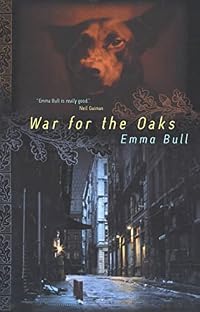
War for the Oaks: A Novel
by Emma Bull
On This Page
Description
Acclaimed by critics and readers on its first publication in 1987, winner of the Locus Award for Best First Novel, Emma Bull's War for the Oaks is one of the novels that has defined modern urban fantasy. Eddi McCandry sings rock and roll. But her boyfriend just dumped her, her band just broke up, and life could hardly be worse. Then, walking home through downtown Minneapolis on a dark night, she finds herself drafted into an invisible war between the faerie folk. Now, more than her own show more survival is at risk-and her own preferences, musical and personal, are very much beside the point. By turns tough and lyrical, fabulous and down-to-earth, War for the Oaks is a fantasy novel that's as much about this world as about the other one. It's about real love and loyalty, about real music and musicians, about false glamour and true art. It will change the way you hear and see your own daily life. At the Publisher's request, this title is being sold without Digital Rights Management Software (DRM) applied. show lessTags
Recommendations




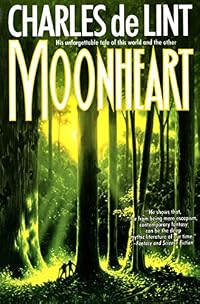

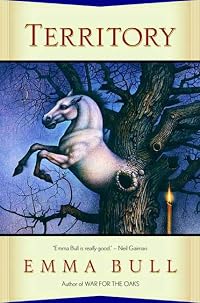

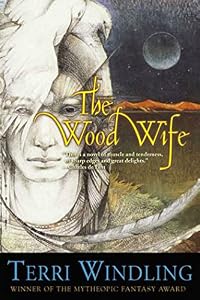
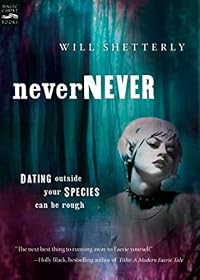
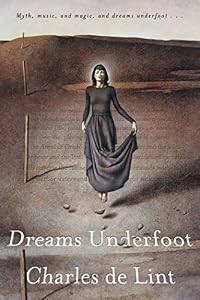
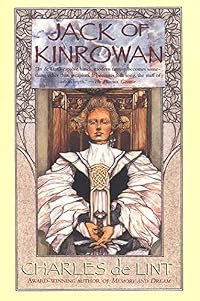
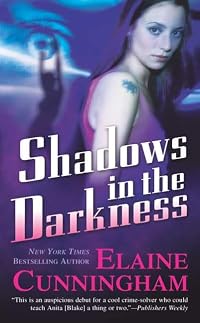
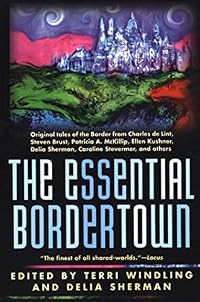
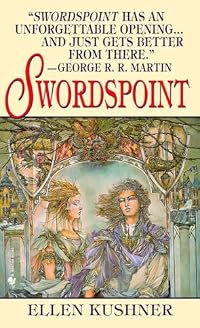
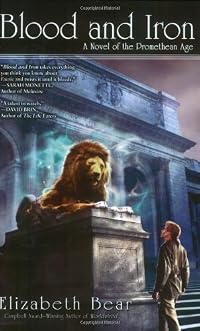
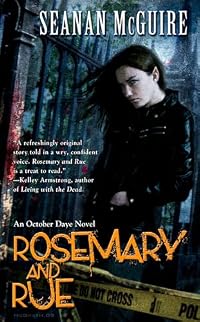
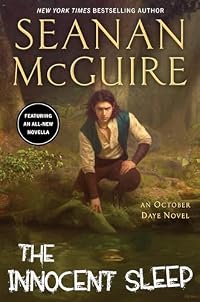
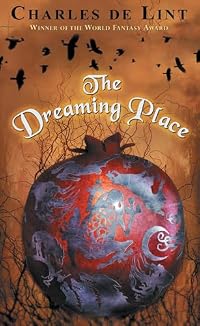
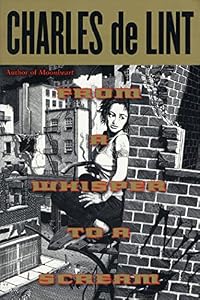
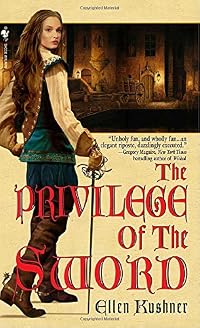
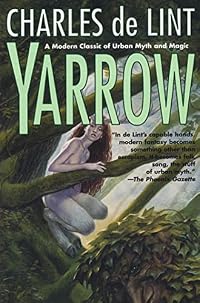
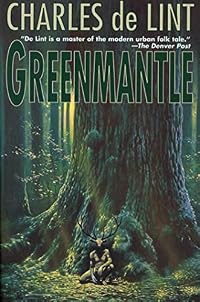
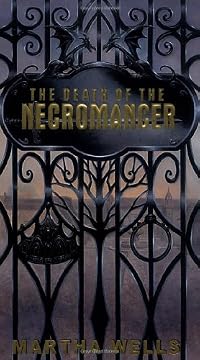
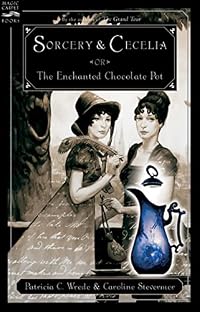
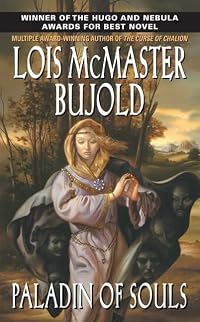



Member Recommendations
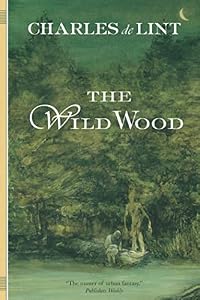
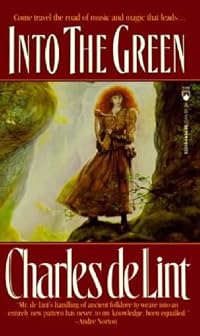
GirlMisanthrope The fey at home in the big city, moving unknown amongst the mortals.
71
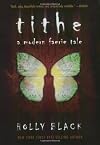
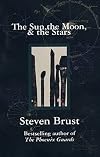
Herenya Both are set in the late 80s, about artists trying to make a living from their art. There the similarities between the two books end, perhaps... but I can imagine Greg and friends going to listen to Eddi's band.
30
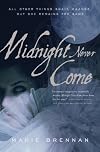
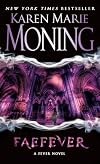

bjappleg8 Both works portray artists (musicians, actors) as having some claim to magic and the power to transport others into the realm of Faery.
Member Reviews
Originally published in 1987, War For the Oaks by Emma Bull is considered one of the earliest examples of urban fantasy and, quite frankly, it blew my socks off. Chock full of adventure, romance, musical references and various magical beings, this story of a young Minneapolis musician who gets caught up in a war between the two faerie courts was really, really good.
Eddi McCandry is a rock and roll singer who is having a very bad night. Her band just broke up, she and boyfriend are on the rocks, and then as she is walking home from her seemingly last gig, she meets both a phouka and a Glaistig, members of the Seelie Court of Faerie. Somehow, she has been chosen as the mortal that will enter the battle between the Seelie & Unseelie show more Courts. She has no chose in this matter, and to make matters even more bizarre, the phouka, a being that can change shape from a man to a dog, is to be her live-in body guard.
Emma Bull tells a great story filled with intelligent and well defined characters. The 1980’s setting added unintentional charm to the story with characters who dressed like members of Fleetwood Mac, and made no references to computers, cell phones, or I-Pods. This book never felt dated to me however and I found the story had a very contemporary feel. I’ve seen some complaints that the author spends too much time writing about the band and the music, but I really enjoyed that part of the story. Overall a great fantasy read, and one I recommend to admirers of urban fantasy. show less
Eddi McCandry is a rock and roll singer who is having a very bad night. Her band just broke up, she and boyfriend are on the rocks, and then as she is walking home from her seemingly last gig, she meets both a phouka and a Glaistig, members of the Seelie Court of Faerie. Somehow, she has been chosen as the mortal that will enter the battle between the Seelie & Unseelie show more Courts. She has no chose in this matter, and to make matters even more bizarre, the phouka, a being that can change shape from a man to a dog, is to be her live-in body guard.
Emma Bull tells a great story filled with intelligent and well defined characters. The 1980’s setting added unintentional charm to the story with characters who dressed like members of Fleetwood Mac, and made no references to computers, cell phones, or I-Pods. This book never felt dated to me however and I found the story had a very contemporary feel. I’ve seen some complaints that the author spends too much time writing about the band and the music, but I really enjoyed that part of the story. Overall a great fantasy read, and one I recommend to admirers of urban fantasy. show less
Eddi McCandry dumps her self-centered lead-singer boyfriend and quits his band. On her way home from their last gig she is kidnapped by two fey: a phouka and a glaistig. They inform her that the fairy world is in the middle of a civil war (Seelie Court vs. Unseelie Court). Because fey are immortal, the only way they can actually have a war is if a mortal is on the battlefield with them like a mascot. Eddi has been chosen to be this pawn, though she knows not why, and after an attempt is made on her life by the Unseelie Court she agrees to allow the phouka to be her round-the-clock bodyguard. She eventually starts her own band with her best friend Carla, learns why she was chosen for the Seelie war, and becomes more emotionally invested show more in the war's outcome than she had ever expected.
War for the Oaks is arguably the pioneer of the urban fantasy genre (fantasy that takes place in a real-world setting). The plot might sound a little cliche, but this is the original. Emma Bull wrote the cliches. I can tell that Neil Gaiman's American Gods and Neverwhere, especially, were directly influenced. The story is a little dated (mid-1980s), as any book involving so much music will be, but it is more classic than anachronism, likely due to the excellent writing (and 3rd-person narration!). I loved that the book was set in Minneapolis; it was a nice change from New York or London, where it seems all urban fantasy takes place.
I'm going to go beyond "recommended" and call this a must read for anyone who enjoys urban fantasy. show less
War for the Oaks is arguably the pioneer of the urban fantasy genre (fantasy that takes place in a real-world setting). The plot might sound a little cliche, but this is the original. Emma Bull wrote the cliches. I can tell that Neil Gaiman's American Gods and Neverwhere, especially, were directly influenced. The story is a little dated (mid-1980s), as any book involving so much music will be, but it is more classic than anachronism, likely due to the excellent writing (and 3rd-person narration!). I loved that the book was set in Minneapolis; it was a nice change from New York or London, where it seems all urban fantasy takes place.
I'm going to go beyond "recommended" and call this a must read for anyone who enjoys urban fantasy. show less
First published in 1987, War for the Oaks is one of the pioneers of the urban fantasy genre. On the night that Eddi McCandry breaks up with her boyfriend and leaves his band, she has a run in with the fey. Turns out, she’s been chosen as a pawn in the war between the Seelie and Unseelie courts.
War for the Oaks draws upon what’s nowadays fairly familiar aspects of fairy folklore. The Seelie and Unseelie courts, the fey’s love of mortal musicians, creatures such as brownies and phoukas, and so on. However, the story focuses just as much on Eddie forming a new band as it does on her role in the fairy war.
Music plays a huge role in War for the Oaks. Eddi’s life revolves around music and creating music. I’m not much of a music show more person (to the point where I rarely listen to it on my own), so I think it’s a testament to the strength of Bull’s writing that I enjoyed these sections as much as I did. Let me be clear – I found War for the Oaks excellently written. The descriptions were lush and vibrant, and the dialog snappy.
I’m the wrong generation to have eighties nostalgia, but War for the Oaks did remind me of the eighties movies I’ve seen. Obviously, none of the musical references outdated 1987, but there were also a lot of descriptions of clothes that seem specific to the era. It’s not exactly specific to the time period, but there was also a bit of casual background racism, and Eddie just accepted that Stuart would react violently to the breakup.
My favorite character by far is the phouka, a shapeshifter who turns from man to dog. He’s exuberant and flamboyant, and his dialog for some reason reminds me of a Shakespearean play. I realize only now that I never became strongly attached to Eddie herself, although I did like her friendship with Carla, the drummer in her band. Maybe it’s because so much of Eddie’s life revolves around her music that it’s hard to get a sense of her outside of that?
The climax of the book felt like it was over with very quickly. It was also a lot more vaguely mystical than the rest of the book, in a way that reminds me of Robin McKinley’s writing.
I’d really like to know more about the influence War for the Oaks had on the genre. I know it was one of the very first urban fantasy novels, and I can clearly see it’s touch in books like Holly Black’s Tithe. If anyone ever comes across some sort of essay on the subject, I would love to read it.
I don’t think War for the Oaks will feel particularly novel to anyone familiar with fairies in today’s urban fantasy. However, I’d still suggest it as a well written example of the genre and to anyone interested in a fantasy book centering on music.
Originally posted on The Illustrated Page. show less
War for the Oaks draws upon what’s nowadays fairly familiar aspects of fairy folklore. The Seelie and Unseelie courts, the fey’s love of mortal musicians, creatures such as brownies and phoukas, and so on. However, the story focuses just as much on Eddie forming a new band as it does on her role in the fairy war.
Music plays a huge role in War for the Oaks. Eddi’s life revolves around music and creating music. I’m not much of a music show more person (to the point where I rarely listen to it on my own), so I think it’s a testament to the strength of Bull’s writing that I enjoyed these sections as much as I did. Let me be clear – I found War for the Oaks excellently written. The descriptions were lush and vibrant, and the dialog snappy.
I’m the wrong generation to have eighties nostalgia, but War for the Oaks did remind me of the eighties movies I’ve seen. Obviously, none of the musical references outdated 1987, but there were also a lot of descriptions of clothes that seem specific to the era. It’s not exactly specific to the time period, but there was also a bit of casual background racism, and Eddie just accepted that Stuart would react violently to the breakup.
My favorite character by far is the phouka, a shapeshifter who turns from man to dog. He’s exuberant and flamboyant, and his dialog for some reason reminds me of a Shakespearean play. I realize only now that I never became strongly attached to Eddie herself, although I did like her friendship with Carla, the drummer in her band. Maybe it’s because so much of Eddie’s life revolves around her music that it’s hard to get a sense of her outside of that?
The climax of the book felt like it was over with very quickly. It was also a lot more vaguely mystical than the rest of the book, in a way that reminds me of Robin McKinley’s writing.
I’d really like to know more about the influence War for the Oaks had on the genre. I know it was one of the very first urban fantasy novels, and I can clearly see it’s touch in books like Holly Black’s Tithe. If anyone ever comes across some sort of essay on the subject, I would love to read it.
I don’t think War for the Oaks will feel particularly novel to anyone familiar with fairies in today’s urban fantasy. However, I’d still suggest it as a well written example of the genre and to anyone interested in a fantasy book centering on music.
Originally posted on The Illustrated Page. show less
76 points/100 (4 stars/5).
Eddi McCandry is a musician, and when coming home from a gig one night, she runs into the fae. Now they want to use her in the war between Seelie and Unseelie. She is just a musician, what possible use could they have for her?
I really enjoyed reading this book. I'm reading this for the r/urbanfantasy book club. I typically avoid older urban fantasy, or older anything really. I could really tell this was an older book. The word choices are completely different than what we would choose today. The story itself have remarkable similarities, though. I amused myself while reading this by coming up with all the ways this is similar to other series I have read in the genre. There are many of the tropes we have come to show more know and love (or hate), but this is the precursor to many.
Eddi is an okay main character. For urban fantasy, she is different than what you see today. She isn't a detective, she isn't a vampire slayer. She didn't stumble into some grand adventure she just couldn't stay away from. She is just a chick with a guitar and a really good voice, and was chosen for a goal. Eddi has normal, everyday worries like how is she going to make money, transportation, and her friends. Then there is the added stress of what the fae want from her. She isn't the best character in this book, that would be the Phouka. She is full of flaws, but she is the one the fae chose.
This book surprised me with how much the romance subplot took up. It shouldn't have, perhaps. It has just as much romance as modern urban fantasy does. However, I haven't seen as much hate on for this book as I have for others in the genre regarding the romance. But, that is another long drawn out randt, and this isn't the place. It is, perhaps, a bit of a obvious romance from the start. I liked it, it was cute and fulfilling. It is the romance that most of us, perhaps, want in our lives.
I'll confess that I didn't give one lick about the band and music aspects of this story. I was rather bored by it all, honestly. It isn't really anything that personally interests me. I find it weird that song lyrics are in a book, anyway. Maybe I'm not.. knowledgeable about late 80s music, but I could not even tell if those were real lyrics or not. I just didn't care enough to bother even look them up. I will give her props if she made it all up though, that isn't easy.
I loved the fae. You may not know this, but I absolutely love fae in my series. They're my favourite urban fantasy creature. This book did not disappoint me. I'm often disappointed with fae in urban fantasy. They're always written so poorly. I loved the way Emma Bull wrote these fae, so much. It is my favourite part of the entire book. Every bit with the fae in it was a bit I was hanging on to every word on.
The ending, though. Wow, was I caught off guard by that ending. The book is very serious the whole way through until that ending. It felt like an anime ending. I seriously stopped and laughed for five minutes solid when I got to that proposal. It felt so cheesy. I was not expecting that at all. I was expecting a more... tragic ending than I got. Just, this is such an old book, how does it have an anime ending? I'm still in awe of this fact.
This was definitely worth reading the once. I enjoyed the story, but I don't believe I'll read it again. I may check out more of Emma Bull's urban fantasy works, though. Especially if it will give me more good fae. show less
Eddi McCandry is a musician, and when coming home from a gig one night, she runs into the fae. Now they want to use her in the war between Seelie and Unseelie. She is just a musician, what possible use could they have for her?
I really enjoyed reading this book. I'm reading this for the r/urbanfantasy book club. I typically avoid older urban fantasy, or older anything really. I could really tell this was an older book. The word choices are completely different than what we would choose today. The story itself have remarkable similarities, though. I amused myself while reading this by coming up with all the ways this is similar to other series I have read in the genre. There are many of the tropes we have come to show more know and love (or hate), but this is the precursor to many.
Eddi is an okay main character. For urban fantasy, she is different than what you see today. She isn't a detective, she isn't a vampire slayer. She didn't stumble into some grand adventure she just couldn't stay away from. She is just a chick with a guitar and a really good voice, and was chosen for a goal. Eddi has normal, everyday worries like how is she going to make money, transportation, and her friends. Then there is the added stress of what the fae want from her. She isn't the best character in this book, that would be the Phouka. She is full of flaws, but she is the one the fae chose.
This book surprised me with how much the romance subplot took up. It shouldn't have, perhaps. It has just as much romance as modern urban fantasy does. However, I haven't seen as much hate on for this book as I have for others in the genre regarding the romance. But, that is another long drawn out randt, and this isn't the place. It is, perhaps, a bit of a obvious romance from the start. I liked it, it was cute and fulfilling. It is the romance that most of us, perhaps, want in our lives.
I'll confess that I didn't give one lick about the band and music aspects of this story. I was rather bored by it all, honestly. It isn't really anything that personally interests me. I find it weird that song lyrics are in a book, anyway. Maybe I'm not.. knowledgeable about late 80s music, but I could not even tell if those were real lyrics or not. I just didn't care enough to bother even look them up. I will give her props if she made it all up though, that isn't easy.
I loved the fae. You may not know this, but I absolutely love fae in my series. They're my favourite urban fantasy creature. This book did not disappoint me. I'm often disappointed with fae in urban fantasy. They're always written so poorly. I loved the way Emma Bull wrote these fae, so much. It is my favourite part of the entire book. Every bit with the fae in it was a bit I was hanging on to every word on.
The ending, though. Wow, was I caught off guard by that ending. The book is very serious the whole way through until that ending. It felt like an anime ending. I seriously stopped and laughed for five minutes solid when I got to that proposal. It felt so cheesy. I was not expecting that at all. I was expecting a more... tragic ending than I got. Just, this is such an old book, how does it have an anime ending? I'm still in awe of this fact.
This was definitely worth reading the once. I enjoyed the story, but I don't believe I'll read it again. I may check out more of Emma Bull's urban fantasy works, though. Especially if it will give me more good fae. show less
This book has been popping up on my Amazon recommendations list for probably a year now. That, combined with the fact that there's a quote on front in which Neil Gaiman states, "Emma Bull is really good" (which may seem scant praise, but is everything to a Gaiman fan), I finally decided to just go ahead and order it. After reading it, I concur with Mr. Gaiman--Emma Bull is really good. An urban fantasy set in the 1980's, Bull takes full advantage of the time period by showcasing the music and the lavish, ridiculously wonderful over-the-top 1980's clothing (really, other than perhaps the Glam Rock period of the 1970's, there's no other time period in which a story such as this would work to such effect). Eddi is a musician chosen by the show more fey to be the mortal who will bring death to the battlefield in the Seelie Court's battle against the Unseelie Court (who will bring darkness and gloom to the city should they triumph). Bull draws heavily on the folktales of Ireland and Scotland and her faeries are wonderful creatures--seldom completely good or evil, but always looking to bend events to their favor with no regard to the consequences brought upon others. My favorites include Hairy Meg (a brownie from Scotland who brought her thick brogue and cantankerous temper with her) and the hilariously mischievous phouka who serves as Eddi's bodyguard. You can practically see these faeries as they may have been imagined by Jim Henson or Brian Froud. Overall, my only criticism is that the ending seemed a little anticlimatic (it did seem a little too easy to defeat the Queen of Air and Darkness) and shifts in time periods weren't always made clear. Other than that, an excellent book. show less
Bull's book is great because she uses the Faerie, like Shakespeare before her, for an extended metaphor on art and imagination. Lesser authors get snagged on the boring surface details of the genre -- inscrutable Court politics and elvish surprise at the high price of eggs -- but Bull never gets distracted from the human element. Eddi's music is fundamentally more interesting than the brownie cleaning her kitchen, and Bull keeps these elements in proper proportion.
It's not a perfect book. It tends to dramatically compress long stretches of time, which distorts the way certain characters are growing and changing. In particular, the phouka -- Eddi's crafty dog/man bodyguard -- goes from seeing Eddi as a convenient tool to "My God! HU-MANS show more HAVE FEELINGS TOO!" In about thirty pages. His new-found empathy comes off as a little abrupt.
On the other hand, it's hard for me to be harsh on the phouka as the phouka is such a brilliant character. The phouka refers to Eddi as his "primrose." The phouka makes puns. The phouka is the best character in the book. To be honest, the phouka was the source of my squealing. My inner eight-year-old loved the phouka and his verbosely uncomfortable relationship with Eddi. I liked the psychological insights of the text, but my inner eight-year-old gives the phouka two thumbs up. And a hug. show less
It's not a perfect book. It tends to dramatically compress long stretches of time, which distorts the way certain characters are growing and changing. In particular, the phouka -- Eddi's crafty dog/man bodyguard -- goes from seeing Eddi as a convenient tool to "My God! HU-MANS show more HAVE FEELINGS TOO!" In about thirty pages. His new-found empathy comes off as a little abrupt.
On the other hand, it's hard for me to be harsh on the phouka as the phouka is such a brilliant character. The phouka refers to Eddi as his "primrose." The phouka makes puns. The phouka is the best character in the book. To be honest, the phouka was the source of my squealing. My inner eight-year-old loved the phouka and his verbosely uncomfortable relationship with Eddi. I liked the psychological insights of the text, but my inner eight-year-old gives the phouka two thumbs up. And a hug. show less
Wow. What an intense ride, a gentle slow beginning that just picks up pace and drama before the climatic end. Superb. So much worth waiting for, I'd been recommended this years ago, and failed to find a copy, it wasn't out in ebook, and 2nd hand copies were ruinous. But bless penguin who've released a new ebook version, finally. It is every bit as good as promised.
Before there was 'urban fantasy' before HP and before Twilight, the fantasy genre was almost exclusively 'other world' and occasionally 'portal'. The concept of having magic within our contemporary lives didn't sit well with the psyche and it was rarely, if ever, done. Emma Bull did it. Her debuet novel is powerful tour-de-force of things we take for granted in writing these show more days: Kick-ass women, mysterious creatures, battles of will, wits and illusion all submerged into and around a normal life.
Eddi is singer musician and guitarist in 70s Minneapolis, making a living, just about, in the days before mobiles (and Aids?) when you only heard about bands by seeing them live, and adverts for musicians went in the paper. She's just dumped a band and boyfriend and is not in the mood for shit from strange men lurking by fountains in the dark. But she doesn't get much choice, as the Poucha and the Glastag from Celtic faerie traditions cast glamours and beguiling words, although to their surprise she's almost able to shake them off. They inform her, that she has been chosen by the Seelie court of the Fey, to be their mortal token in their upcoming battle with the Unseelie, and that she has to be present on the battlefield for them to triumph. The price of their failing is the loss of all that makes Minneapolis bright and fun. The Phouka is to guard her night and day from the Unseelie who will seek to remove her from contention. Eddi is utterly nonplussed by such talk but has little choice than to accept. Her immediate attempts to lose the Phouka come to no fruition, and he is as annoying as the faerie sprite who leads travellers astray can be. Her biggest problem is the sudden realisation that it's impossible to find a job with a phouka (even if he's in an attractive human form) literally around you 24/7. Her friend to whom she's perhaps unwisely confided, urges her to start her own band, and they're surprisingly successful. But the Fey have not forgotten her, and battle's await.
There are, if you're picky, some problems with the plot and even the writing occasionally. All the characters are far too accepting of the supernatural; friends' with money and contacts are a lazy get-out for an 'ordinary girl' and not enough is made of the interactions with her ex-Stuart. I'm sure some people will object to the inclusion of song lyrics within prose - but they work far better than many poems that get introduced to other works. I found some of the intricacies of musical descriptions hard to follow, but the intensity and passion of the writing leaves so little room for such trifles.
This should only really get 4.5* for the minor niggles, and that it hasn't aged magnificently well, given how much society has changed since it was written. But it's so powerfully written and engages so deeply with that crossover between music, art , words and magic that it gets a full 5*.
Go and read it! show less
Before there was 'urban fantasy' before HP and before Twilight, the fantasy genre was almost exclusively 'other world' and occasionally 'portal'. The concept of having magic within our contemporary lives didn't sit well with the psyche and it was rarely, if ever, done. Emma Bull did it. Her debuet novel is powerful tour-de-force of things we take for granted in writing these show more days: Kick-ass women, mysterious creatures, battles of will, wits and illusion all submerged into and around a normal life.
Eddi is singer musician and guitarist in 70s Minneapolis, making a living, just about, in the days before mobiles (and Aids?) when you only heard about bands by seeing them live, and adverts for musicians went in the paper. She's just dumped a band and boyfriend and is not in the mood for shit from strange men lurking by fountains in the dark. But she doesn't get much choice, as the Poucha and the Glastag from Celtic faerie traditions cast glamours and beguiling words, although to their surprise she's almost able to shake them off. They inform her, that she has been chosen by the Seelie court of the Fey, to be their mortal token in their upcoming battle with the Unseelie, and that she has to be present on the battlefield for them to triumph. The price of their failing is the loss of all that makes Minneapolis bright and fun. The Phouka is to guard her night and day from the Unseelie who will seek to remove her from contention. Eddi is utterly nonplussed by such talk but has little choice than to accept. Her immediate attempts to lose the Phouka come to no fruition, and he is as annoying as the faerie sprite who leads travellers astray can be. Her biggest problem is the sudden realisation that it's impossible to find a job with a phouka (even if he's in an attractive human form) literally around you 24/7. Her friend to whom she's perhaps unwisely confided, urges her to start her own band, and they're surprisingly successful. But the Fey have not forgotten her, and battle's await.
There are, if you're picky, some problems with the plot and even the writing occasionally. All the characters are far too accepting of the supernatural; friends' with money and contacts are a lazy get-out for an 'ordinary girl' and not enough is made of the interactions with her ex-Stuart. I'm sure some people will object to the inclusion of song lyrics within prose - but they work far better than many poems that get introduced to other works. I found some of the intricacies of musical descriptions hard to follow, but the intensity and passion of the writing leaves so little room for such trifles.
This should only really get 4.5* for the minor niggles, and that it hasn't aged magnificently well, given how much society has changed since it was written. But it's so powerfully written and engages so deeply with that crossover between music, art , words and magic that it gets a full 5*.
Go and read it! show less
Members
- Recently Added By
Published Reviews
ThingScore 100
Whenever I describe my Tufa novels, The Hum and the Shiver and the upcoming Wisp of a Thing, to potential readers, they immediately mention two literary antecedents. One is the Silver John stories and novels by Manly Wade Wellman, which I discussed here. The other is Emma Bull’s 1987 novel War for the Oaks. ... As with the Silver John stories, I now understand why people make the connection show more to my Tufa books. In this case, there are both musicians and faeries, and a sense that magic resides in music. But also as with Silver John, I think that similarity is mainly a surface one. Which, again as with Wellman’s tales, actually delights me, because it means I can enjoy War for the Oaks with a clear conscience. show less
added by legallypuzzled
In short ... I just can’t imagine anyone not liking War For the Oaks. It has everything you could possibly want in a book except pirates and space ships - and the phouka wears a sort of piratey ruffled shirt at one point so that partially covers the pirate angle. It’s funny, it’s sad, it’s thought - provoking, and did I mention that it is sexy as hell? With all those significant show more glances and enigmatic statements and, oh yeah, some really hot, if not extremely explicit, sex? Just go read it; if you combine it with some good coffee and some good songs in the background, I can almost guarantee you the perfect day. show less
added by legallypuzzled
Lists

Best Urban Fantasy
632 works; 78 members

Recommended Faerie books
67 works; 22 members

Top Five Books of 2013
1,562 works; 721 members

Books I've Read More Than Once
602 works; 49 members

Mythical Monsters of the World
199 works; 75 members

Female Protagonist
1,056 works; 56 members

Magic Realism
371 works; 52 members

Fantasy novels with a female protagonist
76 works; 15 members
Bookriot's 100 Must-Read Sci-Fi Fantasy Novels By Female Authors
100 works; 9 members
Female Author
1,235 works; 67 members

Nonhuman Protagonists
235 works; 34 members
Books tagged favorites
390 works; 29 members

Faerie Mythology
87 works; 13 members

Speculative Fiction to Read
706 works; 32 members

Recommended Speculative Fiction by Women and People of Color
298 works; 45 members

al.vick-wishlist-scifi-fant
180 works; 2 members
Five star books
1,755 works; 108 members

Books About the Arts that Aren't Art Books
21 works; 5 members
Books Read in 2018
4,360 works; 110 members

Contemporary Fantasy to Read
63 works; 5 members
music to my eyes
86 works; 12 members
Books We Love to Reread
688 works; 296 members
Books We Couldn't Put Down
443 works; 197 members
Books We Want To Read Again For The First Time
384 works; 160 members

Fiction With Familiar Settings
279 works; 92 members
Favorite Science Fiction by Women Authors
737 works; 202 members
Author Information

62+ Works 9,320 Members
Some Editions
Awards and Honors
Awards
Distinctions
Series
Belongs to Publisher Series
Work Relationships
Has the adaptation
Inspired
Common Knowledge
- Original publication date
- 1987
- People/Characters
- Eddi McCandry; Carla DiAmato; The phouka; Willy Silver; Hedge; Hairy Meg (show all 7); Dan Rochelle
- Important places
- Minneapolis, Minnesota, USA; St. Paul, Minnesota, USA; Minnesota, USA; USA
- Dedication
- This book is for my mother,
who knew right away that the Beatles were important,
and for my father, who never once complained about the noise. - First words
- By day, the Nicollet Mall winds through Minneapolis like a paved canal.
- Last words
- (Click to show. Warning: May contain spoilers.)"I was just about to ask you," he said, "if you thought we ought to tour."
- Publisher's editor
- Windling, Terri (Ace); Nielsen Hayden, Patrick (Tor/Orb)
- Blurbers
- Gaiman, Neil; de Lint, Charles
- Original language
- English
Classifications
Statistics
- Members
- 2,835
- Popularity
- 6,368
- Reviews
- 101
- Rating
- (4.05)
- Languages
- English, Polish
- Media
- Paper, Ebook
- ISBNs
- 15
- ASINs
- 7