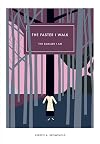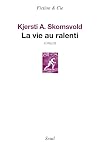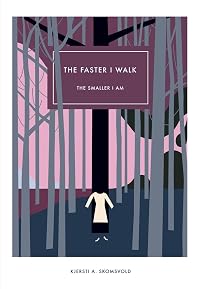
The Faster I Walk, the Smaller I Am
by Kjersti A. Skomsvold
On This Page
Description
Mathea Martinsen has never been good at dealing with other people. After a lifetime, her only real accomplishment is her longevity: everyone she reads about in the obituaries has died younger than she is now. Afraid that her life will be over before anyone knows that she lived, Mathea digs out her old wedding dress, bakes some sweet cakes, and heads out into the world--to make her mark. She buries a time capsule out in the yard. (It gets dug up to make room for a flagpole.) She wears her show more late husband’s watch and hopes people will ask her for the time. (They never do.) Is it really possible for a woman to disappear so completely that the world won’t notice her passing? The Faster I Walk, the Smaller I Am is a macabre twist on the notion that life "must be lived to the fullest.” show lessTags
Recommendations



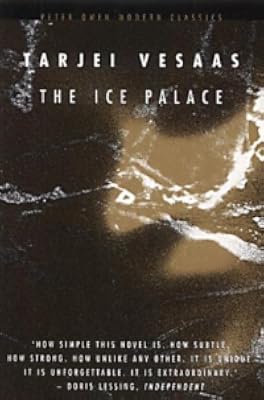


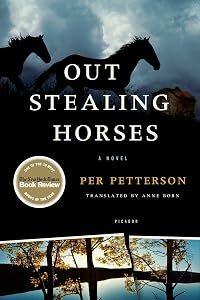


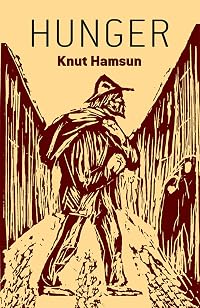


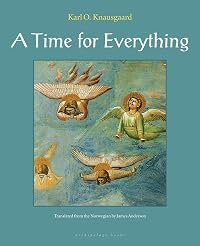

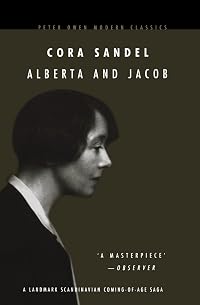

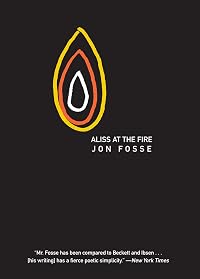

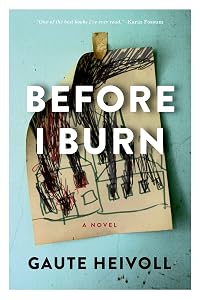
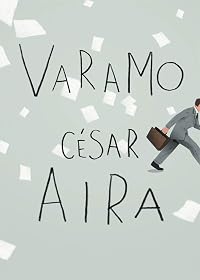

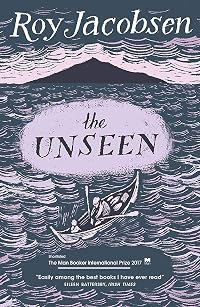


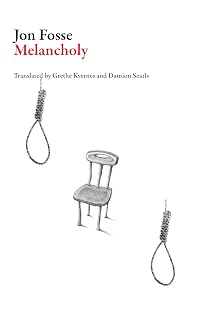
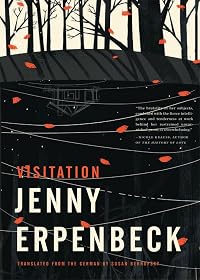

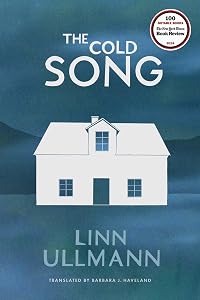




Member Recommendations
Glass by Sam Savage
bluepiano A more demanding but outstandingly good book with a similar protagonist, one whose voice is unforgettably distinctive.
Member Reviews
I came across this in an experimental mood while I was browsing in the city bookshop I would go into to wash off the residue of working life every lunchtime. I read it while recuperating from an operation. My loyal cat, yes they are loyal, sat with me the whole two weeks on the couch while I had to sit still and all I could do was read. Not the worse deal in life.
The story of an elderly woman who does not fit the world anymore by her own perspective, is quite open and honest about her limitations, wonders whether she should live or not. She tends towards the latter. Her state of mind seems sane enough to me. She raises the question to me, how long does anyone need to live for? Indeed, it's not one we bother with unless we are unwell. show more (timing is everything)
As I read this book, all I could think of was all those people thinking they can augment the length of their own lives by fitness or wellness, some oddball diet, positive thought or whatever fashionable upgrade someone is selling. But longevity becomes a curse; though you can't tell people that. It's OK to live well, but stretching the length of it may just be overrated.
The main character's point of view is an antidote to so much silliness people fill their heads with. Though living well isn't the question, whether at some point we might be over it is. You don't need a diet for that and you cannot have a plan for it. I did think of old Tithonus who was given immortality but not eternal youth. He lived far too long, cursed by the gods with an attribute that is tainted, begging for death.
I recovered from my operation with substantial improvements, the cat is happy, but my days and his are numbered. show less
The story of an elderly woman who does not fit the world anymore by her own perspective, is quite open and honest about her limitations, wonders whether she should live or not. She tends towards the latter. Her state of mind seems sane enough to me. She raises the question to me, how long does anyone need to live for? Indeed, it's not one we bother with unless we are unwell. show more (timing is everything)
As I read this book, all I could think of was all those people thinking they can augment the length of their own lives by fitness or wellness, some oddball diet, positive thought or whatever fashionable upgrade someone is selling. But longevity becomes a curse; though you can't tell people that. It's OK to live well, but stretching the length of it may just be overrated.
The main character's point of view is an antidote to so much silliness people fill their heads with. Though living well isn't the question, whether at some point we might be over it is. You don't need a diet for that and you cannot have a plan for it. I did think of old Tithonus who was given immortality but not eternal youth. He lived far too long, cursed by the gods with an attribute that is tainted, begging for death.
I recovered from my operation with substantial improvements, the cat is happy, but my days and his are numbered. show less
I bought this book as a possible present for my mum, based on the uncorked librarian's review: https://www.theuncorkedlibrarian.com/books-about-norway-norwegian-books/
'Alarmed that she might die without anyone noticing that she was even here in the first place, Mathea decides that now is the time for action. With her late husband’s watch, some sweet cakes and her old wedding dress, she heads out into the world to make her mark. Unfortunately, the world doesn’t seem to want to play along. [...] Books like this balance [the subject of becoming too old and alone] with moments of humour and philosophical reflection. It’s always satisfying to see a character grow as a person, especially if that character thought it might not be show more possible.'
Nice, right? A widowed woman learns to live again by getting out and having quirky adventures. Lovely idea!
F*ck you, book. This is grim miserable Literary Fiction. I think the whole thing can be summed up by the quote "' I don't think life is any good.' 'Who said life is supposed to be good? It's supposed to be hard' "The first person stream of conscious narrator is too sad and scared and out of touch with society to make anything work at all. The book is a series of anecdotes, jumping around her timestream, all of which are grim and miserable and bleak. How her childhood 'friend' used to bury her in ants and her parents didn't care. How her dog drowned in a lake. How she lost her baby. How she accidentally loses her precious jacket, made out of all the earwarmers she knitted for her deceased husband, because someone confuses it for a raffle prize and she just sits there and says nothing. It is so heartbreaking and so frustrating, and it's very well written, and it made me cry and want to throw it across the room repeatedly. She finds buying jam a struggled, and ends up eating plain bread.
The only spark of light in this poor woman's life are the stories of her husband - how she first told him she liked him with her scarf in the snow, how he got her a balloon to tempt her out to life again after the miscarriage. And even that the bloody miserable book miserably breaks, when his possessions are returned to her from work she finds out that his locker contains all her daily letters, where she'd poured her heart out, the only place she'd felt seen, mostly unopened.
And then the fucking book ends with her going out into a lake and drowning herself. Fuck this shit. I know, I know, it's a beautiful metaphor, she's talked about how she wanted to skinny dip but her husband was scared of jellyfish and they never swum, just waded naked, and now she is embracing her whole self and knows she doesn't have to fear death any longer. 'I'm more afraid of living than dying' 'I'm looking forward to giving up' 'without you I'm nothing'
Fuck you book. I hate you so much. And I hate you because you feel so true.
But you're only one part of the puzzle, not the whole truth. You're a painfully drawn portrait of one view of grief and loneliness. But you're not the whole picture.
show less
'Alarmed that she might die without anyone noticing that she was even here in the first place, Mathea decides that now is the time for action. With her late husband’s watch, some sweet cakes and her old wedding dress, she heads out into the world to make her mark. Unfortunately, the world doesn’t seem to want to play along. [...] Books like this balance [the subject of becoming too old and alone] with moments of humour and philosophical reflection. It’s always satisfying to see a character grow as a person, especially if that character thought it might not be show more possible.'
Nice, right? A widowed woman learns to live again by getting out and having quirky adventures. Lovely idea!
F*ck you, book. This is grim miserable Literary Fiction. I think the whole thing can be summed up by the quote "' I don't think life is any good.' 'Who said life is supposed to be good? It's supposed to be hard' "
The only spark of light in this poor woman's life are the stories of her husband - how she first told him she liked him with her scarf in the snow, how he got her a balloon to tempt her out to life again after the miscarriage. And even that the bloody miserable book miserably breaks, when his possessions are returned to her from work she finds out that his locker contains all her daily letters, where she'd poured her heart out, the only place she'd felt seen, mostly unopened.
And then the fucking book ends with her going out into a lake and drowning herself. Fuck this shit. I know, I know, it's a beautiful metaphor, she's talked about how she wanted to skinny dip but her husband was scared of jellyfish and they never swum, just waded naked, and now she is embracing her whole self and knows she doesn't have to fear death any longer. 'I'm more afraid of living than dying' 'I'm looking forward to giving up' 'without you I'm nothing'
Fuck you book. I hate you so much. And I hate you because you feel so true.
But you're only one part of the puzzle, not the whole truth. You're a painfully drawn portrait of one view of grief and loneliness. But you're not the whole picture.
Mathea Martinson has lived her whole life being invisible to the outside world. From her schooldays, when even such a dramatic event as her being struck by lightening (twice) couldn't engender the sort of interest among her school fellows that she craved, and then throughout her life she has been isolated from the world at large. 'Don't you ever get the urge to talk to someone other than me?' Her husband Epsilon asks 'But I've done that' Mathea says 'Don't you remember the time I went with you to the Christmas party? But Epsilon is only a little more comfortable in society than Mathea is herself, his main interest being studying his full collection of the Statistical Yearbooks for the Kingdom of Norway for each year from 1880, and so show more their lives are lived away from other people.
But in old age, when she realises that all of the people in the obituary columns of the local newspaper are actually younger than she, Mathea determines that she will not die before letting the world know that she existed. But when even talking to a neighbour is a traumatic experience how can Mathea do this? She decides that she will bury a time capsule of her life in the courtyard of her apartment block to at least bear witness to the fact that she had lived.
This is a short and slightly surreal book about a seemingly wasted life. Mathea's isolation is not just that of old age, it is how she has lived her entire life. But surprisingly the ending, without being in the slightest bit sentimental, manages to be rather uplifting. show less
But in old age, when she realises that all of the people in the obituary columns of the local newspaper are actually younger than she, Mathea determines that she will not die before letting the world know that she existed. But when even talking to a neighbour is a traumatic experience how can Mathea do this? She decides that she will bury a time capsule of her life in the courtyard of her apartment block to at least bear witness to the fact that she had lived.
This is a short and slightly surreal book about a seemingly wasted life. Mathea's isolation is not just that of old age, it is how she has lived her entire life. But surprisingly the ending, without being in the slightest bit sentimental, manages to be rather uplifting. show less
This little book packs quite a message. Mathea is a Norwegian woman whose main claim to fame is her long life. She is blunt about her social shortcomings in her search to find meaning at the end of life.
Mathea comes up with the idea of leaving her legacy in a time capsule. She writes with bittersweet humor as she considers which objects should represent her life of isolation. There's the TV that is a constant companion because "you want to get your money's worth after all." And then there's the telephone that never rings, "but think--what if someone calls? What if someone actually calls?" The 'sweetness' of her story turns into bitterness as she examines her life of loneliness. I was overcome by sadness when I found out what she finally show more decided to put in her time capsule.
I grew up listening to the gloomy stories of my Scandinavian grandparents, so this desolate novel written as a memoir rang true to me. It's one I'll keep and return to when my inherited melancholia emerges. It will remind me that I'm blessed to have family and friends in my life. It will also remind me to pay more attention to the solitary people in our midst who seek a kind word or touch to remind them that they are not alone. show less
Mathea comes up with the idea of leaving her legacy in a time capsule. She writes with bittersweet humor as she considers which objects should represent her life of isolation. There's the TV that is a constant companion because "you want to get your money's worth after all." And then there's the telephone that never rings, "but think--what if someone calls? What if someone actually calls?" The 'sweetness' of her story turns into bitterness as she examines her life of loneliness. I was overcome by sadness when I found out what she finally show more decided to put in her time capsule.
I grew up listening to the gloomy stories of my Scandinavian grandparents, so this desolate novel written as a memoir rang true to me. It's one I'll keep and return to when my inherited melancholia emerges. It will remind me that I'm blessed to have family and friends in my life. It will also remind me to pay more attention to the solitary people in our midst who seek a kind word or touch to remind them that they are not alone. show less
A look in the life of a Norwegian woman who has never been comfortable around or communicating with people. Her loneliness is more acute as she reads the obituaries in the papers and realizes that old as she is, she's still alive while those she knew are dying. Her naive comments and blunt observations more often than not confuses her audience or causes them to cringe.
With her sudden realization that her life could be at an end soon, she feels a need to participate in the world, but is unsure how to do so. She starts to wear a watch in the hopes someone will ask her for the time - no one does. The grocery clerks ignore her. She bakes buns, planning to take them to a residents' meeting in her condominium, but eats them all before show more building up her courage to attend.
A tragicomedy in loneliness, it's a good read and it may make readers more aware of the people who are all too often ignored. show less
With her sudden realization that her life could be at an end soon, she feels a need to participate in the world, but is unsure how to do so. She starts to wear a watch in the hopes someone will ask her for the time - no one does. The grocery clerks ignore her. She bakes buns, planning to take them to a residents' meeting in her condominium, but eats them all before show more building up her courage to attend.
A tragicomedy in loneliness, it's a good read and it may make readers more aware of the people who are all too often ignored. show less
This debut by Norwegian Kjersti Skomsvold is a sparkling jewel of a novel. At around 140 smallish pages, The Faster I Walk, The Smaller I Am is not much more than a novella, really, but it tackles big themes like aging, mortality, and the loneliness of the human condition. The novel’s first-person narrator, Mathea Martinsen, has outlived her peers and is fed up with being invisible to the world. Even people Mathea interacts with take no notice of her, including the grocery store clerk: "When I give him my money, I touch the palm of his hand, but he doesn't notice. ... And if I was kidnapped five minutes later, and the cops came by and showed him my picture, the boy would say he'd never seen me before in his life."
In a quest to show more increase her social footprint, Mathea decides to take a series of actions to force people to notice her. She starts wearing a watch in the hopes someone will ask her what time it is, but nobody does. She bakes buns for a residents' meeting at her condominium but eats them all before mustering the courage to go to the meeting. She calls information and asks for her own number because "maybe Information keeps statistics as to the most requested and most loved person in the nation ... and I shouldn't just sit here moping around because my name isn't on it."
Because Mathea has always spent most of her time sequestered at home, her personality hasn’t been dulled by the hundreds of minor social corrections most of us experience every day. Her voice is a compelling mix of naiveté, blunt observations, and dark (often unintentional) humor. While reading passages like this one, I found myself alternating between cringing and laughing out loud: "I talked Epsilon [Mathea’s husband] into buying a rabbit, but didn't tell him it was because I couldn't be alone in the apartment anymore. He wouldn't understand. ‘I just love animals,’ I said. ‘Almost as much as Hitler did.’"
The ending of The Faster I Walk, The Smaller I Am is beautiful, tragic, and surprising. Best of all, it just might change the way you interact with the people around you who you’ve always ignored.
This review also appears on my blog Literary License. show less
In a quest to show more increase her social footprint, Mathea decides to take a series of actions to force people to notice her. She starts wearing a watch in the hopes someone will ask her what time it is, but nobody does. She bakes buns for a residents' meeting at her condominium but eats them all before mustering the courage to go to the meeting. She calls information and asks for her own number because "maybe Information keeps statistics as to the most requested and most loved person in the nation ... and I shouldn't just sit here moping around because my name isn't on it."
Because Mathea has always spent most of her time sequestered at home, her personality hasn’t been dulled by the hundreds of minor social corrections most of us experience every day. Her voice is a compelling mix of naiveté, blunt observations, and dark (often unintentional) humor. While reading passages like this one, I found myself alternating between cringing and laughing out loud: "I talked Epsilon [Mathea’s husband] into buying a rabbit, but didn't tell him it was because I couldn't be alone in the apartment anymore. He wouldn't understand. ‘I just love animals,’ I said. ‘Almost as much as Hitler did.’"
The ending of The Faster I Walk, The Smaller I Am is beautiful, tragic, and surprising. Best of all, it just might change the way you interact with the people around you who you’ve always ignored.
This review also appears on my blog Literary License. show less
"..even though a banana plant looks like a tree, it's really just a big plant that has flowers without sex organs and fruit without seeds. Therefore, the banana doesn't undergo fertilization and plays no role in the plant's formation, and when the banana plant has lost its fruit, it dies. It was the meaninglessness of this cycle that made Buddha love the banana plant , which he believed symbolized the hopelessness of all earthly endeavors."
This is a story of an old Norwegian woman, Mathea, who identifies with bananas and feels that her life has had no significance. Her husband (who she calls Epsilon) was more interested in the "Statistical Yearbook for the Kingdom of Norway, First Edition, 1880" than in her. Mathea spends her days show more knitting ear-warmers for 'Epsilon', who has prominent ears. She writes letters to him, but he doesn't read them. 'Epsilon' dies and now Mathea is getting ready to die. She has always had great anxiety about contact with other people and her attempts to interact with people in her late life always lead to failure, leaving her lonely and feeling hopeless. show less
This is a story of an old Norwegian woman, Mathea, who identifies with bananas and feels that her life has had no significance. Her husband (who she calls Epsilon) was more interested in the "Statistical Yearbook for the Kingdom of Norway, First Edition, 1880" than in her. Mathea spends her days show more knitting ear-warmers for 'Epsilon', who has prominent ears. She writes letters to him, but he doesn't read them. 'Epsilon' dies and now Mathea is getting ready to die. She has always had great anxiety about contact with other people and her attempts to interact with people in her late life always lead to failure, leaving her lonely and feeling hopeless. show less
Members
- Recently Added By
Published Reviews
ThingScore 100
Kjersti Skomsvold’s The Faster I Walk, the Smaller I Am, which in 2009 won Norway’s First Novel award....the result of such careful, hard work by Skomsvold is a delicately done, but firmly made, ambiguity, and a notable work of fiction.
added by vancouverdeb
Debutant Kjersti Annesdatter Skomsvold fra Lutvann. Boka heter Jo fortere jeg går, jo mindre er jeg (Oktober forlag). Skomsvold skriver om en gammel dame som er redd. Hun er redd for å dø, hun er redd for å gå ut, hun er redd for å snakke med folk, hun er redd for…tja..det meste.
Det kan jo fort bli en trist og kjedelig bok.
Men:
Kjersti fra Lutvann; du er genial. Virkelig. Jeg blir så show more begeistra inne i meg. Først tenker jeg at dette er jo litt sånn hyggelig plapring - å fortelle om denne gamle dama. Litt småmorsomt og bra skrevet. Men så begynner jeg å tenke at dette er jo bedre enn bra. Det er skikkelig veldig ordentlig bra. Det er bra fordi jeg får på følelsen av at Skomsvold ikke tenker så mye på setninger som skal bygges opp riktig og at komma og punktum skal stå på originale steder i teksten. Nei – jeg mener at Kjersti Annesdatter Skomsvold sitt geniale talent ligger i de ordene hun velger. Hun velger ord med kraft. Og hun sier ikke for mye. Ikke for lite heller. Og så er hun faktisk også veldig morsom – reint språklig.
Det er ikke ofte jeg spruter ut i latter når jeg leser. Nei, det er omtrent aldri (jeg er en kjedelig type), men her lo jeg plutselig og mye. Ofte med gråten i halsen.
Dette er en god fortelling, ikke noe tull med språk og form, og med en vanvittig bra karakterskildring av en utrolig dame, Mathea.
Det er også en fantastisk kjærlighetshistorie mellom to mennesker. Jeg blir tjukk i halsen når jeg leser.
Her ble det mange superlativer, men jeg kan ikke annet.
Når jeg er ferdig med boka merker jeg at jeg har blitt fan. Skikkelig fan av av Kjersti Annesdatter Skomsvold. Anbefales!
Biblioteket i Stavanger har også skrevet om boka. show less
Det kan jo fort bli en trist og kjedelig bok.
Men:
Kjersti fra Lutvann; du er genial. Virkelig. Jeg blir så show more begeistra inne i meg. Først tenker jeg at dette er jo litt sånn hyggelig plapring - å fortelle om denne gamle dama. Litt småmorsomt og bra skrevet. Men så begynner jeg å tenke at dette er jo bedre enn bra. Det er skikkelig veldig ordentlig bra. Det er bra fordi jeg får på følelsen av at Skomsvold ikke tenker så mye på setninger som skal bygges opp riktig og at komma og punktum skal stå på originale steder i teksten. Nei – jeg mener at Kjersti Annesdatter Skomsvold sitt geniale talent ligger i de ordene hun velger. Hun velger ord med kraft. Og hun sier ikke for mye. Ikke for lite heller. Og så er hun faktisk også veldig morsom – reint språklig.
Det er ikke ofte jeg spruter ut i latter når jeg leser. Nei, det er omtrent aldri (jeg er en kjedelig type), men her lo jeg plutselig og mye. Ofte med gråten i halsen.
Dette er en god fortelling, ikke noe tull med språk og form, og med en vanvittig bra karakterskildring av en utrolig dame, Mathea.
Det er også en fantastisk kjærlighetshistorie mellom to mennesker. Jeg blir tjukk i halsen når jeg leser.
Her ble det mange superlativer, men jeg kan ikke annet.
Når jeg er ferdig med boka merker jeg at jeg har blitt fan. Skikkelig fan av av Kjersti Annesdatter Skomsvold. Anbefales!
Biblioteket i Stavanger har også skrevet om boka. show less
added by kirstenlund
Lists

the old and the restless
62 works; 14 members

Best books read in 2011
200 works; 51 members

International IMPAC Dublin Literary Award
179 works; 6 members

Literature in Translation
113 works; 5 members

Books About Older People
50 works; 11 members
Author Information

13 Works 392 Members
Awards and Honors
Awards
Common Knowledge
- Canonical title
- The Faster I Walk, the Smaller I Am
- Original title
- Jo fortere jeg går, jo mindre er jeg
- Original publication date
- 2009
- Important places
- Norway
- Original language
- Norwegian
Classifications
- Genres
- General Fiction, Fiction and Literature
- DDC/MDS
- 839.82 — Literature & rhetoric German & related literatures Other Germanic literatures Danish and Norwegian literatures Norwegian literature
- LCC
- PT8952.29 .K65 .J613 — Language and Literature German, Dutch and Scandinavian literatures Norwegian literature Individual authors or works 2001-
- BISAC
Statistics
- Members
- 280
- Popularity
- 115,055
- Reviews
- 17
- Rating
- (3.72)
- Languages
- 10 — Danish, English, French, German, Italian, Norwegian (Bokmål), Norwegian, Portuguese, Spanish, Swedish
- Media
- Paper, Audiobook, Ebook
- ISBNs
- 22
- ASINs
- 2