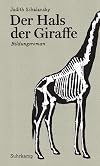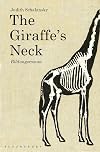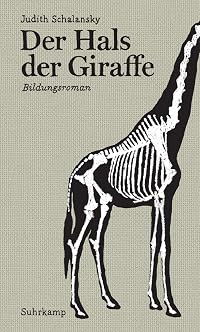
The Giraffe's Neck
by Judith Schalansky
On This Page
Description
"Adaptation is everything. Inge Lohmark is well aware of that; after all, she's been teaching biology for more than thirty years. But nothing will change the fact that her school is going to be closed in four years: In this dwindling town in the eastern German countryside, there are fewer and fewer children. Inge's husband, who was a cattle inseminator before the reunification, is now breeding ostriches. Their daughter, Claudia, emigrated to the United States years ago and has no intention show more of having children. Everyone is resisting the course of nature that Inge teaches every day in class.When Inge finds herself experiencing intense feelings for a ninth-grade girl, her biologically determined worldview is shaken. And in increasingly outlandish ways, she tries to save what can no longer be saved"-- show lessTags
Recommendations























Member Recommendations
thorold Two great schoolmistress-as-sociopath novels
Member Reviews
Judith Schalansky studied art history and taught typography before she became a novelist, and her books are elegant design objects, even in paperback. Der Hals der Giraffe is beautifully designed and laid out, and is illustrated with carefully picked engravings that might (or might not) have come from old biology textbooks.
The book is a [Prime of Miss Jean Brodie] for the neue Bundesländer: an account of the schoolmistress-as-sociopath, set in a dying school in a small town in rural Pomerania, the top right-hand corner of the former DDR (Schalansky grew up in Greifswald, which is about as far as you can go to the north-east without being in Poland or getting your feet wet). Like her Scottish colleague, the biology teacher Inge Lohmark show more initially strikes us as an heroic figure, valiantly standing up for her values in a world where that is no longer appreciated, but we soon get the message that she isn't necessarily the ideal role-model of a teacher. By the end of the book, Schalansky has shown us what a monster Lohmark really is, but has done it in such a cunning and witty way that we still, in an odd way, seem to be on her side, despite everything.
Lohmark is middle-aged and in a job that will inevitably disappear in three or four years when the last child has left the school, her daughter has been away on a gap year in California for 15 years, and her marriage amounts to little more than sharing a house. But the main part of her problem seems to be the collapse of the DDR and the disappearance of the value-system she grew up in and which gave her a role and a structure to her life. She clearly isn't a socialist, and she doesn't want the old days back, but she feels adrift. The only solid thing she has to cling onto is her scientific education, with at its core Darwin's elegant and simple theory of evolution by natural selection. With that, she can arm herself against the annoyances of life in the new Germany and face the daily battle at the chalkface. Unfortunately, it turns out that rejecting all thoughts of tender emotions and orienting your life around the principle of the survival of the fittest is not a very good idea, particularly if you are (a) a dinosaur and (b) well beyond reproductive age. And even more dangerous if your headmaster is scheming to make the school "fit for the future". By the end of the book, she seems to be so far off the rails that she is teaching her class about the inheritance of acquired characteristics.
This is certainly a cruel novel: every bit as bitter and satirical as Muriel Spark's. But it's a delight to read. Schalansky moves smoothly backwards and forwards between the outer world of what Lohmark does and says and the inner world in which she aligns her experiences with the great truths of biology. show less
The book is a [Prime of Miss Jean Brodie] for the neue Bundesländer: an account of the schoolmistress-as-sociopath, set in a dying school in a small town in rural Pomerania, the top right-hand corner of the former DDR (Schalansky grew up in Greifswald, which is about as far as you can go to the north-east without being in Poland or getting your feet wet). Like her Scottish colleague, the biology teacher Inge Lohmark show more initially strikes us as an heroic figure, valiantly standing up for her values in a world where that is no longer appreciated, but we soon get the message that she isn't necessarily the ideal role-model of a teacher. By the end of the book, Schalansky has shown us what a monster Lohmark really is, but has done it in such a cunning and witty way that we still, in an odd way, seem to be on her side, despite everything.
Lohmark is middle-aged and in a job that will inevitably disappear in three or four years when the last child has left the school, her daughter has been away on a gap year in California for 15 years, and her marriage amounts to little more than sharing a house. But the main part of her problem seems to be the collapse of the DDR and the disappearance of the value-system she grew up in and which gave her a role and a structure to her life. She clearly isn't a socialist, and she doesn't want the old days back, but she feels adrift. The only solid thing she has to cling onto is her scientific education, with at its core Darwin's elegant and simple theory of evolution by natural selection. With that, she can arm herself against the annoyances of life in the new Germany and face the daily battle at the chalkface. Unfortunately, it turns out that rejecting all thoughts of tender emotions and orienting your life around the principle of the survival of the fittest is not a very good idea, particularly if you are (a) a dinosaur and (b) well beyond reproductive age. And even more dangerous if your headmaster is scheming to make the school "fit for the future". By the end of the book, she seems to be so far off the rails that she is teaching her class about the inheritance of acquired characteristics.
This is certainly a cruel novel: every bit as bitter and satirical as Muriel Spark's. But it's a delight to read. Schalansky moves smoothly backwards and forwards between the outer world of what Lohmark does and says and the inner world in which she aligns her experiences with the great truths of biology. show less
Stuck in the rock
The Giraffe’s Neck: A Novel by Judith Schalansky, translated by Shaun Whiteside (Bloomsbury USA, $26).
Frau Lohmark is a student’s nightmare. Desperately unhappy, burdened with a grim world view, she’s determined to make someone else pay, and her small cruelties mount up.
She teaches biology and, in a dark turn, has decided that the classroom is a good place to demonstrate natural selection’s “survival of the fittest” by refusing to protect her charges from bullies. Yeah, she’s not a terribly likable person; certainly no Mr. Chips.
In fact, Frau Lohmark is becoming as much a fossil as those she shows students and the drama that drives this darkly comic novel is in her awareness of this.
When her daughter show more decides to marry an American, she is pushed closer to understanding the lack of adaptation that has left her in such a fix, but the question then becomes: Can the fossil break out of the rock?
Judith Schalansky’s novel may also be a bit of commentary on the struggle between the new Germany and the “new” new Germany, those who came of age after unification, and their disparate world views. It’s certainly an argument against leaving adaptation out of our evolutionary equation.
Reviewed on Lit/Rant: http://litrant.tumblr.com/post/88265118528/stuck-in-the-rock-the-giraffes-neck-a... show less
The Giraffe’s Neck: A Novel by Judith Schalansky, translated by Shaun Whiteside (Bloomsbury USA, $26).
Frau Lohmark is a student’s nightmare. Desperately unhappy, burdened with a grim world view, she’s determined to make someone else pay, and her small cruelties mount up.
She teaches biology and, in a dark turn, has decided that the classroom is a good place to demonstrate natural selection’s “survival of the fittest” by refusing to protect her charges from bullies. Yeah, she’s not a terribly likable person; certainly no Mr. Chips.
In fact, Frau Lohmark is becoming as much a fossil as those she shows students and the drama that drives this darkly comic novel is in her awareness of this.
When her daughter show more decides to marry an American, she is pushed closer to understanding the lack of adaptation that has left her in such a fix, but the question then becomes: Can the fossil break out of the rock?
Judith Schalansky’s novel may also be a bit of commentary on the struggle between the new Germany and the “new” new Germany, those who came of age after unification, and their disparate world views. It’s certainly an argument against leaving adaptation out of our evolutionary equation.
Reviewed on Lit/Rant: http://litrant.tumblr.com/post/88265118528/stuck-in-the-rock-the-giraffes-neck-a... show less
We are inside the head of an aging school teacher of biology. In a theoretical way, if asked, we know that life is about natural selection, evolution, the struggle to survive. But for Inge Lohmark it is far more than a theoretical by-the-way. It is life, it really is for her. Every thought, every observation, every relationship, every mouth of food, every moment of teaching, every coffee break, nothing exists without this conscious understanding of what is happening.
She sees teaching as something to survive in a Darwinian way. She is a disappointed person, but in a matter-of-fact way. Her take on her classes, on the behaviour of teenagers, on the Eastern German education system is hilarious in a bitter, dry sort of way.
I can't resist show more giving a couple of examples: if nothing else they will serve to reassure the reader that this book works in translation.
Here she is in front of her class.
Rest here:
https://alittleteaalittlechat.wordpress.com/2015/07/31/the-giraffes-neck-by-judi... show less
She sees teaching as something to survive in a Darwinian way. She is a disappointed person, but in a matter-of-fact way. Her take on her classes, on the behaviour of teenagers, on the Eastern German education system is hilarious in a bitter, dry sort of way.
I can't resist show more giving a couple of examples: if nothing else they will serve to reassure the reader that this book works in translation.
Here she is in front of her class.
Bull by the horns.
'There are cases when patients with Alzheimer's and dementia can't remember the names of their children or their partners, but they can remember their biology teacher's.' Bad experiences sometimes left more of a mark than good ones.
'A birth or a marriage may be an important event, but it does not secure a place in the memory.' The brain, a sieve.
'Never forget: nothing is certain. What's certain is nothing.'
Now she'd even started tapping herself on the head with her forefinger.
The class looked on in dismay.
Back to the book.
'There are about two million species in the world. And if environmental conditions change, they are endangered.'
Total lack of interest.
'Can you think of any species that have died out already?'
A handful of outstretched little arms.
'I mean - apart from dinosaurs.'
All the hands came down straight away. The nursery disease. The couldn't ell a blackbird from a starling, but they could rattle off the taxonomy of extinct large lizards. Sketch a brachiosaurus out of their heads. Early enthusiasm for the morbid. Soon they'll be playing with thoughts of suicide and haunting cemeteries at night. Flirting with the beyond. More death trend than death drive.
Rest here:
https://alittleteaalittlechat.wordpress.com/2015/07/31/the-giraffes-neck-by-judi... show less
Available in English as The Giraffe's Neck.
I would occasionally stumble on a review of a classic novel, that is so thoughtfully written, without all that stuffy and pretentious school lingo, that I couldn't help but reread it numerous times... the review, not the book itself. Then, I would wish I could read something to inspire similar feelings in me. So I chose a nominee of the German Book Prize: big mistake.
There is a little town in eastern Germany, where life is still simple and boring. Probably the last remnant of the communist regime, when education was still "serious business"... or so our protagonist - Inge Lohmark - laments at the start of every school year. She teaches Biology at a soon to be disbanded school, due to constantly show more diminishing student body.
The news is merely an excuse for Ms. Lohmark, to intensify her disparaging inner monologue about her students, her estranged daughter, her indifferent husband... and life in general. There's not much that our protagonist regrets, at least not when it comes to her own actions. If the rest of the world was so set in its mediocrity, then surely solitude must be a preferable alternative. Well, that along with a constant stream of unfavourable scientific comparison to animals.
Then, unexpectedly, at the start of the school year, one of the high school freshmen, a scrawny little girl, starts to slowly break down the heroine's shell... and that was about the extent of my patience.
My main gripe is with the purpose of this book. What was the point of it? Reading it was costing me a huge effort, and I just couldn't keep justify it. Why should I care about any of the pretentious bullshit that inhabits the mind of cranky old woman? Come to think of it: why did the panel of judges at the German Book Prize?
Score 0.5/5 stars
I DNF this book at 54%, because there was just no way for me to stomach any more of Ms. Lohmark's disparaging remarks, full of scientific terms that I had to constantly look up in a dictionary. It's a fairly short book, barely over the 200 page mark, and yet it took me two months to slog through half of it. show less
I would occasionally stumble on a review of a classic novel, that is so thoughtfully written, without all that stuffy and pretentious school lingo, that I couldn't help but reread it numerous times... the review, not the book itself. Then, I would wish I could read something to inspire similar feelings in me. So I chose a nominee of the German Book Prize: big mistake.
There is a little town in eastern Germany, where life is still simple and boring. Probably the last remnant of the communist regime, when education was still "serious business"... or so our protagonist - Inge Lohmark - laments at the start of every school year. She teaches Biology at a soon to be disbanded school, due to constantly show more diminishing student body.
The news is merely an excuse for Ms. Lohmark, to intensify her disparaging inner monologue about her students, her estranged daughter, her indifferent husband... and life in general. There's not much that our protagonist regrets, at least not when it comes to her own actions. If the rest of the world was so set in its mediocrity, then surely solitude must be a preferable alternative. Well, that along with a constant stream of unfavourable scientific comparison to animals.
Then, unexpectedly, at the start of the school year, one of the high school freshmen, a scrawny little girl, starts to slowly break down the heroine's shell... and that was about the extent of my patience.
My main gripe is with the purpose of this book. What was the point of it? Reading it was costing me a huge effort, and I just couldn't keep justify it. Why should I care about any of the pretentious bullshit that inhabits the mind of cranky old woman? Come to think of it: why did the panel of judges at the German Book Prize?
Score 0.5/5 stars
I DNF this book at 54%, because there was just no way for me to stomach any more of Ms. Lohmark's disparaging remarks, full of scientific terms that I had to constantly look up in a dictionary. It's a fairly short book, barely over the 200 page mark, and yet it took me two months to slog through half of it. show less
We are inside the head of an aging school teacher of biology. In a theoretical way, if asked, we know that life is about natural selection, evolution, the struggle to survive. But for Inge Lohmark it is far more than a theoretical by-the-way. It is life, it really is for her. Every thought, every observation, every relationship, every mouth of food, every moment of teaching, every coffee break, nothing exists without this conscious understanding of what is happening.
She sees teaching as something to survive in a Darwinian way. She is a disappointed person, but in a matter-of-fact way. Her take on her classes, on the behaviour of teenagers, on the Eastern German education system is hilarious in a bitter, dry sort of way.
I can't resist show more giving a couple of examples: if nothing else they will serve to reassure the reader that this book works in translation.
Here she is in front of her class.
Rest here:
https://alittleteaalittlechat.wordpress.com/2015/07/31/the-giraffes-neck-by-judi... show less
She sees teaching as something to survive in a Darwinian way. She is a disappointed person, but in a matter-of-fact way. Her take on her classes, on the behaviour of teenagers, on the Eastern German education system is hilarious in a bitter, dry sort of way.
I can't resist show more giving a couple of examples: if nothing else they will serve to reassure the reader that this book works in translation.
Here she is in front of her class.
Bull by the horns.
'There are cases when patients with Alzheimer's and dementia can't remember the names of their children or their partners, but they can remember their biology teacher's.' Bad experiences sometimes left more of a mark than good ones.
'A birth or a marriage may be an important event, but it does not secure a place in the memory.' The brain, a sieve.
'Never forget: nothing is certain. What's certain is nothing.'
Now she'd even started tapping herself on the head with her forefinger.
The class looked on in dismay.
Back to the book.
'There are about two million species in the world. And if environmental conditions change, they are endangered.'
Total lack of interest.
'Can you think of any species that have died out already?'
A handful of outstretched little arms.
'I mean - apart from dinosaurs.'
All the hands came down straight away. The nursery disease. The couldn't ell a blackbird from a starling, but they could rattle off the taxonomy of extinct large lizards. Sketch a brachiosaurus out of their heads. Early enthusiasm for the morbid. Soon they'll be playing with thoughts of suicide and haunting cemeteries at night. Flirting with the beyond. More death trend than death drive.
Rest here:
https://alittleteaalittlechat.wordpress.com/2015/07/31/the-giraffes-neck-by-judi... show less
Ein kleiner Ort in Vorpommern. Inge Lohmark, 55 Jahre alt, ist Lehrerin für Biologie. Alles im Leben beruht auf Anpassung. Arten passen sich an und was sich nicht anpasst, das stirbt aus.
Das betrifft auch Menschen. Wer sich nicht anpasst, der hat auf der Welt nichts verloren.
Doch in ihrem Leben ändert sich vieles, was sie nicht versteht. Ihre Tochter lebt in Kalifornien und scheint nicht an einer Ehe interessiert zu sein. Dabei wird sie doch auch älter und Fortpflanzung ist eine biologische Notwendigkeit.
Ihr Mann hat früher Kühe besamt, jetzt züchtet er Strauße. Gespräche führen die beiden nicht, aber das ist Inge auch ganz recht.
In der Schule ist sie unbeliebt. Aus ihrer Sicht ist sie streng, aber gerecht. Das ihr starrer show more Frontalunterricht nicht mehr modern ist, darüber kann sie nur den Kopf schütteln.
Doch die Schule wird bald geschlossen. Da es in der Stadt keine Arbeit gibt, ziehen viele Familien weg. Es gibt zuwenig Kinder und so wird das Gymnasium bald geschlossen.
Die Sprache ist sehr knapp, die Sätze sind kurz. Unterbrochen wird der Text von biologischen Zeichnungen.
Es gab einzelne Szenen, bei denen ich sogar lächeln musste. Wenn Inge Lohmark ihrer Klasse in sehr trockenen und direkten Sätzen beschreibt, wie man bei Bullen Sprema gewinnt und wie die Besamung einer Kuh abläuft, dazu die Reaktion der Klasse - das hat schon viel Situationskomik.
Aber die meiste Zeit habe ich mich gefragt, warum habe ich dieses Buch jemals auf meine Wunschliste gesetzt? Warum wollte ich es eigentlich lesen?
Ich habe keine Ahnung. Ich glaube, ich fand einfach den Titel interessant...
Inge Lohmark wird sehr unsympathisch geschildert. Das war mit Sicherheit auch so beabsichtigt, war mir aber dann doch zu extrem gezeichnet. In wiefern das Buch nun ein Bildungsroman sein, wie es der Untertitel verspricht, ist mir auch schleierhaft. Im Klappentext wird davon erzählt, das Inge Lohmark Gefühle für eine Schülerin entwickeln würde. Aber das wird nur einmal kurz erwähnt. Ich hatte auch nicht den Eindruck, das Inge Lohmark sich danach sehr verändert hat. Stattdessen fand ich das Buch von Seite zu Seite immer langweiliger und lahm. Die Hauptperson macht in dem Buch überhaupt keine Entwicklung durch. Und alle anderen Personen werden nur beiläufig erwähnt.
Fazit: Manchmal amüsant, manchmal traurig, immer zynisch. Aber was am Anfang noch unterhaltsam war, plätschert am Ende nur noch so dahin. show less
Das betrifft auch Menschen. Wer sich nicht anpasst, der hat auf der Welt nichts verloren.
Doch in ihrem Leben ändert sich vieles, was sie nicht versteht. Ihre Tochter lebt in Kalifornien und scheint nicht an einer Ehe interessiert zu sein. Dabei wird sie doch auch älter und Fortpflanzung ist eine biologische Notwendigkeit.
Ihr Mann hat früher Kühe besamt, jetzt züchtet er Strauße. Gespräche führen die beiden nicht, aber das ist Inge auch ganz recht.
In der Schule ist sie unbeliebt. Aus ihrer Sicht ist sie streng, aber gerecht. Das ihr starrer show more Frontalunterricht nicht mehr modern ist, darüber kann sie nur den Kopf schütteln.
Doch die Schule wird bald geschlossen. Da es in der Stadt keine Arbeit gibt, ziehen viele Familien weg. Es gibt zuwenig Kinder und so wird das Gymnasium bald geschlossen.
Die Sprache ist sehr knapp, die Sätze sind kurz. Unterbrochen wird der Text von biologischen Zeichnungen.
Es gab einzelne Szenen, bei denen ich sogar lächeln musste. Wenn Inge Lohmark ihrer Klasse in sehr trockenen und direkten Sätzen beschreibt, wie man bei Bullen Sprema gewinnt und wie die Besamung einer Kuh abläuft, dazu die Reaktion der Klasse - das hat schon viel Situationskomik.
Aber die meiste Zeit habe ich mich gefragt, warum habe ich dieses Buch jemals auf meine Wunschliste gesetzt? Warum wollte ich es eigentlich lesen?
Ich habe keine Ahnung. Ich glaube, ich fand einfach den Titel interessant...
Inge Lohmark wird sehr unsympathisch geschildert. Das war mit Sicherheit auch so beabsichtigt, war mir aber dann doch zu extrem gezeichnet. In wiefern das Buch nun ein Bildungsroman sein, wie es der Untertitel verspricht, ist mir auch schleierhaft. Im Klappentext wird davon erzählt, das Inge Lohmark Gefühle für eine Schülerin entwickeln würde. Aber das wird nur einmal kurz erwähnt. Ich hatte auch nicht den Eindruck, das Inge Lohmark sich danach sehr verändert hat. Stattdessen fand ich das Buch von Seite zu Seite immer langweiliger und lahm. Die Hauptperson macht in dem Buch überhaupt keine Entwicklung durch. Und alle anderen Personen werden nur beiläufig erwähnt.
Fazit: Manchmal amüsant, manchmal traurig, immer zynisch. Aber was am Anfang noch unterhaltsam war, plätschert am Ende nur noch so dahin. show less
Anpassung ist alles, weiß Inge Lohmark. Schließlich unterrichtet sie seit mehr als dreißig Jahren Biologie. Daß ihre Schule in vier Jahren geschlossen werden soll, ist nicht zu ändern – in der schrumpfenden Kreisstadt im vorpommerschen Hinterland fehlt es an Kindern. Lohmarks Mann, der zu DDR-Zeiten Kühe besamt hat, züchtet nun Strauße, ihre Tochter Claudia ist vor Jahren in die USA gegangen und hat nicht vor, Kinder in die Welt zu setzen. Alle verweigern sich dem Lauf der Natur, den Inge Lohmark tagtäglich im Unterricht beschwört. Als sie Gefühle für eine Schülerin der 9. Klasse entwickelt, die über die übliche Haßliebe für die Jugend hinausgehen, gerät ihr biologistisches Weltbild ins Wanken. Mit immer show more absonderlicheren Einfällen versucht sie zu retten, was nicht mehr zu retten ist.
Nach dem gefeierten "Atlas der abgelegenen Inseln" schreibt Judith Schalansky einen Roman. Darin kämpft eine Biologielehrerin für die Einhaltung der Naturgesetze, verrenkt sich den Hals nach unerreichbaren Früchten und fällt am Ende vom Glauben an Gott Darwin ab. Schauplatz der Geschichte ist eine der irrwitzigsten Anstalten dieser Welt: die Schule. (suhrkamp) show less
Nach dem gefeierten "Atlas der abgelegenen Inseln" schreibt Judith Schalansky einen Roman. Darin kämpft eine Biologielehrerin für die Einhaltung der Naturgesetze, verrenkt sich den Hals nach unerreichbaren Früchten und fällt am Ende vom Glauben an Gott Darwin ab. Schauplatz der Geschichte ist eine der irrwitzigsten Anstalten dieser Welt: die Schule. (suhrkamp) show less
Members
- Recently Added By
Published Reviews
ThingScore 100
Angewandter Darwinismus
Der Autorin Judith Schalansky gelingt mit ihrem jüngsten Werk Der Hals der Giraffe ein Bildungsroman auf den unterschiedlichsten Ebenen: Der Nukleus der Geschichte, verkörpert durch die Lehrerin Inge Lohmark, beeinflusst den Orbit des Lesers, der sich an die eigenen Jahre in der Institution Schule zurückerinnert. Er wird umkreist vom komplexen Zusammenhang der show more Evolutionsgeschichte und ist eingebettet im System sozialer sowie politischer Umbrüche und aktuellen, gesellschaftlichen Diskussionsthemen. Doch am Ende wird die hierarchische Ordnung in Frage gestellt. show less
Der Autorin Judith Schalansky gelingt mit ihrem jüngsten Werk Der Hals der Giraffe ein Bildungsroman auf den unterschiedlichsten Ebenen: Der Nukleus der Geschichte, verkörpert durch die Lehrerin Inge Lohmark, beeinflusst den Orbit des Lesers, der sich an die eigenen Jahre in der Institution Schule zurückerinnert. Er wird umkreist vom komplexen Zusammenhang der show more Evolutionsgeschichte und ist eingebettet im System sozialer sowie politischer Umbrüche und aktuellen, gesellschaftlichen Diskussionsthemen. Doch am Ende wird die hierarchische Ordnung in Frage gestellt. show less
added by tigerelfe
Rezensionsnotiz zu Die Zeit, 06.10.2011
Als "Glücksfall für die deutsche Literatur" feiert Alexander Cammann die Autorin Judith Schalansky, mit der er sich zum Spaziergang durch Greifswald getroffen hat. Denn auch wenn Cammann gleich erzählt, wie er beim Orgelspiel in St. Marien "feuchte Augen" bekam, klingt seine Hymne auf diesen atheistischen Roman überzeugend, in dem Schalansky als show more studierte Gestalterin - nach ihrem "Atlas der abgelegenen Inseln" - erneut das Zusammenspiel von Bild und Text probt. Auch sprachlich und psychologisch findet Cammann den Roman meisterhaft, er erzählt die Krisengeschichte einer ostdeutschen Biologielehrerin um die fünfzig, die sich in Hasstiraden auch Schule, Kollegen und Schüler ergeht, ebenso wie die Krisengeschichte einer Region im Umbruch. Und wie Schalansky dabei den biologischen Jargon in Poesie umwandelt, das findet er fast so großartig wie Thomas Manns Musikexkurse im Doktor Faustus. show less
Als "Glücksfall für die deutsche Literatur" feiert Alexander Cammann die Autorin Judith Schalansky, mit der er sich zum Spaziergang durch Greifswald getroffen hat. Denn auch wenn Cammann gleich erzählt, wie er beim Orgelspiel in St. Marien "feuchte Augen" bekam, klingt seine Hymne auf diesen atheistischen Roman überzeugend, in dem Schalansky als show more studierte Gestalterin - nach ihrem "Atlas der abgelegenen Inseln" - erneut das Zusammenspiel von Bild und Text probt. Auch sprachlich und psychologisch findet Cammann den Roman meisterhaft, er erzählt die Krisengeschichte einer ostdeutschen Biologielehrerin um die fünfzig, die sich in Hasstiraden auch Schule, Kollegen und Schüler ergeht, ebenso wie die Krisengeschichte einer Region im Umbruch. Und wie Schalansky dabei den biologischen Jargon in Poesie umwandelt, das findet er fast so großartig wie Thomas Manns Musikexkurse im Doktor Faustus. show less
added by Goethe-InstitutAthen
Rezensionsnotiz zu Die Zeit, 06.10.2011
Als "Glücksfall für die deutsche Literatur" feiert Alexander Cammann die Autorin Judith Schalansky, mit der er sich zum Spaziergang durch Greifswald getroffen hat. Denn auch wenn Cammann gleich erzählt, wie er beim Orgelspiel in St. Marien "feuchte Augen" bekam, klingt seine Hymne auf diesen atheistischen Roman überzeugend, in dem Schalansky als show more studierte Gestalterin - nach ihrem "Atlas der abgelegenen Inseln" - erneut das Zusammenspiel von Bild und Text probt. Auch sprachlich und psychologisch findet Cammann den Roman meisterhaft, er erzählt die Krisengeschichte einer ostdeutschen Biologielehrerin um die fünfzig, die sich in Hasstiraden auch Schule, Kollegen und Schüler ergeht, ebenso wie die Krisengeschichte einer Region im Umbruch. Und wie Schalansky dabei den biologischen Jargon in Poesie umwandelt, das findet er fast so großartig wie Thomas Manns Musikexkurse im Doktor Faustus. show less
Als "Glücksfall für die deutsche Literatur" feiert Alexander Cammann die Autorin Judith Schalansky, mit der er sich zum Spaziergang durch Greifswald getroffen hat. Denn auch wenn Cammann gleich erzählt, wie er beim Orgelspiel in St. Marien "feuchte Augen" bekam, klingt seine Hymne auf diesen atheistischen Roman überzeugend, in dem Schalansky als show more studierte Gestalterin - nach ihrem "Atlas der abgelegenen Inseln" - erneut das Zusammenspiel von Bild und Text probt. Auch sprachlich und psychologisch findet Cammann den Roman meisterhaft, er erzählt die Krisengeschichte einer ostdeutschen Biologielehrerin um die fünfzig, die sich in Hasstiraden auch Schule, Kollegen und Schüler ergeht, ebenso wie die Krisengeschichte einer Region im Umbruch. Und wie Schalansky dabei den biologischen Jargon in Poesie umwandelt, das findet er fast so großartig wie Thomas Manns Musikexkurse im Doktor Faustus. show less
added by Goethe-InstitutAthen
Lists

German Literature
518 works; 55 members

Dublin Literary Award Longlist 2016
148 works; 4 members
Author Information

Some Editions
Awards and Honors
Awards
Distinctions
Notable Lists
Series
Belongs to Publisher Series
suhrkamp taschenbuch (4388)
Common Knowledge
- Canonical title
- The Giraffe's Neck
- Original title
- Der Hals der Giraffe
- Original publication date
- 2011
- People/Characters*
- Inge Lohmark
- Important places
- Mecklenberg-Vorpommern
- First words*
- "Setzen", sagte Inge Lohmark, und die Klasse setzte sich.
- Last words*
- (Click to show. Warning: May contain spoilers.)Inge Lohmark stand am Zaun und schaute.
- Original language
- German
*Some information comes from Common Knowledge in other languages. Click "Edit" for more information.
Classifications
Statistics
- Members
- 354
- Popularity
- 89,160
- Reviews
- 21
- Rating
- (3.55)
- Languages
- 13 — Danish, Dutch, English, Estonian, Finnish, French, German, Italian, Norwegian (Bokmål), Portuguese (Portugal), Spanish, Swedish, Turkish
- Media
- Paper, Ebook
- ISBNs
- 25
- ASINs
- 2