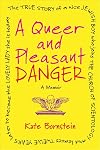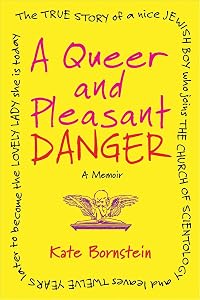
A Queer and Pleasant Danger: A Memoir
by Kate Bornstein
On This Page
Description
The stunningly original memoir of a nice Jewish boy who left the Church of Scientology to become the lovely lady she is todayIn the early 1970s, a boy from a Conservative Jewish family joined the Church of Scientology. In 1981, that boy officially left the movement and ultimately transitioned into a woman. A few years later, she stopped calling herself a woman—and became a famous gender outlaw.
Gender theorist, performance artist, and author Kate Bornstein is set to change lives with show more her stunningly original memoir. Wickedly funny and disarmingly honest, this is Bornstein's most intimate book yet, encompassing her early childhood and adolescence, college at Brown, a life in the theater, three marriages and fatherhood, the Scientology hierarchy, transsexual life, LGBTQ politics, and life on the road as a sought-after speaker.
This ebook edition includes a new epilogue. Reflecting on the original publication of her book, Bornstein considers the passage of time as the changing world brings new queer realities into focus and forces Kate to confront her own aging and its effects on her health, body, and mind. She goes on to contemplate her relationship with her daughter, her relationship to Scientology, and the ever-evolving practices of seeking queer selfhood.
“A singular achievement and gift to the generations of queers who consider her our Auntie, and all those who will follow.”
—Lambda Literary
“Breathless, passionate, and deeply honest, A Queer and Pleasant Danger is a wonderful book. Read it and learn.”
—Samuel R. Delany, author of Dhalgren. Biography & Autobiography. LGBTQIA+ (Nonfiction.) Nonfiction. Sociology. show less
Tags
Recommendations

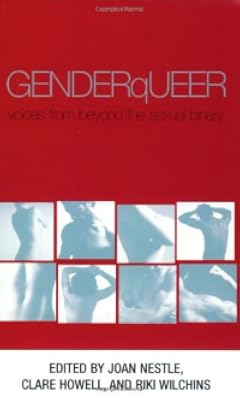
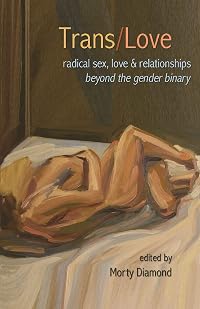
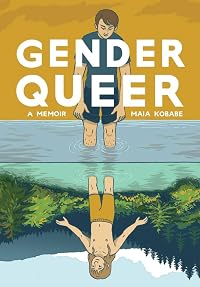

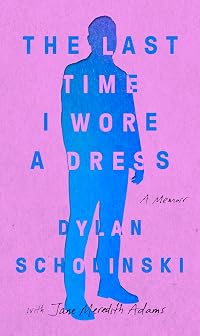

Member Recommendations
akblanchard Lives of M2F transsexuals.
Member Reviews
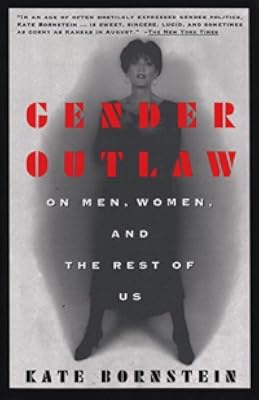
I've been somewhat familiar with Kate Bornstein's life and work since studying sections of [b:Gender Outlaw: On Men, Women and the Rest of Us|52108|Gender Outlaw On Men, Women and the Rest of Us|Kate Bornstein|http://photo.goodreads.com/books/1320527725s/52108.jpg|1176164] in a college Queer Theory class, so I was really eager to read her new memoir as soon as I heard about it. This definitely didn't disappoint, but it wasn't entirely what I expected. Though Bornstein struggled with gender identity since childhood, she transitioned fairly late in life, so relatively little of her memoir has to do with living as a transperson. That's okay, though, cause Bornstein has had a unique life even aside from her gender transformation.
The writing show more style makes this quite a light, entertaining read -- it's a bit chatty and rambling, with lots of jokes and tangents thrown in. Her likeable personality really shines through. Sometimes Bornstein will highly embellish an event and then 3 pages later will confess that the entire incident was all a lie. About the important stuff, though, she writes candidly -- even when telling the truth makes her look like less than a spectacular person.
So, I suppose a brief summary is in order. Bornstein was born (then Albert) into a fairly average, upper-middle class Jewish family on the Jersey Shore. His father was a super-macho doctor, and Al could never be masculine enough to please him. As a teenage hippie traveling the country, Al stumbles upon Scientology, where the concept of genderless "thetans" holds a unique appeal to the boy who has been hiding the belief that he's a girl for most of his life. He joins up, enlists in their Sea Org, and serves for a decade on a ship right alongside L. Ron Hubbard, until he's summarily kicked out (for reasons that are too convoluted to go into here, so read the damn book). Along the way, he marries three different women in an attempt to "pray the trans away", and has a daughter, Jessica, who he last saw when she was around five years old. He also struggles with depression, alcohol and drug addiction, anorexia, and self-injury. Eventually he sobers up, gets into therapy, starts living as a woman, gets genital reassignment surgery, and discovers she is a lesbian.
There's obviously a whole lot more to it than that, but it's a hell of a life story. There are some really hard parts to read, though. Bornstein's whole reason for writing the book is to reach out to her now-adult daughter in hopes that they will one day reconnect. It's heartbreaking. Additionally, this book should really come with a trigger warning for eating disorders and cutting/SI. I wish someone had warned me, and I'm not usually that sensitive to triggers. Finally, there's a section in the last third of the book that gets pretty heavily into BDSM, and is quite graphic. Just so's you guys know. show less
The writing show more style makes this quite a light, entertaining read -- it's a bit chatty and rambling, with lots of jokes and tangents thrown in. Her likeable personality really shines through. Sometimes Bornstein will highly embellish an event and then 3 pages later will confess that the entire incident was all a lie. About the important stuff, though, she writes candidly -- even when telling the truth makes her look like less than a spectacular person.
So, I suppose a brief summary is in order. Bornstein was born (then Albert) into a fairly average, upper-middle class Jewish family on the Jersey Shore. His father was a super-macho doctor, and Al could never be masculine enough to please him. As a teenage hippie traveling the country, Al stumbles upon Scientology, where the concept of genderless "thetans" holds a unique appeal to the boy who has been hiding the belief that he's a girl for most of his life. He joins up, enlists in their Sea Org, and serves for a decade on a ship right alongside L. Ron Hubbard, until he's summarily kicked out (for reasons that are too convoluted to go into here, so read the damn book). Along the way, he marries three different women in an attempt to "pray the trans away", and has a daughter, Jessica, who he last saw when she was around five years old. He also struggles with depression, alcohol and drug addiction, anorexia, and self-injury. Eventually he sobers up, gets into therapy, starts living as a woman, gets genital reassignment surgery, and discovers she is a lesbian.
There's obviously a whole lot more to it than that, but it's a hell of a life story. There are some really hard parts to read, though. Bornstein's whole reason for writing the book is to reach out to her now-adult daughter in hopes that they will one day reconnect. It's heartbreaking. Additionally, this book should really come with a trigger warning for eating disorders and cutting/SI. I wish someone had warned me, and I'm not usually that sensitive to triggers. Finally, there's a section in the last third of the book that gets pretty heavily into BDSM, and is quite graphic. Just so's you guys know. show less
Well no one can accuse Bornstein of hiding anything. Even by memoirist standards Kate is an over-sharer. Luckily she has some great stories.
I am fascinated by Scientology. So her experience in the org, particularly in SeaOrg, is riveting. As a salesperson she enjoyed a pretty cushy ride, until she didn't. In the end the org cost her her daughter (she talks about this in the first few pages, not a spoiler) and separated her from beloved family for many years. It also validated her obsessive behaviors, valued her skill at performative storytelling (also known as lying or using alternative facts), and provided her with a lot of opportunities to have random sex.
Also fascinating was Kate's journey to her current identity as a nonbinary trans show more lesbian. Its been quite a road. Her interactions with radical cis lesbians, especially butch lesbians, were really instructive. I know of course how crummy the LGBT establishment has historically been (and mostly still is) to trans women. there has been a lot written and discussed about this in the past few years, but the stories of Sylvia Rivera and Marsha P. Johnson alone tell the story. Kate's story is slightly different, perhaps because she is upper middle class and white, but still saddening.
The most disturbing part of this is the part that deals with Kate the masochist and cutter. She mostly seems to deal well with her borderline personality disorder, but she is an old woman who still cuts and it is implied enjoys when others cut her. (Actually, she said that she got off on being carved. No implication. There was detail. What is not clear if she outgrew the desire and practice or if she still enjoys being sliced up.) That is not okay, and my heart cries for her because she has normalized and accepted her self harm and invited cruelty. I am glad she triumphed over suicidal ideation, alcoholism, and other challenges, but she still has work to do.
At times when reading this I felt like a peeping tom, but I know in my heart she wants me to peep. An interesting bio all in all, honest, edifying, and a quick read. show less
I am fascinated by Scientology. So her experience in the org, particularly in SeaOrg, is riveting. As a salesperson she enjoyed a pretty cushy ride, until she didn't. In the end the org cost her her daughter (she talks about this in the first few pages, not a spoiler) and separated her from beloved family for many years. It also validated her obsessive behaviors, valued her skill at performative storytelling (also known as lying or using alternative facts), and provided her with a lot of opportunities to have random sex.
Also fascinating was Kate's journey to her current identity as a nonbinary trans show more lesbian. Its been quite a road. Her interactions with radical cis lesbians, especially butch lesbians, were really instructive. I know of course how crummy the LGBT establishment has historically been (and mostly still is) to trans women. there has been a lot written and discussed about this in the past few years, but the stories of Sylvia Rivera and Marsha P. Johnson alone tell the story. Kate's story is slightly different, perhaps because she is upper middle class and white, but still saddening.
The most disturbing part of this is the part that deals with Kate the masochist and cutter. She mostly seems to deal well with her borderline personality disorder, but she is an old woman who still cuts and it is implied enjoys when others cut her. (Actually, she said that she got off on being carved. No implication. There was detail. What is not clear if she outgrew the desire and practice or if she still enjoys being sliced up.) That is not okay, and my heart cries for her because she has normalized and accepted her self harm and invited cruelty. I am glad she triumphed over suicidal ideation, alcoholism, and other challenges, but she still has work to do.
At times when reading this I felt like a peeping tom, but I know in my heart she wants me to peep. An interesting bio all in all, honest, edifying, and a quick read. show less
So, this is a memoir by lesbian trans person ex-scientologist kinky nerd Kate Bornstein who is now like, my most favoritest person ever. Like, just having one of those labels maybe kinda sorta applying to you would mean that I would find you fascinating, but all of them? Goddamn. I want to be her best friend. I want her to marry my mom!
This book is more about being an ex-scientologist than anything else. The CoS have declared her a Suppressive Person, see, and her ex-wife, daughter and grandchildren have shunned her. Not for being a lesbian, or trans, or kinky, or uh... a nerd, but for doing what I thought was completely reasonable behavior. But it's the Church of Scientology, so whatareyagonnado. Write a book, I guess!
The tone is show more unrepentantly cheery, which can either grate or charm, depending on the reader. I liked it.
Also, she and her girlfriend call each other imzadi.
NERD. (though when I was writing this I asked my boyfriend what was that word? in star trek? that was a term of endearment? because I had forgotten and he knew immediately, haha NERD... i mean... imzadi) show less
This book is more about being an ex-scientologist than anything else. The CoS have declared her a Suppressive Person, see, and her ex-wife, daughter and grandchildren have shunned her. Not for being a lesbian, or trans, or kinky, or uh... a nerd, but for doing what I thought was completely reasonable behavior. But it's the Church of Scientology, so whatareyagonnado. Write a book, I guess!
The tone is show more unrepentantly cheery, which can either grate or charm, depending on the reader. I liked it.
Also, she and her girlfriend call each other imzadi.
NERD. (though when I was writing this I asked my boyfriend what was that word? in star trek? that was a term of endearment? because I had forgotten and he knew immediately, haha NERD... i mean... imzadi) show less
The most fascinating part of the book for me were the parts of the book detailing Bornstein's stint in Scientology. Those bits were so interesting that I actually found the rest of the book a bit of a let-down in terms of keeping me engaged. A very interesting memoir.
I don't know why I left the last 20 pages unread for over a year. I started over and read the whole thing again in a matter of days.
Kate Bornstein has led an interesting life by anyone's standards. There's a little something for everyone in her memoir: she started a closeted trans hippie boychick, then took to the sea on L. Ron Hubbard's personal yacht, rising to become a high-ranking Scientologist and parent who was excommunicated upon discovering a dark secret, and seized the opportunity to metamorphose into a prominent and very out S&M dyke journalist, actor and writer. Pick it up: you know you want to know how it all fits together.
Be ready for detailed descriptions of disordered eating, cutting, and suicidal ideation.
Kate Bornstein has led an interesting life by anyone's standards. There's a little something for everyone in her memoir: she started a closeted trans hippie boychick, then took to the sea on L. Ron Hubbard's personal yacht, rising to become a high-ranking Scientologist and parent who was excommunicated upon discovering a dark secret, and seized the opportunity to metamorphose into a prominent and very out S&M dyke journalist, actor and writer. Pick it up: you know you want to know how it all fits together.
Be ready for detailed descriptions of disordered eating, cutting, and suicidal ideation.
I'm not really sure what can I say about Kate Bornstein's new memoir, A Queer and Pleasant Danger, other than WOW! This an amazing, intense, heartfelt read that's goes far beyond questions of gender and sexuality to examine, really, what it means to be human.
Written in a casual, conversational, sometimes rambling manner, this is a very easy book to enjoy. One of its many quirks that I found so delightful was the way in which Kate would tell a story, swear it was the honest-to-gosh truth, then turn around a page or so later and admit that it was a lie. In most cases, they were stories she believed wholeheartedly for years - until she shared them and was promptly shot down by her brother. It's a quirk that not only adds a bit of a comic show more feel to some chapters than definitely need a pick-me-up, but it's also a playful element that ties into Kate's personality.
Really, this is three memoirs in one, as the extended title suggest:
A Queer and Pleasant Danger: The true story of a nice Jewish boy (1) who joins the Church of Scientology (2) and leaves twelve years later to become the lovely lady she is today (3).
Let's start with the nice Jewish boy. Kate (then Albert) realized at the tender young age of four-and-a-half that she wasn't a boy and, therefore, must be a girl. With that self-realization, a youth of lying to the world, putting on an act, and hiding her true self began. She doesn't spend a lot of time wondering why she was different, or looking for answers (biological, psychological, theological, or otherwise), but there's one passage early on where she talks about her mother's previous miscarriage that ably demonstrates how she has so creatively imagined herself:
"Now here's what I think: I think no one knows what the previous tenant of my mom's uterus had left behind for me to pick up and use. I'm sure that girl body had been meant for me."
It's clever and simple, and the kind of imaginative leap you can only make if you are well-and-truly comfortable in yourself.
The Church of Scientology occupies a significant portion of the book, but as interesting as it is to peek behind the curtain, it does tend to wear thin quite quickly. The attraction of Scientology, her life within it, and (most importantly) it's continuing impact upon her life is important, though, and it frames perhaps the saddest, most heartfelt element of Kate's memoir . . . but more on that later. To me, the appeal of Scientology has always been inconceivable, but I can't say there isn't something beautiful and profound in its appeal to Kate:
"...they [the Church of Scientology] said I'm not my body, and I'm not even my mind. They told me I am a spiritual being called a thetan - from the Greek letter, which we were told meant perfect thought. Male and female is for bodies, they told me. Thetans have no gender."
Definitely an interesting thought, and you can clearly see how the theory so hooked a confused young transsexual. What follows is, no matter how you want to put it, a life inside a very closed cult, including an extended period where she lived at sea, with nobody around but other members of the Church. It was a life of spiritual, mental, and financial slavery (although Kate never uses that word), and one that ultimately cost her the love of two ex-wives, her daughter, and the chance to ever see the grandchildren that would come later. The chapter in which she describes her Excommunication made me so furious, I literally threw the book across the room and let it sit on the floor for a good week and a half before I could pick it up again without feeling the urge to tear it to pieces.
It's definitely the low part of her life's story, but it's true what they say - at least when you hit rock bottom there's nowhere to go but up.
The third part of Kate's story is the most fascinating aspect of the book, and even if it's filled with pains of its own, the sorrows of her transition are both honest and (largely) self-inflicted. Really, Kate begins her entire life over again (several times, in fact) finding what should have been solace and support though the medical community, except she chose the wrong doctor, one who held her back rather than helped to guide her forward. It's not entirely clear what an impact the unprofessional nature of that relationship had on her transition until she moves on to a new doctor, one who has her best interests at heart.
"When I was a girl, I was a thirty-eight-year old man and I had to make up for lost time. It wasn't easy. I had to learn girl from the ground up, just as I'd had to learn boy. It wasn't pretty."
When Kate says it wasn't pretty, she's right. Her transition is marked by stories of self mutilation (cutting), drug and alcohol abuse, anorexia, and more. She clearly struggled hard to become the woman she is today, and even if we know she's a stronger person for those struggles, they are still hard to share. Relationships were, as you might expect, particularly troublesome for someone struggling as much with her gender as her sexuality. While some may argue she simply traded one cult for another, Kate's immersion in the BDSM lifestyle was absolutely fascinating for me, and probably the point at which I began to first notice real, genuine, powerful emotion coming through her story.
As ultimately uplifting and inspiring as her story may be, however, it's framed by a sadness so deep, it's difficult to experience. She begins and ends the book with a virtual shout-out to her daughter, a heart-felt plea for understanding, acceptance, and simple acknowledgement. It's a testament to the intensely personal nature of her final passage, the raw openness of her plea, that she was able to so completely overcome those feelings of rage and betrayal I originally felt over her excommunication. Instead of throwing the book across the room and wanting to tear it to pieces, I instead clutched it to my breast and cried for what might have been . . . and for what, if there is any justice in the world, still might be.
As published on Bending the Bookshelf show less
Written in a casual, conversational, sometimes rambling manner, this is a very easy book to enjoy. One of its many quirks that I found so delightful was the way in which Kate would tell a story, swear it was the honest-to-gosh truth, then turn around a page or so later and admit that it was a lie. In most cases, they were stories she believed wholeheartedly for years - until she shared them and was promptly shot down by her brother. It's a quirk that not only adds a bit of a comic show more feel to some chapters than definitely need a pick-me-up, but it's also a playful element that ties into Kate's personality.
Really, this is three memoirs in one, as the extended title suggest:
A Queer and Pleasant Danger: The true story of a nice Jewish boy (1) who joins the Church of Scientology (2) and leaves twelve years later to become the lovely lady she is today (3).
Let's start with the nice Jewish boy. Kate (then Albert) realized at the tender young age of four-and-a-half that she wasn't a boy and, therefore, must be a girl. With that self-realization, a youth of lying to the world, putting on an act, and hiding her true self began. She doesn't spend a lot of time wondering why she was different, or looking for answers (biological, psychological, theological, or otherwise), but there's one passage early on where she talks about her mother's previous miscarriage that ably demonstrates how she has so creatively imagined herself:
"Now here's what I think: I think no one knows what the previous tenant of my mom's uterus had left behind for me to pick up and use. I'm sure that girl body had been meant for me."
It's clever and simple, and the kind of imaginative leap you can only make if you are well-and-truly comfortable in yourself.
The Church of Scientology occupies a significant portion of the book, but as interesting as it is to peek behind the curtain, it does tend to wear thin quite quickly. The attraction of Scientology, her life within it, and (most importantly) it's continuing impact upon her life is important, though, and it frames perhaps the saddest, most heartfelt element of Kate's memoir . . . but more on that later. To me, the appeal of Scientology has always been inconceivable, but I can't say there isn't something beautiful and profound in its appeal to Kate:
"...they [the Church of Scientology] said I'm not my body, and I'm not even my mind. They told me I am a spiritual being called a thetan - from the Greek letter, which we were told meant perfect thought. Male and female is for bodies, they told me. Thetans have no gender."
Definitely an interesting thought, and you can clearly see how the theory so hooked a confused young transsexual. What follows is, no matter how you want to put it, a life inside a very closed cult, including an extended period where she lived at sea, with nobody around but other members of the Church. It was a life of spiritual, mental, and financial slavery (although Kate never uses that word), and one that ultimately cost her the love of two ex-wives, her daughter, and the chance to ever see the grandchildren that would come later. The chapter in which she describes her Excommunication made me so furious, I literally threw the book across the room and let it sit on the floor for a good week and a half before I could pick it up again without feeling the urge to tear it to pieces.
It's definitely the low part of her life's story, but it's true what they say - at least when you hit rock bottom there's nowhere to go but up.
The third part of Kate's story is the most fascinating aspect of the book, and even if it's filled with pains of its own, the sorrows of her transition are both honest and (largely) self-inflicted. Really, Kate begins her entire life over again (several times, in fact) finding what should have been solace and support though the medical community, except she chose the wrong doctor, one who held her back rather than helped to guide her forward. It's not entirely clear what an impact the unprofessional nature of that relationship had on her transition until she moves on to a new doctor, one who has her best interests at heart.
"When I was a girl, I was a thirty-eight-year old man and I had to make up for lost time. It wasn't easy. I had to learn girl from the ground up, just as I'd had to learn boy. It wasn't pretty."
When Kate says it wasn't pretty, she's right. Her transition is marked by stories of self mutilation (cutting), drug and alcohol abuse, anorexia, and more. She clearly struggled hard to become the woman she is today, and even if we know she's a stronger person for those struggles, they are still hard to share. Relationships were, as you might expect, particularly troublesome for someone struggling as much with her gender as her sexuality. While some may argue she simply traded one cult for another, Kate's immersion in the BDSM lifestyle was absolutely fascinating for me, and probably the point at which I began to first notice real, genuine, powerful emotion coming through her story.
As ultimately uplifting and inspiring as her story may be, however, it's framed by a sadness so deep, it's difficult to experience. She begins and ends the book with a virtual shout-out to her daughter, a heart-felt plea for understanding, acceptance, and simple acknowledgement. It's a testament to the intensely personal nature of her final passage, the raw openness of her plea, that she was able to so completely overcome those feelings of rage and betrayal I originally felt over her excommunication. Instead of throwing the book across the room and wanting to tear it to pieces, I instead clutched it to my breast and cried for what might have been . . . and for what, if there is any justice in the world, still might be.
As published on Bending the Bookshelf show less
Any book that is framed as a love letter to an estranged child is going to be bursting with love, but Kate Bornstein’s “Queer and Pleasant Danger” is also raw, funny and wrenching, a memoir befitting the grand cultural icon she has become. The book’s subtitle gives you the lay of the land but the journey is nonetheless revolutionary. In the guise of the clown, Kate dances into dark territory, making the pain manageable, almost celebratory. She is unapologetic, in your face, and at the same time utterly disarming.
Members
- Recently Added By
Lists

Q Centre Wishllist
1 work; 1 member

Beacon Press
39 works; 1 member

The Best LGBTQ Nonfiction
217 works; 70 members
Author Information

11+ Works 3,871 Members
Kate Bornstein is a performance artist, playwright, and advocate for teens, freaks, and other outlaws. She has authored several award-winning books, including Gender Outlaw: On Men, Women, and the Rest of Us, My Gender Workbook, and Hello, Cruel World: 101 Alternatives to Suicide for Teens, Freaks, and Other Outlaws. Kate lives in New York City show more with her girlfriend, three cats, two dogs, and a turtle. show less
Awards and Honors
Notable Lists
Common Knowledge
- Canonical title
- A Queer and Pleasant Danger: A Memoir
- Original publication date
- 2012
- Dedication
- Dedicated with all my heart
to my daughter, Jessica,
and to my grandchildren,
Christopher and Celaina.
Small as my home may be,
it's bigger on the inside and
my door is always open for you. - First words
- The last time I looked into a mirror and I saw daddy?
Classifications
- Genres
- LGBTQ+, Sexuality and Gender Studies, Biography & Memoir, Nonfiction, General Nonfiction, Religion & Spirituality
- DDC/MDS
- 305.3092 — Society, government, & culture Social sciences, sociology & anthropology Social group - Age, Gender, Ethnicity People by gender or sex Biography and History by Region Biography
- LCC
- BP605 .S2 .B68 — Philosophy, Psychology and Religion Islam. Bahaism. Theosophy, etc. Islam. Bahai Faith. Theosophy, etc. Other beliefs and movements
- BISAC
Statistics
- Members
- 416
- Popularity
- 74,401
- Reviews
- 15
- Rating
- (3.91)
- Languages
- English
- Media
- Paper, Audiobook, Ebook
- ISBNs
- 4
- ASINs
- 5