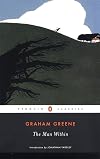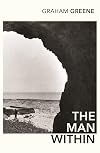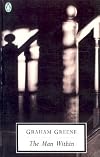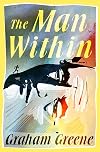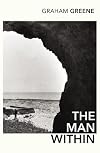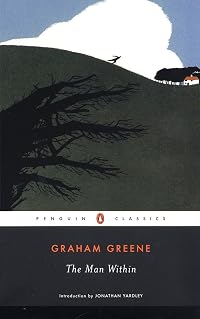
The Man Within
by Graham Greene 
On This Page
Description
Graham Greenes first published novel represented for the author one sentimental gesture towards his own past, the period of ambition and hope. It tells the story of Andrews, a young man who has betrayed his fellow smugglers and fears their vengeance. "The Man Within" offers a foretaste of Greenes recurring theme of religion and the individuals struggles against cynicism and the indifferent forces of a hostile world.Tags
Recommendations


























Member Reviews
Although Greene uses a third-person narrator, he might as well used first-person, as the protagonist, Francis Andrews, is self-aware of his cowardice and uses every opportunity to remind the reader and whoever he is conversing with (usually women with whom he is infatuated) of that fact. The result is a very claustrophobic novel as I resented being stuck in this character's head. While using the thriller genre to tell a very psychological-spiritual story of redemption and grace is a fascinating exercise, I think the character has to be less self-aware for it to work.
This is a book you have to stick with to like. The first 75 pages or so craw along . . . crawl. It is Greene's first published novel, and he doesn't have the same pacing or voice here as in his later, more famous books. Once past that point, it got me like other Greene books.
It's an intensely, painfully autobiographical book, or seems so. The plot focuses tightly on its main character, Andrews, and his need to find himself worthy, to be good at something. He has fallen into his dead father's footsteps, as a smuggler, recruited by a man who is both his friend and his nemesis, Carlyon. As the story begins, he has betrayed Carlyon and his companions to the police ("gaugers" in the story). Carlyon escapes, although several of the smugglers show more are captured, and one of the gaugers is killed. Andrews is on the run, fearing that Carlyon will figure out that it was Andrews who betrayed them and will seek revenge.
All the while, the great constant in Andrews' personality is his self-doubt. He's never measured up, especially to his father, a legendary smuggler. It's his father, larger than life, smothering Andrews' self-confidence, that he is really aiming at in his betrayal.
In his flight, Andrews meets the second major figure in his trial of worthiness, Elizabeth, a young woman his own age, living in an iconic small country cottage. Andrews falls in love with Elizabeth, who in turn both inspires and tests Andrews.
It's the figure of Elizabeth that I found the most interesting in the story. She seems to be almost a non-person, a kind of ethereal ideal to whom Andrews must prove himself. She is a saint, more than he is a real person. In contrast to Andrews' almost unbearable self-doubt, she has the virtue of depthlessness. She has no self-doubt, seemingly not even the capacity for self-doubt, no doubts about what is the right thing to do, and no guile, either with herself or with others.
In the light of the importance of religion and faith in Greene's later novels, it is hard not to interpret Elizabeth as a perfection of religious faith -- again, more an idea than a real person in the story. The climax of the story will determine the fate of both Elizabeth and Andrews, but Elizabeth's fate has already been determined by her faith, a kind of peace that Andrews, for the first time in his life, finds possible in his experience of her.
As an aside, I think it's interesting to imagine the story told from Elizabeth's own perspective (like Hamlet retold in Rosencrantz and Guildenstern are Dead). Andrews may pass the trial, but what about her? As it stands, she has a kind of "function" in the story, but recasting her as a full personality, that function may only be the surface appearance of a deeper life, resulting from her own struggle. It's an interesting thought experiment. show less
It's an intensely, painfully autobiographical book, or seems so. The plot focuses tightly on its main character, Andrews, and his need to find himself worthy, to be good at something. He has fallen into his dead father's footsteps, as a smuggler, recruited by a man who is both his friend and his nemesis, Carlyon. As the story begins, he has betrayed Carlyon and his companions to the police ("gaugers" in the story). Carlyon escapes, although several of the smugglers show more are captured, and one of the gaugers is killed. Andrews is on the run, fearing that Carlyon will figure out that it was Andrews who betrayed them and will seek revenge.
All the while, the great constant in Andrews' personality is his self-doubt. He's never measured up, especially to his father, a legendary smuggler. It's his father, larger than life, smothering Andrews' self-confidence, that he is really aiming at in his betrayal.
In his flight, Andrews meets the second major figure in his trial of worthiness, Elizabeth, a young woman his own age, living in an iconic small country cottage. Andrews falls in love with Elizabeth, who in turn both inspires and tests Andrews.
It's the figure of Elizabeth that I found the most interesting in the story. She seems to be almost a non-person, a kind of ethereal ideal to whom Andrews must prove himself. She is a saint, more than he is a real person. In contrast to Andrews' almost unbearable self-doubt, she has the virtue of depthlessness. She has no self-doubt, seemingly not even the capacity for self-doubt, no doubts about what is the right thing to do, and no guile, either with herself or with others.
In the light of the importance of religion and faith in Greene's later novels, it is hard not to interpret Elizabeth as a perfection of religious faith -- again, more an idea than a real person in the story. The climax of the story will determine the fate of both Elizabeth and Andrews, but Elizabeth's fate has already been determined by her faith, a kind of peace that Andrews, for the first time in his life, finds possible in his experience of her.
As an aside, I think it's interesting to imagine the story told from Elizabeth's own perspective (like Hamlet retold in Rosencrantz and Guildenstern are Dead). Andrews may pass the trial, but what about her? As it stands, she has a kind of "function" in the story, but recasting her as a full personality, that function may only be the surface appearance of a deeper life, resulting from her own struggle. It's an interesting thought experiment. show less
I don't generally like reading depressing books. There's enough to be depressed about in the real world, books are an escape, therefore it's always nice when they're uplifting. But sometimes someone writes so incredibly well, that I'm willing to overlook that I know things will not end up pleasant in the end, and continue reading all their work regardless. Someone like Greene.
The blackberry twigs plucked at him and tried to hold him with small endearments, twisted small thorns into his clothes with a restraint like a caress, as though they were the fingers of a harlot in a crowded bar. He took no notice and plunged on. The fingers grew angry, slashed at his face with sharp, pointed nails.
The story opens on a man fearfully running from show more something, we know not what; as the story goes on we learn about him, what he is trying to escape - outside and in, and watch him battle with himself. Greene's language, the similes and phrasing... it's all so incredibly vivid, even while many of them are not things I'd ever have naturally thought of myself, they just work.
Over a toppling pile of green vegetables two old women were twittering. They pecked at their words like sparrows for crumbs.
Easily recommended, especially for those already familiar with Greene. show less
The blackberry twigs plucked at him and tried to hold him with small endearments, twisted small thorns into his clothes with a restraint like a caress, as though they were the fingers of a harlot in a crowded bar. He took no notice and plunged on. The fingers grew angry, slashed at his face with sharp, pointed nails.
The story opens on a man fearfully running from show more something, we know not what; as the story goes on we learn about him, what he is trying to escape - outside and in, and watch him battle with himself. Greene's language, the similes and phrasing... it's all so incredibly vivid, even while many of them are not things I'd ever have naturally thought of myself, they just work.
Over a toppling pile of green vegetables two old women were twittering. They pecked at their words like sparrows for crumbs.
Easily recommended, especially for those already familiar with Greene. show less
This 1929 first novel by Grahame Greene is truly dreadful. His much later covering note to it offers an apologetic tone for its republication as his first (rejected) novel, issued because of his later fame. He started it when he was only 22 and, to his credit, he does not try to cover up his crimes.
It is a melodramatic historical romance sent in the world of (we presume) early nineteenth century organised crime on the Sussex Downs and the characterisation of its weak and unattractive hero and its 'saintly' but unreal heroine could not be more unrealistic.
To be fair, his other characters are all finely drawn and real enough including a rather modern sexual approach to the randy little minx who seduces our hero in Lewes,. This really does show more not make up for the bulk of the book which is mostly rather boring.
The trouble appears to be that the young Greene seems to have been desperate to prove himself to be literary with interminable internal rumination (only weakly dealing with psychological conflict) , constant use of metaphor and simile and a determination to describe every sunset and sunrise.
And so we dragged ourselves through Part One. Part Two livened things up and showed that Greene could write action scenes and dialogue even at this early stage. Hope revived only to be dashed in Part Three with some bursts of excellent writing mixed in with the turgidity of the first part.
It seemed that Greene was already best at telling a story that had more than one character and at his worst in trying to deal with two unreal romantic leads. But when he is good, of course, he is very good and shows a gift for the 'cinematic', his later hallmark, rather than the descriptive.
This is one only for Greene completists so count yourself warned. However, even here, talent will out. You know what he is struggling for - expression of the complexity of human motivation and that old old problem of not knowing other minds or one's own completely.
There is even a sort of precursor to 'Brighton Rock' in this somewhere. The romantic melodrama acts a thick syrup laid over a more sincere underlying interest in good, evil and redemption. There is the inkling of an interesting mind here but one still learning its art. show less
It is a melodramatic historical romance sent in the world of (we presume) early nineteenth century organised crime on the Sussex Downs and the characterisation of its weak and unattractive hero and its 'saintly' but unreal heroine could not be more unrealistic.
To be fair, his other characters are all finely drawn and real enough including a rather modern sexual approach to the randy little minx who seduces our hero in Lewes,. This really does show more not make up for the bulk of the book which is mostly rather boring.
The trouble appears to be that the young Greene seems to have been desperate to prove himself to be literary with interminable internal rumination (only weakly dealing with psychological conflict) , constant use of metaphor and simile and a determination to describe every sunset and sunrise.
And so we dragged ourselves through Part One. Part Two livened things up and showed that Greene could write action scenes and dialogue even at this early stage. Hope revived only to be dashed in Part Three with some bursts of excellent writing mixed in with the turgidity of the first part.
It seemed that Greene was already best at telling a story that had more than one character and at his worst in trying to deal with two unreal romantic leads. But when he is good, of course, he is very good and shows a gift for the 'cinematic', his later hallmark, rather than the descriptive.
This is one only for Greene completists so count yourself warned. However, even here, talent will out. You know what he is struggling for - expression of the complexity of human motivation and that old old problem of not knowing other minds or one's own completely.
There is even a sort of precursor to 'Brighton Rock' in this somewhere. The romantic melodrama acts a thick syrup laid over a more sincere underlying interest in good, evil and redemption. There is the inkling of an interesting mind here but one still learning its art. show less
A complicated and difficult read and not as entertaining as some of his other books I have read. The narrative follows the anguish of Andrews as he tries to part company with a group of smugglers led by his former friend & father figure, Carlyon. After he tipped off the police about a smuggling delivery in which a police officer was killed, Andrews is on the run from his former colleagues.
During his flight to safety, he seeks shelter with a lovely, lonely woman named Elizabeth. She convinces him to testify against Carlyon and then return to marry her. However, he becomes too frighten to return to her and spends the night with a harlot and then makes the decision to rejoin Elizabeth too late to save the dreams they had..
During his flight to safety, he seeks shelter with a lovely, lonely woman named Elizabeth. She convinces him to testify against Carlyon and then return to marry her. However, he becomes too frighten to return to her and spends the night with a harlot and then makes the decision to rejoin Elizabeth too late to save the dreams they had..
Summary: Francis Andrews flight from smugglers he betrayed endangers a girl with whom he takes refuge.
This is Graham Greene’s first published novel. The main character is Francis Andrews, son of an abusive smuggler. When his father died, Carlyon, his second, took him under his wing in the smuggling business. But he never fits in, no more than he did with his father. Consequently, he writes a letter to customs officers, tipping them off to the smugglers’ whereabouts.. When the customs officers show up, Andrews escapes during the fight that ensues, leaving a customs officer dead.
A group of the men are taken into custody and face murder charges. But Carlyon escapes and is hunting Andrews, his former friend. During a foggy night, show more Andrews flees across the downs, knowing that if Carlyon finds him, Carlyon will kill him. Desperate, he seeks shelter in a cottage whose only inhabitant is a young woman, Elizabeth. Actually, when he arrives, he finds himself face to face with a corpse, a man who had been Elizabeth’s guardian after her own father died.
Elizabeth shelters him, passing him off as her brother to a nosy cleaning woman. When Andrews tries to leave, he nearly encounters Carlyon on the road and retreats to the cottage. Elizabeth hides him and Carlyon leaves. A bond forms between them. She doesn’t want to be alone. But she also senses the turmoil Andrews struggles with in what seems a cowardly betrayal. She urges him to go to the assizes where the men will be tried, to give his testimony. He does, although he makes a hash of it. Not only is his testimony compromised by the cleaning woman, who identifies him as staying with Elizabeth, who she calls “a loose woman.” He sleeps with another woman, who was a kind of bribe for his testimony. The smugglers are acquitted and Andrews is the object of opprobrium.
Elizabeth is also in jeopardy. Carlyon is on the loose as are the other men. They know she hid Andrews. And this exposes the central thread of the whole story. Andrews struggles with seeing himself as a coward, a legacy of his father’s abuse. He saw betraying the smugglers as a way to strike back, yet betrayal feels the ultimate cowardly act. Now, will he save his own skin, confirming what “the man within” has been saying? Or will he attempt to save Elizabeth? She acted in courage in her love for him. Will he? And what risks and consequences could this mean for them both.
In a sense, Greene offers us two people dealing with a person within, the voices of the dead they are seeking to live free of. Each is bereft when they meet the other, alone in the world. Each faces the question of “is love worth the risk?” In this first published work, Greene gives us characters we come to care for and explores large questions such as the line between cowardice and courage and the risks of love. show less
This is Graham Greene’s first published novel. The main character is Francis Andrews, son of an abusive smuggler. When his father died, Carlyon, his second, took him under his wing in the smuggling business. But he never fits in, no more than he did with his father. Consequently, he writes a letter to customs officers, tipping them off to the smugglers’ whereabouts.. When the customs officers show up, Andrews escapes during the fight that ensues, leaving a customs officer dead.
A group of the men are taken into custody and face murder charges. But Carlyon escapes and is hunting Andrews, his former friend. During a foggy night, show more Andrews flees across the downs, knowing that if Carlyon finds him, Carlyon will kill him. Desperate, he seeks shelter in a cottage whose only inhabitant is a young woman, Elizabeth. Actually, when he arrives, he finds himself face to face with a corpse, a man who had been Elizabeth’s guardian after her own father died.
Elizabeth shelters him, passing him off as her brother to a nosy cleaning woman. When Andrews tries to leave, he nearly encounters Carlyon on the road and retreats to the cottage. Elizabeth hides him and Carlyon leaves. A bond forms between them. She doesn’t want to be alone. But she also senses the turmoil Andrews struggles with in what seems a cowardly betrayal. She urges him to go to the assizes where the men will be tried, to give his testimony. He does, although he makes a hash of it. Not only is his testimony compromised by the cleaning woman, who identifies him as staying with Elizabeth, who she calls “a loose woman.” He sleeps with another woman, who was a kind of bribe for his testimony. The smugglers are acquitted and Andrews is the object of opprobrium.
Elizabeth is also in jeopardy. Carlyon is on the loose as are the other men. They know she hid Andrews. And this exposes the central thread of the whole story. Andrews struggles with seeing himself as a coward, a legacy of his father’s abuse. He saw betraying the smugglers as a way to strike back, yet betrayal feels the ultimate cowardly act. Now, will he save his own skin, confirming what “the man within” has been saying? Or will he attempt to save Elizabeth? She acted in courage in her love for him. Will he? And what risks and consequences could this mean for them both.
In a sense, Greene offers us two people dealing with a person within, the voices of the dead they are seeking to live free of. Each is bereft when they meet the other, alone in the world. Each faces the question of “is love worth the risk?” In this first published work, Greene gives us characters we come to care for and explores large questions such as the line between cowardice and courage and the risks of love. show less
The Man Within is Graham Greene's first published book and it contains the genius of his ability to probe the human spirit and to challenge the Devine.
Francis Andrews is a pliant introspective who sees himself as divided by a cowardly, lustful, brutal self and a "critic" self who is virtuous and reasonable but rarely able to overpower the other. Only when he finds Elizabeth who seems to him saintly because of her devotion to God and her belief in the afterlife does he begin to deal with his own inner demons.
This is a powerfully written novel and like others by Greene it leaves one haunted by characters made real and clinging to one long after the book has been closed.
Francis Andrews is a pliant introspective who sees himself as divided by a cowardly, lustful, brutal self and a "critic" self who is virtuous and reasonable but rarely able to overpower the other. Only when he finds Elizabeth who seems to him saintly because of her devotion to God and her belief in the afterlife does he begin to deal with his own inner demons.
This is a powerfully written novel and like others by Greene it leaves one haunted by characters made real and clinging to one long after the book has been closed.
Members
- Recently Added By
Author Information

356+ Works 87,436 Members
Born in 1904, Graham Greene was the son of a headmaster and the fourth of six children. Preferring to stay home and read rather than endure the teasing at school that was a by-product of his father's occupation, Greene attempted suicide several times and eventually dropped out of school at the age of 15. His parents sent him to an analyst in show more London who recommended he try writing as therapy. He completed his first novel by the time he graduated from college in 1925. Greene wrote both entertainments and serious novels. Catholicism was a recurring theme in his work, notable examples being The Power and the Glory (1940) and The End of the Affair (1951). Popular suspense novels include: The Heart of the Matter, Our Man in Havana and The Quiet American. Greene was also a world traveler and he used his experiences as the basis for many books. One popular example, Journey Without Maps (1936), was based on a trip through the jungles of Liberia. Greene also wrote and adapted screenplays, including that of the 1949 film, The Third Man, which starred Orson Welles. He died in Vevey, Switzerland in 1991. (Bowker Author Biography) show less
Graham Greene has a Legacy Library. Legacy libraries are the personal libraries of famous readers, entered by LibraryThing members from the Legacy Libraries group.
Some Editions
Series
Belongs to Publisher Series
Common Knowledge
- Canonical title*
- Faren, vennen og kvinnen
- Original title
- The Man Within
- Original publication date
- 1929
- Related movies
- The Man Within (1947 | IMDb)
- First words
- He came over the top of the down as the last light failed and could almost have cried with relief at sight of the wood below.
- Last words
- (Click to show. Warning: May contain spoilers.)Slowly his hand stole out unnoticed on an errand of supreme importance, for between the two candles there was a white set face that regarded him without pity and without disapproval, with wisdom and with sanity.
- Original language
- English
*Some information comes from Common Knowledge in other languages. Click "Edit" for more information.
Classifications
Statistics
- Members
- 678
- Popularity
- 42,262
- Reviews
- 17
- Rating
- (3.40)
- Languages
- 11 — Danish, Dutch, English, Estonian, French, German, Hungarian, Norwegian, Portuguese, Spanish, Swedish
- Media
- Paper, Audiobook, Ebook
- ISBNs
- 35
- ASINs
- 24