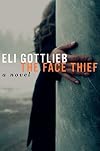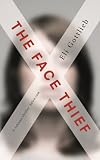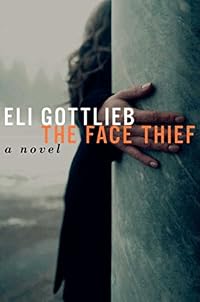
The Face Thief
by Eli Gottlieb
On This Page
Description
Officer Dan France investigates who pushed the beautiful Margot down the stairs and discovers a number of people with motives, including a potential lover and a defrauded newlywed.Tags
Recommendations




















Member Reviews
I usually run into trouble when I read a book in which I find that I dislike all of the characters. “The Face Thief” is one of those books…and yet at the end of the day, I did like this book.
I suppose I liked the WAY in which author Eli Gottlieb makes each of the main characters unlikable. Their egos and wildly over-inflated senses of self worth make this a satire of sorts, mocking many aspects & professions of our modern society.
“He began, as he was supposed to, with the local, or he supposed, Local. This he did by dwelling on the outlying suburban grid of houses, artfully screened one from the other through small trompe l’oeil wilderness settings, where lean, smart people were returning home from work in their low-pollution show more cars and sustainable light rail conveyances. Many of them wore clothes made of recycled plastic bottles and employed personal skin and hair-care products derived from low-carbon footprint processes. They drank shade-grown coffee and ate foods rich in monophytomers and glyconutrients. Progressive on all the important questions, they drove life toward a kinder, cleaner, more humanly scaled future. These were his people. He belonged among them. Somehow or another, he’d aligned the energies of his life to arrive at their golden summit in the pecking order of destiny. Had any citizens in history ever been more deliciously replete in their existence?”
As heavenly as that kind of existence sounds to me…I get the idea and the humor in the self-satisfied, pat oneself on the back way.
This book is peopled with characters who take action in direct opposition to who they consider themselves to be…yet directly in-line with their true natures. There is a husband, whose living depends on teaching others to read faces and to gain inner knowledge of other people who is clueless about his own character and about the women he comes into contact with…and is even more clueless about his marriage.
“The forty-eight hours since his wife left had been a trial. During the first day in particular, out of force of long-standing habit, he’d tried to call her several times, but her phone, maddeningly, rang on through, and it was suddenly borne in on him just how powerless a person is to make someone else love them when that other person either (a) doesn’t, or (b) is withholding that love for reasons of being white-hot pissed.”
There is a cop…who for some reason thinks that the woman criminal he meets…she is different, she can be saved, she can be redeemed.
The husband who is so pleased with his life and his new marriage that he risks and loses everything he has in order to make his life even better. Who prides himself on being so very smart and so talented…that when he makes his nearly fatal error, ends up depending on his mother to save him.
“Did the soul ever grow older? That nine year old boy was still looking out of his eyes. Life was deeper, more punishing, more deliciously fraught than that child could ever have imagined, and filled with redemptions in the least likely of places. The towering wave of tears was about to fall, but there was still time for him to bury his face in the fragrant glen of his wife’s neck, and mutter the words, “Thank you,” out loud. Even better, in the quiet space of the chapel, in the moment before the rest of his life began, there was still time to mean them.”
I just noticed that as I described these dislikable characters…the one I didn’t describe was the true villain of the book. I didn’t like her either…but she at least seemed to accept her nature. She was honest in her dishonesty. The others…just seemed to be honest when it either suited them…or when their actions reached a breaking point and there were honestly unhappy about being found out. show less
I suppose I liked the WAY in which author Eli Gottlieb makes each of the main characters unlikable. Their egos and wildly over-inflated senses of self worth make this a satire of sorts, mocking many aspects & professions of our modern society.
“He began, as he was supposed to, with the local, or he supposed, Local. This he did by dwelling on the outlying suburban grid of houses, artfully screened one from the other through small trompe l’oeil wilderness settings, where lean, smart people were returning home from work in their low-pollution show more cars and sustainable light rail conveyances. Many of them wore clothes made of recycled plastic bottles and employed personal skin and hair-care products derived from low-carbon footprint processes. They drank shade-grown coffee and ate foods rich in monophytomers and glyconutrients. Progressive on all the important questions, they drove life toward a kinder, cleaner, more humanly scaled future. These were his people. He belonged among them. Somehow or another, he’d aligned the energies of his life to arrive at their golden summit in the pecking order of destiny. Had any citizens in history ever been more deliciously replete in their existence?”
As heavenly as that kind of existence sounds to me…I get the idea and the humor in the self-satisfied, pat oneself on the back way.
This book is peopled with characters who take action in direct opposition to who they consider themselves to be…yet directly in-line with their true natures. There is a husband, whose living depends on teaching others to read faces and to gain inner knowledge of other people who is clueless about his own character and about the women he comes into contact with…and is even more clueless about his marriage.
“The forty-eight hours since his wife left had been a trial. During the first day in particular, out of force of long-standing habit, he’d tried to call her several times, but her phone, maddeningly, rang on through, and it was suddenly borne in on him just how powerless a person is to make someone else love them when that other person either (a) doesn’t, or (b) is withholding that love for reasons of being white-hot pissed.”
There is a cop…who for some reason thinks that the woman criminal he meets…she is different, she can be saved, she can be redeemed.
The husband who is so pleased with his life and his new marriage that he risks and loses everything he has in order to make his life even better. Who prides himself on being so very smart and so talented…that when he makes his nearly fatal error, ends up depending on his mother to save him.
“Did the soul ever grow older? That nine year old boy was still looking out of his eyes. Life was deeper, more punishing, more deliciously fraught than that child could ever have imagined, and filled with redemptions in the least likely of places. The towering wave of tears was about to fall, but there was still time for him to bury his face in the fragrant glen of his wife’s neck, and mutter the words, “Thank you,” out loud. Even better, in the quiet space of the chapel, in the moment before the rest of his life began, there was still time to mean them.”
I just noticed that as I described these dislikable characters…the one I didn’t describe was the true villain of the book. I didn’t like her either…but she at least seemed to accept her nature. She was honest in her dishonesty. The others…just seemed to be honest when it either suited them…or when their actions reached a breaking point and there were honestly unhappy about being found out. show less
It had been four years since I last read a book by Eli Gottlieb. I was very impressed with his 2009 psychological thriller, “Now You See Him,” and gave that book an enthusiastic five-star review. When I recently saw a review for his latest novel, “The Face Thief,” in a major national newspaper, I quickly bought it and uploaded it to my Kindle. I finished it in less than twenty-four hours. I’d expected a compelling novel and it did not disappoint… at least, on that account. Overall, I was pleased with the reading experience, but I was not overly impressed. Was it the book or am I becoming more discerning as a reader and reviewer? I think it is a little bit of both.
The plot of this book is fairly straightforward for a show more psychological thriller. It concerns three main characters: Margot, a glamorous, amoral, and possibly psychopathic con artist, and two men she is attempting to swindle, Lawrence and John. Lawrence is a psychologist who has made a commercial success out of training people in face-reading skills. John is a wealthy recently married businessman. Both men live on opposite ends of the U. S., but that doesn’t stop Margot from working both of these men, through entirely different kinds of confidence tricks, at the same time, in different locations.
The chapters alternate between these three main characters. With growing fascination, we see what is happening from three separate viewpoints. The chronology moves forwards and backwards in time; Gottlieb uses this effectively to add tension and he deftly makes sure the reader is never confused by the transitions. The major twist that becomes clear early in the book is that one of the two men has managed to push Margot down a large flight of stairs landing her in the hospital and causing extensive temporary brain damage…in fact, she can’t remember much of anything about who she was or what she was doing before the fall. It takes almost the whole book to put the pieces together and by them we’ve had a pretty good time finding out.
There is a seductive disconnected strangeness over the entire work, a noir fog; it’s very effective, and perhaps designed to echo Margot’s foggy thinking after her brain trauma. In any effect, it adds to the psychological edginess and darkness of this work. These are three unlikeable main characters. Readers will not be tempted to root for any one of them. Readers just want to find out what has already happened, and when the present catches up in the time sequence toward the end, we need to know how it will all work out.
This is a very good book. I’m rating it four stars because, despite all the literary attention Gottlieb paid to fleshing out his three main characters, I never fully believed any of them. For me they were stereotypical bad guys. I know Gottlieb can do better. I’m not quite sure why these three characters never felt fully real to me. Perhaps their reality was sacrificed to create the moody noir fog that makes the whole work so darkly and very attractively atmospheric. show less
The plot of this book is fairly straightforward for a show more psychological thriller. It concerns three main characters: Margot, a glamorous, amoral, and possibly psychopathic con artist, and two men she is attempting to swindle, Lawrence and John. Lawrence is a psychologist who has made a commercial success out of training people in face-reading skills. John is a wealthy recently married businessman. Both men live on opposite ends of the U. S., but that doesn’t stop Margot from working both of these men, through entirely different kinds of confidence tricks, at the same time, in different locations.
The chapters alternate between these three main characters. With growing fascination, we see what is happening from three separate viewpoints. The chronology moves forwards and backwards in time; Gottlieb uses this effectively to add tension and he deftly makes sure the reader is never confused by the transitions. The major twist that becomes clear early in the book is that one of the two men has managed to push Margot down a large flight of stairs landing her in the hospital and causing extensive temporary brain damage…in fact, she can’t remember much of anything about who she was or what she was doing before the fall. It takes almost the whole book to put the pieces together and by them we’ve had a pretty good time finding out.
There is a seductive disconnected strangeness over the entire work, a noir fog; it’s very effective, and perhaps designed to echo Margot’s foggy thinking after her brain trauma. In any effect, it adds to the psychological edginess and darkness of this work. These are three unlikeable main characters. Readers will not be tempted to root for any one of them. Readers just want to find out what has already happened, and when the present catches up in the time sequence toward the end, we need to know how it will all work out.
This is a very good book. I’m rating it four stars because, despite all the literary attention Gottlieb paid to fleshing out his three main characters, I never fully believed any of them. For me they were stereotypical bad guys. I know Gottlieb can do better. I’m not quite sure why these three characters never felt fully real to me. Perhaps their reality was sacrificed to create the moody noir fog that makes the whole work so darkly and very attractively atmospheric. show less
The novel starts with a woman falling down the stairs. We don't know if she has been pushed but we quickly discover that there are two men who could have done it.
Josh Potash invested his savings, only to discover it was a scam, so he tries to find the woman and try and get his money back.
Lawrence Billings is a "face reader" who has written books and gives seminars. Margot asks for personal lessons and becomes a prize student.
A cop questions Margot as her memory slowly returns. He knows what she is but thinks he can change her.
The story moves between the three characters. None are really likeable but they are very human. You may not like the ending but I found it fitting with the rest of the story. I would recommend this to anyone who show more can enjoy a book off the beaten path. show less
Josh Potash invested his savings, only to discover it was a scam, so he tries to find the woman and try and get his money back.
Lawrence Billings is a "face reader" who has written books and gives seminars. Margot asks for personal lessons and becomes a prize student.
A cop questions Margot as her memory slowly returns. He knows what she is but thinks he can change her.
The story moves between the three characters. None are really likeable but they are very human. You may not like the ending but I found it fitting with the rest of the story. I would recommend this to anyone who show more can enjoy a book off the beaten path. show less
Gottlieb, Eli (2012). The Face Thief. New York: HarperCollins. 2012.
ISBN 9780061735059. Pagine 256. 11,33 €
Avrei voluto iniziare la mia recensione levando il calice alla nascita di un’altra indimenticabile dark lady, come non ne incontravo da tempo. Ma poi una mia giovane amica, dotata di antica saggezza e cultrice della materia, mi ha domandato: “Dark lady, o gatta morta?” E, davanti alla mia espressione sconcertata, ha subito chiarito: “Dark lady è Barbara Stanwick in La fiamma del peccato, gatta morta è Anee Baxter in Eva contro Eva.”
Giusto per capire meglio le differenze, ecco la dark lady (La fiamma del peccato l’ho recensita qui: vi voglio anche segnalare che su YouTube è disponibile qui per intero, naturalmente show more nella versione originale):
PHYLLIS (Standing up again) Mr. Neff, why don’t you drop by tomorrow evening about eight-thirty. He’ll be in then.
NEFF Who?
PHYLLIS My husband. You were anxious to talk to him weren’t you?
NEFF Sure, only I’m getting over it a little. If you know what I mean.
PHYLLIS There’s a speed limit in this state, Mr. Neff. Forty-five miles an hour.
NEFF How fast was I going, officer?
PHYLLIS I’d say about ninety.
NEFF Suppose you get down off your motorcycle and give me a ticket.
PHYLLIS Suppose I let you off with a warning this time.
NEFF Suppose it doesn’t take.
PHYLLIS Suppose I have to whack you over the knuckles.
NEFF Suppose I bust out crying and put my head on your shoulder.
PHYLLIS Suppose you try putting it on my husband’s shoulder.
NEFF That tears it.
Neff takes his hat and briefcase.
NEFF Eight-thirty tomorrow evening then, Mrs. Dietrichson.
PHYLLIS That’s what I suggested.
They both move toward the archway.
NEFF Will you be here, too?
PHYLLIS I guess so. I usually am.
NEFF Same chair, same perfume, same anklet?
PHYLLIS (Opening the door) I wonder if I know what you mean.
NEFF I wonder if you wonder.
He walks out.
Anche la protagonista del romanzo di Gottlieb, Margot Lassiter, ha questa grande capacità dialettica, di contrastare e battere l’antagonista maschile sul suo stesso terreno e al suo stesso gioco (Margot, professionista dell’inganno, si fa beffe di un professionista della lettura e del disvelamento dell’inganno, Lawrence Billings, autore di un manuale di successo intitolato The Physique of Finance: The Art of Face Reading and Body Language for Professional Advantage), di fare del predatore la sua preda.
La gatta morta, invece, agisce diversamente. Si finge umile, indifesa, cedevole, ma alla fine micidiale. La gatta morta ottiene ciò che vuole. Chiara Moscardelli, che ci ha scritto un libro (che io però non ho letto: Volevo essere una gatta morta) la descrive così:
La gatta morta è una categoria poco conosciuta, nascosta, silenziosa ma micidiale.
Ha pochi pensieri, chiari, semplici. Nessuna dietrologia, nessuna complicazione. Ha una vita serena perché ha un unico scopo: il matrimonio.
A diciotto anni ha le idee chiare su tutto ed è in grado di realizzare una cena completa per otto persone con sedici portate. Voi non ne siete capaci? Imparate alla svelta.
A venti ha deciso quale sarà l’uomo che sposerà. Magari non è un uomo in carne e ossa ma è comunque la categoria a cui appartiene che inizia a prendere di mira: l’avvocato, l’architetto, il notaio, il dottore. Le qualifiche sono importanti.
[...]
Io le ho studiate a fondo e me ne sono fatta un’idea ben precisa. Le gatte morte sono geniali.
Dietro la loro apparente passività si nasconde una forza, un’aggressività senza pari. Sono burattinaie che muovono i fili di marionette inconsapevoli. Non c’è niente da fare. Contro di loro non esistono armi. Ve lo dico con tutto il cuore, arrendetevi! Perché gatta morta si nasce, non si diventa.
L’idealtipo della gatta morta è la Eva Harrington di Eva contro Eva, che fingendo una smisurata ammirazione per l’attrice Margo Channing (Bette Davis) si intrufola nella sua vita e le porta via la parte, il successo, il critico teatrale di riferimento (di cui diviene amante) e (poco ci manca) il fidanzato. Qui di seguito la scena memorabile in cui la nostra santarellina racconta a ciglio asciutto come abbia perso il marito in guerra e come la sua fervida adorazione l’abbia portata a seguire per anni la diva ad ogni suo spettacolo. Non c’è bisogno di capire l’inglese: guardate gli occhi e le posture.
Per completare il quadro delle tassonomie ci sarebbe anche la femme fatale, affine alla dark lady, ma a differenza di questa fatale, appunto, ma non necessariamente malvagia. Non necessariamente, cioè, infligge il male volontariamente, per conseguire un obiettivo o per desiderio di annientamento dell’altro. Anche qui, nella mia mente, c’è un idealtipo, ed è la Lola Lola (Marlene Dietrich) dell’Angelo Azzurro di Sternberg (qui in edizione integrale).
Un altro vocabolo che ha continuato a frullarmi per la testa durante la lettura del romanzo di Gottlieb è stato predatrice. E questo aspetto è quello che alla fine mi fa pensare che Margot Lassiter è soprattutto una dark lady. Margot persegue i suoi obiettivi e distrugge le sue vittime (perché in una certa misura potrebbe conseguire i suoi obiettivi anche senza annientare la vittima – come nel caso di John Potash – oppure indulge nella distruzione della vita di Lawrence Billings anche senza grande tornaconto economico) e lo fa reificandole, trattandole come oggetti, utilizzando la prevedibilità del corteggiamento maschile come arma contro i corteggiatori stessi, come accade per il principio dell’attacco-difesa proprio dello judo:
Yawara significa adeguarsi alla forza avversaria al fine di ottenere il pieno controllo. Esempio: se vengo assalito da un avversario che mi spinge con una certa forza, non devo contrastarlo, ma in un primo momento debbo adeguarmi alla sua azione e, avvalendomi proprio della sua forza, attirarlo a me facendogli piegare il corpo in avanti [...] La teoria vale per ogni direzione in cui l’avversario eserciti forza. [Jigorō Kanō, (2005). Fondamenti del Judo. "Cos'è il Kodokan Judo": pp. 23-24. Citato in Wikipedia]
Per scrivere di dark ladies è necessaria una buona dose di misoginia, perché la rappresentazione della dark lady (e delle sue varianti richiamate in precedenza) si pone all’estremo opposto della scala di idealizzazione della donna che vede all’estremo opposto la donna angelicata di Dante e l’eterno femminino di Goethe, ma anche di fascinazione. È necessario anche quel distacco dialettico che permette di comprendere che il comportamento che ci inorridisce in queste eroine femminili al negativo è la pratica quotidiana e la moneta corrente del comportamento maschile nei confronti delle donne, e non sarebbe nemmeno pensabile senza la premessa dell’atteggiamento maschile (ancora una volta il punto di vista dello judo).
Resta da dire che il romanzo, senza essere un capolavoro, è anche ben scritto e ben costruito: ben costruito, perché 4 storie e 4 piani temporali sono alternati e ricostruiti in flashback (in 3 casi su 4, per la verità) a partire dal rovinoso ruzzolone iniziale, mantenendo sempre vivissima l’attenzione (e la voglia di andare avanti) del lettore. Ben scritto, perché è evidente il divertimento dello scrittore nello sfottere un certo mondo (quello dei pomposi manuali per top manager, ad esempio) e nel mantenere la distanza dai suoi personaggi e dalla sua materia.
Di seguito, qualche piccolo esempio del suo stile e qualche curiosità (senza rovinare nulla del thriller):
Her nails were ridgeless and attested to a diet rich in vitamin B and iron, but the moons, he noticed, were invisible: pituitary problems? [616]
The science of touch is called haptics. [1297]
And it was at that moment, for the very first time, that Lawrence Billings felt old. He’d felt mature before; he’d felt accomplished; he’d felt at midcareer, midpoint, midlife before. But at the moment, beached on the sound of that word dear, he simply felt dusty. [1675]
Sex and curiosity occupied the same part of the brain. [2988] show less
ISBN 9780061735059. Pagine 256. 11,33 €
Avrei voluto iniziare la mia recensione levando il calice alla nascita di un’altra indimenticabile dark lady, come non ne incontravo da tempo. Ma poi una mia giovane amica, dotata di antica saggezza e cultrice della materia, mi ha domandato: “Dark lady, o gatta morta?” E, davanti alla mia espressione sconcertata, ha subito chiarito: “Dark lady è Barbara Stanwick in La fiamma del peccato, gatta morta è Anee Baxter in Eva contro Eva.”
Giusto per capire meglio le differenze, ecco la dark lady (La fiamma del peccato l’ho recensita qui: vi voglio anche segnalare che su YouTube è disponibile qui per intero, naturalmente show more nella versione originale):
PHYLLIS (Standing up again) Mr. Neff, why don’t you drop by tomorrow evening about eight-thirty. He’ll be in then.
NEFF Who?
PHYLLIS My husband. You were anxious to talk to him weren’t you?
NEFF Sure, only I’m getting over it a little. If you know what I mean.
PHYLLIS There’s a speed limit in this state, Mr. Neff. Forty-five miles an hour.
NEFF How fast was I going, officer?
PHYLLIS I’d say about ninety.
NEFF Suppose you get down off your motorcycle and give me a ticket.
PHYLLIS Suppose I let you off with a warning this time.
NEFF Suppose it doesn’t take.
PHYLLIS Suppose I have to whack you over the knuckles.
NEFF Suppose I bust out crying and put my head on your shoulder.
PHYLLIS Suppose you try putting it on my husband’s shoulder.
NEFF That tears it.
Neff takes his hat and briefcase.
NEFF Eight-thirty tomorrow evening then, Mrs. Dietrichson.
PHYLLIS That’s what I suggested.
They both move toward the archway.
NEFF Will you be here, too?
PHYLLIS I guess so. I usually am.
NEFF Same chair, same perfume, same anklet?
PHYLLIS (Opening the door) I wonder if I know what you mean.
NEFF I wonder if you wonder.
He walks out.
Anche la protagonista del romanzo di Gottlieb, Margot Lassiter, ha questa grande capacità dialettica, di contrastare e battere l’antagonista maschile sul suo stesso terreno e al suo stesso gioco (Margot, professionista dell’inganno, si fa beffe di un professionista della lettura e del disvelamento dell’inganno, Lawrence Billings, autore di un manuale di successo intitolato The Physique of Finance: The Art of Face Reading and Body Language for Professional Advantage), di fare del predatore la sua preda.
La gatta morta, invece, agisce diversamente. Si finge umile, indifesa, cedevole, ma alla fine micidiale. La gatta morta ottiene ciò che vuole. Chiara Moscardelli, che ci ha scritto un libro (che io però non ho letto: Volevo essere una gatta morta) la descrive così:
La gatta morta è una categoria poco conosciuta, nascosta, silenziosa ma micidiale.
Ha pochi pensieri, chiari, semplici. Nessuna dietrologia, nessuna complicazione. Ha una vita serena perché ha un unico scopo: il matrimonio.
A diciotto anni ha le idee chiare su tutto ed è in grado di realizzare una cena completa per otto persone con sedici portate. Voi non ne siete capaci? Imparate alla svelta.
A venti ha deciso quale sarà l’uomo che sposerà. Magari non è un uomo in carne e ossa ma è comunque la categoria a cui appartiene che inizia a prendere di mira: l’avvocato, l’architetto, il notaio, il dottore. Le qualifiche sono importanti.
[...]
Io le ho studiate a fondo e me ne sono fatta un’idea ben precisa. Le gatte morte sono geniali.
Dietro la loro apparente passività si nasconde una forza, un’aggressività senza pari. Sono burattinaie che muovono i fili di marionette inconsapevoli. Non c’è niente da fare. Contro di loro non esistono armi. Ve lo dico con tutto il cuore, arrendetevi! Perché gatta morta si nasce, non si diventa.
L’idealtipo della gatta morta è la Eva Harrington di Eva contro Eva, che fingendo una smisurata ammirazione per l’attrice Margo Channing (Bette Davis) si intrufola nella sua vita e le porta via la parte, il successo, il critico teatrale di riferimento (di cui diviene amante) e (poco ci manca) il fidanzato. Qui di seguito la scena memorabile in cui la nostra santarellina racconta a ciglio asciutto come abbia perso il marito in guerra e come la sua fervida adorazione l’abbia portata a seguire per anni la diva ad ogni suo spettacolo. Non c’è bisogno di capire l’inglese: guardate gli occhi e le posture.
Per completare il quadro delle tassonomie ci sarebbe anche la femme fatale, affine alla dark lady, ma a differenza di questa fatale, appunto, ma non necessariamente malvagia. Non necessariamente, cioè, infligge il male volontariamente, per conseguire un obiettivo o per desiderio di annientamento dell’altro. Anche qui, nella mia mente, c’è un idealtipo, ed è la Lola Lola (Marlene Dietrich) dell’Angelo Azzurro di Sternberg (qui in edizione integrale).
Un altro vocabolo che ha continuato a frullarmi per la testa durante la lettura del romanzo di Gottlieb è stato predatrice. E questo aspetto è quello che alla fine mi fa pensare che Margot Lassiter è soprattutto una dark lady. Margot persegue i suoi obiettivi e distrugge le sue vittime (perché in una certa misura potrebbe conseguire i suoi obiettivi anche senza annientare la vittima – come nel caso di John Potash – oppure indulge nella distruzione della vita di Lawrence Billings anche senza grande tornaconto economico) e lo fa reificandole, trattandole come oggetti, utilizzando la prevedibilità del corteggiamento maschile come arma contro i corteggiatori stessi, come accade per il principio dell’attacco-difesa proprio dello judo:
Yawara significa adeguarsi alla forza avversaria al fine di ottenere il pieno controllo. Esempio: se vengo assalito da un avversario che mi spinge con una certa forza, non devo contrastarlo, ma in un primo momento debbo adeguarmi alla sua azione e, avvalendomi proprio della sua forza, attirarlo a me facendogli piegare il corpo in avanti [...] La teoria vale per ogni direzione in cui l’avversario eserciti forza. [Jigorō Kanō, (2005). Fondamenti del Judo. "Cos'è il Kodokan Judo": pp. 23-24. Citato in Wikipedia]
Per scrivere di dark ladies è necessaria una buona dose di misoginia, perché la rappresentazione della dark lady (e delle sue varianti richiamate in precedenza) si pone all’estremo opposto della scala di idealizzazione della donna che vede all’estremo opposto la donna angelicata di Dante e l’eterno femminino di Goethe, ma anche di fascinazione. È necessario anche quel distacco dialettico che permette di comprendere che il comportamento che ci inorridisce in queste eroine femminili al negativo è la pratica quotidiana e la moneta corrente del comportamento maschile nei confronti delle donne, e non sarebbe nemmeno pensabile senza la premessa dell’atteggiamento maschile (ancora una volta il punto di vista dello judo).
Resta da dire che il romanzo, senza essere un capolavoro, è anche ben scritto e ben costruito: ben costruito, perché 4 storie e 4 piani temporali sono alternati e ricostruiti in flashback (in 3 casi su 4, per la verità) a partire dal rovinoso ruzzolone iniziale, mantenendo sempre vivissima l’attenzione (e la voglia di andare avanti) del lettore. Ben scritto, perché è evidente il divertimento dello scrittore nello sfottere un certo mondo (quello dei pomposi manuali per top manager, ad esempio) e nel mantenere la distanza dai suoi personaggi e dalla sua materia.
Di seguito, qualche piccolo esempio del suo stile e qualche curiosità (senza rovinare nulla del thriller):
Her nails were ridgeless and attested to a diet rich in vitamin B and iron, but the moons, he noticed, were invisible: pituitary problems? [616]
The science of touch is called haptics. [1297]
And it was at that moment, for the very first time, that Lawrence Billings felt old. He’d felt mature before; he’d felt accomplished; he’d felt at midcareer, midpoint, midlife before. But at the moment, beached on the sound of that word dear, he simply felt dusty. [1675]
Sex and curiosity occupied the same part of the brain. [2988] show less
The perfect criminal is one who can read the body language and facial features of their victim and that is just the premise for the latest book from Eli Gottlieb, The Face Thief.
The book revolves around the lives of three people involving a series of circumstances with a common thread. The more you know about a person, the better it enables you to gain the upper hand. If you can define someone simply by how they carry themselves and what their face tells you that their words don't can be very beneficial if you know how to read them.
Margot is a promising up and coming journalist who wants to gain the advantage in the business world in learning to read faces and define the subtle movements our body language portrays. She hopes it may give show more her the advantage she will need to climb the corporate ladder in the competitive world of journalism where being a female may be the disadvantage. So when she signs up to take a course designed by the expert in reading body languages and faces, she gets more than she ever thought she would.
Lawrence Billings has made a name for himself as a best selling author and successful business man now leading seminars discussing The Physique of Finance: The Art of Face Reading and Body Language for Professional Advantage. He always had unique gift of seeing things others missed and now it was paying off in a big way at fifty three and still married to Glynis even after his indiscretions. Life was perfect until Margot showed up in his class. Things were about to change and not in the way he would have expected.
John Potash has finally struck gold. When Janell Styles of Greenleaf Financial calls and offers him the best investment opportunity of a lifetime, one he's been waiting for his whole life, he takes a chance after his initial investments have returned better than expected returns. Now just when his personal life has finally settled down after a recent divorce, he plans to invest in their future in a very big way. However life isn't always what we expect despite how we may think we have it all figured out.
I received The Face Thief by Eli Gottlieb compliments of William Morrow, a division of Harper Collins for my honest review. This book really does have quite a few twists and turns and until about half way through I didn't realize what was happening with the three different story lines in the book, however now looking back I could see how it all played out. As a reader, keeping that in mind, it will make the book much more enjoyable knowing that when you begin and throughout the book, you will find the pattern that shows how they all interconnect without realizing it. I would rate this book a 4 out of 5 stars for that reason. It deals with preying upon peoples trust and weakness to make a fast buck no matter what the cost and having the best tools on hand can make it that much easier. show less
The book revolves around the lives of three people involving a series of circumstances with a common thread. The more you know about a person, the better it enables you to gain the upper hand. If you can define someone simply by how they carry themselves and what their face tells you that their words don't can be very beneficial if you know how to read them.
Margot is a promising up and coming journalist who wants to gain the advantage in the business world in learning to read faces and define the subtle movements our body language portrays. She hopes it may give show more her the advantage she will need to climb the corporate ladder in the competitive world of journalism where being a female may be the disadvantage. So when she signs up to take a course designed by the expert in reading body languages and faces, she gets more than she ever thought she would.
Lawrence Billings has made a name for himself as a best selling author and successful business man now leading seminars discussing The Physique of Finance: The Art of Face Reading and Body Language for Professional Advantage. He always had unique gift of seeing things others missed and now it was paying off in a big way at fifty three and still married to Glynis even after his indiscretions. Life was perfect until Margot showed up in his class. Things were about to change and not in the way he would have expected.
John Potash has finally struck gold. When Janell Styles of Greenleaf Financial calls and offers him the best investment opportunity of a lifetime, one he's been waiting for his whole life, he takes a chance after his initial investments have returned better than expected returns. Now just when his personal life has finally settled down after a recent divorce, he plans to invest in their future in a very big way. However life isn't always what we expect despite how we may think we have it all figured out.
I received The Face Thief by Eli Gottlieb compliments of William Morrow, a division of Harper Collins for my honest review. This book really does have quite a few twists and turns and until about half way through I didn't realize what was happening with the three different story lines in the book, however now looking back I could see how it all played out. As a reader, keeping that in mind, it will make the book much more enjoyable knowing that when you begin and throughout the book, you will find the pattern that shows how they all interconnect without realizing it. I would rate this book a 4 out of 5 stars for that reason. It deals with preying upon peoples trust and weakness to make a fast buck no matter what the cost and having the best tools on hand can make it that much easier. show less
jumping from one main character to the next while telling ONE story is difficult, but the author was able to do it. as a reader you try to put the puzzle pieces together and you will get it right, but the ending will still be unpredictable. very interesting story. and another proof that men are easy .....
An interesting if ultimately inconsequential read. It almost feels like the prequel you didn't quite need to a series that's otherwise mostly awesome. And I do hope to see Margot again - she's an interesting character. Unfortunately, there isn't a lot of development for anyone else and there's a distinct hollowness to the proceedings. It's well-paced but there's something missing. A level of investment that I never quite put down, even when I was at my most engaged.
More thoughts at RB: http://wp.me/pGVzJ-kw
(NOTE: an advance read thanks to the fine people at William Morrow & Harper)
More thoughts at RB: http://wp.me/pGVzJ-kw
(NOTE: an advance read thanks to the fine people at William Morrow & Harper)
Members
- Recently Added By
Author Information

6 Works 857 Members
Common Knowledge
- Canonical title
- The Face Thief
Classifications
Statistics
- Members
- 73
- Popularity
- 429,875
- Reviews
- 10
- Rating
- (3.31)
- Languages
- English
- Media
- Paper, Ebook
- ISBNs
- 7
- ASINs
- 2