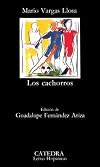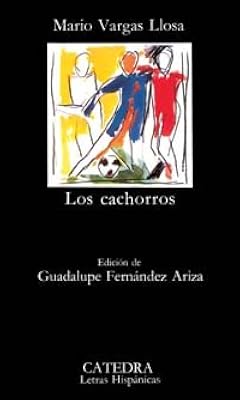
The Cubs
by Mario Vargas Llosa
On This Page
Description
This volume is an edition of an important early work by a writer who has since become a leading Latin-American author and an influential figure in Peruvian politics.Tags
Recommendations








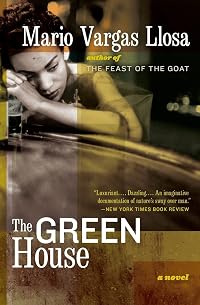




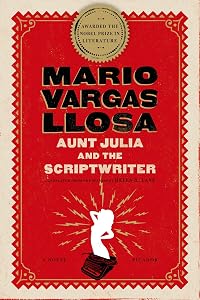











Member Recommendations
Member Reviews
Los cachorros was one of the first stories that I read in Spanish, and I was glad to find a cheap copy of it the other day. It’s a short novella about a group of late-elementary school kids and their new friend Cuéllar. He gets mauled by the school´s dog in the groin and, as the kids grow older and begin to pass through adolescence and notice girls, his plight becomes sadder and sadder. For me, the highlight is middle section of the story, when the boys begin one by one to make their move on different young women and Cuéllar´s lack of interest or desire to engage the opposite sex becomes more and more apparent. He reacts very, very strongly to each one of his friends’ entry into romantic (and sexual) life, he lashes out at them, show more and they struggle to deal with his outbursts while he tries to prove his masculinity through alcohol, fast cars and athletic feats. It’s all very sad, and it’s interesting not only to see his life without his manhood, but to see his friends and their girlfriends struggle to put up with him and understand what he’s going through. They always try to forgive him and want to be his friend even as his behavior becomes wilder and stranger; I think in part because they were friends before the dog attacked him, they continue to see themselves in him, and don’t want to acknowledge what has happened. It’s an interesting story, and it remains one of my favorites by Vargas Llosa.
He does a really good job of illustrating the time when friends start having girlfriends, and even without the mauling, it would have been an interesting story. I mean, Cuéllar finally finds a girl that he’s really in to, and even if he were just really shy, the story wouldn’t have changed much. It still would have been excruciating to watch him, as all his friends and their girlfriends are encouraging him and pushing him to ask her out, still unable to work up the nerve to make his move. But the fact that he’s been neutered by a big dog makes the whole thing grotesque and sickening. Vargas Llosa does a good job of telling a story that could have been told in a very similar way if it were presented normally, but he adds an extra element that makes it all very shocking and disturbing. I always remembered this story for the mauling and the subsequent struggles of the victim, and that exceptional event is all the more jarring in what is essentially a very typical coming-of-age story about a group of upper-class Peruvians who grow up, meet women and get married.
I understand that it was one of his first books, and he employs an interesting experimental technique throughout: he alternates back and forth between the third person plural and the first person plural, as in the first paragraph of the story: “Todavía llevaban pantalón corto ese año, aún no fumábamos, entre todos los deportes preferían el fútbol y estábamos aprendiendo a correr olas, a zambullirnos desde el segundo trampolín del “Terrazas,” eran traviesos, lampiños, curiosos, muy ágiles, voraces. I wonder how I was able to twist my mind around this when I was just beginning to learn and read in Spanish. I didn’t recall this peculiarity from my previous reading of this book, but I imagine that I really struggled for the first few pages before I caught on. It’s actually a very nice technique in my opinion, it fits the length of the story (in a longer novel it might not be so great) and widens the perspective of the story to make it feel as though you were both looking from the outside in, and also in the middle of this group of kids, all at the same time.
I’ve been a somewhat ambivalent fan of Vargas Llosa the novelist (I am intrigued by Vargas Llosa the literary critic, and have been thinking about buying Viaje a la ficción for quite a while as an introduction to that side of his work). While I can’t think of any reason not to like him, and while I have thoroughly enjoyed the books of his that I’ve read, I don’t consider him to be one of my favorites. I don’t know why, though. He’s a really great storyteller and I’ve liked all of his books that I’ve read. He reminds me a bit of Dostoyevsky. He’s able to work a short novella just as well as an epic, dark novel, and he is both readable and thought-provoking. I remember being surprised by how quickly the pages passed by when I read Crime and Punishment in high school, because I thought reading it would be such hard work. Dostoyevsky really immersed me in the characters and their interactions, and it was a really engrossing story. I’ve had similar experiences with Vargas Llosa in books like Conversación en la catedral and La casa verde: what I had thought would be hard, arduous reads turned out to be real page-turners. I think maybe what bothered me about Vargas Llosa was I thought about him as a wealthy man who wrote brilliant novels while sitting in a nice, air conditioned room or something like that. He didn’t seem tortured or gritty enough for me. But that’s not really fair, and I’m ready to try some more of his books and have a more open mind about an author who has always thoroughly impressed me with his storytelling skills. show less
He does a really good job of illustrating the time when friends start having girlfriends, and even without the mauling, it would have been an interesting story. I mean, Cuéllar finally finds a girl that he’s really in to, and even if he were just really shy, the story wouldn’t have changed much. It still would have been excruciating to watch him, as all his friends and their girlfriends are encouraging him and pushing him to ask her out, still unable to work up the nerve to make his move. But the fact that he’s been neutered by a big dog makes the whole thing grotesque and sickening. Vargas Llosa does a good job of telling a story that could have been told in a very similar way if it were presented normally, but he adds an extra element that makes it all very shocking and disturbing. I always remembered this story for the mauling and the subsequent struggles of the victim, and that exceptional event is all the more jarring in what is essentially a very typical coming-of-age story about a group of upper-class Peruvians who grow up, meet women and get married.
I understand that it was one of his first books, and he employs an interesting experimental technique throughout: he alternates back and forth between the third person plural and the first person plural, as in the first paragraph of the story: “Todavía llevaban pantalón corto ese año, aún no fumábamos, entre todos los deportes preferían el fútbol y estábamos aprendiendo a correr olas, a zambullirnos desde el segundo trampolín del “Terrazas,” eran traviesos, lampiños, curiosos, muy ágiles, voraces. I wonder how I was able to twist my mind around this when I was just beginning to learn and read in Spanish. I didn’t recall this peculiarity from my previous reading of this book, but I imagine that I really struggled for the first few pages before I caught on. It’s actually a very nice technique in my opinion, it fits the length of the story (in a longer novel it might not be so great) and widens the perspective of the story to make it feel as though you were both looking from the outside in, and also in the middle of this group of kids, all at the same time.
I’ve been a somewhat ambivalent fan of Vargas Llosa the novelist (I am intrigued by Vargas Llosa the literary critic, and have been thinking about buying Viaje a la ficción for quite a while as an introduction to that side of his work). While I can’t think of any reason not to like him, and while I have thoroughly enjoyed the books of his that I’ve read, I don’t consider him to be one of my favorites. I don’t know why, though. He’s a really great storyteller and I’ve liked all of his books that I’ve read. He reminds me a bit of Dostoyevsky. He’s able to work a short novella just as well as an epic, dark novel, and he is both readable and thought-provoking. I remember being surprised by how quickly the pages passed by when I read Crime and Punishment in high school, because I thought reading it would be such hard work. Dostoyevsky really immersed me in the characters and their interactions, and it was a really engrossing story. I’ve had similar experiences with Vargas Llosa in books like Conversación en la catedral and La casa verde: what I had thought would be hard, arduous reads turned out to be real page-turners. I think maybe what bothered me about Vargas Llosa was I thought about him as a wealthy man who wrote brilliant novels while sitting in a nice, air conditioned room or something like that. He didn’t seem tortured or gritty enough for me. But that’s not really fair, and I’m ready to try some more of his books and have a more open mind about an author who has always thoroughly impressed me with his storytelling skills. show less
A short story about the comming of age of a group of upper middle class peruvian youths. As usual in this series of the spanish publisher Catedra, the book is put into the wider social and literary context by an informative and well written introduction
Con esta historia, centrada en un grupo de muchachos miraflorinos de los años cincuenta, uno de los cuales es castrado por un perro -de ahí el apodo-, Vargas Llosa no sólo despliega fuegos de artificio técnicos, sino que profundiza en la psicología del protagonista y de quienes le rodean. La narración apela a temores arquetípicos (la castración) y a sus consecuencias, más desgarradoras en una sociedad patriarcal y machista, recubierta sólo superficialmente por los criterios de la modernidad.
Mar 6, 2012Spanish
Y-4
Nov 2, 2020Catalan
Det er fort gjort å fortelle hva denne kort-romanen handler om. Unggutten Guéllar vokser opp som en del av en guttegjeng i Lima i Peru, hvor det å hevde seg er ensbetydende med at man er sterk og veltrent og kan hevde seg i idrett. Guttene kommer fra gode hjem og lever relativt ubekymrede liv økonomisk sett.
En dag kommer en diger og mannevond grand danois inn i guttegarderoben mens Cuéllar er alene. Han blir bitt midt mellom bena, og ender opp på sykehus i ukesvis. Uten at vi får vite nøyaktig hvor skadet han er, skjønner vi etter hvert at det må være betydelig. For mens kameratene får kjærester, blir Cuéllar mer og mer en outsider som hevder seg gjennom å drikke, herje villmann med farens bil og ellers være bajas. Hans show more store interesse er surfing og på bølgene er han helt konge. Der andre ville ha avstått pga. bølgenes størrelse og kraft, der tar Cuéllar utfordringene ...
Jeg leste et sted at det mest oppsiktsvekkende med denne boka er størrelsen, dvs. at den er så liten. Det synes jeg i grunnen ikke er helt rettferdig. Like fullt er den ikke Llosas beste bok. Vanligvis ville jeg kanskje ha tenkt at det ikke er noen tilfeldighet at boka først nå er oversatt til norsk, men jeg tar meg i det. For det er så vanvittig mange bøker som ikke blir oversatt til norsk, uten at dette har det minste å gjøre med kvaliteten. Derimot handler det aller mest om pengekrefter og ikke minst om tilfeldigheter.
Jeg satt igjen med et inntrykk av at Llosa eksperimenterte med språket da han skrev denne kortromanen. Ikke bare er språket veldig ungdommelig, men tegnsettingen er tilsynelatende lemfeldig og litt forvirrende. I begynnelsen forstyrret dette meg i min lesing, men etter hvert vendte jeg meg til det. Det ble som å lete etter meningen i hver setning, fordi disse ikke kunne forstås helt intuitivt. Så selv om romanen bare fyller 80 sider, er dette likevel ikke en lettlest bok. For øvrig synes jeg det er morsomt å lese det som kommer ut av bøker skrevet av Llosa, siden han ikke bare mottok Nobels litteraturpris i 2010, men også er en forfatter jeg setter så stor pris på i utgangspunktet.
Denne gangen blir det bare terningkast fire. Ved den vurderingen er det ikke til å komme forbi at jeg sammenligner denne boka med mye av det andre Llosa har skrevet, og som er på et helt annet nivå. show less
En dag kommer en diger og mannevond grand danois inn i guttegarderoben mens Cuéllar er alene. Han blir bitt midt mellom bena, og ender opp på sykehus i ukesvis. Uten at vi får vite nøyaktig hvor skadet han er, skjønner vi etter hvert at det må være betydelig. For mens kameratene får kjærester, blir Cuéllar mer og mer en outsider som hevder seg gjennom å drikke, herje villmann med farens bil og ellers være bajas. Hans show more store interesse er surfing og på bølgene er han helt konge. Der andre ville ha avstått pga. bølgenes størrelse og kraft, der tar Cuéllar utfordringene ...
Jeg leste et sted at det mest oppsiktsvekkende med denne boka er størrelsen, dvs. at den er så liten. Det synes jeg i grunnen ikke er helt rettferdig. Like fullt er den ikke Llosas beste bok. Vanligvis ville jeg kanskje ha tenkt at det ikke er noen tilfeldighet at boka først nå er oversatt til norsk, men jeg tar meg i det. For det er så vanvittig mange bøker som ikke blir oversatt til norsk, uten at dette har det minste å gjøre med kvaliteten. Derimot handler det aller mest om pengekrefter og ikke minst om tilfeldigheter.
Jeg satt igjen med et inntrykk av at Llosa eksperimenterte med språket da han skrev denne kortromanen. Ikke bare er språket veldig ungdommelig, men tegnsettingen er tilsynelatende lemfeldig og litt forvirrende. I begynnelsen forstyrret dette meg i min lesing, men etter hvert vendte jeg meg til det. Det ble som å lete etter meningen i hver setning, fordi disse ikke kunne forstås helt intuitivt. Så selv om romanen bare fyller 80 sider, er dette likevel ikke en lettlest bok. For øvrig synes jeg det er morsomt å lese det som kommer ut av bøker skrevet av Llosa, siden han ikke bare mottok Nobels litteraturpris i 2010, men også er en forfatter jeg setter så stor pris på i utgangspunktet.
Denne gangen blir det bare terningkast fire. Ved den vurderingen er det ikke til å komme forbi at jeg sammenligner denne boka med mye av det andre Llosa har skrevet, og som er på et helt annet nivå. show less
Jan 2, 2011Norwegian
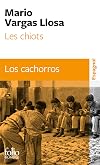
Les chiots, ce sont ces jeunes garçons turbulents de la banlieue de Lima qui tentent de s'affirmer, de devenir adultes. Parmi eux, Cuéllar, cruellement surnommé Petit-Zizi dans un monde où règne le mythe de la virilité. En grandissant, les différences se font plus sensibles, les jeux plus violents et Cuéllar se retrouve en marge. Son innocence est broyée par les rouages implacables de la société péruvienne.
Jan 20, 2012French
Très prenante nouvelle à la chute bien étonnante, d'une écriture percutante et vive.
May 31, 2009French
Members
- Recently Added By
Lists

1001 Books You Must Read Before You Die
1,448 works; 1,134 members

Latin American Literature
50 works; 11 members
Author Information

387+ Works 34,546 Members
Mario Vargas Llosa was born in Arequipa, Peru on March 28, 1936. He studied literature and law at the National University of San Marcos and received a Ph.D from the University of Madrid in 1959. He is a writer, politician, and journalist. His works vary in genre from literary criticism and journalism to comedies, murder mysteries, historical show more novels, and political thrillers. His books include The Time of the Hero, The Green House, Conversation in the Cathedral, Aunt Julia and the Scriptwriter, The Feast of the Goat, and The War of the End of the World. He has received numerous awards including the Rómulo Gallegos International Novel Prize, the Premio Leopoldo Alas in 1959, the Premio Biblioteca Breve in 1962, the Premio Planeta in 1993, the Miguel de Cervantes Prize in 1994, the Jerusalem Prize in 1995, and the Nobel Prize in Literature in 2010. (Bowker Author Biography) show less
Some Editions
Series
Belongs to Publisher Series
Work Relationships
Common Knowledge
- Canonical title
- The Cubs
- Original title
- Los cachorros
- Original publication date
- 1967
- Important places*
- Lima, Perú
- Related movies
- Los cachorros (1973 | IMDb)
- Original language
- Spanish
- Disambiguation notice*
- This is only the short story "The cubs" and no other. Esta es la edición de "Los cachorros" únicamente.
*Some information comes from Common Knowledge in other languages. Click "Edit" for more information.
Classifications
Statistics
- Members
- 326
- Popularity
- 97,576
- Reviews
- 9
- Rating
- (3.59)
- Languages
- 10 — English, Estonian, French, German, Hungarian, Italian, Norwegian (Bokmål), Portuguese, Spanish, Swedish
- Media
- Paper, Ebook
- ISBNs
- 27
- ASINs
- 5