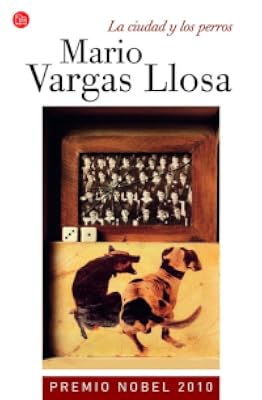
The Time of the Hero
by Mario Vargas Llosa
On This Page
Description
The action of The Time of the Hero, Nobel Prize-winning author Mario Vargas Llosa's first novel, takes place at the Leoncio Prado Military Academy in Lima, Peru. There, four angry cadets who have formed an inner circle in an attempt to ward off the boredom and stifling confinement of the military academy set off a chain of events that starts with a theft and leads to murder and suicide. The Time of the Hero presents, with great accuracy and power, the cadets' nightmare life: brutal show more initiation rights, poker in the latrines, drinking contests; and, above all else, the strange military code which, whether broken or followed, can only destroy. When The Time of the Hero was first published in Peru in 1962, it was considered so scandalous that a thousand copies were burned in an official ceremony at the Leoncio Prado Military Academy. That same year, the book received the Biblioteca Breve Prize, an award given to the best work of fiction in the Spanish language. "…[A]s with other fine writers, Vargas functions on more than a single level of meaning." - The New York Times. show lessTags
Recommendations


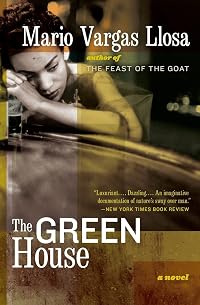


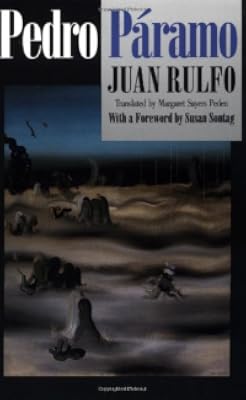
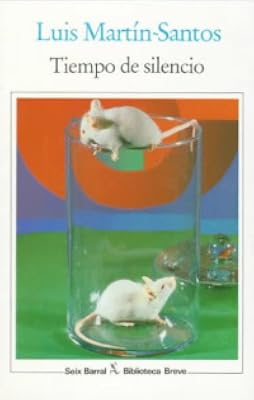
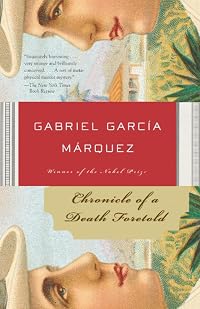











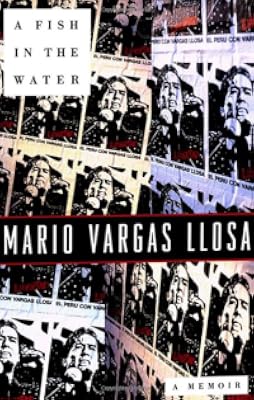
Member Recommendations
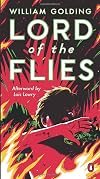
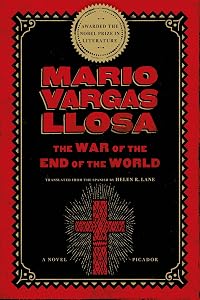
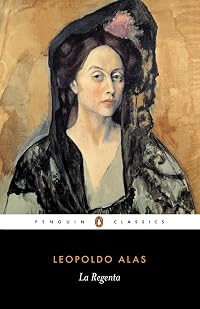
secretagentx9 Both explore coming of age themes and look at the underlying causes of violence and brutality.
30
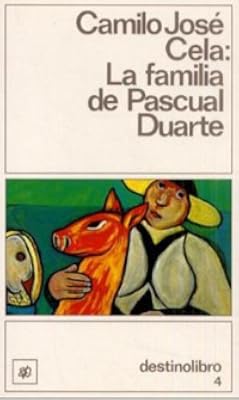
juan1961 Otra historia sobre la vida en un colegio militar

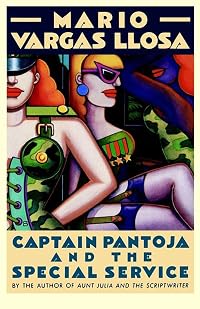
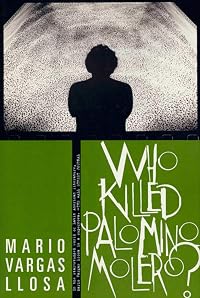
Oct326 Due romanzi di Vargas Llosa da cui le forze armate non escono affatto bene, ma di tono molto diverso: "La città e i cani" ritrae in modo spietatamente autentico tutta la brutalità della vita in un collegio militare, mentre "Pantaleón" mette spassosamente in ridicolo l'organizzazione e la vita nell'esercito.
Oct326 Questi due romanzi sono molto diversi, ma hanno alcune cose in comune: l'uso sofisticato dei flashback per raccontare parti delle vite passate dei personaggi, il frequente spostamento del punto di vista e degli stili associati ai diversi personaggi. Chi ha apprezzato l'uno potrebbe apprezzare anche l'altro.
Member Reviews
[Segunda lectura]
Tuve que leerlo un poco apresurado, para una clase. Esta segunda vuelta ya estaba familiarizado con la historia y la estructura, se me hizo muchísimo más sencillo. Sigo pensando que es una novela genial.
[Primera lectura]
[b:La ciudad y los perros|60142|La ciudad y los perros|Mario Vargas Llosa|https://d.gr-assets.com/books/1388862058s/60142.jpg|2115431] es una novela extraordinaria. A pesar de ser la primera novela que publicó Mario Vargas Llosa, está muy lejos de ser una obra de juventud. La novela está estructurada de una forma tan compleja y experta que resulta, al comienzo, muy difícil de leer (yo la comencé a leer un par de veces hace varios años, sin poder terminar el primer capítulo. Tal vez me hacía show more falta mucha experiencia lectora).
Ésta NO es una novela fácil en ningún sentido de la palabra: requiere concentración, tiempo y esfuerzo encontrarle el hilo, un hilo casi invisible que, a veces, parece desaparecer entre las líneas. Si te atreves a leerla, muchas veces sentirás que no sabes quién te está hablando, sentirás que oyes un coro de voces desconocidas. No desesperes. Llosa no te va a tomar de la mano, su obra es una trampa en la que puedes entrar solamente por tu cuenta. Tampoco es una obra fácil desde el punto de vista emocional: se requiere mucho estómago para digerir sucesos tan brutales, palabras tan incisivas, ambientes tan llenos de impotencia y humillación. Pero, cuando llegas a la última página, sientes haber atravesado un campo de batalla, sientes una libertad que sólo los náufragos conocen cuando tocan el puerto del que zarparon.
Muchas veces nos negamos el placer de leer a un puñado de autores por no estar de acuerdo con sus posturas políticas, con sus opiniones, con sus afiliaciones: Mishima, Pound, Hamsun... la lista sigue y sigue. Llosa me enseñó que hacer eso es una tremenda estupidez. Puede caerme antipático, puedo pensar lo que sea de sus ideas, pero no puedo negar que La ciudad y los perros es una pequeña obra maestra. show less
Tuve que leerlo un poco apresurado, para una clase. Esta segunda vuelta ya estaba familiarizado con la historia y la estructura, se me hizo muchísimo más sencillo. Sigo pensando que es una novela genial.
[Primera lectura]
[b:La ciudad y los perros|60142|La ciudad y los perros|Mario Vargas Llosa|https://d.gr-assets.com/books/1388862058s/60142.jpg|2115431] es una novela extraordinaria. A pesar de ser la primera novela que publicó Mario Vargas Llosa, está muy lejos de ser una obra de juventud. La novela está estructurada de una forma tan compleja y experta que resulta, al comienzo, muy difícil de leer (yo la comencé a leer un par de veces hace varios años, sin poder terminar el primer capítulo. Tal vez me hacía show more falta mucha experiencia lectora).
Ésta NO es una novela fácil en ningún sentido de la palabra: requiere concentración, tiempo y esfuerzo encontrarle el hilo, un hilo casi invisible que, a veces, parece desaparecer entre las líneas. Si te atreves a leerla, muchas veces sentirás que no sabes quién te está hablando, sentirás que oyes un coro de voces desconocidas. No desesperes. Llosa no te va a tomar de la mano, su obra es una trampa en la que puedes entrar solamente por tu cuenta. Tampoco es una obra fácil desde el punto de vista emocional: se requiere mucho estómago para digerir sucesos tan brutales, palabras tan incisivas, ambientes tan llenos de impotencia y humillación. Pero, cuando llegas a la última página, sientes haber atravesado un campo de batalla, sientes una libertad que sólo los náufragos conocen cuando tocan el puerto del que zarparon.
Muchas veces nos negamos el placer de leer a un puñado de autores por no estar de acuerdo con sus posturas políticas, con sus opiniones, con sus afiliaciones: Mishima, Pound, Hamsun... la lista sigue y sigue. Llosa me enseñó que hacer eso es una tremenda estupidez. Puede caerme antipático, puedo pensar lo que sea de sus ideas, pero no puedo negar que La ciudad y los perros es una pequeña obra maestra. show less
Vargas Llosa’s first novel, written in 1963 when he was 27, shows his talent as a novelist. It centers on a group of young cadets in the Leoncio Prado Military Academy, which he himself attended from the age of 14 to 16, and the underworld of violence and drinking there.
The young men are frequently cruel and engage in some pretty disgusting acts (I’m tempted to describe one of them that occurs 33 pages in, but I’ll refrain from doing so). However, I don’t think this was the reason that the book caused an immediate outrage and ceremonial book burnings in Peru when it was published; I think it’s because it showed the sordid reality of life as a cadet, and the hypocrisy and corruption in the leaders of the academy.
While there is show more bullying and jealousy over girls that leads to violence, there are no heroes or villains here, and that’s to Vargas Llosa’s credit. It’s very strange to me that the English title was made “The Time of the Hero” in light of this; the original is quite simply “The City and the Dogs” in Spanish. Vargas Llosa uses multiple narrators and interleaved flashbacks, occasionally dabbling in stream of consciousness writing, and shows understanding of the psychology for all of his characters. In an understated way he explains their pasts and what formed them, and he also shows the sense of honor that some of them have despite their heinous outward actions. I also liked the ‘surprise’ which he cleverly builds up over the back half of the book.
Just this quote, in the preface, from Sartre:
“We play the part of heroes because we’re cowards, the part of saints because we’re wicked: we play the killer’s role because we’re dying to murder our fellow man: we play at being because we’re liars from the moment we’re born.” show less
The young men are frequently cruel and engage in some pretty disgusting acts (I’m tempted to describe one of them that occurs 33 pages in, but I’ll refrain from doing so). However, I don’t think this was the reason that the book caused an immediate outrage and ceremonial book burnings in Peru when it was published; I think it’s because it showed the sordid reality of life as a cadet, and the hypocrisy and corruption in the leaders of the academy.
While there is show more bullying and jealousy over girls that leads to violence, there are no heroes or villains here, and that’s to Vargas Llosa’s credit. It’s very strange to me that the English title was made “The Time of the Hero” in light of this; the original is quite simply “The City and the Dogs” in Spanish. Vargas Llosa uses multiple narrators and interleaved flashbacks, occasionally dabbling in stream of consciousness writing, and shows understanding of the psychology for all of his characters. In an understated way he explains their pasts and what formed them, and he also shows the sense of honor that some of them have despite their heinous outward actions. I also liked the ‘surprise’ which he cleverly builds up over the back half of the book.
Just this quote, in the preface, from Sartre:
“We play the part of heroes because we’re cowards, the part of saints because we’re wicked: we play the killer’s role because we’re dying to murder our fellow man: we play at being because we’re liars from the moment we’re born.” show less
Muy impresionante; merece todo elogio que haya recibido. Al principio me hizo pensar mucho en la Zögling Törleß de Robert Musil por su situación en un colegio militar, la violencia y economía negra, aunque ésta no está tan desarrollada --siendo casi cincuenta años mayor --como Ciudad y los perros. Al fin me encontré completamente equivocado sobre la identidad del narrador sin nombre (hubiera conectado los hábitos del padre con la actitud de un cadete pero en fin), y me hizo disculpar por toda opinión previa acerca de una interpretación más bien floja de las técnicas de Faulkner. La verdad, Vargas Llosa ha sacado todo lo excelente de Faulkner con lo listo de este cuento.
Muy bien escrito, pero terriblemente desagradable y deprimente.
Ho comprato questo libro nel 1985, ristampa Rizzoli, prima edizione. Ricordo di averlo iniziato e mollato subito. Per una curiosa coincidenza lo avevo ripescato dallo scaffale pochi giorni prima dell'annuncio del Nobel. Dello stesso autore avevo letto un paio d'anni fa Avventure della ragazza cattiva, che mi aveva incantata. E così ho ripreso questo suo primo libro, e devo dire che valeva davvero la pena. Nel 1985 non avrei potuto leggerlo. era una prosa, un modo di narrare inusuale, molto in anticipo sui tempi. Prima e terza persona, passato e presente, molti punti di vista, molti piani narrativi. Incredibile scrivere un romanzo corale così e dominarlo saldamente. Certo anche il lettore deve lasciarsi condurre, non è un libro per show more chi ama la prosa facile e il susseguirsi cronologico. E' un libro impegnativo. Ne esce un quadro di gioventù dolente, in alcuni tratti bisogna togliere un attimo gli occhi dalle pagine e guardare altrove. Consigliato ai mega-lettori. show less
En La ciudad y los perros, Mario Vargas Llosa demuestra una madurez literaria extraordinaria que en adelante irá en aumento hasta alcanzar un estilo depuradísimo y un sitio de primera fila entre los escritores contemporáneos.
Vargas Llosa's first novel demonstrates many of the techniques and themes of his later novels, including multiple (often confusing) narrators, class, race, and sex, but for me it was a less thrilling read than his later works. Set in a military academy for cadets (one which Vargas Llosa himself attended), the novel is a scathing indictment of such academies and implicitly the military itself, leavened by satire. I found the first third or so of the book difficult to read as it details the sadistic and horrifying way the cadets treat each other and introduces many characters all at once. Then, once one of the cadets as been killed, the book becomes more readable, and explores betrayal, loyalty, honesty, and hypocrisy. The story of what show more happens in the academy is mixed with scenes of some of the cadets back in their homes, both before and after their time in the academy. As I neared the end of the novel, I found it hard to put down.
Incidentally, Vargas Llosa is said to have disliked the English title; the Spanish title translates literally as "The City and the Dogs" and is a much better title ("dogs" is the nickname of the first-year cadets). show less
Incidentally, Vargas Llosa is said to have disliked the English title; the Spanish title translates literally as "The City and the Dogs" and is a much better title ("dogs" is the nickname of the first-year cadets). show less
Members
- Recently Added By
Lists

501 Must-Read Books
529 works; 72 members

Latin America
45 works; 6 members

Las 100 Mejores Novelas en Castellano del Siglo XX
105 works; 13 members

Latin American Literature
50 works; 11 members

Libros que todos deberíamos leer al menos una vez en la vida (Librotea)
14 works; 1 member

First Novels
373 works; 17 members
Talk Discussions
Past Discussions
MVL: The Time of the Hero/La Ciudad y Los Perros in Author Theme Reads (March 2011)
Author Information

395+ Works 34,669 Members
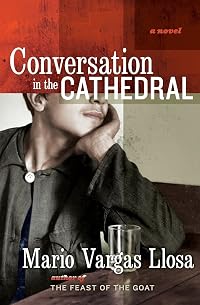
Mario Vargas Llosa was born in Arequipa, Peru on March 28, 1936. He studied literature and law at the National University of San Marcos and received a Ph.D from the University of Madrid in 1959. He is a writer, politician, and journalist. His works vary in genre from literary criticism and journalism to comedies, murder mysteries, historical show more novels, and political thrillers. His books include The Time of the Hero, The Green House, Conversation in the Cathedral, Aunt Julia and the Scriptwriter, The Feast of the Goat, and The War of the End of the World. He has received numerous awards including the Rómulo Gallegos International Novel Prize, the Premio Leopoldo Alas in 1959, the Premio Biblioteca Breve in 1962, the Premio Planeta in 1993, the Miguel de Cervantes Prize in 1994, the Jerusalem Prize in 1995, and the Nobel Prize in Literature in 2010. (Bowker Author Biography) show less
Some Editions
Awards and Honors
Notable Lists
Series
Belongs to Publisher Series
Work Relationships
Is contained in
Has the adaptation
Has as a reference guide/companion
Has as a study
Cincuenta años de La ciudad y los perros. Homenaje a Mario Vargas Llosa by Biblioteca Nacional de...
El silencio y la palabra : estudios sobre "La ciudad y los perros" de Mario Vargas Llosa by Cristóbal Macías Villalobos
Has as a commentary on the text
Has as a student's study guide
Common Knowledge
- Canonical title
- The Time of the Hero
- Original title
- La ciudad y los perros
- Original publication date
- 1962 (original Spanish) (original Spanish); 1966 (English: Kemp) (English: Kemp)
- People/Characters
- Alberto; Jaguar; The Slave; Cava
- Important places
- Lima, Peru
- Related movies
- La ciudad y los perros (1985 | IMDb); Yaguar (1986 | IMDb)
- First words
- 'Four,' the Jaguar said.
- Quotations*
- Quando il vento dell'alba irrompe sulla Perla spingendo la nebbia verso il mare e dissolvendola, e il cortile del Collegio Militare Leoncio Prado si schiarisce come una stanza piena di fumo non appena si spalancano le finestr... (show all)e, sulla soglia del capannone appare sbadigliando un soldato anonimo che avanza stropicciandosi gli occhi verso le camerate dei cadetti.
— È della prima compagnia? — chiese.
— Sì, signor capitano, — disse Pezoa. — Del primo reparto.
— Come si chiama?
—Ricardo Arana , signor capitano. — Esitò un istante... (show all) e aggiunse: — Lo chiamano lo Schiavo. - Last words
- (Click to show. Warning: May contain spoilers.)'Yes, there is,' Skinny said. 'You can pay for my drinks. I'm flat broke.'
- Original language*
- Spagnolo
*Some information comes from Common Knowledge in other languages. Click "Edit" for more information.
Classifications
- Genres
- Fiction and Literature, General Fiction
- DDC/MDS
- 863.64 — Literature & rhetoric Spanish Literature Spanish fiction 20th Century 1945-2000
- LCC
- PQ8498.32 .A65 .C5 — Language and Literature French, Italian, Spanish and Portuguese literatures Spanish literature Provincial, local, colonial, etc. Spanish America
- BISAC
Statistics
- Members
- 2,105
- Popularity
- 9,827
- Reviews
- 41
- Rating
- (3.88)
- Languages
- 21 — Chinese, Czech, Danish, Dutch, English, Finnish, French, German, Greek, Hebrew, Hungarian, Italian, Farsi/Persian, Polish, Romanian, Russian, Croatian, Spanish, Swedish, Turkish, Portuguese (Portugal)
- Media
- Paper, Audiobook, Ebook
- ISBNs
- 112
- ASINs
- 35