On This Page
Description
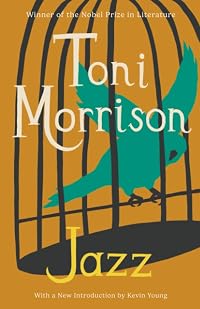
In the winter of 1926, when everybody everywhere sees nothing but good things ahead, Joe Trace, middle-aged door-to-door salesman of Cleopatra beauty products, shoots his teenage lover to death. At the funeral, Joe's wife, Violet, attacks the girl's corpse. This passionate, profound story of love and obsession brings us back and forth in time, as a narrative is assembled from the emotions, hopes, fears, and deep realities of black urban life.Tags
Recommendations
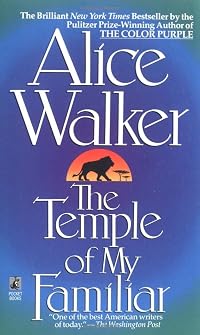
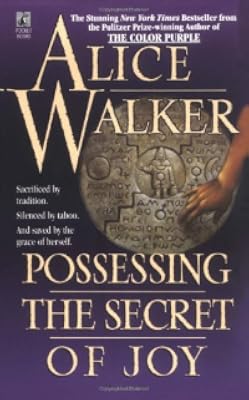
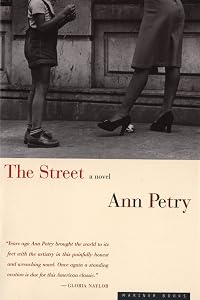
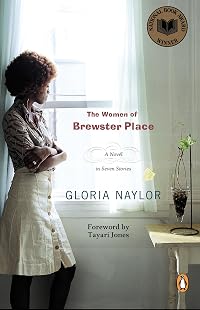
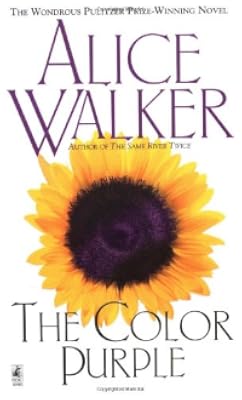
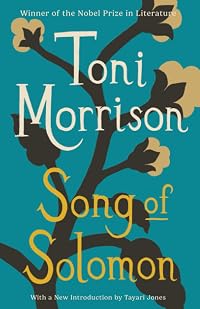
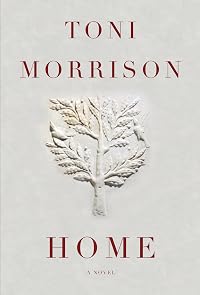
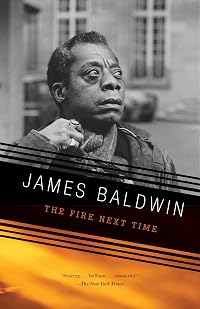

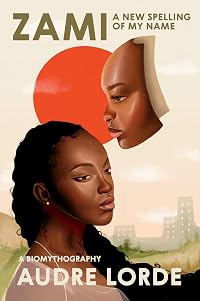
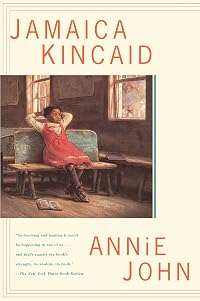
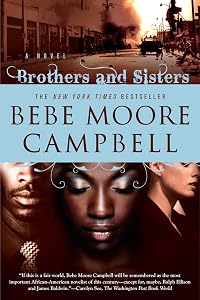
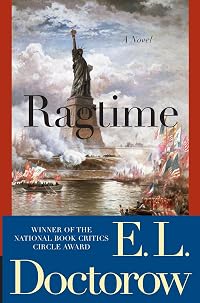

Member Recommendations
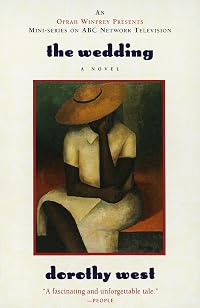
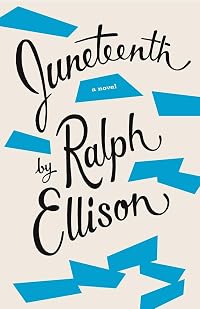
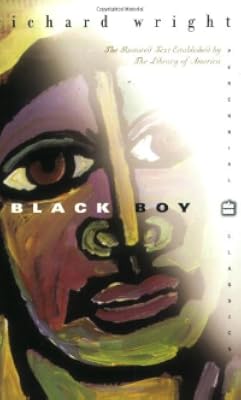
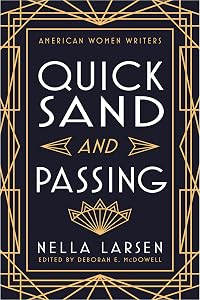
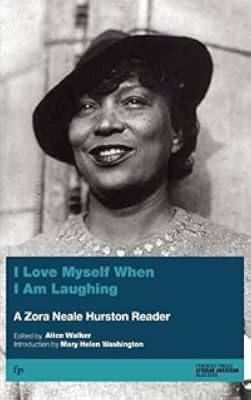
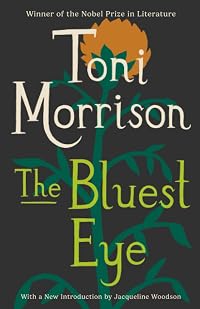
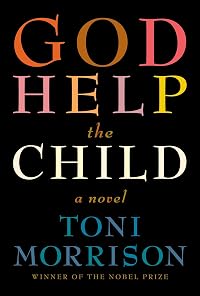
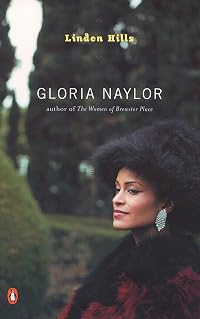
Oct326 Questi due romanzi sono molto diversi, ma hanno alcune cose in comune: l'uso sofisticato dei flashback per raccontare parti delle vite passate dei personaggi, il frequente spostamento del punto di vista e degli stili associati ai diversi personaggi. Chi ha apprezzato l'uno potrebbe apprezzare anche l'altro.
Member Reviews
Joe and Violet are in the business of beauty. Joe sells cosmetics door to door and his wife is a home-visiting hairdresser. Usually a straight up and dependable man, Joe falls in obsessive love with a teenager named Dorcas. His passion for Dorcas forces him to kill her. At her funeral, in a fit of jealous insanity Joe's wife, Violet, attempts to slash the dead girl's face while she lay in her coffin. Violent Violet then goes home to free all of her pet birds. Her rage makes her human. The smartest character in the book is the City. I like the way the City makes people think they can do whatever they want and get away with it. The culture is full of passions, both right and wrong. Jazz will also take you back to July 1917, a time when show more Grandmother True Belle (great name) was afraid of Springfield, Massachusetts. Morrison's vivid descriptions of culture are breathtaking. show less
A short, challenging read, but a very good book. This time Morrison sets her story in 1920s New York City, a place that, while it's not exactly perfect, lacks some of the Jim Crow South's obvious menace. It's somewhat surprising, then, that her story revolves around Joe and Violet Trace, a black couple who'd migrated up from Virginia, and the violent fallout from Joe's sudden infatuation with Dorcas, a young girl of high school age.
The writing is up to Morrison's standard — which is to say that it's fantastic — but she chooses here to tell her story bit by bit, in connected segments that range from a paragraph to a page-and-a-half or so in length. While I generally like the author most when she goes on long, easy storytelling show more riffs, this structure forced me to focus my attention. I had to backtrack a few times just to make sure that I hadn't missed too much. Also, despite the book's title, this stylistic choice seemed more cinematic than musical to me: a constant fade-in and fade-out that added up, over the long run, to a complete story. Or perhaps the author's intention was just to reflect modernist modes of storytelling: her descriptions of New York's black residents playing jazz and jazz records are lovely: beautifully observed and irresistibly sensual. And, in this novel, jazz is presented as a straightforwardly avant-garde art form, always informed by the body but not always tethered to bloody personal or social histories. Even so, she doesn't forget the fact that the rhythms invented in this book's settings went on to be heard far beyond New York's black neighborhoods, and her description of couples dancing to jazz is suffused with pleasure. There's still a lot of music here.
Honestly, one of the things that really set this book from Morrison's other works is its wholehearted commitment to sensuality. Music isn't the half of it. Morrison was well into retirement age when she published this one, but you would hardly know it, as it's filled with Dorcas and Felice's excitement, Joe Trace's easy, attractive masculinity and Violet's rage. Along with the music, hot New York summers and the stuffy air of crowded parties and nightclubs where illegal booze flows freely help set the scene. Heck, Joe even uses his easy manner and big country smile to help sell his beauty products.
Morrison does take us back a generation or so to the desperate poverty of rural Virginia that helped drive many of this book's main characters north. In the character of Golden Gray, I recognized a bit of Absolom, Absolom!'s Jim Bond: I'm a reader who loves watching Morrison in conversation -- or perhaps competition -- with William Faulkner. And I loved how Morrison helped bring the rural South to the urban North by describing how Joe Trace's tracking skills still served him in the big city. But, in the end, sometimes this historicizing, albeit necessary, feels less than completely necessary: the setting of this book is relentlessly modern, and its biggest questions seem to revolve around how human beings can live human lives in a place that doesn't always seem designed for human life. In the end, the book's characters more or less manage to do it, but only after going through the sort of gargantuan personal struggles involving quiet resistance and baseline self-acceptance that make Toni Morrison's books so unforgettable. This probably shouldn't be anyone's first Morrison novel, but it is real quality. show less
The writing is up to Morrison's standard — which is to say that it's fantastic — but she chooses here to tell her story bit by bit, in connected segments that range from a paragraph to a page-and-a-half or so in length. While I generally like the author most when she goes on long, easy storytelling show more riffs, this structure forced me to focus my attention. I had to backtrack a few times just to make sure that I hadn't missed too much. Also, despite the book's title, this stylistic choice seemed more cinematic than musical to me: a constant fade-in and fade-out that added up, over the long run, to a complete story. Or perhaps the author's intention was just to reflect modernist modes of storytelling: her descriptions of New York's black residents playing jazz and jazz records are lovely: beautifully observed and irresistibly sensual. And, in this novel, jazz is presented as a straightforwardly avant-garde art form, always informed by the body but not always tethered to bloody personal or social histories. Even so, she doesn't forget the fact that the rhythms invented in this book's settings went on to be heard far beyond New York's black neighborhoods, and her description of couples dancing to jazz is suffused with pleasure. There's still a lot of music here.
Honestly, one of the things that really set this book from Morrison's other works is its wholehearted commitment to sensuality. Music isn't the half of it. Morrison was well into retirement age when she published this one, but you would hardly know it, as it's filled with Dorcas and Felice's excitement, Joe Trace's easy, attractive masculinity and Violet's rage. Along with the music, hot New York summers and the stuffy air of crowded parties and nightclubs where illegal booze flows freely help set the scene. Heck, Joe even uses his easy manner and big country smile to help sell his beauty products.
Morrison does take us back a generation or so to the desperate poverty of rural Virginia that helped drive many of this book's main characters north. In the character of Golden Gray, I recognized a bit of Absolom, Absolom!'s Jim Bond: I'm a reader who loves watching Morrison in conversation -- or perhaps competition -- with William Faulkner. And I loved how Morrison helped bring the rural South to the urban North by describing how Joe Trace's tracking skills still served him in the big city. But, in the end, sometimes this historicizing, albeit necessary, feels less than completely necessary: the setting of this book is relentlessly modern, and its biggest questions seem to revolve around how human beings can live human lives in a place that doesn't always seem designed for human life. In the end, the book's characters more or less manage to do it, but only after going through the sort of gargantuan personal struggles involving quiet resistance and baseline self-acceptance that make Toni Morrison's books so unforgettable. This probably shouldn't be anyone's first Morrison novel, but it is real quality. show less
I’m slightly unsure what to say about this novel. It is not destined to be a favorite of Morrison’s for me, but the writing is so damn good I don’t want to turn people off of it. It’s a fairly straightforward story about a marriage and an affair but told in a non-linear way. I don’t know much about jazz music, but I think it has a lot to do with a central melody and then instrumental and vocal riffs off that center - which perfectly describes the novel. This is Joe and Violet’s story, but then a lot comes off of that – about the city, about their pasts, about their origins, about slavery and the unfulfilled promise of the post-Civil War South and the post-World War I North... It all comes together in a sort of chaotic show more whole that can be disorienting at times, but then Morrison returns to Joe and Violet, and the reader finds that center again. It is really remarkable as a piece of writing, even if as a story it didn’t fully engage me.
3.75 stars show less
3.75 stars show less
Alguien nos cuenta una historia a modo de narrador omnisciente. Finalmente descubrimos que esta narradora fue asesinada por su amante, cuya esposa además, intenta destrozarle la cara durante su funeral. Así comienza esta novela, en la que Morrison vuelve a envolvernos en su mundo hasta hacernos comprender la vida de hombres y mujeres negras en una gran ciudad norteamericana, nunca nombrada pero sí descrita, la Nueva York de principios del siglo XX.
Una historia terrible que deben solventar los protagonistas porque a ninguna autoridad le interesa lo que pueda ocurrirle a los negros. Parece que esto sigue siendo así.
Conocemos los hechos en las primeras páginas y pasamos el resto de la novela intentando conocer a un coro de personajes show more entre los que destacan los tres protagonistas principales, la joven Dorcas, su amante Joe Trace y su esposa Violet, con los que explora temas como la locura ("los locos tienen sus razones"), la desesperanza, el destino o los celos, junto con la historia de las migraciones del campo a la ciudad o del propio jazz, que ambienta toda la novela.
Como siempre, el lirismo y la presencia de esa mitología que Morrison usa para rescatar la memoria histórica de su gente, recorren un texto que no te deja escapar. show less
Una historia terrible que deben solventar los protagonistas porque a ninguna autoridad le interesa lo que pueda ocurrirle a los negros. Parece que esto sigue siendo así.
Conocemos los hechos en las primeras páginas y pasamos el resto de la novela intentando conocer a un coro de personajes show more entre los que destacan los tres protagonistas principales, la joven Dorcas, su amante Joe Trace y su esposa Violet, con los que explora temas como la locura ("los locos tienen sus razones"), la desesperanza, el destino o los celos, junto con la historia de las migraciones del campo a la ciudad o del propio jazz, que ambienta toda la novela.
Como siempre, el lirismo y la presencia de esa mitología que Morrison usa para rescatar la memoria histórica de su gente, recorren un texto que no te deja escapar. show less
"In the winter of 1926, when everybody everywhere sees nothing but good things ahead, Joe Trace, middle-aged door-to-door salesman of Cleopatra beauty products, shoots his teenage lover to death. At the funeral, Joe’s wife, Violet, attacks the girl’s corpse."
And that's how the story's first few pages begin. Love, obsession, and black urban life. The plot line is discordant, jumping between storylines and past and present. It beats with ugly remembrances of violence and broken families, torn lives. Yet the writing in this book is simply beautiful, the unnamed narrator haunting. The book seems to echo the music of Jazz itself, saying listen to me! I have very mixed emotions after finishing this book. Read it and judge for yourself.
And that's how the story's first few pages begin. Love, obsession, and black urban life. The plot line is discordant, jumping between storylines and past and present. It beats with ugly remembrances of violence and broken families, torn lives. Yet the writing in this book is simply beautiful, the unnamed narrator haunting. The book seems to echo the music of Jazz itself, saying listen to me! I have very mixed emotions after finishing this book. Read it and judge for yourself.
"What's the world for if you can't make it up the way you want it?"
This is my final novel of the Beloved trilogy, although this is the second in the series, having already read Beloved and Paradise. It's very possible to read any of these novels before reading the others as the characters and stories are different in each book. The unifying thread in all three books is an examination of an excessive form of love that leads to violence and destruction. In Beloved, it is a mother's love and the lengths to which she goes to protect her children from slavery. In Paradise, it is the love the leaders of a community have for it and what they do to protect it from what they think threatens it. And In Jazz, it is an excessive form of romantic show more love.
The story begins with the entire premise delivered by the unnamed narrator of the book. Therefore it's not a spoiler to say that this book concerns a middle-aged man who falls in love with a young woman and then kills her when she leaves him. It's part of Toni's style to lay the premise in the beginning while she unspools the narrative, and opens up the lives and circumstances of the characters that led them to act as they did. show less
This is my final novel of the Beloved trilogy, although this is the second in the series, having already read Beloved and Paradise. It's very possible to read any of these novels before reading the others as the characters and stories are different in each book. The unifying thread in all three books is an examination of an excessive form of love that leads to violence and destruction. In Beloved, it is a mother's love and the lengths to which she goes to protect her children from slavery. In Paradise, it is the love the leaders of a community have for it and what they do to protect it from what they think threatens it. And In Jazz, it is an excessive form of romantic show more love.
The story begins with the entire premise delivered by the unnamed narrator of the book. Therefore it's not a spoiler to say that this book concerns a middle-aged man who falls in love with a young woman and then kills her when she leaves him. It's part of Toni's style to lay the premise in the beginning while she unspools the narrative, and opens up the lives and circumstances of the characters that led them to act as they did. show less
In the afterglow of a clean triumph--her widely celebrated, Pulitzer Prize-winning best-seller, Beloved--Toni Morrison moves to even higher ground. This, her eagerly awaited new novel, Jazz, is spellbinding for the haunting passion of its profound love story, and for the bittersweet lyricism and refined sensuality of its powerful and elegant style.It is winter, barely three days into 1926, seven years after Armistice; we are in the scintillating City, around Lenox Avenue, "when all the wars are over and there will never be another one...At last, at last, everything's ahead...Here comes the new. Look out. There goes the sad stuff. The bad stuff. The things-nobody-could-help stuff." But amid the euphoric decisiveness, a tragedy ensues show more among people who had train-danced into the City, from points south and west, in search of promise.Joe Trace--in his fifties, door-to-door salesman of Cleopatra beauty products, erstwhile devoted husband--shoots to death his lover of three months, impetuous, eighteen-year-old Dorcas ("Everything was like a picture show to her"). At the funeral, his determined, hard-working wife, Violet, herself a hairdresser--who is given to stumbling into dark mental cracks, and who talks mostly to birds--tries with a knife to disfigure the corpse. In a dazzling act of jazz-like improvisation, moving seamlessly in and out of past, present, and future, a mysterious voice--whose identity is a matter of each reader's imagination--weaves this brilliant fiction, at the same time showing how its blues are informed by the brutal exigencies of slavery. Richly combining history, legend, reminiscence, this voice captures as never before the ineffable mood, the complex humanity, of black urban life at a moment in our century we assumed we understood.Jazz is an unprecedented and astonishing invention, a landmark on the American literary landscape--a novel unforgettable and for all time. show less
Members
- Recently Added By
Lists

1001 Books You Must Read Before You Die
1,448 works; 1,137 members

Radcliffe's 100 Best Novel of the 20th Century
100 works; 32 members

Classics you know you should have read but probably haven't
421 works; 409 members

20th Century Literature
1,161 works; 55 members

1990s
309 works; 17 members

Best Psychological Fiction
81 works; 16 members

Books I've Read More Than Once
602 works; 49 members

Books Set in New York City
127 works; 22 members
Books Set in New York State
65 works; 11 members

did I say that I didn't mean that (unreliable narrators)
34 works; 7 members
Five star books
1,767 works; 110 members

Literature About Women and Girls
426 works; 40 members

Recommendations
17 works; 1 member
Overdue Podcast
808 works; 9 members

Llibres que he llegit el 2020
50 works; 1 member

Top Five Books of 2024
795 works; 264 members
books featured on the book struggles twt
97 works; 2 members

Books Read in 2021
5,361 works; 113 members

Unread books
1,063 works; 87 members
Author Information

102+ Works 80,430 Members
Some Editions
Awards and Honors
Distinctions
Notable Lists
Greatest Books algorithm (540)
Series

Belongs to Publisher Series
Work Relationships
Is contained in
Is abridged in
Has as a student's study guide
Common Knowledge
- Canonical title
- Jazz
- Original title
- Jazz
- Original publication date
- 1992
- People/Characters
- Violet Trace; Joe Trace; Dorcas; Alice Manfred; Golden Gray; Felice (show all 11); True Belle; Malvonne; Henry Lestory; Miss Vera Louise; Wild
- Important places
- Harlem, New York, New York, USA
- Epigraph
- I am the name of the sound
and the sound of the name.
I am the sign of the letter
and the designation of the division.
"Thunder, Perfect Mind," The Nag Hammadi - Dedication
- For RW and George
- First words
- Sth, I know that woman.
- Quotations
- What good are secrets if you can't talk to anybody about them?
It's nice when grown people whisper to each other under the covers. Their ecstasy is more leaf-sigh than bray and the body is the vehicle, not the point. They reach, grown people, for something beyond and way, way down unde... (show all)rneath tissue. - Last words
- (Click to show. Warning: May contain spoilers.)Now.
- Original language
- English
- Canonical DDC/MDS
- 813.54
- Canonical LCC
- PS3563.O8749
Classifications
Statistics
- Members
- 5,713
- Popularity
- 2,309
- Reviews
- 74
- Rating
- (3.67)
- Languages
- 19 — Czech, Danish, Dutch, English, Estonian, Finnish, French, German, Greek, Hebrew, Italian, Korean, Norwegian (Bokmål), Polish, Portuguese, Romanian, Spanish, Swedish, Turkish
- Media
- Paper, Audiobook, Ebook
- ISBNs
- 80
- UPCs
- 1
- ASINs
- 20