On This Page
Description
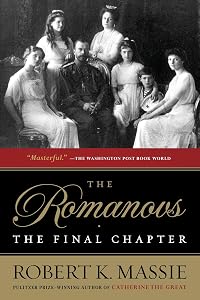
“Riveting . . . unfolds like a detective story.”—Los Angeles Times Book ReviewIn July 1991, nine skeletons were exhumed from a shallow mass grave near Ekaterinburg, Siberia, a few miles from the infamous cellar room where the last tsar and his family had been murdered seventy-three years before. But were these the bones of the Romanovs? And if these were their remains, where were the bones of the two younger Romanovs supposedly murdered with the rest of the family? Was Anna show more Anderson, celebrated for more than sixty years in newspapers, books, and film, really Grand Duchess Anastasia? The Romanovs provides the answers, describing in suspenseful detail the dramatic efforts to discover the truth. Pulitzer Prize winner Robert K. Massie presents a colorful panorama of contemporary characters, illuminating the major scientific dispute between Russian experts and a team of Americans, whose findings, along with those of DNA scientists...
. show less
Tags
Recommendations
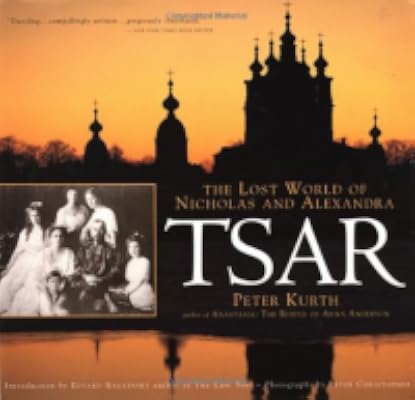

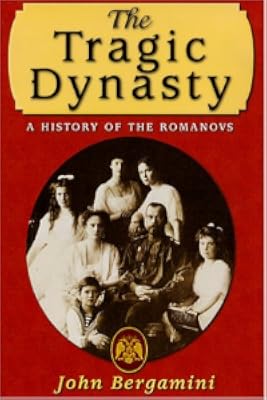
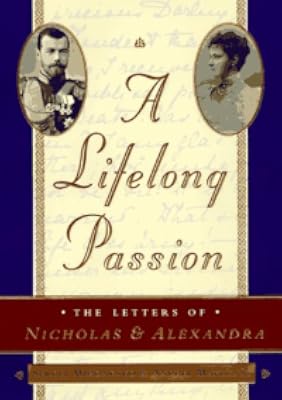


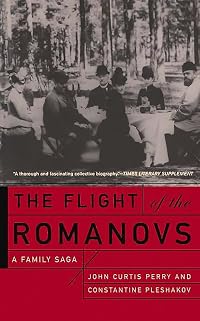

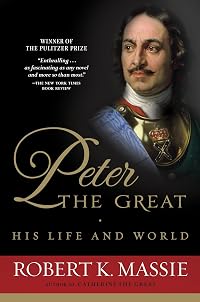
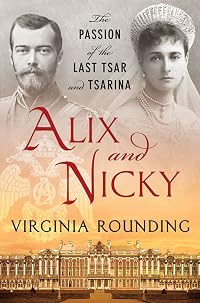
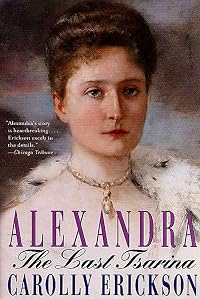

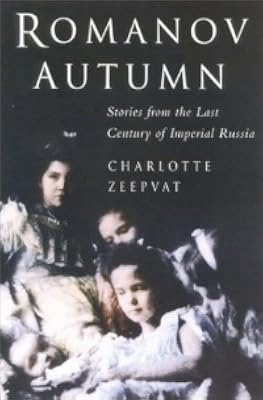






Member Recommendations
Member Reviews
The problem you have in reading this book is that it's very depressing; almost literally no one looks good in this narrative. Massie discusses the murder of the Russian Imperial Family in 1918, what happened to the bodies, early efforts in the Soviet period to recover the bodies, the formal effort to recover and scientifically identify the bodies, and further efforts to identify whether "Anna Anderson" was truly the Grand Duchess Anastasia. The sheer amount of selfishness, squabbling, small-mindedness, greed and in general foul behaviour that permeates the book during all of these events leaves a horrible taste in your mouth. The book is also slightly outdated (at least the edition I read), since the two "missing" bodies of the show more Czarevitch and one of the daughters turned up some years later. For Russian history mavens only, I'm afraid. show less
I read the other 3 Romanov books by Massie, which I enjoyed greatly. But this book was different. It pulled me in more strongly than the others. It was also about 1/3 the length. Tracing the history of the deaths of the Imperial Family and those with them in the Ipatiev House became a mild and complex thriller that no writer of fiction would have imagined. Massie became a character within this book, being allowed to actually go to Ekaterinburg and see the bones, something allowed to only a select few researchers. His research method for this book was interviews with living people and investigating physical spaces rather than reviewing documents in dusty archives.
Massie's recording of details of the murder, seeking the bones, extracting show more the bones, validating the bones is incredible and the narrative intriguing. It was actually much more complex and involved more political manuvering than any documentary on the topic has indicated. He tracked some people claiming to be "escaped" children now grown to adulthood. He covered, in detail, the most complex imposter investigation, that of Anna Anderson. The facts surrounding Anderson's claim to be Anastasia is truly fascinating, including the legal wrangling around scientifically proving/refuting her claim.
I also appreciated that Massie confronted the myriad of complexities of Romanov family views of who they think would be Tsar if Russia would welcome a tsar back. Which was another area, do Russians want a return of a monarchy, Massie researched and reported briefly, a perspective I particularly enjoyed.
If you are one who is fascinated with things that are post Imperial Family murder, this is a must read for you. If you don't care, you may still find all the hoi paloi entertaining. show less
Massie's recording of details of the murder, seeking the bones, extracting show more the bones, validating the bones is incredible and the narrative intriguing. It was actually much more complex and involved more political manuvering than any documentary on the topic has indicated. He tracked some people claiming to be "escaped" children now grown to adulthood. He covered, in detail, the most complex imposter investigation, that of Anna Anderson. The facts surrounding Anderson's claim to be Anastasia is truly fascinating, including the legal wrangling around scientifically proving/refuting her claim.
I also appreciated that Massie confronted the myriad of complexities of Romanov family views of who they think would be Tsar if Russia would welcome a tsar back. Which was another area, do Russians want a return of a monarchy, Massie researched and reported briefly, a perspective I particularly enjoyed.
If you are one who is fascinated with things that are post Imperial Family murder, this is a must read for you. If you don't care, you may still find all the hoi paloi entertaining. show less
The question of what became of the Romanovs was one the most popular mysteries of the 20th Century, giving rise to any number of fraudulent pretenders, some of whom were mad and others who were determined to get their hands on the mythical millions which the Royal family allegedly sent to the Bank of England during the war.
Massie paints a stark and realistic picture of the murder, and uses various sources to describe what was done to the bodies and the disinformation put out by the fledgling Soviet government: that the family was dead there was little doubt, but until the bodies were found and identified there would always be a smidgeon of doubt - the smidgeon that gave rise to dozens of imposters.
More than 20 years after writing show more Nicholas and Alexandra, Massie revisited the state of play in the Romanov saga: he details the story of how the bodies were found in 1991, the process of identification using DNA and other methods, the problems within the Russian Orthodox Church at home and abroad, and the various branches of the Romanov family competing for the title of Pretender to the Throne of all the Russias.
The story is exciting as any novel and the writing is a page-turning delight: unfortunately, as I discovered too late, the book was published in 1995 leaving 20 years of history and a myriad questions unexamined. The mystery of the where-abouts of two of the Royal children, the mystery of the missing Grand-Duchess, the mystery of the kissing suitcase, the issue of the funeral - issues left hanging because, in 1995, there were no answers.
The Romanovs: The Final Chapter is like reading a really good thriller, only to find the titular final chapter is missing. By the way, I should add I read the book deep into the countryside, many hours away from access to Google and the answers: possibly I may have been less irked by the age of the book had I immediate internet access and could find the answers as I read. show less
Massie paints a stark and realistic picture of the murder, and uses various sources to describe what was done to the bodies and the disinformation put out by the fledgling Soviet government: that the family was dead there was little doubt, but until the bodies were found and identified there would always be a smidgeon of doubt - the smidgeon that gave rise to dozens of imposters.
More than 20 years after writing show more Nicholas and Alexandra, Massie revisited the state of play in the Romanov saga: he details the story of how the bodies were found in 1991, the process of identification using DNA and other methods, the problems within the Russian Orthodox Church at home and abroad, and the various branches of the Romanov family competing for the title of Pretender to the Throne of all the Russias.
The story is exciting as any novel and the writing is a page-turning delight: unfortunately, as I discovered too late, the book was published in 1995 leaving 20 years of history and a myriad questions unexamined. The mystery of the where-abouts of two of the Royal children, the mystery of the missing Grand-Duchess, the mystery of the kissing suitcase, the issue of the funeral - issues left hanging because, in 1995, there were no answers.
The Romanovs: The Final Chapter is like reading a really good thriller, only to find the titular final chapter is missing. By the way, I should add I read the book deep into the countryside, many hours away from access to Google and the answers: possibly I may have been less irked by the age of the book had I immediate internet access and could find the answers as I read. show less
This seems to go hand in hand with Massie's biography of Nicholas and Alexandra. I seriously am just gorging on the Romanov tragedy recently, so this was the perfect followup to Nicholas and Alexandra, almost an epilogue of sorts. The only thing I will say is, this was first published in 1995/1996, and two of the Romanov children's skeletons were still missing - since then, everyone has been found and accounted for, and I'd love to have that reflected in the book. Otherwise, fascinating as always.
I enjoyed the first part about the bones and the DNA. The first part about Anna Anderson was interesting, but went on too long. She was a nasty, quarrelsome, mentally unstable individual. The chapter about the living Romanovs I could have lived without. The very last chapter showing the journal of the the Tsarina was interesting.
Written in 1995, at the time of publication, only nine of the eleven bodies of the Romanov family and their servants were found. In 2007, the bodies of young Alexei and his sister Maria were discovered.
Massie is the author of the classic, well-documented and meticulously researched book Nicholas and Alexandra. Obviously, still interested in the fate of Nicholas II, his wife Alexandra and their five children, Massie, tenaciously pursued the details surrounding the discovery of the remains in a wooded, secluded area of Ekaterinburg.
The plan to kill the Romanovs was hastily pulled together. Hours before the murders, some of the appointed guards could not follow through when they learned that women and children would be killed.
The execution show more and disposal of the bodies was macabrely gruesome. On July 17, 1918 the Romanovs, their dog, the family doctor and three servants were ushered into the basement of House of Special Purpose.
They went quietly, assuming that they were moved because the approaching White army might save them. Sadly, eight days later, the White army broke through, too late to rescue them from horrific, violent death ordered by the Bolsheviks.
While Russian bureaucracy still denies a direct link to Lenin in orchestrating the killings, most likely Lenin did indeed pull the strings that orchestrated the murders.
Masse's book follows the trail of the discovery of the nine bodies through DNA testing, giving comprehensive detail regarding the location and state of the bodies.
Clearly, the Romanovs were shot, mutilated, burned and doused with sulfuric acid. The disposal of the bodies was as botched as the killing, originally buried in shallow graves, the bodies were burned and then re buried.
While Masse's book plods along with gruesome details, and some chapters seem redundant, I recommend this book for those interested in the fate of The Romanovs and the political treachery of the Russian communist government. show less
Massie is the author of the classic, well-documented and meticulously researched book Nicholas and Alexandra. Obviously, still interested in the fate of Nicholas II, his wife Alexandra and their five children, Massie, tenaciously pursued the details surrounding the discovery of the remains in a wooded, secluded area of Ekaterinburg.
The plan to kill the Romanovs was hastily pulled together. Hours before the murders, some of the appointed guards could not follow through when they learned that women and children would be killed.
The execution show more and disposal of the bodies was macabrely gruesome. On July 17, 1918 the Romanovs, their dog, the family doctor and three servants were ushered into the basement of House of Special Purpose.
They went quietly, assuming that they were moved because the approaching White army might save them. Sadly, eight days later, the White army broke through, too late to rescue them from horrific, violent death ordered by the Bolsheviks.
While Russian bureaucracy still denies a direct link to Lenin in orchestrating the killings, most likely Lenin did indeed pull the strings that orchestrated the murders.
Masse's book follows the trail of the discovery of the nine bodies through DNA testing, giving comprehensive detail regarding the location and state of the bodies.
Clearly, the Romanovs were shot, mutilated, burned and doused with sulfuric acid. The disposal of the bodies was as botched as the killing, originally buried in shallow graves, the bodies were burned and then re buried.
While Masse's book plods along with gruesome details, and some chapters seem redundant, I recommend this book for those interested in the fate of The Romanovs and the political treachery of the Russian communist government. show less
This book was not what I anticipated: a thorough story of the Romanovs’ last days and execution. Instead it was about their bones: half the book—finding them, analyzing them, dna tests, the fights over them. Most of the second half was about whether there was an imposter survivor. Finally, an extraordinarily detailed genealogy of the post-execution surviving Romanovs. No detail is left unsaid: it was well-researched, dry, and tedious, but not so dry to bail. Recommended if this is a subject of interest already.
Members
- Recently Added By
Lists

All Things Russia
459 works; 11 members

Books Read in 2021
5,361 works; 114 members
Author Information

18+ Works 14,966 Members
Robert Kinloch Massie III (1929-) is an American historian, author, Pulitzer Prize recipient. He has devoted much of his career to studying the House of Romanov, Russia's royal family from 1613-1917. Massie was born in Lexington, Kentucky. He spent much of his youth in Nashville, Tennessee and currently resides in the village of Irvington, New show more York. He studied United States and modern European history at Yale and Oxford University, respectively, on a Rhodes Scholarship. Massie went to work as a journalist for Newsweek from 1959 to 1962 and then took a position at the Saturday Evening Post. In 1969 he wrote and published his breakthrough book, Nicholas and Alexandra. Massie was the president of the Authors Guild from 1987 to 1991, and he still serves as a council member. While president of the Guild, he famously called on authors to boycott any store refusing to carry Salman Rushdie's The Satanic Verses. His title Catherine the Great: Portrait of a Woman made The New York Times Best Seller List for 2012. (Bowker Author Biography) show less
Awards and Honors
Distinctions
Series

Work Relationships
Is abridged in
Common Knowledge
- Canonical title
- The Romanovs: The Final Chapter
- Original title
- The Romanovs: The Final Chapter
- Original publication date
- 1995
- People/Characters
- Nicholas II, Emperor of Russia; Alexandra Feodorovna, Empress of Russia; Anastasia Nikolayevna Grand Duchess of Russia; Anna Anderson; Alexei Nikolayevich Tsesarevich of Russia; Olga Nikolayevna Grand Duchess of Russia (show all 19); Tatiana Nikolayevna Grand Duchess of Russia; Marie Nikolayevna Grand Duchess of Russia; Yakov Yurovsky; Dr Yevgeny Botkin; Peter Ermakov; Nicholas Sokolov; Anna Demidova; Alexei Trupp; William R. Maples; Anna Anderson; Princess Xenia Georgievna of Russia; Tatiana Botkin; Gleb Botkin
- Important places
- Ekaterinburg, Russia
- Important events
- Assassination of Russian imperial family (July 17, 1918); Russian Revolution (1917)
- Dedication
- For Christopher
- First words
- At midnight Yakov Yurovsky, the leader of the executioners, came up the stairs to awaken the family.
- Last words
- (Click to show. Warning: May contain spoilers.)Then she turned out the light, lay down next to her husband, and went to sleep.
- Original language
- English
Classifications
- Genres
- History, General Nonfiction, Nonfiction, Biography & Memoir
- DDC/MDS
- 947.083092 — History & geography History of Europe Eastern European Counties and Russia Russian & Slavic History by Period 1855- Nicholas II, 1894-1917
- LCC
- DK258 .M33 — History of Europe, Asia, Africa and Oceania Russia. Soviet Union. Former Soviet Republics – Poland History of Russia. Soviet Union. Former Soviet Republics History House of Romanov, 1613-1917
- BISAC
Statistics
- Members
- 1,426
- Popularity
- 16,558
- Reviews
- 16
- Rating
- (3.97)
- Languages
- 5 — English, Finnish, German, Portuguese, Spanish
- Media
- Paper, Audiobook, Ebook
- ISBNs
- 24
- ASINs
- 10