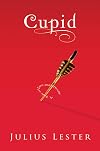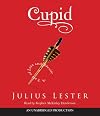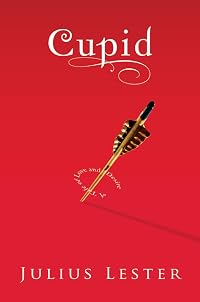
Cupid: A Tale of Love and Desire
by Julius Lester
On This Page
Description
Cupid, the spoiled and mischievous god of love, is attracted to and marries the beautiful mortal, Psyche, and both learn many lessons about the nature of love.Tags
Recommendations






























Member Recommendations
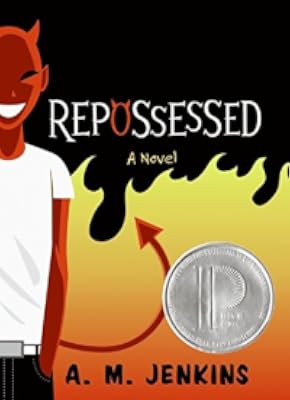
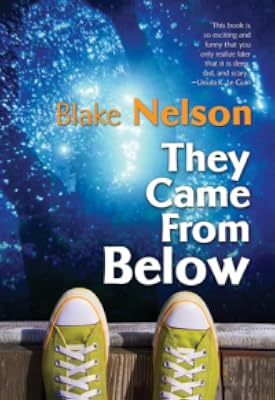
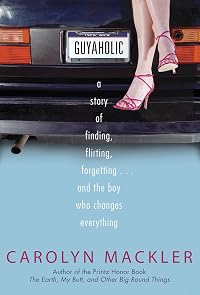
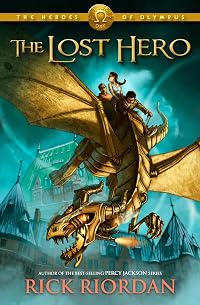
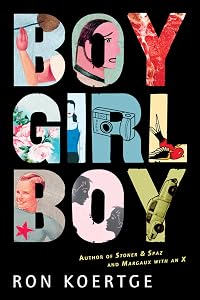
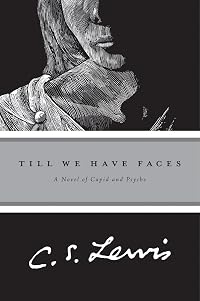
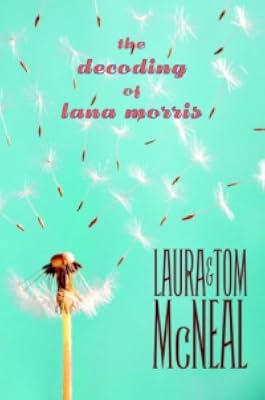
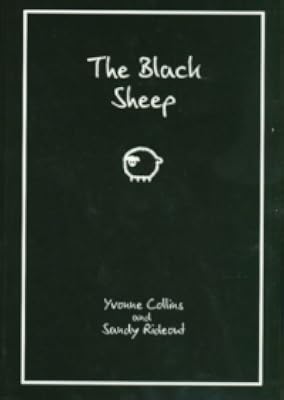
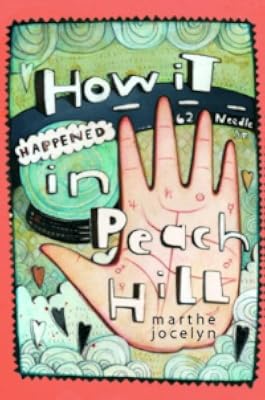
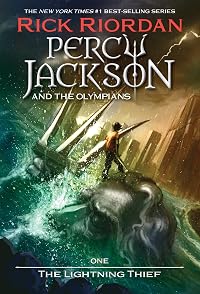
raizel A retelling of the Psyche and Cupid myth; Lester's version is for a younger (teen
Member Reviews
Cupid is a retelling of the legend of Cupid and Psyche by a present-day Southern narrator, and that twist provides a charming (for the most part) perspective on the love story.
In this narrative the story itself is a character, explaining things, impatiently bringing the narrator back from tangents, and urging that it be told. The narrator inserts sometimes charming, sometimes irritating asides about his own experience in love or comments on the actions of the characters - which people may find jarring, but which I generally enjoyed very much.
This is a story about the difficulties of love. How hard love can be when it requires that one consider the other person's feelings, stand up for oneself and one's beloved and even defies a show more respected parent. To illustrate these difficulties (which is a nice change from the love is easy/blissful/happy approach that most stories take and which in no way reflect the problems with teenaged love), the narrator characterizes Cupid as a mama's boy who doesn't know how to love and how to sustain a relationship.
In the context of what the narrator tries to do, the story definitely works, but I very much disliked the characterization of Cupid. But as this was aimed at boys in particular, the exaggeration and clear demonstration of fault (on both sides) is probably meant as a way to show them how to examine their own behavior in relationships. A bit heavy-handed, but really funny. I forgive it. show less
In this narrative the story itself is a character, explaining things, impatiently bringing the narrator back from tangents, and urging that it be told. The narrator inserts sometimes charming, sometimes irritating asides about his own experience in love or comments on the actions of the characters - which people may find jarring, but which I generally enjoyed very much.
This is a story about the difficulties of love. How hard love can be when it requires that one consider the other person's feelings, stand up for oneself and one's beloved and even defies a show more respected parent. To illustrate these difficulties (which is a nice change from the love is easy/blissful/happy approach that most stories take and which in no way reflect the problems with teenaged love), the narrator characterizes Cupid as a mama's boy who doesn't know how to love and how to sustain a relationship.
In the context of what the narrator tries to do, the story definitely works, but I very much disliked the characterization of Cupid. But as this was aimed at boys in particular, the exaggeration and clear demonstration of fault (on both sides) is probably meant as a way to show them how to examine their own behavior in relationships. A bit heavy-handed, but really funny. I forgive it. show less
At first I wasn't sure what the rambling tone was going to add to this classical story, but I was quickly lulled into the soothing cadences of a practised story teller. And, as he pointed out, sometimes not even a story teller knows what's going to happen in a story until the words come out of his mouth.
The charm in this retelling was in how it kept the classical setting but explored the modern motivations that may have pushed the characters. The combination of Cupid as a sulky boy-man, and Psyche as an angsty girl is appealing, and there is a satisfying change as they realise that a relationship involves another person.
The reading in the audiobook was very, very well done, I could listen to that man talk forever!
The charm in this retelling was in how it kept the classical setting but explored the modern motivations that may have pushed the characters. The combination of Cupid as a sulky boy-man, and Psyche as an angsty girl is appealing, and there is a satisfying change as they realise that a relationship involves another person.
The reading in the audiobook was very, very well done, I could listen to that man talk forever!
I loved every second of this book. I have always loved the myth of Cupid & Psyche, and I loved the narrator's flair for story-telling. He had a very understated poetic method of telling the story, that seemed like an old-fashioned trick to keep the listener enthralled. It was very effective and entertaining. I loved the way other myths were blended into Cupid and Psyche's story to explain the other gods. Both well-known myths as well as lesser-known gods were mentioned and given life in this story. Even the sun and moon and all four winds were given parts and personalities.
If I were to make one complaint is that the title of the book is CUPID, and not CUPID AND PSYCHE. It's her story as much as his. Minor quibble, but I did feel like an show more injustice was done (however small it may be!)
As the story progressed I noticed some parallels between elements of this story to some well-known (and more recent - compared to this ancient myth) fairy tales, which I thought was interesting. The goddess Venus's jealousy of Psyche's beauty parallels Snow White and the queen. Psyche being taken away and cut off from civilization is similar to Rapunzel's isolation. Psyche's two evil older sisters remind me of Cinderella's step-sisters. Psyche being beautiful and told that Cupid is a hideous monster (and the two of them falling in love anyway) has seeds of Beauty & the Beast. Psyche's sisters persuading her to stab her husband with a knife are reminiscent of The Little Mermaid's sisters convincing her to do the same with the prince she's in love with. Venus demanding that Psyche sort grains before the sun goes down is similar to the princess that was given the impossible task of spinning straw into gold like in Rumplestiltskin.
Cupid and Psyche have the quintessential fairy tale, and I love it. Specific to this particular retelling, I loved the narrator's quirky personal anecdotes. Which, in my opinion, gave the story more flair and depth and made this an extremely enjoyable experience. show less
If I were to make one complaint is that the title of the book is CUPID, and not CUPID AND PSYCHE. It's her story as much as his. Minor quibble, but I did feel like an show more injustice was done (however small it may be!)
As the story progressed I noticed some parallels between elements of this story to some well-known (and more recent - compared to this ancient myth) fairy tales, which I thought was interesting. The goddess Venus's jealousy of Psyche's beauty parallels Snow White and the queen. Psyche being taken away and cut off from civilization is similar to Rapunzel's isolation. Psyche's two evil older sisters remind me of Cinderella's step-sisters. Psyche being beautiful and told that Cupid is a hideous monster (and the two of them falling in love anyway) has seeds of Beauty & the Beast. Psyche's sisters persuading her to stab her husband with a knife are reminiscent of The Little Mermaid's sisters convincing her to do the same with the prince she's in love with. Venus demanding that Psyche sort grains before the sun goes down is similar to the princess that was given the impossible task of spinning straw into gold like in Rumplestiltskin.
Cupid and Psyche have the quintessential fairy tale, and I love it. Specific to this particular retelling, I loved the narrator's quirky personal anecdotes. Which, in my opinion, gave the story more flair and depth and made this an extremely enjoyable experience. show less
Reviewed by Carrie Spellman for TeensReadToo.com
Everybody knows who Cupid is, right? He's the chubby little guy in diapers, who shoots people with arrows and makes them fall in love. Or at least that's how we picture him. I assume he probably wore diapers at some point, but this isn't that story. If you've ever read or studied any mythology, you know that gods were believed to be a lot like people. They made mistakes, broke the rules, did stupid things, and weren't always nice. This IS that story.
Though he is the title character, this story doesn't start with him. It all begins with a beautiful girl named Psyche. Actually, she's more than beautiful. Words don't exist to describe her beauty. Ask the letters, because they tried. Psyche is show more so amazing to behold that all of the people in the kingdom stop what they're doing to catch a glimpse of her on her afternoon walk. Her father, the king, fearing the economic failure of his country, limits her walks. As with most of the best laid plans, this one backfires. People quit working entirely to hang out by the castle waiting for the next time Psyche leaves. Then people from other kingdoms start to relocate, all to see this incredible creature.
Now normally the affairs of humans don't interest the gods. However, Venus, the goddess of love and beauty, gets a little feisty when her temples are being neglected. When she finds out that there is a human who is possibly more beautiful than she is and is stealing her attention... Let's just say the goddess of love is not immune to jealousy. And, being a goddess, she is in a position to cause some trouble. Enter Cupid, son of Venus, sent down to stir up some trouble.
Cupid has never been in love. Cupid gets entertainment by making unlikely people fall in love, by making happy couples fall into hate, making people fall in love with people who are already in love with other people, and sometimes making people fall in love with things that aren't people at all. Cupid's really not all that great of a guy sometimes. Venus sends him to earth to take care of Psyche. Except Cupid falls in love with Psyche. That's when the real trouble starts.
This is a great story, and worth being retold in any case. This particular retelling had me laughing hysterically. The Story and the Narrator are constantly disagreeing over which points are important enough to include in the tale. They discuss and fight at random intervals, until the Story gets involved in hearing the Narrarator's version of itself. It's hilarious!
If mythology had been available in this form when I was studying it, I definitely wouldn't have gotten a "D." show less
Everybody knows who Cupid is, right? He's the chubby little guy in diapers, who shoots people with arrows and makes them fall in love. Or at least that's how we picture him. I assume he probably wore diapers at some point, but this isn't that story. If you've ever read or studied any mythology, you know that gods were believed to be a lot like people. They made mistakes, broke the rules, did stupid things, and weren't always nice. This IS that story.
Though he is the title character, this story doesn't start with him. It all begins with a beautiful girl named Psyche. Actually, she's more than beautiful. Words don't exist to describe her beauty. Ask the letters, because they tried. Psyche is show more so amazing to behold that all of the people in the kingdom stop what they're doing to catch a glimpse of her on her afternoon walk. Her father, the king, fearing the economic failure of his country, limits her walks. As with most of the best laid plans, this one backfires. People quit working entirely to hang out by the castle waiting for the next time Psyche leaves. Then people from other kingdoms start to relocate, all to see this incredible creature.
Now normally the affairs of humans don't interest the gods. However, Venus, the goddess of love and beauty, gets a little feisty when her temples are being neglected. When she finds out that there is a human who is possibly more beautiful than she is and is stealing her attention... Let's just say the goddess of love is not immune to jealousy. And, being a goddess, she is in a position to cause some trouble. Enter Cupid, son of Venus, sent down to stir up some trouble.
Cupid has never been in love. Cupid gets entertainment by making unlikely people fall in love, by making happy couples fall into hate, making people fall in love with people who are already in love with other people, and sometimes making people fall in love with things that aren't people at all. Cupid's really not all that great of a guy sometimes. Venus sends him to earth to take care of Psyche. Except Cupid falls in love with Psyche. That's when the real trouble starts.
This is a great story, and worth being retold in any case. This particular retelling had me laughing hysterically. The Story and the Narrator are constantly disagreeing over which points are important enough to include in the tale. They discuss and fight at random intervals, until the Story gets involved in hearing the Narrarator's version of itself. It's hilarious!
If mythology had been available in this form when I was studying it, I definitely wouldn't have gotten a "D." show less
“Love is madness!” or so proclaims the eponymous character Cupid. Cupid finds himself wanting to apologize to the humans for his ample use of arrows that cause feelings of “helplessness, with a loss of will and control, with a loss of self.”
Julius Lester’s Cupid is a story of love, of love lost, and of love regained. But it’s more than a story about love, it’s also part myth retelling and adaptation, part philosophical novel, part paean to storytelling, and part an examination of human nature and relationships (part by examining gods with human foibles).
Cupid’s story needs a Psyche–meaning soul or butterfly. Psyche is a mortal, but people often think her to be a goddess because she is even more beautiful than Venus. show more Venus, the goddess of love, does not take kindly to having her position as the most beautiful being in all of creation usurped by a mere mortal. Cupid, as Venus’ son, is asking for trouble when he is struck with his own medicine of inexorable love from the moment he spots Psyche. Cupid “was the god of love, but he had never been in love. Love had been a game to him, a game he controlled with his bows and arrows”.
Psyche’s beauty, Cupid’s puerile tendencies (he’s a bit of a mama’s boy), and Venus’ jealousy create the impetus for the myth; Lester fills in the details. He amplifies the basic plot with the inclusion of lesser Greek and Roman deities such as Oizys the goddess of pain and Favonius the West Wind; he fleshes out the story in many places where the original myth is silent. But mostly he retains the flavor of oral storytelling with his omniscient narrator.
Lester’s cheeky omniscient narrator reveals nuggets of relationship and philosophical sagacity throughout the story, but he never fully reveals himself (Lester writes: “The narrator’s voice is mine, and then again, it isn’t.”). Readers come to understand that the narrator and the story are not always in agreement as when the narrator notes “stories can be impatient” or “the story and I have been having an argument.”
Within the story, the narrator speaks on many topics, for example:
Marital advice: “…one of the biggest problems in a marriage is what you expect of the other and what the other expects of you. The closer each person’s expectations come to meeting and shaking hands with each other, the better the marriage is going to be.”Storytelling: “Sometimes when a story says a rose is a rose, it is a rose. But then, there are times when the story says a rose, and the rose is not only a rose, it is also something else.”
Love: “Love happened. Love came to show you that you could be more than you could ever imagine, because love forced you out of the narrows of yourself and thrust you into a vastness that stretched from one end of time to the other. Nothing mattered except being in the presence of love, the greatest beauty of all.”
Lester’s retelling is lighthearted and ends happily and provides a painless introduction to the traditional myth for reluctant readers (it’s a short book and a quick read). Other Cupid and Psyche retellings you may L-O-V-E: show less
Julius Lester’s Cupid is a story of love, of love lost, and of love regained. But it’s more than a story about love, it’s also part myth retelling and adaptation, part philosophical novel, part paean to storytelling, and part an examination of human nature and relationships (part by examining gods with human foibles).
Cupid’s story needs a Psyche–meaning soul or butterfly. Psyche is a mortal, but people often think her to be a goddess because she is even more beautiful than Venus. show more Venus, the goddess of love, does not take kindly to having her position as the most beautiful being in all of creation usurped by a mere mortal. Cupid, as Venus’ son, is asking for trouble when he is struck with his own medicine of inexorable love from the moment he spots Psyche. Cupid “was the god of love, but he had never been in love. Love had been a game to him, a game he controlled with his bows and arrows”.
Psyche’s beauty, Cupid’s puerile tendencies (he’s a bit of a mama’s boy), and Venus’ jealousy create the impetus for the myth; Lester fills in the details. He amplifies the basic plot with the inclusion of lesser Greek and Roman deities such as Oizys the goddess of pain and Favonius the West Wind; he fleshes out the story in many places where the original myth is silent. But mostly he retains the flavor of oral storytelling with his omniscient narrator.
Lester’s cheeky omniscient narrator reveals nuggets of relationship and philosophical sagacity throughout the story, but he never fully reveals himself (Lester writes: “The narrator’s voice is mine, and then again, it isn’t.”). Readers come to understand that the narrator and the story are not always in agreement as when the narrator notes “stories can be impatient” or “the story and I have been having an argument.”
Within the story, the narrator speaks on many topics, for example:
Marital advice: “…one of the biggest problems in a marriage is what you expect of the other and what the other expects of you. The closer each person’s expectations come to meeting and shaking hands with each other, the better the marriage is going to be.”Storytelling: “Sometimes when a story says a rose is a rose, it is a rose. But then, there are times when the story says a rose, and the rose is not only a rose, it is also something else.”
Love: “Love happened. Love came to show you that you could be more than you could ever imagine, because love forced you out of the narrows of yourself and thrust you into a vastness that stretched from one end of time to the other. Nothing mattered except being in the presence of love, the greatest beauty of all.”
Lester’s retelling is lighthearted and ends happily and provides a painless introduction to the traditional myth for reluctant readers (it’s a short book and a quick read). Other Cupid and Psyche retellings you may L-O-V-E: show less
Short retelling of the story of Cupid and Psyche. Though there wasn't much in there that I didn't already know, but I was amused at the narrator who was almost like another character in the book. Of course, he had a few too many opinions....but all in all, not a bad story.
I can hear Julius Lester's voice in this retelling of the Cupid and Psyche story. He spends a lot of time talking about how one tells a story and his personal experiences about love; a good thing, in my opinion. Sharing his failures and successes in romance is helpful for teens experiencing their first loves, apparently his target audience. There are jealous sisters who want Psyche to suffer, tasks that Psyche must perform to win back her true love, temptation (to see what Cupid looks like) that Psyche cannot resist. So, references to Pandora's Box and eating the apple in the Garden of Eden, and the sisters of Cinderella and Beauty in "Beauty and the Beast." And, finally, a serious, adult list of sources (books, articles and Internet) show more after the story. show less
Members
- Recently Added By
Author Information

56+ Works 11,087 Members
Julius Bernard Lester was born in St. Louis, Missouri on January 27, 1939. He received a bachelor's degree in English from Fisk University in 1960. He moved to New York to become a folk singer. He performed on the coffeehouse circuit as a singer and guitarist. He released two albums entitled Julius Lester in 1965 and Departures in 1967. His first show more published book, The Folksinger's Guide to the 12-String Guitar as Played by Leadbelly written with Pete Seeger, was published in 1965. In the 1960s, Lester was closely involved as a writer and photographer with the Student Nonviolent Coordinating Committee. He traveled to the South to document the civil rights movement and to North Vietnam to photograph the effects of American bombardment. He also hosted radio and television talk shows in New York City. He wrote more than four dozen nonfiction and fiction books for adults and children. His books for adults included Look Out, Whitey!: Black Power's Gon' Get Your Mama, Revolutionary Notes, All Is Well, Lovesong: Becoming a Jew, and The Autobiography of God. His children's books included To Be a Slave, Sam and the Tigers, and Day of Tears: A Novel in Dialogue, which won the American Library Association's Coretta Scott King Award in 2006. He also wrote reviews and essays for numerous publications including The New York Times Book Review, The Boston Globe, The Village Voice, Dissent, The New Republic, and the Los Angeles Times Book Review. After teaching for two years at the New School for Social Research in New York, Lester joined the faculty of the University of Massachusetts, Amherst in 1971. He originally taught in the Afro-American studies department, but transferred to the Judaic and Near Eastern studies department when Lester criticized the novelist James Baldwin for what he felt were anti-Semitic remarks. He died from complications of chronic obstructive pulmonary disease on January 18, 2018 at the age of 78. (Bowker Author Biography) show less
Awards and Honors
Distinctions
Common Knowledge
- Original title
- Cupid
- Original publication date
- 2007
- People/Characters
- Cupid; Psyche; Aphrodite; Venus, Cupid's mother; Thomasina, Psyche's sister; Calla, Psyche's sister (show all 9); Adonis; Apollo; Mars
- Important places
- Greece (ancient); Mount Olympus; Underworld; Kingdom-by-the-Great-Blue-Sea
- Dedication
- For Milan, / who daily shows me the beauty of love
- First words
- A long time ago, when Time was still winding its watch and Sun was trying to figure out which way was east and which was west, there was a king and queen.
- Quotations
- Sometimes, stories don't understand; what may not be important to them is very important to us. (p. 1, end of first paragraph)
But because I am a storyteller, I know that all knowledge cannot be put into words. (p. 31)
From him [Eros aka Cupid], light had first emanated; it was he who had set the universe in motion and created the sun, moon, sky, and earth. Such was the power of love that it banished primeval chaos. The water, beasts, wind,... (show all) trees, and birds remembered Eros and how he chose to enter the affairs of humans in guise of Cupid, son of Venus, and they would never harm the one he had chosen as his beloved [Psyche]. (p. 119-120)
Sometimes stories don't know the best way to tell themselves. That's especially true of some of the very old stories like this one. It has gotten used to being told one way, and I'm having a hard time getting the story to und... (show all)erstand that people listen to stories differently than they did back in the year one hundred. People today are surrounded by stories. There are radio and television stations that do nothing but broadcast new, and what is news except stories? (p. 154-155)
Even a story doesn't know how it is going to turn out because who knows what a storyteller will say once he or she gets going good. (p. 166-167) - Last words
- (Click to show. Warning: May contain spoilers.)If this story which was first told way back in the year one hundred fits you and me today like it was ours to begin with, then just because we have different names and different faces, it doesn't mean we're not living the same story. Because we are. We certainly are.
Classifications
- Genres
- Fiction and Literature, Teen, Young Adult
- DDC/MDS
- 813.54 — Literature & rhetoric American literature in English American fiction in English 1900-1999 1945-1999
- LCC
- PZ7 .L5629 .C — Language and Literature Fiction and juvenile belles lettres Fiction and juvenile belles lettres Juvenile belles lettres
- BISAC
Statistics
- Members
- 171
- Popularity
- 192,265
- Reviews
- 19
- Rating
- (3.40)
- Languages
- English, French
- Media
- Paper, Audiobook, Ebook
- ISBNs
- 8
- ASINs
- 1