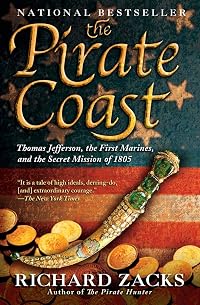
The Pirate Coast
by Richard Zacks
On This Page
Description
A real-life thriller—the true story of the unheralded American who brought the Barbary Pirates to their kneesAfter Tripoli declared war on the United States in 1801, Barbary pirates captured three hundred US sailors and marines. President Jefferson sent out navy squadrons, but he also authorized a secret mission to overthrow the government of Tripoli. He chose an unlikely diplomat, William Eaton, to lead the mission. But before Eaton departed, Jefferson grew wary of the affair and show more withdrew his support.
Astoundingly, Eaton persevered, gathering a ragtag army and leading them on a brutal march across five hundred miles of desert. After surviving sandstorms, treachery, and near death, Eaton achieved a remarkable victory on "the shores of Tripoli," gaining freedom for the American hostages and new respect for the young United States. But as Eaton dared to reveal that the president had deserted him, Jefferson set out to crush him. Richard Zacks brings this important story of America's first overseas covert operation to life.
. show less
Tags
Recommendations
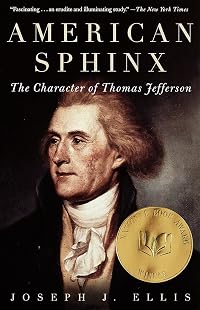
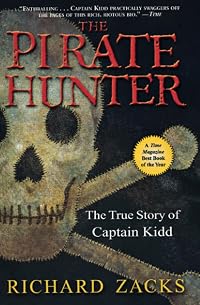
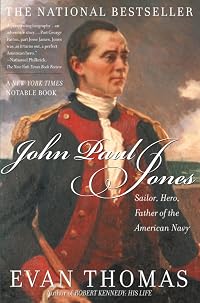

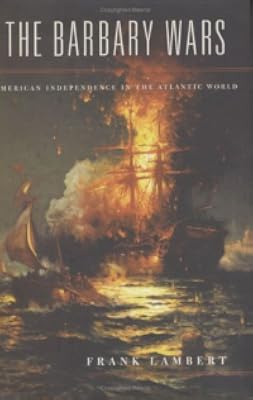









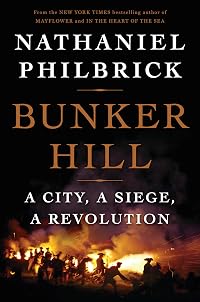
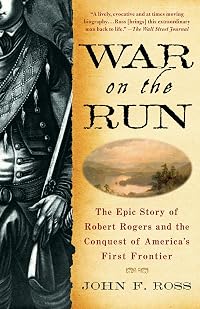

Member Recommendations
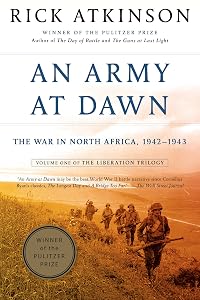
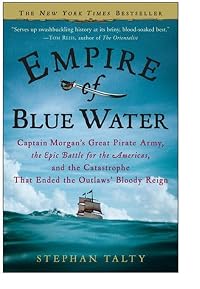
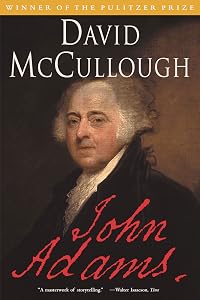
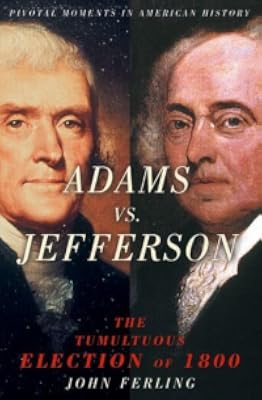
bookwoman247 These are similar historical tales of Americans taken as slaves in Africa during the 19th Century and of survival.
Member Reviews
Since 1705, sailors had been falling prey to Basha Yussef and the Barbary pirates. Since the Revolution, the best that America could do was vaguely threaten, ransom or bribe. But in 1803, after the USS Philadelphia runs aground and its men are captured, enough was enough. Taking advantage of political instability, a plan emerges to put Yussef's younger brother, Hamet, on the throne. Failed diplomat William Eaton seeks to redeem himself and offers to lead an expedition. He finds Hamet in Egypt. This results in a plan for a 600 mile trek - with a combined force of 8 American marines, foreign mercenaries, and Bedouin tribesmen - to take Derne, conquer Bengazi, and finally march into Tripoli. At the same time, the U.S. navy moves with their show more own orders just as the foreign minister of Tripoli offers peace. So how would it end? Military might, a coup d'état, diplomacy or rebellion from within?
While I found this one compelling in a lot of ways -in the end I didn't care for it as much as Zacks' "The Pirate Hunter." It suffered from the same problems as the biography of John Paul Jones, particularly the "Only One" trope. "Slovenly" Jefferson, timid Madison, and placating Tobias Lear cannot hope to succeed without bull-headed, patriotic Eaton. The only man with the brass and the brains to save the day. Except this cliched image falls apart once the reader realizes how insufferable and mistrustful Eaton is, succeeding (sort of?) with sheer luck. Eaton is fearless and audacious, no doubt, but far from tactful. I enjoyed Zacks' enthusiasm, but I disliked how every figure appears incompetent to hype up Eaton. Still, it's the seemingly-impossible beginning of U.S. espionage, a strange episode worth knowing about. The march across the desert and the battle in Derne reminded me of Lawrence of Arabia! show less
While I found this one compelling in a lot of ways -in the end I didn't care for it as much as Zacks' "The Pirate Hunter." It suffered from the same problems as the biography of John Paul Jones, particularly the "Only One" trope. "Slovenly" Jefferson, timid Madison, and placating Tobias Lear cannot hope to succeed without bull-headed, patriotic Eaton. The only man with the brass and the brains to save the day. Except this cliched image falls apart once the reader realizes how insufferable and mistrustful Eaton is, succeeding (sort of?) with sheer luck. Eaton is fearless and audacious, no doubt, but far from tactful. I enjoyed Zacks' enthusiasm, but I disliked how every figure appears incompetent to hype up Eaton. Still, it's the seemingly-impossible beginning of U.S. espionage, a strange episode worth knowing about. The march across the desert and the battle in Derne reminded me of Lawrence of Arabia! show less
The only thing you hear in school is how the young United States faced down the Barbary Pirates. That's not what happened! Zacks details the double-dealing, loathesome tactics that passed for high diplomacy surrounding the attempted rescue/ransom of American sailors held as slaves by the Bashaw of Tripoli following the folly of their incompetent captain which caused them to be shipwrecked. Small wonder relationships with that part of the world are still difficult after 200 plus years.
This book is severely mis-titled. It actually is a biography of William Eaton and has very little to say about Jefferson, the Marines and even the pirates. As the story can be read both as history and as an adventure story, the following might be spoilers. Eaton was an American soldiers in the early days of the republic. Despite graduating from Dartmouth College, he lacked the all important connections to the mighty. As US consul at Tunis, he entered a gentleman's world way above his means and station. Perpetually close to bankruptcy, he was both too greedy and too easily manipulated to be successful in the long run. Thus, his life as an adventurer. An what an adventure it was.
He led a band of marines (all ten of them!), of European show more mercenaries and Arab allies across the deserts of Libya and Egypt in order to liberate American sailors in Tripoli. These sailors of the USS Philadelphia were enslaved due to the stupidity of their captain who surrendered his ship to the pirates without a single casualty or enemy induced destruction. Eaton's adventure suffered from mission creep which resulted in his personal task to undertake regime change in Tripoli. Even though Eaton succeed in his first two stages, US diplomacy robbed him of the possibility to try to execute his final push.
When Eaton returned to the States, he became embroiled in the political fight between Jefferson's Republicans and Federalists. As a Northerner and a soldier, Eaton leaned Federalist. The author attributes, falsely in my opinion, malice to Jefferson's dealings with Eaton, where a political analysis is warranted: Eaton became a Federalist tool, thus of limited value to Jefferson. Only when Eaton, close to the Aaron Burr conspiracy, jumped ship, rose his value again as a pawn in the fight against Burr. Sadly, Eaton ended his life as a drunk.
The sad, counterpoint ending somewhat crushes the tremendous enjoyment of the book. Instead of a Hollywood finale, the book ends on a sour note when reality breaks the adventure's flow. This is in no way the author's or the book's fault, it just hits you unexpectedly.
The book can also be read as an early case study of mis-managing foreign client dictators. show less
He led a band of marines (all ten of them!), of European show more mercenaries and Arab allies across the deserts of Libya and Egypt in order to liberate American sailors in Tripoli. These sailors of the USS Philadelphia were enslaved due to the stupidity of their captain who surrendered his ship to the pirates without a single casualty or enemy induced destruction. Eaton's adventure suffered from mission creep which resulted in his personal task to undertake regime change in Tripoli. Even though Eaton succeed in his first two stages, US diplomacy robbed him of the possibility to try to execute his final push.
When Eaton returned to the States, he became embroiled in the political fight between Jefferson's Republicans and Federalists. As a Northerner and a soldier, Eaton leaned Federalist. The author attributes, falsely in my opinion, malice to Jefferson's dealings with Eaton, where a political analysis is warranted: Eaton became a Federalist tool, thus of limited value to Jefferson. Only when Eaton, close to the Aaron Burr conspiracy, jumped ship, rose his value again as a pawn in the fight against Burr. Sadly, Eaton ended his life as a drunk.
The sad, counterpoint ending somewhat crushes the tremendous enjoyment of the book. Instead of a Hollywood finale, the book ends on a sour note when reality breaks the adventure's flow. This is in no way the author's or the book's fault, it just hits you unexpectedly.
The book can also be read as an early case study of mis-managing foreign client dictators. show less
A somewhat clunky writing style dogs this book throughout, even though the story Zacks sets out to tell is remarkably interesting. While Jefferson rates mention in the subtitle (hey, his name sells books, I guess) naval agent provocateur William Eaton is really at the center of the book, along with diplomat Tobias Lear (who, with Jefferson, comes in for some very strong criticism from Eaton for their actions). Zacks focuses on the mission to ransom and rescue the crew of the Philadelphia, which got complicated due to Eaton's erstwhile attempts to stir up a civil war in Tripoli and overthrow the ruler there.
Zacks distills the complexities of the mission reasonably well, but the book still feels rather too long, and loses its punch in the show more end. show less
Zacks distills the complexities of the mission reasonably well, but the book still feels rather too long, and loses its punch in the show more end. show less
Richard Zacks’ The Pirate Coast covers much the same ground as David Smethurst’s Tripoli; Zacks pays more attention to personalities and less to events, and focuses more on the land aspects of the campaign. Although William Eaton is the center of attention, nobody really comes across as especially admirable: Captain William Bainbridge, later the hero of Constitution vs. Java, is here an incompetent seaman who ran Philadelphia aground and then surrendered prematurely. Eaton is given praise for leading the overland expedition to force the bashaw of Tripoli to negotiate, but is censured for his temper and drinking habits. Tobias Lear, the negotiator of the treaty with Tripoli, is portrayed as duplicitous and diplomatically unskilled show more – Zacks thinks he should have held out for a better deal. Even Thomas Jefferson gets little respect; Zacks has him abandoning Eaton, Eaton’s protégée Hamet Karamanli, and the various Arab tribes and mercenaries that Eaton scraped up to invade Tripoli.
The history is straightforward, thorough, and well-researched. Only one map; it’s contemporary and therefore hard to make out. Plates of various participants; scenic halftones in the text. show less
The history is straightforward, thorough, and well-researched. Only one map; it’s contemporary and therefore hard to make out. Plates of various participants; scenic halftones in the text. show less
Takes a while to get through this history but well worth the effort. It's the stories that no one ever hears about in history classes that I find most fascinating. There are many people in the past who played significant roles in history who never get credit. This history highlights the not so nice alternate personality of Thomas Jefferson who seemed to take delight in using people against each other and orchestrating their persecution and destruction. Unfortunately William Eaton couldn't help but fall right into the trap and self destructed before the age of fifty. A sad and tragic story and a shameful episode in Jefferson's administration.
Zacks tells an interesting story about early American ventures into the world of Islam and the origin of one line from the Marine Corps Hymn, "to the shores of Tripoli" but he also describes and follows several interesting characters, especially William Eaton, and investigates federal politics in the Jefferson Administration. It is a fascinating book but 400 pages felt too long and robbed, for me, the story of some of its zip.
Members
- Recently Added By
Author Information

7 Works 3,552 Members
Common Knowledge
- Canonical title
- The Pirate Coast
- People/Characters
- Thomas Jefferson; William Bainbridge; William Eaton; Stephen Decatur; Murad Rais
- Important places
- Tripoli, Libya; Tunis, Tunisia; Libya; Tunisia
- Blurbers
- Isaacson, Walter; Swofford, Anthony; Moskin, J. Robert; Cannon, Lou; Croce, Pat
Classifications
- Genres
- History, Nonfiction, General Nonfiction
- DDC/MDS
- 973.47 — History & geography History of North America United States Constitutional period (1789-1809) Thomas Jefferson, 1st Term (1801-1805)
- LCC
- E335 .Z33 — History of the United States United States Revolution to the Civil War, 1775/1783-1861 By period 1789-1809. Constitutional period Jefferson's administrations, 1801-1809 War with Tripoli, 1801-1805
- BISAC
Statistics
- Members
- 724
- Popularity
- 39,149
- Reviews
- 19
- Rating
- (3.79)
- Languages
- English
- Media
- Paper, Audiobook, Ebook
- ISBNs
- 15
- ASINs
- 7