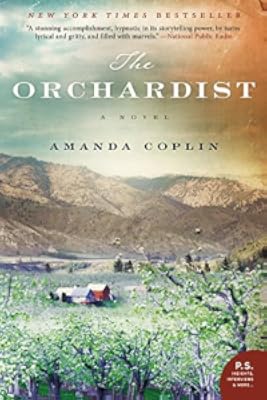
The Orchardist
by Amanda Coplin
On This Page
Description
At the turn of the 20th century in a rural stretch of the Pacific Northwest, a gentle solitary orchardist, Talmadge, tends to apples and apricots. Then two feral, pregnant girls and armed gunmen set Talmadge on an irrevocable course not only to save and protect but to reconcile the ghosts of his own troubled past.Tags
Recommendations



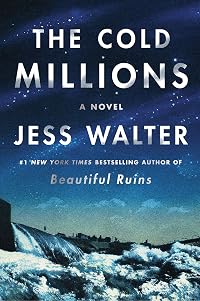
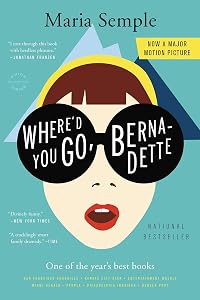

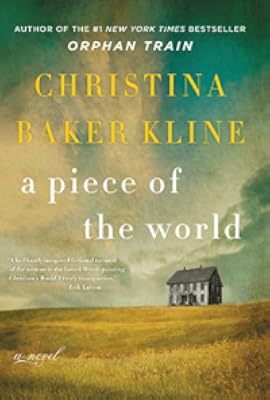
Member Recommendations
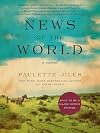
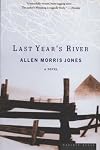
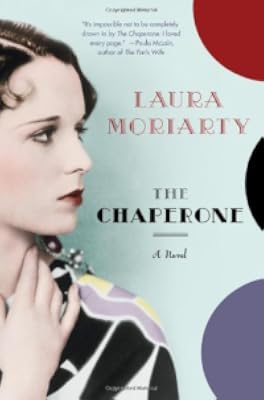
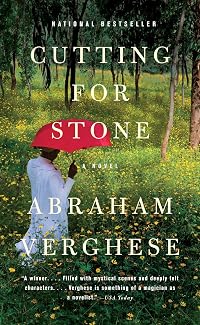
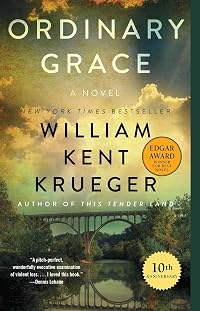
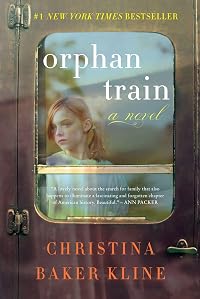
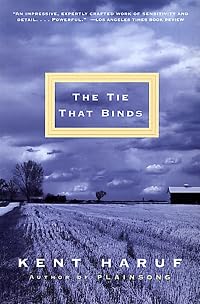
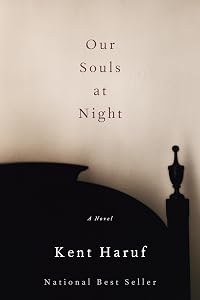
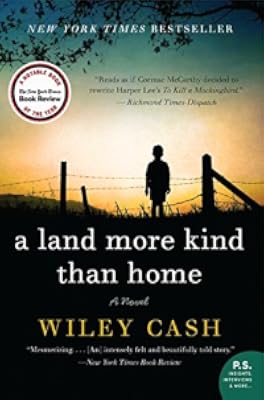
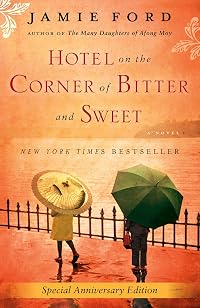
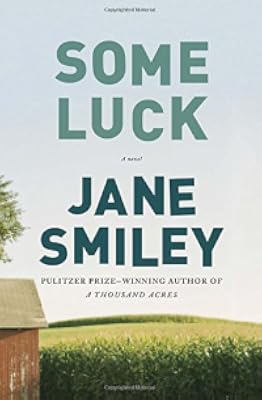
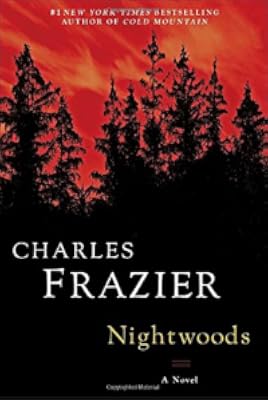
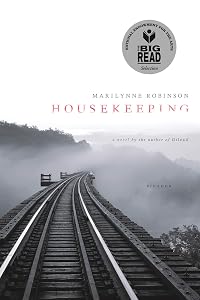
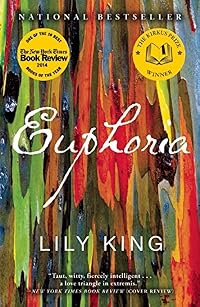
BookshelfMonstrosity Pregnant teenagers find unlikely protectors in older men bearing their own emotional scars in these atmospheric historical novels, set in the American West. Despite dramatic plotting and vivid description, both novels' relaxed pacing echoes the steady rhythms of farm life.
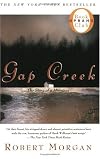
sunqueen Both novels are character studies set in rural/agricultural backgrounds/
Member Reviews
A quiet novel about quiet people
I'm with the other reviewers who found this novel by Coplin a major, beautiful literary work. The writing is luminous, the characters are captivating, the pace is perfect. And, goodgawd, this novel got me in the feels.
The Orchardist has a deceptive simplicity. It's best to leave behind your expectations, your predictions, maybe your previous reading life. Let Coplin tell the story her way.
It took me a little while to grasp I was in the hands of a writer (she was so young when she wrote this!) who has an immense talent. It is told in the small gesture, the unspoken emotions in the quiet spaces in conversation, in the desperation in the repetition of speech, in the times of utter voicelessness. You have to show more quiet yourself to hear it.
Everything about troubled humanity is here. Coplin slowly opens you up to absorb an acceptance of the complexity of human frailty and damage. She'll also show you the profound commitment of our human connections. Both are often painful.
This is a novel that will make you rethink some of the people you have known, and loved in spite of the woes.
I buddy read with Lisa which was uncanny that we would pick this one from our mutual TBRs--something about us together was the exactly right pairing for it. I'll update with a link to her review when she's done, because her review will give you a better idea of the actual story and in particular the voice and insights in this emotional powerhouse. Her reviews are always lovely that way.
Aha, here it is! Lisa's review https://www.goodreads.com/review/show/4255461230
I'm sorry. I haven't told you about the story. I find myself still listening to the novel speak to me in its quiet way. show less
I'm with the other reviewers who found this novel by Coplin a major, beautiful literary work. The writing is luminous, the characters are captivating, the pace is perfect. And, goodgawd, this novel got me in the feels.
The Orchardist has a deceptive simplicity. It's best to leave behind your expectations, your predictions, maybe your previous reading life. Let Coplin tell the story her way.
It took me a little while to grasp I was in the hands of a writer (she was so young when she wrote this!) who has an immense talent. It is told in the small gesture, the unspoken emotions in the quiet spaces in conversation, in the desperation in the repetition of speech, in the times of utter voicelessness. You have to show more quiet yourself to hear it.
Everything about troubled humanity is here. Coplin slowly opens you up to absorb an acceptance of the complexity of human frailty and damage. She'll also show you the profound commitment of our human connections. Both are often painful.
This is a novel that will make you rethink some of the people you have known, and loved in spite of the woes.
I buddy read with Lisa which was uncanny that we would pick this one from our mutual TBRs--something about us together was the exactly right pairing for it. I'll update with a link to her review when she's done, because her review will give you a better idea of the actual story and in particular the voice and insights in this emotional powerhouse. Her reviews are always lovely that way.
Aha, here it is! Lisa's review https://www.goodreads.com/review/show/4255461230
I'm sorry. I haven't told you about the story. I find myself still listening to the novel speak to me in its quiet way. show less
When two pregnant and starving sisters steal apples from Talmadge’s fruit stand in 1900, they meet a shy and lonely man. Talmadge lost his father in a mine collapse when he was nine; his mother died three years later; and his teenage sister vanished from their orchard at the foothills of the Cascade Mountains in 1865. Now in his early 50s, his only friendships are with a mute Nez Perce horse wrangler and the herbalist who nursed his dying mother. The disappearance of his sister is a constant heartache.
He decides to befriend the sisters, Jane and Della, whose names he learns from a poster advertising a reward for their capture. They have escaped from a terrible man who brutalized the young girls in his brothel. When he tracks the show more sisters to Talmadge’s orchard, Jane attempts to make a final escape.
Talmadge is left to care for Della and Jane’s newborn baby, but is never fully able to contain Della. She’s a young woman constantly on the move, unable to hold still, or to love or be loved. She’s unlikable and totally heartbreaking.
Angelene's happy upbringing represents an end to the line of damaged lives. She's loved, trained and nurtured by Talmadge, like one of his trees. She is perfectly suited to a life spent growing things.
Despite the sense of foreboding, the bonds between characters and their quiet perseverance lends a sense of hope to the narrative. The author weaves together ife and death, loss and recovery, failure and redemption. If you are looking for a book that goes from point A to point B to point C with a logical and satisfying conclusion, this isn't the book for you. But for me, the author created a psychologically complex novel of considerable emotional power.
TBR 1332 show less
He decides to befriend the sisters, Jane and Della, whose names he learns from a poster advertising a reward for their capture. They have escaped from a terrible man who brutalized the young girls in his brothel. When he tracks the show more sisters to Talmadge’s orchard, Jane attempts to make a final escape.
Talmadge is left to care for Della and Jane’s newborn baby, but is never fully able to contain Della. She’s a young woman constantly on the move, unable to hold still, or to love or be loved. She’s unlikable and totally heartbreaking.
Angelene's happy upbringing represents an end to the line of damaged lives. She's loved, trained and nurtured by Talmadge, like one of his trees. She is perfectly suited to a life spent growing things.
Despite the sense of foreboding, the bonds between characters and their quiet perseverance lends a sense of hope to the narrative. The author weaves together ife and death, loss and recovery, failure and redemption. If you are looking for a book that goes from point A to point B to point C with a logical and satisfying conclusion, this isn't the book for you. But for me, the author created a psychologically complex novel of considerable emotional power.
TBR 1332 show less
I finished this book yesterday and decided to let it steep in my head overnight. Reading this debut was a truly extraordinary journey. Amanda Coplin created a story that reads like an omniscient memoir.
Focused on the life of William Talmadge, Ms. Coplin invites us into his mind as well as the minds of those he encounters during his life, most of which is spent on his orchard in the Pacific Northwest during the late nineteenth and early twentieth centuries.
Talmadge tends to his trees and his basic human needs alone for decades before the day two young sisters steal some of his apples from his wagon while he in town selling them. He does not go after the girls and they later turn up on the edge of his field watching him.
The sisters are show more young, pregnant, and hungry. They have run away from somewhere and/or someone. He generously leaves food for them,, allows them to enter his home while he is in the orchard and slowly takes them into his lonely life.
The following years bring happiness and grief, fear and wonder, love and friendship.
The epic story of Talmadge's life is so wonderfully articulated, it is amazing that this is a first novel. The descriptions of the people, the trees, the chores of everyday life are tenderly written.
I looked back in my notes to see where I first heard about this novel and found a short review in Entertainment Weekly. Stephan Lee writes: "There are echoes of John Steinbeck in this beautiful and haunting debut novel set in early-20th-century Washington State."
I will agree with Mr. Lee. John Steinbeck's influence is easy to recognize, whether intentional or not.
The other thing I enjoyed about this novel is the lack of quotation marks for dialogue. I found myself slowing down to make sure the words were spoken and not thought. The slowing of my reading allowed extra time to take in every lush sentence.
Well worth the time. A truly enjoyable reading experience. show less
Focused on the life of William Talmadge, Ms. Coplin invites us into his mind as well as the minds of those he encounters during his life, most of which is spent on his orchard in the Pacific Northwest during the late nineteenth and early twentieth centuries.
Talmadge tends to his trees and his basic human needs alone for decades before the day two young sisters steal some of his apples from his wagon while he in town selling them. He does not go after the girls and they later turn up on the edge of his field watching him.
The sisters are show more young, pregnant, and hungry. They have run away from somewhere and/or someone. He generously leaves food for them,, allows them to enter his home while he is in the orchard and slowly takes them into his lonely life.
The following years bring happiness and grief, fear and wonder, love and friendship.
The epic story of Talmadge's life is so wonderfully articulated, it is amazing that this is a first novel. The descriptions of the people, the trees, the chores of everyday life are tenderly written.
I looked back in my notes to see where I first heard about this novel and found a short review in Entertainment Weekly. Stephan Lee writes: "There are echoes of John Steinbeck in this beautiful and haunting debut novel set in early-20th-century Washington State."
I will agree with Mr. Lee. John Steinbeck's influence is easy to recognize, whether intentional or not.
The other thing I enjoyed about this novel is the lack of quotation marks for dialogue. I found myself slowing down to make sure the words were spoken and not thought. The slowing of my reading allowed extra time to take in every lush sentence.
Well worth the time. A truly enjoyable reading experience. show less
Life in the historical western US evokes complicated feelings in me. I like it for sentimental reasons from playing Oregon Trail in elementary school, and for some time, my family was stationed out in South Dakota and Utah, where we immersed ourselves in prairie stories. (The landscapes out west are amazing. The wind really could make a person mad. I don't miss living out there but I would love to visit again.) But there's a dark current of domination in narratives about life out west -- dominating nature, dominating people -- even when the characters aren't lawmen and outlaws, or Forty-niners and Native Americans.
In this beautiful, quiet, grim, graceful first novel, set in the early 1900s, we see that domination play out in the show more orchardist's pruning and grafting of his trees; in the capturing and taming of wild horses by the wranglers; in the savage battle to survive life as a woman.
The orchardist of the title is Talmadge. He lives alone on his massive spread of land -- neat rows of apple and apricot trees, plus a wild expanse of forest he preserves because he can -- in the house his mother built when he was a child. He's solitary, but lives with ghosts: his sister Elsbeth, who disappeared one day when he was a young man, the legacy of his isolation-seeking mother. His guests are few, itinerant horse wranglers including his mute friend Clee, and the town's herbalist and midwife, a composed older woman named Caroline Middey (who remains that, Caroline Middey, throughout the whole book). He visits town weekly to sell his fruit and get his supplies.
His world is changed by the arrival of two wild, barefooted, dirty, pregnant teenagers, Della and Jane. Within days of spotting them skulking around his property, Talmadge sees a notice offering a reward for their return. Chilled by the cash reward offered, Talmadge treks to the Oklahoma mining camp where the girls are 'from', wanting to see why they might have fled. My guess aligned pretty much with what Talmadge found, and he returns to his orchard resolute, however unconscious, to care for the girls and their coming infants.
The story doesn't stop there; in fact, all that is the start, the foundation, of the taut, gripping, heartbreaking, exultant story of survival, family, vengeance, and acceptance.
Coplin's writing style reinforces the hushed feel; I held my breath while reading both out of anticipation and a desire to keep from being too loud lest the characters noticed me. There's dialogue but Coplin writes without quotations, which for me perpetuated the quiet. The novel is broken up into sections, and those sections marked not by chapters, but by pauses and breaks, noted only with a small, lovely graphic flourish. Again, there's hush, and restraint, and quiet; passage of time.
However, this isn't a slow novel, despite the restraint that vibrates from the pages; that domination I mentioned earlier also radiates out, as well as rocketing action, enormous emotions kept tight and close. I felt wildly jumpy while reading, bucking against that restraint Coplin evokes.
I'm horrified to admit I hated Della and Jane for their slovenly disinterest and calculated coldness. Victims of violence, degradation, and ignorance, Talmadge was able to see past their wild savagery and animal instincts and recognize the human in them. His patience and concern for them seemed boundless, which made me aware of my own impatience toward them. In fact, Talmadge's careful care of them echoes his nurturing of his trees: splintering the injured, grafting to make stronger, keeping an eye on the elements to ensure disease and the weather don't rot the entire orchard.
Another wildly unique historical novel, Coplin's book has a literary feel, reminiscent of the strong-and-silent genre of historical Westerns, and shares the grim reality of parts of the US that harken to the 1800s rather than the 1900s. Coplin is an author to watch. show less
In this beautiful, quiet, grim, graceful first novel, set in the early 1900s, we see that domination play out in the show more orchardist's pruning and grafting of his trees; in the capturing and taming of wild horses by the wranglers; in the savage battle to survive life as a woman.
The orchardist of the title is Talmadge. He lives alone on his massive spread of land -- neat rows of apple and apricot trees, plus a wild expanse of forest he preserves because he can -- in the house his mother built when he was a child. He's solitary, but lives with ghosts: his sister Elsbeth, who disappeared one day when he was a young man, the legacy of his isolation-seeking mother. His guests are few, itinerant horse wranglers including his mute friend Clee, and the town's herbalist and midwife, a composed older woman named Caroline Middey (who remains that, Caroline Middey, throughout the whole book). He visits town weekly to sell his fruit and get his supplies.
His world is changed by the arrival of two wild, barefooted, dirty, pregnant teenagers, Della and Jane. Within days of spotting them skulking around his property, Talmadge sees a notice offering a reward for their return. Chilled by the cash reward offered, Talmadge treks to the Oklahoma mining camp where the girls are 'from', wanting to see why they might have fled. My guess aligned pretty much with what Talmadge found, and he returns to his orchard resolute, however unconscious, to care for the girls and their coming infants.
The story doesn't stop there; in fact, all that is the start, the foundation, of the taut, gripping, heartbreaking, exultant story of survival, family, vengeance, and acceptance.
Coplin's writing style reinforces the hushed feel; I held my breath while reading both out of anticipation and a desire to keep from being too loud lest the characters noticed me. There's dialogue but Coplin writes without quotations, which for me perpetuated the quiet. The novel is broken up into sections, and those sections marked not by chapters, but by pauses and breaks, noted only with a small, lovely graphic flourish. Again, there's hush, and restraint, and quiet; passage of time.
However, this isn't a slow novel, despite the restraint that vibrates from the pages; that domination I mentioned earlier also radiates out, as well as rocketing action, enormous emotions kept tight and close. I felt wildly jumpy while reading, bucking against that restraint Coplin evokes.
I'm horrified to admit I hated Della and Jane for their slovenly disinterest and calculated coldness. Victims of violence, degradation, and ignorance, Talmadge was able to see past their wild savagery and animal instincts and recognize the human in them. His patience and concern for them seemed boundless, which made me aware of my own impatience toward them. In fact, Talmadge's careful care of them echoes his nurturing of his trees: splintering the injured, grafting to make stronger, keeping an eye on the elements to ensure disease and the weather don't rot the entire orchard.
Another wildly unique historical novel, Coplin's book has a literary feel, reminiscent of the strong-and-silent genre of historical Westerns, and shares the grim reality of parts of the US that harken to the 1800s rather than the 1900s. Coplin is an author to watch. show less
My mother and I rarely like the same books, but this is an exception and falls a bit outside of my normal reading genres. It’s solid literary fiction, but far enough in the past to be historical fiction as well. What drew me to read it were the characters, an orchardist and some orphans, the distinct location, Wenatchee Washington (a place I’ve been and recall a traffic jam at the town’s one stoplight, well it seemed like one stoplight) and the praise it has gotten. Well-deserved praise. It’s written with verve and creativity and while a lot of what is described is pretty quotidian, it remained taut and interesting throughout.
The real stand-out are Coplin’s characterizations. Starting with William Talmage, the Orchardist of show more the title and his relationship with local midwife Caroline Middey and then introducing the two orphan girls who show up in town. Don’t get too comfortable with how you imagine the story will go; it won’t. I promise. While nothing terribly dramatic happens, things take turns that I didn’t expect and didn’t understand. Particularly with Della. I didn’t have much patience with her or her sister, Jane, but they said and did things that kept me guessing and intrigued. I think a situation like this could only be plausible in the past. Now, the state and local authorities would take over and Caroline and Talmage would never have had the opportunity to care for the girls or enrich their lives with the person that Angelene became. How they bond gives a tremendous sense of community that I rarely encounter in the novels I read and I hope Coplin writes more. show less
The real stand-out are Coplin’s characterizations. Starting with William Talmage, the Orchardist of show more the title and his relationship with local midwife Caroline Middey and then introducing the two orphan girls who show up in town. Don’t get too comfortable with how you imagine the story will go; it won’t. I promise. While nothing terribly dramatic happens, things take turns that I didn’t expect and didn’t understand. Particularly with Della. I didn’t have much patience with her or her sister, Jane, but they said and did things that kept me guessing and intrigued. I think a situation like this could only be plausible in the past. Now, the state and local authorities would take over and Caroline and Talmage would never have had the opportunity to care for the girls or enrich their lives with the person that Angelene became. How they bond gives a tremendous sense of community that I rarely encounter in the novels I read and I hope Coplin writes more. show less
Beautifully written, moving, and powerful story of Talmadge, a stoic and kind-hearted individual who lives alone at his orchard after his parents died and his sister disappeared. He encounters two young pregnant teenage girls, Jane and Della, hiding in his orchard, attempting to escape a harrowing past. He feeds them and keeps his distance. Slowly a nurturing relationship develops. The story moves into what happens to the girls and how an unconventional family unit forms from the most unlikely sources.
I found it extremely poignant, sensitive, and evocative. It is quietly poetic, as the characters manage to find a glimmer of hope and happiness from the ashes of tragedy. It deals with the ramifications of past abuse, the fragile nature show more of trust, and parental feelings of frustration with trying, but not always succeeding, in helping family members make sound decisions. The primary characters are all likeable notwithstanding their foibles and eccentricities. I found myself rooting for all of them, especially the troubled ones. Each of the main characters deals with grief in his or her own way.
Though it takes place in the late nineteenth and early twentieth century, the themes are timeless. They include the search for happiness, identity, and companionship; the desire to help others and to be useful; the need to get through life as best we can and leave a legacy for the future. Even though it is not action packed, it moves along at a steady pace. The characters are vividly developed, especially Talmadge. We see the difficulty of a man of few words attempting to give his heart to these wayward souls, persisting through multiple rebuffs, becoming heroic.
Amanda Coplin’s skills are remarkable, especially considering this is a debut novel. The prose is elegant. The author has a manner of expression that imparted clues to an individual’s essence. The scenes are easy to depict in the mind’s eye. Not only are the characters extremely memorable, but their relationship to the land, the orchard, is profound. I look forward to reading her future works. This book is truly a masterpiece and I have added it to my favorites. Loved it and highly recommend it to those who enjoy a quiet novel of what makes us human and the interconnectedness of our lives. show less
I found it extremely poignant, sensitive, and evocative. It is quietly poetic, as the characters manage to find a glimmer of hope and happiness from the ashes of tragedy. It deals with the ramifications of past abuse, the fragile nature show more of trust, and parental feelings of frustration with trying, but not always succeeding, in helping family members make sound decisions. The primary characters are all likeable notwithstanding their foibles and eccentricities. I found myself rooting for all of them, especially the troubled ones. Each of the main characters deals with grief in his or her own way.
Though it takes place in the late nineteenth and early twentieth century, the themes are timeless. They include the search for happiness, identity, and companionship; the desire to help others and to be useful; the need to get through life as best we can and leave a legacy for the future. Even though it is not action packed, it moves along at a steady pace. The characters are vividly developed, especially Talmadge. We see the difficulty of a man of few words attempting to give his heart to these wayward souls, persisting through multiple rebuffs, becoming heroic.
Amanda Coplin’s skills are remarkable, especially considering this is a debut novel. The prose is elegant. The author has a manner of expression that imparted clues to an individual’s essence. The scenes are easy to depict in the mind’s eye. Not only are the characters extremely memorable, but their relationship to the land, the orchard, is profound. I look forward to reading her future works. This book is truly a masterpiece and I have added it to my favorites. Loved it and highly recommend it to those who enjoy a quiet novel of what makes us human and the interconnectedness of our lives. show less
It took me a while to "digest" this book. I loved it...so much so that it took me longer to read than most other books of the same length.
Writing style is wonderfully descriptive, the entire first page simply describes the main character physically, thus I was able to "see" him in my mind (as in, if a movie were to be made of this book, I would cast Geoffrey Rush, as that is who I saw in my mind).
I could smell the orchard, taste the apples and apricots, see the lush greenery of the orchard in spring, hear the bees buzzing. The descriptiveness draws you in, and keeps you there, hungering for more.
The words actually make you feel the characters fears, love, hunger, fatigue, etc. I could sense the anguish and despair, the hope and the show more expectations of the 4 main characters.
In the end, I elt that amazing feeling when one has finished a book so well written, that one cannot be anything but a bit sad that it's over.
The Orchardist is definitely going on my list of "read-it-again-because-I-just-have-to" books, and the books on that list for me are few and far between. show less
Writing style is wonderfully descriptive, the entire first page simply describes the main character physically, thus I was able to "see" him in my mind (as in, if a movie were to be made of this book, I would cast Geoffrey Rush, as that is who I saw in my mind).
I could smell the orchard, taste the apples and apricots, see the lush greenery of the orchard in spring, hear the bees buzzing. The descriptiveness draws you in, and keeps you there, hungering for more.
The words actually make you feel the characters fears, love, hunger, fatigue, etc. I could sense the anguish and despair, the hope and the show more expectations of the 4 main characters.
In the end, I elt that amazing feeling when one has finished a book so well written, that one cannot be anything but a bit sad that it's over.
The Orchardist is definitely going on my list of "read-it-again-because-I-just-have-to" books, and the books on that list for me are few and far between. show less
Members
- Recently Added By
Lists

Top Five Books of 2013
1,562 works; 721 members

Top Five Books of 2014
1,064 works; 398 members

Books Read in 2014
2,343 works; 89 members

Contemporary Fiction
109 works; 7 members

2016 Book Club Choices
52 works; 7 members

Top Five Books of 2012
55 works; 11 members

IMPAC Dublin Literary Award 2014 longlist
150 works; 3 members

Historical Fiction
8 works; 1 member

Historical Fiction Books
99 works; 5 members
Author Information

2 Works 2,121 Members
Awards and Honors
Awards
Series
Belongs to Publisher Series
Harper Perennial Olive Editions (2016 Olive)
Common Knowledge
- Canonical title
- The Orchardist
- Original publication date
- 2012
- People/Characters
- William Talmadge; Jane; Della; Caroline Middey; Angelene; Elsbeth Colleen Talmadge (show all 11); James Michaelson / Robert De Quincey; Clee; Emil Marsden; Frederick; the warden
- Important places
- Cascade Mountains, USA; Peshastin, Washington, USA; Pacific Northwest, USA; Cashmere, Washington, USA; Chelan, Washington, USA; Wenatchee, Washington, USA (show all 7); Walla Walla, Washington, USA
- Epigraph
- The roses you gave me kept me awake with the sound of their petals falling. ---JACK GILBERT
- Dedication
- To my family
And in memory of my grandfather
Dwayne Eugene Sanders
1936-1994 - First words
- His face was as pitted as the moon.
- Quotations
- And that was the point of children, thought Caroline Middey: to bind us to the earth and to the present, to distract us from death. A distraction dressed as a blessing: but dressed so well, and so truly, that it became a bl... (show all)essing. Or maybe it was the other way around: a blessing first, before a distraction.
- Last words
- (Click to show. Warning: May contain spoilers.)He will stop, and look out; will watch for her, she knows, until she reaches him.
- Publisher's editor
- Ottewell, Miranda
- Blurbers
- Campbell, Bonnie Jo; Rash, Ron; Lamb, Wally; Baxter, Charles; Hampl, Patricia; Scibona, Salvatore
- Original language
- English
Classifications
Statistics
- Members
- 2,120
- Popularity
- 9,686
- Reviews
- 142
- Rating
- (3.86)
- Languages
- 6 — Dutch, English, French, German, Italian, Turkish
- Media
- Paper, Audiobook, Ebook
- ISBNs
- 25
- UPCs
- 1
- ASINs
- 6