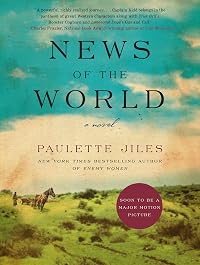
News of the World
by Paulette Jiles
On This Page
Description
"In the aftermath of the Civil War, an aging itinerant news reader agrees to transport a young captive of the Kiowa back to her people in this exquisitely rendered, morally complex, multilayered novel of historical fiction from the author of Enemy Women that explores the boundaries of family, responsibility, honor, and trust. In the wake of the Civil War, Captain Jefferson Kyle Kidd travels through northern Texas, giving live readings from newspapers to paying audiences hungry for news of show more the world. An elderly widower who has lived through three wars and fought in two of them, the captain enjoys his rootless, solitary existence. In Wichita Falls, he is offered a $50 gold piece to deliver a young orphan to her relatives in San Antonio. Four years earlier, a band of Kiowa raiders killed Johanna's parents and sister; sparing the little girl, they raised her as one of their own. Recently rescued by the U.S. army, the ten-year-old has once again been torn away from the only home she knows. Their 400-mile journey south through unsettled territory and unforgiving terrain proves difficult and at times dangerous. Johanna has forgotten the English language, tries to escape at every opportunity, throws away her shoes, and refuses to act "civilized." Yet as the miles pass, the two lonely survivors tentatively begin to trust each other, forming a bond that marks the difference between life and death in this treacherous land. Arriving in San Antonio, the reunion is neither happy nor welcome. The captain must hand Johanna over to an aunt and uncle she does not remember--strangers who regard her as an unwanted burden. A respectable man, Captain Kidd is faced with a terrible choice: abandon the girl to her fate or become--in the eyes of the law--a kidnapper himself"-- show lessTags
Recommendations







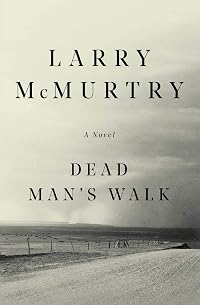
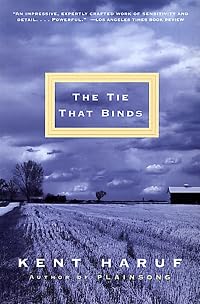

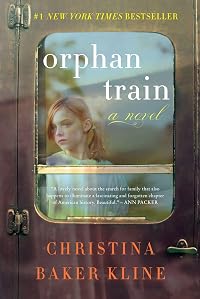
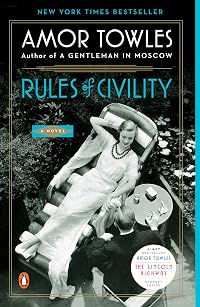

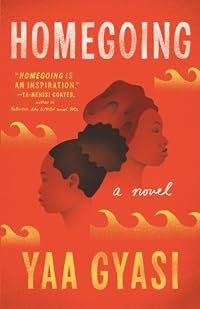

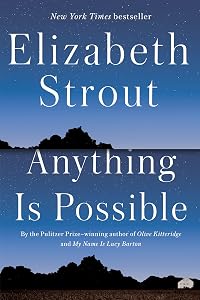



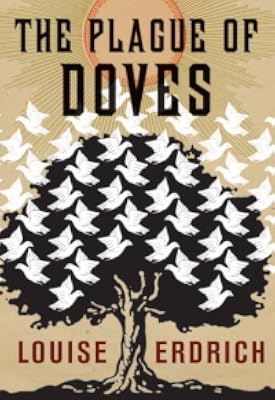
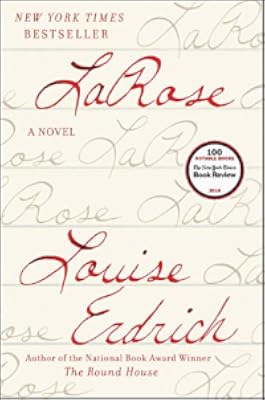
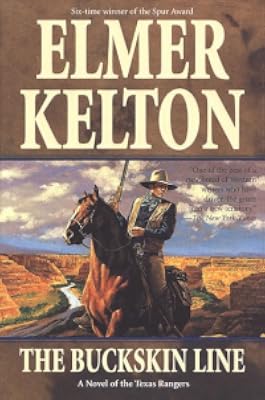
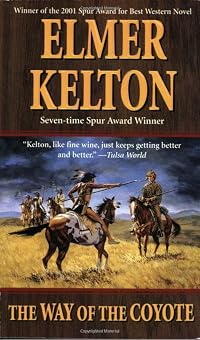
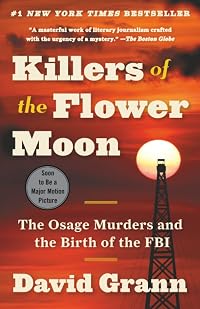
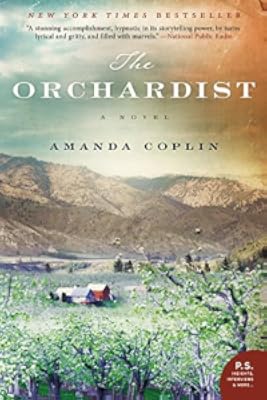


Member Recommendations


sturlington These are both historical novels about the relationship that forms between an orphan and an adult. Both seem like old-fashioned stories, in a good way, and will warm your heart.

terran Intergenerational relationship in former times
Member Reviews
I was captivated by the concept of someone traveling from town to town reading the news. Captain Jefferson Kidd was no stranger to delivering news. At age 16 he carried messages in the War of 1812 by foot and on horseback: "Two years of directed flight across Georgia and the Alabama country, solitary, with his information in hand." "He always recalled those two years with a kind of wonder. As when one is granted the life and the task for which one was meant." In his 70's he continued this calling as a curator of news items chosen from newspapers and read to eager audiences in the new settlements of Texas.
The Captain seemed satisfied, if not overtly happy, with the lifestyle of roving newsreader. The author beautifully conveys his show more appreciation of the open territory and his horse companions. Into his solitary world came upheaval, to put it mildly, when he accepted responsibility for the child, Johanna. His circuit of Texas towns uniquely qualified him to return the 10 year old fair skinned, blue eyed Kiowa captive to her closest relatives 400 miles away. Johanna, brought up in the ways and language of the Kiowa, was again carried away from a life she knew and did not want to leave. Captain Kidd agreed to escort her, taking over from a trader who left him with the warning, "Be really careful." You have to feel for each of them, one a child and one an older man, both rocked by a great change in circumstances. Their journey through the sparsely settled West with its open country and gritty towns becomes an endeavor toward some level of mutual understanding.
The writing evokes all of the senses. I savored this book not only for its great plot but for the luscious prose which had not a word out of place. Highly recommended. show less
The Captain seemed satisfied, if not overtly happy, with the lifestyle of roving newsreader. The author beautifully conveys his show more appreciation of the open territory and his horse companions. Into his solitary world came upheaval, to put it mildly, when he accepted responsibility for the child, Johanna. His circuit of Texas towns uniquely qualified him to return the 10 year old fair skinned, blue eyed Kiowa captive to her closest relatives 400 miles away. Johanna, brought up in the ways and language of the Kiowa, was again carried away from a life she knew and did not want to leave. Captain Kidd agreed to escort her, taking over from a trader who left him with the warning, "Be really careful." You have to feel for each of them, one a child and one an older man, both rocked by a great change in circumstances. Their journey through the sparsely settled West with its open country and gritty towns becomes an endeavor toward some level of mutual understanding.
The writing evokes all of the senses. I savored this book not only for its great plot but for the luscious prose which had not a word out of place. Highly recommended. show less
 This review was written for LibraryThing Early Reviewers.
Read from October 27 to 31, 2016
I fear this book may ruin me for all other books for a few weeks. I wasn't ready to leave Captain Kidd and Johanna.
I love a good story set in the West with vividly imagined characters -- think Lonesome Dove or True Grit. This novel definitely captures both the lawlessness of the West and the rigid laws of Reconstruction Era Texas. While Jiles beautifully writes about the place, she (even more importantly for me) writes authentic, well-developed characters. A fantastic novel.
More like this:
True Grit by Charles Portis
Lonesome Dove by Larry McMurtry
The Son by Philipp Meyer
The Sisters Brothers by Patrick deWitt
I fear this book may ruin me for all other books for a few weeks. I wasn't ready to leave Captain Kidd and Johanna.
I love a good story set in the West with vividly imagined characters -- think Lonesome Dove or True Grit. This novel definitely captures both the lawlessness of the West and the rigid laws of Reconstruction Era Texas. While Jiles beautifully writes about the place, she (even more importantly for me) writes authentic, well-developed characters. A fantastic novel.
More like this:
True Grit by Charles Portis
Lonesome Dove by Larry McMurtry
The Son by Philipp Meyer
The Sisters Brothers by Patrick deWitt
This may be a perfect little novel - I loved everything about it!
I tried hard to keep the tears in my eyes so I wouldn't have to stop reading before the end. A widower, Captain Jefferson Kyle Kidd survived three wars and the loss of his print shop, and now ekes out a living by reading the news in small towns scattered across post-Civil War Texas. Defiant young Johanna Leonberger, who was captured four years earlier by the Kiowa tribe, has become a Kiowa in every way except her coloring. Captain Kidd accepts a fifty dollar gold piece and an assignment to return Johanna to her living relatives.
News of the World is a hero's quest with obstacles to overcome and plenty of tension, as Captain Kidd and Johanna are forced to rely on each other show more to survive. The writing is spare, gorgeous, and entertaining.
I got the beautiful deckle edge paperback at Goodwill. I'm glad I stocked up on books from Goodwill before the pandemic hit, I don't know when I'll ever get back. Reading News was welcome escape.
Around the year in 52 books challenge notes:
#16. A book set in a rural or sparsely populated area show less
I tried hard to keep the tears in my eyes so I wouldn't have to stop reading before the end. A widower, Captain Jefferson Kyle Kidd survived three wars and the loss of his print shop, and now ekes out a living by reading the news in small towns scattered across post-Civil War Texas. Defiant young Johanna Leonberger, who was captured four years earlier by the Kiowa tribe, has become a Kiowa in every way except her coloring. Captain Kidd accepts a fifty dollar gold piece and an assignment to return Johanna to her living relatives.
News of the World is a hero's quest with obstacles to overcome and plenty of tension, as Captain Kidd and Johanna are forced to rely on each other show more to survive. The writing is spare, gorgeous, and entertaining.
A thin watery sun laid its gunmetal shine on the country below.Characters are well fleshed out and sympathetic.
Haain-a? No. Absolutely not. No. No scalping. He lifted her up and swung her up over the ledges of stone and then followed. He said, It is considered very impolite.Johanna is based on documented instances of children captured and adopted by Native American tribes on the frontier. Captain Kidd is based on Caesar Adolphus Kydd, original reader of the news in small towns in North Texas in the 1870s.
I got the beautiful deckle edge paperback at Goodwill. I'm glad I stocked up on books from Goodwill before the pandemic hit, I don't know when I'll ever get back. Reading News was welcome escape.
Around the year in 52 books challenge notes:
#16. A book set in a rural or sparsely populated area show less
News of the World by Paulette Jiles is a 2016 William Morrow publication.
News of the World is another book on a list of award nominees I’ve worked my way through in the last days of 2016.
This may be one of my favorites on that list, due to the historical details provided about my home state of Texas. I am familiar with every place on the map Captain Kidd visited or described in his journey across the state.
In 1870, during the reconstruction period of Texas, law and order was random and loose. The dispute over land with the Native Americans erupts in violence, with kidnapping of American women and children becoming a common practice.
Ten year old ‘Johanna’ was kidnapped at age six by the Kiowa tribe. But, now, at age ten, she’s show more been sold and left behind by the only people she appears to have any feelings for, or memory of.
Her plight comes to Captain Kidd’s attention while he travels across Texas, reading the ‘news of the world’ to crowds of people who pay him a dime a head for his services. He is offered a fair price to take ‘Johanna’ back to her only remaining family.
Along their long and treacherous journey the seventy-plus year old Captain Kidd forges a bond with young ‘Johanna’ and she eventually learns to trust him due to his patience and kind treatment of her.
This relationship is at the heart of the story and is what will stick in my mind when I think of all the many layers of this short, powerful novel.
“Loss of reputation and the regard of our fellow persons is in any society, from Iceland to Malaysia, a terrible blow to the spirit. It is worse than being penniless and more cutting than the blades of enemies.”
The contrast between good and evil jumps off the pages as brutality and the evil intentions of men are outweighed by good, honorable men, like Captain Kidd.
The psychological effects ‘Johanna’ endured as a result of her kidnapping is puzzling and there are no pat answers. What happened to her during that four year span of time that caused her to forget everything she had known before, including her own native language and the ability to use utensils while eating.
Her heart remained with the Kiowa tribe for reasons that simply cannot be fully explained. This part of the story is heartbreaking and I do think I will take the author’s advice and check out the recommended reading material she listed at the end of the book for insight into the psychology of those captured by Native American tribes.
The writing here is simply amazing, the intricate details of the landscape and of the characters bring the story to life with its vivid imagery.
Wars and conflicts have followed us all through history, and they always leave behind vulnerable victims, who are forever changed and no matter how well intentioned we are, those impressions may never really leave them. Sometimes all one can do is the right thing and let things develop from there, which is what Captain Kidd ultimately had to do.
While Johanna’s story is sad and poignant, as well as thought provoking, her character deeply touched me and I think I will always remember her.
This short novel packs a pretty big punch, and is definitely worth the time, even if you don’t usually read westerns or historical fiction. show less
News of the World is another book on a list of award nominees I’ve worked my way through in the last days of 2016.
This may be one of my favorites on that list, due to the historical details provided about my home state of Texas. I am familiar with every place on the map Captain Kidd visited or described in his journey across the state.
In 1870, during the reconstruction period of Texas, law and order was random and loose. The dispute over land with the Native Americans erupts in violence, with kidnapping of American women and children becoming a common practice.
Ten year old ‘Johanna’ was kidnapped at age six by the Kiowa tribe. But, now, at age ten, she’s show more been sold and left behind by the only people she appears to have any feelings for, or memory of.
Her plight comes to Captain Kidd’s attention while he travels across Texas, reading the ‘news of the world’ to crowds of people who pay him a dime a head for his services. He is offered a fair price to take ‘Johanna’ back to her only remaining family.
Along their long and treacherous journey the seventy-plus year old Captain Kidd forges a bond with young ‘Johanna’ and she eventually learns to trust him due to his patience and kind treatment of her.
This relationship is at the heart of the story and is what will stick in my mind when I think of all the many layers of this short, powerful novel.
“Loss of reputation and the regard of our fellow persons is in any society, from Iceland to Malaysia, a terrible blow to the spirit. It is worse than being penniless and more cutting than the blades of enemies.”
The contrast between good and evil jumps off the pages as brutality and the evil intentions of men are outweighed by good, honorable men, like Captain Kidd.
The psychological effects ‘Johanna’ endured as a result of her kidnapping is puzzling and there are no pat answers. What happened to her during that four year span of time that caused her to forget everything she had known before, including her own native language and the ability to use utensils while eating.
Her heart remained with the Kiowa tribe for reasons that simply cannot be fully explained. This part of the story is heartbreaking and I do think I will take the author’s advice and check out the recommended reading material she listed at the end of the book for insight into the psychology of those captured by Native American tribes.
The writing here is simply amazing, the intricate details of the landscape and of the characters bring the story to life with its vivid imagery.
Wars and conflicts have followed us all through history, and they always leave behind vulnerable victims, who are forever changed and no matter how well intentioned we are, those impressions may never really leave them. Sometimes all one can do is the right thing and let things develop from there, which is what Captain Kidd ultimately had to do.
While Johanna’s story is sad and poignant, as well as thought provoking, her character deeply touched me and I think I will always remember her.
This short novel packs a pretty big punch, and is definitely worth the time, even if you don’t usually read westerns or historical fiction. show less
It's 1870, and Jefferson Kyle Kidd ("Captain" Kidd) needs money. His traveling gig, reading the news from multiple newspapers to crowds who pay a dime a head, is barely keeping him alive these days. The Texas economy is in ruins, the Blue Coats are in charge of everything, and some in the audiences are more interested in stirring up trouble than in being entertained by news from New York, Philadelphia or London. So reluctantly he agrees to take on the task of transporting a white child, who was orphaned and abducted by a Kiowa band years ago, 400 miles to an aunt and uncle. The US government pays well for such undertakings. Captain Kidd very quickly regrets agreeing to the job, gold coin notwithstanding. The girl does not remember any show more English, has fully assimilated into Kiowa ways, and shows no inclination to adapt to living within walls; she might just be dangerous, and the journey certainly will be with. She turns out to have some useful skills, however, and the two travelers begin to develop a fondness for each other under treacherous conditions. The whole question of the appropriateness of trying to re-introduce an assimilated white captive to "civilized" society is subtly explored in the context of a darned good adventure story. show less
He survived the Civil War and now Captain Jefferson Kidd travels Texas Hill Country performing readings of news stories much like an itinerant preacher riding the circuit. He soon finds himself with a young Kiowa captive that he plans to return to her German American family - as a favor and for silver.
How this kindly, elderly printer and news reader becomes a stand-in grandfather to a scared, ten year old former Indian captive and tries to ease her re-entry to the 'civilized' world makes for a touching, interesting and highly readable novel. As in other Paulette Jiles novels the reader gets vignettes of Texas life following the Civil War, the strife between competing factions of North and South that have survived the end of the show more conflict, and the taming of Texas that includes skirmishes with Native Americans who fight hard for their lands.
Her books focus on people and how they engage with each other and also with themselves to discover what it is that makes them free to live their lives, what actions are important to living a good life and walking the path of righteousness. Never preachy nor religious in nature, Jiles' books (and this is no exception) have
everyday heroes who become exceptional through their actions - just as the Captain does in News of the World. Protecting a child, nurturing Johanna as he calls her and recognizing in this young child that spark, so many others would try taming into civility and ordinariness, becomes a key element of this novel. Johanna's ingenuity knows no bounds and you'll never look at a dime the same way after you read this novel.
So take the trip with The Captain and Johanna and learn about the joy of friendship, the bond between grandfather and grandchild, extraordinary tidbits about childhood captives and Texas in the post Civil War period. An entertaining and enlightening read! show less
How this kindly, elderly printer and news reader becomes a stand-in grandfather to a scared, ten year old former Indian captive and tries to ease her re-entry to the 'civilized' world makes for a touching, interesting and highly readable novel. As in other Paulette Jiles novels the reader gets vignettes of Texas life following the Civil War, the strife between competing factions of North and South that have survived the end of the show more conflict, and the taming of Texas that includes skirmishes with Native Americans who fight hard for their lands.
Her books focus on people and how they engage with each other and also with themselves to discover what it is that makes them free to live their lives, what actions are important to living a good life and walking the path of righteousness. Never preachy nor religious in nature, Jiles' books (and this is no exception) have
everyday heroes who become exceptional through their actions - just as the Captain does in News of the World. Protecting a child, nurturing Johanna as he calls her and recognizing in this young child that spark, so many others would try taming into civility and ordinariness, becomes a key element of this novel. Johanna's ingenuity knows no bounds and you'll never look at a dime the same way after you read this novel.
So take the trip with The Captain and Johanna and learn about the joy of friendship, the bond between grandfather and grandchild, extraordinary tidbits about childhood captives and Texas in the post Civil War period. An entertaining and enlightening read! show less
This review was written for LibraryThing Early Reviewers.News of the World is everything that I want in a historical fiction novel. It is a historically accurate story of the beautiful relationship between a Kiowa Indian captive, and the man who is delivering her back to her family. The story offers a lot of insight to the mindset of an Indian captive, and that mindset played a large part in why I was so taken with Captain and Johanna's relationship. Johanna couldn't be in better hands, while at the same time, Captain couldn't either.
It can be tough to please this reader when it comes to finding a balance between historical accuracy and the telling of an interesting story. I like facts, but I don't want to be bored to tears reading what feels like school work. Paulette Jiles is a crafty one. show more While dedicating a decent portion of her book to historical factoids, she does so by weaving the "News of the World" within the story through Captain, who earns his living by traveling about, reading his newspapers to crowds who don't have access to worldly news. Thus sharing the news of the time with me, the reader of News of the World without it being even the slightest bit dry.
The theme here, if I had to pick just one, is that sometimes what you need most is not only what you aren't looking for, but also often what you thought you would never want. A wonderful theme! show less
It can be tough to please this reader when it comes to finding a balance between historical accuracy and the telling of an interesting story. I like facts, but I don't want to be bored to tears reading what feels like school work. Paulette Jiles is a crafty one. show more While dedicating a decent portion of her book to historical factoids, she does so by weaving the "News of the World" within the story through Captain, who earns his living by traveling about, reading his newspapers to crowds who don't have access to worldly news. Thus sharing the news of the time with me, the reader of News of the World without it being even the slightest bit dry.
The theme here, if I had to pick just one, is that sometimes what you need most is not only what you aren't looking for, but also often what you thought you would never want. A wonderful theme! show less
Members
- Recently Added By
Lists

Best Contemporary Literary Fiction (Around the Last 30 Years)
388 works; 124 members

Best Historical Fiction
620 works; 261 members

ALA The Reading List
490 works; 28 members

Recommend the 20 best books you've read in the last five years
2,168 works; 606 members

Top Five Books of 2017
757 works; 231 members

Historical Fiction
889 works; 91 members

Five star books
1,767 works; 110 members

Top Five Books of 2020
982 works; 350 members

Books Set in Texas
34 works; 8 members
National Book Award Finalists - Fiction
377 works; 12 members
Top Five Books of 2018
802 works; 265 members

Top Five Books of 2021
604 works; 181 members

Contemporary Fiction
109 works; 7 members

Books Read in 2023
5,638 works; 147 members

Books Read in 2017
4,249 works; 130 members
Kirkus Starred Fiction Reviews of Books Published in 2016
63 works; 3 members
Book Club 2017
8 works; 2 members

Books Read in 2016
4,666 works; 199 members

Reading Group 2017
4 works; 1 member

Books Read in 2022
5,226 works; 115 members

Novels without quotation marks
25 works; 1 member

2023 Christmas Gifts
39 works; 11 members

LitHub's Best Novels of the Decade 2010-2019
39 works; 1 member

Top Five Books of 2023
767 works; 317 members

Novels featuring Orphans
76 works; 10 members

Great Films Based on Books
319 works; 140 members

Books We'd Want on a Desert Island
203 works; 131 members

Books Read in 2021
5,361 works; 114 members

To Read
617 works; 7 members

Historical Fiction
8 works; 1 member

Found Family
32 works; 1 member
Author Information

21+ Works 6,834 Members
Paulette Jiles is a poet, memoirist, and novelist, born in 1943, and based in San Antonio, Texas. She is the author of a memoir entitled, Cousins. Her novels include Enemy Woman, Stormy Weather, The Color of Lightning, Lighthouse Island, and News of the World. (Bowker Author Biography)
Some Editions
Awards and Honors
Awards
Distinctions
Notable Lists
Series
Belongs to Publisher Series
Gallimard, Folio (6632)
Common Knowledge
- Original title
- News of the World
- Original publication date
- 2016
- People/Characters
- Captain Jefferson Kyle Kidd; Johanna Leonberger; Kiowa
- Important places
- Texas, USA; American West
- Important events
- American Civil War
- Related movies
- News of the World (2020 | IMDb)
- Dedication
- For friends on the long trails:
Susan, June, April, Nancy, Caroline, Wanda,
Evelyn, and Rita Wightman Whippet - First words
- Captain Kidd laid out the Boston Morning Journal on the lectern and began to read from the article on the Fifteenth Amendment.
- Quotations
- Britt's own wife and two children had been taken captive six years ago, in 1864, and he had gone out and got them back. Nobody knew quite how he had done it. He seemed to have some celestial protection about him when he rode ... (show all)out alone on the Red Rolling Plains, a place which seemed to invite both death and dangers. Britt had taken on the task of rescuing others, a dark man, cunning and strong and fast like a nightjar in the midnight air.
Long bright crawls of water slid across the livery stable floor and took up the light of the lantern like a luminous stain and the roof shook with the percussion of drops as big as nickels.
A light drizzle drifted through the landscape of cranky post oak trees whose limbs did not have six inches of straight any of in them.
Then she seemed to struggle with a tangled thing inside her head, something knotted that would not unknot.
Above and behind them the Dipper turned on its great handle as if to pour night itself out onto the dreaming continent and each of its seven stars gleamed from between the fitful passing clouds.
Some people were born unsupplied with a human conscience and those people needed killing.
Well speak up, then, said the Captain. Stop your goddamn dithering. I hate dithering.
No. Absolutely not. No. No scalping. He lifted her up and swung her over the ledges of stone and then followed. He said, It is considered very impolite.
Captain Kidd looked up and enviously considered the chickens—so daft, so stupid, so uninformed.
Leaf shadows like laughter ran over their faces.
Cultures were mine fields.
He said, Old people cry easily, my dear. One of the afflictions of age.
Whatever woman had raised these five boys must now be in the county asylum, if Lampasas County had one, and if they did not, they had best build one soon.
He looked as if he had combed his stiff yellow hair with a skillet.
He had decided to avoid the Horrell brothers at all cost, but the Horrell brothers found them.
The hills fell away behind them until they were nothing more than an uneven blue line on the horizon.
Somewhere ahead were strange white people she could only remember as if in poorly lit lantern slides called aunt and uncle and that they were going to them.
Springtime birds shot up out of the tall grass and to his right lay that long blue serrated line of the hills they had just left, distant and somehow safe.
The girl had become blank again, blank as bone.
He handed over the papers and stood in silence as if in a winter blizzard.
His hands looked as bony and wrinkled as those of a catacomb mummy. - Last words
- (Click to show. Warning: May contain spoilers.)He said he had a message to deliver, contents unknown.
- Publisher's editor
- Brehl, Jennifer
- Blurbers
- Frazier, Charles; Pearl, Nancy; Chevalier, Tracy
Classifications
- Genres
- Historical Fiction, General Fiction, Fiction and Literature
- DDC/MDS
- 813.54 — Literature & rhetoric American literature in English American fiction in English 1900-1999 1945-1999
- LCC
- PR9199.3 .J54 .N49 — Language and Literature English English Literature English literature: Provincial, local, etc.
- BISAC
Statistics
- Members
- 3,400
- Popularity
- 4,935
- Reviews
- 253
- Rating
- (4.13)
- Languages
- 9 — Chinese, Dutch, English, French, Hungarian, Italian, Polish, Spanish, Portuguese (Portugal)
- Media
- Paper, Audiobook, Ebook
- ISBNs
- 32
- UPCs
- 1
- ASINs
- 6
