
On This Page
Description
A love story, an adventure, and an epic of the frontier, Larry McMurtry's Pulitzer Prize-winning classic, Lonesome Dove, is the grandest novel ever written about the last defiant wilderness of America. Two retired Texas Rangers, Captains Woodrow Call and Augustus 'Gus' McCrae, lead a cattle drive from the small town of Lonesome Dove to the unsettled Montana territories. On their grueling journey, they are joined by Joshua Deets, a Black scout and former Ranger, Jake Spoon, a fugitive, and show more Newt Dobbs, a 17-year-old boy who may have family ties to Call. Richly authentic, beautifully written, always dramatic, Lonesome Dove will make listeners laugh and weep, dream and remember. This remastered audio edition is expertly read by actor Lee Horsley, best known for his starring role in the television series Matt Houston. show lessTags
Recommendations
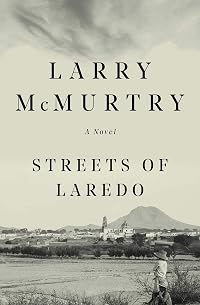
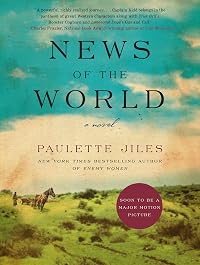
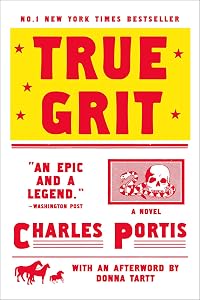

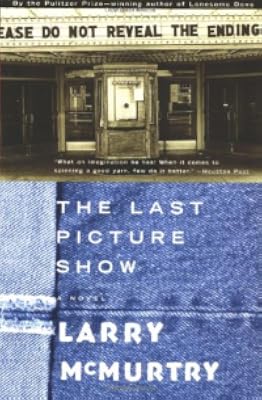




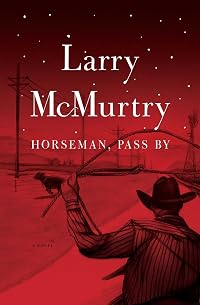
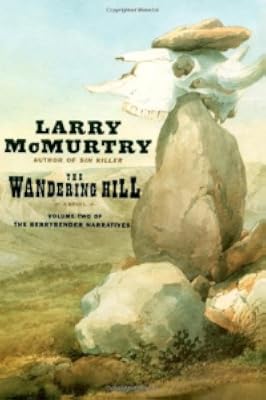
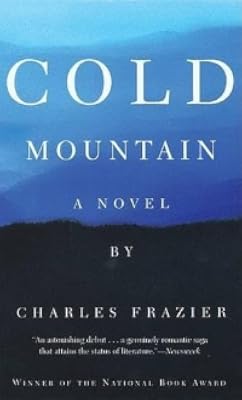

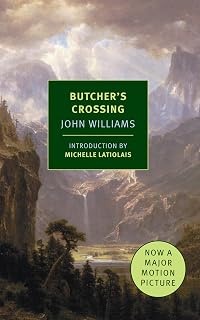




Member Recommendations
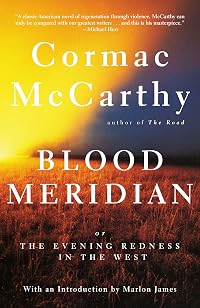
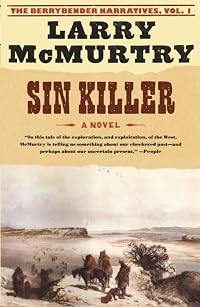
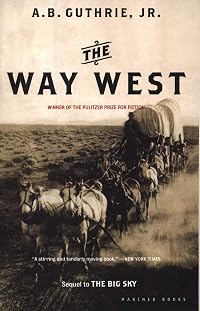
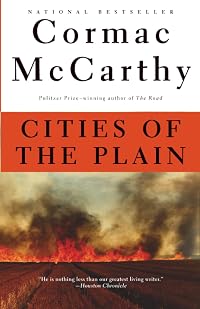
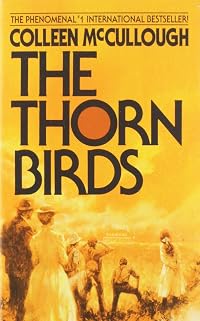
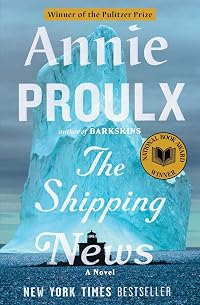
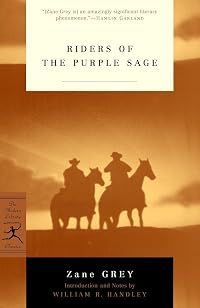
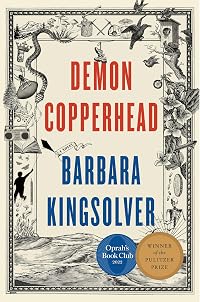
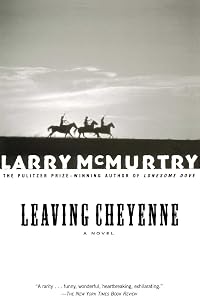
paulkid Epic Westerns set in Texas and Mexico, McMurtry is more somber, McCarthy more dark.
40
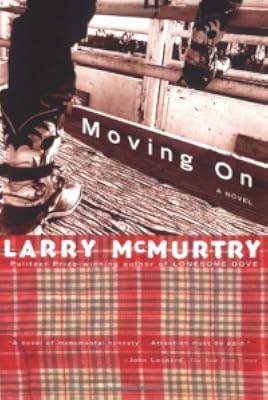
whymaggiemay Both have a wonderful, authentic flavor of the old west.
31


kraaivrouw Much more enjoyable!
RidgewayGirl Both are immersive historical adventure stories with a great cast of characters, heart and a sense of humor.
Member Reviews
"Lorie, darlin'."
It's hard to pinpoint what makes Lonesome Dove so good. It is extremely well-written and well-plotted, with characters you enjoy spending time with and a wealth of dramatic moments. And yet, none of that explains why it is so good. It's nearly 1,000 pages long and you don't want it to end.
I'm willing to just hold my hands up and accept it; it's just one of those rare stories that seems to transcend its formula through some strange alchemy, like Star Wars or Casablanca. Author Larry McMurtry just takes a Western – if you were to summarize the book to someone, it would just sound like an average Western – and delivers it note-perfect. Every character is vivid and real, and yet each is different from one another. Every show more moment of humour lands. Every death stings. Every plot point stays tight, and every morning when the sun rises over our cowboys on the trail it feels like a new sunrise painted just for us. It is long, this book, and yet it always seems shorter than a song.
What proves its magic is that McMurtry did not intend for it to go like this: he wanted a bleak, hell-and-leather Western version of Dante's Inferno, but ended up – in his own words – with a sort of Western Gone with the Wind. But this tension also saves it from falling into fatal melodrama: McMurtry is consciously avoiding any Gone with the Wind sentimentality, trying to keep it bloody, and it tempers the story with a keen edge. It is a magically-spun web, but a web where you know a spider is lurking, ready to devour any character who makes poor decisions, or who is in the wrong place at the wrong time, or is just someone unfortunate in a cruel world.
The magic is so strong it carries through into the television adaptation from 1989, which is one of the finest adaptations of a novel you could ever hope to see. The CBS mini-series deserves to stand with anything from our current Golden Age of Television. That I was so completely engrossed in this massive novel, despite knowing every beat of the story from the faithful TV adaptation, is testament to its magic. It is a book that makes you remember what a joy and a gift it is to read. It is a book you don't think about, you don't analyse, you just read and soak it in and, like Gus in the town of Lonesome Dove, sit and drink and watch the sun ease out of the day (pg. 6). show less
It's hard to pinpoint what makes Lonesome Dove so good. It is extremely well-written and well-plotted, with characters you enjoy spending time with and a wealth of dramatic moments. And yet, none of that explains why it is so good. It's nearly 1,000 pages long and you don't want it to end.
I'm willing to just hold my hands up and accept it; it's just one of those rare stories that seems to transcend its formula through some strange alchemy, like Star Wars or Casablanca. Author Larry McMurtry just takes a Western – if you were to summarize the book to someone, it would just sound like an average Western – and delivers it note-perfect. Every character is vivid and real, and yet each is different from one another. Every show more moment of humour lands. Every death stings. Every plot point stays tight, and every morning when the sun rises over our cowboys on the trail it feels like a new sunrise painted just for us. It is long, this book, and yet it always seems shorter than a song.
What proves its magic is that McMurtry did not intend for it to go like this: he wanted a bleak, hell-and-leather Western version of Dante's Inferno, but ended up – in his own words – with a sort of Western Gone with the Wind. But this tension also saves it from falling into fatal melodrama: McMurtry is consciously avoiding any Gone with the Wind sentimentality, trying to keep it bloody, and it tempers the story with a keen edge. It is a magically-spun web, but a web where you know a spider is lurking, ready to devour any character who makes poor decisions, or who is in the wrong place at the wrong time, or is just someone unfortunate in a cruel world.
The magic is so strong it carries through into the television adaptation from 1989, which is one of the finest adaptations of a novel you could ever hope to see. The CBS mini-series deserves to stand with anything from our current Golden Age of Television. That I was so completely engrossed in this massive novel, despite knowing every beat of the story from the faithful TV adaptation, is testament to its magic. It is a book that makes you remember what a joy and a gift it is to read. It is a book you don't think about, you don't analyse, you just read and soak it in and, like Gus in the town of Lonesome Dove, sit and drink and watch the sun ease out of the day (pg. 6). show less
An extremely enjoyable Western revolving around two former Texas Rangers, Gus McCrae and Woodrow Call, who have a ranch together after having pretty much made Southern Texas safe for settling in their younger days. In the 1870s, restless after years of relative peace, they embark on driving an enormous herd of cattle two thousand miles north to Northern Montana where they'd be the first cattlemen to establish operations.
The story is filled to the brim with memorable characters, first just the men of their outfit and the citizens of Lonesome Dove, then the colorful men they hire to help with the drive, then the various people they encounter on their trip. There are many thrilling adventures against people intent on doing them harm and show more against the geography and weather. They meet people needing their help too.
Most of the characters in the book at one point end up at a horse ranch in Nebraska owned by the lost love of Gus's life, Clara. In fact, seeing Clara again is one of Gus's goals in going on the journey. Clara is a terrific, complex character and her family become central to the later part of this epic story.
This is a giant book but reads quickly and provides a tremendous amount of entertainment. It also leaves you with a lot to think about regarding men and wilderness, the call of a good journey, and the role women played in settling the vast open spaces of the American West. show less
The story is filled to the brim with memorable characters, first just the men of their outfit and the citizens of Lonesome Dove, then the colorful men they hire to help with the drive, then the various people they encounter on their trip. There are many thrilling adventures against people intent on doing them harm and show more against the geography and weather. They meet people needing their help too.
Most of the characters in the book at one point end up at a horse ranch in Nebraska owned by the lost love of Gus's life, Clara. In fact, seeing Clara again is one of Gus's goals in going on the journey. Clara is a terrific, complex character and her family become central to the later part of this epic story.
This is a giant book but reads quickly and provides a tremendous amount of entertainment. It also leaves you with a lot to think about regarding men and wilderness, the call of a good journey, and the role women played in settling the vast open spaces of the American West. show less
I was in college the first time I read Lonesome Dove (just realized that was TWENTY years ago). I was actively attempting to own and read the Pulitzer Prize Fiction winners back then, I read The Amazing Adventures of Kavalier & Clay, A Confederacy of Dunces, The Killer Angels and a few others. I had a blog with a complete list for my Pulitzer Prize challenge, I stopped keeping track around 2011 and in a purge I traded-in/donated several books (that I periodically go looking for on my shelf because I *swear* I own them).
Lonesome Dove is not one that was accidently traded in. It's a book I recommended on my blog any chance I got -- there used to be these weekly...memes? topics?...where someone would host and everyone would post about that show more thing. My perimenopausal brain can't hold on to words these days so I don't remember what they were called, but it was a thing. Everyone would go visit all of the blogs participating and it didn't involve paywalls or silos. It was great, everyone could have their own opinion, no one was cancelled, nuance existed, if you didn't like what someone had to say you just moved on. I miss those innocent days on the internet...but, I digress.
When I saw the surge in popularity of one of my favorite books featuring one of my favorite fictional characters, I thought...maybe it's time to visit with Gus, Clara, Call, Deets, and Newt again? So I used an Audible credit (actually, I think it was free? It was last October...) for the Lee Horsley audiobook edition (a new edition read by Will Patton was published last month) and started listening. Slowly. (In fact, I initially started listening at 0.9x before I finally bumped it up to 1.0x.)
It takes the Hat Creek Cattle Company months to get from Texas to Montana, so it took me months to listen to their story. And given what happens to my favorite character at the end, I was in no rush to live that again. It involves lots of tears, sobs even. After spending so long with a character and experiencing so much loss, damn. This book is brutal yet beautiful, complex, layered.
I've read other books by McMurtry, Terms of Endearment and The Last Picture Show, but I have not re-visited Gus and Call in any other prequels or sequels. I'm afraid they will ruin the perfection that is Lonesome Dove. Plus I didn't love those other books as much as Lonesome Dove so what if the others in the Lonesome Dove world don't live up to my expectations? It would be devastating.
This book is worth the hype. The characters feel alive, like these were real people (they weren't although Gus/Call were inspired by real people). The sense of place is so strong, McMurtry convinced me long ago that I needed to visit Montana (hasn't happened yet, but that's because I hate traveling). If you like the Yellowstone prequel 1883 or enjoyed reading True Grit or News of the World, and you haven't read Lonesome Dove...what are you waiting for? show less
Lonesome Dove is not one that was accidently traded in. It's a book I recommended on my blog any chance I got -- there used to be these weekly...memes? topics?...where someone would host and everyone would post about that show more thing. My perimenopausal brain can't hold on to words these days so I don't remember what they were called, but it was a thing. Everyone would go visit all of the blogs participating and it didn't involve paywalls or silos. It was great, everyone could have their own opinion, no one was cancelled, nuance existed, if you didn't like what someone had to say you just moved on. I miss those innocent days on the internet...but, I digress.
When I saw the surge in popularity of one of my favorite books featuring one of my favorite fictional characters, I thought...maybe it's time to visit with Gus, Clara, Call, Deets, and Newt again? So I used an Audible credit (actually, I think it was free? It was last October...) for the Lee Horsley audiobook edition (a new edition read by Will Patton was published last month) and started listening. Slowly. (In fact, I initially started listening at 0.9x before I finally bumped it up to 1.0x.)
It takes the Hat Creek Cattle Company months to get from Texas to Montana, so it took me months to listen to their story. And given what happens to my favorite character at the end, I was in no rush to live that again. It involves lots of tears, sobs even. After spending so long with a character and experiencing so much loss, damn. This book is brutal yet beautiful, complex, layered.
I've read other books by McMurtry, Terms of Endearment and The Last Picture Show, but I have not re-visited Gus and Call in any other prequels or sequels. I'm afraid they will ruin the perfection that is Lonesome Dove. Plus I didn't love those other books as much as Lonesome Dove so what if the others in the Lonesome Dove world don't live up to my expectations? It would be devastating.
This book is worth the hype. The characters feel alive, like these were real people (they weren't although Gus/Call were inspired by real people). The sense of place is so strong, McMurtry convinced me long ago that I needed to visit Montana (hasn't happened yet, but that's because I hate traveling). If you like the Yellowstone prequel 1883 or enjoyed reading True Grit or News of the World, and you haven't read Lonesome Dove...what are you waiting for? show less
This nearly 950-page Western revolves in large part around two former Texas rangers who for the last 20 years have run a business selling horses and cattle in the tiny Texas town of Lonesome Dove. Then an old friend shows up talking about the wide, unsettled spaces of Montana, and one of them decides to pack up the whole outfit and drive well over a thousand cattle on a journey to Montana, one that everyone, including the people who agree to come with him, seems to think is insane. Other characters also feature prominently, including Lonesome Dove's only prostitute, a young woman who's already led a very painful life and dreams of finding her way to somewhere better.
There's certainly a lot of stuff that happens in this novel: murders, show more kidnapping, horse thieving, hangings, battles, sex, death, you name it. But it still manages to feel sort of quiet and leisurely, and is perhaps more interested in the characters, their lives and histories and personalities and relationships, than anything else. I read it during a sort of half-vacation, during which I had a lot of reading time, and it was just about ideal for that: engrossing enough to comfortably read for long stretches, but, despite a few tense moments, never propulsive enough that I felt bad putting it down when other things demanded my attention.
One thing this book doesn't do, I think, is to either glorify or subvert the mythology of the American frontier, even though it's always lurking there in the background. Rather, we simply see it through the eyes of those living it. The former Rangers tell themselves, and mostly (but perhaps not entirely) seem to believe, that the native populations of the area had to be defeated so that whites could settle it and that's just the way things are, and McMurtry does not step in to yell at them about it. What he does do is to portray a world full of brutal violence that spares absolutely no one and may or may not be leading to anything worthwhile. (Be warned for some scenes of rape and torture. They're not necessarily described in deep, gory detail, but they're very definitely there.) What the reader takes from all of this will depend, I think, on what they bring into it. show less
There's certainly a lot of stuff that happens in this novel: murders, show more kidnapping, horse thieving, hangings, battles, sex, death, you name it. But it still manages to feel sort of quiet and leisurely, and is perhaps more interested in the characters, their lives and histories and personalities and relationships, than anything else. I read it during a sort of half-vacation, during which I had a lot of reading time, and it was just about ideal for that: engrossing enough to comfortably read for long stretches, but, despite a few tense moments, never propulsive enough that I felt bad putting it down when other things demanded my attention.
One thing this book doesn't do, I think, is to either glorify or subvert the mythology of the American frontier, even though it's always lurking there in the background. Rather, we simply see it through the eyes of those living it. The former Rangers tell themselves, and mostly (but perhaps not entirely) seem to believe, that the native populations of the area had to be defeated so that whites could settle it and that's just the way things are, and McMurtry does not step in to yell at them about it. What he does do is to portray a world full of brutal violence that spares absolutely no one and may or may not be leading to anything worthwhile. (Be warned for some scenes of rape and torture. They're not necessarily described in deep, gory detail, but they're very definitely there.) What the reader takes from all of this will depend, I think, on what they bring into it. show less
Every review and recommendation was right - this was an absolutely ethereal read, completely magical. The first 150 pages or so are a bit slow, but that fits the characters and story anyway. Then I was beyond hooked.
McMurtry's writing flows like water. Whether it's describing the landscape, or getting glimpses of character motivations, or heartbreaking tragedy, it's obvious why this novel won the Pulitzer. There is true beauty here in nearly every sentence.
I was practically screaming at the characters sometimes to go against their nature. Stay, be safe. Apologize to the other person. Share your feelings. But they never do - even if they're aware of it, they can't go against who they are. The frontier is almost a character in itself - show more full of untapped potential, but brutally dangerous. Some death scenes were as shocking as any I've ever read before. I'm still thinking about them weeks later.
It's blunt and bleak, but also funny and hopeful. It's one of the best books I've ever read. show less
McMurtry's writing flows like water. Whether it's describing the landscape, or getting glimpses of character motivations, or heartbreaking tragedy, it's obvious why this novel won the Pulitzer. There is true beauty here in nearly every sentence.
I was practically screaming at the characters sometimes to go against their nature. Stay, be safe. Apologize to the other person. Share your feelings. But they never do - even if they're aware of it, they can't go against who they are. The frontier is almost a character in itself - show more full of untapped potential, but brutally dangerous. Some death scenes were as shocking as any I've ever read before. I'm still thinking about them weeks later.
It's blunt and bleak, but also funny and hopeful. It's one of the best books I've ever read. show less
I sometimes have a habit of reading “appropriate” books while travelling, i.e. reading The Beach while I was in Thailand and reading The Motorcycle Diaries and Long Way Round while I was on a motorbike trip. In April, May and June of this year, as I travelled from my summer in Perth to my new life in London, I had it all mapped out. The bulk of it was a motorcycle roadtrip with my father between Los Angeles and New York, and I was unsure how much reading I’d actually get done, so I aimed high. I planned to read something Victorian while returning to Melbourne for a week to visit friends (check – The Broken Shore), something American and wildernessy while we were camping out in the West – that would be the book I’m reviewing show more now, the western epic Lonesome Dove – maybe read Willa Cather’s Death Comes To The Archbishop by the time we got to New Mexico, start on Mark Twain’s Life on the Mississippi when we reached the South, Jonathon Lethem’s Motherless Brooklyn for the two weeks in New York and maybe Hannah Kent’s Burial Rites for my four-day stopover in Iceland between New York and London.
So much for all that. I started Lonesome Dove in late April in Los Angeles, while I was buying and prepping a pair of motorcycles, and finished it about seven weeks later in June on the flight out of JFK. In my defence it’s a 900-page brick of a novel, but obviously I overestimated how much reading I’d get done amidst the hurly-burly of travel, and also I’m an enormous dork for mapping out my location-specific reading list in the first place.
Anyway. Lonesome Dove is a well-regarded Western, winner of the Pulitzer Prize for 1985, and was apparently adapted into a very successful TV miniseries – I actually spoiled the fate of a major character while at a newsagency at JFK, leafing through a magazine featuring a retrospective of the miniseries. It follows a group of former Texas Rangers turned horse traders, the Hat Creek livery outfit, living in the tiny town of Lonesome Dove at the edge of the Rio Grande. When a former member of their outfit returns after ten years of wandering with tales of the beautiful, empty grasslands of Montana, just waiting for settlers to come and claim them, the outfit decides to take one last ride, driving a herd of cattle all the way across the plains to Montana.
Lonesome Dove encompasses all of the Western tropes you could ever want: cowboys, cattle drives, outlaws, horse thieves, hangings, whores, Indians, lonely little prairie towns, gambling, whiskey, saloons, sheriffs, deputies, Texas Rangers, Mexican border raids, preachers, riverboats, buffalo hunters, and a bunch of other stuff I’m forgetting. And because it won the Pulitzer, I was expecting a tone similar to Cormac McCarthy, but Lonesome Dove is surprisingly a much lighter novel than anything like Blood Meridian – in fact, it’s often quite funny. The two main characters are the kind of best friends who’ve been together so long they’re almost like an old married couple, bickering and arguing and making witty comments, and there are some great moments throughout. This, for example, when former comrade Jake Spoon returns to the Hat Creek outfit, on the run from the law in Arkansas because he accidentally killed a dentist:
“Everybody in town liked that dentist.”
“Aw, Jake, that won’t stick,” Augustus said. “Nobody really likes dentists.”
“This one was the mayor,” Jake said.
It reminded me a lot of True Grit (I’ve seen the modern film, but haven’t read the book) and I was surprised to find that True Grit was not also a McMurtry novel – it was written by Charles Portis. But that’s the story I’d compare it to most: mostly fun and amusing, but with some serious moments of sadness. Because about a third of the way into Lonesome Dove the story suddenly becomes quite dark – some awful things happen, and we realise that the West isn’t all riding horses with your buddies and cracking jokes and appreciating the landscape.
And that doesn’t let up; there are some scenes towards the end of the novel that are truly heart-wrenching. But McMurtry’s tone remains the same throughout, switching from humour to sadness without any particular change in the authorial voice: a sort of hardened-yet-optimistic, seen-it-all-before old man of the West; fatalistic, but not in a depressing way. It’s an effective tone, especially when dealing with death – the deaths of many major characters simply occur, often for stupid or coincidental reasons, and the other characters and the reader just have to move on from it. It’s a good reflection of what life is really like: nobody is safe, least of all in the Old West. And despite having a fairly simple writing style, heavily focused on dialogue, McMurtry also creates some beautiful, almost cinematic images, such as when the Hat Creek outfit emerges from a terrifying night stealing cattle in Mexico to arrive at the Rio Grande at sunrise. I was going to quote that passage here, but it simply doesn’t work out of context, because it’s not so much McMurtry’s prose; it’s the story, the whole dark and ominous chapters of dangerous stealth and sudden action that precede it, capped off with the relief of daylight at the American border.
This tone perhaps has its flaws. The novel ends rather abruptly, and just as easily could have ended a hundred pages earlier or a hundred pages later – or a thousand pages later. Lonesome Dove feels less like a strictly structured novel than a 900-page peek into a chapter of a much longer saga. And indeed, there are apparently three other books in the series – a sequel and two prequels. (By the way, don’t read McMurtry’s 2010 introduction included in some versions, because he spoils a major plot point in the sequel, much as Stephen King ruined the ending of The Running Man in the introduction to all of his Bachman books. I don’t understand these people.)
Lonesome Dove was one of those novels I enjoyed quite a bit while I was reading it, but never felt hugely pressed to read when I wasn’t. Hugely enjoyable, but not gripping, yet nonetheless a novel I’m very pleased I read. It’s a great story, and I’ll probably read the others in the series eventually. I am a little surprised that it won the Pulitzer, since it would be (fairly) described as a book you might buy your dad for Father’s Day, but maybe the committee was a bit less snobbish back then. show less
So much for all that. I started Lonesome Dove in late April in Los Angeles, while I was buying and prepping a pair of motorcycles, and finished it about seven weeks later in June on the flight out of JFK. In my defence it’s a 900-page brick of a novel, but obviously I overestimated how much reading I’d get done amidst the hurly-burly of travel, and also I’m an enormous dork for mapping out my location-specific reading list in the first place.
Anyway. Lonesome Dove is a well-regarded Western, winner of the Pulitzer Prize for 1985, and was apparently adapted into a very successful TV miniseries – I actually spoiled the fate of a major character while at a newsagency at JFK, leafing through a magazine featuring a retrospective of the miniseries. It follows a group of former Texas Rangers turned horse traders, the Hat Creek livery outfit, living in the tiny town of Lonesome Dove at the edge of the Rio Grande. When a former member of their outfit returns after ten years of wandering with tales of the beautiful, empty grasslands of Montana, just waiting for settlers to come and claim them, the outfit decides to take one last ride, driving a herd of cattle all the way across the plains to Montana.
Lonesome Dove encompasses all of the Western tropes you could ever want: cowboys, cattle drives, outlaws, horse thieves, hangings, whores, Indians, lonely little prairie towns, gambling, whiskey, saloons, sheriffs, deputies, Texas Rangers, Mexican border raids, preachers, riverboats, buffalo hunters, and a bunch of other stuff I’m forgetting. And because it won the Pulitzer, I was expecting a tone similar to Cormac McCarthy, but Lonesome Dove is surprisingly a much lighter novel than anything like Blood Meridian – in fact, it’s often quite funny. The two main characters are the kind of best friends who’ve been together so long they’re almost like an old married couple, bickering and arguing and making witty comments, and there are some great moments throughout. This, for example, when former comrade Jake Spoon returns to the Hat Creek outfit, on the run from the law in Arkansas because he accidentally killed a dentist:
“Everybody in town liked that dentist.”
“Aw, Jake, that won’t stick,” Augustus said. “Nobody really likes dentists.”
“This one was the mayor,” Jake said.
It reminded me a lot of True Grit (I’ve seen the modern film, but haven’t read the book) and I was surprised to find that True Grit was not also a McMurtry novel – it was written by Charles Portis. But that’s the story I’d compare it to most: mostly fun and amusing, but with some serious moments of sadness. Because about a third of the way into Lonesome Dove the story suddenly becomes quite dark – some awful things happen, and we realise that the West isn’t all riding horses with your buddies and cracking jokes and appreciating the landscape.
And that doesn’t let up; there are some scenes towards the end of the novel that are truly heart-wrenching. But McMurtry’s tone remains the same throughout, switching from humour to sadness without any particular change in the authorial voice: a sort of hardened-yet-optimistic, seen-it-all-before old man of the West; fatalistic, but not in a depressing way. It’s an effective tone, especially when dealing with death – the deaths of many major characters simply occur, often for stupid or coincidental reasons, and the other characters and the reader just have to move on from it. It’s a good reflection of what life is really like: nobody is safe, least of all in the Old West. And despite having a fairly simple writing style, heavily focused on dialogue, McMurtry also creates some beautiful, almost cinematic images, such as when the Hat Creek outfit emerges from a terrifying night stealing cattle in Mexico to arrive at the Rio Grande at sunrise. I was going to quote that passage here, but it simply doesn’t work out of context, because it’s not so much McMurtry’s prose; it’s the story, the whole dark and ominous chapters of dangerous stealth and sudden action that precede it, capped off with the relief of daylight at the American border.
This tone perhaps has its flaws. The novel ends rather abruptly, and just as easily could have ended a hundred pages earlier or a hundred pages later – or a thousand pages later. Lonesome Dove feels less like a strictly structured novel than a 900-page peek into a chapter of a much longer saga. And indeed, there are apparently three other books in the series – a sequel and two prequels. (By the way, don’t read McMurtry’s 2010 introduction included in some versions, because he spoils a major plot point in the sequel, much as Stephen King ruined the ending of The Running Man in the introduction to all of his Bachman books. I don’t understand these people.)
Lonesome Dove was one of those novels I enjoyed quite a bit while I was reading it, but never felt hugely pressed to read when I wasn’t. Hugely enjoyable, but not gripping, yet nonetheless a novel I’m very pleased I read. It’s a great story, and I’ll probably read the others in the series eventually. I am a little surprised that it won the Pulitzer, since it would be (fairly) described as a book you might buy your dad for Father’s Day, but maybe the committee was a bit less snobbish back then. show less
What a phenomenal read, enormous and brilliant, witty and heartbreaking, a mamoth tale that touches the reader's emotions on so many levels. This is a book that honestly did not appeal to me in the slightest but 100 pages in I was hooked, invested, facinated and brought back in time to the Wild West of the 1870s and the adventures of a bunch of unforgettable and unique characters. I can definatley see why this is a Pulitzer Prize Winner.
The story focuses on a the relationship amount a bunch of Texas Rangers and takes the reader on an epic cattle drive from The Rio Grande to the highlands of Montana in the closing years of the Wild West days, A triumphant portrayal of the American West as it really was.
I came across this book on a " show more What Should I read next" Podcast by Anne Bogel, It was reviewed on several of her shows as one of those books you just have to read. When I realised that the novel was close to 850 pages and was a Western I put it on the top shelf and decided it could not possibly be worth the time and commitment. However January can be a long month and when my husband was looking for a good book to read and something that would hold his interest I reached for Lomesome Dove and we decided it was to become our January reading challenge and what a remarkable surprise this book turned out to be for both of us.
Western Novels are totally out of my confort zone however I do like a challenge and this book reminded me of [b:The Pillars of the Earth|5043|The Pillars of the Earth (Kingsbridge, #1)|Ken Follett|https://i.gr-assets.com/images/S/compressed.photo.goodreads.com/books/1576956100l/5043._SY75_.jpg|3359698] in the sense that it is an epic monumental novel, with a wonderful sense of time and place, the most amazing and extremely well formed characters that you grow to love and root for and a book that suprises the reader in so many ways.
The prose is simple yet effective, the descriptions of the countryside and are vivid and transporting, uplifting and inspiring. This is a story of heroism, love, honour, loyalty and betrayal.
I gave this one 5 stars because it, educated me, made me laugh out loud, made me fall head over heels in love with Agustas McCrae and I couldn't wait to come home from work every evening to spend time with the boys and gals from Lonesome Dove.
I think there should be a list on goodreads for Books that you would never dream of reading but will end up absolutely loving
I read this in paperback and also purchased an audio copy as well and I can highly recommend the audio as very well paced and narrated. show less
The story focuses on a the relationship amount a bunch of Texas Rangers and takes the reader on an epic cattle drive from The Rio Grande to the highlands of Montana in the closing years of the Wild West days, A triumphant portrayal of the American West as it really was.
I came across this book on a " show more What Should I read next" Podcast by Anne Bogel, It was reviewed on several of her shows as one of those books you just have to read. When I realised that the novel was close to 850 pages and was a Western I put it on the top shelf and decided it could not possibly be worth the time and commitment. However January can be a long month and when my husband was looking for a good book to read and something that would hold his interest I reached for Lomesome Dove and we decided it was to become our January reading challenge and what a remarkable surprise this book turned out to be for both of us.
Western Novels are totally out of my confort zone however I do like a challenge and this book reminded me of [b:The Pillars of the Earth|5043|The Pillars of the Earth (Kingsbridge, #1)|Ken Follett|https://i.gr-assets.com/images/S/compressed.photo.goodreads.com/books/1576956100l/5043._SY75_.jpg|3359698] in the sense that it is an epic monumental novel, with a wonderful sense of time and place, the most amazing and extremely well formed characters that you grow to love and root for and a book that suprises the reader in so many ways.
The prose is simple yet effective, the descriptions of the countryside and are vivid and transporting, uplifting and inspiring. This is a story of heroism, love, honour, loyalty and betrayal.
I gave this one 5 stars because it, educated me, made me laugh out loud, made me fall head over heels in love with Agustas McCrae and I couldn't wait to come home from work every evening to spend time with the boys and gals from Lonesome Dove.
I think there should be a list on goodreads for Books that you would never dream of reading but will end up absolutely loving
I read this in paperback and also purchased an audio copy as well and I can highly recommend the audio as very well paced and narrated. show less
Members
- Recently Added By
Published Reviews
ThingScore 100
All of Mr. McMurtry's antimythic groundwork -his refusal to glorify the West - works to reinforce the strength of the traditionally mythic parts of ''Lonesome Dove,'' by making it far more credible than the old familiar horse operas. These are real people, and they are still larger than life. The aspects of cowboying that we have found stirring for so long are, inevitably, the aspects that are show more stirring when given full-dress treatment by a first-rate novelist. Toward the end, through a complicated series of plot twists, Mr. McMurtry tries to show how pathetically inadequate the frontier ethos is when confronted with any facet of life but the frontier; but by that time the reader's emotional response is it does not matter - these men drove cattle to Montana! show less
added by Stir
Lists

The Guardian's 1000 Novels Everyone Must Read
1,005 works; 551 members

Best Historical Fiction
620 works; 261 members

Classics you know you should have read but probably haven't
421 works; 409 members

Recommend the 20 best books you've read in the last five years
2,168 works; 606 members

Pulitzer Prize Winners for Fiction
102 works; 54 members
Top-Rated Books on LibraryThing
272 works; 117 members

Read the book and saw the movie
1,170 works; 195 members

Best Contemporary Literary Fiction (Around the Last 30 Years)
388 works; 124 members

Great American Novels
158 works; 40 members
Favourite Books
1,820 works; 316 members

PBS The Great American Read
100 works; 21 members
Historical Fiction
889 works; 91 members

Best Westerns
20 works; 6 members

Top Five Books of 2013
1,562 works; 715 members

Favorite Long Books
330 works; 42 members

Pleasant Surprises: Books That Exceeded Our Expectations
418 works; 143 members

Books That Made Me Cry
199 works; 105 members

Top Five Books of 2020
982 works; 350 members

Top Five Books of 2016
795 works; 229 members

Favorite Literary Love Stories
182 works; 101 members

Top Five Books of 2021
604 works; 180 members

Top Five Books of 2018
802 works; 265 members

Pen/Faulkner Winners and Finalists
178 works; 9 members

100 New Classics
101 works; 13 members

NPRs audience picks: 100 best beach reads
105 works; 12 members

Books Set in Texas
34 works; 8 members

Top Five Books of 2019
387 works; 111 members

Blue Pyramid 1,276 Best Books of All Time
1,248 works; 32 members
Five star books
1,767 works; 110 members
TML 200 Best Books 1950-1999
202 works; 10 members

The American West
18 works; 2 members
USA Road Trip
50 works; 3 members

Books To Get From The Library
115 works; 5 members

Powell's 50 Books for 50 Years
50 works; 4 members
Plan to Read Books
75 works; 1 member
Literary Travelogue of the United States Challenge
133 works; 6 members
Overdue Podcast
808 works; 9 members
Animals in the Title
498 works; 11 members
Books We Couldn't Put Down
443 works; 197 members
Books We Want To Read Again For The First Time
384 works; 160 members

Top Five Books of 2025
954 works; 303 members

Books We Resisted Reading
178 works; 110 members
Top Five Books of 2024
795 works; 264 members

Recommended Reading : 600 Classics Reviewed, Editors of Salem Press, 2015
634 works; 6 members

The Modern Library (The Two Hundred Best Novels....
202 works; 1 member
Books That Made Us Cry
278 works; 145 members

High Priority
29 works; 1 member

Juggernauts (fiction)
21 works; 3 members

Top Five Books of 2023
767 works; 317 members

Best Horse Stories or "Back in the Saddle Again"
82 works; 17 members
Books With the Most Memorable Titles
478 works; 158 members

Mustich's 1000 Books to Read Before You Die: A Life Changing List
1,001 works; 20 members

Recommended Literary Books
111 works; 1 member

Adult Stories Involving Animals
76 works; 6 members

The Art of Manliness' 100+ Books Every Man Should Read
108 works; 2 members

Mind Expanding Books by hackerkid
581 works; 8 members

Retrospective of 20th- and 21st-century literature
154 works; 1 member

Books Read in 2019
4,052 works; 110 members

Books Read in 2010
631 works; 11 members

Biggest Disappointments
606 works; 168 members

NTS Book Channel
316 works; 1 member
Page Turners
185 works; 11 members
Talk Discussions
Past Discussions
MARCH GROUP READ - Lonesome Dove in Club Read 2019 (May 2019)
Author Information

97+ Works 43,534 Members
Larry McMurtry, winner of the Pulitzer Prize for Fiction, among other awards, is the author of twenty-four novels, two collections of essays, two memoirs, more than thirty screenplays, & an anthology of modern Western fiction. He lives in Archer City, Texas. (Publisher Provided) Novelist Larry McMurtry was born June 3, 1936 in Wichita Falls, show more Texas. He received a B.A. from North Texas State University in 1958, an M.A. from Rice University in 1960, and attended Stanford University. He married Josephine Ballard in 1959, divorced in 1966, and had one son, folksinger James McMurtry. Until the age of 22, McMurtry worked on his father's cattle ranch. When he was 25, he published his first novel, "Horseman, Pass By" (1961), which was turned into the Academy Award-winning movie Hud in 1962. "The Last Picture Show" (1966) was made into a screenplay with Peter Bogdanovich, and the 1971 movie was nominated for eight Oscars, including one for best screenplay adaptation. "Terms of Endearment" (1975) received little attention until the movie version won five Oscars, including Best Picture, in 1983. McMurtry's novel "Lonesome Dove" (1985) won the Pulitzer Prize in 1986 and the Spur Award and was followed by two popular TV miniseries. The other titles in the Lonesome Dove Series are "Streets of Laredo" (1993), "Dead Man's Walk" (1995), and "Comanche Moon" (1997). The other books in his Last Picture Show Trilogy are "Texasville" (1987) and "Duane's Depressed" (1999). McMurtry suffered a heart attack in 1991 and had quadruple-bypass surgery. Following that, he suffered from severe depression and it was during this time he wrote "Streets of Laredo," a dark sequel to "Lonesome Dove." His companion Diana Ossana, helping to pull him out of his depression, collaborated with him on "Pretty Boy Floyd" (1994) and "Zeke and Ned" (1997). He co-won the Best Screenplay Golden Globe and the Academy Award for Best Adapted Screenplay for Brokeback Mountain in 2006. He made The New York Times Best Seller List with his title's Custer and The Last Kind Words Saloon. McMurtry is considered one of the country's leading antiquarian book dealers. (Bowker Author Biography) show less
Some Editions
Awards and Honors
Awards
Distinctions
Notable Lists
Series

Work Relationships
Is contained in
Contains
Has the adaptation
Is abridged in
Has as a student's study guide
Common Knowledge
- Canonical title
- Lonesome Dove
- Original title
- Lonesome Dove
- Original publication date
- 1985
- People/Characters
- Augustus McCrae; Woodrow F. Call; Newt Dobbs; Joshua Deets; Lorena Wood; Jake Spoon (show all 14); July Johnson; Clara Allen; Dishwater Boggett; Blue Duck; Elmira Johnson; Roscoe Brown; Po Campo; Pea Eye Parker
- Important places
- Lonesome Dove, Texas, USA; Ogallala, Nebraska, USA; Texas, USA; Montana, USA; Western USA; San Antonio, Texas, USA (show all 8); Arkansas, USA; Fort Smith, Arkansas, USA
- Important events
- First cattle drive from Texas to Montana
- Related movies
- Lonesome Dove (1989 | IMDb); Lonesome Dove: The Series (1994 | IMDb); Lonesome Dove: The Outlaw Years (1995 | IMDb); Return to Lonesome Dove (1993 | IMDb)
- Epigraph
- All America lies at the end of the wilderness road, and our past is not a dead past, but still lives in us. Our forefathers had civilization inside themselves, the wild outside. We live in the civilization they created, but w... (show all)ithin us the wilderness still lingers. What they dreamed, we live, and what they lived, we dream.
T.K. Whipple, Study Out the Land - Dedication
- For Maureen Orth,
and
In memory of
the nine McMurtry boys
(1878-1983)
"Once in the saddle they
Used to go dashing . . ." - First words
- When Augustus came out on the porch the blue pigs were eating a rattlesnake—not a very big one.
Fictions - in my case, novels only, to the tune of about thirty - starts in tactile motion; pecking out a few sentences on a typewriter; sentences that might encourage me and perhaps a few potential readers to press on. (Pref... (show all)ace) - Last words
- (Click to show. Warning: May contain spoilers.)"The woman. They say he missed that whore."
(Click to show. Warning: May contain spoilers.)Life ain't for sissies, as Augustus might have said. (Preface) - Blurbers
- Jakes, John
- Original language
- English US
- Canonical DDC/MDS
- 813.54
- Canonical LCC
- PS3563.A319
Classifications
Statistics
- Members
- 10,596
- Popularity
- 906
- Reviews
- 284
- Rating
- (4.56)
- Languages
- 8 — Dutch, English, French, German, Italian, Norwegian (Bokmål), Spanish, Swedish
- Media
- Paper, Audiobook, Ebook
- ISBNs
- 56
- UPCs
- 2
- ASINs
- 40