On This Page
Description
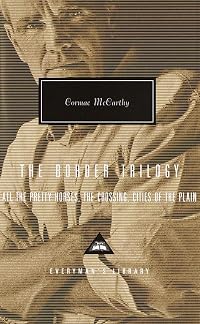
Between the wish and the thing the world lies waiting. In the vanishing world of the Old West, two cowboys begin an epic adventure, and their own coming-of-age stories. In All the Pretty Horses, John Grady Cole's search for a future takes him across the Mexican border to a job as a ranch hand and an ill-fated romance. The Crossing is the story of sixteen-year-old Billy Parham who sets off on a perilous journey across the mountains of Mexico, accompanied only by a lone wolf. Eventually the show more two come together in Cities of the Plain in a stunning tale of loyalty and love. A true classic of American literature, The Border Trilogy is Cormac McCarthy's award-winning requiem for the American frontier. Beautiful and brutal, filled equally with sorrow and humour, it is a powerful story of two friends growing up in a world where blood and violence are conditions of life. show lessTags
Recommendations




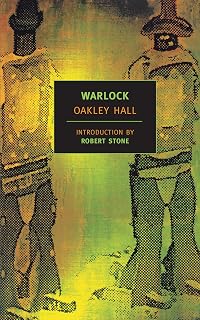
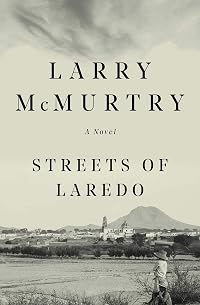

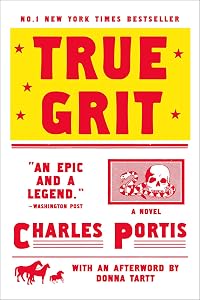

Member Recommendations

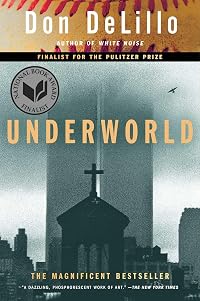
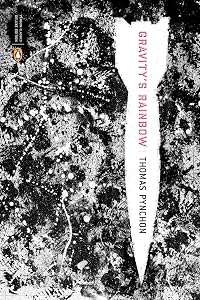
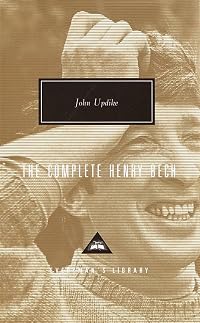
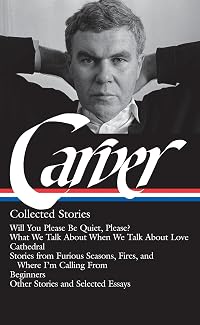
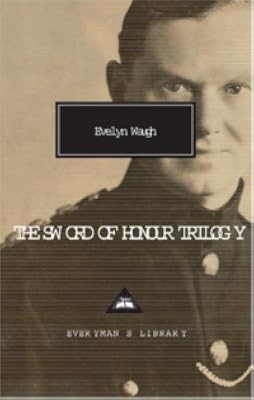
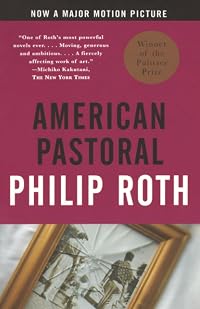
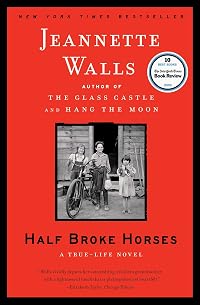
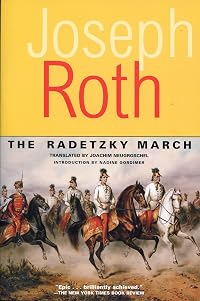
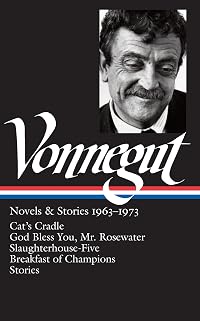
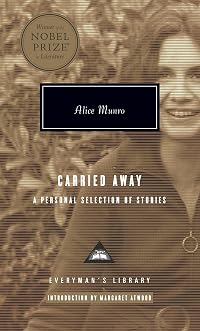
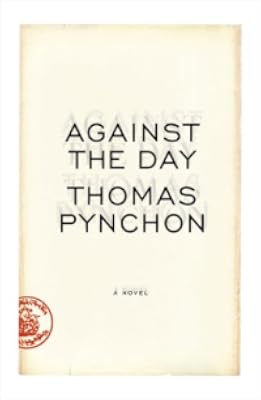
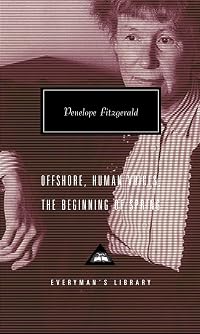
paulkid Epic Westerns set in Texas and Mexico, McMurtry is more somber, McCarthy more dark.
Member Reviews
The first volume of The Border Trilogy, All the Pretty Horses, combined intensely lyrical prose with the laconic wit of its cowboy protagonists. In it McCarthy mixed the quotidian details of ranch life with just the right balance of mythic phantasmagorical imaginings. Just when his prose seems to be over-the-top, he suddenly returns to the Beckett-like dialogue of two buddies alone on the prairie. One instance of this occurs when John Grady is out on the mesa with his buddy Lacey Rawlins--his Sancho to at least the extent that his adventures approached the Quixotic .
In the next volume, The Crossing, we read of two young brothers on a quest that plunges them into the bloody maelstrom of Mexican politics. Billy Parham who is later joined show more by his younger brother Boyd, sets out on a series of quests, all of which are doomed to failure. While the travels of Billy make up the action of the novel, it is less about achieving goals and more about larger themes of good and evil, fate and responsibility, and the nature of friendship and relationships in this gray and desolate world of shadows. Related to these themes that permeate the novel is the characters' ability or inability to clearly see the world around them.
"Between their acts and their ceremonies lies the world and in this world the storms blow and the trees twist in the wind and all the animals that God has made go to and fro yet this world men do not see. They see the acts of their own hands or they see that which they name and call out to one another but the world between is invisible to them." (The Crossing, p 46)
Cormac McCarthy concludes his border trilogy with a book that is spare and almost allegorical in its storytelling. In it he unites John Grady Cole with his older "buddy" Billy Parham, and focuses on a doomed relationship between John Grady and a Mexican prostitute. With Cities of the Plain the dreams have receded, the young men Billy and John Grady are older and their journeys have goals. This is a book that is bleaker in the telling even as the romanticism of John Grady Cole provides significant interest for the reader. The time is 1952, the place a cattle ranch in New Mexico. The West is changing as suggested by a brief interchange between John Grady and Billy early in the novel:
"What are you readin? Destry." (COTP, p 59)
Destry Rides Again by Max Brand is a classic example of the "myth of the old West". This is the life that is fading in the early 1950's and the question is will our heroes adapt or rebel against the inevitability of change. This change is not without difficulty and there are the ghosts of the past which they face as depicted in the following passage: "They sat against a rock bluff high in the Franklins with a fire before them that heeled in the wind and their figures cast up upon the rocks behind them enshadowed the petroglyphs carved there by other hunters a thousand years before." (p 87)
Shadowed by ghosts of the past and chastened but not defeated by their youthful misadventures, John Grady Cole and Billy Parham have become blood brothers of a sort, clinging stubbornly to a vanishing way of life. Billy reflects on their struggle, “When you’re a kid you have these notions about how things are goin to be. . . . You get a little older and you pull back some on that. I think you wind up just tryin to minimize the pain.”
While they fantasize about owning a little spread in the mountains, where they might run a few cattle and hunt their own meat, John Grady falls in love with a teenage prostitute. His desires collide with powers reminiscent of those he encountered in All the Pretty Horses.
''There's a son of a bitch owns her outright that I guarangoddamntee you will kill you graveyard dead if you mess with him,'' Billy warns him. ''Son, aint there no girls on this side of the damn river?''
Alas, for John Grady there are none that can compare with Magdalena. He does not worry about Eduardo, her pimp, with whom he must deal if he is to have her and his stubborn idealism sets in motion his inevitable doom. In fact, the question of one's destiny is present throughout this final part of the trilogy. Before the ultimate scenes of the novel there is a telling exchange between Billy and John Grady. I believe it alludes to John Grady's passions:
"John Grady nodded. What would you do if you couldnt be a cowboy?
I dont know. I reckon I'd think of somethin. You?
I dont know what it would be I'd think of.
Well we may all have to think of somethin." (COTP, p 217)
Combine McCarthy's two previous novels with the final somber tome and you have a masterpiece of contemporary fiction and a worthy contribution to the literature of the West. All three are works of a master story-teller, an author who speculates (some might say pontificates) on the nature of stories. So I will end with an observation about stories that I encountered during my journey through the novel.
"These dreams reveal the world also, he said. We wake remembering the events of which they are composed while often the narrative is fugitive and difficult to recall. Yet it is the narrative that is the life of the dream while the events themselves are often interchangeable. The events of the waking world on the other hand are forced upon us and the narrative is the unguessed axis along which they must be strung. It falls to us to weigh and sort and order these events. It is we who assemble them into the story which is us. Each man is the bard of his own existence." (COTP, p 283) show less
In the next volume, The Crossing, we read of two young brothers on a quest that plunges them into the bloody maelstrom of Mexican politics. Billy Parham who is later joined show more by his younger brother Boyd, sets out on a series of quests, all of which are doomed to failure. While the travels of Billy make up the action of the novel, it is less about achieving goals and more about larger themes of good and evil, fate and responsibility, and the nature of friendship and relationships in this gray and desolate world of shadows. Related to these themes that permeate the novel is the characters' ability or inability to clearly see the world around them.
"Between their acts and their ceremonies lies the world and in this world the storms blow and the trees twist in the wind and all the animals that God has made go to and fro yet this world men do not see. They see the acts of their own hands or they see that which they name and call out to one another but the world between is invisible to them." (The Crossing, p 46)
Cormac McCarthy concludes his border trilogy with a book that is spare and almost allegorical in its storytelling. In it he unites John Grady Cole with his older "buddy" Billy Parham, and focuses on a doomed relationship between John Grady and a Mexican prostitute. With Cities of the Plain the dreams have receded, the young men Billy and John Grady are older and their journeys have goals. This is a book that is bleaker in the telling even as the romanticism of John Grady Cole provides significant interest for the reader. The time is 1952, the place a cattle ranch in New Mexico. The West is changing as suggested by a brief interchange between John Grady and Billy early in the novel:
"What are you readin? Destry." (COTP, p 59)
Destry Rides Again by Max Brand is a classic example of the "myth of the old West". This is the life that is fading in the early 1950's and the question is will our heroes adapt or rebel against the inevitability of change. This change is not without difficulty and there are the ghosts of the past which they face as depicted in the following passage: "They sat against a rock bluff high in the Franklins with a fire before them that heeled in the wind and their figures cast up upon the rocks behind them enshadowed the petroglyphs carved there by other hunters a thousand years before." (p 87)
Shadowed by ghosts of the past and chastened but not defeated by their youthful misadventures, John Grady Cole and Billy Parham have become blood brothers of a sort, clinging stubbornly to a vanishing way of life. Billy reflects on their struggle, “When you’re a kid you have these notions about how things are goin to be. . . . You get a little older and you pull back some on that. I think you wind up just tryin to minimize the pain.”
While they fantasize about owning a little spread in the mountains, where they might run a few cattle and hunt their own meat, John Grady falls in love with a teenage prostitute. His desires collide with powers reminiscent of those he encountered in All the Pretty Horses.
''There's a son of a bitch owns her outright that I guarangoddamntee you will kill you graveyard dead if you mess with him,'' Billy warns him. ''Son, aint there no girls on this side of the damn river?''
Alas, for John Grady there are none that can compare with Magdalena. He does not worry about Eduardo, her pimp, with whom he must deal if he is to have her and his stubborn idealism sets in motion his inevitable doom. In fact, the question of one's destiny is present throughout this final part of the trilogy. Before the ultimate scenes of the novel there is a telling exchange between Billy and John Grady. I believe it alludes to John Grady's passions:
"John Grady nodded. What would you do if you couldnt be a cowboy?
I dont know. I reckon I'd think of somethin. You?
I dont know what it would be I'd think of.
Well we may all have to think of somethin." (COTP, p 217)
Combine McCarthy's two previous novels with the final somber tome and you have a masterpiece of contemporary fiction and a worthy contribution to the literature of the West. All three are works of a master story-teller, an author who speculates (some might say pontificates) on the nature of stories. So I will end with an observation about stories that I encountered during my journey through the novel.
"These dreams reveal the world also, he said. We wake remembering the events of which they are composed while often the narrative is fugitive and difficult to recall. Yet it is the narrative that is the life of the dream while the events themselves are often interchangeable. The events of the waking world on the other hand are forced upon us and the narrative is the unguessed axis along which they must be strung. It falls to us to weigh and sort and order these events. It is we who assemble them into the story which is us. Each man is the bard of his own existence." (COTP, p 283) show less
Wow! I just finished this book tonight, and it is amazing. McCarthy's writing is brilliant throughout all three novels with highlights being Parham's journey to return the wolf in The Crossing and Grady taming the horses in All the Pretty Horses. All three novels are very moving and beautifully told, but it was the epilogue that most affected me. I was left with a great sense of peace and hope despite the bleakness of the trilogy.
McCarthy's greatest strength in these three books is in his characterization. This is what allows the books to have such a profound effect on people. By the end of the book, I came to love John Cole Grady and Billy Parham, and I deeply cared about their pain and suffering. Getting the reader this emotionally show more involved without over the top melodrama is one of the marks of a great author. As with other great characters in literature such as Tom Joad, Scout Finch, and Prince Myshkin, I feel like I have made a real emotional connection with these characters, and I will not soon forget them. show less
McCarthy's greatest strength in these three books is in his characterization. This is what allows the books to have such a profound effect on people. By the end of the book, I came to love John Cole Grady and Billy Parham, and I deeply cared about their pain and suffering. Getting the reader this emotionally show more involved without over the top melodrama is one of the marks of a great author. As with other great characters in literature such as Tom Joad, Scout Finch, and Prince Myshkin, I feel like I have made a real emotional connection with these characters, and I will not soon forget them. show less
All the Pretty Horses:
John Grady leaves Texas, knowing that his mother is selling the family ranch. Taking his friend Rawlins, they light out for Mexico, where trouble and passion are as much a part of the landscape as rock, dirt and horseflesh.
I don’t think there is a writer more suited to westerns; McCarthy’s dialogue is sparse and dry, yet shot with amusement and even affection. His descriptions are a panorama of vivid and moving immediacy, his narration is pragmatic and immersive, the action swift, brutal life-or-death, gripping. All the Pretty Horses is a kick of spurs on the flank of the reader, driving us into a wide vista of open possibility and distant catastrophe. It is a tale that is beautiful, breathtaking and desolate, show more and I did not pause before turning to The Crossing, next in the trilogy, because I am not merely immersed in, but in love with, McCarthy’s border states / Mexican tales.
The Crossing:
The remarkable beginning to this story thrust me into the life of Billy Parham, following him to Mexico as compelled as the wolf he has roped. There’s a quality of disbelieving humour to be found in these passages, but it soon turns to loss and sadness. There is worse news on his return, and it seems that every move that Billy or his brother, Boyd, are apt to make are prompted by resolute conviction and dogged by the land’s uncaring harshness. Two flaws make this story less perfect than All the Pretty Horses: too much sidelining into other people’s stories, and too much dialogue written wholly in Spanish. In ATPH, this added great atmosphere while retaining the sense of the discussion (one of the things that struck me as proof of McCarthy’s adeptness at writing about the differences on either side of the border), but it is overdone in The Crossing, to the point that I often found I was puzzled at the end of an exchange. Despite this, Billy Parham’s tale is destructive and fascinating, sad and beautifully written.
Cities of the Plain:
The protagonists from the previous stories are united in this final book of the Border Trilogy, and working on a ranch together; their friendship brings to this story everything that was fine about the first two tales, while being an instant warning sign to the reader that here are these stubborn sumbitches once again; how long before one or both of them are riding headlong into trouble? Sure enough, John Grady is in love once more, and Billy Parham’s inability to let things go is riding him along behind.
There is no doubt that all three of these tales can seem barren of hope until viewed as a whole after reading, especially the end of the epilogue which leaves us with a sad, quiet peace; instead McCarthy substitutes the odd kinship of those in trouble, friendship, stubbornness, the unspoken and intuited code of cowboys who can’t quit, or won’t, and their love for two countries during their troubled times.
Despite the sadness that each of these books left with me, I can’t emphasise their beauty enough – John Grady and Billy Parham are two of the most frustrating, yet sympathetic protagonists I’ve run across as a reader. McCarthy’s trilogy were my first reads of 2010, and the rest of the year may well seem frivolous in comparison… what a powerful writer. show less
John Grady leaves Texas, knowing that his mother is selling the family ranch. Taking his friend Rawlins, they light out for Mexico, where trouble and passion are as much a part of the landscape as rock, dirt and horseflesh.
I don’t think there is a writer more suited to westerns; McCarthy’s dialogue is sparse and dry, yet shot with amusement and even affection. His descriptions are a panorama of vivid and moving immediacy, his narration is pragmatic and immersive, the action swift, brutal life-or-death, gripping. All the Pretty Horses is a kick of spurs on the flank of the reader, driving us into a wide vista of open possibility and distant catastrophe. It is a tale that is beautiful, breathtaking and desolate, show more and I did not pause before turning to The Crossing, next in the trilogy, because I am not merely immersed in, but in love with, McCarthy’s border states / Mexican tales.
The Crossing:
The remarkable beginning to this story thrust me into the life of Billy Parham, following him to Mexico as compelled as the wolf he has roped. There’s a quality of disbelieving humour to be found in these passages, but it soon turns to loss and sadness. There is worse news on his return, and it seems that every move that Billy or his brother, Boyd, are apt to make are prompted by resolute conviction and dogged by the land’s uncaring harshness. Two flaws make this story less perfect than All the Pretty Horses: too much sidelining into other people’s stories, and too much dialogue written wholly in Spanish. In ATPH, this added great atmosphere while retaining the sense of the discussion (one of the things that struck me as proof of McCarthy’s adeptness at writing about the differences on either side of the border), but it is overdone in The Crossing, to the point that I often found I was puzzled at the end of an exchange. Despite this, Billy Parham’s tale is destructive and fascinating, sad and beautifully written.
Cities of the Plain:
The protagonists from the previous stories are united in this final book of the Border Trilogy, and working on a ranch together; their friendship brings to this story everything that was fine about the first two tales, while being an instant warning sign to the reader that here are these stubborn sumbitches once again; how long before one or both of them are riding headlong into trouble? Sure enough, John Grady is in love once more, and Billy Parham’s inability to let things go is riding him along behind.
There is no doubt that all three of these tales can seem barren of hope until viewed as a whole after reading, especially the end of the epilogue which leaves us with a sad, quiet peace; instead McCarthy substitutes the odd kinship of those in trouble, friendship, stubbornness, the unspoken and intuited code of cowboys who can’t quit, or won’t, and their love for two countries during their troubled times.
Despite the sadness that each of these books left with me, I can’t emphasise their beauty enough – John Grady and Billy Parham are two of the most frustrating, yet sympathetic protagonists I’ve run across as a reader. McCarthy’s trilogy were my first reads of 2010, and the rest of the year may well seem frivolous in comparison… what a powerful writer. show less
I ordered this trilogy as a result of having read McCarthy’s The Road and seen No Country For Old Men. The New Mexico/Texas/Mexico border country is the locale for all three of these stories, in the years surrounding the Second World War. The first two are coming of age adventures featuring young cowboys, while the third brings together the young protagonists of the first two.
In All the Pretty Horses we are introduced to young John Grady Cole, a horse whisperer of sorts who is in the process of being dispossessed of the New Mexico family spread. Along with his friend Lacey Rawlins, Cole lights out for Mexico and adventure. Falling in with a third boy, Jimmy Blevins, acts to bring the trio all the adventure they could ever hope for, show more most of it of the unwelcome sort.
In The Crossing, we find another New Mexico family. A wolf invades the local range and the Parham family sets out to trap and remove it. Billy Parham, the oldest son, comes upon the trapped, pregnant she wolf and is moved to relocate it back to its Mexican home rather than kill it. Parham crosses back and forth into and out of Mexico in the succeeding three years, ultimately joining forces with his younger brother Boyd. This is a far more tragic tale then the earlier story.
In Cities of the Plain, John Grady Cole and Billy Parham come together as ranch hands on a spread near El Paso. Like The Crossing, this is a sad and depressing tale.
Westerns are not a genre that I have frequently read, though Lonesome Dove is one of my favorite novels. The writing in these three stories is so authentic and haunting in its imagery and descriptiveness as to be stunning. This is some of the best writing I have ever come across, regardless of genre. Magnificent work.
I do have two complaints however, which diminish the work in my eyes considerably, not in the quality of its writing or storytelling, but in my personal reading experience. The first has to do with the very frequent, sometimes extensive Spanish dialogue. Granted, most of the Spanish is very basic, and I was even able at times to figure the gist of the conversations. At others however, entire paragraphs and sometimes as much as a page is consumed with Spanish conversation, sometimes at very key, highly compelling sections of the story. Having taken no Spanish and the book providing no footnotes or translations, what am I to do, go purchase a Spanish/English dictionary or get out of bed and feed the lines into an internet translator? The device certainly lends authenticity to the story, but only to the benefit of McCarthy’s bilingual readers. I cannot for the life of me figure out the decision making process that allowed this.
Secondly, there are several instances throughout the stories where McCarthy engages in very detailed, sometimes technical expositions on highly technical processes. The first that comes to mind is the process by which John Grady Cole saddle breaks wild, untrained colts. The intention is to create a vivid picture in the readers mind. However, McCarthy utilizes terms of art and references tools and equipment which are meaningless to anyone other than either a horseman or a ranch hand. The effect is to dedicate pages of descriptive prose which mean absolutely nothing to the reader. Again, my option is to get out of bed and find a dictionary and then do some research on the internet to get some photos and articles on ropes, knots, halters, bridles and other cowboy equipment that would render the narrative meaningful.
In a nutshell, a highly educated cowboy or ranch hand, fluent in both English and Spanish would likely deem this to be the most magnificent book he’d ever come across, and he’d likely be correct. Failing on both counts, I’m left with 90% of the story being top rate and the other 10% leaving me to scratch my head. show less
In All the Pretty Horses we are introduced to young John Grady Cole, a horse whisperer of sorts who is in the process of being dispossessed of the New Mexico family spread. Along with his friend Lacey Rawlins, Cole lights out for Mexico and adventure. Falling in with a third boy, Jimmy Blevins, acts to bring the trio all the adventure they could ever hope for, show more most of it of the unwelcome sort.
In The Crossing, we find another New Mexico family. A wolf invades the local range and the Parham family sets out to trap and remove it. Billy Parham, the oldest son, comes upon the trapped, pregnant she wolf and is moved to relocate it back to its Mexican home rather than kill it. Parham crosses back and forth into and out of Mexico in the succeeding three years, ultimately joining forces with his younger brother Boyd. This is a far more tragic tale then the earlier story.
In Cities of the Plain, John Grady Cole and Billy Parham come together as ranch hands on a spread near El Paso. Like The Crossing, this is a sad and depressing tale.
Westerns are not a genre that I have frequently read, though Lonesome Dove is one of my favorite novels. The writing in these three stories is so authentic and haunting in its imagery and descriptiveness as to be stunning. This is some of the best writing I have ever come across, regardless of genre. Magnificent work.
I do have two complaints however, which diminish the work in my eyes considerably, not in the quality of its writing or storytelling, but in my personal reading experience. The first has to do with the very frequent, sometimes extensive Spanish dialogue. Granted, most of the Spanish is very basic, and I was even able at times to figure the gist of the conversations. At others however, entire paragraphs and sometimes as much as a page is consumed with Spanish conversation, sometimes at very key, highly compelling sections of the story. Having taken no Spanish and the book providing no footnotes or translations, what am I to do, go purchase a Spanish/English dictionary or get out of bed and feed the lines into an internet translator? The device certainly lends authenticity to the story, but only to the benefit of McCarthy’s bilingual readers. I cannot for the life of me figure out the decision making process that allowed this.
Secondly, there are several instances throughout the stories where McCarthy engages in very detailed, sometimes technical expositions on highly technical processes. The first that comes to mind is the process by which John Grady Cole saddle breaks wild, untrained colts. The intention is to create a vivid picture in the readers mind. However, McCarthy utilizes terms of art and references tools and equipment which are meaningless to anyone other than either a horseman or a ranch hand. The effect is to dedicate pages of descriptive prose which mean absolutely nothing to the reader. Again, my option is to get out of bed and find a dictionary and then do some research on the internet to get some photos and articles on ropes, knots, halters, bridles and other cowboy equipment that would render the narrative meaningful.
In a nutshell, a highly educated cowboy or ranch hand, fluent in both English and Spanish would likely deem this to be the most magnificent book he’d ever come across, and he’d likely be correct. Failing on both counts, I’m left with 90% of the story being top rate and the other 10% leaving me to scratch my head. show less
Book 1 - "All The Pretty Horses" is the story of John Grady Cole, a modern-day cowboy. In 1949 his parents split up, his grandfather dies, and the family ranch is sold. John Grady is left to fend for himself at age 17, and grows up real fast when he travels to Mexico and gets in trouble with Mexican bandits and corrupt law enforcement. Rated 5 Stars.
Book 2 - "The Crossing" drops back to 1940 and is the story of Billy Parham. He’s also a modern-day cowboy, and Billy is 16 when he leaves home and crosses the border into Mexico. And like John Grady, he is also in for a rude awakening to discover it’s a harsh cruel world out there in the Mexican wilderness. Rated 4.5 Stars.
"Cities of the Plain" is the 3rd book of McCarthy’s Border show more Trilogy. "Cities of the Plain" is a raw, emotional haunting tale. Not exactly what I expected for the final book of The Border Trilogy. But I should have known better since McCarthy’s style is bleak realism. And while there are some humorous moments throughout the series, the plot underscores the random unpredictability of life, the harsh reality of human behavior, and the insignificance of one human being in the big picture of the universe.
Both boys are strong, disciplined, and independent - loners, traveling around Texas doing odd jobs at western ranches when they meet up in "Cities of the Plain". It’s 1952 and Billy is 28 years old and has been drifting for 12 years. His parents, sister, and only brother are all dead, and Billy hasn’t a friend on the world. Billy immediately sees a kindred spirit in John Grady. They both appear to be out-laws but that is mostly because they fear no man and live by their own rules. Perhaps they were destined to meet. But for what purpose? It certainly didn’t benefit either one of them in the long run - except for one brief moment in time when they could feel they were not totally alone in the world. The darkness, cruelty, and sadness of this tragic tale was more than I bargained for.
I was contemplating rating "Cities of the Plain" 4 or 4.5 Stars because the excessively primitive writing style was getting annoying.... I sometimes had to read whole pages several times to figure out who was talking and the lack of punctuation is often distracting and confusing. All three books of the trilogy are in the same unconventional writing style, but the dialogue gets even more ambiguous and confusing in "Cities of the Plain".
And then I got to the Epilogue. The Epilogue is a short story told 50 years later when Billy is 78 years old. My highest rating - 5 Stars - is not enough to express the powerful message McCarthy conveys to the reader. It is a philosophical message about the passing of time, the inevitability of death, and the meaning of life. Beautifully written - and captivating. All the advice the old sages gave Billy in The Crossing has come true. I read the Epilogue 3 times. I’m still thinking about it! My final analysis - as a stand-alone novel "Cities of the Plain" is rated 4.5 Stars.
For the complete Border Trilogy my rating is 5 Stars. show less
Book 2 - "The Crossing" drops back to 1940 and is the story of Billy Parham. He’s also a modern-day cowboy, and Billy is 16 when he leaves home and crosses the border into Mexico. And like John Grady, he is also in for a rude awakening to discover it’s a harsh cruel world out there in the Mexican wilderness. Rated 4.5 Stars.
"Cities of the Plain" is the 3rd book of McCarthy’s Border show more Trilogy. "Cities of the Plain" is a raw, emotional haunting tale. Not exactly what I expected for the final book of The Border Trilogy. But I should have known better since McCarthy’s style is bleak realism. And while there are some humorous moments throughout the series, the plot underscores the random unpredictability of life, the harsh reality of human behavior, and the insignificance of one human being in the big picture of the universe.
Both boys are strong, disciplined, and independent - loners, traveling around Texas doing odd jobs at western ranches when they meet up in "Cities of the Plain". It’s 1952 and Billy is 28 years old and has been drifting for 12 years. His parents, sister, and only brother are all dead, and Billy hasn’t a friend on the world. Billy immediately sees a kindred spirit in John Grady. They both appear to be out-laws but that is mostly because they fear no man and live by their own rules. Perhaps they were destined to meet. But for what purpose? It certainly didn’t benefit either one of them in the long run - except for one brief moment in time when they could feel they were not totally alone in the world. The darkness, cruelty, and sadness of this tragic tale was more than I bargained for.
I was contemplating rating "Cities of the Plain" 4 or 4.5 Stars because the excessively primitive writing style was getting annoying.... I sometimes had to read whole pages several times to figure out who was talking and the lack of punctuation is often distracting and confusing. All three books of the trilogy are in the same unconventional writing style, but the dialogue gets even more ambiguous and confusing in "Cities of the Plain".
And then I got to the Epilogue. The Epilogue is a short story told 50 years later when Billy is 78 years old. My highest rating - 5 Stars - is not enough to express the powerful message McCarthy conveys to the reader. It is a philosophical message about the passing of time, the inevitability of death, and the meaning of life. Beautifully written - and captivating. All the advice the old sages gave Billy in The Crossing has come true. I read the Epilogue 3 times. I’m still thinking about it! My final analysis - as a stand-alone novel "Cities of the Plain" is rated 4.5 Stars.
For the complete Border Trilogy my rating is 5 Stars. show less
Amazing book in three parts. At the end of the first I was wondering where the story could possibly go, and wasnt disappointed with subsequent "crossings". This book would easily be a five in all categories, but for one thing - the amount of spanish. I understand why it was there, and it does add to the exotic, otherworldly feel of Mexico in the book sharply distinct from the more ordered US (at least on the surface). However as a non-spanish speaker I found myself ripped out of the world in which I was willingly immersed by large sections of unintelligible (to me) dialogue. If only there were subtitles! I guess I figured out enough to get by and really loved the book overall... perhaps on a second reading I will get more out of it, show more maybe with an internet translator handy (!) show less
Read together these three novels make sense. Reading the Crossing by itself, you might be baffled, because the plot is a little weird, but in The Cities of the Plain the plot lines come toegether. Fantastically written, really brings to life the border country, and the era in which the characters are in. One rule about books is that it should make you want to read more about a particular author, and it is the case here.
Members
- Recently Added By
Lists

The American Experience
173 works; 18 members

Five star books
1,767 works; 110 members

Adult Books for YA Readers
194 works; 6 members
Elegant Prose
80 works; 4 members
Author Information

36+ Works 104,620 Members
Some Editions
Series

Belongs to Publisher Series
Work Relationships
Common Knowledge
- Canonical title
- The Border Trilogy
- Original title
- The Border Trilogy
- Original publication date
- 1992-1998
- People/Characters
- John Grady Cole; Billy Parham
- Important places
- Texas, USA
- First words
- The candleflame and the image of the candleflame caught in the pierglass twisted and righted when he entered the hall and again when he shut the door.
- Last words
- (Click to show. Warning: May contain spoilers.)Yes mam.
Classifications
Statistics
- Members
- 1,749
- Popularity
- 12,639
- Reviews
- 21
- Rating
- (4.39)
- Languages
- 8 — Dutch, English, French, German, Italian, Russian, Spanish, Swedish
- Media
- Paper, Audiobook, Ebook
- ISBNs
- 28
- ASINs
- 11