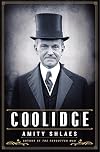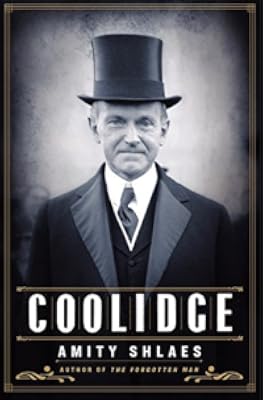
Coolidge
by Amity Shlaes
On This Page
Description
A brilliant and provocative reexamination of America's thirtieth president, Calvin Coolidge, and the decade of unparalleled growth that the nation enjoyed under his leadership.Tags
Recommendations
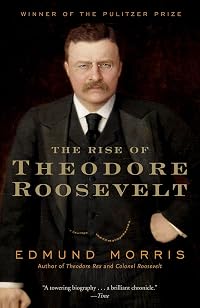
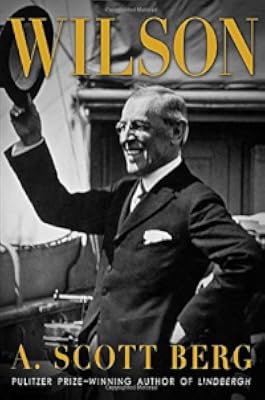
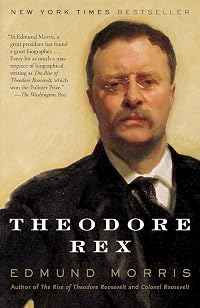
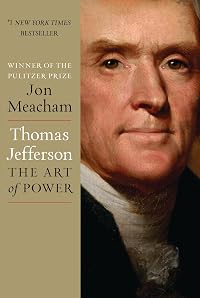
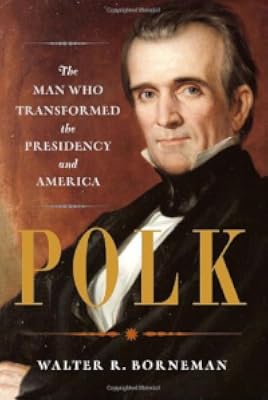

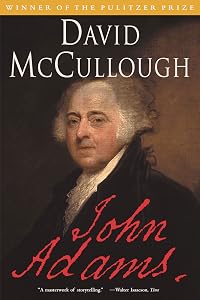
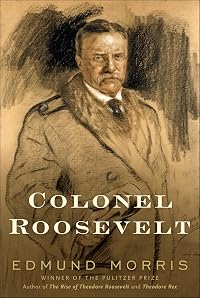
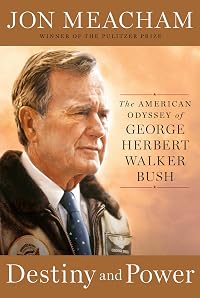


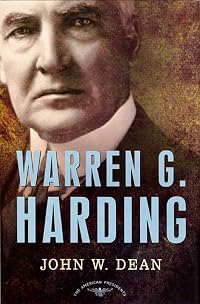




Member Recommendations
Morryman84 I believe this was one of Ronald Reagan's favorite American Presidents
Member Reviews
For more reviews and bookish posts visit: https://www.ManOfLaBook.com
Coolidge by Amity Shales is a biography of Calvin Coolidge, America’s 30th President. Ms. Shales is a columnist and a chair on the board of the Calvin Coolidge Memorial Foundation.
Calvin Coolidge, “Silent Cal”, is remembered for his precise and short communication, as well as harsh frugality. As the nation reeled from the debts of World War I, and was shaken by the death of President Warren G. Harding, President Coolidge’s leadership was put to a test.
Coolidge by Amity Shales is researched very well and gives a lot of information. The author is certainly an excellent researcher, but I wish she wrote a less scholarly narrative and focused on telling the story of show more the life of Coolidge himself. The narrative changes threads without drawing any connections between them. I enjoy the connections of seemingly separate subjects; I feel that they explain a biography’s subject better than most large accomplishments or aspirations.
The narrative is very linear and careful to be accurate and save the character of Calvin Coolidge. However, it comes out stiff and sterile like a schedule punctuated with appointments in the fabric of time, on the thread of Coolidge’s lifeline.
The book shines with the author writes about Coolidge’s economics. She makes excellent arguments defending his tax policies and budgetary choices.
This is a strange biography, both tired and admirable. There are marvelous anecdotes, and it’s excellently written, however, Coolidge himself comes off as a caricature without familiarizing the character of this fascinating man with the reader. show less
Coolidge by Amity Shales is a biography of Calvin Coolidge, America’s 30th President. Ms. Shales is a columnist and a chair on the board of the Calvin Coolidge Memorial Foundation.
Calvin Coolidge, “Silent Cal”, is remembered for his precise and short communication, as well as harsh frugality. As the nation reeled from the debts of World War I, and was shaken by the death of President Warren G. Harding, President Coolidge’s leadership was put to a test.
Coolidge by Amity Shales is researched very well and gives a lot of information. The author is certainly an excellent researcher, but I wish she wrote a less scholarly narrative and focused on telling the story of show more the life of Coolidge himself. The narrative changes threads without drawing any connections between them. I enjoy the connections of seemingly separate subjects; I feel that they explain a biography’s subject better than most large accomplishments or aspirations.
The narrative is very linear and careful to be accurate and save the character of Calvin Coolidge. However, it comes out stiff and sterile like a schedule punctuated with appointments in the fabric of time, on the thread of Coolidge’s lifeline.
The book shines with the author writes about Coolidge’s economics. She makes excellent arguments defending his tax policies and budgetary choices.
This is a strange biography, both tired and admirable. There are marvelous anecdotes, and it’s excellently written, however, Coolidge himself comes off as a caricature without familiarizing the character of this fascinating man with the reader. show less
“The only thing we have to fear is, fear itself.” -“The buck stops here!” - “ Ich bin ein Berliner!” –“ Tear down this wall!” – “I did not have sex with that woman.” The inspiration of the American experiment is fueled by the great words of her leaders. So powerful are these words, and the men who gave them birth, that their momentum carries across the hearts of generations. To these men and their words we erect statues, monuments, and glorify the historic legacy they inspired.
However, at times, it can be decades before a President’s message can be understood, and its value truly appraised. Such is the case of our 30th President, Calvin Coolidge. “Silent Cal” as he was known then and now, was more famous show more for what he did not say, rather than what he did. Seated next to a woman at a dinner party, she told President Coolidge that her friends had wagered she would get no more than three words from him during the entire evening. What followed were the words that would define President Coolidge, “You lose.”
Coolidge by Amity Shlaes illustrates the wisdom espoused by the President and illuminates much about Coolidge that I did not know. In addition to an obsession about spending as little of the taxpayer’s money as possible, his administration used “scientific taxation”, and demonstrated that revenues could actually be increased by lowering tax rates.
For such a stoic figure in his public and historic persona, Coolidge was actually a truly compassionate man. The death of his son, a life changing event for anyone to be sure, for Coolidge became motivation to be open to others although in a private fashion. Hearing of his son’s death, a boy went to the Whitehouse gate, and when a staff member asked the boy why he was there he said he just wanted to give his condolences to the President. The boy was taken to see President Coolidge, and afterwards Coolidge told his staff that whenever a child was there to see him, they were to bring the child in “and don’t make them wait”.
Had I not been on a quest to read about each of our presidents, I probably would not have chosen to read about Coolidge. Ms. Shlaes made the life of President Coolidge quite captivating, and his life’s story one well worth the journey. show less
However, at times, it can be decades before a President’s message can be understood, and its value truly appraised. Such is the case of our 30th President, Calvin Coolidge. “Silent Cal” as he was known then and now, was more famous show more for what he did not say, rather than what he did. Seated next to a woman at a dinner party, she told President Coolidge that her friends had wagered she would get no more than three words from him during the entire evening. What followed were the words that would define President Coolidge, “You lose.”
Coolidge by Amity Shlaes illustrates the wisdom espoused by the President and illuminates much about Coolidge that I did not know. In addition to an obsession about spending as little of the taxpayer’s money as possible, his administration used “scientific taxation”, and demonstrated that revenues could actually be increased by lowering tax rates.
For such a stoic figure in his public and historic persona, Coolidge was actually a truly compassionate man. The death of his son, a life changing event for anyone to be sure, for Coolidge became motivation to be open to others although in a private fashion. Hearing of his son’s death, a boy went to the Whitehouse gate, and when a staff member asked the boy why he was there he said he just wanted to give his condolences to the President. The boy was taken to see President Coolidge, and afterwards Coolidge told his staff that whenever a child was there to see him, they were to bring the child in “and don’t make them wait”.
Had I not been on a quest to read about each of our presidents, I probably would not have chosen to read about Coolidge. Ms. Shlaes made the life of President Coolidge quite captivating, and his life’s story one well worth the journey. show less
Boy, does Amity Schlaes like Calvin Coolidge? From the first introductory chapter, she makes her feelings perfectly clear and spends the rest of the book backing them up. Unlike many biographers, who seek to paint themselves as historically even-handed and unbiased, while engaging in the most blatant hagiography, Ms. Schlaes at least lets the reader know her feeling on the subject and subsequently appears more open minded than her presumably unbiased colleagues.
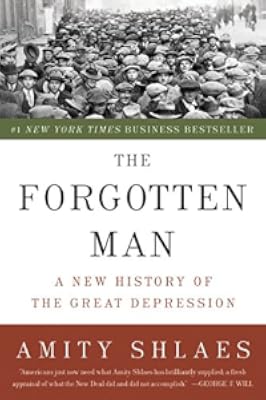
I had previously read the author’s The Forgotten Man, a fresh look at the Great Depression and knew her to be the rarest of birds, a conservative historian. Some may be put off by her failure to elevate FDR to godhood status and her conservative economic and social outlook, but show more her research and writing skills are first rate. I can’t say that the quality of the writing approaches that of David McCollough, but the book is a very readable and enlightening look at one of our most obscure Presidents.
As for Coolidge himself, his Presidency seems to be an all consuming effort to pay down the debt amassed during World War I, a “staggering” $27 billion, an effort that was largely successful. His economy, however, at times crossed the line, such as scolding the White House housekeeper for serving six hams at a state dinner when he thought five would do. He comes across as something of a curmudgeon, a scold and a cold fish.
At the conclusion of his Presidency, the author credits him with predicting the coming Panic and subsequent explosion of spending. I half expected Schlaes to argue that the Depression would have been avoided had Coolidge run for re-election in 1928, but she does not, even acknowledging that his tight money policies contributed to the problem.
All in all, a good look at the background and Presidency of an important figure in United States history, and one that has been largely neglected. show less
I had previously read the author’s The Forgotten Man, a fresh look at the Great Depression and knew her to be the rarest of birds, a conservative historian. Some may be put off by her failure to elevate FDR to godhood status and her conservative economic and social outlook, but show more her research and writing skills are first rate. I can’t say that the quality of the writing approaches that of David McCollough, but the book is a very readable and enlightening look at one of our most obscure Presidents.
As for Coolidge himself, his Presidency seems to be an all consuming effort to pay down the debt amassed during World War I, a “staggering” $27 billion, an effort that was largely successful. His economy, however, at times crossed the line, such as scolding the White House housekeeper for serving six hams at a state dinner when he thought five would do. He comes across as something of a curmudgeon, a scold and a cold fish.
At the conclusion of his Presidency, the author credits him with predicting the coming Panic and subsequent explosion of spending. I half expected Schlaes to argue that the Depression would have been avoided had Coolidge run for re-election in 1928, but she does not, even acknowledging that his tight money policies contributed to the problem.
All in all, a good look at the background and Presidency of an important figure in United States history, and one that has been largely neglected. show less
Definitely the best biography of Coolidge out there. Shlaes has dug up the details forgotten since the 1920s, the little day-to-day happenings, the issues that meant something in that decade but are forgotten or deemed unimportant today. Shlaes also doesn't beat the reader over the head with her overarching theme (like, say, in Sobel's also wonderful biography). Coolidge advocated limited government, patience, and going slow. Note, not NO government, but a limited one. This is the truly conservative position, Coolidge's position. He advocated government action where it was desirable and constitutional, favored state power over federal power, and, above all, urged patience. Not jumping from whim to whim with the prevailing wind, to not show more rush to legislate here-there, this-that. Coolidge's policies are not nothing, but meaningfully and thoughtfully constructed by a mind and philosophy meant to preserve the greatest amount of liberty for the individual at all times.
It is thus worth quoting Coolidge's speech to the Massachusetts state Senate on being elected its president in early 1914:
"Do the day’s work. If it be to protect the rights of the weak, whoever objects, do it. If it be to help a powerful corporation better to serve the people, whatever the opposition, do that. Expect to be called a stand-patter, but don’t be a stand-patter. Expect to be called a demagogue, but don’t be a demagogue. Don’t hesitate to be as revolutionary as science. Don’t hesitate to be as reactionary as the multiplication table. Don’t expect to build up the weak by pulling down the strong. Don’t hurry to legislate. Give administration a chance to catch up with legislation."
That is the theme running through this book. Well-researched and cited. The problem is, is that Shlaes has an odd staccato delivery that, for me at least, makes her narrative seem choppy at times. It is not fluid and magisterial, like, say, anything by Paul Johnson, but it is still worth it nonetheless. It is THE Coolidge biography. show less
It is thus worth quoting Coolidge's speech to the Massachusetts state Senate on being elected its president in early 1914:
"Do the day’s work. If it be to protect the rights of the weak, whoever objects, do it. If it be to help a powerful corporation better to serve the people, whatever the opposition, do that. Expect to be called a stand-patter, but don’t be a stand-patter. Expect to be called a demagogue, but don’t be a demagogue. Don’t hesitate to be as revolutionary as science. Don’t hesitate to be as reactionary as the multiplication table. Don’t expect to build up the weak by pulling down the strong. Don’t hurry to legislate. Give administration a chance to catch up with legislation."
That is the theme running through this book. Well-researched and cited. The problem is, is that Shlaes has an odd staccato delivery that, for me at least, makes her narrative seem choppy at times. It is not fluid and magisterial, like, say, anything by Paul Johnson, but it is still worth it nonetheless. It is THE Coolidge biography. show less
Summary: An account of Coolidge as a man of quiet conviction who presided over a great American transformation.
Calvin Coolidge was always one of those presidents who was a name on the list of presidents who otherwise seemed unmemorable. Especially in a time of a president who dominates the news coverage, Coolidge might come as a pleasant breath of fresh air--someone who cared more for deeds than words, and sometimes influenced more by what he did not do. Perhaps he is not better known simply because he was a president between the wars, during the great economic expansion known as "the roaring Twenties."
Amity Shlaes gives us a presidential biography of Coolidge that certainly raised him in my estimation while reminding me of the show more limitations and challenges every president faces. Shlaes begins with describing the Coolidge family tree--those that left Vermont for better land, and those who stayed to eke out a life on its rocky soil, a lineage tracing back to the early colonists, peopled by both farmers and politicians. We trace his education at Black River and St Johnsbury Academies and then on to Amherst, where this quiet young man excels in debate. He establishes a law practice, winning clients attracted to his quiet efficiency that cost them less, kept them out of court, earning him less but building a clientele.
He married Grace, who had spied him through a window while shaving. She was a teacher at the Clark School of the Deaf, which Coolidge in his later years raised $2 million to endow, and created a cause to which Grace gave himself after his death. Shlaes traces his political career from city and state legislator positions to his governorship of Massachusetts during which he takes a strong stand against the Boston Police strike that brings him to national attention, and eventually to nomination as Vice President on the Harding ticket, with the indignities of that office, disrespected by Cabot Lodge from his own state.
Then Harding dies, and Coolidge finds himself in the White House. The bulk of the book traces that presidency. He begins with a restoration of integrity after the crony politics of Harding. He gathers people like Andrew Mellon and Charles Evans Hughes around him. He consistently balances budgets, cuts taxes and expenditures, and increases revenues and surpluses. He wins election in his own right, probably saying less than any other presidential candidate. Often, he presided through the veto and even pioneered the pocket veto, which was upheld in court. He also presided over an incredible economic boom, highway construction, the Lindbergh flight. He resists veterans bonuses which he believed the states should pay. When floods ravage Vermont, he resists flood control legislation because of how it would bloat federal budgets, which he was able to hold to a mere $3 billion per year.
Shlaes makes us aware of how tough the presidency is on the occupants of the office. It broke the health of Wilson, Harding died, and Coolidge also was broken in health by the office, dying within four years. He suffered the loss of a son, Calvin, during his tenure. His marriage was strained. His last years provided a measure of restoration, even though his relationship with Hoover was always tense.
Coolidge, like some others, served to restore the dignity of the office when his predecessor had jeopardized the stature of the office. That is a particular kind of greatness, not the greatness of a war president, but nevertheless important to the republic. Shlaes helps us appreciate the important role men like Coolidge have played in our history. show less
Calvin Coolidge was always one of those presidents who was a name on the list of presidents who otherwise seemed unmemorable. Especially in a time of a president who dominates the news coverage, Coolidge might come as a pleasant breath of fresh air--someone who cared more for deeds than words, and sometimes influenced more by what he did not do. Perhaps he is not better known simply because he was a president between the wars, during the great economic expansion known as "the roaring Twenties."
Amity Shlaes gives us a presidential biography of Coolidge that certainly raised him in my estimation while reminding me of the show more limitations and challenges every president faces. Shlaes begins with describing the Coolidge family tree--those that left Vermont for better land, and those who stayed to eke out a life on its rocky soil, a lineage tracing back to the early colonists, peopled by both farmers and politicians. We trace his education at Black River and St Johnsbury Academies and then on to Amherst, where this quiet young man excels in debate. He establishes a law practice, winning clients attracted to his quiet efficiency that cost them less, kept them out of court, earning him less but building a clientele.
He married Grace, who had spied him through a window while shaving. She was a teacher at the Clark School of the Deaf, which Coolidge in his later years raised $2 million to endow, and created a cause to which Grace gave himself after his death. Shlaes traces his political career from city and state legislator positions to his governorship of Massachusetts during which he takes a strong stand against the Boston Police strike that brings him to national attention, and eventually to nomination as Vice President on the Harding ticket, with the indignities of that office, disrespected by Cabot Lodge from his own state.
Then Harding dies, and Coolidge finds himself in the White House. The bulk of the book traces that presidency. He begins with a restoration of integrity after the crony politics of Harding. He gathers people like Andrew Mellon and Charles Evans Hughes around him. He consistently balances budgets, cuts taxes and expenditures, and increases revenues and surpluses. He wins election in his own right, probably saying less than any other presidential candidate. Often, he presided through the veto and even pioneered the pocket veto, which was upheld in court. He also presided over an incredible economic boom, highway construction, the Lindbergh flight. He resists veterans bonuses which he believed the states should pay. When floods ravage Vermont, he resists flood control legislation because of how it would bloat federal budgets, which he was able to hold to a mere $3 billion per year.
Shlaes makes us aware of how tough the presidency is on the occupants of the office. It broke the health of Wilson, Harding died, and Coolidge also was broken in health by the office, dying within four years. He suffered the loss of a son, Calvin, during his tenure. His marriage was strained. His last years provided a measure of restoration, even though his relationship with Hoover was always tense.
Coolidge, like some others, served to restore the dignity of the office when his predecessor had jeopardized the stature of the office. That is a particular kind of greatness, not the greatness of a war president, but nevertheless important to the republic. Shlaes helps us appreciate the important role men like Coolidge have played in our history. show less
Calvin Coolidge is a president who has been defined not by the times in which he lived but in the ones which followed -- specifically the Great Depression, for which he has received a share of the blame. Amity Shlaes's goal, however, is not to bury Coolidge but to praise him by arguing that his policies promote national prosperity through austerity. Yet her argument relies on a good deal of post hoc fallacy that is often contradicted by the very facts she cites (such as her continual reference to growth and prosperity that predated the tax cuts and other measures championed by Coolidge which supposedly brought it about) and she resorts to outright falsehoods in an effort to cover up Coolidge's role in fostering the stock market bubble show more that burst after he left office.
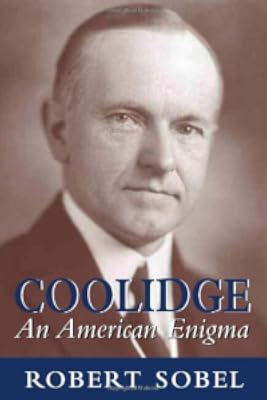
Nor are these the only problems with her book. Shlaes's text is disappointingly sloppy, riddled with factual and even grammatical errors that suggest the book was a rushed effort. Better editing would have taken care of this, and possibly also cleaned up the morass of details with which she loves to inundate the readers but which only serve to bog them down in her text. Readers seeking to learn more about Coolidge would be well advised to turn to Robert Sobel's [b:Coolidge: An American Enigma|860010|Coolidge An American Enigma|Robert Sobel|https://d.gr-assets.com/books/1387751417s/860010.jpg|845450], which in every way is superior to Shlaes's muddled effort. show less
Nor are these the only problems with her book. Shlaes's text is disappointingly sloppy, riddled with factual and even grammatical errors that suggest the book was a rushed effort. Better editing would have taken care of this, and possibly also cleaned up the morass of details with which she loves to inundate the readers but which only serve to bog them down in her text. Readers seeking to learn more about Coolidge would be well advised to turn to Robert Sobel's [b:Coolidge: An American Enigma|860010|Coolidge An American Enigma|Robert Sobel|https://d.gr-assets.com/books/1387751417s/860010.jpg|845450], which in every way is superior to Shlaes's muddled effort. show less
“Coolidge” is a worthy successor to Amity Shlaes’s “The Forgotten Man.” Clean prose and expansive detail paint our 30th president in a new light, exposing far more character and color than found in contemporary black-and-white portraits of “Silent Cal.” Although genuinely a man of few words we learn that Coolidge is born of hard work, conviction and principle. Hewn from the same New England mindset as John Adams, Coolidge is tough, self-reliant, and unpretentious. Above all, he is a man of the law whether fulfilling the rigorous demands of Massachusetts’s governor or the U. S. Presidency. In 1927 the Mississippi Valley flood affected ten states, swelling the Mississippi at one point to a width of sixty miles and becoming show more the worst river flood in U.S. History. But Coolidge didn’t tour the area or the subsequent flood of his beloved Vermont, believing that it was not in the purview of his office to do so. He was a principled, constitutional federalist.
We then learn of the essential role played by Grace Goodhue-Coolidge, his First Lady and guiding light, his balance. She was the charm to his reticence, the voice to his silence. She managed their awkward transition to the White House and helped him endure the death of their son, Calvin Junior, just prior to his reelection in 1924. If adversity truly reveals character then rarely has it been more clearly revealed than with the Coolidges. Yet their courage and characters remain largely unknown.
My only criticism is that the attention to detail can, at times, seem excessive and slow the narrative. Otherwise this is a fluid and scholarly journey into the tumult of the 1920s. A must read for History enthusiasts for its seamless historical storytelling and demonstration of “readable” history. show less
We then learn of the essential role played by Grace Goodhue-Coolidge, his First Lady and guiding light, his balance. She was the charm to his reticence, the voice to his silence. She managed their awkward transition to the White House and helped him endure the death of their son, Calvin Junior, just prior to his reelection in 1924. If adversity truly reveals character then rarely has it been more clearly revealed than with the Coolidges. Yet their courage and characters remain largely unknown.
My only criticism is that the attention to detail can, at times, seem excessive and slow the narrative. Otherwise this is a fluid and scholarly journey into the tumult of the 1920s. A must read for History enthusiasts for its seamless historical storytelling and demonstration of “readable” history. show less
Members
- Recently Added By
Lists

Best Biographies
216 works; 24 members

The Presidents
42 works; 2 members

Best Biographies of U.S. Presidents
61 works; 6 members
Biographies of American Presidents
39 works; 4 members
Author Information

8+ Works 3,219 Members
Amity Shlaes is the author of tour New York Times bestsellers: The Forgotten Man: A New History of the Great Depression, The Forgotten Man graphic edition, Coolidge, and The Greedy Hand: How Taxes Drive Americans Crazy. Shlaes chairs the board of the Calvin Coolidge Presidential Foundation and the Manhattan Institute's Hayek Book Prize, and serves show more as a scholar at the King's College. Twitter: @amityshlaes show less
Awards and Honors
Distinctions
Common Knowledge
- Canonical title
- Coolidge
- Original publication date
- 2013-02-12
- People/Characters
- Calvin Coolidge
- Important places
- Plymouth Notch, Vermont, USA; Boston, Massachusetts, USA; Northampton, Massachusetts, USA; Washington, D.C., USA
- Dedication
- For Eli, Theo, Flora, and Helen with respect for their perseverance
- Publisher's editor
- Duggan, Tim
- Blurbers
- Volcker, Paul; Will, George F.; Applebaum, Anne; Helprin, Mark; Ryan, Paul
- Original language
- English
Classifications
- Genres
- Biography & Memoir, History, Nonfiction, General Nonfiction
- DDC/MDS
- 973.91 — History & geography History of North America United States 1901- World Wars and Depression Era (1901-1953)
- LCC
- E792 .S53 — History of the United States United States Twentieth century 1919-1933. Harding-Coolidge-Hoover era. "The Coolidge's administration, August 2, 1923-1929
- BISAC
Statistics
- Members
- 919
- Popularity
- 29,192
- Reviews
- 22
- Rating
- (3.83)
- Languages
- English
- Media
- Paper, Audiobook, Ebook
- ISBNs
- 10
- ASINs
- 5