
Kenneth Whyte
Author of Hoover: An Extraordinary Life in Extraordinary Times
Works by Kenneth Whyte
Tagged
Common Knowledge
- Birthdate
- 1960-08-12
- Gender
- male
Members
Reviews
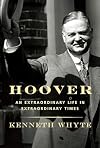
If American voters in 1928 believed that over the next four years they would face an unprecedented economic collapse that would cause enormous social misery, it’s likely that they would have concluded that the man they most needed in the White House was the very person they elected to it. Over the previous decade and a half Herbert Hoover had earned a global reputation as a problem-solving benefactor who had aided Americans stranded in Europe during the First World War, supported Belgians show more impoverished by German occupation, and provided famine relief for millions in the chaotic postwar environment. His administrative genius was further demonstrated over the course of his eight years of service as Secretary of Commerce in the presidential administrations of Warren Harding and Calvin Coolidge, during which he regulated the new marketplaces created by technology, championed product standardization, and oversaw disaster relief in the Mississippi Valley basin. Yet four years later Hoover would be turned out of office in a landslide even greater than the one he enjoyed when he was voted into it, a damming judgment of his response to the Great Depression.
Herein lies the great enigma of Hoover’s presidency: how is it that such an accomplished humanitarian and administrator could have fallen so short in his response to the Great Depression? It is the question that hangs over any assessment of his career, one that is even more challenging to address given its length and his multifarious achievements. Kenneth Whyte rises to the challenge with a book that encapsulates the range of Hoover’s life and draws from it a sense of his character. A longtime editor and a biographer of the newspaper mogul William Randolph Hearst, Whyte employs a discerning eye and an adroit pen to the task of drawing out Hoover’s personality and assessing his achievements.
The first of these achievements was Hoover’s rise from adversity. The son of Iowa Quakers, Hoover was orphaned at an early age and forced to live with various relatives. Thought he did not distinguish himself academically his work ethic was evident at an early age, and through his diligent labors he won admission to the newly-created Stanford University. After graduating with a degree in geology, Hoover embarked on an incredibly successful career as a mining engineer. Whyte’s chapters on this part of Hoover’s life are among the best in the book, as he details the brusque management style and oftentimes shady business practices Hoover employed to make a considerable fortune at a young age.
Seeking new challenges, Hoover was preparing to move from London back to California when the outbreak of war in 1914 changed his life dramatically. Boldly stepping up, Hoover soon emerged as a dominant force in humanitarian relief thanks to his managerial skills and his numerous contacts. When the United States entered the war, Hoover was a logical choice to head the food production effort, and by the end of the conflict he had cemented his reputation as a “can-do” figure. Though nominally a Republican, Whyte sees Hoover’s association with the values of Progressivism as far more relevant to understanding him, which he identifies in both Hoover’s approach to his roles as Commerce secretary and as president.
It is in how Hoover viewed his role as president that Whyte finds the source of the problems that bedeviled him. As an apostle of scientific management, Hoover had little experience with or respect for the political game. This attitude proved self-defeating in his dealings with Congress, as his poor relations with them frustrated his ability to achieve the measures he sought. This also led him initially to underestimate Franklin Roosevelt, who with the help of a Democratic Party effort to associate Hoover indelibly with the Depression defeated Hoover when he ran for reelection. Embittered by Roosevelt’s attacks on his record, Hoover spent the remaining thirty-two years of his life in search of redemption, both through championing a new version of American conservatism and by gradually regaining respect for his administrative expertise through his work on a series of commissions.
In writing this book Whyte masters two enormously difficult challenges: encapsulating Hoover’s extensive life within a single volume while simultaneously providing a convincing interpretation of his withdrawn personality. From it emerges a portrait of a gifted and driven individual who succeeded in every field to which he applied himself except the one least suited for his disposition. Where the book suffers is in Whyte’s treatment of the Depression, which he interprets through a monetarist lens; while this highlights several often underappreciated aspects of the crisis, it comes at the cost of glossing over both the miseries people suffered and how they – rather than Hoover’s often contradictory monetary policies – served as the basis for the public’s judgment of Hoover’s failure. This mars what is otherwise an impressive achievement, one that currently stands as the best encapsulation of a complicated man within the confines of a single volume. show less
Herein lies the great enigma of Hoover’s presidency: how is it that such an accomplished humanitarian and administrator could have fallen so short in his response to the Great Depression? It is the question that hangs over any assessment of his career, one that is even more challenging to address given its length and his multifarious achievements. Kenneth Whyte rises to the challenge with a book that encapsulates the range of Hoover’s life and draws from it a sense of his character. A longtime editor and a biographer of the newspaper mogul William Randolph Hearst, Whyte employs a discerning eye and an adroit pen to the task of drawing out Hoover’s personality and assessing his achievements.
The first of these achievements was Hoover’s rise from adversity. The son of Iowa Quakers, Hoover was orphaned at an early age and forced to live with various relatives. Thought he did not distinguish himself academically his work ethic was evident at an early age, and through his diligent labors he won admission to the newly-created Stanford University. After graduating with a degree in geology, Hoover embarked on an incredibly successful career as a mining engineer. Whyte’s chapters on this part of Hoover’s life are among the best in the book, as he details the brusque management style and oftentimes shady business practices Hoover employed to make a considerable fortune at a young age.
Seeking new challenges, Hoover was preparing to move from London back to California when the outbreak of war in 1914 changed his life dramatically. Boldly stepping up, Hoover soon emerged as a dominant force in humanitarian relief thanks to his managerial skills and his numerous contacts. When the United States entered the war, Hoover was a logical choice to head the food production effort, and by the end of the conflict he had cemented his reputation as a “can-do” figure. Though nominally a Republican, Whyte sees Hoover’s association with the values of Progressivism as far more relevant to understanding him, which he identifies in both Hoover’s approach to his roles as Commerce secretary and as president.
It is in how Hoover viewed his role as president that Whyte finds the source of the problems that bedeviled him. As an apostle of scientific management, Hoover had little experience with or respect for the political game. This attitude proved self-defeating in his dealings with Congress, as his poor relations with them frustrated his ability to achieve the measures he sought. This also led him initially to underestimate Franklin Roosevelt, who with the help of a Democratic Party effort to associate Hoover indelibly with the Depression defeated Hoover when he ran for reelection. Embittered by Roosevelt’s attacks on his record, Hoover spent the remaining thirty-two years of his life in search of redemption, both through championing a new version of American conservatism and by gradually regaining respect for his administrative expertise through his work on a series of commissions.
In writing this book Whyte masters two enormously difficult challenges: encapsulating Hoover’s extensive life within a single volume while simultaneously providing a convincing interpretation of his withdrawn personality. From it emerges a portrait of a gifted and driven individual who succeeded in every field to which he applied himself except the one least suited for his disposition. Where the book suffers is in Whyte’s treatment of the Depression, which he interprets through a monetarist lens; while this highlights several often underappreciated aspects of the crisis, it comes at the cost of glossing over both the miseries people suffered and how they – rather than Hoover’s often contradictory monetary policies – served as the basis for the public’s judgment of Hoover’s failure. This mars what is otherwise an impressive achievement, one that currently stands as the best encapsulation of a complicated man within the confines of a single volume. show less
For more reviews and bookish posts visit: https://www.ManOfLaBook.com
Hoover: An Extraordinary Life in Extraordinary Times by Kenneth Whyte is a biography of Herbert Clark Hoover, America’s 31st President. Mr. Whyte is a Canadian journalist, publisher and author.
This book does not focus solely, or even mostly, on Hoover’s years in the White House, but on his while life. Quite the opposite, I found that the most interesting parts of Hoover by Kenneth Whyte are the pre and post presidency show more years.
The book is attentive and sympathetic to Herbert Hoover, but the author does not shy away from his many flaws either. That being said, it’s clear that Mr. Whyte things Hoover is a much better politician than many others, and certainly deserves more credit for his presidential years than just being remembered for the Great Depression. In fact, Hoover expected the financial crisis.
I especially enjoyed the comparison between Hoover and Woodrow Wilson, as well as his relationship with Warren G. Harding. I also enjoyed reading about Harding’s often combative relationship with FDR.
Herbert Hoover lived an amazing life but was not a colorful character. He was a geologist, an engineer, and a workaholic. The narrative of this book matches the character of its subject, clear, comprehensible, but lacking excitement. Nevertheless, Hoover’s personality contradictions alone would make a fascinating biography.
While I learned a lot about Hoover the man, I felt that the discussion about Hoover the President was lacking. Mr. Whyte attempts to redeem Hoover’s administration but, in the process, seems to give him too much credit.
I enjoyed reading this book very much. It’s an insightful look into a complicated man with a complicated legacy. show less
Hoover: An Extraordinary Life in Extraordinary Times by Kenneth Whyte is a biography of Herbert Clark Hoover, America’s 31st President. Mr. Whyte is a Canadian journalist, publisher and author.
This book does not focus solely, or even mostly, on Hoover’s years in the White House, but on his while life. Quite the opposite, I found that the most interesting parts of Hoover by Kenneth Whyte are the pre and post presidency show more years.
The book is attentive and sympathetic to Herbert Hoover, but the author does not shy away from his many flaws either. That being said, it’s clear that Mr. Whyte things Hoover is a much better politician than many others, and certainly deserves more credit for his presidential years than just being remembered for the Great Depression. In fact, Hoover expected the financial crisis.
I especially enjoyed the comparison between Hoover and Woodrow Wilson, as well as his relationship with Warren G. Harding. I also enjoyed reading about Harding’s often combative relationship with FDR.
Herbert Hoover lived an amazing life but was not a colorful character. He was a geologist, an engineer, and a workaholic. The narrative of this book matches the character of its subject, clear, comprehensible, but lacking excitement. Nevertheless, Hoover’s personality contradictions alone would make a fascinating biography.
While I learned a lot about Hoover the man, I felt that the discussion about Hoover the President was lacking. Mr. Whyte attempts to redeem Hoover’s administration but, in the process, seems to give him too much credit.
I enjoyed reading this book very much. It’s an insightful look into a complicated man with a complicated legacy. show less
Might almost serve as an apologia for Hoover (and a take-down of FDR, in the last hundred or so pages), but that's what you want in a biography, I suppose. The writer is obviously a great fan of Hoover, and I came to like him too. A very thorough life, and not without the warts.
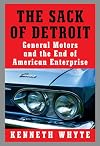
An excellent portrayal of the issue of automobile safety historically throughout the Twentieth-Century and beyond. Focusing on the big three in Detroit; GM, Ford and Chrysler, GM in particular. The arguments are all well laid out and backed up by documentation. Takes down a few sacred cows from that era.
Awards


You May Also Like


Statistics
- Works
- 3
- Members
- 371
- Popularity
- #64,991
- Rating
- 4.1
- Reviews
- 12
- ISBNs
- 17