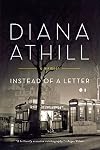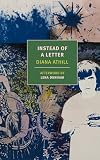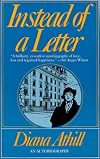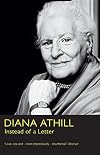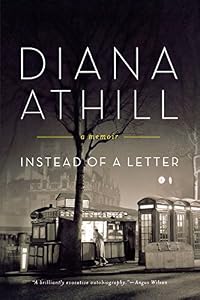
Instead of a Letter: A Memoir
by Diana Athill
On This Page
Description
"Diana Athill's childhood was idyllic, brought up in the Norfolk countryside. Aged only fifteen, she fell in love with a young undergraduate. They travelled to Oxford, engaged to be married. Then everything fell apart in the cruellest possible way. In this classic modern memoir, Diana Athill dissects the terrible consequences of loss and her struggle to rebuild a personality destroyed by sadness. Yet for all its unhappiness, Instead of a Letter remains a story of hope, written with the frank show more intelligence and lack of self-pity that have become the hallmarks of Athill's writing."-- show lessTags
Recommendations
















Member Reviews
Diana Athill grew up expecting to have a conventional life for a woman of her time: she’d get married, have children, and live happily ever after. That was how things worked when you were a woman born in England in 1917 to an upper class family. But that sort of life would have made for an unsatisfactory memoir, and Instead of a Letter is anything but unsatisfactory. Compelling, appalling, illuminating and inspiring are the words to describe this elegant book, the first of Athill’s several memoirs.
And yet, for a time, it looked like Athill would follow the accepted script for a twentieth century Englishwoman. Her childhood, while not idyllic, was privileged. She spent much of it at her maternal grandmother’s home, Beckton Manor in show more East Anglia, riding horses and reading books. She loved it dearly, and appreciated it even as a child: “I felt that I must measure every detail of it against the future, and I remember standing under the great beech tree by the lawn, trying to will some essence of myself into the still green air so that after I was dead my ghost would materialize there.” When she was thirteen years old, her parents finally admitted that they were living above their income, and moved into the Manor Farm – a consequence of being “poor” that came closer to being an advantage. Athill far preferred the Farm to living in Hertfordshire, where her father worked. While she occasionally caught wind of family problems, for the most part her existence as a child was carefree.
And Athill had the great good fortune to be well-educated, not just by the voluminous and even voluptuous reading she did in the library her grandfathers had accumulated at Beckton, but in a good prep school and then at Oxford. It was while she was a student that she discovered that she was lazy – or at least that is how she phrases it; I suspect that she discovered herself to be both a terrible procrastinator and a woman of prodigious appetites for everything in life. Athill describes her discovery of her “laziness” in a passage of amazing personal insight that seems to me to be precisely what memoirs are for:
"It was at school that my secret sin was first brought into the open: Laziness. I was considered a clever girl, but lazy. It has been with me ever since, and the guilt I feel about it assures me that it is a sin, not an inability. It takes the form of an immense weight of inertia at the prospect of any activity that does not positively attract me: a weight that can literally paralyse my moral sense…. I slide off sideways, almost unconsciously, into doing something else, which I like doing.... So often have I proved that this form of self-indulgence ends by making my life less agreeable rather than more so that my inability to control it almost frightens me; but that I should ever get the better of it now seems, alas, most unlikely."
Lives there a procrastinator among us who does not have a shock of self-recognition upon reading that passage? Yet who among us could have been so brutally honest – even self-condemning – about this failing? And that is part of the magic of this memoir, that Athill is so unflinching in gazing upon herself.
When Athill was fifteen, she met Paul, whom her parents had hired to tutor her brother. Athill was captivated by Paul, and dated him on and off even while seeing – and falling in love with – other men. But one failed romance led Athill to write to Paul in despair. Paul wrote back immediately, quoting Emerson: “When half-gods go/The gods arrive,” a comparison that made her laugh at his conceited. But that letter marked the end of the beginning for their relationship, and soon they were engaged. Athill was only eighteen and a student at Oxford, and she and Paul planned to marry only after she finished her studies. Paul had joined the military and been posted to Egypt, and they wrote and wrote and wrote to one another, planning their future. Then Hitler invaded Czechoslovakia, and Paul was transferred to Transjordan. And then, suddenly, abruptly, and completely, Paul’s letters stopped. Athill never heard from him again until she received a formal note, two years later, asking her to release him from their engagement because he was about to marry someone else.
Athill writes eloquently of her feelings when Paul’s silence commenced, and how she continued to deal with them as the months crept by. She wrote him blunt, agonized letters, but still the silence continued. It was terrible, but Athill found herself unable to write him off as a lost cause, refusing to give up, knowing that when he returned to England their romance would resume. It is a despairing hope that every woman who has ever loved a man who has jilted her has known, but Athill captures it in words so completely that the reader is once again present in those feelings, no matter how far removed or how fulfilling her present state.
At the time she wrote this book, several decades removed from the failed romance, Athill considered the loss of Paul to be the key event of her life, that which gave rise to everything that happened to her thereafter. She does not blame Paul so much as she gives him a power that no eighteen-year-old’s lover should have. Without the loss of Paul, Athill seems to believe might never have gone on to a series of doomed love affairs, often with married men; she might never have become an editor at a prestigious publishing house; she might never have become a traveler; she might have found another man and followed through on her original life plan.
If that is so – if Athill would simply have disappeared into marriage and family life – the world would have been a poorer place. Not only would Andre Deutsch Publishing would have lost a founding editor, but we might never have had this luminous memoir to read. Athill has lived – continues to live – a life unusual for a woman of her day, and she has closely observed it, seemingly every minute, and she has the power and skill and gift of being able to describe it to others in elegant prose. Consider, for instance, her description of a bay in Greece, one to which she returns time and again in her travels:
"It is broken by a small promontory within it, and goes from navy blue near the open sea, through every shade of aquamarine, with depths of pure emerald under its cliffs and chunky emerald patches where a boat throws a shadow. Its depth and the nature of its sandy bottom combine in a ratio perfect for transparency, sparkle and movement – I have never seen it when it was not netted with light…. Beyond that, cliffs … above the cliffs steep, olive-fleeced, cypress-punctuated mountainside, rising to an abrupt escarpment with a sheer rock-face which turns apricot-coloured in the evening sun and is rimmed by the rapid, stumbling line of the mountain’s profile, plunging out and round to one’s right to hit the sea on the far side of the bay.
"All this is bathed in light and silence….I once spent four hours alone on that terrace with an unread book and untouched writing-pad, turned by the spectacle into nothing but eyes, with no idea of the time that was passing until the sun went down."
I could quote beautiful passages to you for many times the length of this review; I turned down many pages in this book as reminders to myself to reread and fully relish the language. It is not flowery or overwrought; it is precise and descriptive and perfect to the moment described. Whether Athill is describing scenery, as in this passage, or her emotions, as in the chapters dealing with Paul, or her career and work habits, it is all beautifully written.
This book is what memoir should be. show less
And yet, for a time, it looked like Athill would follow the accepted script for a twentieth century Englishwoman. Her childhood, while not idyllic, was privileged. She spent much of it at her maternal grandmother’s home, Beckton Manor in show more East Anglia, riding horses and reading books. She loved it dearly, and appreciated it even as a child: “I felt that I must measure every detail of it against the future, and I remember standing under the great beech tree by the lawn, trying to will some essence of myself into the still green air so that after I was dead my ghost would materialize there.” When she was thirteen years old, her parents finally admitted that they were living above their income, and moved into the Manor Farm – a consequence of being “poor” that came closer to being an advantage. Athill far preferred the Farm to living in Hertfordshire, where her father worked. While she occasionally caught wind of family problems, for the most part her existence as a child was carefree.
And Athill had the great good fortune to be well-educated, not just by the voluminous and even voluptuous reading she did in the library her grandfathers had accumulated at Beckton, but in a good prep school and then at Oxford. It was while she was a student that she discovered that she was lazy – or at least that is how she phrases it; I suspect that she discovered herself to be both a terrible procrastinator and a woman of prodigious appetites for everything in life. Athill describes her discovery of her “laziness” in a passage of amazing personal insight that seems to me to be precisely what memoirs are for:
"It was at school that my secret sin was first brought into the open: Laziness. I was considered a clever girl, but lazy. It has been with me ever since, and the guilt I feel about it assures me that it is a sin, not an inability. It takes the form of an immense weight of inertia at the prospect of any activity that does not positively attract me: a weight that can literally paralyse my moral sense…. I slide off sideways, almost unconsciously, into doing something else, which I like doing.... So often have I proved that this form of self-indulgence ends by making my life less agreeable rather than more so that my inability to control it almost frightens me; but that I should ever get the better of it now seems, alas, most unlikely."
Lives there a procrastinator among us who does not have a shock of self-recognition upon reading that passage? Yet who among us could have been so brutally honest – even self-condemning – about this failing? And that is part of the magic of this memoir, that Athill is so unflinching in gazing upon herself.
When Athill was fifteen, she met Paul, whom her parents had hired to tutor her brother. Athill was captivated by Paul, and dated him on and off even while seeing – and falling in love with – other men. But one failed romance led Athill to write to Paul in despair. Paul wrote back immediately, quoting Emerson: “When half-gods go/The gods arrive,” a comparison that made her laugh at his conceited. But that letter marked the end of the beginning for their relationship, and soon they were engaged. Athill was only eighteen and a student at Oxford, and she and Paul planned to marry only after she finished her studies. Paul had joined the military and been posted to Egypt, and they wrote and wrote and wrote to one another, planning their future. Then Hitler invaded Czechoslovakia, and Paul was transferred to Transjordan. And then, suddenly, abruptly, and completely, Paul’s letters stopped. Athill never heard from him again until she received a formal note, two years later, asking her to release him from their engagement because he was about to marry someone else.
Athill writes eloquently of her feelings when Paul’s silence commenced, and how she continued to deal with them as the months crept by. She wrote him blunt, agonized letters, but still the silence continued. It was terrible, but Athill found herself unable to write him off as a lost cause, refusing to give up, knowing that when he returned to England their romance would resume. It is a despairing hope that every woman who has ever loved a man who has jilted her has known, but Athill captures it in words so completely that the reader is once again present in those feelings, no matter how far removed or how fulfilling her present state.
At the time she wrote this book, several decades removed from the failed romance, Athill considered the loss of Paul to be the key event of her life, that which gave rise to everything that happened to her thereafter. She does not blame Paul so much as she gives him a power that no eighteen-year-old’s lover should have. Without the loss of Paul, Athill seems to believe might never have gone on to a series of doomed love affairs, often with married men; she might never have become an editor at a prestigious publishing house; she might never have become a traveler; she might have found another man and followed through on her original life plan.
If that is so – if Athill would simply have disappeared into marriage and family life – the world would have been a poorer place. Not only would Andre Deutsch Publishing would have lost a founding editor, but we might never have had this luminous memoir to read. Athill has lived – continues to live – a life unusual for a woman of her day, and she has closely observed it, seemingly every minute, and she has the power and skill and gift of being able to describe it to others in elegant prose. Consider, for instance, her description of a bay in Greece, one to which she returns time and again in her travels:
"It is broken by a small promontory within it, and goes from navy blue near the open sea, through every shade of aquamarine, with depths of pure emerald under its cliffs and chunky emerald patches where a boat throws a shadow. Its depth and the nature of its sandy bottom combine in a ratio perfect for transparency, sparkle and movement – I have never seen it when it was not netted with light…. Beyond that, cliffs … above the cliffs steep, olive-fleeced, cypress-punctuated mountainside, rising to an abrupt escarpment with a sheer rock-face which turns apricot-coloured in the evening sun and is rimmed by the rapid, stumbling line of the mountain’s profile, plunging out and round to one’s right to hit the sea on the far side of the bay.
"All this is bathed in light and silence….I once spent four hours alone on that terrace with an unread book and untouched writing-pad, turned by the spectacle into nothing but eyes, with no idea of the time that was passing until the sun went down."
I could quote beautiful passages to you for many times the length of this review; I turned down many pages in this book as reminders to myself to reread and fully relish the language. It is not flowery or overwrought; it is precise and descriptive and perfect to the moment described. Whether Athill is describing scenery, as in this passage, or her emotions, as in the chapters dealing with Paul, or her career and work habits, it is all beautifully written.
This book is what memoir should be. show less
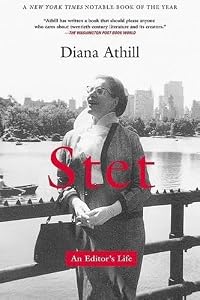
Among many other things, Instead of a Letter vividly describes the end of a relationship and the sense of loss that can drain away all pleasure from life for a long time afterwards. Diana Athill was editor to many famous writers, including one of my favourites, Jean Rhys, and is also the author of several other memoirs (I also like Stet, her memoir about her publishing career, particularly the section describing how she worked with Jean Rhys and helped her to finish and publish Wide Sargasso Sea). Instead of a Letter, though, is about her happy childhood and the sad ending of her engagement, and how she eventually found meaning in her life.
What I find interesting about this book is that Athill very unflinchingly and self-critically show more looks at herself, concluding ‘I have not been beautiful, or intelligent, or good, or brave, or energetic, and for many years I was not happy’. When she asks herself what the meaning of her life is, her attention is drawn by a quotation from Ruskin, ‘The greatest thing a human soul does in this world is to see’. Athill has a gift for observation and she says that ‘seeing things remained, through the dreariest stretches of my life, a reason for living’. [2011] show less
What I find interesting about this book is that Athill very unflinchingly and self-critically show more looks at herself, concluding ‘I have not been beautiful, or intelligent, or good, or brave, or energetic, and for many years I was not happy’. When she asks herself what the meaning of her life is, her attention is drawn by a quotation from Ruskin, ‘The greatest thing a human soul does in this world is to see’. Athill has a gift for observation and she says that ‘seeing things remained, through the dreariest stretches of my life, a reason for living’. [2011] show less
Instead of a Letter, Diana Athill’s first work of autobiography was written when Diana Athill was only in her 40s, published a year after her first volume of short stories. Since then, she has written several more volumes of memoir, including one quite recently. Considering that Athill didn’t write these in any kind of chronological order I can’t see it matters which order one reads them in, as each book does seem to have a different focus. Born in 1917 – she will be celebrating her 99th birthday just before Christmas.
Diana Athill was born into a wealthy, aristocratic family, and brought up in the Norfolk countryside. Having worked for the BBC before the war, she later worked in publishing and as an editor, working with many show more very famous literary greats.
In writing this memoir when she did, Diana Athill, was trying to discover something about herself, and crucially about what her life had been for. It was a question which had been prompted by the memory of her maternal grandmother.
“By the end, pain and exhaustion had loosened her grip on life so that when she ‘recovered’ yet again from a heart attack she would whisper, ‘why doesn’t God let me die?’ but for a long time she was afraid of what was happening to her. She was afraid of death, and she was sorrowful – which was worse – because she had much time in which to ask herself what her life had been for, and often she could not answer.”
She is, as ever, uncompromisingly honest. This is a woman, who the reader instantly feels right at home with, someone will a brilliant understanding of herself, and the ability to examine herself with unflinching honesty.
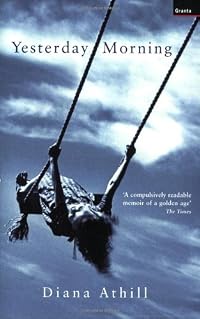
Although this memoir begins when Diana is a child, it is not a childhood memoir (Yesterday Morning is her childhood memoir – and is brilliant). Instead of a Letter takes us from those years when Diana was living in the country with her family, to her happy times at Oxford in the 1930s through to those darker days after the Second World War, as she recovered from a terrible heartbreak. It is this relationship which is at the heart of the novel, and which was brought suddenly and unexpectedly back to her on a chance visit to an Oxfordshire village.
“ ‘Good evening… Oh, my God, it’s Paul’s girl!’
‘Maggie, you recognised me!’
Maggie held my arm for a moment after kissing me, looking as though she might cry, while I stood there feeling a curious internal vertigo. It was almost twenty years since I had last gone through the narrow door into the taproom of the Plough at Appleton, a small village about ten miles from Oxford; almost twenty years since Maggie and I had seen each other.’
When she was in her teens, a young man named Paul was brought into her home to help tutor Diana’s brother for his public-school entrance exam. Paul was only four years older than Diana, though the age gap never seemed very big at all. Diana fell in love with the mere idea of him. When the real Paul turned up Diana found in him all she could have dreamed – and more.
“I wrote to a friend of mine: ‘The tutor’s come and he’s a perfectly marvellous person. He’s got brown eyes and fair hair and I suppose he ought to be taller really but he has got broad shoulders and a good figure, and he’s country and London at the same time. He would be at home anywhere. He’s very funny and reads a lot, but he isn’t a bit highbrow. We took a boat up the stream yesterday, through all that tangly bit beyond the wood, like going up the Amazon, and he made up a tremendous story about who we were and what we were doing. He knows more about birds than anyone I know, but he dances well, too.’ ”
Paul, first more like a brother, eventually became the centre of her world, and she invested almost everything in him. The war separates them, and Diana must content herself with infrequent letters and a long-distance relationship before she becomes an RAF wife. Paul’s dissertation of her is devastating, more so perhaps as she never gets the chance to forgive him.
This memoir perfectly evokes the times in which Diana Athill lived as a young woman, the people she writes about emerge from the pages fully formed. Athill beautifully recreates her greatest love story from which she seemed to emerge a wiser, sadder woman, but one who knew herself, in a way, perhaps not all of us do. She writes in a very un-embarrassed way about her various brief sexual relationships and the abortion she felt she had to have. After the war, saw her begin working with André Deutsch with whom she was to have a long and successful association. Later Diana was to find true happiness when she discovered writing for herself.
This is a wonderful book, in which we see the devastation of a loss, and the redemptive power of finding one’s true self in creative work. show less
Diana Athill was born into a wealthy, aristocratic family, and brought up in the Norfolk countryside. Having worked for the BBC before the war, she later worked in publishing and as an editor, working with many show more very famous literary greats.
In writing this memoir when she did, Diana Athill, was trying to discover something about herself, and crucially about what her life had been for. It was a question which had been prompted by the memory of her maternal grandmother.
“By the end, pain and exhaustion had loosened her grip on life so that when she ‘recovered’ yet again from a heart attack she would whisper, ‘why doesn’t God let me die?’ but for a long time she was afraid of what was happening to her. She was afraid of death, and she was sorrowful – which was worse – because she had much time in which to ask herself what her life had been for, and often she could not answer.”
She is, as ever, uncompromisingly honest. This is a woman, who the reader instantly feels right at home with, someone will a brilliant understanding of herself, and the ability to examine herself with unflinching honesty.
Although this memoir begins when Diana is a child, it is not a childhood memoir (Yesterday Morning is her childhood memoir – and is brilliant). Instead of a Letter takes us from those years when Diana was living in the country with her family, to her happy times at Oxford in the 1930s through to those darker days after the Second World War, as she recovered from a terrible heartbreak. It is this relationship which is at the heart of the novel, and which was brought suddenly and unexpectedly back to her on a chance visit to an Oxfordshire village.
“ ‘Good evening… Oh, my God, it’s Paul’s girl!’
‘Maggie, you recognised me!’
Maggie held my arm for a moment after kissing me, looking as though she might cry, while I stood there feeling a curious internal vertigo. It was almost twenty years since I had last gone through the narrow door into the taproom of the Plough at Appleton, a small village about ten miles from Oxford; almost twenty years since Maggie and I had seen each other.’
When she was in her teens, a young man named Paul was brought into her home to help tutor Diana’s brother for his public-school entrance exam. Paul was only four years older than Diana, though the age gap never seemed very big at all. Diana fell in love with the mere idea of him. When the real Paul turned up Diana found in him all she could have dreamed – and more.
“I wrote to a friend of mine: ‘The tutor’s come and he’s a perfectly marvellous person. He’s got brown eyes and fair hair and I suppose he ought to be taller really but he has got broad shoulders and a good figure, and he’s country and London at the same time. He would be at home anywhere. He’s very funny and reads a lot, but he isn’t a bit highbrow. We took a boat up the stream yesterday, through all that tangly bit beyond the wood, like going up the Amazon, and he made up a tremendous story about who we were and what we were doing. He knows more about birds than anyone I know, but he dances well, too.’ ”
Paul, first more like a brother, eventually became the centre of her world, and she invested almost everything in him. The war separates them, and Diana must content herself with infrequent letters and a long-distance relationship before she becomes an RAF wife. Paul’s dissertation of her is devastating, more so perhaps as she never gets the chance to forgive him.
This memoir perfectly evokes the times in which Diana Athill lived as a young woman, the people she writes about emerge from the pages fully formed. Athill beautifully recreates her greatest love story from which she seemed to emerge a wiser, sadder woman, but one who knew herself, in a way, perhaps not all of us do. She writes in a very un-embarrassed way about her various brief sexual relationships and the abortion she felt she had to have. After the war, saw her begin working with André Deutsch with whom she was to have a long and successful association. Later Diana was to find true happiness when she discovered writing for herself.
This is a wonderful book, in which we see the devastation of a loss, and the redemptive power of finding one’s true self in creative work. show less
While Athill's experiences as a young woman are unique, very British, rather upper class, and happened in the 1930s, her descriptions of adolescent longing, sexuality, intellectual exploration, and family dynamics are relatable and universal. The book has a distant, well crafted tone that is missing from many memoirs (which today tend to be much more flashy and winky), which made it relaxing and enjoyable to read.
[full review here: http://spacebeer.blogspot.com/2011/01/instead-of-letter-by-diana-athill-1962.htm... ]
[full review here: http://spacebeer.blogspot.com/2011/01/instead-of-letter-by-diana-athill-1962.htm... ]
Athill paints a thoughful portrait of a girl coming of age in England just prior to WWII. I loved the scenes at Beckton with her extended family, boating and the animals. Athill does a fabulous job of portraying her obsession with love and sex as a young woman and how she found her way through the ups and downs of her passion. Throughout is her love of reading. Originally published in 1962, this is a well written, reflective coming of age memoir.
I'm starting a project to read down my many unread biographies and memoirs. I'm not familiar with Athill but will read just about any memoir that looks interesting and am enjoying it a lot. She writes about her family and the privilege in which she grew up with an awareness of how lucky she was both to be unaware of poverty till her family's fortunes changed (and it was genteel poverty at that) and to have had the memories of time spent at her grandparent's estate.
Diana Athill - In plaats van een brief
Autobiografie van een Engelse schrijfster, tot haar 43ste. Helaas is de vertaling niet geweldig, maar het is toch een zeer boeiend boek. Interessante beschrijving van haar jeugd op het landgoed van haar grootmoeder, de relatieve armoede als ze opgroeit en haar leven op kostschool waar ze een enorme hekel aan heeft. Alles wordt op relativerende toon beschreven, Athill kijkt vooral en oordeelt alleen over zichzelf maar ook dat zeer mild. Ze beleeft een grote liefde met Paul, die haar in de oorlog in de steek laat maar er geen duidelijke uitleg aan geeft. Dat heeft haar lange tijd ongelukkig gemaakt. Een abortus wordt haast als een voetnoot beschreven. Het boek eindigt zeer pksitief, Athill ontdekt dat show more ze kan schrijven (ze wint een prijs voor een kort verhaal van the Observer) en ze vindt een nieuwe liefde. Belangrijkste constatering van haar is dat ze, ook als het in de liefde niet goed gaat, in ieder geval bevrediging kan vinden in het schrijven en in het kijken naar de wereld om haar heen.
Ben benieuwd naar "Instead of a book", geschreven als Athill ergens in de 90 is. show less
Autobiografie van een Engelse schrijfster, tot haar 43ste. Helaas is de vertaling niet geweldig, maar het is toch een zeer boeiend boek. Interessante beschrijving van haar jeugd op het landgoed van haar grootmoeder, de relatieve armoede als ze opgroeit en haar leven op kostschool waar ze een enorme hekel aan heeft. Alles wordt op relativerende toon beschreven, Athill kijkt vooral en oordeelt alleen over zichzelf maar ook dat zeer mild. Ze beleeft een grote liefde met Paul, die haar in de oorlog in de steek laat maar er geen duidelijke uitleg aan geeft. Dat heeft haar lange tijd ongelukkig gemaakt. Een abortus wordt haast als een voetnoot beschreven. Het boek eindigt zeer pksitief, Athill ontdekt dat show more ze kan schrijven (ze wint een prijs voor een kort verhaal van the Observer) en ze vindt een nieuwe liefde. Belangrijkste constatering van haar is dat ze, ook als het in de liefde niet goed gaat, in ieder geval bevrediging kan vinden in het schrijven en in het kijken naar de wereld om haar heen.
Ben benieuwd naar "Instead of a book", geschreven als Athill ergens in de 90 is. show less
Members
- Recently Added By
Lists

Mustich's 1000 Books to Read Before You Die: A Life Changing List
1,001 works; 18 members
Author Information

15+ Works 2,491 Members
Diana Athill was born in England on December 21, 1917. She was educated at Oxford University. During World War II, she as a researcher with the BBC. She worked as an editor at Allan Wingate and then at André Deutsch. Athill started writing autobiography in her early 40s. Her memoir, Instead of a Letter, was published in 1962. Her other memoirs show more included After a Funeral; Make Believe; Alive, Alive Oh!; Stet; Yesterday Morning; and A Florence Diary. Somewhere Towards the End won a Costa Book Award and a National Book Critics Circle Award. Her other works included a volume of short stories entitled An Unavoidable Delay and a novel entitled Don't Look at Me Like That. She was awarded the Order of the British Empire in 2009. She died on January 23, 2019 at the age of 101. (Bowker Author Biography) show less
Awards and Honors
Notable Lists
Work Relationships
Is contained in
Common Knowledge
- Original publication date
- 1963
- People/Characters
- Diana Athill
- First words
- My maternal grandmother died of old age, a long and painful process.
- Quotations
- It was at school that my secret sin was first brought into the open: Laziness. I was considered a clever girl, but lazy. It has been with me ever since, and the guilt I feel about it assures me that it is a sin, not an inabil... (show all)ity. It takes the form of an immense weight of inertia at the prospect of any activity that does not positively attract me: a weight that can literally paralyse my moral sense…. I slide off sideways, almost unconsciously, into doing something else, which I like doing.... So often have I proved that this form of self-indulgence ends by making my life less agreeable rather than more so that my inability to control it almost frightens me; but that I should ever get the better of it now seems, alas, most unlikely.
It is broken by a small promontory within it, and goes from navy blue near the open sea, through every shade of aquamarine, with depths of pure emerald under its cliffs and chunky emerald patches where a boat throws a shadow.... (show all) Its depth and the nature of its sandy bottom combine in a ratio perfect for transparency, sparkle and movement – I have never seen it when it was not netted with light…. Beyond that, cliffs … above the cliffs steep, olive-fleeced, cypress-punctuated mountainside, rising to an abrupt escarpment with a sheer rock-face which turns apricot-coloured in the evening sun and is rimmed by the rapid, stumbling line of the mountain’s profile, plunging out and round to one’s right to hit the sea on the far side of the bay.
"All this is bathed in light and silence….I once spent four hours alone on that terrace with an unread book and untouched writing-pad, turned by the spectacle into nothing but eyes, with no idea of the time that was passing until the sun went down.
No most gifted eye can exhaust the significance of any object.
- Thomas Carlyle
The greatest thing a human soul does in this world is to see.
- John Ruskin - Last words
- (Click to show. Warning: May contain spoilers.)To die decently and acceptingly would be to prove the value of life, and that, in spite of limitations and inadequacy, is what I have felt inclined, still feel inclined, and have a hunch that I will always feel inclined to do.
Classifications
- Genre
- Biography & Memoir
- DDC/MDS
- 828.91409 — Literature & rhetoric English & Old English literatures English miscellaneous writings English miscellaneous writings 1900- English miscellaneous writings 1900-1999 English miscellaneous writings 1945-1999 Individual authors
- LCC
- PR6051 .T43 .Z466 — Language and Literature English English Literature 1961-2000
- BISAC
Statistics
- Members
- 311
- Popularity
- 102,355
- Reviews
- 11
- Rating
- (3.90)
- Languages
- Dutch, English, Italian
- Media
- Paper, Ebook
- ISBNs
- 16
- ASINs
- 10