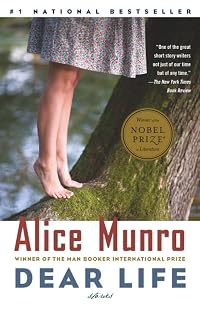
Dear Life
by Alice Munro
On This Page
Description
WINNER OF THE NOBEL PRIZE© IN LITERATURE 2013A New York Times Notable Book
A Washington Post Notable Work of Fiction
A Best Book of the Year: The Atlantic, NPR, San Francisco Chronicle, Vogue, AV Club
In story after story in this brilliant new collection, Alice Munro pinpoints the moment a person is forever altered by a chance encounter, an action not taken, or a simple twist of fate. Her characters are flawed and fully human: a soldier returning from war and avoiding his show more fiancée, a wealthy woman deciding whether to confront a blackmailer, an adulterous mother and her neglected children, a guilt-ridden father, a young teacher jilted by her employer. Illumined by Munro’s unflinching insight, these lives draw us in with their quiet depth and surprise us with unexpected turns. And while most are set in her signature territory around Lake Huron, some strike even closer to home: an astonishing suite of four autobiographical tales offers an unprecedented glimpse into Munro’s own childhood. Exalted by her clarity of vision and her unparalleled gift for storytelling, Dear Life shows how strange, perilous, and extraordinary ordinary life can be. show less
Tags
Recommendations
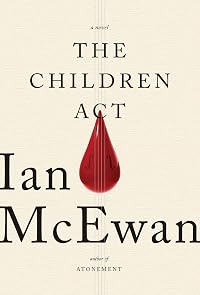
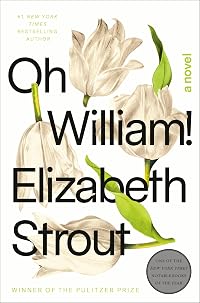
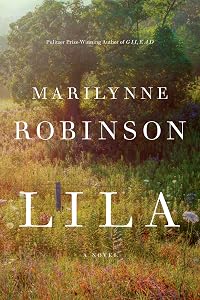
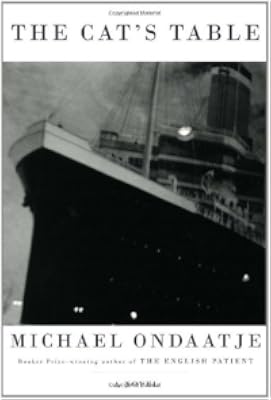

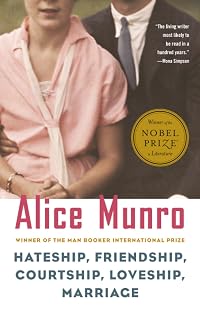
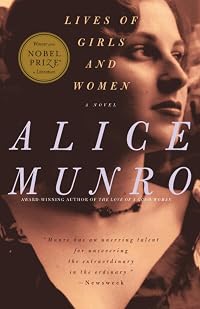
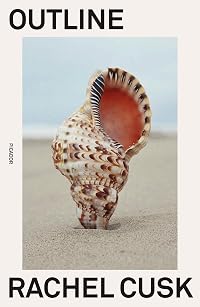
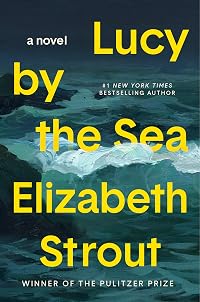
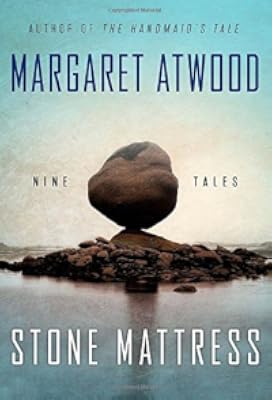
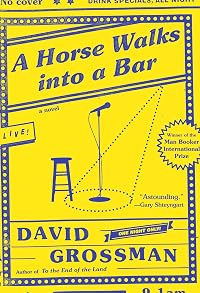
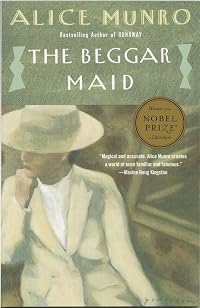
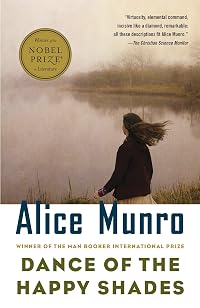
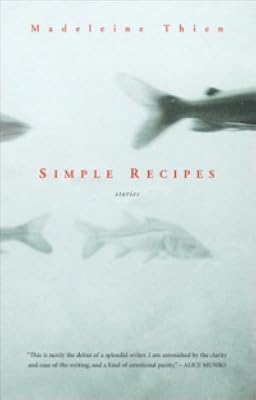
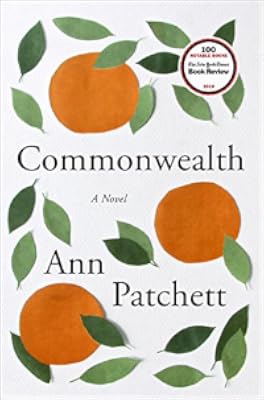

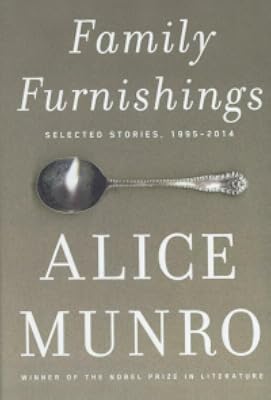
Member Recommendations

RidgewayGirl Both books focus on ordinary lives and families with a strong sense of place. Both are written by a master at the top of her game.
kitzyl The short story Corrie in the collection Dear Life and the book Corrigan share similarities beyond their titles. Both stories involve a single woman and a chance encounter at her home which leads to a relationship that is not all it seems.
Member Reviews
I've always loved Alice Munro - from the time we read "Something I've Been Meaning to Tell You" in school, through university, and well into my adulthood. This collection was no exception. I found it beautiful and sad by turns. I like that, though. Sometimes I think there is more beauty in sadness than the joys we share with one another, or rather, I prefer the writing of such things. What I've loved, have always loved, about Munro is how she used the short story form to take us on a journey that leaves us in places that we not only do not expect, but where we are required to finish the journey alone. I know that some prefer to have their stories wrapped up neatly with a bow on the ending, so that they can walk away with some show more satisfaction of knowing exactly what happened. For me, though? I like feeling like I've been invited to participate in the story. Here, she seems to say, here are the bare bones of the things. Now go.. go imagine..
Go imagine. show less
Go imagine. show less
I could have read this one in about half the time, but I had to take a pause between each story and just let it soak in. I'm a short story fan in general, but Munro takes the genre to another level. A collection of very odd love stories, missed opportunities, solitude that isn't loneliness, perfectly pitched dialogue, train rides filled with meaning, and so so so much wonderful Canada. The collection ends with a set of stories that Munro notes are about as autobiographical as she is going to get. If you like good writing, you will like this one.
Almost any story you choose to read by Alice Munro will better than almost any other story you might have read, even those by Alice Munro. There is something lulling in the cadence of her sentences, her observational choices, her sudden turns that are not turns at all. Something that makes you think, as you read one of her stories, that this is it, this is what real life, a certain life at least lived in a certain place and time is like. Honesty might be a word for it, if fiction can be honest. I hear the voice of my mother, or an aunt, or one of my grandmothers in these stories and I think, even if I disagree with what they are saying, that’s the way they see it.
Of the stories in this collection, I would single out “Amundsen” for show more its clash of naïveté and self-serving motives, “Haven” for the unflattering portrayal of familial relations, and “Train” for the way it treats a life as iterations in a quest for solidity and peace. But I might just as easily have chosen any of the other stories.
The final four pieces in the collection are grouped together under the title “Finale”. These are, Munro says, “autobiographical in feeling, though not, sometimes, entirely so in fact.” In them, Munro looks at a few incidents of her childhood that cast her, momentarily, in an unfavourable light. They are, some of them, shameful thoughts or actions that she may be excising. In “Night”, her father reassures her. “People have those kinds of thoughts sometimes.” And it is precisely what she needs to hear in order to overcome her anxiety driven insomnia. Other regrets, such as not attending her mother’s final illness, death, and funeral are not assuaged by the calm comfort of a wise father. “We say of some things that they can’t be forgiven, or that we will never forgive ourselves. But we do—we do it all the time.”
Highly recommended. show less
Of the stories in this collection, I would single out “Amundsen” for show more its clash of naïveté and self-serving motives, “Haven” for the unflattering portrayal of familial relations, and “Train” for the way it treats a life as iterations in a quest for solidity and peace. But I might just as easily have chosen any of the other stories.
The final four pieces in the collection are grouped together under the title “Finale”. These are, Munro says, “autobiographical in feeling, though not, sometimes, entirely so in fact.” In them, Munro looks at a few incidents of her childhood that cast her, momentarily, in an unfavourable light. They are, some of them, shameful thoughts or actions that she may be excising. In “Night”, her father reassures her. “People have those kinds of thoughts sometimes.” And it is precisely what she needs to hear in order to overcome her anxiety driven insomnia. Other regrets, such as not attending her mother’s final illness, death, and funeral are not assuaged by the calm comfort of a wise father. “We say of some things that they can’t be forgiven, or that we will never forgive ourselves. But we do—we do it all the time.”
Highly recommended. show less
Alice Munro’s characters always remind me of wading into the ocean. We float along following the lead of gentle ups and downs of the waves and are lulled as we learn to keep up with the rhythm – until a huge surge crashes, smacks us from behind and washes over us. After the initial shock, we get up and swim on.
Munro’s characters in this (her final?) collection of beautiful short stories, are people who have been floating along accepting life’s rhythm even when it’s not exactly what they had imagined. They don’t seem to have big plans (although they often have ambitions). They are then confronted with large or small disappointments that they ultimately overcome with the same sense of quiet acceptance that they have shown with show more all the events in their lives. They continue on. There is a yielding to events in life and to fate, even when the characters themselves make the decisions themselves. Toward the end of Amundsen, one of the most perfect stories in the book, a character who long ago had been abruptly dropped by a lover, meets that lover many years later.
"Going in opposite directions. .. He called out, ‘How are you?’ and I answered ‘Fine.’ Then added for good measure, ‘Happy.’"
Characters move on, life throws out disappointment and they soldier on. Happiness is basically an afterthought.
Munro’s incisive prose is quiet and compact but manage, in a brief space to create an entire world. Most of the stories are incredibly and powerfully wise, some are just perfection. show less
Munro’s characters in this (her final?) collection of beautiful short stories, are people who have been floating along accepting life’s rhythm even when it’s not exactly what they had imagined. They don’t seem to have big plans (although they often have ambitions). They are then confronted with large or small disappointments that they ultimately overcome with the same sense of quiet acceptance that they have shown with show more all the events in their lives. They continue on. There is a yielding to events in life and to fate, even when the characters themselves make the decisions themselves. Toward the end of Amundsen, one of the most perfect stories in the book, a character who long ago had been abruptly dropped by a lover, meets that lover many years later.
"Going in opposite directions. .. He called out, ‘How are you?’ and I answered ‘Fine.’ Then added for good measure, ‘Happy.’"
Characters move on, life throws out disappointment and they soldier on. Happiness is basically an afterthought.
Munro’s incisive prose is quiet and compact but manage, in a brief space to create an entire world. Most of the stories are incredibly and powerfully wise, some are just perfection. show less
La gran autora canadiense nos sorprende de nuevo con una colección de relatos que nos muestra a unos personajes obligados a traficar con la vida sin más recursos que su humanidad. Comienzos, finales, virajes del destino… Munro dota sus relatos de una trascendencia que atraviesa su aparente cotidianidad y emociona al lector, siempre atento y expectante ante lo que se esconde tras un aparente fluir manso y sin sobresaltos de los acontecimientos.
El paso del tiempo y el amor son temas recurrentes en la obra de Munro, que aparecen de nuevo en Mi vida querida. Amores furtivos, amores no correspondidos, amores culminados pero malditos, que regresan desde el pasado para reclamar una resolución urgente que ya no es posible. A eso se añade show more una parte que la autora dedica a su propia vida, unas páginas espléndidas donde lo personal se funde con la ficción.
Los relatos de Mi vida querida son como un mensaje en una botella lanzada al mar con la esperanza de que llegue a su destino, pero una vez más el lector tendrá el privilegio de leerlos antes de que su rastro se pierda en la larga travesía. show less
El paso del tiempo y el amor son temas recurrentes en la obra de Munro, que aparecen de nuevo en Mi vida querida. Amores furtivos, amores no correspondidos, amores culminados pero malditos, que regresan desde el pasado para reclamar una resolución urgente que ya no es posible. A eso se añade show more una parte que la autora dedica a su propia vida, unas páginas espléndidas donde lo personal se funde con la ficción.
Los relatos de Mi vida querida son como un mensaje en una botella lanzada al mar con la esperanza de que llegue a su destino, pero una vez más el lector tendrá el privilegio de leerlos antes de que su rastro se pierda en la larga travesía. show less
Munro egy olyan távoli északnyugatra visz el minket, ami már csaknem kelet. Ezen a tájon a tér tágasabb, mint máshol – már-már tolsztoji érzéseket kelt az emberben. És nem csak a tér tágas – Munro az időt is máshogy kezeli, mint a novellisták derékhada, nem sűríti, hanem elereszti, hagyja, hogy akár évtizedek teljenek el egy húszoldalas írásban. Tartok tőle, ettől érzik néhányan súlytalannak a szöveget, langyos utazózenének az autósmagnóból, miközben valami kopár fennsíkon süvítünk. De azért érdemes kapaszkodni, és főleg érdemes figyelni – mert ha Munro szereplői puhán esnek is, de ritkán puhára.
Ennyi andalgás után bevallhatom: az első novella nem tetszett. Túl sűrűnek, show more túl koordinálatlannak éreztem. De a végén az a négy történet igazán fontos: Munro beenged minket abba a világba, ahonnét a történetei jöttek. Ahol megtanulta, hogy mindig van idő – megérteni, elengedni, feldolgozni. Túlélni ezt a drága életet, bármit tett velünk. „Bizonyos dolgokra azt mondjuk, megbocsáthatatlanok, vagy hogy soha nem fogjuk megbocsátani magunknak. De megbocsátjuk – mást se teszünk." Némi fenntartással ezt akár egy életmű mottójának is tekinthetjük. show less
Ennyi andalgás után bevallhatom: az első novella nem tetszett. Túl sűrűnek, show more túl koordinálatlannak éreztem. De a végén az a négy történet igazán fontos: Munro beenged minket abba a világba, ahonnét a történetei jöttek. Ahol megtanulta, hogy mindig van idő – megérteni, elengedni, feldolgozni. Túlélni ezt a drága életet, bármit tett velünk. „Bizonyos dolgokra azt mondjuk, megbocsáthatatlanok, vagy hogy soha nem fogjuk megbocsátani magunknak. De megbocsátjuk – mást se teszünk." Némi fenntartással ezt akár egy életmű mottójának is tekinthetjük. show less
Dear Ms Munro,
We often visited Nana and Grandpa’s in Kincardine while we were growing up in London in the early 70s. They had a rich supply of Readers Digest, crossword puzzle books, and National Geographics. I’d catch up on all that new reading, then retreat to my own books that I’d brought along. I was quite happy to sit on the couch for hours and read, while absorbing the family reunion vibe around me. They would gently tease me every time, “There she is with her nose in a book again.” They humoured me my strange passion, with a sort of loving condescension that was masking just the slightest edge of impatience. That was the beginning of a lifelong defiant anxiety felt when questioned directly about my ‘hobbies’.
“I show more like to read.”
“Oh. ———“
That’s a conversation stopper in southwestern Ontario, I tell you.
But when you wrote about that same sort of attitude, brought it out of the shadows and into the light, I almost felt legitimized.
Every time I read another one of your books, I feel a thrill of recognition, kind of like when you see someone you know on tv. It’s so familiar and yet you can’t believe they’re really on tv. Where everyone can see them.
Your descriptions and stories of SW Ontario are eerily familiar. My father and several generations back were from the same area in southwestern Ontario as you, and you are only a bit older than my own father. It is as if you have been a distant cousin writing about the same kinds of people I heard about from my own grandparents over many years. It’s not just the stories, it’s that you have captured the times, and the characters. I keep seeing my world, or the world I heard about, reflected in your stories but with that slightly altered, or maybe additional, point of view. And somehow it has helped me see my own families’ lives in a larger context.
There is a tumble of coincidences I keep bumping into. Back in the 30s or 40s, my grandpa tried and failed at running a mink farm, just like your father. It was just outside of Kincardine, not far from where you lived. I wonder if they shared tips or commiserations. My father escaped by joining the Air Force in the 50s,and his training base was in Clinton, where you live now. He started his own family, and we ended up out West too, in Comox, within two blocks of where you used to live.
Then life pushed us back to SW Ontario, which seemed an area of pursed lips and hypocrisy. But we always loved visiting “”Kinkerdeen” as children and teenagers. “Don’t get lost now”, our grandparents would lovingly tease every time we stepped out. Every meal, Grandpa (occasionally Nana or even our very elderly Great Aunt Pearl) would say grace: “Lord, bless this food to our use, and bless us to thy service, amen.” My brother and I obediently bowed our heads, but would sneak peeks at each other and barely stifle our giggles at the piousness of the rest of the family. We would mimic perfectly the cadence and drawling words of the prayer. And this was all enjoyed hugely by everyone — no offense given or taken.
So after all these years of reading and loving your books, Ms Munro, it was that single line in your story “Haven”, of Uncle Jasper saying “Lord bless this food to our use and us to thy service,” that flung me back to those wonderful years visiting my grandparents in Kincardine. They are long dead but you startlingly, somehow, made them alive again.
This letter is to say thank you, for all of that. show less
We often visited Nana and Grandpa’s in Kincardine while we were growing up in London in the early 70s. They had a rich supply of Readers Digest, crossword puzzle books, and National Geographics. I’d catch up on all that new reading, then retreat to my own books that I’d brought along. I was quite happy to sit on the couch for hours and read, while absorbing the family reunion vibe around me. They would gently tease me every time, “There she is with her nose in a book again.” They humoured me my strange passion, with a sort of loving condescension that was masking just the slightest edge of impatience. That was the beginning of a lifelong defiant anxiety felt when questioned directly about my ‘hobbies’.
“I show more like to read.”
“Oh. ———“
That’s a conversation stopper in southwestern Ontario, I tell you.
But when you wrote about that same sort of attitude, brought it out of the shadows and into the light, I almost felt legitimized.
Every time I read another one of your books, I feel a thrill of recognition, kind of like when you see someone you know on tv. It’s so familiar and yet you can’t believe they’re really on tv. Where everyone can see them.
Your descriptions and stories of SW Ontario are eerily familiar. My father and several generations back were from the same area in southwestern Ontario as you, and you are only a bit older than my own father. It is as if you have been a distant cousin writing about the same kinds of people I heard about from my own grandparents over many years. It’s not just the stories, it’s that you have captured the times, and the characters. I keep seeing my world, or the world I heard about, reflected in your stories but with that slightly altered, or maybe additional, point of view. And somehow it has helped me see my own families’ lives in a larger context.
There is a tumble of coincidences I keep bumping into. Back in the 30s or 40s, my grandpa tried and failed at running a mink farm, just like your father. It was just outside of Kincardine, not far from where you lived. I wonder if they shared tips or commiserations. My father escaped by joining the Air Force in the 50s,and his training base was in Clinton, where you live now. He started his own family, and we ended up out West too, in Comox, within two blocks of where you used to live.
Then life pushed us back to SW Ontario, which seemed an area of pursed lips and hypocrisy. But we always loved visiting “”Kinkerdeen” as children and teenagers. “Don’t get lost now”, our grandparents would lovingly tease every time we stepped out. Every meal, Grandpa (occasionally Nana or even our very elderly Great Aunt Pearl) would say grace: “Lord, bless this food to our use, and bless us to thy service, amen.” My brother and I obediently bowed our heads, but would sneak peeks at each other and barely stifle our giggles at the piousness of the rest of the family. We would mimic perfectly the cadence and drawling words of the prayer. And this was all enjoyed hugely by everyone — no offense given or taken.
So after all these years of reading and loving your books, Ms Munro, it was that single line in your story “Haven”, of Uncle Jasper saying “Lord bless this food to our use and us to thy service,” that flung me back to those wonderful years visiting my grandparents in Kincardine. They are long dead but you startlingly, somehow, made them alive again.
This letter is to say thank you, for all of that. show less
Members
- Recently Added By
Published Reviews
Munro's stories are full of smart young women wryly observing men's desire for dominance and other women's collusion with their own subservience. In "Dolly", the narrator observes of a love rival, "men are charmed by stubborn quirks if the girl is good-looking enough… all that delight in the infantile female brain."
But it would be wrong to think of Munro as a chronicler of the particular show more disappointments of being female: she draws men just as well. There is a heartbreaking portrayal of a widowed policeman in "Leaving Maverley". Despite the inevitable end of his wife's lengthy and terminal illness, he realises as he leaves the hospital: 'He'd thought that it had happened long before with Isabel, but it hadn't. Not until now. She had existed and now she did not… And before long, he found himself outside, pretending that he had as ordinary and good a reason as anybody else to put one foot ahead of the other."
There is an interesting diversion at the end of this book: the final four stories are, in Munro's own words, "not quite stories… the first and last – and the closest – things I have to say about my own life." A less well-known writer would not be allowed to lift her hands and say, "Look, there are some bits here, and I'm not sure what they are, but there you go," but they are delightful additions to this collection. Plainer, with a slightly more bitter edge, than the "fictional" stories that precede them, they are a tantalising glimpse of the memoir Munro fans would swoon for, should she choose to write it. The first indeed – but let's hope she changes her mind and makes them not the last. show less
But it would be wrong to think of Munro as a chronicler of the particular show more disappointments of being female: she draws men just as well. There is a heartbreaking portrayal of a widowed policeman in "Leaving Maverley". Despite the inevitable end of his wife's lengthy and terminal illness, he realises as he leaves the hospital: 'He'd thought that it had happened long before with Isabel, but it hadn't. Not until now. She had existed and now she did not… And before long, he found himself outside, pretending that he had as ordinary and good a reason as anybody else to put one foot ahead of the other."
There is an interesting diversion at the end of this book: the final four stories are, in Munro's own words, "not quite stories… the first and last – and the closest – things I have to say about my own life." A less well-known writer would not be allowed to lift her hands and say, "Look, there are some bits here, and I'm not sure what they are, but there you go," but they are delightful additions to this collection. Plainer, with a slightly more bitter edge, than the "fictional" stories that precede them, they are a tantalising glimpse of the memoir Munro fans would swoon for, should she choose to write it. The first indeed – but let's hope she changes her mind and makes them not the last. show less
added by VivienneR
After the first 10 short stories in her new collection, Alice Munro inserts a single paragraph on an otherwise blank page, under the heading, Finale: “The final four works in this book are not quite stories. They form a separate unit, one that is autobiographical in feeling, though not, sometimes, entirely so in fact. I believe they are the first and last – and the closest – things I show more have to say about my own life.”
“Dear Life” describes the house Munro lived in when she was growing-up in Wingham, Ontario, where her mother was a schoolteacher and her father a fur and poultry farmer. “This is not a story, only life,” she notes, signalling the pathways, names, coincidences that might have been woven into her fiction, but here are present as memories.
“The Eye” is the most majestic of Munro’s monuments to memory. She remembers being taken, the year she started school, to see the dead body of a young woman whom her mother had hired to help after the birth of Munro’s younger siblings. Encouraged to look into the coffin, she thought she saw the young woman slightly open one eye: a private signal to her alone. “Good for you,” her mother said, as they left the grieving household.
It is fascinating to compare this with the end of the story “Amundsen” earlier in the collection. Two people who were lovers long ago meet unexpectedly crossing a Toronto street.
The man opens one of his eyes slightly wider than the other and asks, “How are you?” “Happy,” she says. “Good for you,” he replies.
In this book, Munro has laid bare the foundations of her fiction as never before. Lovers of her writing must hope this is not, in fact, her finale. But if it is, it’s spectacular. show less
“Dear Life” describes the house Munro lived in when she was growing-up in Wingham, Ontario, where her mother was a schoolteacher and her father a fur and poultry farmer. “This is not a story, only life,” she notes, signalling the pathways, names, coincidences that might have been woven into her fiction, but here are present as memories.
“The Eye” is the most majestic of Munro’s monuments to memory. She remembers being taken, the year she started school, to see the dead body of a young woman whom her mother had hired to help after the birth of Munro’s younger siblings. Encouraged to look into the coffin, she thought she saw the young woman slightly open one eye: a private signal to her alone. “Good for you,” her mother said, as they left the grieving household.
It is fascinating to compare this with the end of the story “Amundsen” earlier in the collection. Two people who were lovers long ago meet unexpectedly crossing a Toronto street.
The man opens one of his eyes slightly wider than the other and asks, “How are you?” “Happy,” she says. “Good for you,” he replies.
In this book, Munro has laid bare the foundations of her fiction as never before. Lovers of her writing must hope this is not, in fact, her finale. But if it is, it’s spectacular. show less
added by VivienneR
Lists

The Best of Canadian Literature
235 works; 33 members

Top Five Books of 2013
1,562 works; 715 members

Best 21st Century Books (So Far)
670 works; 86 members

Nobel Price Winners
222 works; 20 members

40 Books to Read Before You’re 40
40 works; 4 members

Elena Ferrante's 40 favourite books by female authors
40 works; 10 members

50 Books from the Past 50 Years
50 works; 8 members

Books Read in 2015
3,299 works; 129 members

Books Read in 2017
4,249 works; 130 members
Books Read in 2016
4,666 works; 199 members

Books Read in 2018
4,360 works; 110 members

Canada
42 works; 3 members

Recommend the 20 best books you've read in the last five years
2,168 works; 606 members
Author Information

127+ Works 30,427 Members
Alice Munro was born Alice Laidlaw in Wingham, Ontario on July 10, 1931. She published her first story, The Dimensions of a Shadow, while a student at the University of Western Ontario in 1950. She left the university in 1951 to get married and start a family. In 1972 she became Writer in Residence at the University of Western Ontario. Her first show more collection, Dance of the Happy Shades, was published in 1968 and won the Governor General's Award, Canada's highest literary prize. Her other works include Lives of Girls and Women, The View from Castle Rock, Something I've Been Meaning to Tell You, Too Much Happiness, and Dear Life. She has received several awards including the Governor General's Award for fiction for Who Do You Think You Are? and The Progress of Love, the Giller Prize for Runaway in 2004, the Man Booker International Prize in 2009 for her lifetime body of work, and the 2013 Nobel Prize in Literature. Her stories have appeared in numerous publications including The New Yorker, The Paris Review, and The Atlantic Monthly. Also, in 2013, her title Dear Life: Stories made The New York Times Best Seller List. (Bowker Author Biography) show less
Some Editions
Awards and Honors
Awards
Distinctions
Series
Belongs to Publisher Series
Common Knowledge
- Canonical title
- Dear Life
- Original title
- Dear Life
- Original publication date
- 2012
- Important places
- Toronto, Ontario, Canada; Ontario, Canada
- Blurbers*
- Koch, Herman
- Original language
- English
*Some information comes from Common Knowledge in other languages. Click "Edit" for more information.
Classifications
Statistics
- Members
- 3,169
- Popularity
- 5,474
- Reviews
- 121
- Rating
- (3.84)
- Languages
- 23 — Catalan, Chinese, Czech, Danish, Dutch, English, Estonian, Finnish, French, German, Greek, Hebrew, Hungarian, Italian, Korean, Lithuanian, Norwegian (Bokmål), Polish, Portuguese, Romanian, Spanish, Swedish, Turkish
- Media
- Paper, Audiobook, Ebook
- ISBNs
- 79
- ASINs
- 18