
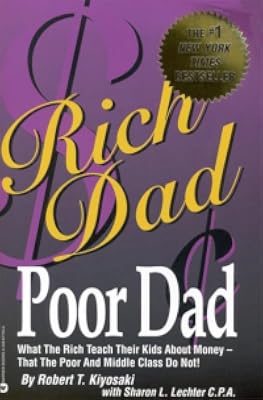
Rich Dad, Poor Dad: What the Rich Teach Their Kids About Money That the Poor and Middle Class Do Not!
by Robert T. Kiyosaki, Sharon L. Lechter
Rich Dad
On This Page
Description
Taking to heart the message that the poor and middle class work for money, but the rich have money work for them, the author lays out a financial philosophy based on the principle that income-generating assets always provide healthier bottom-line results.Tags
Recommendations
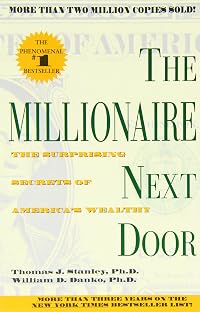
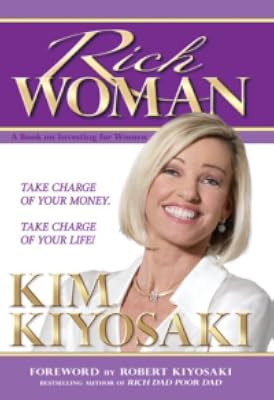
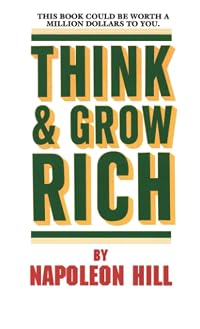
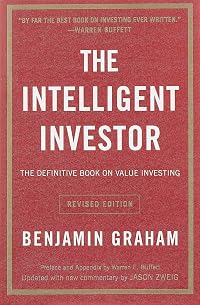
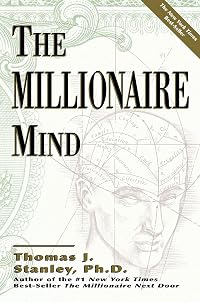
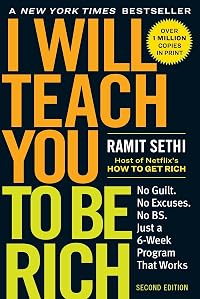
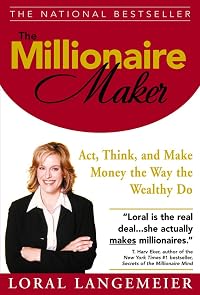
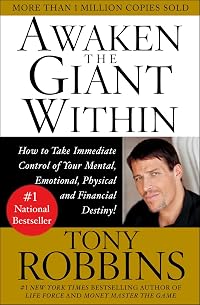
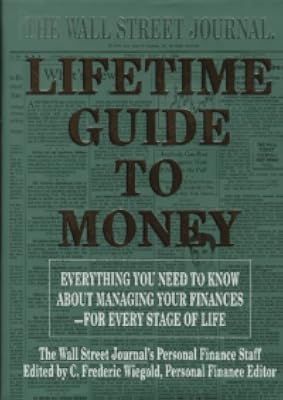
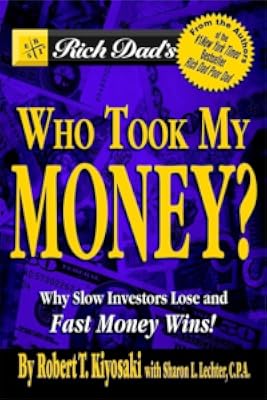
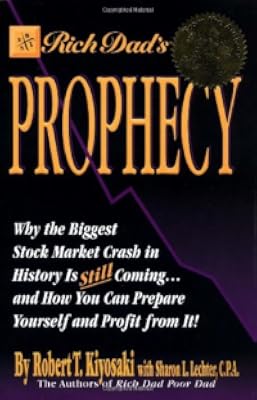
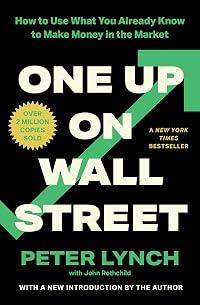
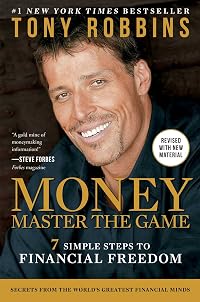
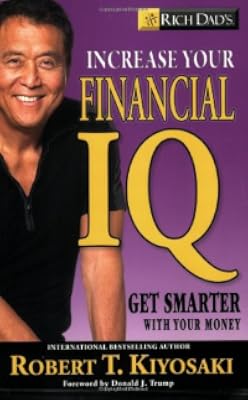
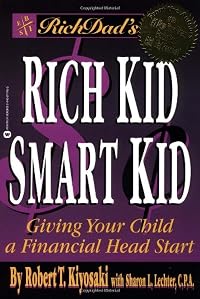
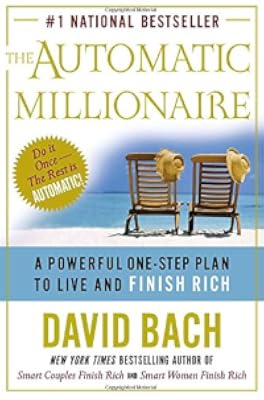
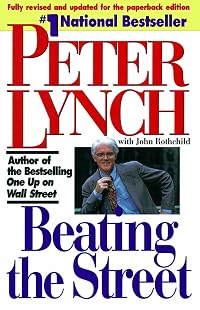
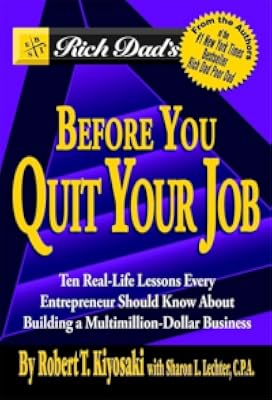
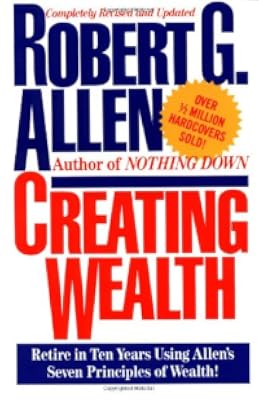
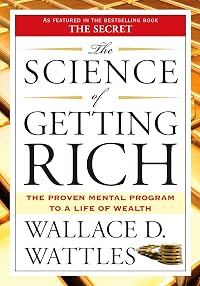

Member Recommendations
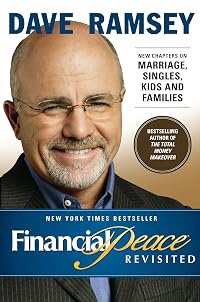
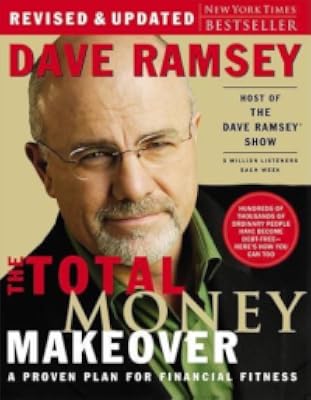
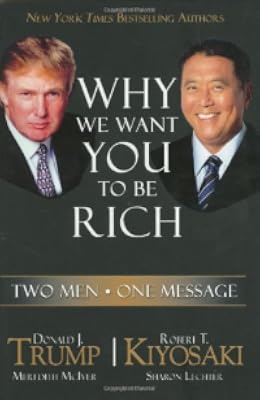
fulner I really feel like Ramsey and Kiyosaki's works compliment each other. Kiyosaki's is actually more challenging and has more intellectual reasons of HOW and WHY things work, while Ramsey is more nuts and bolts "do this or you are screwed" and works on them heart strings. Get both, and stay out of debt.
by Osko2k
John_Titor This book is what you need for understanding the stock market and start your journey into stock assets!
Member Reviews
Rich Dad Poor Dad: What the Rich Teach Their Kids About Money That the Poor and Middle Class Do Not! by Robert Kiyosaki reviewed 3/30/22.
Why I picked this book up: Since downloading TikTok and watching people make money on the internet, learning the importance of multi-sources of income and an ad for this book I excitedly picked it up.
Thoughts: Overall I really enjoyed this book. I used to get paid well, I always worked, put money away, paid bills, had fun but never really learned how to use money as a resource to help build wealth. This book was fun to read, he learned from childhood about money from different perspectives, what to do with money and how to utilize finances. I now see it is possible, wish I learned earlier and want to show more pass this knowledge onto my children.
Why I finished this read: I took this as a self help book and found it useful, enjoyable and relatable to my life.
Stars rating: 4.5/5 stars. I can learn more about this. show less
Why I picked this book up: Since downloading TikTok and watching people make money on the internet, learning the importance of multi-sources of income and an ad for this book I excitedly picked it up.
Thoughts: Overall I really enjoyed this book. I used to get paid well, I always worked, put money away, paid bills, had fun but never really learned how to use money as a resource to help build wealth. This book was fun to read, he learned from childhood about money from different perspectives, what to do with money and how to utilize finances. I now see it is possible, wish I learned earlier and want to show more pass this knowledge onto my children.
Why I finished this read: I took this as a self help book and found it useful, enjoyable and relatable to my life.
Stars rating: 4.5/5 stars. I can learn more about this. show less
One of the best books I’ve read on investing. I was sceptic at first and pleasently surprised at the end. I’ve read the critics and I have to say this: it’s all just bad-mouthing, because it goes against some common held beliefs. A house is not an asset if you pay mortgage, he DOES give practical advice on how to move and earn money, he DOES argue that keeping your job is fundamental, he DOES argue that education and THE MIND is your most powerful asset, he DOES argue that paying and abiding the law is fairplay, etc. He only suggests that within the context that you have ( government, market, job, etc. ) you play everything with intelligence, that means fostering your finance/legal/market iq, which is creativity at it’s best.
Not show more speaking of the other book references he mentions along the way, most of which are pure gold. show less
Not show more speaking of the other book references he mentions along the way, most of which are pure gold. show less
This was suggested to me by my Finical Coach quite a few months ago. I finally got around to getting the abridged audio book version. I really wish I had got a full version because the info was good. Kiyosaki is even tougher than Dave Ramsey. I think its a good complement to Ramsey as without Dave's direction of getting out of debt, Kiyosaki's direction on investing and ensuring you don't work for money would seem out of reach. I'm still not clear on how I'm going to get there but I am at least motivated in hand.
Kiyosaki's poor dad isn't someone I would call poor. He's his real dad. An educated teacher, and later administrator, working in the public school system. Poor Dad, like me, didn't want to make money, because rich people are show more evil. His Rich Dad is his friend Mike's Dad who taught him how to get money to work for him, not lecturing but by making him work for nothing. Starting with a story about how to make money where young Robert and Mike counterfeit nickels out of old lead toothpaste tubes. Mike's Rich dad says that having no money is the root of all evil because it is what makes people do stupid things. The more money poor dad made, the less he is at home (this has been me as of late) while the more money rich dad made, the more he was home with family. This is something that is worth working for. I'm still scared of risk. When I still struggle to pay bills its hard to think past the end of the month, but I'll make it. I really will. show less
Kiyosaki's poor dad isn't someone I would call poor. He's his real dad. An educated teacher, and later administrator, working in the public school system. Poor Dad, like me, didn't want to make money, because rich people are show more evil. His Rich Dad is his friend Mike's Dad who taught him how to get money to work for him, not lecturing but by making him work for nothing. Starting with a story about how to make money where young Robert and Mike counterfeit nickels out of old lead toothpaste tubes. Mike's Rich dad says that having no money is the root of all evil because it is what makes people do stupid things. The more money poor dad made, the less he is at home (this has been me as of late) while the more money rich dad made, the more he was home with family. This is something that is worth working for. I'm still scared of risk. When I still struggle to pay bills its hard to think past the end of the month, but I'll make it. I really will. show less
"A mindset shift more than a manual."
This book completely changed how I think about money. The comparison between "Rich Dad" and "Poor Dad" really stuck with me—especially the idea of making money work for you instead of just working for money. The concepts about assets vs. liabilities were eye-opening, even if some of the examples felt a bit vague or repetitive.
It's not a step-by-step guide, and some of the advice is definitely more motivational than practical, but for someone just starting their financial journey (like me), it’s a great introduction. It’s the book that made me want to learn more—and that's a win in my eyes.
Would recommend to anyone who’s ready to start thinking differently about wealth.
This book completely changed how I think about money. The comparison between "Rich Dad" and "Poor Dad" really stuck with me—especially the idea of making money work for you instead of just working for money. The concepts about assets vs. liabilities were eye-opening, even if some of the examples felt a bit vague or repetitive.
It's not a step-by-step guide, and some of the advice is definitely more motivational than practical, but for someone just starting their financial journey (like me), it’s a great introduction. It’s the book that made me want to learn more—and that's a win in my eyes.
Would recommend to anyone who’s ready to start thinking differently about wealth.
Mil veces empezado y nunca terminado, este libro al final vale la pena. Los consejos concretos que da (cómprate una casa y cuando suba de precio la vendes y compras otra más grande y así sucesivamente mientras los alquileres te van pagando la hipoteca) no necesariamente son recomendables, pero el concepto de "la carrera de la rata" y varios otros son poderosos y útiles para cambiar nuestra manera de pensar sobre el dinero. Lectura interesante, aunque a veces roce el pasteleo, el buenismo e incluso la ilegalidad (al hablar de crear empresas para evadir impuestos) y otros fallos achacables en general a los libros de autoayuda. Aun así recomendable.
It's a very pretentious book but it deliver the mindset of someone ready to learn any education, in order to become rich, not so much the honorable rich. But the kind of rich that only thinks about money as their end goal in life.
I believe there's the good nature people that become rich like Mr beast. Who don't think about money as their end goal, and somehow become extremely rich. And then there's Kyosaki, who thinks like a blue collar conglomerate, very self centered and shames his poor Dad while prasing his rich Dad. The book in and of itself left me with a resolute understanding of the fact that to become rich you don't need a special secret but just give out great value to the world.
I believe there's the good nature people that become rich like Mr beast. Who don't think about money as their end goal, and somehow become extremely rich. And then there's Kyosaki, who thinks like a blue collar conglomerate, very self centered and shames his poor Dad while prasing his rich Dad. The book in and of itself left me with a resolute understanding of the fact that to become rich you don't need a special secret but just give out great value to the world.
Decent books to read - I've heard so much about how great a book this is to read. Truth be told, I didn't really find it all that fantastic a book. Perhaps because it was written in 1997 and right now it's 2020. :( I would rate this as 3.5/5)
While I would recommend that everyone reads this book once, don't get your hopes too high on what you will achieve by reading it. For instant, Robert talks about purchasing real estate (by making a down payment) and then selling it off to the next buyer even before you've paid for the house in full - that's not really an easy thing to do or try, because with a house there is a lot of stamp-duty and red tapism that needs to be complete before you get possession of it. It would be easier and make more show more sense to start an online business (buy from Alibaba, dropshipping, sell on Amazon, flipping websites, stock market, Travel blogger etc). Now although this is not as profitable as real estate, you'd probably agree that these online options are more doable than real estate. That being said, you should always keep it in the back of your mind that a house for investment is a great way to get cash flowing in, rather than buying a house.
Few points that I would definitely agree on with Robert:
-We all lack financial education However, there is no mention of what entails this education - it is earning about balance sheets, or income statements or is it understanding what is the % of promoter holding or why is a REIT better than a mutual fund? I had to just keep guessing on these... He fails to give any concrete goals or objectives (like for ex - 'you should try and understand which companies have a strong free cash flow and how this positively impacts the profits' or ensure that a company is growing it's YoY revenue by at least 20%)
-The middle class buy liabilities thinking they are assets - ABSOLUTELY TRUE. Most of us spend on office parties and iPhones and Macbooks, when we could have invested that money into the share market. But then again, what isn't mentioned in the book is how we ourselves define what is considered an asset vs a liability. For instance a Macbook for a school teacher is a liability (and he should invest that money into the sharemarket instead as then it's an asset) whereas for a graphic / annimation designer a high end MacBook is an asset since it's configuration would save the designers time and effort (but he'd be poorer than the schoolteacher since he has lost an opportunity to invest this money, right? So is that still an asset or is it a liability now?).
While I would recommend that everyone reads this book once, don't get your hopes too high on what you will achieve by reading it. For instant, Robert talks about purchasing real estate (by making a down payment) and then selling it off to the next buyer even before you've paid for the house in full - that's not really an easy thing to do or try, because with a house there is a lot of stamp-duty and red tapism that needs to be complete before you get possession of it. It would be easier and make more show more sense to start an online business (buy from Alibaba, dropshipping, sell on Amazon, flipping websites, stock market, Travel blogger etc). Now although this is not as profitable as real estate, you'd probably agree that these online options are more doable than real estate. That being said, you should always keep it in the back of your mind that a house for investment is a great way to get cash flowing in, rather than buying a house.
Few points that I would definitely agree on with Robert:
-We all lack financial education However, there is no mention of what entails this education - it is earning about balance sheets, or income statements or is it understanding what is the % of promoter holding or why is a REIT better than a mutual fund? I had to just keep guessing on these... He fails to give any concrete goals or objectives (like for ex - 'you should try and understand which companies have a strong free cash flow and how this positively impacts the profits' or ensure that a company is growing it's YoY revenue by at least 20%)
-The middle class buy liabilities thinking they are assets - ABSOLUTELY TRUE. Most of us spend on office parties and iPhones and Macbooks, when we could have invested that money into the share market. But then again, what isn't mentioned in the book is how we ourselves define what is considered an asset vs a liability. For instance a Macbook for a school teacher is a liability (and he should invest that money into the sharemarket instead as then it's an asset) whereas for a graphic / annimation designer a high end MacBook is an asset since it's configuration would save the designers time and effort (but he'd be poorer than the schoolteacher since he has lost an opportunity to invest this money, right? So is that still an asset or is it a liability now?).
I'm reminded of a story where a guy said that if his uncle had put the Rs 3 lakh, which he spent on purchasing a a Maruti car in 1998, into the market instead rather- then in 2018 his investment could have compounded 20x-30x whereas the car simply depreciated & lost value (or was probably already sold off). But what is not mentioned in this story is the numerous trips or vacations he could have taken with his family in the car or picking up his daughter from school or how much easier and time saving driving would have been rather than take the public transport. All these are only possible due to the car, not the investmentshow less
Members
- Recently Added By
Lists

Best Self Help Books
87 works; 18 members

2014
7 works; 1 member

Books Read in 2019
4,052 works; 108 members

Mind Expanding Books by hackerkid
581 works; 8 members

If Books Could Kill Podcast
52 works; 1 member

BitLife
212 works; 4 members

Requests
19 works; 1 member


Books I have read
16 works; 1 member

el
1,139 works; 1 member
Author Information

239+ Works 18,822 Members
Robert Kiyosaki was born and raised in Hawaii, and is a fourth-generation Japanese-American. He attended college in New York, and after graduating, joined the Marine Corps and served in Vietnam as an officer and helicopter gunship pilot. After the war, Robert worked for the Xerox Corporation as a salesman. In 1977, he started a company that show more brought the first nylon Velcro 'surfer wallets' to market. In 1985 he founded an international education company that taught business and investing to students throughout the world. In 1994 Robert sold his business and retired at the age of 47. During this somewhat short-lived retirement, Robert, collaborating with co-author Sharon Lechter, a C.P.A. and his business partner, wrote the bestselling book "Rich Dad, Poor Dad". (Bowker Author Biography) show less

29 Works 16,961 Members
Some Editions
Awards and Honors
Awards
Distinctions
Series

Work Relationships
Common Knowledge
- Canonical title
- Rich Dad, Poor Dad: What the Rich Teach Their Kids About Money That the Poor and Middle Class Do Not!
- Alternate titles
- Rich Dad, Poor Dad
- Original publication date
- 1997
- Dedication
- This book is dedicated to all parents everywhere, a child's most important teachers.
- First words
- I had two fathers, a rich one and a poor one.
- Last words
- (Click to show. Warning: May contain spoilers.)I wish you great wealth and much happiness with this fabulous gift called life.
- Original language
- English
- Canonical DDC/MDS
- 332.024
- Canonical LCC
- HG179 .K565
Classifications
Statistics
- Members
- 9,792
- Popularity
- 1,034
- Reviews
- 177
- Rating
- (3.58)
- Languages
- 25 — Bulgarian, Chinese, Czech, Dutch, English, Estonian, French, German, Gujarati, Hindi, Hungarian, Indonesian, Italian, Kannada, Korean, Marathi, Norwegian (Bokmål), Polish, Portuguese, Russian, Spanish, Swedish, Tamil, Telugu, Thai
- Media
- Paper, Audiobook, Ebook
- ISBNs
- 168
- UPCs
- 4
- ASINs
- 42