On This Page
Description
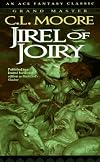
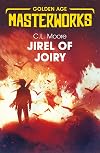
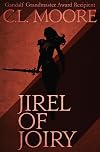
The 1930s heralded the arrival of C.L. Moore, one of the pioneering women writers of speculative fiction, and the appearance of fantasy's landmark female hero: Jirel of Joiry. With her red hair flowing, her yellow eyes glinting like embers, and her face streaked with blood, Jirel is strong, fearless, and driven by honor. Her legendary debut, BLACK GOD'S KISS, begins as her castle, Joiry, is overrun by invaders, but knowing that this is one battle she cannot fight, she summons her courage and show more cunning and descends into the castle's hidden reaches, where she crosses through a doorway into Hell JIREL OF JOIRY collects the classic tales of blood and vengeance that secured C.L. Moore's place among legendary authors of sword and sorcery like Robert E. Howard and Edgar Rice Burroughs. Originally published in the magazine Weird Tales, Moore's fantastic tales of warriors, gods, and magic are defined by a fierce, romantic vision that helped define the genre, earning her the title of Grand Master for lifetime achievement by the World Fantasy Convention. Includes BLACK GOD'S KISS, BLACK GOD'S SHADOW, JIREL MEETS MAGIC, THE DARK LAND, and HELLSGARDE. show lessTags
Recommendations





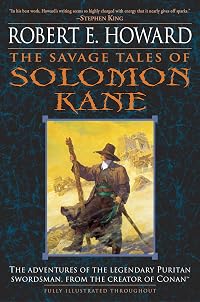


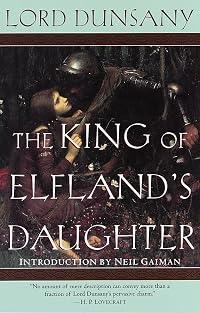


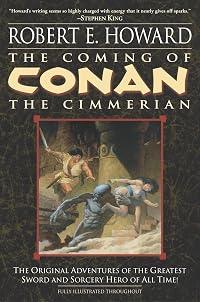




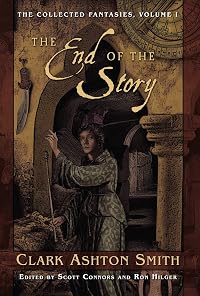



Member Recommendations

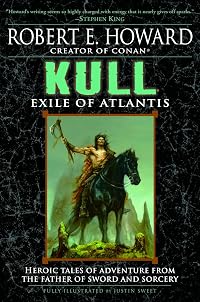
kroseman Dark Agnes de Chastillon draws inspiration from Jirel of Joiry. Howard corresponded with C.L. Moore, who responded enthusiastically about the Dark Agnes character.
40
thesmellofbooks Two unusual heroes. Elric, an albino, Jirel, a woman. Lively and exciting tales of sword and sorcery.
31

sandstone78 C.L. Moore's Jirel of Joiry is one of the original sword and sorcery heroines. This Sword and Sorceress anthology is dedicated to Moore and Joiry, and follows in the tradition of woman-fronted sword and sorcery.
20

Member Reviews
Criticisms of this book seem to revolve around a degree of repetativeness and of being too slowly-paced for the Sword and Sorcery genre of the classic Conan era of Robert E. Howard. I certainly did notice a reuse of themes and plot-elements between the stories:
• Interdimensional travel
• Sexually aggressive male antagonists intent on rape (which, ickily, there is some suggestion from the author that despite her protestations, Jirel is not always averse to)
Actually, that's all I can really think of, because other reused devices feel more like genre conventions and authorial style. Certainly, the first two stories repeat but then they are really two episodes in a story arc, and either one read in isolation diminishes the stength of the show more two together.
"Black Gods Kiss" ends with one of those icky moments in which Jirel's anger at a would-be rapist turns to passion for him, but "Black God's Shadow" goes some way to explaining the rather different emotions Jirel is feeling. Together, the two stories have Jungian anima/animus/ hero's- quest flavour, which I enjoyed, and which feels like it might have influenced Moorcock's Elric stories.
"Jirel Meets Magic" is more typical fantasy fare, similar device of travel to an Otherworld, but the tone and antagonist are different.
"The Dark Land" has another of those sexually aggressive males, but of an altogether different order, and the otherworldly landscape here is decidedly surreal rather than simply alien.
These four stories have less of the hack-and-slay about them than might commonly be expected of a Conan tale (though, actually, I think Howard does more than that with Conan, anyway), but they are closer to Howard's more reflective King Kull tales. In her rich descriptions of landscape, which does slow the action, I think a better comparison for Moore's style would be with her contemporary pulp author, Clark Ashton Smith, though without his abstruse vocabulary.
The final story, "Hellsgarde", seems to me a solid weird Sword and Sorcery story, and I thought had a good twist to it.
So, High Literature? No. Fun, atmospheric Weird storytelling? Yes. show less
• Interdimensional travel
• Sexually aggressive male antagonists intent on rape (which, ickily, there is some suggestion from the author that despite her protestations, Jirel is not always averse to)
Actually, that's all I can really think of, because other reused devices feel more like genre conventions and authorial style. Certainly, the first two stories repeat but then they are really two episodes in a story arc, and either one read in isolation diminishes the stength of the show more two together.
"Black Gods Kiss" ends with one of those icky moments in which Jirel's anger at a would-be rapist turns to passion for him, but "Black God's Shadow" goes some way to explaining the rather different emotions Jirel is feeling. Together, the two stories have Jungian anima/animus/ hero's- quest flavour, which I enjoyed, and which feels like it might have influenced Moorcock's Elric stories.
"Jirel Meets Magic" is more typical fantasy fare, similar device of travel to an Otherworld, but the tone and antagonist are different.
"The Dark Land" has another of those sexually aggressive males, but of an altogether different order, and the otherworldly landscape here is decidedly surreal rather than simply alien.
These four stories have less of the hack-and-slay about them than might commonly be expected of a Conan tale (though, actually, I think Howard does more than that with Conan, anyway), but they are closer to Howard's more reflective King Kull tales. In her rich descriptions of landscape, which does slow the action, I think a better comparison for Moore's style would be with her contemporary pulp author, Clark Ashton Smith, though without his abstruse vocabulary.
The final story, "Hellsgarde", seems to me a solid weird Sword and Sorcery story, and I thought had a good twist to it.
So, High Literature? No. Fun, atmospheric Weird storytelling? Yes. show less
Jirel could be considered the foundation for all 'strong female characters' in genre fiction today, but only in the most shallow sense of the term.
I appreciate that C.L. Moore broke ground in 1930s sword and sorcery, a hyper-masculine genre full of hyper-masculine (shitty) men, but any attempt to combat the intense sexism of the genre only goes as far as: C.L. Moore was objectively a woman, and Jirel objectively a female character who sometimes swung a sword and killed things.
That Jirel was 'strong' is negated by her characterization and the obnoxiously-purple writing style. She was still written to excite pubescent boys, after all. Jirel's main features are that she has piercing eyes and flame-red hair -- two descriptions that seem to show more crop up on every page at least once, sometimes together ("Yellow fury blazed in her eyes"). She also falls in love with whatever crosses her path for no reason at all.
I don't care if Jirel paved the way for more female sci-fi and fantasy writers in the '50s and beyond: These stories are terrible. The plots are terrible; the writing is terrible; the characters are empty and lifeless and, of course, terrible. Each succeeding story is simply a repeat of the first terrible story with little-to-no variation. This book was fucking excruciating.
"Yes," he said at last, "you have traveled too often in forbidden lands, Jirel of Joiry, to be ignored by us who live in them. And there is in you a hot and savage strength which no other woman in any land I know possesses. A force to match my own, Lady Jirel. None but you is fit to be my queen. So I have taken you for my own."
Congratulations, you've just read every page of the Jirel stories in one paragraph. show less
I appreciate that C.L. Moore broke ground in 1930s sword and sorcery, a hyper-masculine genre full of hyper-masculine (shitty) men, but any attempt to combat the intense sexism of the genre only goes as far as: C.L. Moore was objectively a woman, and Jirel objectively a female character who sometimes swung a sword and killed things.
That Jirel was 'strong' is negated by her characterization and the obnoxiously-purple writing style. She was still written to excite pubescent boys, after all. Jirel's main features are that she has piercing eyes and flame-red hair -- two descriptions that seem to show more crop up on every page at least once, sometimes together ("Yellow fury blazed in her eyes"). She also falls in love with whatever crosses her path for no reason at all.
I don't care if Jirel paved the way for more female sci-fi and fantasy writers in the '50s and beyond: These stories are terrible. The plots are terrible; the writing is terrible; the characters are empty and lifeless and, of course, terrible. Each succeeding story is simply a repeat of the first terrible story with little-to-no variation. This book was fucking excruciating.
"Yes," he said at last, "you have traveled too often in forbidden lands, Jirel of Joiry, to be ignored by us who live in them. And there is in you a hot and savage strength which no other woman in any land I know possesses. A force to match my own, Lady Jirel. None but you is fit to be my queen. So I have taken you for my own."
Congratulations, you've just read every page of the Jirel stories in one paragraph. show less
Long, long ago, I wrote a master's paper about women in fantasy fiction. This book was one of the 40 I analyzed. Would it hold up to my memories? The answer is a resounding "Yes!"
Written for the classic pulp magazine "Weird Tales" during the 1930s, these stories were groundbreaking in some ways and a product of their times in others. The lush prose certainly is reminiscent of the fantasy of the time and hints at Lovecraftian horror. The descriptions are evocative of the places Jirel travels.
Jirel is amazing for the time. A true sword-and-sorcery character, she is a formidable warrior in what seems to be a fantasy France, holds her own keep and leads her warriors in battle, and is no man's play toy. Yet she is sensitive enough to show more realize that she makes mistakes and will work, even risking her life, to correct those errors. She is truly unique.
This collection contains Moore's stories: Black God’s Kiss, Black God's Shadow, Jirel meets magic, The dark land, and Hellsgarde.
This book is highly recommended for its historical significance. Sword and sorcery fans should give it a whirl as long as they don't mind that many of Jirel's adventures are more of a swordswoman facing sorcery. If you like sword and sorcery and Lovecraft, then this is a "must read" collection. show less
Written for the classic pulp magazine "Weird Tales" during the 1930s, these stories were groundbreaking in some ways and a product of their times in others. The lush prose certainly is reminiscent of the fantasy of the time and hints at Lovecraftian horror. The descriptions are evocative of the places Jirel travels.
Jirel is amazing for the time. A true sword-and-sorcery character, she is a formidable warrior in what seems to be a fantasy France, holds her own keep and leads her warriors in battle, and is no man's play toy. Yet she is sensitive enough to show more realize that she makes mistakes and will work, even risking her life, to correct those errors. She is truly unique.
This collection contains Moore's stories: Black God’s Kiss, Black God's Shadow, Jirel meets magic, The dark land, and Hellsgarde.
This book is highly recommended for its historical significance. Sword and sorcery fans should give it a whirl as long as they don't mind that many of Jirel's adventures are more of a swordswoman facing sorcery. If you like sword and sorcery and Lovecraft, then this is a "must read" collection. show less
I found Jirel fascinating as a heroine of 1930s pulp fantasy. Throughout her adventures, Jirel's opponents constantly seek to victimize her, use her as bait, lure her in, or overpower her. Often she can't escape witnessing or even being part of horrific things, but she takes these impossible situations and confronts them on her own terms. I thought this was a nice alternative to always evading danger or using feminine wiles to get out of tight corners. Jirel is physically and emotionally capable without being a know-it-all or preternaturally lucky.
Moore paints incredibly vivid pictures of fantastical realms and creatures. I think this collection would translate well into a graphic novel. However, some of the descriptions got a little show more clunky and repetitive. This seems like it might be a byproduct of being published originally as pulp scifi/fantasy, and if they were published today an editor would have smoothed out some of the problems in the prose.
(Review also posted on Goodreads) show less
Moore paints incredibly vivid pictures of fantastical realms and creatures. I think this collection would translate well into a graphic novel. However, some of the descriptions got a little show more clunky and repetitive. This seems like it might be a byproduct of being published originally as pulp scifi/fantasy, and if they were published today an editor would have smoothed out some of the problems in the prose.
(Review also posted on Goodreads) show less
Long before Xena...
Anyway, by today's standards, the Jirel stories aren't anything special. The language is a little overblown, the characters other than Jirel a bit cardboard. However, compared to the pulp of the time, they fare a little better. Very different in tone and action from Conan and his ilk, they're worth it if you really like the barbarian hero(ine) sub-genre.
Anyway, by today's standards, the Jirel stories aren't anything special. The language is a little overblown, the characters other than Jirel a bit cardboard. However, compared to the pulp of the time, they fare a little better. Very different in tone and action from Conan and his ilk, they're worth it if you really like the barbarian hero(ine) sub-genre.
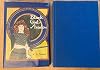
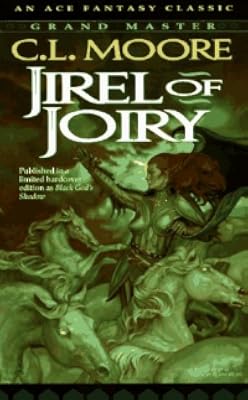
That cover is not my favorite choice for Jirel; on the other hand, the art itself was so lovely I went off and found a cover that showed front and back.
These stories had enormous influence on me as a child. The imagery, and the strong female character, provided an alternative world to the reality of those long ago times. When I realized that I'd found all the possible stories of Jirel (and of Northwest Smith), I actually wept.
Wherever you are, Catherine Moore, thank you.
These stories had enormous influence on me as a child. The imagery, and the strong female character, provided an alternative world to the reality of those long ago times. When I realized that I'd found all the possible stories of Jirel (and of Northwest Smith), I actually wept.
Wherever you are, Catherine Moore, thank you.
Echoing what some others have said: I found the descriptions worked well, Jirel herself not terribly interesting, and the plots godawful dull. The climax was almost always some variation of Jirel thinks/endures/waits/focuses/looks/imagines/stands/concentrates, which is about a dull a climax as you can wish for. The author appears not to care for multiple characters and/or dialogue very much, and eschews them as much as possible. It's mostly Jirel standing somewhere, with description of what she sees.
She also has an apparent obsession with blackness (story 1: the black god, story 2: the black god again, story 3: black stones, black stump, black hair, black-robed wizard, black sky (despite it being daytime), black mountains, black blob at show more the doorway, story 4: entire black dimension, black villain with black beard, black mountains, black ocean, black black black black black etc. ...
If she had written some variant of William Hope Hodgson's The Night Land it might have been amazing. But as far as sword and sorcery goes, yowzer, this is tiresome meat. So 5 stars for description, 1 star for plot/character, kind of a low 3.
(Note: 5 stars = amazing, wonderful, 4 = very good book, 3 = decent read, 2 = disappointing, 1 = awful, just awful. I'm fairly good at picking for myself so end up with a lot of 4s). I feel a lot of readers automatically render any book they enjoy 5, but I grade on a curve! show less
She also has an apparent obsession with blackness (story 1: the black god, story 2: the black god again, story 3: black stones, black stump, black hair, black-robed wizard, black sky (despite it being daytime), black mountains, black blob at show more the doorway, story 4: entire black dimension, black villain with black beard, black mountains, black ocean, black black black black black etc. ...
If she had written some variant of William Hope Hodgson's The Night Land it might have been amazing. But as far as sword and sorcery goes, yowzer, this is tiresome meat. So 5 stars for description, 1 star for plot/character, kind of a low 3.
(Note: 5 stars = amazing, wonderful, 4 = very good book, 3 = decent read, 2 = disappointing, 1 = awful, just awful. I'm fairly good at picking for myself so end up with a lot of 4s). I feel a lot of readers automatically render any book they enjoy 5, but I grade on a curve! show less
Members
- Recently Added By
Lists

Weird and Weirder Fiction
270 works; 34 members

Survey of Fantasy Classics
111 works; 22 members

Cawthorn and Moorcock's Fantasy: The 100 Best Books
110 works; 7 members

Classics of Fantasy
14 works; 2 members

S.F. Masterworks (Complete)
229 works; 15 members

Books Read in 2021
5,361 works; 113 members
Author Information

101+ Works 4,729 Members
Some Editions
Awards and Honors
Notable Lists
Series

Belongs to Publisher Series
Work Relationships
Common Knowledge
- Canonical title
- Jirel of Joiry
- Original title
- Black God's Shadow
- Original publication date
- 1969
- People/Characters
- Jirel of Joiry; Guillaume the Conqueror; Father Gervase; Giraud; Jarisme; Irsla (show all 14); Pav; White Witch; Franga; Yarol; Alaric of Hellsgarde; Damara; Guy of Garlot; Andred of Hellsgarde
- Important places
- France; Joiry, France; Guischard, France; Romne; Hellsgarde
- First words
- They brought in Joiry's tall commander, struggling between two men-at-arms who tightly gripped the ropes which bound their captive's mailed arms. ("Black god's kiss")
Through Jirel's dreams a faraway voice went wailing. ("Black god's shadow")
Over Guischard's fallen drawbridge thundered Joiry's warrior lady, sword swinging, voice shouting hoarsely inside her helmet. ("Jirel meets magic")
In her great bed in the tower room of Joiry Castle, Jirel of Joiry lay very near to death. ("The dark land")
Jirel of Joiry drew rein at the edge of the hill and sat awhile in silence, looking out and down. ("Hellsgarde") - Last words
- (Click to show. Warning: May contain spoilers.)She shook him off with an impatient shrug and dropped to one knee beside Guillaume's body, bending her head so that the red hair fell to hide her tears. ("Black god's kiss")
(Click to show. Warning: May contain spoilers.)She toiled up the slope, dragging her sword listlessly, weary to the very soul, but quite calm now, with a peace beyond all understanding. ("Black god's shadow")
(Click to show. Warning: May contain spoilers.)Jirel squared her shoulders and turned her back upon her vow fulfilled, and without a backward glance set off across the grass toward the tree-hid ruins which held the gate to home. ("Jirel meets magic")
(Click to show. Warning: May contain spoilers.)She stood there in her doeskin tunic upon the flagstones and breathed in deep gusts, staring about her with dazed eyes that dwelt like lingering caresses upon the familiar things of home. ("The dark land")
(Click to show. Warning: May contain spoilers.)She would hand him a little iron-bound leather box. ("Hellsgarde") - Original language
- English
- Canonical DDC/MDS
- 813.087662
Classifications
- Genres
- Fantasy, Fiction and Literature
- DDC/MDS
- 813.087662 — Literature & rhetoric American literature in English American fiction in English By type Genre fiction Adventure fiction Speculative fiction Fantasy Sword and Sorcery
- LCC
- PS3525 .O564 — Language and Literature American literature American literature Individual authors 1900-1960
- BISAC
Statistics
- Members
- 754
- Popularity
- 37,236
- Reviews
- 15
- Rating
- (3.55)
- Languages
- 5 — English, French, German, Italian, Spanish
- Media
- Paper, Ebook
- ISBNs
- 14
- ASINs
- 23