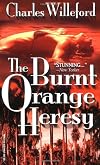
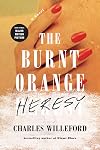
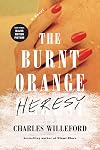
The Burnt Orange Heresy
by Charles Willeford
On This Page
Description
The classic neo-noir novel acclaimed as Willeford's best, soon to be a major filmFast-talking, backstabbing, womanizing, and fiercely ambitious art critic James Figueras will do anything—blackmail, burglary, and beyond—to make a name for himself. When an unscrupulous collector offers Figueras a career-making chance to interview Jacques Debierue, the greatest living—and most reclusive—artist, the critic must decide how far he will go to become the art-world celebrity he hungers to show more be. Will Figueras stop at the opportunity to skim some cream for himself or push beyond morality's limits to a bigger payoff?
Crossing the art world with the underworld, Willeford creates a novel of dark hue and high aesthetic polish. The Burnt Orange Heresy—the 1970s crime classic now back in print—has lost none of its savage delights as it re-creates the making of a murderer, calmly and with exquisite tension, while satirizing the workings of the art world as the ultimate con.
. show less
Tags
Recommendations




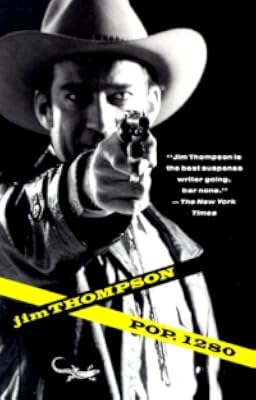

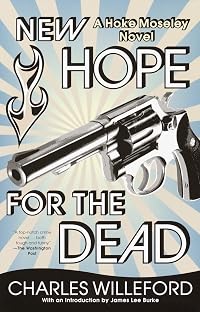
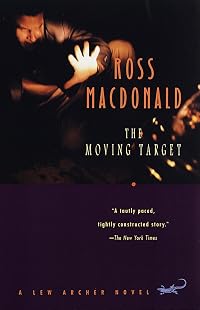
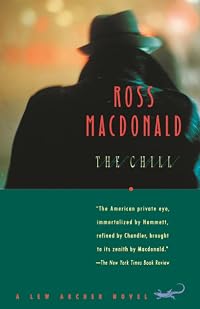












Member Recommendations

Member Reviews
A little bit noir, a little bit con-man, a little bit heist, but mostly a long-winded shaggy dog story that doesn't do any of those things very well, and adds up to significantly less than the sum of its parts.
James Figueras is a modestly successful art critic, getting just enough work for the major art magazines to support himself, and dreaming of the big break that will push him into the top tier of the critical world. When art dealer Joseph Cassidy offers him the chance to interview the extremely reclusive painter Jacques Debierue, Figueras might have his opportunity, but the interview comes with a price.
The backstory on Debierue comes in an awkward information dump, as Figueras narrates to his girlfriend the artist's life. But she's show more only sort of pretending to be interested, and James has made it clear that he doesn't have much respect for Berenice's intellect anyway, so James is really telling the story for our benefit. It's a long, graceless blob of biography that derails the story's momentum for about 20 pages.
In fairness, whatever freshness this story might have had is somewhat lost on me because I saw the 2019 film adaptation about a year ago. And I liked it more than I liked the book, despite the fact that none of the actors are who would have come to mind to play the book's characters -- Claes Bang as the critic; Elizabeth Debicki as the girlfriend; Mick Jagger as the art dealer; Donald Sutherland as the artist, who is no longer French in the movie.
You lose a lot when you lose the element of surprise. Some books are strong enough to withstand that loss; I didn't think this one was. (I will add that I don't think anything I've said here spoils any of the crucial surprises or plot twists, so I don't think I'm taking away the element of surprise for anyone who might be curious about the book.) show less
James Figueras is a modestly successful art critic, getting just enough work for the major art magazines to support himself, and dreaming of the big break that will push him into the top tier of the critical world. When art dealer Joseph Cassidy offers him the chance to interview the extremely reclusive painter Jacques Debierue, Figueras might have his opportunity, but the interview comes with a price.
The backstory on Debierue comes in an awkward information dump, as Figueras narrates to his girlfriend the artist's life. But she's show more only sort of pretending to be interested, and James has made it clear that he doesn't have much respect for Berenice's intellect anyway, so James is really telling the story for our benefit. It's a long, graceless blob of biography that derails the story's momentum for about 20 pages.
In fairness, whatever freshness this story might have had is somewhat lost on me because I saw the 2019 film adaptation about a year ago. And I liked it more than I liked the book, despite the fact that none of the actors are who would have come to mind to play the book's characters -- Claes Bang as the critic; Elizabeth Debicki as the girlfriend; Mick Jagger as the art dealer; Donald Sutherland as the artist, who is no longer French in the movie.
You lose a lot when you lose the element of surprise. Some books are strong enough to withstand that loss; I didn't think this one was. (I will add that I don't think anything I've said here spoils any of the crucial surprises or plot twists, so I don't think I'm taking away the element of surprise for anyone who might be curious about the book.) show less
Not one of my favorite Willeford books. The art world background just seems like so much satire that I had a hard time as I read through the first few chapters believing Willeford wrote it - but I guess the man could write pretty much whatever he wanted to. You'll probably figure out the key part of the story long before the "secret" is revealed, and after that point, the book is a real downer - unlike a lot of his other books, which are enjoyable downers.
An art critic might go very far to establish a personal reputation, but possibly even further to protect the reputation of an entire school of art. For those who like capital-S Surrealism and don't mind hilarious violence.
An art critic gets a once-in-a-lifetime chance to interview the world's most famous and reclusive artist, but the catch is that he has to steal one of the man's paintings for an obsessive collector.
This novel reminded me a lot of Pick-up, the other Willeford novel I've read; the loner narrator who's kind of a loser (one an artist/alcoholic, the other an art critic/failed artist), involved with a woman who kind of drives him crazy, and things get out of control, leading tomurder . This version of the story stood out for me a little more, mainly due to the character of the artist Debierue, who is world-famous despite no one ever having seen one of his paintings. This was intriguing for the first half or so of the book, but the misogyny show more displayed in both these Willeford novels has worn a little thin for me, and I won't be reading another. show less
This novel reminded me a lot of Pick-up, the other Willeford novel I've read; the loner narrator who's kind of a loser (one an artist/alcoholic, the other an art critic/failed artist), involved with a woman who kind of drives him crazy, and things get out of control, leading to
Originally published in 1971, this story of art, ambition and crime by one of the first writers of Florida noir moves along smoothly and delivers a great plot. Willeford's knowledge of art informs the story throughout and his characters are perfectly formed, especially the art critic, James Figueras.
An odd book. Jacques Figueras is an art critic willing to do pretty much anything to rise in the art world. When he gets a chance to interview a notoriously reclusive painter (so long as he can steal of his painting), he more than jumps at the chance, but that interview doesn't turn out quick like he though it would, and some strange events follow it. Could have been good, though I was not very interested in the parts of the book about this painter's history. You can see where it's going, but still the last part of it is very interesting. Willeford wrote many more interesting books.
Classic. Read in the 80s. Gift from Elizabeth I believe.
Members
- Recently Added By
Lists

1001 Books You Must Read Before You Die
1,448 works; 1,133 members

Best Noir Fiction
160 works; 14 members

Books Set in Florida
25 works; 8 members

Books Read in 2015
3,299 works; 129 members

1970s
657 works; 23 members

Fiction on Fire
22 works; 2 members
Author Information

54+ Works 3,966 Members
Some Editions
Series
Belongs to Publisher Series
Common Knowledge
- Canonical title
- The Burnt Orange Heresy
- Original publication date
- 1971
- People/Characters
- James Figueras; Jacques Debierue; Berenice Hollis
- Important places
- Florida, USA
- Epigraph
- Nothing exists. If anything exists, it is incomprehensible. If anything was comprehensible, it would be incommunicable. -- Gorgias
- First words
- Two hours ago the Railway Expressman delivered the crated, newly published International Encyclopedia of Fine Arts to my Palm Beach apartment.
- Blurbers
- Leonard, Elmore
Classifications
Statistics
- Members
- 315
- Popularity
- 101,076
- Reviews
- 7
- Rating
- (3.78)
- Languages
- 5 — English, French, German, Spanish, Turkish
- Media
- Paper, Audiobook, Ebook
- ISBNs
- 21
- ASINs
- 10