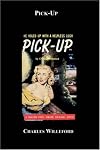
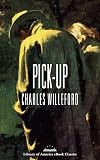
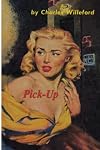
Pick-Up
by Charles Willeford
On This Page
Description
First published as an unheralded paperback original, Pick-Up is an authentic underground classic, an explosive bulletin from the urban underbelly of mid-1950s America. It was Charles Willeford's second novel, after a rough and wandering earlier life that had taken him from Depression-era hobo camps and soup kitchens to wartime battlefields. The unblinking story of two lost and self-destructive drifters - a failed painter working as a counterman in a cheap diner and a woman in flight from show more domestic violence - trying to find a place for themselves in the back streets of San Francisco, Pick-Up is hardboiled writing at its nihilistic best: Willeford's preferred title for the book was Until I Am Dead. Its bleak vision of life beyond the edge is haunted by rape, racism, alcoholism, suicide, and inescapable poverty, yet shot through with a tenderness and compassion sustained against all odds in a society offering few breaks to its outcasts and misfits. Pick-Up's many twists and violent turns culminate in an ending that continues to surprise, confirming it as what critic Woody Haut has called "a razor-sharp narrative that rips open the genre". show lessTags
Recommendations



















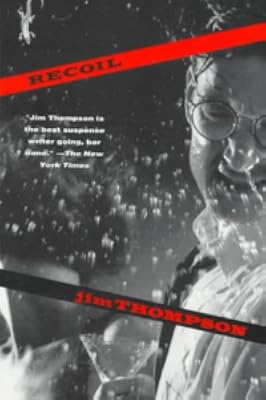
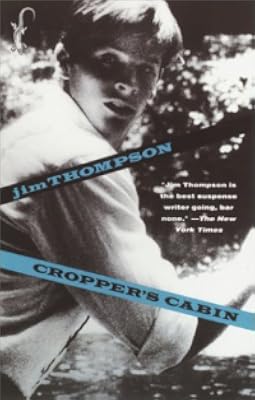

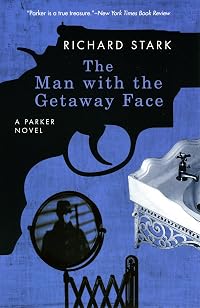
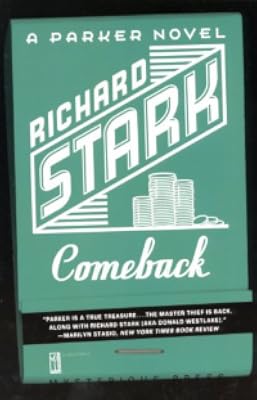


Member Recommendations
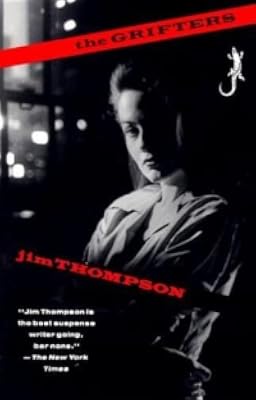
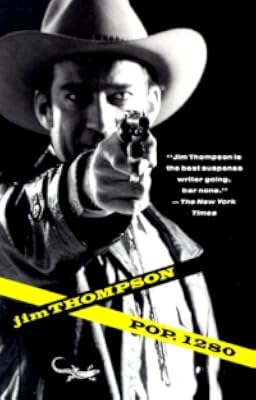
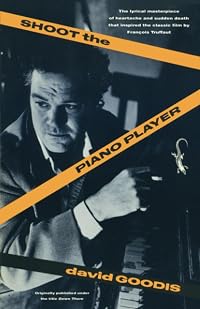
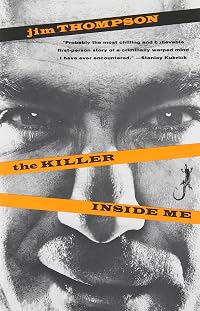
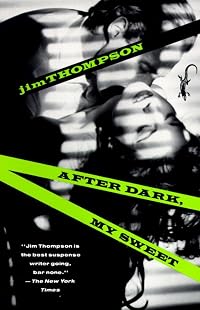
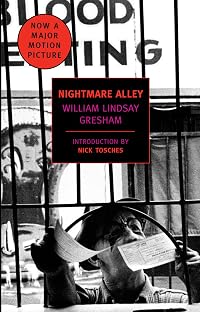
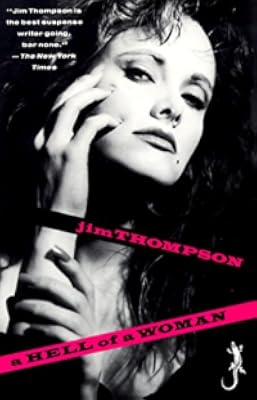
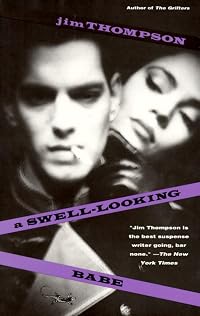
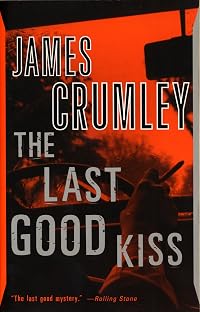
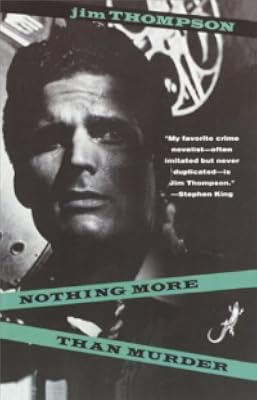
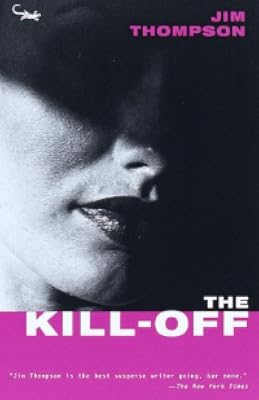
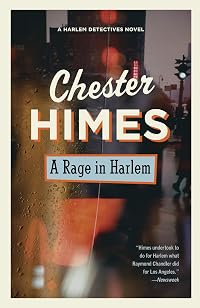
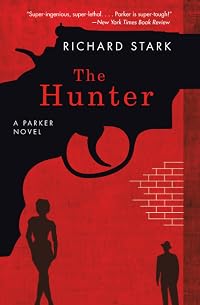
sturlington The conceit of these two books is similar, although the Hughes novel is a better read.

Member Reviews
This is my favorite San Francisco novel (Hammett's The Maltese Falcon a close second). While Kerouac perhaps wrote best about this city, his eye is ultimately too romantic for me. Too much a booster. Willeford, who only lived here briefly before later fame as a Miami crime writer, really captures best the urban grittiness and sense of falling off the grid that I associate with this city, though this is less a current reality than it once was. Pick-Up also has one of the most effective scenes of barroom violence I've read.
Ultimately, I have to say SF has no five star novels, for my tastes anyway. Not like Ask the Dust for L.A., or too many to mention for NYC. But then maybe I'm in the dark and the great SF novel lurks out there show more somewhere just waiting for my eager greedy hands... show less
Ultimately, I have to say SF has no five star novels, for my tastes anyway. Not like Ask the Dust for L.A., or too many to mention for NYC. But then maybe I'm in the dark and the great SF novel lurks out there show more somewhere just waiting for my eager greedy hands... show less
For some unknown reason, I never got around to reading Charles Willeford. My loss. I read David Goodis, Cornell Woolrich, Jim Thompson, etc. But not Willeford. I had heard the name in passing but wasn't aware of his talent or reputation. He was lacking in neither.
"Pick-Up" isn't an exception to his sterling reputation. The book, even for its time, feels real and not a bit posed. None of the characters are portrayed to be more than what they really are. It's not an uplifting story nor is it meant to be. It simply shares a realistic picture of two people down on their luck. Their struggles are painful and only heroic in the modern sense of people trying to cope with the often overwhelming vagaries of life.
If you can see the human drama show more and decency behind an ugly story of attempted survival, this is a book for you. show less
"Pick-Up" isn't an exception to his sterling reputation. The book, even for its time, feels real and not a bit posed. None of the characters are portrayed to be more than what they really are. It's not an uplifting story nor is it meant to be. It simply shares a realistic picture of two people down on their luck. Their struggles are painful and only heroic in the modern sense of people trying to cope with the often overwhelming vagaries of life.
If you can see the human drama show more and decency behind an ugly story of attempted survival, this is a book for you. show less
Set in San Francisco after WWII, Willeford manages to combine art, depression, alcoholism, love, suicide, and murder in this engaging pulp novel. Harry Jordan is a semi-alcoholic veteran who spent the war painting murals on mess halls. We don't learn his last name until a third of the way through the book, and Willeford is still fleshing out his physical description in the penultimate sentence, which adds a strange twist to the story. Harry considers himself a failed painter. He lives in a boarding house and works as a fry cook. Then he meets Helen Mathews, a full-on alcoholic running away from a domineering mother - and life only gets worse. Willeford is developing his hard-boiled style here and it makes for a complicated and show more satisfying story. show less
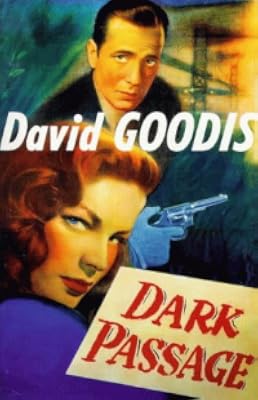
Pick-Up is as dark and depressing as anything you will read. The novel shows that one loser + another loser doesn't add up to anything. As usual in Willeford, there are lots of educational things here, such as how to add a little new coffee to old grounds so you can reuse them. Like a lot of Willeford's early work, the book just sort of rambles along on its own path. It isn't a crime story at all, but as a piece of noir, it succeeds brilliantly. If you like David Goodis, you should love this one.
A failed artist, now a down-and-out alcoholic living in San Francisco, picks up another drunk and together, the two spiral down into despair.
This novel is billed as noir crime, and while it is just on the edge of being crime fiction, it is definitely noir. The San Francisco setting is a seedy one filled with bars, deserted streets late at night, greasy diners, and, inevitably, jail. Harry, the narrator, was once a promising artist, but after labeling himself a failure at painting, he takes to drinking, surviving on the scant money he makes from odd jobs. He meets another drunk in the diner where he works, picks her up, and starts a relationship that seems to accelerate them both straight to rock bottom. It's easy to see where this is show more going, although in the end, I think Harry got off lightly.
The thing about Harry is that, despite all his failings, most people he meets seems to treat him pretty well and like him. He's drunk most of the time, looking for alcohol the rest, constantly starting and quitting jobs, and even gets in a couple of very violent bar fights, but he comes off all right. Truthfully, he's harder on himself than the people he knows are. There is a twist at the end, which makes Pick-Up something of a mystery, but I thought it was a gimmicky twist, and it didn't add much to Harry's character for me. I certainly didn't see how it made any difference in his story, which I found somewhat unbelievable. Harry constantly denies he's an alcoholic, which is fine, but when he is forced to stop drinking by his circumstances, he suffers no ill effects, which I didn't buy. I also didn't think he would get out of his fix as easily as he did. Perhaps the point of this novel is that Harry is such a failure that he even fails at failing. Regardless, it's a slight book that didn't make a huge impact on me. show less
This novel is billed as noir crime, and while it is just on the edge of being crime fiction, it is definitely noir. The San Francisco setting is a seedy one filled with bars, deserted streets late at night, greasy diners, and, inevitably, jail. Harry, the narrator, was once a promising artist, but after labeling himself a failure at painting, he takes to drinking, surviving on the scant money he makes from odd jobs. He meets another drunk in the diner where he works, picks her up, and starts a relationship that seems to accelerate them both straight to rock bottom. It's easy to see where this is show more going, although in the end, I think Harry got off lightly.
The thing about Harry is that, despite all his failings, most people he meets seems to treat him pretty well and like him. He's drunk most of the time, looking for alcohol the rest, constantly starting and quitting jobs, and even gets in a couple of very violent bar fights, but he comes off all right. Truthfully, he's harder on himself than the people he knows are. There is a twist at the end, which makes Pick-Up something of a mystery, but I thought it was a gimmicky twist, and it didn't add much to Harry's character for me. I certainly didn't see how it made any difference in his story, which I found somewhat unbelievable. Harry constantly denies he's an alcoholic, which is fine, but when he is forced to stop drinking by his circumstances, he suffers no ill effects, which I didn't buy. I also didn't think he would get out of his fix as easily as he did. Perhaps the point of this novel is that Harry is such a failure that he even fails at failing. Regardless, it's a slight book that didn't make a huge impact on me. show less
Flawed but interesting story about an alcoholic couple - one a depressed painter, the other an errant woman. The much-discussed surprise at the very end came across as an afterthought, and didn't do much to alter the story (though it does make you wonder whether Black Lizard's editors even read the book when they chose the cover for their edition). With a little careful editing this could have risen from pulp fodder to existentialist classic.
Harry Jordan, 32, is a down-and-out alcoholic working as a counter man in a diner when he meets 33 year old Helen Meredith. There is an instant attraction. While Harry doesn't relish the idea of being a drunk, he can spot one a mile away, and Helen is just his type. They soon strike up a pitiful relationship. Both are out of work, both have severed ties with family and friends. The only thing they have together is a love for the bottle. When Harry decides suicide is their only way out things go from bad to worst. Deep down, Harry is a decent man who feebly attempts to do the right thing and never succeeds.
Members
- Recently Added By
Lists

Best Noir Fiction
160 works; 14 members

1950s
340 works; 22 members

MysteryCAT 2014
19 works; 1 member

Books Read in 2014
2,343 works; 89 members

Books Set in San Francisco
31 works; 8 members
Author Information

54+ Works 3,966 Members
Some Editions
Awards and Honors
Distinctions
Series
Belongs to Publisher Series
Work Relationships
Common Knowledge
- Canonical title*
- Une Fille facile
- Original title
- Pick-Up
- Original publication date
- 1955
- People/Characters
- Harry Jordan; Helen Meredith
- Important places
- San Francisco, California, USA
- First words
- It must have been around a quarter to eleven.
- Last words
- (Click to show. Warning: May contain spoilers.)Walking in the rain.
- Blurbers
- Leonard, Elmore
*Some information comes from Common Knowledge in other languages. Click "Edit" for more information.
Classifications
Statistics
- Members
- 321
- Popularity
- 99,193
- Reviews
- 10
- Rating
- (3.68)
- Languages
- English, French, German, Italian
- Media
- Paper, Audiobook, Ebook
- ISBNs
- 15
- ASINs
- 6