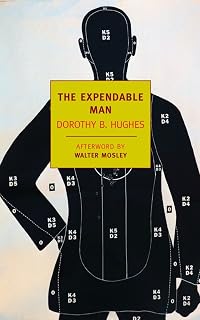
The Expendable Man
by Dorothy B. Hughes
On This Page
Description
"It was surprising what old experiences remembered could do to a presumably educated, civilized man." And Hugh Denismore, a young doctor driving his mother's Cadillac from Los Angeles to Phoenix, is eminently educated and civilized. He is privileged, would seem to have the world at his feet, even. Then why does the sight of a few redneck teenagers disconcert him? Why is he reluctant to pick up a disheveled girl hitchhiking along the desert highway? And why is he the first person the police show more suspect when she is found dead in Arizona a few days later?Dorothy B. Hughes ranks with Raymond Chandler and Patricia Highsmith as a master of mid-century noir. In books like In a Lonely Place and Ride the Pink Horse she exposed a seething discontent underneath the veneer of twentieth-century prosperity. With The Expendable Man, first published in 1963, Hughes upends the conventions of the wrong-man narrative to deliver a story that engages readers even as it implicates them in the greatest of all American crimes.
. show less
Tags
Recommendations











Member Recommendations

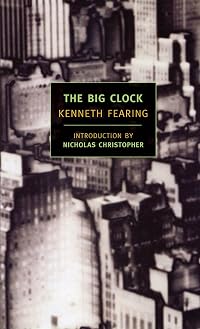
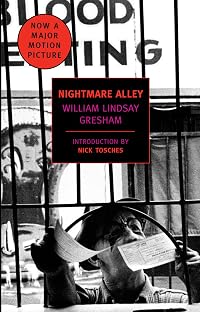
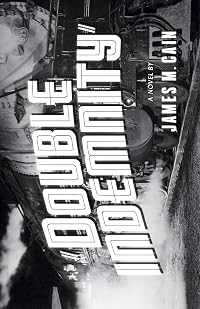
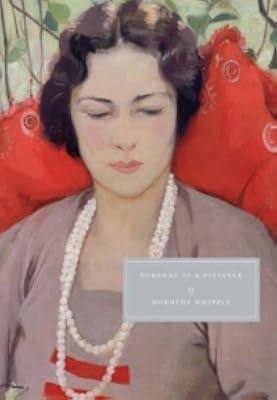
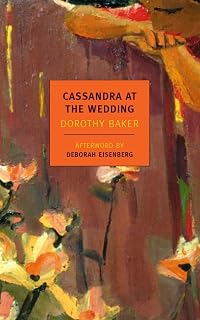
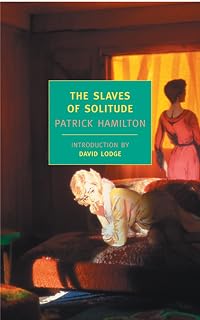
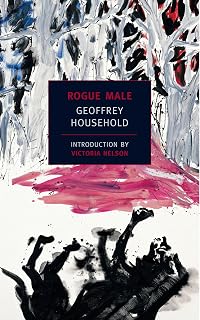
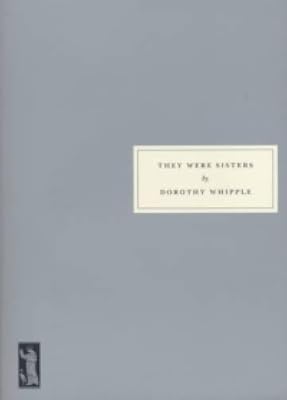
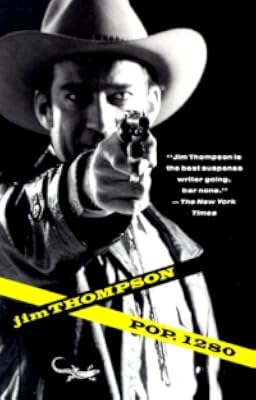
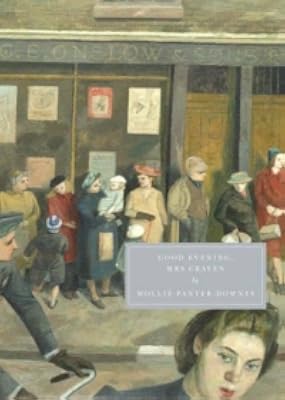
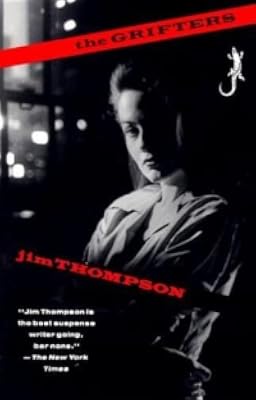
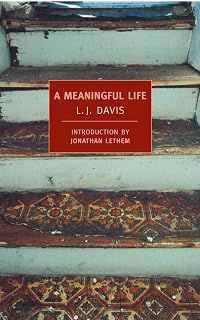
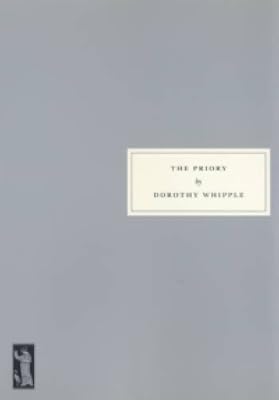
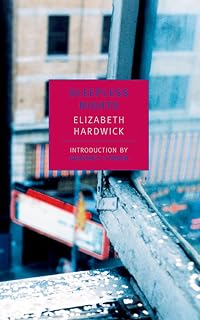
sturlington The conceit of these two books is similar, although the Hughes novel is a better read.
Member Reviews
Hugh Densmore is driving from L.A. to Phoenix for his niece's wedding when he picks up a hitchhiker. The girl is on her way to Phoenix to meet her aunt. Hugh suspects she is a runaway. Then the Phoenix papers report that a girl has been found dead in a canal, and it sounds a lot like the hitchhiker. And it seems as though Hugh is being stitched up for a role in her death.
This was one of those highly suspenseful books where you can't put it down, because you want to find out what happens, but at the same time you have to put it down in order to breathe. Both the plot and the setting contribute to the sense of breathlessness; Phoenix in the summer is captured vividly, with the intense, seething heat that builds early in the morning and show more doesn't let up until well after sundown.
There were a few moments where Hugh makes plans to do some investigating on his own to clear his name, and you want to shout at the book "Don't do it!" as if it were a horror movie with a character planning to go down to the basement.
Although this book was written in the early 1960s, it talks about issues that are still highly relevant today (sadly). The afterword in the Persephone Books edition is worth reading in that regard. Dorothy B. Hughes is an excellent suspense writer and deserves to be (re)discovered and appreciated. show less
This was one of those highly suspenseful books where you can't put it down, because you want to find out what happens, but at the same time you have to put it down in order to breathe. Both the plot and the setting contribute to the sense of breathlessness; Phoenix in the summer is captured vividly, with the intense, seething heat that builds early in the morning and show more doesn't let up until well after sundown.
There were a few moments where Hugh makes plans to do some investigating on his own to clear his name, and you want to shout at the book "Don't do it!" as if it were a horror movie with a character planning to go down to the basement.
Although this book was written in the early 1960s, it talks about issues that are still highly relevant today (sadly). The afterword in the Persephone Books edition is worth reading in that regard. Dorothy B. Hughes is an excellent suspense writer and deserves to be (re)discovered and appreciated. show less
In The Expendable Man, Hugh Densmore is a young intern doctor who travels from his hospital in LA to Phoenix to attend a relative’s wedding. On his way there, he picks up a young, teenage hitchhiker, who later ends up dead in Scottsdale. As you might expect, the subject of the novel, and its tone, is extremely dark and gritty—almost bleakly so. Coupled with descriptions of the heat of the desert, Arizona is therefore a perfect place to set this novel, which also addresses larger social and racial themes—think a Patricia Highsmith plot paired with a Harper Lee message, although less skillfully done.
The “wrong man accused” plot is common in fiction, but Dorothy Hughes breathes new light into it with a stunning twist about a show more third of the way through. It’s an especially incredible twist considering that this novel takes place only a few years after the civil rights movement. In some ways I wish that the twist had been revealed a little bit earlier, however. Also, I’m not so sure that people would have been so impervious to issues of race so soon after the civil rights movement. But the impact of what happens is absolutely stunning nonetheless.
Hughes is also skilled at writing about the Arizona landscape—though I wish she’d written more about the wildlife (where are the coyotes? Bobcats? Javelinas? Scorpions? The latter would have made for great symbolism in this novel). Still, Dorothy Hughes knew the Phoenix/Scottsdale area quite well, and describes it in minute detail, right down to specific establishments on specific streets. Hughes keeps saying how isolated the Arizona landscape is, so it’s amazing to think how much the area must have been developed since then. The Expendable Man perhaps isn’t my favorite of the books that Persephone has reprinted, but it’s an extremely atmospheric thriller that I enjoyed a lot. Readers should be aware that antimuzak's review below is almost directly copied from Persephone's website: http://www.persephonebooks.co.uk/pages/titles/index.asp?id=91 show less
The “wrong man accused” plot is common in fiction, but Dorothy Hughes breathes new light into it with a stunning twist about a show more third of the way through. It’s an especially incredible twist considering that this novel takes place only a few years after the civil rights movement. In some ways I wish that the twist had been revealed a little bit earlier, however. Also, I’m not so sure that people would have been so impervious to issues of race so soon after the civil rights movement. But the impact of what happens is absolutely stunning nonetheless.
Hughes is also skilled at writing about the Arizona landscape—though I wish she’d written more about the wildlife (where are the coyotes? Bobcats? Javelinas? Scorpions? The latter would have made for great symbolism in this novel). Still, Dorothy Hughes knew the Phoenix/Scottsdale area quite well, and describes it in minute detail, right down to specific establishments on specific streets. Hughes keeps saying how isolated the Arizona landscape is, so it’s amazing to think how much the area must have been developed since then. The Expendable Man perhaps isn’t my favorite of the books that Persephone has reprinted, but it’s an extremely atmospheric thriller that I enjoyed a lot. Readers should be aware that antimuzak's review below is almost directly copied from Persephone's website: http://www.persephonebooks.co.uk/pages/titles/index.asp?id=91 show less
An outstanding example of how a good writer can make literature out of crime fiction/noir/psychological suspense: a mysterious murder, a lone figure beset by malevolent forces, ratcheting tension and palpable dread accentuated by the physical setting, and a trenchant critique of early 1960s American social fissures. Bravo
"Venner departed with the hate still ugly in his eyes, with more hate for an innocent Hugh than for a guilty. The Venners would not be changed in their generation."
I’m not going to provide many plot details for this book as I found it hugely beneficial to know next to nothing about this book.
Every reveal, every additional detail that Hughes affords the reader changed the context of the story and how I read this. She did this masterfully.
It is very much a story of telling you the facts, then changing one little thing, and suddenly the same facts appear different, more complex, more … prone to consequence.
Suddenly we get to understand why Hugh, our MC, is eager to keep his head down, does not want to engage, does not want to stand up show more for himself. It’s because he can’t. The Expendable Man tells a story of oppression (in more ways than one as we learn throughout the story) taking place in broad daylight.
I was angry for Hugh, for his helplessness. And, yet, there are glimpses of hope in this book, too. These glimpses might just be individual characters but they were there and if we have learned anything it is that it only takes a few good people to inspire others. show less
I’m not going to provide many plot details for this book as I found it hugely beneficial to know next to nothing about this book.
Every reveal, every additional detail that Hughes affords the reader changed the context of the story and how I read this. She did this masterfully.
It is very much a story of telling you the facts, then changing one little thing, and suddenly the same facts appear different, more complex, more … prone to consequence.
Suddenly we get to understand why Hugh, our MC, is eager to keep his head down, does not want to engage, does not want to stand up show more for himself. It’s because he can’t. The Expendable Man tells a story of oppression (in more ways than one as we learn throughout the story) taking place in broad daylight.
I was angry for Hugh, for his helplessness. And, yet, there are glimpses of hope in this book, too. These glimpses might just be individual characters but they were there and if we have learned anything it is that it only takes a few good people to inspire others. show less
If you could change one decision you made in your life, what would it be? I suspect we all could come up with an instance of "Oh, if I only knew then what I know now!" Well, Dorothy B. Hughes 1962 noir crime novel The Expendable Man features one Dr. Hugh Densmore who knows exactly what decision he would change. Driving from the UCLA Medical Center in Los Angeles where he is a resident physician across the desert to Phoenix for a family wedding, Dr. Hugh, playing the part of mister nice guy, takes pity on a young girl hitchhiking way out in the desert, fifteen miles away from the nearest small town.
In spite of knowing he shouldn’t risk it, aware of all the potential dangers, in his own mind at the time, Hugh did the right thing. We show more read, “He realized that this was a young girl. From the glimpse, a teen-age girl. Even as he slowed his car, he was against doing it. But her possible peril if left here alone forced his hand. He simply could not in conscience go on, leaving her abandoned, with twilight fallen and night quick to come. He had sisters as young as this. It chilled him to think what might happen if one of them were abandoned on the lonesome highway, the type of man with whom, in desperation, she might accept a lift.” Oh, Hugh, if you only knew then what was to follow.
However, The Expendable Man is much more than a crime story. The early 1960s, when this novel was published, was a time of great change and transition in the United States, particularly in three areas: race, class and gender, especially race. Dorothy B. Hughes writes with exceptional skill in setting the scene, drawing her characters and orchestrating the action, and all with keen insight into the prevailing racial, social, cultural tensions and prejudices of the time. I wouldn’t want to say anything further about the actual story so as to spoil. But I will say that, for me, reading this novel sets my all-time personal reading record: 245 pages in one day. "I couldn’t put the book down until I finished" sounds like a cliché, but with The Expendable Man this is precisely what happened.
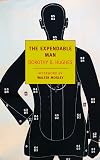
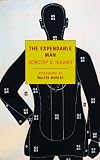
This New York Review Book (NYRB) classic includes a most insightful Afterward by Walter Mosely. Mr. Mosley not only speaks to the novel’s themes but also his own and his family’s experience dealing with issues of race in the United States. A novel and an essay not to be missed. show less
If you could change one decision you made in your life, what would it be? I suspect we all could come up with a ‘Oh, if I only knew then what I know now!’ Well, Dorothy B. Hughes 1962 noir/crime novel ‘The Expendable Man' features one Dr. Hugh Densmore who knows exactly what decision he would change. Driving from the UCLA Medical Center in Los Angeles where he is a resident physician across the desert to Phoenix for a family wedding, Dr. Hugh, playing the part of mister nice guy, takes pity on a young girl hitchhiking way out in the desert, 15 miles away from the nearest small town.
In spite of knowing he shouldn’t risk it, aware of all the potential dangers, in his own mind at the time, Hugh did the right thing. We read, “He show more realized that this was a young girl. From the glimpse, a teen-age girl. Even as he slowed his car, he was against doing it. But her possible peril if left here alone forced his hand. He simply could not in conscience go on, leaving her abandoned, with twilight fallen and night quick to come. He had sisters as young as this. It chilled him to think what might happen if one of them were abandoned on the lonesome highway, the type of man with whom, in desperation, she might accept a lift.” Oh, Hugh, if you only knew then what was to follow.
However, ‘The Expendable Man’ is much more than a crime story. The early 1960s, when this novel was published, was a time of great change and transition in the United States, particularly in three areas: race, class and gender, especially race. Dorothy B. Hughes writes with exceptional skill in setting the scene, drawing her characters and orchestrating the action, and all with keen insight into the prevailing racial, social, cultural tensions and prejudices of the time. I wouldn’t want to say anything further about the actual story so as to spoil. But I will say that, for me, reading this novel sets my all-time personal reading record: 245 pages in one day. ‘I couldn’t put the book down until I finished’, sounds like a cliché, but with ‘The Expendable Man’, this is exactly what happened.
This New York Review Book (NYRB) classic includes a most insightful Afterward by Walter Mosely. Mr. Mosley not only speaks to the novel’s themes but also his own and his family’s experience dealing with issues of race in the United States. A novel and an essay not to be missed. show less
A young doctor driving from California to a family wedding in Phoenix, Arizona, sees a teenage girl hitchhiking on a desert road and stops to pick her up, setting in motion a chain of events that will have him suspected of murder when her body turns up a few days later.
The "expendable man" of the title refers of course to the protagonist, who becomes the wrong man conveniently accused of murder for reasons that the reader is not let in on until about 50 pages into the book. The suspense comes in following the doctor as he tries desperately to clear his name before he is arrested, which would ruin his burgeoning career even if he did avoid prison. This is a taut, cleanly written thriller that moves relentlessly forward and allows readers show more a glimpse into a world that is usually not explored in crime noir. I suspect it would have been even more exotic and galvanizing for readers in Hughes' day than it is now. Hughes also creates a wonderful sense of place with her Phoenix setting, a desert town on the verge of becoming urban. This was an interesting read, if a little dated, although I felt it could have been a bit more subtle and multilayered, not quite so straightforward in terms of good guys and bad. I expect for its time, though, it needed to be. show less
The "expendable man" of the title refers of course to the protagonist, who becomes the wrong man conveniently accused of murder for reasons that the reader is not let in on until about 50 pages into the book. The suspense comes in following the doctor as he tries desperately to clear his name before he is arrested, which would ruin his burgeoning career even if he did avoid prison. This is a taut, cleanly written thriller that moves relentlessly forward and allows readers show more a glimpse into a world that is usually not explored in crime noir. I suspect it would have been even more exotic and galvanizing for readers in Hughes' day than it is now. Hughes also creates a wonderful sense of place with her Phoenix setting, a desert town on the verge of becoming urban. This was an interesting read, if a little dated, although I felt it could have been a bit more subtle and multilayered, not quite so straightforward in terms of good guys and bad. I expect for its time, though, it needed to be. show less
Members
- Recently Added By
Lists

Noirvember: The Best Noir
113 works; 56 members

Best Noir Fiction
160 works; 14 members

1960s, Best books published therein
254 works; 22 members

Anthony Boucher's Best Crime Fiction of the Year
115 works; 5 members

H.R.F. Keating's 100 Best Crime & Mystery Books
100 works; 8 members

Books Read in 2016
4,666 works; 199 members

Books Set in Arizona
8 works; 3 members

Books Read in 2022
5,226 works; 115 members

Domestic Suspense Reading List
10 works; 1 member

100 Best Thrillers of All Time
100 works; 6 members

Books Read in 2021
5,361 works; 114 members

Noirvember: Potential Reads
23 works; 1 member

Persephone
148 works; 3 members
Author Information

34+ Works 2,968 Members
Some Editions
Awards and Honors
Awards
Distinctions
Notable Lists
Series
Belongs to Publisher Series
Work Relationships
Is contained in
Common Knowledge
- Canonical title
- The Expendable Man
- Original title
- The Expendable Man
- Original publication date
- 1963
- People/Characters
- Hugh Denismore
- Important places
- Phoenix, Arizona, USA
- Dedication
- For my friend, Charlesetta
- First words
- Across the tracks there was a different world.
- Last words
- (Click to show. Warning: May contain spoilers.)Not at him, but at the certainty of the coming-true of the plans they both were making.
- Blurbers
- H.R.F. Keating; Sarah Weinman
Classifications
Statistics
- Members
- 637
- Popularity
- 45,503
- Reviews
- 30
- Rating
- (4.10)
- Languages
- English, Finnish
- Media
- Paper, Ebook
- ISBNs
- 8
- ASINs
- 11