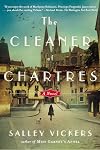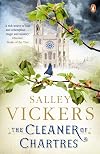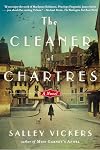
The Cleaner of Chartres
by Salley Vickers
On This Page
Description
Working as a cleaner in the cathedral of Chartres for more than twenty years, Agnès Morel profoundly transforms local lives by performing small tasks and using her subtle influence until an accidental encounter reveals tragic incidents from her youth.Tags
Recommendations















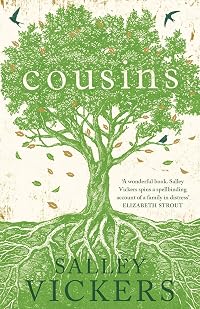













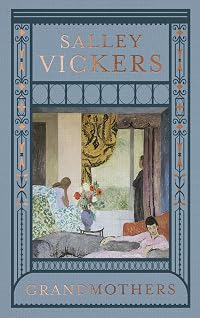














Member Recommendations

klerulo Not so much the commonality of a French setting but that of a very enigmatic, obscure heroine who attracts the attention of others who are discerning and sensitive enough to perceive the hidden depths.
Member Reviews
In many ways this seems a straightforward story but Salley Vickers takes the reader to unexpected places as the history of Agnes is slowly revealed. The touch is light and brilliant throughout the novel. Agnes, the cleaner at Chartres Cathedral, wears bright coloured clothing and is helpful and kind. The narrative flits between Agnes' younger days and as an adult. She was found as an abandoned baby, raised by nuns and moved to a psychiatric unit under a gentle doctor after being raped and giving birth to a son, who was given for adoption by the nuns. Not surprisingly she had a breakdown. After 20 years this past begins to catch up with Agnes but her kindness earned her allies. Salley Vicjers tells the story packing in plenty of details show more and with a sideline of gossip. There are religious themes, identity and forgiveness and family. Agnes' happiest times are with her 'father' the man who found her and she tells Father Paul in Chartres that she thinks of him as her mother. This all ties in nicely with a cathedral dedicated to the mother of Jesus. Agnes' story is hidden deeply innate her and the reader has to persevere to get all the answers, making this quite a page turner. show less
The Cathedral of Notre Dame in Chartres is, as a Unesco description of the cathedral holds, “an essential landmark in the history of medieval architecture. The outstanding stained-glass ensemble, monumental statuary of the 12th and 13th centuries and the painted decorations miraculously preserved from the ravages of humankind and time, make Chartres one of the most admirable and the best-preserved examples of Gothic art.”
Lucky for readers, we get to hear about it in great detail, but rather than reading a dry tourist book about it, this book uses the cathedral as background for the story of Agnes Morel, a cathedral cleaner. The details of her life are told using a mix of current scenes and flashbacks, as well as employing a variety show more of points of view from the central characters.
Agnes was an orphan, raised by strict and often punitive nuns. She was not taught to read, but was taught to clean, at which she excels. As a child and young girl, she was lacked confidence and was mistreated, leading to some horrific abusive situations. But her quiet manner and industriousness help her earn a living as an adult.
Working at the cathedral, a place which she loves, she meets a number of characters who come to play a role in her life, including:
Abbe Paul, the current dean of the Cathedral who offers Agnes the cleaning job
Abbe Bernard, an elderly canon who has lost faith but is terrified of Satan and confides in Agnes
Philippe Nevers and his sister Brigitte, for whom Agnes used to babysit
Robert Clement, an artist for who Agnes occasionally models
Alain Fleury, one of the cathedral restorers
Professor Jones, who relies on Agnes to organize his papers and photos
Jean Dupere who found Agnes in a basket
Sister, then Mother, Veronique from the convent in which Agnes was raised
Denis Deman, a psychiatrist who treated Agnes when she was younger
Madame Louise Beck, a busybody who resents Agnes (and everyone else, for that matter)
In addition to fascinating information about the cathedral, we also are exposed to a variety of religious views from the characters. Abbe Paul in particular is realistic in his assessment of the Church and its teachings, and the fear of Satan it inspired in believers. Abbe Paul held that “the only true Satan was the idea of Satan.” Regarding Abbe Bernard’s supposed lack of faith he told Agnes, “It seems to me he believed too much. Wasn’t it Satan he was afraid of? The Church has much to answer for, Agnes. Not least in the fright it can implant in a child’s mind.” (Alain had a more sardonic response to the situation, telling Agnes: “He didn’t believe in God but he still believed in Satan. That says plenty about the Catholic faith.”)
Some mysteries about the lives of the characters are revealed in layers as the plot unwinds, with an Afterword suggesting what happened to them later on in life.
Evaluation: Vickers has excellent insight into the psychological drivings of her characters (she apparently is a former psychoanalyst), which gives the story depth lacking in many novels. I also loved the extensive background on Chartres, and how it was cleverly presented in such an interesting way. And last but not least, Agnes’s story is well worth reading. show less
Lucky for readers, we get to hear about it in great detail, but rather than reading a dry tourist book about it, this book uses the cathedral as background for the story of Agnes Morel, a cathedral cleaner. The details of her life are told using a mix of current scenes and flashbacks, as well as employing a variety show more of points of view from the central characters.
Agnes was an orphan, raised by strict and often punitive nuns. She was not taught to read, but was taught to clean, at which she excels. As a child and young girl, she was lacked confidence and was mistreated, leading to some horrific abusive situations. But her quiet manner and industriousness help her earn a living as an adult.
Working at the cathedral, a place which she loves, she meets a number of characters who come to play a role in her life, including:
Abbe Paul, the current dean of the Cathedral who offers Agnes the cleaning job
Abbe Bernard, an elderly canon who has lost faith but is terrified of Satan and confides in Agnes
Philippe Nevers and his sister Brigitte, for whom Agnes used to babysit
Robert Clement, an artist for who Agnes occasionally models
Alain Fleury, one of the cathedral restorers
Professor Jones, who relies on Agnes to organize his papers and photos
Jean Dupere who found Agnes in a basket
Sister, then Mother, Veronique from the convent in which Agnes was raised
Denis Deman, a psychiatrist who treated Agnes when she was younger
Madame Louise Beck, a busybody who resents Agnes (and everyone else, for that matter)
In addition to fascinating information about the cathedral, we also are exposed to a variety of religious views from the characters. Abbe Paul in particular is realistic in his assessment of the Church and its teachings, and the fear of Satan it inspired in believers. Abbe Paul held that “the only true Satan was the idea of Satan.” Regarding Abbe Bernard’s supposed lack of faith he told Agnes, “It seems to me he believed too much. Wasn’t it Satan he was afraid of? The Church has much to answer for, Agnes. Not least in the fright it can implant in a child’s mind.” (Alain had a more sardonic response to the situation, telling Agnes: “He didn’t believe in God but he still believed in Satan. That says plenty about the Catholic faith.”)
Some mysteries about the lives of the characters are revealed in layers as the plot unwinds, with an Afterword suggesting what happened to them later on in life.
Evaluation: Vickers has excellent insight into the psychological drivings of her characters (she apparently is a former psychoanalyst), which gives the story depth lacking in many novels. I also loved the extensive background on Chartres, and how it was cleverly presented in such an interesting way. And last but not least, Agnes’s story is well worth reading. show less
I have thoroughly enjoyed the fluid way that Salley Vickers creates her novels, first in Miss Garnet's Angel, and then in Instances of the Number Three, so I was looking forward to her newest novel, The Cleaner of Chartres. This novel has all of the hallmarks of her past novels: the same beautiful writing, the same unpretentious insight into human beings in all their frailty, and the same kind of seamless, unadorned story.
Agnes Morel is a quiet and unassuming woman who has lived in Chartres for twenty years. She was discovered sleeping on the cathedral porch as a very young woman and took on small, varied jobs around the town until the cathedral cleaner retired and Agnes was offered the position herself. She is conscientious and show more meticulous, going deliberately about her cleaning job in the cathedral and in the private homes where she works as well. She is very much a common and accepted, if slightly enigmatic, part of the community around the cathedral and she has never harmed or spoken ill of anyone in Chartres. So it is a bit of a surprise when the unhappy and poisonous Madam Beck starts trying to blacken her name, spreading rumors and untruths, even going so far as to use suddenly accessible information about Agnes' heretofore unknown past against the woman. But Agnes' calm presence has won her a number of friends who stand by her.
The novel is told in alternating chapters focused on Agnes' life in Chartres and on her sad and unhappy past. Having been discovered in a basket in the woods and given to nuns, none of whom were particularly maternal, to raise, Agnes missed out on the acceptance and love that she might otherwise have learned. That she was considered too stupid to learn to read and was forced to give up the baby she bore as a young girl herself only added to the tragedy of her early life. All of her past history spools out between present day chapters that show her simple, unadorned, good heart and the ways in which she labors quietly in this community that knows nothing about her past. But the past is never quite forgotten, not in the way it continues to live on in Agnes herself but also more obviously in the way in which one of the nuns from her former life offers a misrepresented piece of her past to the woman who will be least mindful of its power.
All of the secondary characters here, the kindly Abbe Paul, the disorganized Professor Jones, Alain the cathedral restorer, the guilt-ridden psychiatrist Dr. Deman, the maliciously gossipy and mean spirited Mother Veronique, Philippe who, with his sister, was one of many children Agnes used to babysit, the tortured and increasingly senile Abbe Bernard who has lost his faith and fears his dreams of his deceased mother, and the farmer, Jean Dupere, who discovered Agnes in the basket in the wood are fully realized and delicately drawn. The slow growth of their relationships with each other and with Agnes strengthen the very weave of the novel. Each character is vital to the over all story and to a complete understanding of Agnes' character.
The novel itself is very subtle and restrained, character driven rather than reliant on plot although there are small mysteries and revelations that come as surprises. The pace is quite measured, beautifully mirroring the circling of the labyrinth at the heart of the cathedral and the slow deliberateness with which Agnes spends her life. As the narrative winds in on itself, revealing the heart of the story, Vickers draws the readers into a search for the truth and how important that truth is as versus compassion and understanding. There are definitely secrets here that add to the narrative tension and fine-wrought, nuanced threads about the dangers of judging others, about sin and forgiveness, responsibility and resilience, perception and reality. Vickers manages to incorporate history and psychology, and religion and myth into this quiet and strong novel. Her writing, as usual, is lovely and understated and if you've liked her previous books, you'll find yourself settled into and engaged by this one as well. show less
Agnes Morel is a quiet and unassuming woman who has lived in Chartres for twenty years. She was discovered sleeping on the cathedral porch as a very young woman and took on small, varied jobs around the town until the cathedral cleaner retired and Agnes was offered the position herself. She is conscientious and show more meticulous, going deliberately about her cleaning job in the cathedral and in the private homes where she works as well. She is very much a common and accepted, if slightly enigmatic, part of the community around the cathedral and she has never harmed or spoken ill of anyone in Chartres. So it is a bit of a surprise when the unhappy and poisonous Madam Beck starts trying to blacken her name, spreading rumors and untruths, even going so far as to use suddenly accessible information about Agnes' heretofore unknown past against the woman. But Agnes' calm presence has won her a number of friends who stand by her.
The novel is told in alternating chapters focused on Agnes' life in Chartres and on her sad and unhappy past. Having been discovered in a basket in the woods and given to nuns, none of whom were particularly maternal, to raise, Agnes missed out on the acceptance and love that she might otherwise have learned. That she was considered too stupid to learn to read and was forced to give up the baby she bore as a young girl herself only added to the tragedy of her early life. All of her past history spools out between present day chapters that show her simple, unadorned, good heart and the ways in which she labors quietly in this community that knows nothing about her past. But the past is never quite forgotten, not in the way it continues to live on in Agnes herself but also more obviously in the way in which one of the nuns from her former life offers a misrepresented piece of her past to the woman who will be least mindful of its power.
All of the secondary characters here, the kindly Abbe Paul, the disorganized Professor Jones, Alain the cathedral restorer, the guilt-ridden psychiatrist Dr. Deman, the maliciously gossipy and mean spirited Mother Veronique, Philippe who, with his sister, was one of many children Agnes used to babysit, the tortured and increasingly senile Abbe Bernard who has lost his faith and fears his dreams of his deceased mother, and the farmer, Jean Dupere, who discovered Agnes in the basket in the wood are fully realized and delicately drawn. The slow growth of their relationships with each other and with Agnes strengthen the very weave of the novel. Each character is vital to the over all story and to a complete understanding of Agnes' character.
The novel itself is very subtle and restrained, character driven rather than reliant on plot although there are small mysteries and revelations that come as surprises. The pace is quite measured, beautifully mirroring the circling of the labyrinth at the heart of the cathedral and the slow deliberateness with which Agnes spends her life. As the narrative winds in on itself, revealing the heart of the story, Vickers draws the readers into a search for the truth and how important that truth is as versus compassion and understanding. There are definitely secrets here that add to the narrative tension and fine-wrought, nuanced threads about the dangers of judging others, about sin and forgiveness, responsibility and resilience, perception and reality. Vickers manages to incorporate history and psychology, and religion and myth into this quiet and strong novel. Her writing, as usual, is lovely and understated and if you've liked her previous books, you'll find yourself settled into and engaged by this one as well. show less
This book was a slow burner, which sped up with every page, until I couldn't put it down. I had to know what was going to happen to dear Agnes.
We all know a woman like the busybody in the book - she embodies everything bad about people who can't mind their own business and who dwell on their own failures.
What a beautifully written story. Such lovely full characters woven into one engrossing story - heartbreaking at times, but also honest.
I really and truly loved this book. Slow, simple, engrossing. No swaggering heroes or bodice ripping in sight. No convenient 'easy for the writer' happy coincidences. Very cleverly plotted.
Well done to the author.
We all know a woman like the busybody in the book - she embodies everything bad about people who can't mind their own business and who dwell on their own failures.
What a beautifully written story. Such lovely full characters woven into one engrossing story - heartbreaking at times, but also honest.
I really and truly loved this book. Slow, simple, engrossing. No swaggering heroes or bodice ripping in sight. No convenient 'easy for the writer' happy coincidences. Very cleverly plotted.
Well done to the author.
I started out this book a little shaky, since I don't generally read a lot of Historical Fiction. However Agnes soon became a likable enough character that I was engaged. Although this isn't the quickest moving story, and perhaps it has more featured characters than necessary, I still found myself connected enough to Agnes that I wanted to finish this story. Her backstory unfolded a bit at a time and, even though I was fairly sure I knew where things were going, I wanted to see if I was right. I'll give Salley Vickers credit in that she created a very relatable and human character in Agnes. Her mistakes and successes were a beautiful thing.
What kept me from fully falling in love with this book though was how much it hopped back and show more forth in time, with little to no notice. I listened to the audio version of this, and so it made it even more difficult to get my footing every time we were thrown back to the days of young Agnes. On top of that, as the book neared its end, I felt myself becoming less and less interested in where things were headed. Agnes felt like she stalled in her growth as a person, and then the ending itself was far less than satisfactory. In fact, and this is coming from a reader who is very open minded, the ending left me with some really uncomfortable moral quandaries. I'm still not sure how I feel.
So, for a plot that kept my attention for the most part, a character whom I did enjoy, and a narrator who did a fairly good job, I'll give this two stars. I finished this book, and it was interesting journey. I just wouldn't read it again. show less
What kept me from fully falling in love with this book though was how much it hopped back and show more forth in time, with little to no notice. I listened to the audio version of this, and so it made it even more difficult to get my footing every time we were thrown back to the days of young Agnes. On top of that, as the book neared its end, I felt myself becoming less and less interested in where things were headed. Agnes felt like she stalled in her growth as a person, and then the ending itself was far less than satisfactory. In fact, and this is coming from a reader who is very open minded, the ending left me with some really uncomfortable moral quandaries. I'm still not sure how I feel.
So, for a plot that kept my attention for the most part, a character whom I did enjoy, and a narrator who did a fairly good job, I'll give this two stars. I finished this book, and it was interesting journey. I just wouldn't read it again. show less
Some novels are less than what they appear, others are more so. Some can be read as entertainment only, while some can be read that way but have other things to say. Salley Vickers writes novels that are unassuming yet have wise observations about people and how they like to judge others. The Cleaner of Chartres is such a novel.
Agnes Morel is one of those quiet women who appear as if they are going through life trying to be undetected. She arrived one day in Chartres, no one remembers exactly when, and has made a meager living for herself cleaning and occasionally watching children.
One priest tries to turn Agnes into his confessor, not of crimes, but of his crisis of faith. Two catty old women who employ Agnes use her in their game of show more oneupsmanship. A lonely professor turns his life around when Agnes begins to organize his messy office. A psychiatrist worries whether he helped Agnes or made her life worse. And a man involved in a cleaning project within the cathedral finds her fascinating.
Perhaps because she is quiet and makes no demands of her own, others either want her to listen to them or assign all sorts of activities to her. She is often regarded by others are a character not unlike that of Chauncey Gardner in Being There, in which others mistake simplicity for being profound. But in the case of this novel, there is no satire involved.
There is, however, past tragedy and that is used against Agnes when it becomes known. And that's when the narrative becomes really rather interesting. Vickers is good at pointing out what the foibles of each character mean in terms of what kind a character each is. She also is good at slipping in some asides that showcase what's behind what some people do and what's behind their thinking.
In this exchange. Abbe Paul is speaking first while Agnes responds:
"...But since no one knows what it quite was there's no reason why you wouldn't be the one to uncover the mystery."
"Maybe it is better left uncovered."
The Abbe Paul looked at Agnes rather as Alain had, with respect. "How sensible. People are desperate to probe mysteries which for the most part are best left unprobed. It is the modern curse: this demented drive to explain every blessed thing. Not everything can be explained. Nor should be, I think."
"Some things should be, though." She was thinking of the riddle of her own birth.
"To be sure. I often wonder if happiness isn't knowing what should and what should not be explained."
"But how can we tell which is which?"
"Hmmm," said the Abbe Paul. "That, I suppose, is wisdom."
This exchange encapsulates what I like about Vickers's writing -- my initial reaction is to question what's wrong with trying to explain every blessed, and cursed, thing. At first, Vickers's plot seems to suggest that this dashing about trying to explain things, especially when not equipped with all the necessary information, can lead to trouble and hurt people.
But then something else happens, just when it looks like the entire plot is going to collapse upon itself as the smaller-minded characters ascend. As more characters find out what actually happened in the past and what recently happened, things don't just straighten themselves out. Situations actually improve for several characters.
The results are plausible but, depending on one's outlook about other human beings, either likely or barely possible. How one responds to fiction is largely a matter of what one brings to it, and responses could be viewed as a Rorschach Test of sorts. Reading a novel by Vickers, who is a Jungian psychotherapist, it's possible to take a step back from reading and reacting to see what one's own reaction might mean.
Or whether it's just an entertainment. show less
Agnes Morel is one of those quiet women who appear as if they are going through life trying to be undetected. She arrived one day in Chartres, no one remembers exactly when, and has made a meager living for herself cleaning and occasionally watching children.
One priest tries to turn Agnes into his confessor, not of crimes, but of his crisis of faith. Two catty old women who employ Agnes use her in their game of show more oneupsmanship. A lonely professor turns his life around when Agnes begins to organize his messy office. A psychiatrist worries whether he helped Agnes or made her life worse. And a man involved in a cleaning project within the cathedral finds her fascinating.
Perhaps because she is quiet and makes no demands of her own, others either want her to listen to them or assign all sorts of activities to her. She is often regarded by others are a character not unlike that of Chauncey Gardner in Being There, in which others mistake simplicity for being profound. But in the case of this novel, there is no satire involved.
There is, however, past tragedy and that is used against Agnes when it becomes known. And that's when the narrative becomes really rather interesting. Vickers is good at pointing out what the foibles of each character mean in terms of what kind a character each is. She also is good at slipping in some asides that showcase what's behind what some people do and what's behind their thinking.
In this exchange. Abbe Paul is speaking first while Agnes responds:
"...But since no one knows what it quite was there's no reason why you wouldn't be the one to uncover the mystery."
"Maybe it is better left uncovered."
The Abbe Paul looked at Agnes rather as Alain had, with respect. "How sensible. People are desperate to probe mysteries which for the most part are best left unprobed. It is the modern curse: this demented drive to explain every blessed thing. Not everything can be explained. Nor should be, I think."
"Some things should be, though." She was thinking of the riddle of her own birth.
"To be sure. I often wonder if happiness isn't knowing what should and what should not be explained."
"But how can we tell which is which?"
"Hmmm," said the Abbe Paul. "That, I suppose, is wisdom."
This exchange encapsulates what I like about Vickers's writing -- my initial reaction is to question what's wrong with trying to explain every blessed, and cursed, thing. At first, Vickers's plot seems to suggest that this dashing about trying to explain things, especially when not equipped with all the necessary information, can lead to trouble and hurt people.
But then something else happens, just when it looks like the entire plot is going to collapse upon itself as the smaller-minded characters ascend. As more characters find out what actually happened in the past and what recently happened, things don't just straighten themselves out. Situations actually improve for several characters.
The results are plausible but, depending on one's outlook about other human beings, either likely or barely possible. How one responds to fiction is largely a matter of what one brings to it, and responses could be viewed as a Rorschach Test of sorts. Reading a novel by Vickers, who is a Jungian psychotherapist, it's possible to take a step back from reading and reacting to see what one's own reaction might mean.
Or whether it's just an entertainment. show less
‘She could not have put into words what she was searching for but a spy-hole into her heart would have revealed that it was a safe haven she craved.’ Agnès Morel is the new and mysterious cleaner of Chartres cathedral, carefully and reverently washing the tiled labyrinth of its floor. As she cleans, so the cruel and tragic past that has drawn her to the city is explored by those people she comes into contact with – forgetful Professor Jones, cheeky restorer Alain, compassionate Abbé Paul, gossipy Madame Picot and nasty Madame Beck. As Dr Deman speculated ‘Ah, poor thing. It’s like a story – a baby in a basket’. How vulnerable the babies, families, reputations, the ‘poor in spirit’ and hearts and souls are in this show more story. Salley Vickers tells of the ‘A failure of love somewhere’ in the life of Agnès but also its transformation by the love she gives those who befriend her and of those who come to know her. show less
Members
- Recently Added By
Author Information

21+ Works 4,288 Members
Some Editions
Common Knowledge
- Canonical title
- The Cleaner of Chartres
- Original publication date
- 2012
- People/Characters
- Agnes Morel; Abbe Paul; Abbe Bernard; Alain Fleury; Phillippe Nevers; Brigitte Nevers (show all 9); Robert Clement; Denis Deman; Louise Beck
- Important places
- Chartres Cathedral, Chartres, Eure-et-Loir, Centre-Val de Loire, France; Chartres, Eure-et-Loir, Centre-Val de Loire, France
Classifications
Statistics
- Members
- 360
- Popularity
- 87,435
- Reviews
- 31
- Rating
- (3.82)
- Languages
- English
- Media
- Paper, Audiobook, Ebook
- ISBNs
- 18
- ASINs
- 6