
The Elegance of the Hedgehog
by Muriel Barbery
On This Page
Description
The lives of fifty-four-year-old concierge Rene Michel and extremely bright, suicidal twelve-year-old Paloma Josse are transformed by the arrival of a new tenant, Kakuro Ozu.Tags
Recommendations

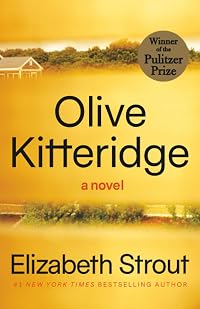
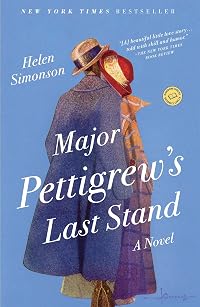
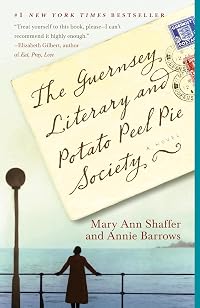

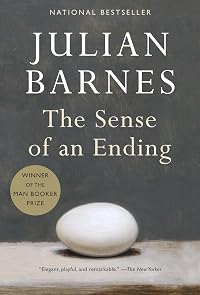








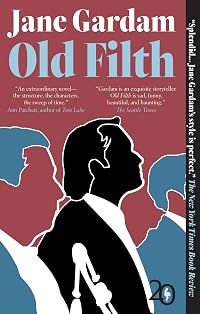

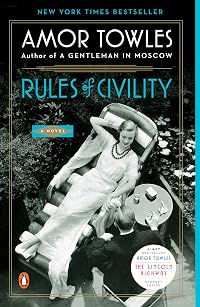
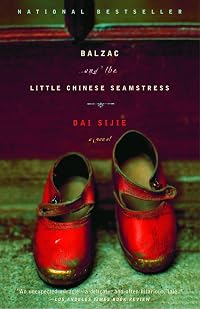
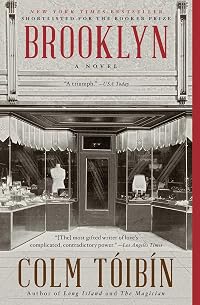
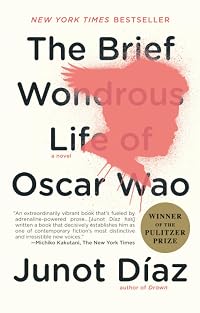
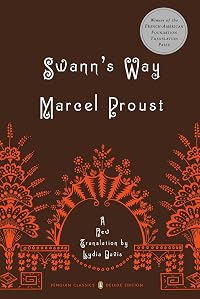





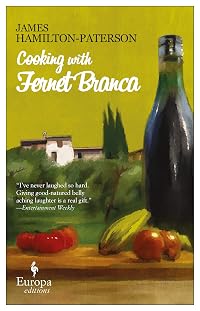
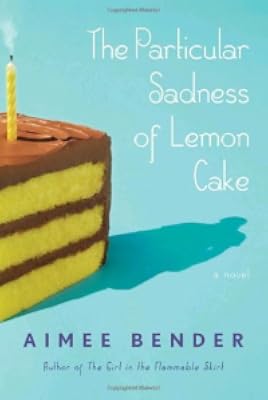
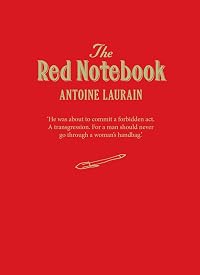
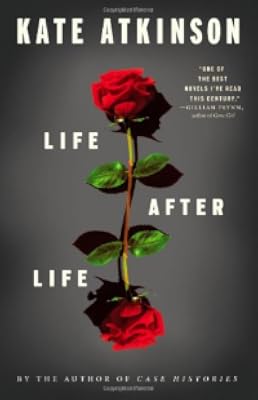


Member Recommendations
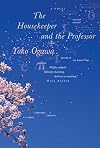
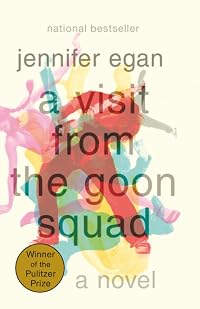
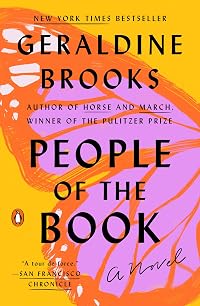
labfs39 Both have incredibly well-drawn, quirky characters that are lovable in their unique humaness. Both have highly intelligent characters that are vulnerable because of their very gift. In both books I learned things in fields not particularly close to me: math in Housekeeper and philosophy in Elegance.
Also recommended by chrisharpe
161
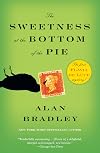
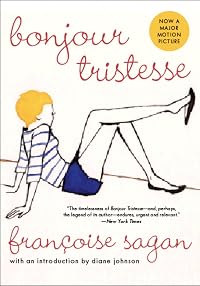
lauranav Both show relationships and point of view of a young girl.
64
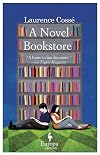
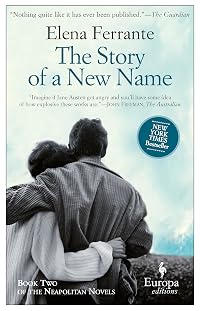
morsecode The English-language editions (published by Europa Editions) of both novels are translated by Alison Andersen. There isn't a lot of similarity between the two novels (beyond the fact that both are quite literary), but I do think that someone who enjoys one will enjoy the other.
31
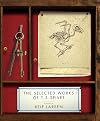
tinyteaspoon Strong young female protagonist
Also recommended by krist_ellis
21
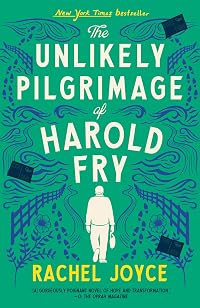
bluepiano Both are modern French novels written by philosophy teachers, both protagonists are awkward and isolated, both authors mask their sentimentality with a calm tone and both remind us that pedestrians should look both ways before crossing a road.



albavirtual Una historia oscura e intrigante y, al mismo tiempo, llena de profundas reflexiones sobre la risa, el arte y la libertad del hombre.
18

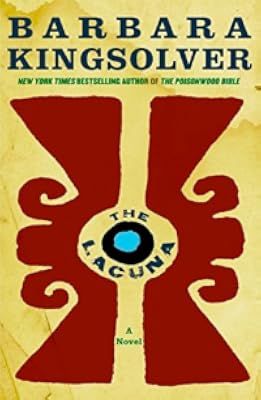
klerulo Not so much the commonality of a French setting but that of a very enigmatic, obscure heroine who attracts the attention of others who are discerning and sensitive enough to perceive the hidden depths.

bluepiano Of no earthly relevance to the Barbery except that the death of one author is exploited by the other one.. Comment dit-on 'Look both ways before you cross' en français?

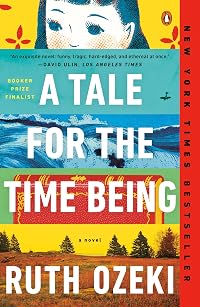
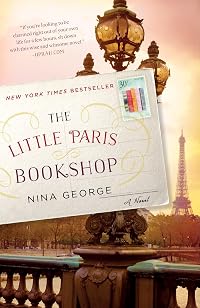
jll1976 There is the obvious 'Paris connection'. But, also a similar slow almost dreamlike quality. About the beauty of a 'simple' life.
Member Reviews
Renée and Paloma, two intellectually gifted inhabitants of a Paris apartment building, each take great pains to hide their intelligence. Renée, the building's concierge, tries to blend into the background in keeping with her image of a concierge. Paloma is marking time until her 13th birthday, when she plans to kill herself. Both Renée and Paloma are drawn to aspects of Japanese culture. When a new Japanese resident moves into the building, he becomes a catalyst for change in both of their lives.
***SPOILERS AHEAD***
I loved this book right up to the ending. Most of the action is internal, alternating between Renée's and Paloma's viewpoints. They ponder weighty subjects like philosophy, literature, music, and religion. The end just show more seemed wrong to me. Paloma and Mr. Ozu discover that Renée's personality resembles a hedgehog because she's afraid that if she aspires to live above her class she'll die just as her sister did. They convince Renée that her fear is irrational, she ventures outside her self-prescribed limits, and what happens next? She dies! Seems like her fear wasn't so irrational after all. And what does this do to Paloma, who is already suicidal? Is she wracked with guilt for talking Renée into taking this step? Does it push her over the edge? Not at all! It makes her decide she really doesn't want to kill herself. I don't think this was the right place to end the book. It's strange to feel this way about a book with a tragic ending, but it feels like the author wrapped up the story a little too neatly. show less
***SPOILERS AHEAD***
I loved this book right up to the ending. Most of the action is internal, alternating between Renée's and Paloma's viewpoints. They ponder weighty subjects like philosophy, literature, music, and religion. The end just show more seemed wrong to me. Paloma and Mr. Ozu discover that Renée's personality resembles a hedgehog because she's afraid that if she aspires to live above her class she'll die just as her sister did. They convince Renée that her fear is irrational, she ventures outside her self-prescribed limits, and what happens next? She dies! Seems like her fear wasn't so irrational after all. And what does this do to Paloma, who is already suicidal? Is she wracked with guilt for talking Renée into taking this step? Does it push her over the edge? Not at all! It makes her decide she really doesn't want to kill herself. I don't think this was the right place to end the book. It's strange to feel this way about a book with a tragic ending, but it feels like the author wrapped up the story a little too neatly. show less
Tempted to give this book a 5--it's certainly worthy of 4.5 stars. I found so much to relate to in these characters. For one, I was a bratty middle-class kid. An outsider at school and at home. As an adult, I have spent time in jails, rehabs, in soup kitchens, and on the streets. Therefore, I can relate with a dowdy concierge that secretly harbors a great love of Tolstoy and Ozu. Though, personally, I am more of a Dostoyevesky man. Which reminds me--this book bears a certain resemblance to Fyodor's Notes From Underground. And possibly, Ellison's The Invisible Man. Books about frustrated itellectuals having a hard time finding a place in society.
Let me just throw out this particular quote:
“I have read so many books. And yet, like most show more Autodidacts, I am never quite sure of what I have gained from them. There are days when I feel I have been able to grasp all there is to know in one single gaze, as if invisible branches suddenly spring out of no where, weaving together all the disparate strands of my reading. And then suddenly the meaning escapes, the essence evaporates and no matter how often I reread the same lines they seem to flee ever further with each subsequent reading and I see myself as some mad old fool who thinks her stomach is full because she's been reading the menu.”
It's kind of...dare I say it in this day and age..."meta." This is a book that questions the very usefulness of literature. And in the end, it makes a good argument for itself. We need literature (and every other art) because we need a friend that we can relate to when we can't find one in real life. We need it to remind us of the beauty of ordinary things. The beauty of a turn of a phrase. The beauty of holding a fat feline in our laps, whether we are watching Ozu on the tube or mid-brow trash like Blade Runner or even Die Hard.
OK, so--no way to hide spoilers w/out hiding the whole thing. IGNORE THE FOLLOWING PARAGRAPH IF YOU HAVEN'T READ IT ALL.
[spoiler] Also, I can relate because I have had several good friends pass away in the past year and had a brush with death when I was hit by a car in front of our public library. Appreciate the people and things of this Earth while you can. [/spoiler] show less
Let me just throw out this particular quote:
“I have read so many books. And yet, like most show more Autodidacts, I am never quite sure of what I have gained from them. There are days when I feel I have been able to grasp all there is to know in one single gaze, as if invisible branches suddenly spring out of no where, weaving together all the disparate strands of my reading. And then suddenly the meaning escapes, the essence evaporates and no matter how often I reread the same lines they seem to flee ever further with each subsequent reading and I see myself as some mad old fool who thinks her stomach is full because she's been reading the menu.”
It's kind of...dare I say it in this day and age..."meta." This is a book that questions the very usefulness of literature. And in the end, it makes a good argument for itself. We need literature (and every other art) because we need a friend that we can relate to when we can't find one in real life. We need it to remind us of the beauty of ordinary things. The beauty of a turn of a phrase. The beauty of holding a fat feline in our laps, whether we are watching Ozu on the tube or mid-brow trash like Blade Runner or even Die Hard.
OK, so--no way to hide spoilers w/out hiding the whole thing. IGNORE THE FOLLOWING PARAGRAPH IF YOU HAVEN'T READ IT ALL.
[spoiler] Also, I can relate because I have had several good friends pass away in the past year and had a brush with death when I was hit by a car in front of our public library. Appreciate the people and things of this Earth while you can. [/spoiler] show less
Elegance is a matter of taste, of preference, rather than an absolute.
Renee and Paloma are fish out of water. Renee is the building concierge in a fashionable apartment building in Paris and, to the shallow observer, Renee is anything but fashionable. She is from a modest, working-class family and unappealing to those who would look only on the surface. Paloma is the precocious, youngest daughter of a wealthy family in the building. She refuses any attempt at inclusion in the privileged world of her family. What courses beneath the surface for both of these women is a rich, complex internal life. Though she never finished a formal education, Renee has schooled herself in literature and philosophy and art. And Paloma, though merely show more eccentric appearing, has calculated the meaninglessness of life and is planning a grand suicide on the date of her thirteenth birthday party.
There is an elegance to Barbery’s novel, though it is diluted by a careless narrative, a lack of good editing, and a saccharine ending. Renee and Paloma are exquisite characters with a depth and complexity that is rare in literature. The irony of their lives would be a joke if they were any less authentic. But Barbey was enchanted by her own characters to the point of distraction and the narrative suffers for it. There could be nothing better for these two characters than for them to meet. But they don’t even admit to noticing each other until over halfway through the novel, and then only after a mutual acquaintance forces the issue.
So what happens in the first half of the book? That’s where a good editor could have been helpful. Up until the point that Renee and Paloma become aware of each other, they indulge their internal lives. Though the intrigue in their characters is a result of listening to their thoughts, Barbery allowed the exercise to go on a little too long. Renee’s biting insights on her employers are charming and witty at first, but then tiring. And Paloma’s philosophical musings on life are exposed as too smart for even the most precocious twelve year olds as they drag on. Barbery could have accomplished the same complexity without allowing the narrative to get lost.
Finally, the ending here is too neat, too shocking by miles. I won’t spoil it for anyone who reads the book, but the vehicle Barbery uses to bring a change in the lives of her characters is abrupt and ultimately trite.
If it sounds like I didn’t like [The Elegance of the Hegdehog], that’s not quite right. I enjoyed a great deal of the book, especially the two principal characters. But I think the overall experience was clouded by what I saw as wasted potential. I began to write my own narrative for Renee and Paloma, imagining what I thought their meeting and lives would be like together. So, I’d recommend the book but with a caution that you might have some disappointment along the way.
Bottom Line: Complex and intriguing characters in a narrative that gets a little lost and a novel that needs a little more editing.
4 bones!!!!! show less
Renee and Paloma are fish out of water. Renee is the building concierge in a fashionable apartment building in Paris and, to the shallow observer, Renee is anything but fashionable. She is from a modest, working-class family and unappealing to those who would look only on the surface. Paloma is the precocious, youngest daughter of a wealthy family in the building. She refuses any attempt at inclusion in the privileged world of her family. What courses beneath the surface for both of these women is a rich, complex internal life. Though she never finished a formal education, Renee has schooled herself in literature and philosophy and art. And Paloma, though merely show more eccentric appearing, has calculated the meaninglessness of life and is planning a grand suicide on the date of her thirteenth birthday party.
There is an elegance to Barbery’s novel, though it is diluted by a careless narrative, a lack of good editing, and a saccharine ending. Renee and Paloma are exquisite characters with a depth and complexity that is rare in literature. The irony of their lives would be a joke if they were any less authentic. But Barbey was enchanted by her own characters to the point of distraction and the narrative suffers for it. There could be nothing better for these two characters than for them to meet. But they don’t even admit to noticing each other until over halfway through the novel, and then only after a mutual acquaintance forces the issue.
So what happens in the first half of the book? That’s where a good editor could have been helpful. Up until the point that Renee and Paloma become aware of each other, they indulge their internal lives. Though the intrigue in their characters is a result of listening to their thoughts, Barbery allowed the exercise to go on a little too long. Renee’s biting insights on her employers are charming and witty at first, but then tiring. And Paloma’s philosophical musings on life are exposed as too smart for even the most precocious twelve year olds as they drag on. Barbery could have accomplished the same complexity without allowing the narrative to get lost.
Finally, the ending here is too neat, too shocking by miles. I won’t spoil it for anyone who reads the book, but the vehicle Barbery uses to bring a change in the lives of her characters is abrupt and ultimately trite.
If it sounds like I didn’t like [The Elegance of the Hegdehog], that’s not quite right. I enjoyed a great deal of the book, especially the two principal characters. But I think the overall experience was clouded by what I saw as wasted potential. I began to write my own narrative for Renee and Paloma, imagining what I thought their meeting and lives would be like together. So, I’d recommend the book but with a caution that you might have some disappointment along the way.
Bottom Line: Complex and intriguing characters in a narrative that gets a little lost and a novel that needs a little more editing.
4 bones!!!!! show less
The Elegance of the Hedgehog by Muriel Barbery
5 Stars
The Elegance of the Hedgehog is French novelist and professor of philosophy, Muriel Barbery’s second novel. It revolves around the lives of 12 year-old Paloma, a lonely and misunderstood genius, and Renée, a concierge in an upper class apartment complex. Both protagonists try to mask their intelligence and feel out of place in their respective worlds. The chapters alternate between the two characters, with Paloma’s sections being written as journal entries. Paloma is writing her “profound” thoughts as she plans to kill herself on her 13th birthday. Their lives change when a new tenant moves into the building. The book is packed with philosophical musings and literary show more references.
I loved this book, but it is not a book that will appeal to everybody. I am sure some people will think that this book is pretentious, or will struggle with the heavy amounts of philosophy. For me it was a beautifully written and touching book. The story develops slowly and is filled with philosophical musings about the meaning of life, art, beauty, and intelligence. I loved the gradual build-up to the bittersweet ending that made me cry and smile simultaneously. I also loved the numerous literary references (Proust, Tolstoy, etc.) (but I can see how these references could be irritating if you haven’t read them). My thoughts about the book mirror the opinion on the book jacket that states, “this is a moving, witty, and redemptive novel that exalts the quiet victories of the inconspicuous among us.”
Favorite quotes:
The camellia against the moss of the temple, the violet hues of the Kyoto mountains, a blue porcelain cup – the sudden flowering of pure beauty at the heart of ephemeral passion: is this not something we all aspire to? And something that, in our Western civilization, we do not know how to attain?
Madame Michel has the elegance of the hedgehog: on the outside, she’s covered in quills, a real fortress, but my gut feeling is that on the inside, she has the same simple refinement as the hedgehog: a deceptively indolent little creature, fiercely solitary – and terribly elegant.
Does this mean that this is how we must live our lives? Constantly poised between beauty and death, between movement and its disappearance? Maybe that’s what being alive is all about: so we can track down those moments that are dying.
“They didn’t recognize me, “ I repeat. He stops in turn, my hand still on his arm. “It is because they have never seen you,” he says. “I would recognize you anywhere.” show less
5 Stars
The Elegance of the Hedgehog is French novelist and professor of philosophy, Muriel Barbery’s second novel. It revolves around the lives of 12 year-old Paloma, a lonely and misunderstood genius, and Renée, a concierge in an upper class apartment complex. Both protagonists try to mask their intelligence and feel out of place in their respective worlds. The chapters alternate between the two characters, with Paloma’s sections being written as journal entries. Paloma is writing her “profound” thoughts as she plans to kill herself on her 13th birthday. Their lives change when a new tenant moves into the building. The book is packed with philosophical musings and literary show more references.
I loved this book, but it is not a book that will appeal to everybody. I am sure some people will think that this book is pretentious, or will struggle with the heavy amounts of philosophy. For me it was a beautifully written and touching book. The story develops slowly and is filled with philosophical musings about the meaning of life, art, beauty, and intelligence. I loved the gradual build-up to the bittersweet ending that made me cry and smile simultaneously. I also loved the numerous literary references (Proust, Tolstoy, etc.) (but I can see how these references could be irritating if you haven’t read them). My thoughts about the book mirror the opinion on the book jacket that states, “this is a moving, witty, and redemptive novel that exalts the quiet victories of the inconspicuous among us.”
Favorite quotes:
The camellia against the moss of the temple, the violet hues of the Kyoto mountains, a blue porcelain cup – the sudden flowering of pure beauty at the heart of ephemeral passion: is this not something we all aspire to? And something that, in our Western civilization, we do not know how to attain?
Madame Michel has the elegance of the hedgehog: on the outside, she’s covered in quills, a real fortress, but my gut feeling is that on the inside, she has the same simple refinement as the hedgehog: a deceptively indolent little creature, fiercely solitary – and terribly elegant.
Does this mean that this is how we must live our lives? Constantly poised between beauty and death, between movement and its disappearance? Maybe that’s what being alive is all about: so we can track down those moments that are dying.
“They didn’t recognize me, “ I repeat. He stops in turn, my hand still on his arm. “It is because they have never seen you,” he says. “I would recognize you anywhere.” show less
“I may be indigent in name, position, and appearance, but in my own mind I am an unrivaled goddess.” Renée Michel
Meet Renée Michel, concierge at 7, rue de Grenelle, a small and elegant apartment building in Paris. The building houses eight families, all in the upper tier of Parisian/French society. Madame Michel, a widow, who has been in her position for the past 27 years. Renée does her best to not draw attention to herself and to project the image that the residents of the building expect of a concierge. In other words, Madame Michel creates an image or caricature of herself as the stereotypical concierge--poorly educated, unintelligent, dull, and bland. But when we see inside her lodge (apartment) we see another side of this show more complex woman; we see a woman who is self-educated in a wide variety of subjects. She glories in Japanese art and culture, Dutch artists, Tolstoy, and Mozart. But most of all, she is enthralled with beauty
Paloma Josse is a precocious twelve year-old who lives with her parents, Maman or Solange (a Ph.D. in Literature) and Papa, a Parlimentarian and former government minister, as well as her sister Colombe, a grad student. Paloma is extremely intelligent, but like Renée, Paloma hides her true self from those around her; she plays down her intelligence and tries hard just to fit in. Paloma often finds herself at odds with both her parents and her sister, who she holds in disdain for what she considers their vacuous, frivolous, and clichéd lifestyle. Paloma is ultimately searching for herself, but moreover, she is looking for some reason to believe not only in others but for carrying on. Paloma has determined that she will commit suicide on her 13th birthday, but before she does, she will record her thoughts in her Journal of Profound Thoughts that we, as readers, become privy to.
At first, I wasn't sure what to think of this book. It took me much longer than I anticipated to get into it, and because I had seen so many positive and glowing reviews of it, I kept wondering when the book was going to pick up and really grab me. We, as readers, come to know Renée and Paloma, who have very little interaction throughout most of the text, through alternating chapters, and we see the other residents of 7, rue de Grenelle through their eyes. At first, I wasn't sure that actually liked either of the central characters, Renée and Paloma. I found them each a bit self-absorbed and self-indulgent in their criticisms of the upper class of Parisian society. But as I read on, the book picked-up pace, and the more I read, the more the characters grew on me. I soon became absorbed in the lives of these two characters and their view of those around them. Barbery's prose and sketching all the characters, but especially these two, was rich and, quite frankly, simply beautiful.
Then, Mr. Kakuro Ozu enters the story when he purchases the 4th floor apartment from the family of a deceased resident. Mr. Ozu sees through the masks that both Paloma and Renée wear and befriends both of them. As he does, the lives of Paloma and Renée begin to intertwine and we see both of them grow and change, often in ways that neither we, as readers, or they could predict. We are entertained with a series of events that are hilarious, touching, heart-warming, and sometimes, heart-wrenching. We also begin to see the other residents through a third set of eyes. While I was already absorbed with Renée and Paloma, when Kakuro entered the story, I simply did not want to put the book down because he brought another dimension to the text and Barbery's prose. The writing seemed to take on more depth with the introduction of this character who brought out the complexities of the other characters.
I found myself not wanting the book to end. I wanted the burgeoning friendships among Kakuro, Renée, and Paloma to simply go on. And when the end came, it was both unexpected and slightly shocking. I think I'm still processing the ending because I find myself strangely satisfied with ending in that I thought it was fitting for the overall text but also disappointed that the book ended the way that it did.
Overall, I found this to be a beautiful exploration of the characters and human behavior. Barbery's prose is beautifully crafted in a way that I found certain lines haunted me throughout the reading and stuck with me after I closed the book. show less
Meet Renée Michel, concierge at 7, rue de Grenelle, a small and elegant apartment building in Paris. The building houses eight families, all in the upper tier of Parisian/French society. Madame Michel, a widow, who has been in her position for the past 27 years. Renée does her best to not draw attention to herself and to project the image that the residents of the building expect of a concierge. In other words, Madame Michel creates an image or caricature of herself as the stereotypical concierge--poorly educated, unintelligent, dull, and bland. But when we see inside her lodge (apartment) we see another side of this show more complex woman; we see a woman who is self-educated in a wide variety of subjects. She glories in Japanese art and culture, Dutch artists, Tolstoy, and Mozart. But most of all, she is enthralled with beauty
Paloma Josse is a precocious twelve year-old who lives with her parents, Maman or Solange (a Ph.D. in Literature) and Papa, a Parlimentarian and former government minister, as well as her sister Colombe, a grad student. Paloma is extremely intelligent, but like Renée, Paloma hides her true self from those around her; she plays down her intelligence and tries hard just to fit in. Paloma often finds herself at odds with both her parents and her sister, who she holds in disdain for what she considers their vacuous, frivolous, and clichéd lifestyle. Paloma is ultimately searching for herself, but moreover, she is looking for some reason to believe not only in others but for carrying on. Paloma has determined that she will commit suicide on her 13th birthday, but before she does, she will record her thoughts in her Journal of Profound Thoughts that we, as readers, become privy to.
At first, I wasn't sure what to think of this book. It took me much longer than I anticipated to get into it, and because I had seen so many positive and glowing reviews of it, I kept wondering when the book was going to pick up and really grab me. We, as readers, come to know Renée and Paloma, who have very little interaction throughout most of the text, through alternating chapters, and we see the other residents of 7, rue de Grenelle through their eyes. At first, I wasn't sure that actually liked either of the central characters, Renée and Paloma. I found them each a bit self-absorbed and self-indulgent in their criticisms of the upper class of Parisian society. But as I read on, the book picked-up pace, and the more I read, the more the characters grew on me. I soon became absorbed in the lives of these two characters and their view of those around them. Barbery's prose and sketching all the characters, but especially these two, was rich and, quite frankly, simply beautiful.
Then, Mr. Kakuro Ozu enters the story when he purchases the 4th floor apartment from the family of a deceased resident. Mr. Ozu sees through the masks that both Paloma and Renée wear and befriends both of them. As he does, the lives of Paloma and Renée begin to intertwine and we see both of them grow and change, often in ways that neither we, as readers, or they could predict. We are entertained with a series of events that are hilarious, touching, heart-warming, and sometimes, heart-wrenching. We also begin to see the other residents through a third set of eyes. While I was already absorbed with Renée and Paloma, when Kakuro entered the story, I simply did not want to put the book down because he brought another dimension to the text and Barbery's prose. The writing seemed to take on more depth with the introduction of this character who brought out the complexities of the other characters.
I found myself not wanting the book to end. I wanted the burgeoning friendships among Kakuro, Renée, and Paloma to simply go on. And when the end came, it was both unexpected and slightly shocking. I think I'm still processing the ending because I find myself strangely satisfied with ending in that I thought it was fitting for the overall text but also disappointed that the book ended the way that it did.
Overall, I found this to be a beautiful exploration of the characters and human behavior. Barbery's prose is beautifully crafted in a way that I found certain lines haunted me throughout the reading and stuck with me after I closed the book. show less
L'eleganza del riccio è un libro apparentemente semplice che cela diversi livelli di lettura. Il primo, superficiale, ha portato alcuni a disprezzarlo e altri a fraintenderlo. Eppure non c'è snobismo o pedanteria, non c'è intenzione di sminuire il lettore e di ridurlo a spettatore ignaro e passivo.
Certamente lo studio della filosofia aiuta a comprendere alcni passaggi in maniera più completa, giacché la Barbery ha la tendenza di esporre le proprie istanze filosofiche per bocca delle sue protagoniste che a volte sembrano la personificazione dell'autrice più che il loro personaggio.
Il succo però è che la Barbery vuole sottolineare come la cultura sia alla portata di tutti, se si ha la volontà di perseguirla, e non solo show more appannaggio di accademici paludati. Non è quindi snobismo, tutt'altro. Anzi dietro alle persone più insospettabili può celarsi una persona colta.
Forte quindi è il tema della maschera assunta dalle due protagoniste. Una si cela sotto l'apparenza dello stereotipo più classico della portinaia, sciatta e ignorante, dedita alla televisione e non troppo sveglia. All'altra, una dodicenne assai precoce, il gioco riesce più difficile in quanto celare la propria intelligenza, ridurla a standard normali è impossibile.
Questo porta Paloma alla constatazione della mediocrità della propria famiglia e combattuta tra la sua maturità mentale e il classico disagio adolescenziale, decide di farla finita portando con sé le certezze materiali dei mediocri genitori.
A svelare entrambe non a casa sarà un ricco e colto giapponese. La maschera infatti è un tema dominante della società nipponica.
Saranno quest'ultimo e Reneè la portinaia a introdurre Paloma a un mondo diverso.
La narrazione è divisa tra le voci delle due donne, l'una in prima persona, l'altra sotto forma di diario. Il risultato è un romanzo ricco di significati e di delicate sensazioni che si legge d'un fiato. show less
Certamente lo studio della filosofia aiuta a comprendere alcni passaggi in maniera più completa, giacché la Barbery ha la tendenza di esporre le proprie istanze filosofiche per bocca delle sue protagoniste che a volte sembrano la personificazione dell'autrice più che il loro personaggio.
Il succo però è che la Barbery vuole sottolineare come la cultura sia alla portata di tutti, se si ha la volontà di perseguirla, e non solo show more appannaggio di accademici paludati. Non è quindi snobismo, tutt'altro. Anzi dietro alle persone più insospettabili può celarsi una persona colta.
Forte quindi è il tema della maschera assunta dalle due protagoniste. Una si cela sotto l'apparenza dello stereotipo più classico della portinaia, sciatta e ignorante, dedita alla televisione e non troppo sveglia. All'altra, una dodicenne assai precoce, il gioco riesce più difficile in quanto celare la propria intelligenza, ridurla a standard normali è impossibile.
Questo porta Paloma alla constatazione della mediocrità della propria famiglia e combattuta tra la sua maturità mentale e il classico disagio adolescenziale, decide di farla finita portando con sé le certezze materiali dei mediocri genitori.
A svelare entrambe non a casa sarà un ricco e colto giapponese. La maschera infatti è un tema dominante della società nipponica.
Saranno quest'ultimo e Reneè la portinaia a introdurre Paloma a un mondo diverso.
La narrazione è divisa tra le voci delle due donne, l'una in prima persona, l'altra sotto forma di diario. Il risultato è un romanzo ricco di significati e di delicate sensazioni che si legge d'un fiato. show less
***beware, spoliers***
It took me some times to realize why I was enjoying it so much, apart the easy-reading style and the making-me-laugh-alone-in-the-bus/street/train jokes (start a book by joking about the upper class reading Marx and you have my sympathy until the end). But at some point it became obvious: Renée Michel is another Annie Ernaux (in "La place"), another Milan Kundera (in "Ignorance"), another me. Another person feeling discrepant because she doesn't fit in the stereotype of her social class. With one major difference. Annie Ernaux, Milan Kundera exposed the difficulty of this discrepancy because they decided to assume it. Renée Michel didn't assume it until Paloma and Kakuro came in the picture and pushed her to show more reveal herself. That's why I think some people could feel that she's as snob as the people she criticizes; she is indeed, it's part of the process I think. As long as you don't find the strength to try and get what you deserve, you need to find some justifications to this; you need to hate this world to avoid saying that you don't try because you are just afraid to not be good enough. But Kakuro and Paloma came in, and she started to assume herself. In fact, I just think she was ready, starting to betray herself from the beginning of the book, and that's why Kakuro was able to perceive her singularity; I don't think you can assume this type of discrepancy just pushed by others, only yourself can make this choice. Anyway, she started to assume herself, and this is the main topic of the book for me: the difficulty of exploding the stereotypes and be yourself, discrepant, singular, unique. And then... she died. This ending made me so mad! At the moment she starts to take what she deserves, she dies! I found this so unfair. But I guess it's because I fear for myself to miss what I deserve. And I therefore guess the lesson here is "Don't wait too long to live your life". And the secondary one is books are definitely projective objects: there is no way two different people read it in the same way. show less
It took me some times to realize why I was enjoying it so much, apart the easy-reading style and the making-me-laugh-alone-in-the-bus/street/train jokes (start a book by joking about the upper class reading Marx and you have my sympathy until the end). But at some point it became obvious: Renée Michel is another Annie Ernaux (in "La place"), another Milan Kundera (in "Ignorance"), another me. Another person feeling discrepant because she doesn't fit in the stereotype of her social class. With one major difference. Annie Ernaux, Milan Kundera exposed the difficulty of this discrepancy because they decided to assume it. Renée Michel didn't assume it until Paloma and Kakuro came in the picture and pushed her to show more reveal herself. That's why I think some people could feel that she's as snob as the people she criticizes; she is indeed, it's part of the process I think. As long as you don't find the strength to try and get what you deserve, you need to find some justifications to this; you need to hate this world to avoid saying that you don't try because you are just afraid to not be good enough. But Kakuro and Paloma came in, and she started to assume herself. In fact, I just think she was ready, starting to betray herself from the beginning of the book, and that's why Kakuro was able to perceive her singularity; I don't think you can assume this type of discrepancy just pushed by others, only yourself can make this choice. Anyway, she started to assume herself, and this is the main topic of the book for me: the difficulty of exploding the stereotypes and be yourself, discrepant, singular, unique. And then... she died. This ending made me so mad! At the moment she starts to take what she deserves, she dies! I found this so unfair. But I guess it's because I fear for myself to miss what I deserve. And I therefore guess the lesson here is "Don't wait too long to live your life". And the secondary one is books are definitely projective objects: there is no way two different people read it in the same way. show less
Members
- Recently Added By
Published Reviews
ThingScore 67
Barbery’s sly wit, which bestows lightness on the most ponderous cogitations, keeps her tale aloft.
added by Nickelini
Le Figaro has described this book as 'the publishing phenomenon of the decade'. Elsewhere, there were comparisons to Proust. It sold more than a million copies in France last year and has won numerous awards. Does it match up to the hype? Almost. It is a profound but accessible book (not quite Proust, then), which elegantly treads the line between literary and commercial fiction.
added by Nickelini
Even when the novel is most essayistic, the narrators’ kinetic minds and engaging voices... propel us ahead.
added by Shortride
Lists

1001 Books You Must Read Before You Die
1,448 works; 1,137 members

Recommend the 20 best books you've read in the last five years
2,168 works; 602 members

Best Contemporary Literary Fiction (Around the Last 30 Years)
400 works; 124 members

Female Author
1,234 works; 67 members

Best 21st Century Books (So Far)
679 works; 86 members
Female Protagonist
1,056 works; 57 members

child hero ~ adult novel
60 works; 12 members
International IMPAC Dublin Literary Award
179 works; 6 members

Books With Interesting Titles
173 works; 14 members

A High School Trip to France
57 works; 5 members

Best Friendship Stories
205 works; 16 members

Top Five Books of 2015
811 works; 240 members

My E-Book Collection - Opinions Welcome
92 works; 10 members

Europa, Europa!
13 works; 3 members

Well-written Fluff
20 works; 10 members

I Can't Finish This Book
189 works; 22 members

End of Your Life Book Club
134 works; 4 members

Books Read in 2023
5,638 works; 147 members

Recommended Philosophic Novels
26 works; 1 member

Authors from France
23 works; 2 members

Books Read in 2015
3,299 works; 129 members

Animals in the Title
498 works; 11 members

Top Five Books of 2012
55 works; 11 members

Autodidacts
15 works; 4 members

Llibres que he llegit el 2012
28 works; 1 member

french letters
18 works; 1 member

Secrets Books
94 works; 3 members

Paris, City of Lights
103 works; 17 members
SantaThing 2014 Gifts
299 works; 17 members

Llibres que he llegit el 2007
24 works; 1 member

Eton's list - the books every bright 16 year-old should read
40 works; 6 members

Books Read in 2024
4,727 works; 128 members

Favorite Books in Translation
320 works; 133 members

Our Favorite Comfort Reads
334 works; 200 members

Works referenced in Welcome to the Hyunam-Dong Bookshop
19 works; 1 member

Fiction With Familiar Settings
280 works; 94 members

Biggest Disappointments
606 works; 168 members

Books Featured on Readers' Review of the Diane Rehm Show
161 works; 8 members

Books With the Most Memorable Titles
478 works; 158 members

My TBR
371 works; 3 members

Unmarried women
66 works; 6 members

Allie's Wishlist
217 works; 2 members

Books translated from Romance Languages into English
102 works; 7 members

Favorite French Fiction
209 works; 92 members

Best of World Literature
437 works; 52 members
Talk Discussions
Past Discussions
GROUP READ: The Elegance of the Hedehog in The 12 in 12 Category Challenge (May 2012)
***Group Read: The Elegance of the Hedgehog in 75 Books Challenge for 2010 (March 2010)
Author Information

13 Works 15,419 Members
Writer and philosophy professor Muriel Barbery was born in Casablanca, Morocco on May 28, 1969 and raised in France. She attended the École Normale Supérieure de Fontenay-Saint-Cloud from 1990 to 1993 and then taught philosophy at the Université de Bourgogne, in a lycée, and at the Saint-Lô IUFM. Barbery has published the bestselling novels show more L'Élégance du hérisson (The Elegance of the Hedgehog) and Une Gourmandise (Gourmet Rhapsody). She will be at the Adelaide Writer's Week for the 2016 festival. (Bowker Author Biography) show less
Some Editions
Awards and Honors
Awards
Distinctions
Series
Belongs to Publisher Series
Work Relationships
Has the adaptation
Common Knowledge
- Canonical title
- The Elegance of the Hedgehog
- Original title
- L'élégance du hérisson
- Original publication date
- 2006-08; 2008-09-02: English translation
- People/Characters
- Renée Michel; Paloma Josse; Kakuro Ozu; Manuela Lopes
- Important places
- Paris, France
- Related movies
- Le hérisson (2009 | IMDb)
- Dedication
- For Stephane, with whom I wrote this book
- First words
- "Marx has completely changed the way I view the world," declared the Pallieres boy this morning, although ordinarily he says nary a word to me.
- Quotations
- Thus, the television in the front room, guardian of my clandestine activities, could bleat away and I was no longer forced to listen to inane nonsense fit for the brain of a clam - I was in the back room, perfectly euphoric, ... (show all)my eyes filling with tears, in the miraculous presence of Art.
(p.17)
In the heat of the cinema, on the verge of tears, happier than I had ever been, I was holding the faint warmth of his hand for the first time in months. I knew that an unexpected surge of energy had roused him from his bed, g... (show all)iven him the strength to get dressed and the urge to go out, the desire for us to share a conjugal pleasure one more time - and I knew, too, that this was the sign that there was not much time left, a state of grace before the end. But that did not matter to me, I just wanted to make the most of it, of these moments stolen from the burden of illness, moments with his warm hand in mine and a shudder of pleasure going through both of us...'
(p.71)
I flinched when she said bring and at that very moment Monsieur Something also flinched, and our eyes met. And since that infinitesimal nanosecond when - of this I am sure - we were joined in linguistic solidarity by the shar... (show all)ed pain that made our bodies shudder, Monsieur Something has been observing me with a very different gaze.
A watchful gaze.
And now he is speaking to me.
(p.130)
What is the purpose of Art? To give us the brief, dazzling illusion of the camellia; to carve from time an emotional aperture that cannot be reduced to animal logic. How is Art born? It is begotten in the mind's ability to sc... (show all)ulpt the sensorial domain. What does Art do for us? It gives shape to our emotions, makes them visible and, in so doing, places a seal of eternity upon them, a seal representing all those works that, by means of a particular form, have incarnated the universal nature of human emotions.
(p.199) - Last words
- (Click to show. Warning: May contain spoilers.)Because from now on, for you, I'll be searching for those moments of always within never. Beauty, in this world.
- Blurbers
- Dirda, Michael
- Original language
- French
Classifications
Statistics
- Members
- 13,211
- Popularity
- 596
- Reviews
- 696
- Rating
- (3.79)
- Languages
- 25 — Catalan, Czech, Danish, Dutch, English, Estonian, Finnish, French, German, Greek, Hebrew, Hungarian, Italian, Japanese, Latvian, Lithuanian, Norwegian (Bokmål), Portuguese, Romanian, Russian, Slovenian, Spanish, Swedish, Turkish, Chinese, traditional
- Media
- Paper, Audiobook, Ebook
- ISBNs
- 116
- ASINs
- 47
