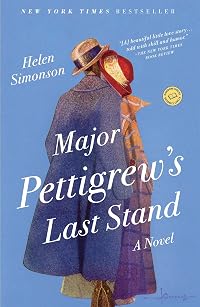
Major Pettigrew's Last Stand
by Helen Simonson
On This Page
Description
Major Ernest Pettigrew (retired) leads a quiet life in the village of St. Mary, England, until his brother's death sparks an unexpected friendship with Mrs. Jasmina Ali, the Pakistani shopkeeper from the village. Drawn together by their shared love of literature and the loss of their respective spouses, the Major and Mrs. Ali soon find their friendship blossoming into something more. But will their relationship survive in a society that considers Ali a foreigner?Tags
Recommendations
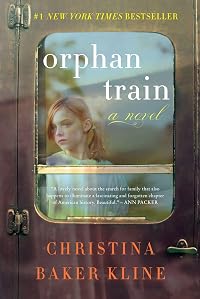
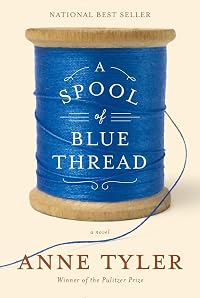
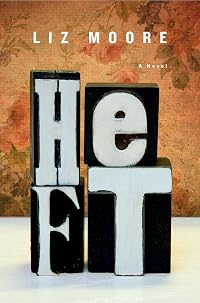
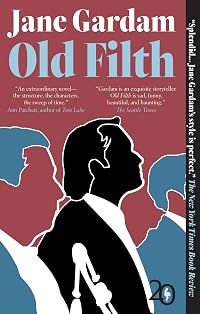
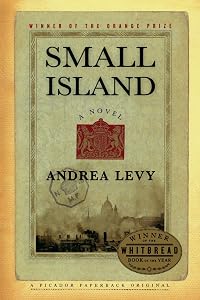
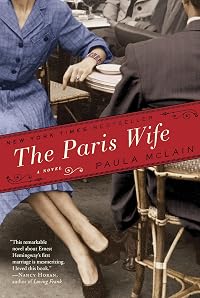
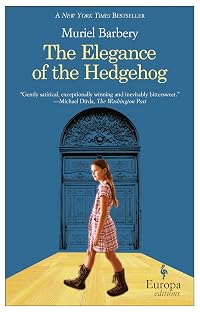
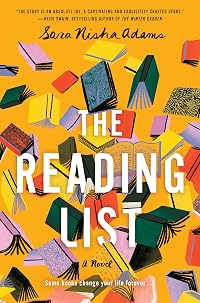

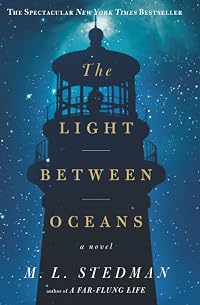
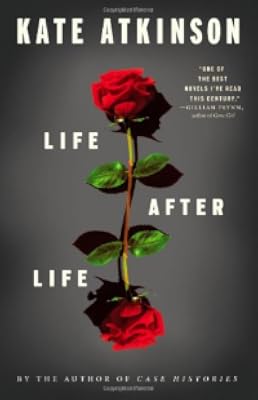
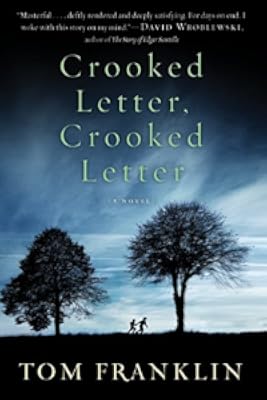

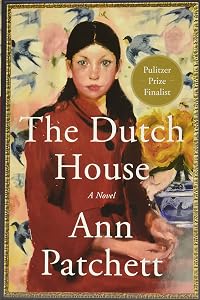
Member Recommendations


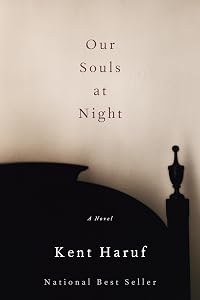
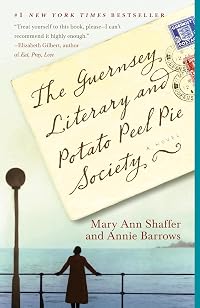
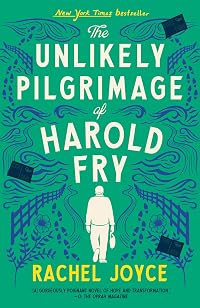
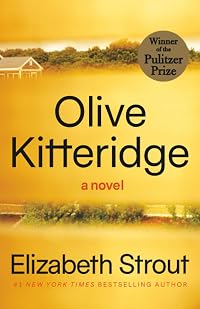
BookshelfMonstrosity Readers will enjoy White Teeth and Major Pettigrew's Last Stand for their character development and humor, along with lighthearted treatment of serious topics such as race relations, religious fanaticism, self-understanding, and similar aspects of modern English life.
10

anonymous user Although one book takes place in England, and the other on a Canadian First Nation's Reserve, both are humourous reads that include religious differences, cultural differences and historical and current prejudiced perceptions.
Member Reviews
My first impression was of charm but as it moved along, I found a great deal more depth to it. There is a wry and pointed humour, subtly done and very effective. The power I think comes from both using stereotypes and turning them around. Major Pettigrew and Mrs. Ali are not as you would expect on first meeting and their growing friendship is a joy. Other characters are a bit of what you expect, particularly the very odious ones like Daisy and Marjorie and Roger. I must say that it was a pure pleasure to dislike Roger. Within a quite small frame of the story, a great many very powerful truths are pulled out. I enjoyed this immensely, both for the satisfyingly expected turns and the unexpected ones.
Major Pettigrew is an old-fashioned sort of man: stuffy, stiff-upper-lip, and very, very English. He might almost come across as a bit of a comical stereotype, except for the fact that, from the very beginning, he feels incredibly real and individual and human. This novel follows the good Major as he deals with the death of his brother, some messy business about a family heirloom the brother failed to account for in his will, mixed feelings about his social-climber son and his often embarrassingly tasteless neighbors, and, most especially, his friendship with Mrs. Ali, a widowed Pakistani shopkeeper, which is slowly developing into something deeper. Although both his own natural reticence and the painfully clueless racism of their small show more English village make that last thing a little problematic.
I find it hard to put into words just how delightful I found this book. It's warm and perceptive and thoughtful and filled with a wonderfully dry sense of humor, and it made me feel completely and unabashedly romantic, which for me is almost unheard if. It's just lovely. Wholly, utterly lovely. I still have a nice warm glow from reading it. show less
I find it hard to put into words just how delightful I found this book. It's warm and perceptive and thoughtful and filled with a wonderfully dry sense of humor, and it made me feel completely and unabashedly romantic, which for me is almost unheard if. It's just lovely. Wholly, utterly lovely. I still have a nice warm glow from reading it. show less
Reason read: TIOLI challenge. This novel is by British author Helon Simonson and was published 2010. It is at first glance a romantic comedy but it also explores social themes of tradition vs modernity, interracial and cross cultural relationships, prejudice and xenophobia in polite society, and generational conflict and family duty. The two protagonist are Major Pettigrew and Mrs Ali. They both have children who are insensitive and emotionally distant. The Major's son is shallow and ambitious, Mrs. Ali's nephew is caught between culture and family expectations. Considering that it is a debut novel it is fresh and original. The voice an tone is enjoyable and observations sharp and modern. There is an appreciated lack of pastiche. It is show more a new take on the comic English village novel. Of course I do love a story of late life characters and the major is 68 and the Pakistani widow is 10 years younger I think. And while it is a love story and there is one episode the author does not feel the need to give the reader all the private details and I appreciated this. The two elements (romance and the Churchill rifles) are paired perfectly and the subplots feed into one or both of these main lines. The small social slights and misunderstandings build up to the climax. The character driven novel has good pacing with slow build up to the duck hunting and the golf club dinner where the pace accelerates like a train gone off the tracks. The Chekhov gun is handled elegantly. I enjoyed the book both on its cozy level as well as the deeper level of exploring the deeper aspects of the novel. I will give this debut novel 5 stars. Well done! show less
What a revelation! I thoroughly enjoyed this novel: polished, humorous and not afraid to tackle the edgy topic of racism in a sensitive but unapologetic way. It's true that the Major seems to bit too good to be true, Mrs Ali a bit too generous, Roger a bit too selfish and Abdul Wahid a bit too uncompromising, but each is true to himself, makes mistakes and learns from them.
The novel itself is very well-constructed with a good balance of plot and characters. Furthermore, despite some intense scenes, either of feverish romance or deep drama, it never takes itself too seriously. The Major's dry wit, even more than his courage, saves the day.
In this day of sappy romances or frivolous power mongering, this book is a delightful change that show more casts a loving gaze on family, community and friendships. show less
The novel itself is very well-constructed with a good balance of plot and characters. Furthermore, despite some intense scenes, either of feverish romance or deep drama, it never takes itself too seriously. The Major's dry wit, even more than his courage, saves the day.
In this day of sappy romances or frivolous power mongering, this book is a delightful change that show more casts a loving gaze on family, community and friendships. show less
This delightful book featuring older protagonists is part of the small but growing genre known as “romance for wrinklies.”
Major Pettigrew is a very proper and deliciously droll and sardonic widower of 68 in the small village of Edgecombe St. Mary, in Sussex, England. He has just found out he lost his brother to a heart attack, when the proprietress of the village mini-mart, Jasmina Ali, stops by to collect some money he owes. She, a 58-year-old Pakistani widow, lost her husband to a heart attack not long ago, and she ministers kindly and adroitly to the grieving Major. They are able to form an immediate bond because of both having lost their spouses. Major Pettigrew observes how one never quite overcomes this loss:
"‘Yes, she’s show more been gone some six years now,’ he said. ‘Funny really, it seems like both an eternity and the blink of an eye all at the same time.’
‘It is very dislocating,’ she said. Her crisp enunciation, so lacking among many of his village neighbors, struck him with the purity of a well-tuned bell. ‘Sometimes my husband feels as close to me as you are now, and sometimes I am quite alone in the universe,’ she added.”
As they talk, the Major realizes he wants to see Mrs. Ali again, and “whether this might be proof that he was not as ossified as his sixty-eight years, and the limited opportunities of village life, might suggest.” Indeed, his hilariously self-interested son Roger is convinced he is ready for a nursing home.
The Major is constantly contriving ways to spend time with Mrs. Ali, and before long, gets entangled with her family. He also gets an appalling close perspective on what it is like to be a “person of color” living in a narrow-minded village whose inhabitants still remember the racial lessons of colonialism.
He tries to be romantic, with his old-fashioned chivalry running head-on into Mrs. Ali’s sense of realism and sense of humor. After she calls herself “a silly old woman” he says:
"‘My dear Mrs. Ali, I would hardly refer to you as old,’ he said. ‘You are in what I would call the very prime flowering of mature womanhood.’ It was a little grandiose but he hoped to surprise a blush. Instead she laughed out loud at him.
‘I have never heard anyone try to trowel such a thick layer of flattery on the wrinkles and fat deposits of advanced middle age, Major,’ she said. ‘I am fifty-eight years old and I think I have slipped beyond flowering. I can only hope now to dry out into one of those everlasting bouquets.’”
The Major tries to take Mrs. Ali to his country club with him, but it ends up disastrously. It is not without moments of great humor, however, as when the Major fears the wait staff suffers from “some disease of holes in the face” until he figures out that club rules required jewelry be removed from piercings. His commentary about America and Americans sent me into gales of laughter. But after the party, when Mrs. Ali has been repeatedly insulted and she leaves, comes one of the most poignant moments of the book:
"‘Go back to your party, Major,’ she said. ‘You’ll catch cold standing in the dark.’ She hurried down the driveway and as she disappeared, blue dress into deep night, he knew he was a fool. Yet at that moment, he could not find a way to be a different man.”
I’ve only told you about a few of the characters in this book but every one is fabulously drawn, and even the horrid ones are somehow endearing, no doubt because of their sympathetic rendering in the eyes of the Major.
I won’t spoil the ending, but it is so improbable and charming, you won’t want to miss it!
Evaluation: This is an amazingly accomplished effort from a first time novelist. While this book is at heart a romance, it is no “chick” book. It also touches on issues of race relations, urbanization and greed, and the clash of culture and religions. In spite of how serious that may sound, it is a book suffused with humor and the joy of those who refuse to give up living at any stage of their lives. Highly recommended! show less
Major Pettigrew is a very proper and deliciously droll and sardonic widower of 68 in the small village of Edgecombe St. Mary, in Sussex, England. He has just found out he lost his brother to a heart attack, when the proprietress of the village mini-mart, Jasmina Ali, stops by to collect some money he owes. She, a 58-year-old Pakistani widow, lost her husband to a heart attack not long ago, and she ministers kindly and adroitly to the grieving Major. They are able to form an immediate bond because of both having lost their spouses. Major Pettigrew observes how one never quite overcomes this loss:
"‘Yes, she’s show more been gone some six years now,’ he said. ‘Funny really, it seems like both an eternity and the blink of an eye all at the same time.’
‘It is very dislocating,’ she said. Her crisp enunciation, so lacking among many of his village neighbors, struck him with the purity of a well-tuned bell. ‘Sometimes my husband feels as close to me as you are now, and sometimes I am quite alone in the universe,’ she added.”
As they talk, the Major realizes he wants to see Mrs. Ali again, and “whether this might be proof that he was not as ossified as his sixty-eight years, and the limited opportunities of village life, might suggest.” Indeed, his hilariously self-interested son Roger is convinced he is ready for a nursing home.
The Major is constantly contriving ways to spend time with Mrs. Ali, and before long, gets entangled with her family. He also gets an appalling close perspective on what it is like to be a “person of color” living in a narrow-minded village whose inhabitants still remember the racial lessons of colonialism.
He tries to be romantic, with his old-fashioned chivalry running head-on into Mrs. Ali’s sense of realism and sense of humor. After she calls herself “a silly old woman” he says:
"‘My dear Mrs. Ali, I would hardly refer to you as old,’ he said. ‘You are in what I would call the very prime flowering of mature womanhood.’ It was a little grandiose but he hoped to surprise a blush. Instead she laughed out loud at him.
‘I have never heard anyone try to trowel such a thick layer of flattery on the wrinkles and fat deposits of advanced middle age, Major,’ she said. ‘I am fifty-eight years old and I think I have slipped beyond flowering. I can only hope now to dry out into one of those everlasting bouquets.’”
The Major tries to take Mrs. Ali to his country club with him, but it ends up disastrously. It is not without moments of great humor, however, as when the Major fears the wait staff suffers from “some disease of holes in the face” until he figures out that club rules required jewelry be removed from piercings. His commentary about America and Americans sent me into gales of laughter. But after the party, when Mrs. Ali has been repeatedly insulted and she leaves, comes one of the most poignant moments of the book:
"‘Go back to your party, Major,’ she said. ‘You’ll catch cold standing in the dark.’ She hurried down the driveway and as she disappeared, blue dress into deep night, he knew he was a fool. Yet at that moment, he could not find a way to be a different man.”
I’ve only told you about a few of the characters in this book but every one is fabulously drawn, and even the horrid ones are somehow endearing, no doubt because of their sympathetic rendering in the eyes of the Major.
I won’t spoil the ending, but it is so improbable and charming, you won’t want to miss it!
Evaluation: This is an amazingly accomplished effort from a first time novelist. While this book is at heart a romance, it is no “chick” book. It also touches on issues of race relations, urbanization and greed, and the clash of culture and religions. In spite of how serious that may sound, it is a book suffused with humor and the joy of those who refuse to give up living at any stage of their lives. Highly recommended! show less
Major Ernest Pettigrew is literally reeling around his house in shock on the morning his younger brother dies. A knock comes at his door and it is the lady from the village shop--Mrs. Ali. Mrs. Ali is there to collect money for the paper boy, but she takes one look at the Major and decides that someone needs to assist him. She helps him back inside, makes him a hot cuppa, and just listens as the Major begins to work through his grief. She only leaves when she is sure that he's going to be alright. She comes to his rescue again on the morning of his brother's funeral. The Major makes it out to his car in plenty of time to drive to the funeral, even with traffic, but once he gets in the car, he just can't get going. The world starts show more spinning. Mrs. Ali happens by, checks on him, then convinces him to hitch a ride with her.
Once the Major's thoughts stop swirling from all this loss, he starts to think about the kind woman who gave of herself to him so freely in his hour of need. They've talked books, and they've both lost their spouses. He starts to look for reasons to spend time with her, a fact that does not go unnoticed in this small English village.
I absolutely adored this book! It's an easy 4.5 stars. I can't say if it was Peter Altschuler's fabulous narration, the Major's dry wit, or the unexpected relationships that made this book a gem, so it must be the whole package.
The characters are just fantastic. There was so much more to the Major than I expected. I expected some sort of repressed "Right-o, carry on then" kind of bore. To paraphrase another character, the Major isn't bad for an old git. I laughed so many times at his dry one-liners. They were made all the funnier because he mostly said them around people who completely missed them. One wouldn't want to seem impolite, now would one? He has definite ideas about Proper Behavior and the Right Thing to Do, but he's also flexible enough to pursue a relationship with a Pakistani woman. He sees past their obvious differences, ignores all the idiots blabbing on tv about relations with the Middle East, and sees through to the beautiful kindred spirit within. He's also got a big streak of the Knight in Shining Armor.
Mrs. Ali is herself a great character. She is a very independent thinker within a culture where that generally seems to be frowned upon in women. She is resisting her in-laws' attempts to get her out of her village shop and living with them. She loves to drive. She loves to read anything she can get her hands on. She's also willing to do anything for those she loves, which sets up some tension.
The minor characters were great too. For the most part, they weren't as fully dimensional as the Major and Mrs. Ali, but a few had surprising depth considering the amount of attention focused on them. Grace comes to mind. She doesn't get a huge number of pages, but I was cheering for her by the end of her story. She is someone I would like to know. Others had more of a stereotypical role to play. The interfering vicar's wife. The Major's sympathetic friend. The social-climbing immigrants. They filled their roles but they were funny or frustrating. I don't think there was anyone at all that I was indifferent to.
I have to mention the Major's son, Roger. What a jackass. How did the sweet Major produce such a self-absorbed lump of flesh?
Amid all these characters who had me laughing and cheering or booing, the author says some big things. Of course there's the obvious theme of East meets West in a time where we seem to be losing common ground, at least if you listen to the talking heads on tv. There's also family responsibility; issues of class and race in England; village life, as in the small-mindedness of it, the sense of community, and the sadness of the inevitable changes; finding the courage to do what is right; and the dilemma facing the second generation of immigrant families, who often find themselves caught between two worlds. I'm sure there's more that I just can't think of at the moment.
Peter Alschuler was a joy to listen to. I could have listened to his very plummy, proper British English all day long. I hate to admit it, but I generally have to turn on subtitles when we watch British movies; I understood this narrator just fine. His voices were great as well. I was a little startled the first time I heard an American woman's voice coming through my speakers.
I can't recommend this highly enough. It's a feel good read with some surprising depth. If you listen to books at all, grab it on audio. I don't know if I would have enjoyed it quite as much if I had read it in print. show less
Once the Major's thoughts stop swirling from all this loss, he starts to think about the kind woman who gave of herself to him so freely in his hour of need. They've talked books, and they've both lost their spouses. He starts to look for reasons to spend time with her, a fact that does not go unnoticed in this small English village.
I absolutely adored this book! It's an easy 4.5 stars. I can't say if it was Peter Altschuler's fabulous narration, the Major's dry wit, or the unexpected relationships that made this book a gem, so it must be the whole package.
The characters are just fantastic. There was so much more to the Major than I expected. I expected some sort of repressed "Right-o, carry on then" kind of bore. To paraphrase another character, the Major isn't bad for an old git. I laughed so many times at his dry one-liners. They were made all the funnier because he mostly said them around people who completely missed them. One wouldn't want to seem impolite, now would one? He has definite ideas about Proper Behavior and the Right Thing to Do, but he's also flexible enough to pursue a relationship with a Pakistani woman. He sees past their obvious differences, ignores all the idiots blabbing on tv about relations with the Middle East, and sees through to the beautiful kindred spirit within. He's also got a big streak of the Knight in Shining Armor.
Mrs. Ali is herself a great character. She is a very independent thinker within a culture where that generally seems to be frowned upon in women. She is resisting her in-laws' attempts to get her out of her village shop and living with them. She loves to drive. She loves to read anything she can get her hands on. She's also willing to do anything for those she loves, which sets up some tension.
The minor characters were great too. For the most part, they weren't as fully dimensional as the Major and Mrs. Ali, but a few had surprising depth considering the amount of attention focused on them. Grace comes to mind. She doesn't get a huge number of pages, but I was cheering for her by the end of her story. She is someone I would like to know. Others had more of a stereotypical role to play. The interfering vicar's wife. The Major's sympathetic friend. The social-climbing immigrants. They filled their roles but they were funny or frustrating. I don't think there was anyone at all that I was indifferent to.
I have to mention the Major's son, Roger. What a jackass. How did the sweet Major produce such a self-absorbed lump of flesh?
Amid all these characters who had me laughing and cheering or booing, the author says some big things. Of course there's the obvious theme of East meets West in a time where we seem to be losing common ground, at least if you listen to the talking heads on tv. There's also family responsibility; issues of class and race in England; village life, as in the small-mindedness of it, the sense of community, and the sadness of the inevitable changes; finding the courage to do what is right; and the dilemma facing the second generation of immigrant families, who often find themselves caught between two worlds. I'm sure there's more that I just can't think of at the moment.
Peter Alschuler was a joy to listen to. I could have listened to his very plummy, proper British English all day long. I hate to admit it, but I generally have to turn on subtitles when we watch British movies; I understood this narrator just fine. His voices were great as well. I was a little startled the first time I heard an American woman's voice coming through my speakers.
I can't recommend this highly enough. It's a feel good read with some surprising depth. If you listen to books at all, grab it on audio. I don't know if I would have enjoyed it quite as much if I had read it in print. show less
If Barbara Pym and E. F. Benson had produced a literary love child, the offspring would be someone very like Helen Simonson. Writing quality fiction about life in a small English village is challenging but Simonson has talents from both erstwhile parents. She deftly documents both the small-scale drama and the often outrageous humor that can be found in daily village life.
Major Ernest Pettigrew (retired) is a throwback to at least one previous generation, perhaps two. He was born in India to an English military family and is proud of his lineage and place in the village. Now in his 60s he has become somewhat reclusive following the death of his beloved wife. The Pettigrews have lived in St. Mary for several generations, but perhaps the show more village has never looked or felt so different. Developers are carving up the countryside, Pakistanis operate the village shop, Londoners invade the countryside on weekends to inhabit their over-priced cottages, and Major Pettigrew’s own son is among the invaders. The problematic relationship between Pettigrew father and son is one of the most rewarding and most comical in this novel.
An unlikely friendship develops between Major Pettigrew and Mrs. Ali, the shop owner.
The relationship begins with discussions of Kipling and other English authors. It continues to develop while they provide mutual support as Major Pettigrew attempts to deal with the provisions of his brother’s will and Mrs. Ali struggles to negotiate her widow’s place in an extended Pakistani family.
Ms. Simonson is an observant writer and weaves telling detail into the lives of these two main characters and other family members and village residents. Tension builds as the couples’ relationship pushes the bounds of propriety in conservative St. Mary, especially at the local golf club, the apex of St. Mary society. By turns touching and hilarious, the reader finds himself cheering for this unlikely duo as the plot engagingly unfolds to a dramatic climax. It is difficult to believe that this is Ms. Simonson’s first novel. I genuinely look forward to her next endeavor and sincerely hope that she has more to share about Major Pettigrew and Mrs. Ali. show less
Major Ernest Pettigrew (retired) is a throwback to at least one previous generation, perhaps two. He was born in India to an English military family and is proud of his lineage and place in the village. Now in his 60s he has become somewhat reclusive following the death of his beloved wife. The Pettigrews have lived in St. Mary for several generations, but perhaps the show more village has never looked or felt so different. Developers are carving up the countryside, Pakistanis operate the village shop, Londoners invade the countryside on weekends to inhabit their over-priced cottages, and Major Pettigrew’s own son is among the invaders. The problematic relationship between Pettigrew father and son is one of the most rewarding and most comical in this novel.
An unlikely friendship develops between Major Pettigrew and Mrs. Ali, the shop owner.
The relationship begins with discussions of Kipling and other English authors. It continues to develop while they provide mutual support as Major Pettigrew attempts to deal with the provisions of his brother’s will and Mrs. Ali struggles to negotiate her widow’s place in an extended Pakistani family.
Ms. Simonson is an observant writer and weaves telling detail into the lives of these two main characters and other family members and village residents. Tension builds as the couples’ relationship pushes the bounds of propriety in conservative St. Mary, especially at the local golf club, the apex of St. Mary society. By turns touching and hilarious, the reader finds himself cheering for this unlikely duo as the plot engagingly unfolds to a dramatic climax. It is difficult to believe that this is Ms. Simonson’s first novel. I genuinely look forward to her next endeavor and sincerely hope that she has more to share about Major Pettigrew and Mrs. Ali. show less
 This review was written for LibraryThing Early Reviewers.
Members
- Recently Added By
Published Reviews
ThingScore 100
Simonson .. is having a great time with her first novel. She is unsparing in her willingness to send up her characters and their little village, and she is often downright funny – that intelligent kind of funny that catches readers by surprise and makes them re-read a sentence several times to figure out how the author managed to make them laugh out loud so unexpectedly.The book is almost show more always pitch-perfect in its demonstration of how ridiculous our small ignorances can be – and how magnificent we are when we rise above them. show less
added by vancouverdeb
This thoroughly charming novel wraps Old World sensibility around a story of multicultural conflict involving two widowed people who assume they're done with love. The result is a smart romantic comedy about decency and good manners in a world threatened by men's hair gel, herbal tea and latent racism..When depicted by the right storyteller, the thrill of falling in love is funnier and sweeter show more at 60 than at 16. The stakes are higher, after all, and the lovers have stored up decades of peculiarities and anxieties show less
added by kgodey
As with the polished work of Alexander McCall Smith, there is never a dull moment but never a discordant note either. Still, this book feels fresh despite its conventional blueprint. Its main characters are especially well drawn, and Ms. Simonson makes them as admirable as they are entertaining. They are traditionally built, and that’s not just Mr. McCall Smith’s euphemism. It’s about show more intelligence, heart, dignity and backbone. “Major Pettigrew’s Last Stand” has them all. show less
added by Shortride
Lists

Fiction Featuring Cranky, Eccentric Old Folks
80 works; 35 members

Recommend the 20 best books you've read in the last five years
2,168 works; 606 members

Top Five Books of 2013
1,562 works; 715 members

wilfully eccentric little england (cosy read novels, england)
45 works; 15 members

Best 21st Century Books (So Far)
670 works; 85 members

Top Five Books of 2021
604 works; 181 members

Top Five Books of 2018
802 works; 264 members

Recommended books
6 works; 4 members

the old and the restless
62 works; 14 members

Books Read in 2014
2,343 works; 89 members

A Novel Cure
742 works; 23 members

Books Read in 2015
3,299 works; 129 members

Favorite Audiobooks Listened to in 2011
33 works; 11 members
Contemporary Fiction
109 works; 7 members

Spring Books
12 works; 2 members

Indie Next Picks
196 works; 4 members

Carole's List
445 works; 13 members

Books Set in Small Towns and Villages
278 works; 16 members

Great Audiobooks
96 works; 10 members

Llibres que he llegit el 2022
32 works; 1 member

Books To Get From The Library
115 works; 5 members
First Novels
373 works; 17 members

Best Quirky Books
10 works; 3 members
Books Read in 2011
684 works; 20 members

Books Read in 2012
816 works; 34 members

To Read
29 works; 2 members

Biggest Disappointments
606 works; 163 members

Books to Read
95 works; 2 members
Best Audiobooks
240 works; 114 members

Books Read in 2025
4,091 works; 97 members

Books We Discovered On LibraryThing
530 works; 130 members
Author Information

3+ Works 8,888 Members
Helen Simonson was born in England, lived many years in Brooklyn, N.Y. and currently resides in the Washington, D.C. area. Simonson's literary inspirations include Virginia Woolf and Henry James. Her novels, Major Pettigrews Last Stand and The Summer Before the War, are New York Times Bestsellers. (Bowker Author Biography)
Some Editions
Awards and Honors
Awards
Distinctions
Notable Lists
Work Relationships
Is abridged in
Has as a student's study guide
Common Knowledge
- Canonical title
- Major Pettigrew's Last Stand
- Original title
- Major Pettigrew's Last Stand
- Alternate titles*
- Posledniĭ boĭ maĭora Pettigri︠u︡
- Original publication date
- 2010-03-02
- People/Characters
- Major Ernest Pettigrew; Jasmina Ali; Roger Pettigrew; Sandy Dunn; Bertie Pettigrew; Marjorie Pettigrew (show all 22); Abdul Wahid Ali; Nancy Pettigrew; Ahmed Ali; Lord Dagenham; Frank Ferguson; Alice Pierce; Grace DeVere; Daisy Green; Alma Shaw; Father Christopher; Alec Shaw; Hugh Whetstone; Mortimer Teale; Najwa Rasool; Saadia Khan; Mrs Augerspier
- Important places
- Edgecombe St. Mary, Sussex, England, UK; England, UK; Sussex, England, UK
- Related movies
- Major Pettigrew's Last Stand (???? | IMDb)
- Dedication
- For John, Ian and Jamie
- First words
- Major Pettigrew was still upset about the phone call from his brother's wife and so he answered the doorbell without thinking.
- Quotations
- He finished his tea and rose from the table to go to his room. "But I must ask you, do you really understand what it means to be in love with an unsuitable woman?" "My dear boy," said the Major. "Is there really any other kin... (show all)d?"
"Careful, careful," he said, feeling a splash of scalding tea on his wrist. "Passion is all very well, but it wouldn't do to spill the tea."
Too few people today appreciate and pursue the delights of civilized culture for their own sake.
The stems were as unpleasant as rusty wire and the leaves curled and crisped, but the flowers, as big as tea plates, shone like claret-colored velvet against the old brick wall. (P. 110) ISBN 978-0-8129-8122-3
"The world is full of small ignorances," said a quiet voice ... "We must all do our best to ignore them and thereby keep them small, don't you think?" - Last words
- (Click to show. Warning: May contain spoilers.)"Mrs. Ali," he said, delighting in using her name one last time, "shall we go forth and get married?"
- Publisher's editor*
- Anchor Canada
- Blurbers
- Strout, Elizabeth; Schine, Cathleen; Dahl, Sophie; Smith, Alexander McCall
- Original language*
- Engels
*Some information comes from Common Knowledge in other languages. Click "Edit" for more information.
Classifications
Statistics
- Members
- 6,314
- Popularity
- 1,951
- Reviews
- 491
- Rating
- (3.96)
- Languages
- 24 — Bulgarian, Czech, Danish, Dutch, English, French, German, Hungarian, Italian, Korean, Norwegian (Bokmål), Norwegian, Polish, Romanian, Russian, Serbian, Croatian, Spanish, Swedish, Turkish, Portuguese (Portugal), Portuguese (Brazil), Chinese, traditional, English (UK)
- Media
- Paper, Audiobook, Ebook
- ISBNs
- 60
- ASINs
- 40
