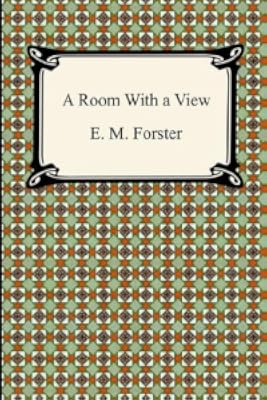
A Room with a View
by E. M. Forster
On This Page
Description
A Room with a View is a romance and a social critique of Edwardian society. A young woman is chaperoned to Italy by her bitter aunt. There she meets an intriguing, but eccentric young man. Back in England she finds herself respectably engaged to a proper gentleman, but is thrown into a muddle when her young man from Italy moves to her English town. The novel celebrates the chaotic, unsure muddle of feelings over a kind of lifeless acceptance of the way things are..
Tags
Recommendations

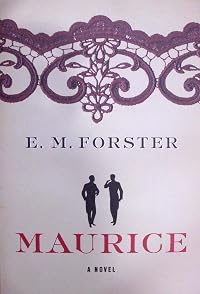



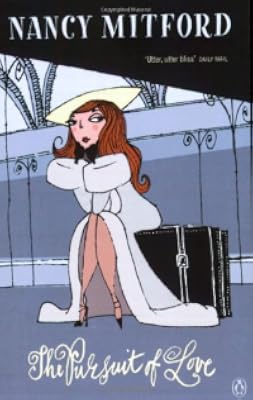
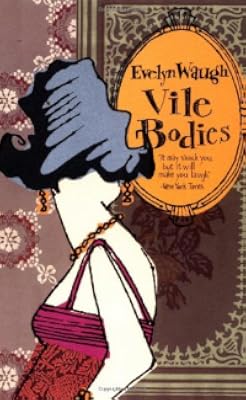
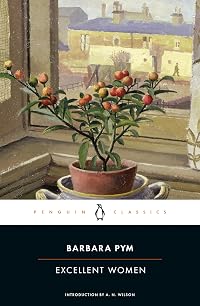
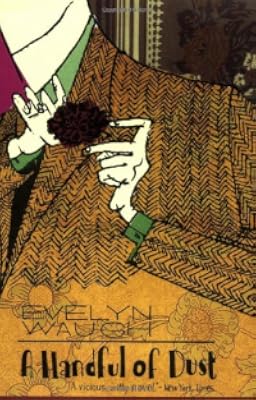
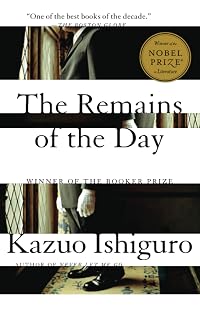
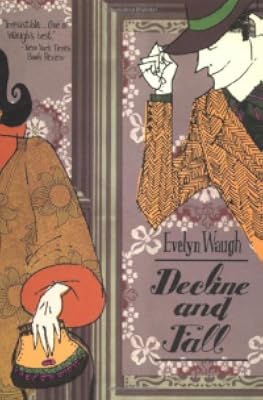
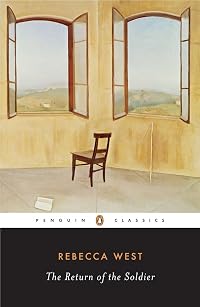
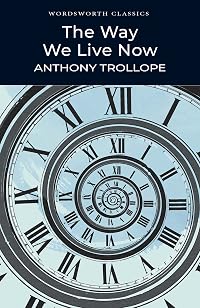

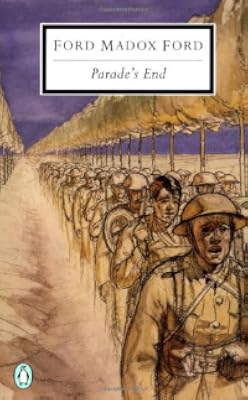
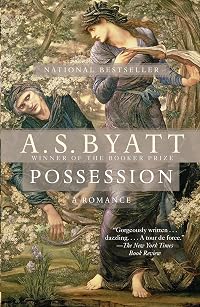
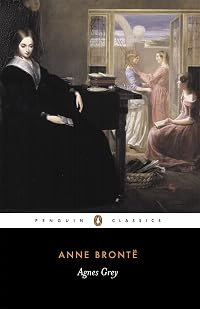
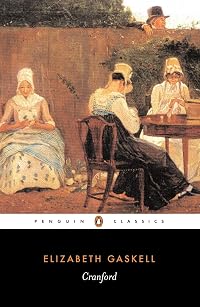



Member Recommendations
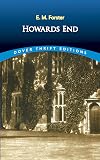
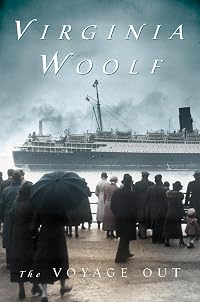
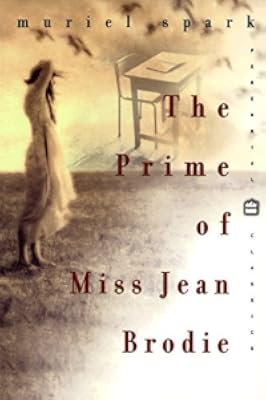
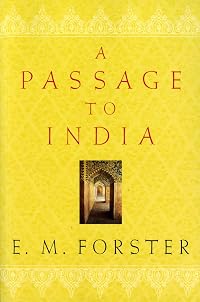
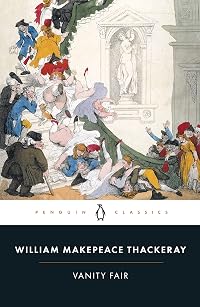
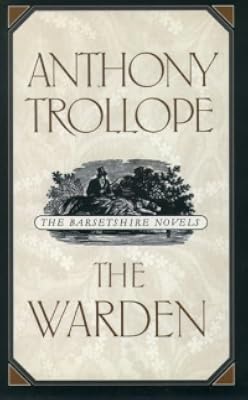
sturlington Where A Room with a View is comedy, Howards End is tragedy.
40

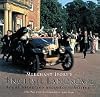
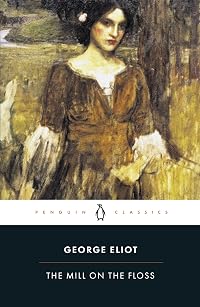
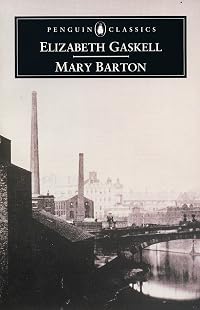
carlym [Merchant Ivory's English Landscape] includes quite a few photos from the movie version of [A Room with a View].
31
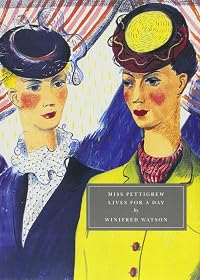
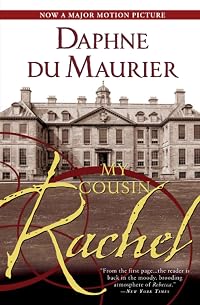
StarryNightElf Two ladies travel in Europe during the Edwardian Era.
10

Member Reviews
Slighter than Forster's later work, this still-engaging story covers similar ground. It investigates how the social mores of turn-of-century England ran contrary to the exchange of human emotions and equality among classes. Lucy is a young lady being chaperoned on a trip through Italy. She chafes against the oversight when romance blooms between herself and a young man from her country. Back home, she's confronted with falling back on her own resources to figure out the morality of her feelings. The plot thickens when she becomes engaged to another man.
The finest accomplishment here is Forster's accurate capturing of the feeling of being engaged to the wrong person. Lucy reads her unease as a personal failing, something she needs to show more correct in herself. Any longing she feels for an escape, an alternative, she also rationalizes away. Pressure to marry the right person in the eyes of others clashes with personal desire, and her struggle exhibits all the inner turmoil of a real person in this situation. The only portion I doubted was her final decisiveness, but in this George acts as her catalyst, arranging her thoughts for her. Which is a bit ironic when you think about what she says to Cecil, but then I suppose they really were her thoughts, they were just in a muddle.
Mr. Emerson's chapter towards the end ought to be framed in a gallery of Greatest Discourses on Love of All Time. show less
The finest accomplishment here is Forster's accurate capturing of the feeling of being engaged to the wrong person. Lucy reads her unease as a personal failing, something she needs to show more correct in herself. Any longing she feels for an escape, an alternative, she also rationalizes away. Pressure to marry the right person in the eyes of others clashes with personal desire, and her struggle exhibits all the inner turmoil of a real person in this situation. The only portion I doubted was her final decisiveness, but in this George acts as her catalyst, arranging her thoughts for her. Which is a bit ironic when you think about what she says to Cecil, but then I suppose they really were her thoughts, they were just in a muddle.
Mr. Emerson's chapter towards the end ought to be framed in a gallery of Greatest Discourses on Love of All Time. show less
Lucy Honeychurch and her cousin Charlotte are visiting Florence when they meet Mr Emerson and his son. Later in England, when they encounter the Emersons again, they both have private reasons for wanting to avoid them.
I was delighted by much of this; it is astutely observant and gently humorous. Much ado is made over a kiss, which is baffling from a modern perspective, but I suspect this not only reflects attitudes common at the time but that Forster is intentionally showing that his characters are being a bit ridiculous.
I would be even more enthusiastic if the final chapters had not unfolded as they did. There’s an irritating scene where a man lectures Lucy, telling her what she should do. His motives aren’t unsympathetic, and his show more advice isn’t unreasonable -- but it is uninvited and he persists even when she becomes obviously upset. Moreover, the story then jumps in time, skipping over Lucy deciding what to do next and how she goes about it. I’m pleased with the final result, but why must you diminish her agency like that?
It is obvious enough for the reader to conclude, “She loves young Emerson.” A reader in Lucy’s place would not find it obvious. Life is easy to chronicle, but bewildering to practice, and we welcome “nerves” or any other shibboleth that will cloak our personal desire. She loved Cecil; George made her nervous; will the reader explain to her that the phrases should have been reversed? show less
I was delighted by much of this; it is astutely observant and gently humorous. Much ado is made over a kiss, which is baffling from a modern perspective, but I suspect this not only reflects attitudes common at the time but that Forster is intentionally showing that his characters are being a bit ridiculous.
I would be even more enthusiastic if the final chapters had not unfolded as they did. There’s an irritating scene where a man lectures Lucy, telling her what she should do. His motives aren’t unsympathetic, and his show more advice isn’t unreasonable -- but it is uninvited and he persists even when she becomes obviously upset. Moreover, the story then jumps in time, skipping over Lucy deciding what to do next and how she goes about it. I’m pleased with the final result, but why must you diminish her agency like that?
It is obvious enough for the reader to conclude, “She loves young Emerson.” A reader in Lucy’s place would not find it obvious. Life is easy to chronicle, but bewildering to practice, and we welcome “nerves” or any other shibboleth that will cloak our personal desire. She loved Cecil; George made her nervous; will the reader explain to her that the phrases should have been reversed? show less
An immaculately written little book, full of mocking the comfortable class in the British society in the beginning of the previous century. One has to take it in the historical context however. If you read with the contemporary set of principles as your valuation metrics, this will fail miserably on most counts.
The language is exquisite, it is an improvement on Dickens, if that is at all possible. It may even be an improvement on George Eliot in some aspects. The construction of the novel is where the weakness lies in my humble opinion. The trajectory is clear from early on and this trajectory is never in doubt. The way we finally arrive at the destination is unnecessary melodramatic. Those two final chapters could conceivably prompt an show more annoyed reader to slam a one-star rating. show less
The language is exquisite, it is an improvement on Dickens, if that is at all possible. It may even be an improvement on George Eliot in some aspects. The construction of the novel is where the weakness lies in my humble opinion. The trajectory is clear from early on and this trajectory is never in doubt. The way we finally arrive at the destination is unnecessary melodramatic. Those two final chapters could conceivably prompt an show more annoyed reader to slam a one-star rating. show less
Reread-Started as a 5-star, and absolutely remains a 5-star. I have only one nit to pick, and for me that is pretty amazing. Said nit: Why does Cecil suddenly become human, and not just human but certifiably humble, after Lucy shares her reasons for ending the engagement? Okay, back to work. I do not doubt that I will be thinking about this issue all day despite back-to-back meetings that actually require my focused participation. Full rtf
Back for the review --
It is easy to forget E.M. Forster was a radical, but he most definitely was. He hung out with Virginia Woolf, he was (obliquely) public about being a homosexual at a time when that was a dangerous choice, he championed gender equality, and he rejected the strictures of upper crust show more British life in theory if not always in practice. His chafing under societal pressures is so central not just to this book, but to his next, the beautiful Howard's End, and the frustrating and touching Maurice. When I read this in my 20's I don't think I realized how revolutionary some of this was. That may be in part because discussion about the rights of workers and women gets mashed up with overly romantic somewhat nauseating messaging about how love is the answer to all things. Anyway, reading this many years later I was astonished by how ahead of its time much of this was. George says that the future must be one in which men and women are equal. This is really quite shocking. More shocking though is the subtle way in which Forster conveys Mr. Beebe's homosexuality, and hints at Cecil's in the early part of the last century. Most shocking perhaps is Lucy's rejection of money and family to run off and find passion with a socialist aesthete. Could anything have been a more clear rejection of the tenets of 1920's British mores? And Forster makes the reader feel good about all this, casting the horrid Charlotte and the effete Cecil as the exemplars of things proper and English and casting the sweet, shy, depressive George and his loving and defiantly innocent father as the exemplars of modern thinking. How could anyone root for Charlotte and Cecil in that matchup?
I know this is primarily a love story, passion over propriety and all that. I love a love story, but honestly reading this as just a love story it doesn't really do it for me. There is, literally, not a single conversation or interaction between George and Lucy that would indicate why he loves her. It is hormones. At least Cecil loved her for her music. George thought her beautiful most definitely and in need of his protection (to save her from ugliness like the blood covered postcards) but they never exchange any other information. Lucy loves him in part for his awkward decency shown in the ceding of his rooms and their view and the postcard incident, and for his honesty and spontaneity in expressing his feelings, and hormones too. There is something there, but George, no. There is not a lot to root for when boiled down to romance. Luckily the book is so much more than that. It is a wonderful and witty slice of life, it is a call for a new day in England, it is an ode to Forster's beloved Italy, and it is a coming of age story (as regards Lucy.) A joy to (re)read. But yeah, I still don't get how the scales fell from Cecil's eyes. I really want to understand that better. show less
Back for the review --
It is easy to forget E.M. Forster was a radical, but he most definitely was. He hung out with Virginia Woolf, he was (obliquely) public about being a homosexual at a time when that was a dangerous choice, he championed gender equality, and he rejected the strictures of upper crust show more British life in theory if not always in practice. His chafing under societal pressures is so central not just to this book, but to his next, the beautiful Howard's End, and the frustrating and touching Maurice. When I read this in my 20's I don't think I realized how revolutionary some of this was. That may be in part because discussion about the rights of workers and women gets mashed up with overly romantic somewhat nauseating messaging about how love is the answer to all things. Anyway, reading this many years later I was astonished by how ahead of its time much of this was. George says that the future must be one in which men and women are equal. This is really quite shocking. More shocking though is the subtle way in which Forster conveys Mr. Beebe's homosexuality, and hints at Cecil's in the early part of the last century. Most shocking perhaps is Lucy's rejection of money and family to run off and find passion with a socialist aesthete. Could anything have been a more clear rejection of the tenets of 1920's British mores? And Forster makes the reader feel good about all this, casting the horrid Charlotte and the effete Cecil as the exemplars of things proper and English and casting the sweet, shy, depressive George and his loving and defiantly innocent father as the exemplars of modern thinking. How could anyone root for Charlotte and Cecil in that matchup?
I know this is primarily a love story, passion over propriety and all that. I love a love story, but honestly reading this as just a love story it doesn't really do it for me. There is, literally, not a single conversation or interaction between George and Lucy that would indicate why he loves her. It is hormones. At least Cecil loved her for her music. George thought her beautiful most definitely and in need of his protection (to save her from ugliness like the blood covered postcards) but they never exchange any other information. Lucy loves him in part for his awkward decency shown in the ceding of his rooms and their view and the postcard incident, and for his honesty and spontaneity in expressing his feelings, and hormones too. There is something there, but George, no. There is not a lot to root for when boiled down to romance. Luckily the book is so much more than that. It is a wonderful and witty slice of life, it is a call for a new day in England, it is an ode to Forster's beloved Italy, and it is a coming of age story (as regards Lucy.) A joy to (re)read. But yeah, I still don't get how the scales fell from Cecil's eyes. I really want to understand that better. show less
Without a Baedeker, indeed. That nightmare of every conventional tourist overtakes the deliciously-named Lucy Honeychurch on her first outing in Florence. Her companion, an outlandish spinster novelist, Miss Lavish (yes, Forster does overdo it a bit with naming—but to my taste, with good effect), runs off with the indispensable guide book. From that point on, the grand tour of Lucy, an English maiden with inchoate stirrings suggesting there is something more to life, goes off-script.
Lucy is not fully formed. Throughout the book, she tends to borrow the opinions of the last person she was with whenever she tries to voice her own. Only when she sits at the piano does she express, perhaps inadvertently, the depths of possibility within show more her. The point is humorously made by another guest at the Pension Bertolini, Mr. Beebe. She fascinates him (he is one of many who would like to mold her to his ideal). When she embarks on a dubious outing (still without the reassuring guidance of a Baedeker), he ascribes it to “too much Beethoven.”
Beebe is that classic stock figure of British fiction, a vicar. True to form, he does at times add a comic note, yet he seems the most humane and sensible person in the group at other times. Early on, Lucy remarks: “He seems to see the good in everyone. No one would take him for a vicar.” One vicar is standard in a British comedy; Forster doubles this by adding another, Mr. Eager. He has installed himself in Florence, where he shows tourists the sights, glorying in medievalism (as yet untainted by the Renaissance), exemplified by the Giotto frescoes, “untroubled by the snares of anatomy and perspective.”
Eager is what Beebe is not (yet): a pious humbug. Yet he is also more: a fount of slander, which helps generate nearly all the plot complications this slim novel needs. His victim once lived in Brixton, where Eager had a parish before embarking on his current career as a cicerone. The victim’s name is Emerson (no relation, except spiritually, to the American transcendentalist). Emerson, with his son George, is also staying at the pension.
The first part of the book ends when Lucy and her chaperone, her poor relation Charlotte, precipitously decamp for Rome (for reasons I won’t reveal here).
In part two, Lucy has returned to Surrey, where she lives with her widowed mother and her younger brother, Freddy. Lucy, after twice refusing, finally agrees to marry Cyril Vyse (he and his mother had been in Rome). Lucy gamely submits to Cyril’s efforts to mold her until her eyes are opened to what it would be like to be married to him (Vyse/vise, get it?). Just who opens her eyes would probably require a spoiler alert.
One who could have provided the service, but didn’t, is Beebe, who soon recognizes that Cyril shouldn’t marry anyone, least of all a woman. Indeed, celibate characters, male and female, abound in the novel.
A room with a view—that’s a standard request from tourists seeking accommodations. This book opens with a comedy of errors about who gets such a room and who doesn’t. The awkward social transaction (with possible social obligation) of rectifying the situation helps the plot get started.
Yet a room with a view implies more. It is shelter yet lets in light and affords a broader world perspective. It is worth paying attention to scenes involving windows throughout the book: who is near them and whether the drapes are drawn. Fittingly, the final chapter takes place once again in Florence; its title, “The End of the Middle Ages,” expresses the culmination that has been achieved. For Eager isn’t the only one enamored of medieval times. Lucy, in her unformed way, yearned for her own heroic knight. What she gets isn’t exactly that.
I’m a fan of Forster’s books. Perhaps this one isn’t as perfect as Howards End, but it’s an excellent read nonetheless. show less
Lucy is not fully formed. Throughout the book, she tends to borrow the opinions of the last person she was with whenever she tries to voice her own. Only when she sits at the piano does she express, perhaps inadvertently, the depths of possibility within show more her. The point is humorously made by another guest at the Pension Bertolini, Mr. Beebe. She fascinates him (he is one of many who would like to mold her to his ideal). When she embarks on a dubious outing (still without the reassuring guidance of a Baedeker), he ascribes it to “too much Beethoven.”
Beebe is that classic stock figure of British fiction, a vicar. True to form, he does at times add a comic note, yet he seems the most humane and sensible person in the group at other times. Early on, Lucy remarks: “He seems to see the good in everyone. No one would take him for a vicar.” One vicar is standard in a British comedy; Forster doubles this by adding another, Mr. Eager. He has installed himself in Florence, where he shows tourists the sights, glorying in medievalism (as yet untainted by the Renaissance), exemplified by the Giotto frescoes, “untroubled by the snares of anatomy and perspective.”
Eager is what Beebe is not (yet): a pious humbug. Yet he is also more: a fount of slander, which helps generate nearly all the plot complications this slim novel needs. His victim once lived in Brixton, where Eager had a parish before embarking on his current career as a cicerone. The victim’s name is Emerson (no relation, except spiritually, to the American transcendentalist). Emerson, with his son George, is also staying at the pension.
The first part of the book ends when Lucy and her chaperone, her poor relation Charlotte, precipitously decamp for Rome (for reasons I won’t reveal here).
In part two, Lucy has returned to Surrey, where she lives with her widowed mother and her younger brother, Freddy. Lucy, after twice refusing, finally agrees to marry Cyril Vyse (he and his mother had been in Rome). Lucy gamely submits to Cyril’s efforts to mold her until her eyes are opened to what it would be like to be married to him (Vyse/vise, get it?). Just who opens her eyes would probably require a spoiler alert.
One who could have provided the service, but didn’t, is Beebe, who soon recognizes that Cyril shouldn’t marry anyone, least of all a woman. Indeed, celibate characters, male and female, abound in the novel.
A room with a view—that’s a standard request from tourists seeking accommodations. This book opens with a comedy of errors about who gets such a room and who doesn’t. The awkward social transaction (with possible social obligation) of rectifying the situation helps the plot get started.
Yet a room with a view implies more. It is shelter yet lets in light and affords a broader world perspective. It is worth paying attention to scenes involving windows throughout the book: who is near them and whether the drapes are drawn. Fittingly, the final chapter takes place once again in Florence; its title, “The End of the Middle Ages,” expresses the culmination that has been achieved. For Eager isn’t the only one enamored of medieval times. Lucy, in her unformed way, yearned for her own heroic knight. What she gets isn’t exactly that.
I’m a fan of Forster’s books. Perhaps this one isn’t as perfect as Howards End, but it’s an excellent read nonetheless. show less
Every time I try to write a review about this small book something holds me back and I end up writing nothing about it. It has been 5 months since I read this so I will most likely depend the review on my memory of emotions.
I shall start by telling a personal story about that one time when an old lady from church visited my mother's house for some house-to-house prayer related to the Virgin Mary. She greeted me with a "Why are the windows closed?" which I mindlessly answered with "Why should they be opened?". Apparently, she perceived my response as rude while I wondered what was there to see outside these closed windows other than my grandfather's kitchen and cats stretching their bodies along the pavement. As absurd as this story was show more I can't help but make a connection of these windows to E.M. Forster's A Room with a View. Short and semi-sweet. A story of a lady torn between a dull, pretentious man of high class who she did not feel the least bit in love with and another man of lower class without the expected societal upbringing. Like finding a room with a view, it was, for her, a breath of fresh air, this another man, and made her realize that another perspective of things existed. Unfortunately, although it had made some of its point on happiness and the uncertainty of the future amidst the promise of love, the story unfolded much too quick for my taste and left no room for the right kind of development and romance. I honestly would have liked this better if it was longer, polished, more room for love to breathe, blossom, and grow. show less
I shall start by telling a personal story about that one time when an old lady from church visited my mother's house for some house-to-house prayer related to the Virgin Mary. She greeted me with a "Why are the windows closed?" which I mindlessly answered with "Why should they be opened?". Apparently, she perceived my response as rude while I wondered what was there to see outside these closed windows other than my grandfather's kitchen and cats stretching their bodies along the pavement. As absurd as this story was show more I can't help but make a connection of these windows to E.M. Forster's A Room with a View. Short and semi-sweet. A story of a lady torn between a dull, pretentious man of high class who she did not feel the least bit in love with and another man of lower class without the expected societal upbringing. Like finding a room with a view, it was, for her, a breath of fresh air, this another man, and made her realize that another perspective of things existed. Unfortunately, although it had made some of its point on happiness and the uncertainty of the future amidst the promise of love, the story unfolded much too quick for my taste and left no room for the right kind of development and romance. I honestly would have liked this better if it was longer, polished, more room for love to breathe, blossom, and grow. show less
I won’t be protected. I will choose for myself what is ladylike and right. To shield me is an insult.
Preach sister!
Awakenings abound in this fantastic short novel! I loved reading about Lucy's growing conflicting feelings on society's expectations that women are to be protected and informed on how to behave, and her emerging confidence in her own judgement and desire for self determination. I wasn't wooed by the romance in the book. To me, it was Lucy's journey that was captivating. I also absolutely loved the final reveal about a supposedly ‘dreadful frozen Charlotte’. A book filled with sumptuous writing and wonderful symbolism. A must read.
It isn't possible to love and part. You will wish that it was. You can transmute love, show more ignore it, muddle it, but you can never pull it out of you. I know by experience that the poets are right: love is eternal. show less
Preach sister!
Awakenings abound in this fantastic short novel! I loved reading about Lucy's growing conflicting feelings on society's expectations that women are to be protected and informed on how to behave, and her emerging confidence in her own judgement and desire for self determination. I wasn't wooed by the romance in the book. To me, it was Lucy's journey that was captivating. I also absolutely loved the final reveal about a supposedly ‘dreadful frozen Charlotte’. A book filled with sumptuous writing and wonderful symbolism. A must read.
It isn't possible to love and part. You will wish that it was. You can transmute love, show more ignore it, muddle it, but you can never pull it out of you. I know by experience that the poets are right: love is eternal. show less
Members
- Recently Added By
Published Reviews
ThingScore 100
E M Forsters romantext präglas av en oerhört njutbar balans mellan utsagt och outsagt, mellan ytlig elegans och underförstådda referenser till en betydligt dunklare verklighet.
added by andejons
Lists

1001 Books You Must Read Before You Die
1,448 works; 1,132 members

The Guardian's 1000 Novels Everyone Must Read
1,005 works; 547 members

Classics you know you should have read but probably haven't
421 works; 408 members

Read the book and saw the movie
1,170 works; 195 members

Radcliffe's 100 Best Novel of the 20th Century
100 works; 32 members
Best of British Literature
226 works; 41 members

Books Set in Italy
167 works; 19 members

Literature About Social Class
134 works; 19 members

1900s (Decade, not century)
73 works; 17 members
20th Century Literature
1,161 works; 55 members

Female Protagonist
1,056 works; 57 members

Top Five Books of 2013
1,562 works; 715 members

Boarding House and Hotel Fiction
73 works; 25 members
Favourite Books
1,819 works; 316 members
Favorite Coming of Age Novels.
164 works; 51 members

Books I've Read More Than Once
602 works; 49 members
Favorite Literary Love Stories
182 works; 101 members

Best Feminist Literature
188 works; 26 members
Folio Society
831 works; 49 members

Unread books
1,063 works; 82 members

Best Books About Journeys and Quests
117 works; 30 members

Books Set in Great Britain
191 works; 13 members

Best Laugh Out Loud Books
143 works; 49 members

Women's Stories
88 works; 13 members
Love and Marriage
93 works; 10 members

Best Love Stories
107 works; 14 members
LibraryThingers' 1001 Books You Must Read Before You Die
442 works; 30 members

Books Featured on Gilmore Girls
307 works; 21 members

Sense of place
156 works; 13 members
Books tagged favorites
390 works; 30 members
Readable Classics
110 works; 15 members

Summer Reads 2014
207 works; 69 members
Literature About Women and Girls
394 works; 39 members

Novels featuring siblings
133 works; 8 members

Top Five Books of 2018
802 works; 264 members

A Novel Cure
742 works; 23 members
One Book, Many Authors
441 works; 40 members
1,001 BYMRBYD Concensus
723 works; 27 members
Love Triangles in Literature
108 works; 15 members

Books tagged "feel good"
129 works; 20 members

Best books read in 2011
200 works; 50 members

Houses and Buildings as Characters in Fiction
182 works; 28 members
Testing Limits of Added Books
3 works; 1 member

Books Featured on Readers' Review of the Diane Rehm Show
161 works; 8 members

A High School Trip to Italy
55 works; 7 members

Amanda's Guaranteed Books
110 works; 5 members

Books Read in 2014
2,343 works; 86 members

Authors from England
147 works; 4 members

Bibliography for How to be a Heroine
148 works; 12 members

Modernism
140 works; 8 members
Summer Books
82 works; 9 members

Europe
205 works; 6 members

Books Read in 2023
5,547 works; 145 members

Books Read in 2020
4,379 works; 124 members
Overdue Podcast
806 works; 9 members

A's favorite novels
100 works; 3 members

Books set in Firenze (Florence, Italy)
35 works; 1 member

University literature
145 works; 5 members
Five star books
1,755 works; 108 members
Favourite Love Stories
53 works; 1 member
Best Books of the 20th Century
193 works; 5 members

Books We Love to Reread
688 works; 296 members
Books We Want To Read Again For The First Time
384 works; 160 members
Our Favorite Comfort Reads
334 works; 200 members
Favorite Romance Fiction
247 works; 115 members
Modern Library's 100 Best Novels
100 works; 2 members

DigitalDreamDoor top 300
300 works; 4 members

Recommended Reading : 600 Classics Reviewed, Editors of Salem Press, 2015
634 works; 6 members

el
1,139 works; 1 member
The Complete Rory Gilmore Reading List
506 works; 5 members

.
396 works; 1 member
Tagged 20th Century
33 works; 4 members
My TBR
371 works; 3 members
Protagonists - Women
29 works; 2 members

Books Read in 2011
684 works; 19 members

Books Read in 2018
4,360 works; 110 members

Recommend the 20 best books you've read in the last five years
2,168 works; 606 members
Books referenced in A Very Great Profession: The Woman's Novel 1914-39
199 works; 6 members
Best Book and Movie Combos
70 works; 11 members

Tonikat reading completed on Librarything journals
329 works; 2 members

Best books I read in 2013
152 works; 3 members
Most Popular Penguins
70 works; 5 members

Biggest Disappointments
606 works; 164 members
501 Must-Read Books
529 works; 72 members
Best Satire
188 works; 29 members
Talk Discussions
Past Discussions
A Room with a View in Made into a Movie (January 2016)
Author Information

185+ Works 56,898 Members
Edward Morgan Forster was born on January 1, 1879, in London, England. He never knew his father, who died when Forster was an infant. Forster graduated from King's College, Cambridge, with B.A. degrees in classics (1900) and history (1901), as well as an M.A. (1910). In the mid-1940s he returned to Cambridge as a professor, living quietly there show more until his death in 1970. Forster was named to the Order of Companions of Honor to the Queen in 1953. Forster's writing was extensively influenced by the traveling he did in the earlier part of his life. After graduating from Cambridge, he lived in both Greece and Italy, and used the latter as the setting for the novels Where Angels Fear to Tread (1905) and A Room with a View (1908). The Longest Journey was published in 1907. Howard's End was modeled on the house he lived in with his mother during his childhood. During World War I, he worked as a Red Cross Volunteer in Alexandria, aiding in the search for missing soldiers; he later wrote about these experiences in the nonfiction works Alexandria: A History and Guide and Pharos and Pharillon. His two journeys to India, in 1912 and 1922, resulted in A Passage to India (1924), which many consider to be Forster's best work; this title earned the James Tait Black Memorial Prize. Forster wrote only six novels, all prior to 1925 (although Maurice was not published until 1971, a year after Forster's death, probably because of its homosexual theme). For much of the rest of his life, he wrote literary criticism (Aspects of the Novel) and nonfiction, including biographies (Goldsworthy Lowes Dickinson), histories, political pieces, and radio broadcasts. Howard's End, A Room with a View, and A Passage to India have all been made into successful films. (Bowker Author Biography) show less
Some Editions
Awards and Honors
Awards
Notable Lists
Series
Belongs to Publisher Series
New Directions Classics (NC5)
Colecção Mil Folhas (20)
RBA Narrativa Actual (17)
Penguin English Library, 2012 series (2012-09)
A tot vent (251)
Penguin Books (1059)
Work Relationships
Is contained in
Howards End / The Longest Journey / A Room with a View / Where Angels Fear to Tread by E. M. Forster
Howards End / The Longest Journey / The Machine Stops / A Room With A View / Where Angels Fear to Tread by E. M. Forster
Where Angels Fear to Tread / The Longest Journey / A Room With a View / Howards End / A Passage to India by E. M. Forster
Howards End / The Longest Journey / Maurice / A Passage to India / A Room With a View / Where Angels Fear to Tread by E. M. Forster
Penguin Modern Classics: 10 books set Breakfast at Tiffany's, The Day of the Triffids, The Jungle Books, One Flew Over the Cuckoo's Nest, A Room with a View, Goldfinger, A Clockwork Orange, A Kestrel for a Knave, Lolita and Orlando by Penguin
90 Masterpieces You Must Read (Vol.1): Novels, Poetry, Plays, Short Stories, Essays, Psychology & Philosophy by Various
Has the adaptation
Common Knowledge
- Canonical title*
- Een kamer met uitzicht
- Original title
- A Room with a View
- Original publication date
- 1908
- People/Characters
- Lucy Honeychurch; George Emerson; Cecil Vyse; Arthur Beebe; Mr Emerson; Mrs Honeychurch (show all 10); Freddy Honeychurch; Charlotte Bartlett; Eleanor Lavish; Miss Allan
- Important places
- Florence, Tuscany, Italy; Windy Corner (House); Italy; England, UK; Surrey, England, UK
- Important events
- 1900s; Edwardian Era
- Related movies
- A Room with a View (1985 | IMDb); A Room with a View (2007 | IMDb)
- Dedication
- To H.O.M.
- First words
- "The Signora had no business to do it," said Miss Bartlett, "no business at all. She promised us south rooms with a view close together, instead of which here are north rooms, looking into a courtyard, and a long way apart. O... (show all)h, Lucy!"
A Room with a View was published in 1908. (Appendix) - Quotations
- She joined the vast armies of the benighted, who follow neither the heart nor the brain, and march to their destiny by catch-words.
If Miss Honeychurch ever takes to live as she plays [piano], it will be very exciting both for us and for her.
She was like a woman of Leonardo da Vinci, whom we love not so much for herself as for the things that she will not tell us.
There is a certain amount of kindness, just as there is a certain amount of light,” he continued in measured tones. “We cast a shadow on something wherever we stand, and it is no good moving from place to place to save th... (show all)ings; because the shadow always follows. Choose a place where you won’t do harm—yes, choose a place where you won’t do very much harm, and stand in it for all you are worth, facing the sunshine.”
It makes a difference, doesn’t it, whether we fence ourselves in, or whether we are fenced out by the barriers of others?
"My attitude - quite an indefensible on - is that so long as I am no trouble to any one I have a right to do as I like. I know I ought to be getting money out of people, or devoting myself to things I don't care a straw... (show all) about, but somehow, I've not been able to begin."
She thought not so much of what had happened as of how she should describe it.
"Do you suppose there’s any difference between Spring in nature and Spring in man? But there we go, praising the one and condemning the other as improper, ashamed that the same laws work eternally through both."
They were tired, and under the guise of unselfishness they wrangled. (p. 8)
It is difficult -- at least I find it difficult -- to understand people who speak the truth. (p. 13)
He seems to see good in everyone. No one would take him for a clergyman. (p. 14)
...by the side of the everlasting Why there is a Yes -- a transistory Yes if you like, but a Yes. (p. 32)
Without was poured a sea of radiance; within, the glory, though visible, was tempered to the capacities of man. (p. 88)
That there were shops abroad, even in Athens, never occured to them, for they regarded travel as a species of warfare, only to be unertaken by those who have been fully armed at the Haymarket Stores. (p. 203)
Life ... is a public performance on the violin, in which you must learn the instrument as you go along. (p.215) - Last words
- (Click to show. Warning: May contain spoilers.)The song died away; they heard the river, bearing down the snows of winter into the Mediterranean.
(Click to show. Warning: May contain spoilers.)Our hostess was reassured, the ban was lifted, and the Moonlight Sonata shimmered into the desert. (Appendix) - Original language
- English
*Some information comes from Common Knowledge in other languages. Click "Edit" for more information.
Classifications
Statistics
- Members
- 12,598
- Popularity
- 655
- Reviews
- 246
- Rating
- (3.92)
- Languages
- 21 — Catalan, Chinese, Czech, Danish, Dutch, English, Estonian, Finnish, French, German, Hungarian, Italian, Norwegian (Bokmål), Norwegian, Portuguese, Romanian, Russian, Slovenian, Spanish, Swedish, Turkish
- Media
- Paper, Audiobook, Ebook
- ISBNs
- 438
- UPCs
- 2
- ASINs
- 201