On This Page
Description
A young widow opens a chocolate shop in a French village, transforming its normally austere inhabitants into unabashed sensualists. The event coincides with Lent, and the villagers' rejection of traditional self-denial angers the parish priest who declares war. A first novel.Tags
Recommendations
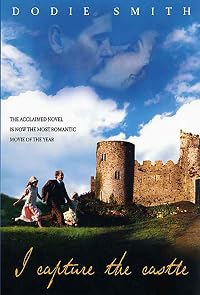

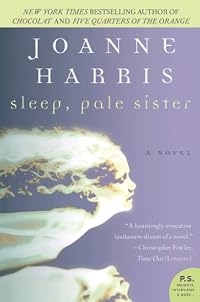
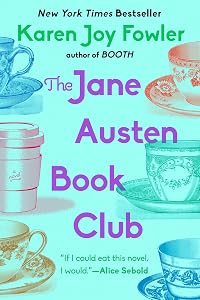
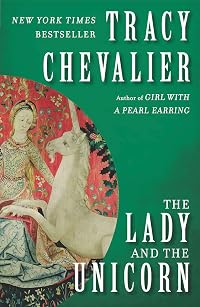
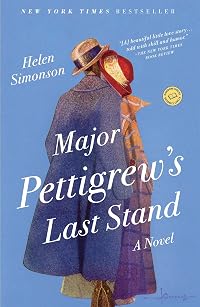
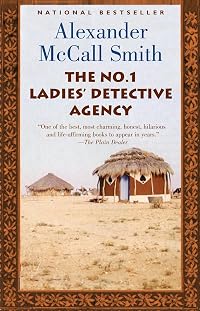
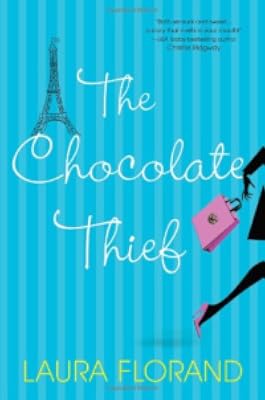
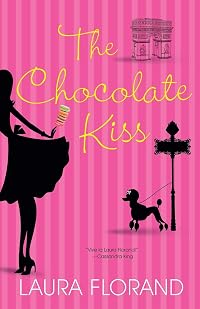



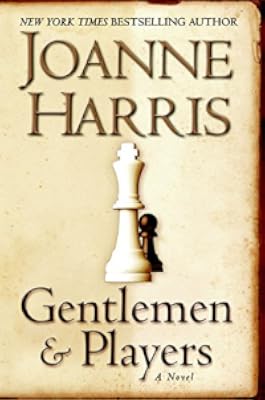
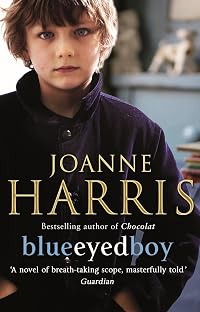
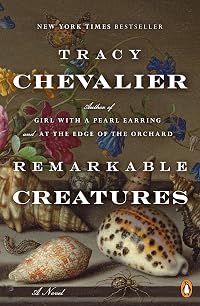
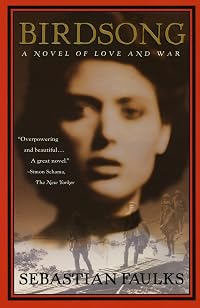

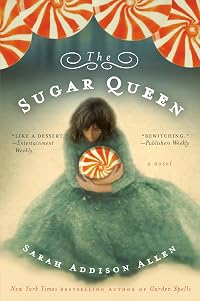
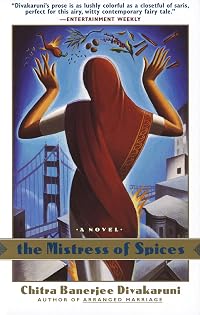



Member Recommendations
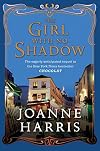


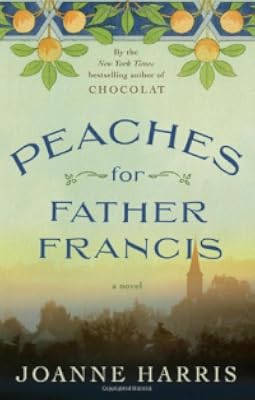
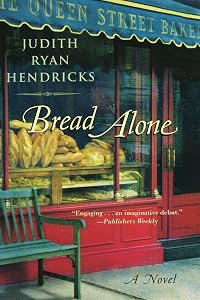
MyriadBooks For those who enjoy exploring a chocolate shop.
by anonymous user

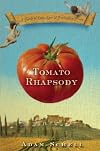
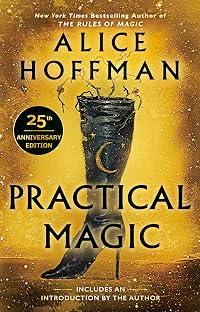
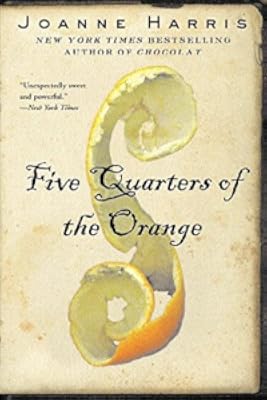
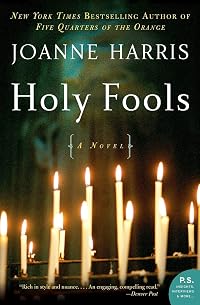
fyrefly98 Another book about the introduction of a particular foodstuff to a resistant small town, with a similar sense of joy to the story and to the writing.
Member Reviews
I loved the movie Chocolat when I was younger, but somehow managed to miss reading the book this entire time, so when I spotted it in a thriftshop I figured why not give it a try? Turns out that that novel is just as magical, whimsical, and comedic as the film - and this is the perfect time of year to read it too! With the winds of March blowing a change of scenery into the world we are swept along to the small French village of Lansquenet, following Vianne Rocher and her daugher as they settle down (for a time) to open a chocolate shop. Small French villages may seem picturesque, but behind their facade lies vicious local gossip, a mistrust of strangers, and more secrets than we know what to do with. Even though we would think that show more Vianne woud have instant popularity due to her friendly nature and delicious chocolately wares, she immediately runs afoul of the judgemental Catholic priest who sees her as a corrupting influence on his "flock." While we can't judge the church for its seemingly traditional and backwards ways, as that is all these small town people know, Vianne's presence sparks a much needed revolution. The moral of the story is pretty blatant - live life and don't judge others for their differences - but we are none the less caught up by the intriguing cast of characters and in the slow burn storytelling that unfolds. A perfectly magical read for spring, as long as one controls their inevitable urge to eat all the chocolate in sight whilst reading! show less
Huzzah! I had to go back in time (1999) to find a novel I somehow have never read in order to recover from a three star slump. Joanne Harris' writing is as delicious as the confection she describes, and the recipe of strong women and magic, whether mystical or culinary, is what I am always seeking in books about witches! Bonus points for not turning Vianne's story into a romance, like most modern novels would do.
I would have to debate the author's claim that there are no villains in the story, however. Yes, both Vianne and Reynaud are hiding dark secrets, but the priest - who becomes the mayor in the film adaptation (cowards) - is not a victim. So what if he saw his predecessor shagging his mother and turned arsonist, killing two show more people - he doesn't learn anything from his adolescent mistakes, but turns in on himself and becomes a psychopath. A fascinating antagonist and flip side to Vianne's generous nature, but only a romance novelist would turn him into a brooding hero. He's a dick.
Creepy priest aside, I loved all of the characters, especially Armande ('Whee!'), brave Josephine and Guillaume (glad he found a new friend). There's a real community feel that is like the dark side of Highbury in Emma for much of the book but finally comes together in the end, thanks to Vianne and Armande.
Beautiful story and delicious food - just what I needed! show less
I would have to debate the author's claim that there are no villains in the story, however. Yes, both Vianne and Reynaud are hiding dark secrets, but the priest - who becomes the mayor in the film adaptation (cowards) - is not a victim. So what if he
Creepy priest aside, I loved all of the characters, especially Armande ('Whee!'), brave Josephine and Guillaume (glad he found a new friend). There's a real community feel that is like the dark side of Highbury in Emma for much of the book but finally comes together in the end, thanks to Vianne and Armande.
Beautiful story and delicious food - just what I needed! show less
This book falls somewhere between 5 stars and an eternal firmament of them. It is definitely the best book I've read this year, and I am only sorry that it has taken so many years to discover it. I saw the film a number of years ago and much as I liked it, I would have to say the book is better, if incredibly different. Don't expect quite the light hearted sense of the cinematic version, however, because you will be disappointed.
In the film, Vianne's antagonist is the mayor; in the book, he is the village priest -- which creates a much more complex and layered exploration of the nature of personal freedom and religious choice than is evident in the film. Having been born, washed and baked in the RC faith, I recognized Vianne's struggle show more for what it was: not a repudiation of the faith, but a wider acceptance of the world, within a personal realm of belief. Once we start discounting other faiths, other belief systems, other races, the world deteriorates into chaos. If we allow ourselves to embrace the "other", then suddenly the world opens an infinite realm of possibilities. Harris handles this topic with incredible perspicuity and lucidity -- so beautifully managed, in fact, that she quite takes my breath away at times with her insight and wisdom.
Quite apart from her sagacity on religion, the book is pure magic. It's a fairy tale, a fable, a morality play all in one. It delivers everything, including the (metaphorical) cherry on top. Harris's words are as delicious as all the mouth watering confections that she allows Vianne to create and I rolled each sentence around in my head with the same enjoyment as any of the villagers experienced her confections! show less
In the film, Vianne's antagonist is the mayor; in the book, he is the village priest -- which creates a much more complex and layered exploration of the nature of personal freedom and religious choice than is evident in the film. Having been born, washed and baked in the RC faith, I recognized Vianne's struggle show more for what it was: not a repudiation of the faith, but a wider acceptance of the world, within a personal realm of belief. Once we start discounting other faiths, other belief systems, other races, the world deteriorates into chaos. If we allow ourselves to embrace the "other", then suddenly the world opens an infinite realm of possibilities. Harris handles this topic with incredible perspicuity and lucidity -- so beautifully managed, in fact, that she quite takes my breath away at times with her insight and wisdom.
Quite apart from her sagacity on religion, the book is pure magic. It's a fairy tale, a fable, a morality play all in one. It delivers everything, including the (metaphorical) cherry on top. Harris's words are as delicious as all the mouth watering confections that she allows Vianne to create and I rolled each sentence around in my head with the same enjoyment as any of the villagers experienced her confections! show less
I watched the movie, Chocolat, several years ago, so I recently decided it was time to read the book. Perhaps I wasn't paying close enough attention when I watched the movie, but I expected something very different when I sat down to read the book. I expected the book to be more... romantic, sensual... Instead I found it to be an exploration of the effects of intolerance. Harris takes the intolerance so rife in our world and concentrates it in one small community showing how limiting we can be when we refuse to see beyond that which we've always been taught. She deftly explores the effects of exclusionary behavior and the harm of not bothering to get to know other people. With the story set around a newcomer who opens a chocolate store show more during Lent and the priest who opposes not only the chocolate shop but her mere presence, the town seems divided down the middle with people willing to blind themselves to other people's pain in order to maintain the status quo of their lives. I'm not sure the book was intended to make me feel sad, but it often did because it so aptly displayed how divisive human beings can be toward one another while wrapping their judgment up in a warped version of religious righteousness or even concern. Chocolat is a thought-provoking, entertaining book with characters that touch the heart and take up residence in one's imagination. show less
A warm February wind brings a stranger and her daughter to the small French town of Lansquenet. The stranger is Vianne Rocher who in no time opens a chocolate shop across from the local Catholic Church. This infuriates Father Reynaud who is positive that Vianne has done this intentionally to lead his parishoners into temptation and to make them break their Lenten fasts. Vianne’s presence and friendship does shake up the sleepy little town, but in ways that not even the fanatical priest can predict. This is a delectable tale, filled with great characters - all of whom seem to have secrets. A marvelous story about the power that comes from striving for happiness, rather than focusing on another’s faults and differences. One of those show more rare books that I was sorry to see come to an end. show less
“Death should be a celebration…Like a birthday. I want to go up like a rocket when my time comes, and fall down in a cloud of stars, and hear everyone go: Ahhhh!”
“Sometimes survival is the worst alternative there is.”
This one had been on my TBR pile for a long time and having never seen the movie, I did not know what to expect. I hear the book is very different to the movie and is, in some ways, darker and less happily ever after. I prefer that, as life isn’t always glitter and rainbows.
The writing was beautiful, as were the food and travel descriptions. However, I was disappointed at the lack of a suitable outcome for the priest. He got away with committing arson and murder. Becoming a priest and not confessing his sins show more (implying them to someone in a coma does not count) did not absolve him of his crimes. The ‘trauma’ of his childhood was also not sufficient to explain his actions. He was depicted as more of a soap-opera style villain than the actual psychopath he truly was. The love-interest element later in the story also did not ring true for me and although there are more books in the series, I don’t think I will be reading them. show less
“Sometimes survival is the worst alternative there is.”
This one had been on my TBR pile for a long time and having never seen the movie, I did not know what to expect. I hear the book is very different to the movie and is, in some ways, darker and less happily ever after. I prefer that, as life isn’t always glitter and rainbows.
The writing was beautiful, as were the food and travel descriptions. However, I was disappointed at the lack of a suitable outcome for the priest. He got away with committing arson and murder. Becoming a priest and not confessing his sins show more (implying them to someone in a coma does not count) did not absolve him of his crimes. The ‘trauma’ of his childhood was also not sufficient to explain his actions. He was depicted as more of a soap-opera style villain than the actual psychopath he truly was. The love-interest element later in the story also did not ring true for me and although there are more books in the series, I don’t think I will be reading them. show less
This book is like a really excellent chocolate.... sweet, complex, a bit bitter, and totally unforgettable. Beautiful Vianne arrives in the small village of Lansquenet-sous-Tannes just as the wind changes and spring begins its slow march toward Easter. The townspeople aren't sure what to make of her, her free-spirited daughter, or their chocolate shop filled with exquisite treats. The parish priest is none too pleased to have her or her tempting indulgences in his little hamlet and he sets his mind to turning the townsfolk away from her. To make his burden in life even more intolerable, he's faced with a group of gypsies who set up their camp on the riverbank and are welcomed by one of the town's oldest residents, Armande, who also show more embraces the chocolate shop and its proprietess. Will the town of Lansquenet-sous-Tannes ever be the same .... and more importantly, should it ever be the same? A delightful story that you won't want to end. show less
Members
- Recently Added By
Lists

Best Contemporary Literary Fiction (Around the Last 30 Years)
400 works; 124 members

Read the book and saw the movie
1,170 works; 195 members

Magic Realism
371 works; 52 members

Recommend the 20 best books you've read in the last five years
2,168 works; 607 members

Female Author
1,234 works; 67 members
Female Protagonist
1,056 works; 57 members

Watched the Movie, Probably Won't Read the Book
185 works; 34 members

1990s
309 works; 17 members

Best Beach Reads
99 works; 61 members

Books About Candy
13 works; 5 members

feasting on fiction
24 works; 5 members

BBC Radio 4 Bookclub
341 works; 13 members

Books Set in Small Towns and Villages
278 works; 16 members

Books Read in 2020
4,379 works; 124 members

Stories set in Western Europe
36 works; 1 member

Food Fiction
24 works; 7 members

unread and uncatalogued
48 works; 1 member

Books to Reread Someday
53 works; 7 members

Books We Want To Read Again For The First Time
384 works; 160 members

Florida
366 works; 3 members

Books Read in 2024
4,727 works; 128 members

Witchy Fiction
253 works; 126 members

Myth (Reuse and Retelling)
188 works; 24 members

A Smorgasbord of Culinary Fiction
221 works; 94 members
Books With Our Favorite First Lines
168 works; 104 members

For the Senses (Fiction)
13 works; 7 members

KayStJ's to-read list
1,616 works; 11 members
BingoDOG - Genre Benders
74 works; 14 members

Makes Me Want to Eat (or Drink)
39 works; 12 members

Favorite French Fiction
140 works; 60 members
Author Information

52+ Works 32,183 Members
Joanne Harris was born in Barnsley, Yorkshire, England on July 3, 1964. She studied Modern and Mediaeval Languages at St Catharine's College, Cambridge. While working as a teacher for fifteen years, she published three novels: The Evil Seed (1989), Sleep, Pale Sister (1993) and Chocolat (1999), which was made into a film starring Juliette Binoche show more and Johnny Depp. Her other works include Blackberry Wine, Five Quarters of the Orange, Coastliners, Holy Fools, The Lollipop Shoes and Runemarks. She also co-wrote two cookbooks with cookery writer Fran Warde: The French Kitchen and The French Market. (Bowker Author Biography) show less
Some Editions
Awards and Honors
Awards
Distinctions
Series

Belongs to Publisher Series
Work Relationships
Is contained in
Has the adaptation
Common Knowledge
- Canonical title*
- Chocolat
- Original title
- Chocolat
- Original publication date
- 1999-03-04
- People/Characters
- Vianne Rocher; Anouk Rocher; Francis Reynaud; Armande Voizin; Josephine Muscat; Paul-Marie Muscat (show all 12); Roux; Luc Clairmont; Caroline Clairmont; Georges Clairmont; Guillaume Duplessis; Julien Narcisse
- Important places
- Lansquenet-sous-Tannes, France
- Related movies
- Chocolat (2000 | IMDb)
- Epigraph*
- Roman over de smaak van liefde
- Dedication
- In memory of my great-grandmother Marie Andre Sorin (1892-1968)
- First words
- We came on the wind of the carnival.
- Quotations
- There is a kind of alchemy in the tranformation of base chocolate into this wise fool's gold, a layman's magic which even my mother might have relished. As I work I clear my mind, breathing deeply. The windows are open, and t... (show all)he through draught would be cold if it were not for the heat of the stoves, the copper pans, the rising vapour from the melting couverture. The mingled scents of chocolate, vanilla, heated copper and cinnamon are intoxicating, powerfully suggestive; the raw and earthy tang of the Americas, the hot and resinous perfume of the rainforest. This is how I travel now, as the Aztecs did in their sacred rituals. The court of Montezuma. Cortez and Columbus. The food of the gods, bubbling and frothing in ceremonial goblets. The bitter elixir of life.
- Last words
- (Click to show. Warning: May contain spoilers.)Hoping that this time it will remain a lullaby. That this time the wind will not hear. That this time — please, just this once — it will leave without us.
- Original language
- English
*Some information comes from Common Knowledge in other languages. Click "Edit" for more information.
Classifications
Statistics
- Members
- 8,342
- Popularity
- 1,331
- Reviews
- 213
- Rating
- (3.81)
- Languages
- 21 — Catalan, Czech, Danish, Dutch, English, Estonian, Finnish, French, German, Greek, Hungarian, Italian, Japanese, Korean, Lithuanian, Polish, Russian, Slovenian, Spanish, Swedish, Portuguese (Portugal)
- Media
- Paper, Audiobook, Ebook
- ISBNs
- 131
- ASINs
- 26