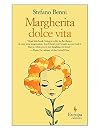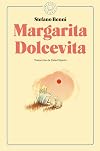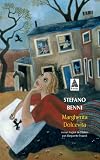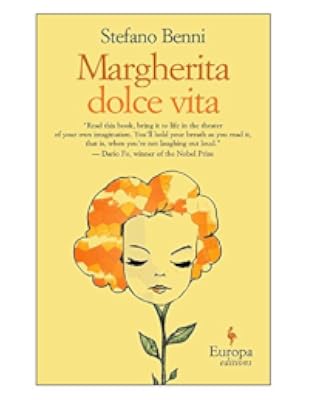
Margherita Dolcevita
by Stefano Benni
On This Page
Description
A stirring picture of the powerful social forces of conformity and consumerism. The crushing weight of black glass and concrete development, TV, aircon and glossy magazine living meets the age-old Italian qualities of eccentricity, good food, tolerance and a love of the countryside and nature. All told through the endearing persona of an overweight high school girl with a defective heart and a love for writing charmingly bad poetry.Tags
Recommendations

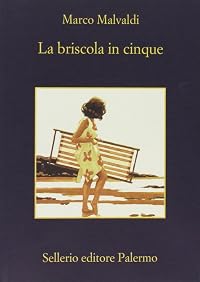
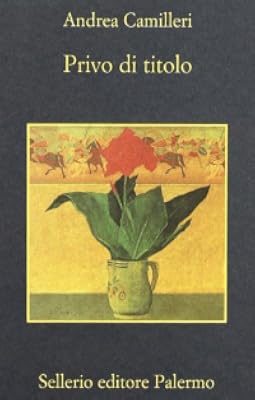
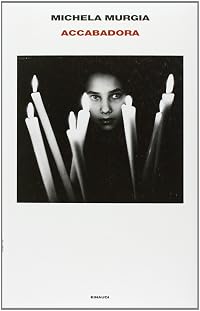
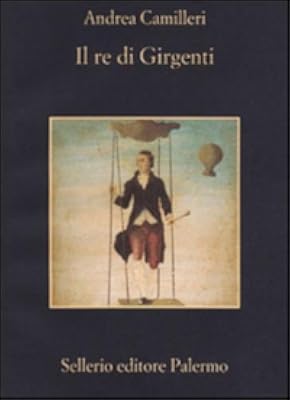




Member Recommendations
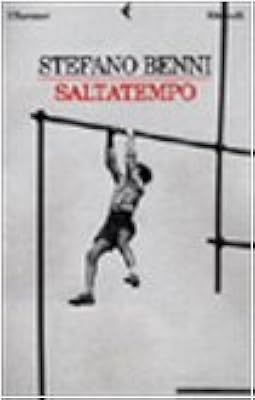
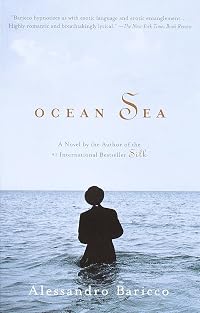
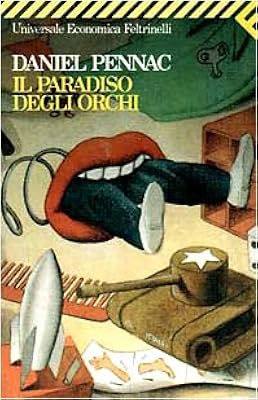
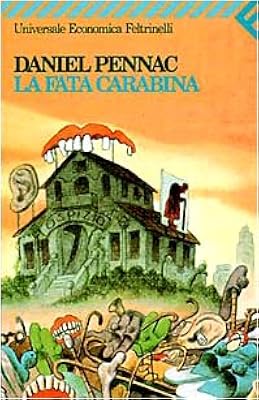
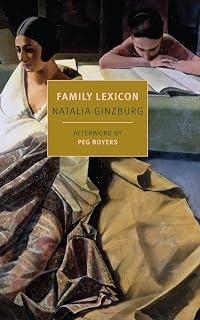
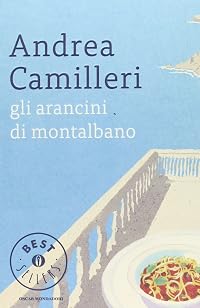
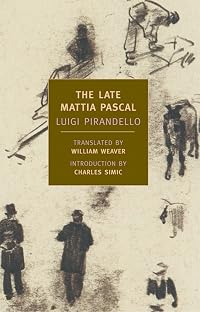
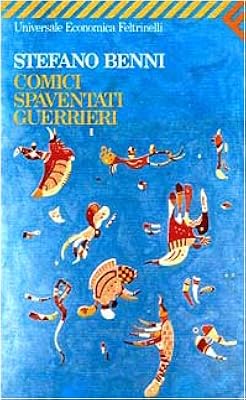
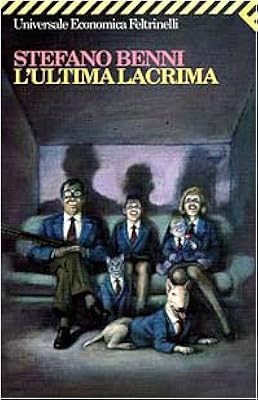
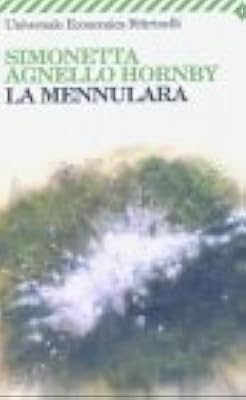
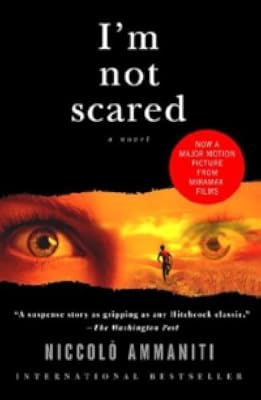
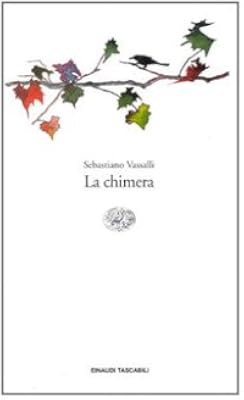
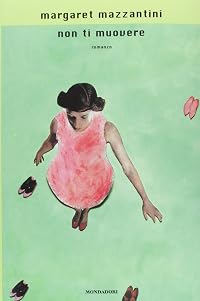
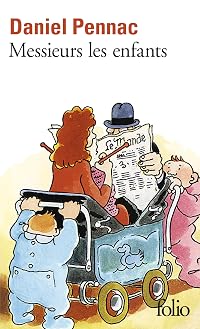
alalba These two novels are narrated from the point of view of young girls. They are written as fables and they are gentle and critical.
Member Reviews
Un po’ una favola tenera ed ecologica, un po’ il solito realismo un po’ deprimente di Benni, molta della sua meravigliosa ironia. In più, un punto di vista nuovo, almeno per il Benni che ho letto io: quello di una quattordicenne. Un po’ romantica, un po’ cinica. Un po’ ribelle, un po’ desiderosa di conformarsi (ma non sono così tutti gli adolescenti?). Un po’ cresciuta, un po’ ancora bambina. E di contorno, tutti i personaggi più strani e benniani che mai, buoni, cattivi, simpatici, antipatici, o solo molto umani, pur nella loro esagerazione.
Insomma, non il mio libro di Benni preferito, ma sempre molto molto bello! Ah, dimenticavo, anche molto molto triste!
http://www.naufragio.it/iltempodileggere/2673
Insomma, non il mio libro di Benni preferito, ma sempre molto molto bello! Ah, dimenticavo, anche molto molto triste!
http://www.naufragio.it/iltempodileggere/2673
[close] You know how sometimes when you want to love a book so much and you just don't? Well I definitely didn't have a problem like that with this book. I LOVED it!
Margherita (dubbed Margherita Dolce Vita by her grandpa, is a 14-year-old girl living with her family in Italy. Her father Fausto is "tall and skinny, and he is meteoropathic, meaning his moods change with the weather". Her mother is Emma, looks "like a used teabag" and "is good as gold, but she has an addiction" which is watching soap operas while smoking imaginary cigarettes. Her eldest brother, Giacinto, is "like a really stupid version of me (Margherita)" and a soccer hooligan. Her younger brother Erminio or Heraclitus "is a ball-busting likable little terrorist genius" show more who also can converse with their grandfather via ESP...or so they both say. Grandfather's name is Socrates has "done it all" and thinks there are so many toxins in the world that to counteract this, he slowly poisons himself throughout the day...example being eating out of date yogurts and water with bleach. And Sleepy, their lovable dog with hysterical narcolepsy.
All is well until the day the Cube is built next to their house. The Cube is a modern mansion and the wealthy neighbors start to integrate themselves into this little family's life. Emma stops cooking and starts doing botox treatments and new hairstyles. Fausto tries implants to hide his balding spot and starts working with the neighbor in their mysterious import/export business. Giacinto falls in love with the spoiled daughter and even converts to another soccer team (the horrors!) because of her. And Erminio is drugged complacent by gifts of video games.
Only Margherita finds it all to be strange and starts to investigate because the happy family she loves is slowly deteriorating. And what type of business are the neighbors really into and why isn't she allowed into her father's shed anymore? Oh, and she develops a crush on their odd son who is a type of rebel and crazy institutionalized person all rolled up into one.
I have to say the writing is hilarious, poignant, rich, and beautiful. Even though it's narrated by a 14-year-old, I wouldn't call this a young adult novel. And the ENDING!!!
Oh! And totally forgot to mention. This is deeply satirical about consumerism and what it's doing to people. I loved that part but it might not be for everyone but I absolutely loved Margherita. show less
Margherita (dubbed Margherita Dolce Vita by her grandpa, is a 14-year-old girl living with her family in Italy. Her father Fausto is "tall and skinny, and he is meteoropathic, meaning his moods change with the weather". Her mother is Emma, looks "like a used teabag" and "is good as gold, but she has an addiction" which is watching soap operas while smoking imaginary cigarettes. Her eldest brother, Giacinto, is "like a really stupid version of me (Margherita)" and a soccer hooligan. Her younger brother Erminio or Heraclitus "is a ball-busting likable little terrorist genius" show more who also can converse with their grandfather via ESP...or so they both say. Grandfather's name is Socrates has "done it all" and thinks there are so many toxins in the world that to counteract this, he slowly poisons himself throughout the day...example being eating out of date yogurts and water with bleach. And Sleepy, their lovable dog with hysterical narcolepsy.
All is well until the day the Cube is built next to their house. The Cube is a modern mansion and the wealthy neighbors start to integrate themselves into this little family's life. Emma stops cooking and starts doing botox treatments and new hairstyles. Fausto tries implants to hide his balding spot and starts working with the neighbor in their mysterious import/export business. Giacinto falls in love with the spoiled daughter and even converts to another soccer team (the horrors!) because of her. And Erminio is drugged complacent by gifts of video games.
Only Margherita finds it all to be strange and starts to investigate because the happy family she loves is slowly deteriorating. And what type of business are the neighbors really into and why isn't she allowed into her father's shed anymore? Oh, and she develops a crush on their odd son who is a type of rebel and crazy institutionalized person all rolled up into one.
I have to say the writing is hilarious, poignant, rich, and beautiful. Even though it's narrated by a 14-year-old, I wouldn't call this a young adult novel. And the ENDING!!!
Oh! And totally forgot to mention. This is deeply satirical about consumerism and what it's doing to people. I loved that part but it might not be for everyone but I absolutely loved Margherita. show less
This is a rather strange book. I really enjoyed the first 90% or so...a very satirical look at consumerism, admixed with a nice dose of conformity, and a dollop of Fascism...all written in a very amusing style from the perspective of an intelligent young girl watching it all happen in her neighborhood.
It lost me a bit in the final 10%. The book's arc is a gentle curve from light-hearted and funny toward somber and funny. However, just before the end, that gentle curve became a screechingly hard turn toward a dark story from which all humor disappeared. I found it jolting and it lessened my enjoyment of the book.
I suspect this is just personal taste rather than a flaw in the writing. I've had this reaction before, often in a certain show more style of European novel, and I've come to the conclusion that it's just a literary manner I haven't learned to appreciate...kind of like liver or sweet potatoes. If you read the blurb and it sounds interesting, give it a try. Benni and Shugaar certainly had me smiling through most of it. show less
It lost me a bit in the final 10%. The book's arc is a gentle curve from light-hearted and funny toward somber and funny. However, just before the end, that gentle curve became a screechingly hard turn toward a dark story from which all humor disappeared. I found it jolting and it lessened my enjoyment of the book.
I suspect this is just personal taste rather than a flaw in the writing. I've had this reaction before, often in a certain show more style of European novel, and I've come to the conclusion that it's just a literary manner I haven't learned to appreciate...kind of like liver or sweet potatoes. If you read the blurb and it sounds interesting, give it a try. Benni and Shugaar certainly had me smiling through most of it. show less
Prima lettura: 2005
Come con leggerezza si può parlare di una tragedia, quella di Margherita e della sua famiglia, ma soprattutto quella di tutti noi, che a furia di voler combattere natura e umanità stiamo diventando mostri plastificati e insensibili, incapaci di vedere la magia della terra, buoni solo come carne da cannoni.
Non il miglior libro di Benni, ma sempre un'ottima lettura, e un diverso modo di approfondire le cose.
Come con leggerezza si può parlare di una tragedia, quella di Margherita e della sua famiglia, ma soprattutto quella di tutti noi, che a furia di voler combattere natura e umanità stiamo diventando mostri plastificati e insensibili, incapaci di vedere la magia della terra, buoni solo come carne da cannoni.
Non il miglior libro di Benni, ma sempre un'ottima lettura, e un diverso modo di approfondire le cose.
This eccentric book follows the protagonist, an even more eccentric teen-age girl, into her investigation of a mysterious, sinister family that has moved next door. The new family, comprised of members echoing from the depths of the Uncanny Valley, are chic and wealthy. They tempt Margherita's family away from their simple, pleasant life in favor of new technology and material things. This is an odd book, and it's difficult to label it with any conventional genre. That's why I adore it.
I would generally be very wary of any novel written in the voice of a 14-year-old girl that is actually penned by a middle-aged man, but this a very amusing satire written by middle-aged Italian, and best-selling author in Italy, Stefano Benni.
Margherita a14 year old child is the narrator of this lighthearted satire. She has a slightly eccentric family which changes very quickly under the influence of their new neighbours, who look like a very successful and ideal family. Of course appearances are deceptive and we discover that they are not really nice and hide some very dangerous secrets. Although the author writes critically about the consumerist society and the hypocrisy of appearances, the novel reads sometimes as a children story, which I found off putting. It is an entertaining story, but it has not inspired me to read anything else by this author. It reminded me of the Simpson family too much, it seemed all a bit too well known.
Members
- Recently Added By
Lists

Italian Literature
558 works; 42 members
Author Information

94+ Works 6,574 Members
Awards and Honors
Awards
Notable Lists
Torchlight List (#168a)
Series
Belongs to Publisher Series
Common Knowledge
- Canonical title*
- Margherita dolcevita
- Original title
- Margherita Dolcevita
- Original publication date
- 2005
- People/Characters
- Margherita; Fausto; Emma; Giancinto; Erminio; Socrates (show all 10); Labella De Benes; Frido De Benes; Lenora De Benes; Angelo De Benes
- Epigraph*
- Dentro un raggio di sole che entra dalla finestra, talvolta vediamo la vita nell'aria.
E la chiamiamo polvere.
Il mondo si divide in:
quelli che mangiano il cioccolato senza pane;
quelli che non riescono a... (show all) mangiare il cioccolato se non mangiano anche il pane;
quelli che non hanno il cioccolato quelli che non hanno il pane.
(Dai detti celebri di nonno Socrate). - First words
- I climbed into bed, and the stars had vanished.
- Last words
- (Click to show. Warning: May contain spoilers.)And I understood that I would never see her again.
- Disambiguation notice
- Original title: Margherita Dolcevita
*Some information comes from Common Knowledge in other languages. Click "Edit" for more information.
Classifications
- Genres
- Fiction and Literature, General Fiction
- DDC/MDS
- 853.914 — Literature & rhetoric Italian, Romanian & related literatures Italian fiction 1900- 20th Century 1945-1999
- LCC
- PQ4862 .E565 .M37 — Language and Literature French, Italian, Spanish and Portuguese literatures Italian literature Individual authors, 1961-2000
- BISAC
Statistics
- Members
- 457
- Popularity
- 66,817
- Reviews
- 12
- Rating
- (3.51)
- Languages
- 7 — Catalan, English, French, Galician, Italian, Slovenian, Spanish
- Media
- Paper, Ebook
- ISBNs
- 12
- ASINs
- 1