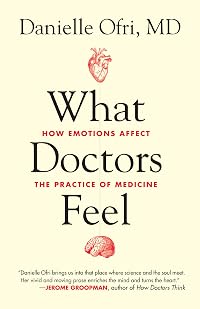
What Doctors Feel: How Emotions Affect the Practice of Medicine
by Danielle Ofri
On This Page
Description
"By shedding light on how doctors cope with the stresses and responsibilities of patients, colleagues, lawyers, and their personal lives, she explains why it is important that patients know how emotions influence the way physicians treat their patients both medically and interpersonally. Exploring the full range of human emotion--from the fear of making a fatal mistake to the pride and elation of triumphing over death, What Doctors Feel allows patients at the other end of the stethoscope to show more have a good listen to the beat of the emotional life behind the white coat."--Beacon Press. show lessTags
Recommendations


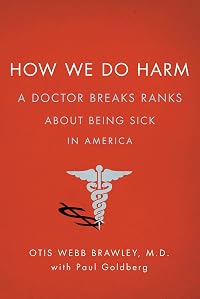
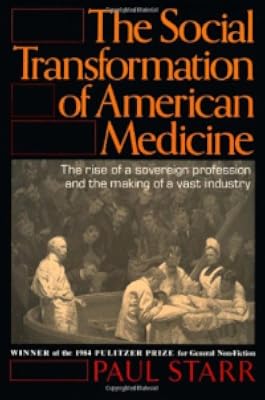
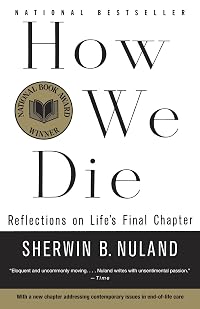
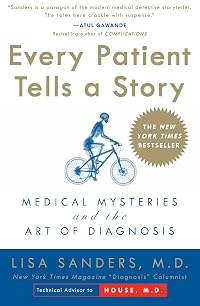

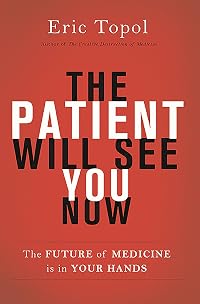
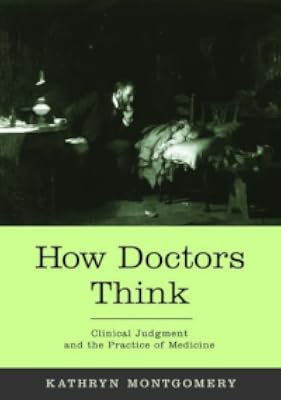
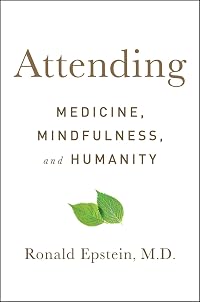
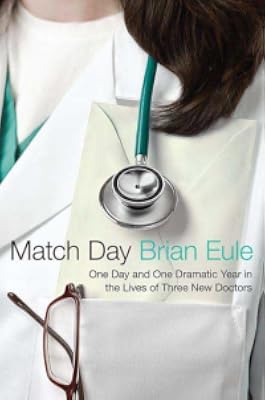


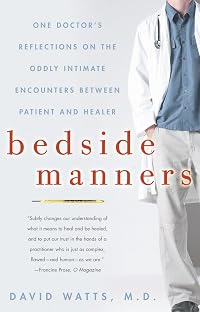
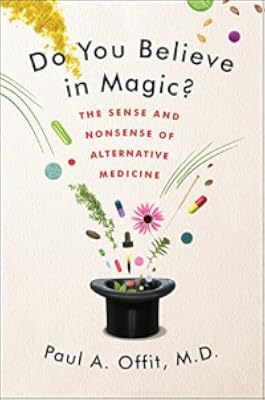

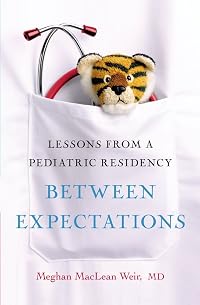
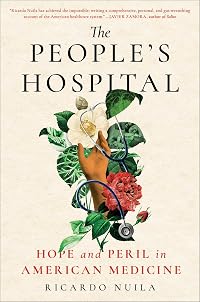
Member Recommendations
fountainoverflows While Marsh's book is ostensibly a collection of stories about experiences with neurosurgery patients, there is a great deal to be gleaned about doctors'--and, in particular, surgeons' emotional states, especially when the diagnosis is very grim.
Member Reviews
This review can also be found on my blog.
What Doctors Feel explores how doctors’ emotions impact both their own lives and the lives of their patients. This isn’t a non-fic where you’ll find yourself getting bored. Dr. Ofri writes conversationally and includes specific examples from her years as a doctor to get her point across. The only downside being that you’ll have to be someone who can stomach hearing about some less-than-pleasant things. I didn’t feel myself losing interest at any point while reading, and found this to be quite a compelling read. I was expecting there to be more of an academic focus, but Dr. Ofri relies fairly heavily on anecdotal storytelling. Make no mistake: she always specifies whether her assertions show more can be backed up by solid research or whether they are yet unexplored hypotheses. This combination helps the reader learn while also being able to tie everything discussed to real-life situations.
High empathy scores predict which students will excel in their clinical clerkships, who will be nominated by their peers for exemplary professionalism, and who will be ranked as highly empathic by residency program directors and by patients themselves.
One thing I found quite fascinating was the differences medical students can experience during their third year of med school. This is the time students spend in clinic, following interns and residents around while learning all they can. This third year can be a roll of the dice and make or break the student’s education as well as influence their path moving forward. Medical students also adjust to the humor used by physicians and in doing so can begin using phrases that phase out empathy -- by making jokes about drug addicts, for instance, instead of empathizing with their difficulties. Indeed, there is a documented decline in empathy at this point in a medical student’s education. While Dr. Ofri is clear to caution that these results are preliminary, studies have shown that patients of doctors with higher empathy scores experience things like better medication compliance, higher quality of life, and even less severe colds.
When continuing into residency, Dr. Ofri shares how there is little to no time for clinicians to process emotional situations. She shares specific instances of doctors who witnessed traumatic deaths without so much as blinking, only to break down later on in the throes of PTSD. Additionally, doctors are driven to strive for perfection. It makes sense after all, patients can die from mistakes. But there is often a dichotomy perceived: either you are a perfect doctor or you are a failure, no grey areas allowed. In the medical field, it is difficult to learn from one’s mistakes without feeling an overwhelming sense of shame and self-doubt -- and shame can prevent someone from coming forward to admit their mistake. Coming forward may be the right thing to do, but studies have also shown that acknowledging and discussing such errors leads to changes in clinicians’ behavior that prevent future mistakes.
Fear, like all emotions, is neither good nor bad; it is simply one of the normal states of being. Overwhelming fear can be incapacitating, as I learned during my first code. But appropriate fear, as I witnessed in my obstetrician, can be crucial for good medical care, especially during critical situations.
Overall, I really enjoyed this read and recommend it to anyone interested in the inner workings of the healthcare industry, particularly where the impact of emotions is concerned. show less
What Doctors Feel explores how doctors’ emotions impact both their own lives and the lives of their patients. This isn’t a non-fic where you’ll find yourself getting bored. Dr. Ofri writes conversationally and includes specific examples from her years as a doctor to get her point across. The only downside being that you’ll have to be someone who can stomach hearing about some less-than-pleasant things. I didn’t feel myself losing interest at any point while reading, and found this to be quite a compelling read. I was expecting there to be more of an academic focus, but Dr. Ofri relies fairly heavily on anecdotal storytelling. Make no mistake: she always specifies whether her assertions show more can be backed up by solid research or whether they are yet unexplored hypotheses. This combination helps the reader learn while also being able to tie everything discussed to real-life situations.
High empathy scores predict which students will excel in their clinical clerkships, who will be nominated by their peers for exemplary professionalism, and who will be ranked as highly empathic by residency program directors and by patients themselves.
One thing I found quite fascinating was the differences medical students can experience during their third year of med school. This is the time students spend in clinic, following interns and residents around while learning all they can. This third year can be a roll of the dice and make or break the student’s education as well as influence their path moving forward. Medical students also adjust to the humor used by physicians and in doing so can begin using phrases that phase out empathy -- by making jokes about drug addicts, for instance, instead of empathizing with their difficulties. Indeed, there is a documented decline in empathy at this point in a medical student’s education. While Dr. Ofri is clear to caution that these results are preliminary, studies have shown that patients of doctors with higher empathy scores experience things like better medication compliance, higher quality of life, and even less severe colds.
When continuing into residency, Dr. Ofri shares how there is little to no time for clinicians to process emotional situations. She shares specific instances of doctors who witnessed traumatic deaths without so much as blinking, only to break down later on in the throes of PTSD. Additionally, doctors are driven to strive for perfection. It makes sense after all, patients can die from mistakes. But there is often a dichotomy perceived: either you are a perfect doctor or you are a failure, no grey areas allowed. In the medical field, it is difficult to learn from one’s mistakes without feeling an overwhelming sense of shame and self-doubt -- and shame can prevent someone from coming forward to admit their mistake. Coming forward may be the right thing to do, but studies have also shown that acknowledging and discussing such errors leads to changes in clinicians’ behavior that prevent future mistakes.
Fear, like all emotions, is neither good nor bad; it is simply one of the normal states of being. Overwhelming fear can be incapacitating, as I learned during my first code. But appropriate fear, as I witnessed in my obstetrician, can be crucial for good medical care, especially during critical situations.
Overall, I really enjoyed this read and recommend it to anyone interested in the inner workings of the healthcare industry, particularly where the impact of emotions is concerned. show less
This was an interesting book to have picked up after reading Brené Brown’s The Gifts of Imperfection; both books touch on the ideas of guilt and shame being different feelings. Guilt is feeling bad about something you did; shame is feeling that you are a bad person. This book is also a precursor to If I Betray These Words, by Wendy Dean and Simon Talbot, which talks about moral injury in medicine and the challenge that physicians face in maintaining empathy reserves in the modern (American) health-care system. Ofri’s experience anchors the book, and the narrative is propelled along by strategically weaving in Julia’s story throughout the book. I appreciate Ofri’s frankness in dealing with her own biases and mistakes, and her show more desire to always do better. That said, the sense I got from these stories is that there is still a great deal of ableism in particular in medicine; the story near the beginning about a man with necrotic ulcers who ended up having to have both his legs amputated made me aghast at how the doctors considered him to appear inhuman. It wasn’t until the man’s wife came in and talked about him as a person that the doctors looked at him differently.
If you’re the sort of person who likes medical memoirs or medicine-related non-fiction, you might like this book. show less
If you’re the sort of person who likes medical memoirs or medicine-related non-fiction, you might like this book. show less
Seven chapters, focusing on "negative" emotions (fear, shame, grief, anger, being overwhelmed)—but structured around experiences, rather than those emotions. The main chapters are interwoven with a story of a long-term patient that Ofri has written about elsewhere (eg, Medicine in Translation). Argues that understanding how emotions affect decision-making, etc—and implementing policies and structural change based on that understanding—is crucial for improving the quality of healthcare (broadly defined). Ofri's care and concern for her patients is clear throughout, but there are also moments when she seems defensive about how/why doctors behave.
Doctors are expected to have a professional demeanor, treating all patients equally and compassionately, without their emotions interfering. But doctors are human beings first and physicians second. They have prejudices. Med school and internship overworks them and burns out their empathy before they ever get their license. Dr. Ofri writes from the perspective of some one who has worked the emergency room in a poor area for some time and she has seen the good and bad sides of what happens when doctor’s emotions guide them.
Common prejudices include those against alcoholics, drug abusers and overweight people, who they feel bring their own problems on themselves. These prejudices can lead to doctors giving these patients less time and show more less thought- even though what they are in the ER for may have nothing to do with their addiction or weight. On the other hand, sometimes doctors come to care very much about patients and move heaven and earth to get them the treatment they need and grieve when they die. A huge source of stress to doctors is the ridiculous amount of paperwork that doctors have to deal with these days; insurance companies demand that doctors justify every test and then deny tests or life changing treatments; that can suck the joy out of anyone. Ofri tells us of how stress reduction programs in hospitals have decreased problems with doctor burnout and lack of empathy- it looks like every hospital needs such a program, especially for doctors who staff the ER.
That part of the book is good. I appreciate seeing things from the other side of the stethoscope; this sort of book can only improve doctor patient relationships. But on the other hand, MDs are idealized in much of the book. Ofri feels that malpractice suits hurt patients as much as they do doctors; I have no idea if this is true. She states that doctor rating sites- sort of like Angie’s list but for MDs- shouldn’t exist because a doctor can get a rating about a bad day they were having and it would drive possible patients away and also hurt self esteem. Sorry, but I don’t buy that. The same could be said of anyone, of any career, who gets rated. Bad ratings are part of the system and, if the rater isn’t a crank, could serve as hints that the doctor has some problems, whether it be with their front office procedures or their bedside manner, which could be improved. The world doesn’t owe anyone blind trust.
All in all, the book is good and useful if somewhat slanted in favor of MDs and a bit disrespectful of patients. show less
Common prejudices include those against alcoholics, drug abusers and overweight people, who they feel bring their own problems on themselves. These prejudices can lead to doctors giving these patients less time and show more less thought- even though what they are in the ER for may have nothing to do with their addiction or weight. On the other hand, sometimes doctors come to care very much about patients and move heaven and earth to get them the treatment they need and grieve when they die. A huge source of stress to doctors is the ridiculous amount of paperwork that doctors have to deal with these days; insurance companies demand that doctors justify every test and then deny tests or life changing treatments; that can suck the joy out of anyone. Ofri tells us of how stress reduction programs in hospitals have decreased problems with doctor burnout and lack of empathy- it looks like every hospital needs such a program, especially for doctors who staff the ER.
That part of the book is good. I appreciate seeing things from the other side of the stethoscope; this sort of book can only improve doctor patient relationships. But on the other hand, MDs are idealized in much of the book. Ofri feels that malpractice suits hurt patients as much as they do doctors; I have no idea if this is true. She states that doctor rating sites- sort of like Angie’s list but for MDs- shouldn’t exist because a doctor can get a rating about a bad day they were having and it would drive possible patients away and also hurt self esteem. Sorry, but I don’t buy that. The same could be said of anyone, of any career, who gets rated. Bad ratings are part of the system and, if the rater isn’t a crank, could serve as hints that the doctor has some problems, whether it be with their front office procedures or their bedside manner, which could be improved. The world doesn’t owe anyone blind trust.
All in all, the book is good and useful if somewhat slanted in favor of MDs and a bit disrespectful of patients. show less
Ofri a medical doctor, examines a range of emotions, including anger, grief, shame, pride, fear and several others, that doctors may experience in their interactions with patients, and how these emotions, especially if they are unrecognized, can affect the quality of care the doctors give. This book reminded me in some ways of How Doctors Think by Jerome Groopman. This is a very personal book, with lots of examples, as well as psychological studies, and it was never boring.
Highly recommended.
3 1/2 stars
Highly recommended.
3 1/2 stars
Having read How Doctors Think, this seemed a good next book, and was. It was, as expected, a description of some of the things doctors go through, how what happens to them effects them and how they practice medicine. Fear, Grief, Frustration, Insecurity, Mourning, Annoyance, and too infrequently Joy. Dr. Ofri points out that good doctors do feel for their patients and want to. I find it hard to remember that a lot of people expect doctors to be infallible, and to always know what's going on. For those who need reminding, they are simply people who've studied and want to help. I have a nearly inexhaustible curiosity about the people who chose to practice medicine. This is a good book.
Why should you read this book?
This is an open honest and raw account of what it feels like to be Doctor. The author re-emphasises the central need for doctors to know who the patient is, before moving on to attempts at diagnosis and treatment recommendations. The author describes the joy of successful professional relationships with patients, as well as the anxiety, fear, guilt and depression that can so easily seep into a clinician. The writing style is simple, the stories are true, the truths are universal.
Who should read this book?
Obviously Doctors and Medical Students should read this book to remind themselves of why they went into medical practice, as well as to enable them to fight for their patients' best interests. Anyone non show more clinical involved in managing clinicians and clinical work should read this, to gain insight into what is going on inside those pesky clinicians' lives! Patients and carers can easily see the complexity and human fallibility of ethical Doctors work.
How long will it take to read? I think it took me about 6 hours to read this book. I found it fascinating and did not want to put it down. show less
This is an open honest and raw account of what it feels like to be Doctor. The author re-emphasises the central need for doctors to know who the patient is, before moving on to attempts at diagnosis and treatment recommendations. The author describes the joy of successful professional relationships with patients, as well as the anxiety, fear, guilt and depression that can so easily seep into a clinician. The writing style is simple, the stories are true, the truths are universal.
Who should read this book?
Obviously Doctors and Medical Students should read this book to remind themselves of why they went into medical practice, as well as to enable them to fight for their patients' best interests. Anyone non show more clinical involved in managing clinicians and clinical work should read this, to gain insight into what is going on inside those pesky clinicians' lives! Patients and carers can easily see the complexity and human fallibility of ethical Doctors work.
How long will it take to read? I think it took me about 6 hours to read this book. I found it fascinating and did not want to put it down. show less
Members
- Recently Added By
Author Information

46+ Works 675 Members
Danielle Ofri, MD, PhD, is a clinical professor of medicine at the New York University School of Medicine and has cared for patients at New York's Bellevue Hospital for more than two decades. She is the author of seven acclaimed books, and her writing appears in the New Yorker and the New York Times.
Classifications
Statistics
- Members
- 176
- Popularity
- 185,062
- Reviews
- 7
- Rating
- (3.87)
- Languages
- English
- Media
- Paper, Ebook
- ISBNs
- 5
- ASINs
- 1