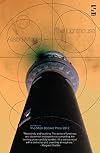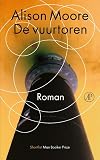
The Lighthouse
by Alison Moore
On This Page
Description
On the outer deck of a North Sea ferry stands Futh, a middle-aged and newly separated man, on his way to Germany for a restorative walking holiday. After an inexplicably hostile encounter with a hotel landlord, Futh sets out along the Rhine. As he contemplates an earlier trip to Germany and the things he has done in his life, he does not foresee the potentially devastating consequences of things not done. This novel tells the tense, gripping story of a man trying to find himself, but show more becoming lost. show lessTags
Recommendations


































Member Recommendations

jayne_charles The Lighthouse done in a humorous way
Member Reviews
The long- listed Booker novel The Lighthouse begins with this epigraph:
she became a tall lighthouse sending out kindly beams which some took for a welcome instead of warnings against the rocks - Muriel Spark , " The Curtain Blown by the Breeze"
And so begins a fascinating and somewhat challenging read, full of symbolism and ambiguity.
At first glance it appears to be a tale of the mundane details of the middle- aged , recently separated man named " Futh". We never learn if " Futh " is his first or last name, he is simply" Futh" and an easily forgettable man. Futh appears to be somewhat slow witted, having not learned to drive until he was middle aged, and someone who has great difficulty with a map and organizing his life. He is also show more socially awkward, having no one to serve as his best man at his own wedding except for his father.
The lighthouse exists for Futh's father as physical, technological interest; whereas for Futh, the lighthouse is a perfume container that many years ago belonged to Futh's mother. Futh's mother left her husband and Futh when Futh was but a 10 year old because she was " bored". He carries the silver lighthouse with him at all times, mainly a memory of his mother, but also somewhat of a talisman.
At beginning of the story, Futh is traveling to Germany to re- walk a holiday that he took with his father shortly after his mother left. During his "circular" walk he hopes to close some old wounds and try to come to terms with his life as a child , and his recent separation from his wife. Futh stays at inn named " Hellhaus" , which in English, " translates to" bright house" or " light house", but one can easily understand its other meaning. Hellhaus is owned and run by a rather dysfunctional couple, Bernard and Ester.
Fragrances and smells play an important role in the story. In fact, years ago Futh worked in the manufacturing of artificial odors. Futh takes in much of the world through this sense. The first fellow that he meets in the story causes Futh to note " the smell of the mans supper coming through his mouth." The smell of violets, cigarette smoke and less understandably , oranges, evoke memories and thoughts of the women in Futh's life, most especially that of his mother. Camphor is a smell most often associated with men.
Parallel to Futh's circular walk runs a story about the wife who helps run the Hellhaus Inn . I found it intriguing that her name was "Ester" rather than the more familiar spelling, "Esther." Like all of the men and woman in the story , she is emotionally damaged. Both she and a older female neighbour of Futh's keep Venus Fly trap plants - female plants which eat moths and flies.
This novella of about 180 pages is spare and elegic , but full of ambiguity and symbolism. The denouement was sudden, startling and ambiguous, so much so that I immediately re- read the book and came away with both more understanding and more questions. A brilliantly written book , one which I feel certain will make it to the Booker Short List.
4. 5 stars. show less
she became a tall lighthouse sending out kindly beams which some took for a welcome instead of warnings against the rocks - Muriel Spark , " The Curtain Blown by the Breeze"
And so begins a fascinating and somewhat challenging read, full of symbolism and ambiguity.
At first glance it appears to be a tale of the mundane details of the middle- aged , recently separated man named " Futh". We never learn if " Futh " is his first or last name, he is simply" Futh" and an easily forgettable man. Futh appears to be somewhat slow witted, having not learned to drive until he was middle aged, and someone who has great difficulty with a map and organizing his life. He is also show more socially awkward, having no one to serve as his best man at his own wedding except for his father.
The lighthouse exists for Futh's father as physical, technological interest; whereas for Futh, the lighthouse is a perfume container that many years ago belonged to Futh's mother. Futh's mother left her husband and Futh when Futh was but a 10 year old because she was " bored". He carries the silver lighthouse with him at all times, mainly a memory of his mother, but also somewhat of a talisman.
At beginning of the story, Futh is traveling to Germany to re- walk a holiday that he took with his father shortly after his mother left. During his "circular" walk he hopes to close some old wounds and try to come to terms with his life as a child , and his recent separation from his wife. Futh stays at inn named " Hellhaus" , which in English, " translates to" bright house" or " light house", but one can easily understand its other meaning. Hellhaus is owned and run by a rather dysfunctional couple, Bernard and Ester.
Fragrances and smells play an important role in the story. In fact, years ago Futh worked in the manufacturing of artificial odors. Futh takes in much of the world through this sense. The first fellow that he meets in the story causes Futh to note " the smell of the mans supper coming through his mouth." The smell of violets, cigarette smoke and less understandably , oranges, evoke memories and thoughts of the women in Futh's life, most especially that of his mother. Camphor is a smell most often associated with men.
Parallel to Futh's circular walk runs a story about the wife who helps run the Hellhaus Inn . I found it intriguing that her name was "Ester" rather than the more familiar spelling, "Esther." Like all of the men and woman in the story , she is emotionally damaged. Both she and a older female neighbour of Futh's keep Venus Fly trap plants - female plants which eat moths and flies.
This novella of about 180 pages is spare and elegic , but full of ambiguity and symbolism. The denouement was sudden, startling and ambiguous, so much so that I immediately re- read the book and came away with both more understanding and more questions. A brilliantly written book , one which I feel certain will make it to the Booker Short List.
4. 5 stars. show less
A very intriguing, thought-provoking little novella. Hard to believe it's the author's debut because the novel brims with confidence. I found strange Mr. Futh oddly engaging and was intrigued by his journey and its intersections with Ester and Bernard. The novel is highly symbolic and I'm sure it would benefit from a second (third, fourth) reading. So much is left unsaid that much of the story resides in its silences. Definitely worth a read. Everything else I want to write hints at the ending, so I'll stop!
The Lighthouse brought to us by indie publishers Salt publishing made it on to the Booker long list even before it was officially published. I just liked the sound of it and ordered it the day it was released. At a little over 180 pages it is a fairly short novel, and yet it does pack quite a punch. I have a feeling that is a novel which inspires the kind of images that stay with the reader long after the book has been laid aside. Whether it becomes one of my favourite reads of this year or not, it is one I’ll be destined to remember. It is an assured piece of writing. I enjoyed it (if that is the right phrase) a lot – though the reader is not allowed to get too comfortable.
I do like novels that play around a little with memory, show more darting back and forth across the years and indeed decades – so that slowly the characters emerge from the shadows. The Lighthouse concerns two characters – both of whom the reader is forced to hold at a distance. This in itself serves to highlight their loneliness and separateness.
Futh is a recently separated man in his forties. Travelling by Ferry to Germany to begin a walking holiday along the Rhine, he begins to think about the last time he took a similar holiday with his father when he was young boy. Futh is a lonely deserted man, carrying a silver lighthouse in his pocket. He has a keen sense of smell, and works in the reproduction of synthetic smells.
Esther is the landlady of the first guest house on Futh’s tour. Married to Bernard, Esther drinks heavily, carries on with guests in the empty rooms, forgetting to lock her own apartment door; she likes to look through the belongings of her guests. Esther was once engaged to Bernard’s brother – until Bernard asked her to go away with him. Now she cleans the rooms and delivers cling filmed meals to guests at (the ingeniously named) Hellhaus – bright house or light house.
“Kenny and Futh used to stand at their bedroom windows at lights out, facing one another across their back gardens, each with a torch, flashing messages through the darkness. It was Morse code except that it didn’t mean anything. Kenny would flash-flash-flash and Futh would flash-flash-flash back; Kenny would flash-pause-flash and Futh would send it back. Eventually, the game would stop. It was, for Futh, like looking at a lighthouse on the horizon at night. There was this flashing of light and then nothing, and you waited for the next flash, looking at where the light had been and where it would be again but you were looking at darkness”
The writing in The Lighthouse is spare and deceptively simple – there is in fact nothing simple about it – it is the kind of pared down writing that hides a multitude of complexities and leaves behind it an array of images and in this case scents. Upon closing this terribly bittersweet novel, the reader is assaulted by the memory of violets, camphor and cigarette smoke. There are several returning images and motifs in the novel, such as lighthouses, bathrooms, scents and abandonment which are beautifully explored. Although I believe Alison Moore has had some success with some short stories published in an anthology and on kindle, The Lighthouse is her first novel. It really is an excellent debut, and fully deserves to make it on to the Booker shortlist. show less
I do like novels that play around a little with memory, show more darting back and forth across the years and indeed decades – so that slowly the characters emerge from the shadows. The Lighthouse concerns two characters – both of whom the reader is forced to hold at a distance. This in itself serves to highlight their loneliness and separateness.
Futh is a recently separated man in his forties. Travelling by Ferry to Germany to begin a walking holiday along the Rhine, he begins to think about the last time he took a similar holiday with his father when he was young boy. Futh is a lonely deserted man, carrying a silver lighthouse in his pocket. He has a keen sense of smell, and works in the reproduction of synthetic smells.
Esther is the landlady of the first guest house on Futh’s tour. Married to Bernard, Esther drinks heavily, carries on with guests in the empty rooms, forgetting to lock her own apartment door; she likes to look through the belongings of her guests. Esther was once engaged to Bernard’s brother – until Bernard asked her to go away with him. Now she cleans the rooms and delivers cling filmed meals to guests at (the ingeniously named) Hellhaus – bright house or light house.
“Kenny and Futh used to stand at their bedroom windows at lights out, facing one another across their back gardens, each with a torch, flashing messages through the darkness. It was Morse code except that it didn’t mean anything. Kenny would flash-flash-flash and Futh would flash-flash-flash back; Kenny would flash-pause-flash and Futh would send it back. Eventually, the game would stop. It was, for Futh, like looking at a lighthouse on the horizon at night. There was this flashing of light and then nothing, and you waited for the next flash, looking at where the light had been and where it would be again but you were looking at darkness”
The writing in The Lighthouse is spare and deceptively simple – there is in fact nothing simple about it – it is the kind of pared down writing that hides a multitude of complexities and leaves behind it an array of images and in this case scents. Upon closing this terribly bittersweet novel, the reader is assaulted by the memory of violets, camphor and cigarette smoke. There are several returning images and motifs in the novel, such as lighthouses, bathrooms, scents and abandonment which are beautifully explored. Although I believe Alison Moore has had some success with some short stories published in an anthology and on kindle, The Lighthouse is her first novel. It really is an excellent debut, and fully deserves to make it on to the Booker shortlist. show less
The Lighthouse by Alison Moore is a short novel that carries more weight if one lets the mind expand rather than contract. This is a character-driven story, slow and methodical with a great deal of jumping back and forth in time.
There are several motifs running throughout the book, most of them sensory. A lighthouse as a place that should promote safety but cannot prevent every disaster (as told and retold by Futh's father), the hotel called Hellhaus or light house which is the beginning and end of Futh's walkabout, and a silver and a wooden lighthouse which connect two main characters. There is the sense of smell, from Futh's work to how the characters use smell (or the remembrance of smell) in their daily lives and even to the name of show more another character, Ester. There is the fear of the unknown, from the many warnings Futh had been given to assumptions made by Ester's husband about what has taken place.
Circularity is also important here. Futh's walk is to be circular, beginning and ending at the same place. The more Futh recalls his past, almost like two primary endless loops: one playing his early family life when his mother left and the other playing his marital life, the more we see what he failed to grasp about relationships and deceit.
I would recommend this to any reader who enjoys a book that leaves as much to the reader's imagination as it displays in the text. A simple reading can certainly be rewarding, be warned, you'll likely not care too much about the characters if you go that route. It is through empathy and trying to understand rather than judge where the qualities of this novel really shine. There are no unbroken characters and there is pain aplenty to go around. While beautifully written it is not a happy book. That said, there is a lot to take away from it if you are willing and able to ponder than jump to opinions too quickly.
Reviewed from a copy made available by the publisher via Edelweiss. show less
There are several motifs running throughout the book, most of them sensory. A lighthouse as a place that should promote safety but cannot prevent every disaster (as told and retold by Futh's father), the hotel called Hellhaus or light house which is the beginning and end of Futh's walkabout, and a silver and a wooden lighthouse which connect two main characters. There is the sense of smell, from Futh's work to how the characters use smell (or the remembrance of smell) in their daily lives and even to the name of show more another character, Ester. There is the fear of the unknown, from the many warnings Futh had been given to assumptions made by Ester's husband about what has taken place.
Circularity is also important here. Futh's walk is to be circular, beginning and ending at the same place. The more Futh recalls his past, almost like two primary endless loops: one playing his early family life when his mother left and the other playing his marital life, the more we see what he failed to grasp about relationships and deceit.
I would recommend this to any reader who enjoys a book that leaves as much to the reader's imagination as it displays in the text. A simple reading can certainly be rewarding, be warned, you'll likely not care too much about the characters if you go that route. It is through empathy and trying to understand rather than judge where the qualities of this novel really shine. There are no unbroken characters and there is pain aplenty to go around. While beautifully written it is not a happy book. That said, there is a lot to take away from it if you are willing and able to ponder than jump to opinions too quickly.
Reviewed from a copy made available by the publisher via Edelweiss. show less
This is a disturbing book replete with characters who have no redeeming qualities. The protagonist, Futh, is incapable of normal interactions with people he meets. He does not pick up on the verbal and physical clues provided that would normally prevent him from enacting his bizarre choices. I lost track of the meals he missed on his walk due to arriving late, sleeping in, drinking too much and not asking for directions, it is is a wonder he survived his walking trip.
This is a very spare novel with much of the activities left unspoken and only alluded to. Each chapter alternates between Futh's point of view and that of Ester. The other half of this novel tells of Ester and her dysfunctional marriage to Bernard. Together they manage the show more hotel Hellhaus wher he plans to commence is walking tour of Germany. Futh first sees Hellhaus, as
“he turns a corner and sees the hotel, he understands why it has this name, which translates as ‘bright house’ or ‘light house’. Whitewashed and moonlit, it is incandescent.”
The Lighthouse theme is carried right through the novel, starting with a memory of his father and a long winded exposition on lighthouses that is the trigger for his mother to leave. This memory re occurs often and is gradually expanded to offer more detail on the rift between his parents. Futh carries with him a silver perfume holder in the shape of a lighthouse. This talisman is both a reminder to Futh of the day his mother left and the duplicitous nature of his father who has effectively stolen it from his Father's uncle.
“And Futh, looking at the lighthouse, wondered how this could happen – how there could be this constant warning of danger, the taking of all these precautions, and yet still there was all this wreckage.”
As Futh has no idea of what is happening around him, we also are left with an idea. This paring back of detail leaves too many questions unanswered. Why would Angela marry Futh ? We get no sense of how their relationship developed past their meeting on the road. They next meet in bar where Angela rescues him from an angry boyfriend/husband? and with no other interaction in between she takes him to bed.
"He has always courted women slowly, over months, starting with coffee in cafés and walks in the park, moving on to restaurants and art galleries and museums, not that it always got even that far. With Angela it was different. She was the one to take him to bed."
Futh is none the wiser and so we get no idea of why Angela would behave this way.
Futh also misses all the clues relating to Angela and Kenny's relationship. Angela coming home smelling and tasting of smoke when she has told Futh that she does not smoke.
"He parked in a space near his house. As he turned off the engine, he was surprised to see his front door opening. Angela ought to have left for work soon after him, but she was pregnant again and he wondered if she had felt unwell. He was just about to open the car door and get out when he saw that it was not Angela coming out of the house but Kenny, smoking a cigarette. Kenny seemed to look right at him through the windscreen and Futh felt a reflexive desire to hide. Then Kenny turned away, closing the front door behind him and dropping the stub of his cigarette onto the doorstep, and Futh wondered whether the sun was glaring off the windscreen so that Kenny could not see him after all. Without looking again in Futh’s direction, Kenny checked his fly and walked away.
fter a minute, Futh got out of his car. Glancing at the still-smouldering fag end on his doorstep, he let himself into his house. He stood unmoving in the smoky hallway for a while and then went upstairs. The bedroom door was wide open. Angela was dressing, and he watched her, looking at her body become strange.
When she noticed him, she jumped and said, ‘What are you doing here?’ Glancing at the untidy bed, she did not wait for a reply before saying, ‘I’ve only just got up. I wasn’t feeling well. It’s morning sickness, I suppose.’
The bedroom smelt of cigarette smoke and he said so. ‘I wish you wouldn’t smoke,’ he told her, coming into the room to straighten the covers on the bed."
And later,
“When Angela came to bed smelling of cigarette smoke, it was his mother he thought of, although he knew better now than to say so to Angela. And Angela, he supposed, was thinking of Kenny, whose cigarettes it was she smelt and tasted of. “
Futh never puts these thoughts together, there is no ah ah moment, he is perpetually ignorant of nearly all that goes on around him.
"Still his thoughts drifted, towards home and Angela and where he had gone wrong. She had always been irritated by his awkwardness around people, around women in particular. He knew her mother found him strange. He was introspective, insufficiently aware, Angela often said, of other people and how they might see things."
Ester, engaged to Bernard's brother Conrad, meets Bernard for the first time and without any regrets or angst, breaks off the engagement and goes off with Bernard. It is another example of extreme behaviour going unexplained and glossed over.
“Even Bernard once said to Ester, ‘What kind of woman does that?’
‘It was you too,’ she reminded him.
‘He was your brother.’
‘Well, I never liked him,’ said Bernard, ‘but he was your fiancé.’
‘The day we got married, your mother told me there was only one girl you had ever loved.’‘Well,’ he said, ‘that’s probably true.’Ester lifted her head to look at him.‘Until you, of course,’ he added.‘She said you were only with me to get revenge on Conrad for taking her.’‘Well, maybe that was partly true too, at first.”
Ester has brief affairs with hotel guests because,
“These days, Bernard only notices Ester when other men do”
“In the past, she always used beds she had already changed, but since receiving complaints about the sheets, she makes sure to use rooms she has not yet cleaned. Or she uses rooms whose occupants are out for the day,”
When Futh first stays at the hotel, Ester delivers his supper to his room while he was showering.
“Bernard, coming through this door, sees his wife hurriedly leaving room six and heading downstairs. Moments later, a man appears in the doorway of the same room, leaning out and looking towards the stairs. The man is partially hidden behind the door, but Bernard sees a bare shoulder, the knobbles of the man’s spine, a white leg, a blue-veined foot on the hallway carpet. The man turns his head and sees Bernard and withdraws into his room looking embarrassed.”
Futh, searching his hotel room in case he has left something behind finds a pair of knickers under the bed. Instead of putting them in the bin he takes them downstairs,
"He does not know what to do with them, who to give them to. Entering the bar, he hesitates before putting them down – very carefully, as if they were fragile – on the landlady’s check-in desk, next to her ledger. Embarrassed, glancing around, he finds himself observed by the barman who refused him breakfast”
Why? Yes I know it is another plot device to move us to the unsettling ending but it just seems odd and forced.
Thus we are setting up the wreckage this 'lighthouse' is supposed to warn Futh about. When Futh returns after several days to the hotel at the finish of his walking tour his inability to spot the warning signs leads him onto the rocks.
This is a sparse, low key work that left me wanting more, a lot more. show less
This is a very spare novel with much of the activities left unspoken and only alluded to. Each chapter alternates between Futh's point of view and that of Ester. The other half of this novel tells of Ester and her dysfunctional marriage to Bernard. Together they manage the show more hotel Hellhaus wher he plans to commence is walking tour of Germany. Futh first sees Hellhaus, as
“he turns a corner and sees the hotel, he understands why it has this name, which translates as ‘bright house’ or ‘light house’. Whitewashed and moonlit, it is incandescent.”
The Lighthouse theme is carried right through the novel, starting with a memory of his father and a long winded exposition on lighthouses that is the trigger for his mother to leave. This memory re occurs often and is gradually expanded to offer more detail on the rift between his parents. Futh carries with him a silver perfume holder in the shape of a lighthouse. This talisman is both a reminder to Futh of the day his mother left and the duplicitous nature of his father who has effectively stolen it from his Father's uncle.
“And Futh, looking at the lighthouse, wondered how this could happen – how there could be this constant warning of danger, the taking of all these precautions, and yet still there was all this wreckage.”
As Futh has no idea of what is happening around him, we also are left with an idea. This paring back of detail leaves too many questions unanswered. Why would Angela marry Futh ? We get no sense of how their relationship developed past their meeting on the road. They next meet in bar where Angela rescues him from an angry boyfriend/husband? and with no other interaction in between she takes him to bed.
"He has always courted women slowly, over months, starting with coffee in cafés and walks in the park, moving on to restaurants and art galleries and museums, not that it always got even that far. With Angela it was different. She was the one to take him to bed."
Futh is none the wiser and so we get no idea of why Angela would behave this way.
Futh also misses all the clues relating to Angela and Kenny's relationship. Angela coming home smelling and tasting of smoke when she has told Futh that she does not smoke.
"He parked in a space near his house. As he turned off the engine, he was surprised to see his front door opening. Angela ought to have left for work soon after him, but she was pregnant again and he wondered if she had felt unwell. He was just about to open the car door and get out when he saw that it was not Angela coming out of the house but Kenny, smoking a cigarette. Kenny seemed to look right at him through the windscreen and Futh felt a reflexive desire to hide. Then Kenny turned away, closing the front door behind him and dropping the stub of his cigarette onto the doorstep, and Futh wondered whether the sun was glaring off the windscreen so that Kenny could not see him after all. Without looking again in Futh’s direction, Kenny checked his fly and walked away.
fter a minute, Futh got out of his car. Glancing at the still-smouldering fag end on his doorstep, he let himself into his house. He stood unmoving in the smoky hallway for a while and then went upstairs. The bedroom door was wide open. Angela was dressing, and he watched her, looking at her body become strange.
When she noticed him, she jumped and said, ‘What are you doing here?’ Glancing at the untidy bed, she did not wait for a reply before saying, ‘I’ve only just got up. I wasn’t feeling well. It’s morning sickness, I suppose.’
The bedroom smelt of cigarette smoke and he said so. ‘I wish you wouldn’t smoke,’ he told her, coming into the room to straighten the covers on the bed."
And later,
“When Angela came to bed smelling of cigarette smoke, it was his mother he thought of, although he knew better now than to say so to Angela. And Angela, he supposed, was thinking of Kenny, whose cigarettes it was she smelt and tasted of. “
Futh never puts these thoughts together, there is no ah ah moment, he is perpetually ignorant of nearly all that goes on around him.
"Still his thoughts drifted, towards home and Angela and where he had gone wrong. She had always been irritated by his awkwardness around people, around women in particular. He knew her mother found him strange. He was introspective, insufficiently aware, Angela often said, of other people and how they might see things."
Ester, engaged to Bernard's brother Conrad, meets Bernard for the first time and without any regrets or angst, breaks off the engagement and goes off with Bernard. It is another example of extreme behaviour going unexplained and glossed over.
“Even Bernard once said to Ester, ‘What kind of woman does that?’
‘It was you too,’ she reminded him.
‘He was your brother.’
‘Well, I never liked him,’ said Bernard, ‘but he was your fiancé.’
‘The day we got married, your mother told me there was only one girl you had ever loved.’‘Well,’ he said, ‘that’s probably true.’Ester lifted her head to look at him.‘Until you, of course,’ he added.‘She said you were only with me to get revenge on Conrad for taking her.’‘Well, maybe that was partly true too, at first.”
Ester has brief affairs with hotel guests because,
“These days, Bernard only notices Ester when other men do”
“In the past, she always used beds she had already changed, but since receiving complaints about the sheets, she makes sure to use rooms she has not yet cleaned. Or she uses rooms whose occupants are out for the day,”
When Futh first stays at the hotel, Ester delivers his supper to his room while he was showering.
“Bernard, coming through this door, sees his wife hurriedly leaving room six and heading downstairs. Moments later, a man appears in the doorway of the same room, leaning out and looking towards the stairs. The man is partially hidden behind the door, but Bernard sees a bare shoulder, the knobbles of the man’s spine, a white leg, a blue-veined foot on the hallway carpet. The man turns his head and sees Bernard and withdraws into his room looking embarrassed.”
Futh, searching his hotel room in case he has left something behind finds a pair of knickers under the bed. Instead of putting them in the bin he takes them downstairs,
"He does not know what to do with them, who to give them to. Entering the bar, he hesitates before putting them down – very carefully, as if they were fragile – on the landlady’s check-in desk, next to her ledger. Embarrassed, glancing around, he finds himself observed by the barman who refused him breakfast”
Why? Yes I know it is another plot device to move us to the unsettling ending but it just seems odd and forced.
Thus we are setting up the wreckage this 'lighthouse' is supposed to warn Futh about. When Futh returns after several days to the hotel at the finish of his walking tour his inability to spot the warning signs leads him onto the rocks.
This is a sparse, low key work that left me wanting more, a lot more. show less
Futh is a strange character, self-effacing, a social misfit - recently separated from his wife - we follow him on a week long hiking trip in Germany, where the main plot really seem to be his constant memories of his unpleasant father, the mother that vanished when he was a kid, the unsuccesful marriage, his ungrateful best friend.
We also read the story of a woman, Ester, who runs a hotel together with her husband. She's also lonesome and on a destructive path that leads away from her unpleasant husband. Futh stay at this hotel in the beginning of the trip and plan to return there.
It's difficult really to describe what makes this story so haunting. It reminded me in a way of Camus The Stranger - also about a character that as Futh has show more a strange way of behavior towards people and events. Futh is unable to make sense of the world around him, only living in memories, not taking an active part in life, not feeling remorse or anger when treated badly for instance. In a way Futh is so insubstantial, so superfluous, it's painful to read about his many humiliations in life - even his name seems to vaporize when you pronounce it. He is a victim and yet also his own worst enemy.
Alison Moore's writing is like Camus' very sparse, economical, chilly, haunting - so many incidents and descriptions filled with layers of meaning.
I'm not so sure about the ending though - I can't elaborate much on it here - in a way it has a certain inevitable logic about it I guess. show less
We also read the story of a woman, Ester, who runs a hotel together with her husband. She's also lonesome and on a destructive path that leads away from her unpleasant husband. Futh stay at this hotel in the beginning of the trip and plan to return there.
It's difficult really to describe what makes this story so haunting. It reminded me in a way of Camus The Stranger - also about a character that as Futh has show more a strange way of behavior towards people and events. Futh is unable to make sense of the world around him, only living in memories, not taking an active part in life, not feeling remorse or anger when treated badly for instance. In a way Futh is so insubstantial, so superfluous, it's painful to read about his many humiliations in life - even his name seems to vaporize when you pronounce it. He is a victim and yet also his own worst enemy.
Alison Moore's writing is like Camus' very sparse, economical, chilly, haunting - so many incidents and descriptions filled with layers of meaning.
I'm not so sure about the ending though - I can't elaborate much on it here - in a way it has a certain inevitable logic about it I guess. show less
The first book that I have read from the 2012 Booker shortlist, and one that has certain similarities with the long-listed The Unlikely Pilgrimage of Harold Fry, both books being concerned with the reminiscences of a middle-aged man looking back on their life whilst walking, but while I found Harold Fry overly sentimental and a bit too whimsical for my tastes, The Lighthouse is altogether darker and sadder, and resonated with me much more.
Futh is a recently separated man in his mid-forties who decides to take a lone walking tour of the Rhineland in Germany, a holiday for which he is woefully ill-suited. With a pair of brand-new walking-boots never before worn, and feet which are tired after his walk around the deck of the ferry and a show more blistered mess by the end of his first day of proper walking, Futh is not a natural hiker. But Futh is clearly unsuited to many aspects of his life: throughout he misunderstands both the actions of others and the effect that his own actions will have on them. The circular nature of his walk (starting and finishing in the town of Hellhaus), is echoed by the circular nature of the narrative, as Futh returns over and over again to key points in his childhood and later life. And the circularity is repeated as it becomes clear that the events of Futh's own life echo those of his parents, whose marriage broke up when his mother walked out when he was twelve, an abandonment which has clearly scarred his whole life. As well as Futh, the narrative follows the story of Ester, the fading but promiscuous proprietress of the hotel in Hellhaus, locked into a unhappy marriage with the domineering Bernard. The motif of the lighthouse runs throughout the book from the small silver stopper to an antique perfume bottle which is Futh's only reminder of his mother, to the real lighthouse which is witness to a pivotal scene in Futh's life, to the English translation of the hotel name (bright house or light house). And it is the lighthouse which leads to the implied denouement at the end of the novel.
Overall, this is a novel which although short, easily justifies its place on the Booker Prize short list. A deceptively simple novel which justifies rereading. show less
Futh is a recently separated man in his mid-forties who decides to take a lone walking tour of the Rhineland in Germany, a holiday for which he is woefully ill-suited. With a pair of brand-new walking-boots never before worn, and feet which are tired after his walk around the deck of the ferry and a show more blistered mess by the end of his first day of proper walking, Futh is not a natural hiker. But Futh is clearly unsuited to many aspects of his life: throughout he misunderstands both the actions of others and the effect that his own actions will have on them. The circular nature of his walk (starting and finishing in the town of Hellhaus), is echoed by the circular nature of the narrative, as Futh returns over and over again to key points in his childhood and later life. And the circularity is repeated as it becomes clear that the events of Futh's own life echo those of his parents, whose marriage broke up when his mother walked out when he was twelve, an abandonment which has clearly scarred his whole life. As well as Futh, the narrative follows the story of Ester, the fading but promiscuous proprietress of the hotel in Hellhaus, locked into a unhappy marriage with the domineering Bernard. The motif of the lighthouse runs throughout the book from the small silver stopper to an antique perfume bottle which is Futh's only reminder of his mother, to the real lighthouse which is witness to a pivotal scene in Futh's life, to the English translation of the hotel name (bright house or light house). And it is the lighthouse which leads to the implied denouement at the end of the novel.
Overall, this is a novel which although short, easily justifies its place on the Booker Prize short list. A deceptively simple novel which justifies rereading. show less
Members
- Recently Added By
Published Reviews
ThingScore 100
Hats off to the judges, then, because it's superb – a peculiar exploration of boyhood trauma that does its quietly creepy work in fewer than 200 pages...Moore's straightforward prose sharpens the painful comedy of what seems a ceaseless sequence of humiliations. Futh sleeps alone on his wedding night; he later returns home to his wife in time to watch his best friend leave, zipping up his show more fly. He's in his 40s when his father smacks him in front of the fireplace during Christmas lunch at a neighbour's house..... The Lighthouse looks simple but isn't, refusing to unscramble what seems a bleak moral about the hazards of reproduction, in the widest sense. Small wonder that it stood up to the crash-testing of a prize jury's reading and rereading. One of the year's 12 best novels? I can believe it. show less
added by vancouverdeb
No Suprise that this quietly startling novel won column inches when it landed a spot on the Man Booker Prize longlist. After all, it’s a slender debut released by a tiny independent publisher. Don’t mistake The Lighthouse for an underdog, though. For starters, it’s far too assured.
added by vancouverdeb
Alison Moore’s novel takes the tale of an ordinary, forgettable man, and shows how terrible things happen in the most unassuming surroundings....It is this accumulation of the quotidian, in prose as tight as Magnus Mills’s, which lends Moore’s book its standout nature, and brings the novel to its ambiguous, thrilling end.
added by vancouverdeb
Lists

Booker Prize
491 works; 62 members

Man Booker Prize Longlist 2012
12 works; 2 members

Books Read in 2020
4,379 works; 124 members

Booker Prize Shortlist: Titles Not Yet Read
161 works; 4 members

I Could Live There
185 works; 12 members

Same Title
115 works; 3 members

Lighthouses in literature
23 works; 6 members
Talk Discussions
Past Discussions
The Lighthouse by Alison Moore in Booker Prize (January 2014)
Author Information

16+ Works 818 Members
Alison Moore was born in Manchester in 1971. She lives in a village on the Leicestershire-Nottinghamshire border. She is a member of Nottingham Writers Studio and an honorary lecturer in the School of English at Nottingham University. In 2012 her novel The Lighthouse, the unsettling tale of a middle-aged man who embarks on a contemplative German show more walking holiday after the break-up of his marriage only to find himself more alienated than ever, was shortlisted for the Man Booker prize. Her other title's include He Wants, Death and the Seaside, Missing, and The Harvestman. (Bowker Author Biography) show less
Some Editions
Awards and Honors
Awards
Notable Lists
Common Knowledge
- Canonical title
- The Lighthouse
- Original title
- The Lighthouse
- Original publication date
- 2012
- People/Characters
- Futh; Ester; Angela; Kenny; Carl; Bernard
- Important places
- Koblenz, Rhineland-Palatinate, Germany; Utrecht, Utrecht, Netherlands
- Epigraph
- she became a tall lighthouse sending out kindly beams which some took for welcome instead of warnings against the rocks.
—Muriel Spark, "The Curtain Blown by the Breeze" - Dedication
- For Mum and Dad
- First words
- Futh stands on the ferry deck, holding on to the cold railings with his soft hands.
- Last words
- (Click to show. Warning: May contain spoilers.)As he turned to his companion and said, "Do you ever get a bad feeling about something?" the ramp was lowered and there was daylight, there was the sky, and his friend was working at some tune as they sat there waiting to drive out into the brightness of the day.
Classifications
Statistics
- Members
- 593
- Popularity
- 49,159
- Reviews
- 41
- Rating
- (3.56)
- Languages
- Dutch, English, Italian
- Media
- Paper, Audiobook, Ebook
- ISBNs
- 14
- ASINs
- 6