On This Page
Description
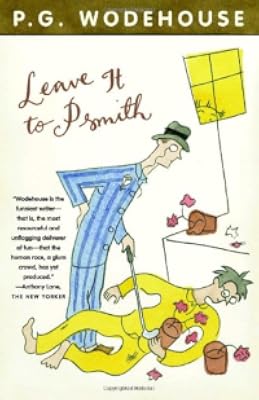
The idyll of Blandings Castle is about to be disturbed, for the Honorable Freddie Threepwood is poised to make his debut as a jewel thief. Freddie, however, is not alone: Blandings is simply brimming with criminals and impostors all intent on stealing Aunt Constance's twenty-thousand-pound diamond necklace. It is left to the debonair Psmith, with his usual aplomb, to unscramble the passion, problems, and identities, of one and all.Tags
Recommendations




















Member Reviews
"A depressing musty scent pervaded the place, as if a cheese had recently died there in painful circumstances."
It's passages like this that made this book a fun palette cleanser. Nowadays this book feels like typical sitcom fare but at the same time it reminded me why I gravitate toward the literature of the 1920s. The silliness of mistaken identities (which today feels far-fetched), the reliance on letters and telegrams to communicate, the need to travel to visit with friends, and the generally slower pace of life. All of that combined made reading this book feel like sitting up late at night to watch the late movie.
It's passages like this that made this book a fun palette cleanser. Nowadays this book feels like typical sitcom fare but at the same time it reminded me why I gravitate toward the literature of the 1920s. The silliness of mistaken identities (which today feels far-fetched), the reliance on letters and telegrams to communicate, the need to travel to visit with friends, and the generally slower pace of life. All of that combined made reading this book feel like sitting up late at night to watch the late movie.
Other men love you. Freddie Threepwood loves you. Just add me to the list. That is all I ask. Muse on me from time to time. Reflect that I may be an acquired taste. You probably did not like olives the first time you tasted them. Now you probably do. Give me the same chance you would give an olive.
A diamond necklace worth £20,000 (and remember that this is in the 1920s) belonging to Lady Constance Keeble is the lure that draws Psmith and various shady characters to Blandings Castle. As usual, there are various plots afoot, young love both requited and unrequited, and several people in disguise.
A diamond necklace worth £20,000 (and remember that this is in the 1920s) belonging to Lady Constance Keeble is the lure that draws Psmith and various shady characters to Blandings Castle. As usual, there are various plots afoot, young love both requited and unrequited, and several people in disguise.
Pedig hát szemre milyen könnyű ilyen humoros regényt írni. Fogjunk egy angol kastélyt jó nagy parkkal valami kies vidéken, népesítsük be arisztokratákkal, akik a beltenyészet áldásainak köszönhetően számos… khm… szórakoztató tulajdonsággal rendelkeznek – legyen köztük legalább egy végzetesen kétballábas, minimum egy másiknak pedig biztosítsunk valami egészen fura vesszőparipát. Aztán szerepeltessünk pár határozott női karaktert, akik részei lehetnek egy majdani romantikus szálnak, és pár innen-onnan odakeveredett mókás fickót is az alsóbb néposztályokból (egyik-másikuk lehet amerikai, bár a magyar fordítás során alighanem elvész majd az akcentusukból származó humorforrás). show more No és persze ne feledjük az elmaradhatatlan halszemű komornyikot, mert úgy kerek. Aztán legyen valami családi feszültség, egy drága nyakék, meg egy csomó elképesztő véletlen – például derüljön ki, hogy a kastélyba keveredő X. már egyszer összefutott Y.-nal, Z. pedig (aki W.-nek adja ki magát, de ebbe ne menjünk bele), Zs.-vel együtt gyeplabdázott Etonban, és amúgy is Zs2.-be (Zs. régen látott unokahúgába) szerelmes. Aztán bizonyos szereplők guruljanak le a lépcsőn, más szereplőket (vagy ugyanazokat) meg zárjanak ki a kertbe éjnek idején egy szál pizsamában, aztán a nyakéket lopják el, és mindenki higgye azt, hogy tudja, ki lopta el, de tudja rosszul, úgyhogy legyen egy böhöm nagy kavarodás ebből az egészből, amiből aztán a legtalpraesettebb szereplőknek hála a végén kikeveredünk, és lágy hegedűszó kíséretében belesétálunk a lemenő napba.
Egyszerű, nem? Aztán valahogy mégsem tobzódunk az ilyen humoros regényekben. Ami azt illeti, Wodehouse-on kívül talán nem is tud senki ilyet. (No jó, határesetek vannak. A Pendragon legenda pl.) Hogy lehet ez? Itt van ez a Psmith, aki szerintem van annyira jó fej, mint Jeeves és Bertie Wooster együtt. Ahogy ő megjelenik a regény lapjain, az addig konvencionális brit jóérzés-történet egyszeriben elképesztően szórakoztatóvá válik. Miért nem tudja mindenki megírni a maga Psmith-szét? (Mondjuk ÉN miért nem tudom?) Pedig hát milyen kiszámítható már maga a történet – kozmikus kavarodás ide vagy oda, de aki már a könyv felénél nem tudja, ki kivel jön össze, ki lakol meg és ki aratja le a babérokat, az alighanem elveszett ember. Olyasmi lehet ez, mint Rejtő esetében (köztudott, hogy a birkákkal ellentétben a Rejtő-regény sem klónozható): nem a sztori a lényeg, hanem a mondatok*. Hogy egy teljesen triviális kép vagy cselekménysor ezekben az egészen furán drótozott írói elmékben valami teljesen új, eddig elképzelhetetlen formában jelenik meg. Olyan, mint egy vizuális taposóakna: az olvasó gyanútlanul halad a szövegben, aztán egyszer csak beleakad a szeme, először azt sem érti mi az, aztán hirtelen megérti, és bumm. Mert erre aztán nem számított. És mivel nem számított, nyilván írni sem tudna ilyet. Ami nem baj, hisz úgyis megírta már helyette valaki. Neki csak az élvezet marad.
* „Egy Rejtő-regénynek mindig lehet előre tudni a végét, de egy Rejtő-mondatnak – soha” (Bárdos Pál) show less
Egyszerű, nem? Aztán valahogy mégsem tobzódunk az ilyen humoros regényekben. Ami azt illeti, Wodehouse-on kívül talán nem is tud senki ilyet. (No jó, határesetek vannak. A Pendragon legenda pl.) Hogy lehet ez? Itt van ez a Psmith, aki szerintem van annyira jó fej, mint Jeeves és Bertie Wooster együtt. Ahogy ő megjelenik a regény lapjain, az addig konvencionális brit jóérzés-történet egyszeriben elképesztően szórakoztatóvá válik. Miért nem tudja mindenki megírni a maga Psmith-szét? (Mondjuk ÉN miért nem tudom?) Pedig hát milyen kiszámítható már maga a történet – kozmikus kavarodás ide vagy oda, de aki már a könyv felénél nem tudja, ki kivel jön össze, ki lakol meg és ki aratja le a babérokat, az alighanem elveszett ember. Olyasmi lehet ez, mint Rejtő esetében (köztudott, hogy a birkákkal ellentétben a Rejtő-regény sem klónozható): nem a sztori a lényeg, hanem a mondatok*. Hogy egy teljesen triviális kép vagy cselekménysor ezekben az egészen furán drótozott írói elmékben valami teljesen új, eddig elképzelhetetlen formában jelenik meg. Olyan, mint egy vizuális taposóakna: az olvasó gyanútlanul halad a szövegben, aztán egyszer csak beleakad a szeme, először azt sem érti mi az, aztán hirtelen megérti, és bumm. Mert erre aztán nem számított. És mivel nem számított, nyilván írni sem tudna ilyet. Ami nem baj, hisz úgyis megírta már helyette valaki. Neki csak az élvezet marad.
* „Egy Rejtő-regénynek mindig lehet előre tudni a végét, de egy Rejtő-mondatnak – soha” (Bárdos Pál) show less
Saying ‘Wodehouse never fails to make the reader laugh’ is just stating the obvious, but I still would say that about every book of his that I read! Right from the protagonist’s name—Psmith, ‘P’ is silent—to the eccentric characters and crazy events, Leave it to Psmith is a laugh riot all the way. Psmith is a smart, resourceful, happy-go-lucky guy who, having had enough of his uncle’s fish business, is ready to do ‘whatever job one has to offer’, and has no objection to even crime. He is smitten by Eve Halliday at the very first sight and goes through some misunderstandings and deceptions—unintended initially—in his effort to stay close to her. Things become a bit tricky when he gets involved in a plot to steal a show more pricey necklace and has to contend with some career criminals marauding as honest people, but he is clever enough to extricate himself from the trickiest of situations. What results is a delightful romp that has the reader laughing out loud both while reading it and long after finishing it. This was my first taste of Psmith’s exploits and I am strongly motivated to read them all. show less
I found “Leave it to Psmith” to be a vast improvement on the first book in the Blandings series, as well as being the best of the four Psmith novels.
Psmith is a character that walks a narrow line between being amusing and annoying. In his second and third outings I found him quite irritating, whereas in “Mike” and in this volume he proved humorous and entertaining.
“Leave it to Psmith” has a clever plot and a host of engaging characters. I especially liked Psmith himself, the beautiful Eve, the efficient Baxter, and best of all Lord Emsworth.
Lord Emsworth is one of, if not *the*, funniest creations by P. G. Wodehouse that I’ve encountered thus far. Every scene he appears in is brilliant to behold. The flowerpot-throwing show more incident and its aftermath are among the most entertaining.
I say, this is a dashed good read, what? show less
Psmith is a character that walks a narrow line between being amusing and annoying. In his second and third outings I found him quite irritating, whereas in “Mike” and in this volume he proved humorous and entertaining.
“Leave it to Psmith” has a clever plot and a host of engaging characters. I especially liked Psmith himself, the beautiful Eve, the efficient Baxter, and best of all Lord Emsworth.
Lord Emsworth is one of, if not *the*, funniest creations by P. G. Wodehouse that I’ve encountered thus far. Every scene he appears in is brilliant to behold. The flowerpot-throwing show more incident and its aftermath are among the most entertaining.
I say, this is a dashed good read, what? show less
An absolute corker!
Another visit to Blandings Castle and in the company of that most debonair of flaneurs, Psmith. This is a joy from start to finish, with the efficient (although flowerpot throwing) Baxter, Lord Emsworth (who has not yet become obsessed by pigs, but who is instead obsessed with flowers), Beach the butler.
The plot very loosely involves the theft of Lady Constance's diamond necklace and related romantic sub-plots, but is a joy as Wodehouse really has hit his stride, creating some wonderful set pieces as well as many witty one-liners. Wonderful.
Another visit to Blandings Castle and in the company of that most debonair of flaneurs, Psmith. This is a joy from start to finish, with the efficient (although flowerpot throwing) Baxter, Lord Emsworth (who has not yet become obsessed by pigs, but who is instead obsessed with flowers), Beach the butler.
The plot very loosely involves the theft of Lady Constance's diamond necklace and related romantic sub-plots, but is a joy as Wodehouse really has hit his stride, creating some wonderful set pieces as well as many witty one-liners. Wonderful.
Wodehouse, P. G. Leave it to Psmith. 1923. Psmith No. 4. Norton, 2012.
Rupert Psmith (his name is self-chosen and the initial letter P is silent) is an early and somewhat unusual Wodehouse hero in that he seems to be equally at home engaging in the hijinks at the Drones Club and lunching at the Conservative Club. We learn in an earlier story that he was expelled from Eton and exiled to a lesser school where he may have picked up socialist tendencies, but not enough of them to make him happy working at his uncle’s fish market. Now broke and unemployed, he finds himself in love with the young librarian at the madcap Blandings Castle. Although he is penniless, he has a natty suit and a sometimes-inscrutable gift of gab that give all the show more other characters trouble putting him in neat class pigeonholes. As ever, Wodehouse’s comic style is spot on. Consider this description: Phyllis Jackson “was small and fragile, with great brown eyes under a cloud of dark hair. She had a wistful look, and most people who knew her wanted to pet her.” There is a plot, but as is often the case in Wodehouse, it does not much matter. show less
Rupert Psmith (his name is self-chosen and the initial letter P is silent) is an early and somewhat unusual Wodehouse hero in that he seems to be equally at home engaging in the hijinks at the Drones Club and lunching at the Conservative Club. We learn in an earlier story that he was expelled from Eton and exiled to a lesser school where he may have picked up socialist tendencies, but not enough of them to make him happy working at his uncle’s fish market. Now broke and unemployed, he finds himself in love with the young librarian at the madcap Blandings Castle. Although he is penniless, he has a natty suit and a sometimes-inscrutable gift of gab that give all the show more other characters trouble putting him in neat class pigeonholes. As ever, Wodehouse’s comic style is spot on. Consider this description: Phyllis Jackson “was small and fragile, with great brown eyes under a cloud of dark hair. She had a wistful look, and most people who knew her wanted to pet her.” There is a plot, but as is often the case in Wodehouse, it does not much matter. show less
Members
- Recently Added By
Lists

Favourite Books
1,819 works; 316 members

In and About the 1920s
181 works; 31 members
Folio Society
831 works; 53 members

Favorite Literary Love Stories
182 works; 100 members

20th Century Literature
1,161 works; 55 members
Comfort Reads
221 works; 41 members

Top Five Books of 2016
795 works; 229 members

Book Worlds We'd Like To Visit
322 works; 158 members

Writers In Public Domain 2026
90 works; 1 member

Michael Dirda's 100 Best Comic Novels
100 works; 1 member
Author Information

657+ Works 110,723 Members
P. G. Wodehouse was born in Guildford, United Kingdom on October 15, 1881. After completing school, he spent two years as a banker at the Hong Kong and Shanghai Bank in London and then took a job as a sports reporter and columnist for the Globe newspaper. His first novel, The Pothunters, was published in 1902. He wrote over 100 novels and short show more story collections during his lifetime including A Perfect Uncle, Love Among the Chickens, The Swoop, P. Smith in the City, Meet Mr. Milliner, Doctor Sally, Quick Service, The Old Reliable, Uneasy Money, A Damsel in Distress, Jill the Reckless, The Adventures of Sally, A Pelican at Blandings, The Girl in Blue, and Aunts Aren't Gentlemen. His most famous characters, Bertie Wooster and his manservant, Jeeves, appeared in books such as Much Obliged, Jeeves. He also wrote lyrics for musical comedies and worked as screenwriter in Hollywood in the 1930s. In 1939, he bought a villa in Le Touquet on the coast of France. He remained there when World War II started in 1939. The following year, the Germans appropriated the villa, confiscated property, and arrested him. He was detained in various German camps for almost one year before being released in 1941. He went to Berlin and spoke of his experience in five radio talks to be broadcast to America and England. The talks themselves were completely innocuous, but he was charged with treason in England. He was cleared, but settled permanently in the United States. He became a citizen in 1955. He was made a Knight Commander of the Order of the British Empire in 1975. He died from a heart attack after a long illness on February 14, 1975 at the age of 93. (Bowker Author Biography) show less
Some Editions
Series


Belongs to Publisher Series
Work Relationships
Is contained in
Common Knowledge
- Canonical title*
- Psmith ordnar saken
- Original title
- Leave It to Psmith
- Alternate titles*
- Psmith ratkaisee
- Original publication date
- 1923-11-30
- People/Characters
- Ronald Psmith; Clarence Threepwood (Lord Emsworth, Earl of Emsworth); Frederick Threepwood (the Honourable); Lady Constance Keeble; Joseph Keeble; Eve Halliday (show all 15); Ralston McTodd; Cynthia McTodd; Ada Clarkson; Sebastian Beach; Rupert Baxter; Aileen Peavey; Edward Cootes; Phyllis Jackson; Mike Jackson
- Important places
- Blandings Castle, Shropshire, England, UK; Shropshire, England, UK
- Dedication
- To my daughter Leonora
Queen of her species - First words
- At the open window of the great library of Blandings Castle, drooping like a wet sock, as was his habit when he had nothing to prop his spine against, the Earl of Emsworth, that amiable and boneheaded peer, stood gazing out o... (show all)ver his domain.
- Quotations
- "Other men love you. Freddie Threepwood loves you. Just add me to the list. That is all I ask. Muse on me from time to time. Reflect that I may be an acquired taste. You probably did not like olives the first time you tasted ... (show all)them. Now you probably do. Give me the same chance you would give an olive."
I'm as broke as the ten commandments! - Last words
- (Click to show. Warning: May contain spoilers.)And with a stately gesture of farewell, Psmith passed out on to the terrace to join Eve.
- Original language
- English
- Disambiguation notice
- This title was first published as a serial, but was reworked with significant differences before being published as a novel.
*Some information comes from Common Knowledge in other languages. Click "Edit" for more information.
Classifications
Statistics
- Members
- 2,479
- Popularity
- 7,794
- Reviews
- 67
- Rating
- (4.24)
- Languages
- 13 — Danish, Dutch, English, Finnish, French, German, Hungarian, Italian, Norwegian (Bokmål), Russian, Spanish, Swedish, Welsh
- Media
- Paper, Audiobook, Ebook
- ISBNs
- 70
- ASINs
- 75