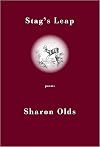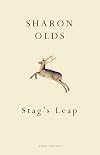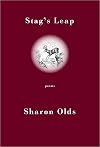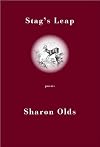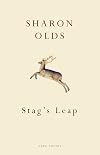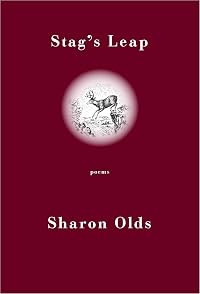
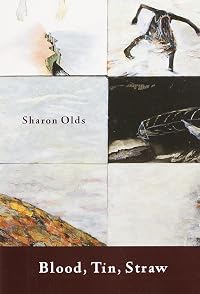
Stag's Leap: Poems
by Sharon Olds
On This Page
Description
In this wise and intimate telling--which carries us through the seasons when her marriage was ending--Sharon Olds opens her heart to the reader, sharing the feeling of invisibility that comes when we are no longer standing in love's sight; the surprising physical bond that still exists between a couple during parting; the loss of everything from her husband's smile to the set of his hip. Olds is naked before us, curious and brave and even generous toward the man who was her mate for thirty show more years and who now loves another woman. -- Cover, p. [4] show lessTags
Recommendations


Member Reviews
Stag's Leap is a fantastic collection of poetry. I've always admired her writing, her bravery, her honesty, and her wisdom. But I found her ability, in this collection, to look with honesty and compassion at the painful dissolution of her thirty year marriage, and its aftermath, staggering.
It won the Pulitzer five years ago, and it deserves it.
Here are a couple of examples from it.
The Flurry
When we talk about when to tell the kids,
we are so together, so concentrated.
I mutter, “I feel like a killer.” “I’m
the killer”—taking my wrist—he says,
holding it. He is sitting on the couch,
the old indigo chintz around him,
rich as a night sea with jellies,
I am sitting on the floor. I look up at him,
as if within some chamber of show more matedness,
some dust I carry around me. Tonight,
to breathe its Magellanic field is less
painful, maybe because he is drinking
a wine grown where I was born—fog,
eucalyptus, sempervirens—and I’m
sharing the glass with him. “Don’t catch
my cold,” he says, “—oh that’s right, you want
to catch my cold.” I should not have told him that,
I tell him I will try to fall out of
love with him, but I feel I will love him
all my life. He says he loves me
as the mother of our children, and new troupes
of tears mount to the acrobat platforms
of my ducts and do their burning leaps.
Some of them jump straight sideways, and, for a
moment, I imagine a flurry
of tears like a whirra of knives thrown
at a figure, to outline it—a heart’s spurt
of rage. It glitters, in my vision, I nod
to it, it is my hope.
****
An ending excerpt from "Last Look":
and I saw, again, how blessed my life has been,
first, to be able to love,
then, to have the parting now behind me,
and not to have lost him when the kids were young,
and the kids now not at all to have lost him,
and not to have lost him when he loved me, and not to have
lost someone who could have loved me for life. show less
It won the Pulitzer five years ago, and it deserves it.
Here are a couple of examples from it.
The Flurry
When we talk about when to tell the kids,
we are so together, so concentrated.
I mutter, “I feel like a killer.” “I’m
the killer”—taking my wrist—he says,
holding it. He is sitting on the couch,
the old indigo chintz around him,
rich as a night sea with jellies,
I am sitting on the floor. I look up at him,
as if within some chamber of show more matedness,
some dust I carry around me. Tonight,
to breathe its Magellanic field is less
painful, maybe because he is drinking
a wine grown where I was born—fog,
eucalyptus, sempervirens—and I’m
sharing the glass with him. “Don’t catch
my cold,” he says, “—oh that’s right, you want
to catch my cold.” I should not have told him that,
I tell him I will try to fall out of
love with him, but I feel I will love him
all my life. He says he loves me
as the mother of our children, and new troupes
of tears mount to the acrobat platforms
of my ducts and do their burning leaps.
Some of them jump straight sideways, and, for a
moment, I imagine a flurry
of tears like a whirra of knives thrown
at a figure, to outline it—a heart’s spurt
of rage. It glitters, in my vision, I nod
to it, it is my hope.
****
An ending excerpt from "Last Look":
and I saw, again, how blessed my life has been,
first, to be able to love,
then, to have the parting now behind me,
and not to have lost him when the kids were young,
and the kids now not at all to have lost him,
and not to have lost him when he loved me, and not to have
lost someone who could have loved me for life. show less
A transcendent collection, truly. I read this as part of a poetry class curriculum and was taken aback by how truly and utterly absorbed I became with each subsequent poem.
For those who don't know, I'm an aspiring writer, but of prose not poetry. I've read (or have "or been exposed to") a selection of some of the greats such as Eliot, Dickenson, Dante and have loved most of them (Dante in particular). But in reading those works I always felt like an interloper, an almost tolerated visitor in a strange land. It never felt like a land that I could ever call 'mine'.
Upon entering the poetry seminar these feelings surged to the fore. My instructor was an imposing woman of unmatched intensity who could pick a part lazy writing and any lack of show more soul with a glance. I passed the class, somehow, and actually felt and even still feel that I truly earned that grade. But call it initiation, call it an extended sojourn, whatever, but I ingested more poetry in those three months than I had ever had before. It was an intense experience that, along with several other physical and mental factors, burned itself into my neural pathways and, I think, fundamentally altered my literary hard-wiring, as it were.
But to Miss Olds and her work, I feel inherently unequipped to say what I want to say outside of a few bloodless platitudes. This collection takes us through the process of a long, long, and incredibly painful divorce between a woman (presumably Olds) and her husband of decades. With full language that borders on prose without ever bursting or trivializing its source genre, we don't read these poems as experience them in a sensual labyrinth that takes lets us inhabit moments in the life (and death) of this marriage.
It's a painful read, but not maliciously so. Sharon Olds bares her soul to us with a soulful ache that resonates off the page and fills you to the brim. There's little in the way of 'ease' here. Though not surreal or absurdist (the poems possess a silken coherency) effort is asked of the reader to expand their literary sensibilities (attaining, if only momentarily, TS Eliot's vaunted 'poetic sensibility' as stated from his introduction to Barnes "Nightwood")to encompass the horizons Olds leads them across. Think of your eyes used to a darkness or soft light having now, only now, a dire need to take in the empyrean brilliance of these very painful, but very real, poetic landscapes.
It's visceral, brutal, but will leave you with the kind of ache that is almost loving, a pain you're glad to have because you know its presence means you're alive. show less
For those who don't know, I'm an aspiring writer, but of prose not poetry. I've read (or have "or been exposed to") a selection of some of the greats such as Eliot, Dickenson, Dante and have loved most of them (Dante in particular). But in reading those works I always felt like an interloper, an almost tolerated visitor in a strange land. It never felt like a land that I could ever call 'mine'.
Upon entering the poetry seminar these feelings surged to the fore. My instructor was an imposing woman of unmatched intensity who could pick a part lazy writing and any lack of show more soul with a glance. I passed the class, somehow, and actually felt and even still feel that I truly earned that grade. But call it initiation, call it an extended sojourn, whatever, but I ingested more poetry in those three months than I had ever had before. It was an intense experience that, along with several other physical and mental factors, burned itself into my neural pathways and, I think, fundamentally altered my literary hard-wiring, as it were.
But to Miss Olds and her work, I feel inherently unequipped to say what I want to say outside of a few bloodless platitudes. This collection takes us through the process of a long, long, and incredibly painful divorce between a woman (presumably Olds) and her husband of decades. With full language that borders on prose without ever bursting or trivializing its source genre, we don't read these poems as experience them in a sensual labyrinth that takes lets us inhabit moments in the life (and death) of this marriage.
It's a painful read, but not maliciously so. Sharon Olds bares her soul to us with a soulful ache that resonates off the page and fills you to the brim. There's little in the way of 'ease' here. Though not surreal or absurdist (the poems possess a silken coherency) effort is asked of the reader to expand their literary sensibilities (attaining, if only momentarily, TS Eliot's vaunted 'poetic sensibility' as stated from his introduction to Barnes "Nightwood")to encompass the horizons Olds leads them across. Think of your eyes used to a darkness or soft light having now, only now, a dire need to take in the empyrean brilliance of these very painful, but very real, poetic landscapes.
It's visceral, brutal, but will leave you with the kind of ache that is almost loving, a pain you're glad to have because you know its presence means you're alive. show less
I've now reread Stag's Leap. Stunning, moving poems, but painful. As before, I became impatient. I wanted Olds to express more rage, and then I wanted her to let go, move on. But these poems aren't about wallowing in sorrow--for me, they describe the slow struggle to accept a difficult transition. After the grief of a divorce, some women look back to express gratitude for the loss--better off without him! Olds, however, writes from a position of tenderness. The most rewarding poems are in the last section, "Years Later," where Olds describes a weary sense of resolution--the "old love for him like a songbird's rib cage picked clean." And, though I might wish for a rousing, feminist victory cry, the resolution Olds describes is more show more credible and more satisfying. show less
Sharon Olds' Stag's Leap is a book of poems about the author's divorce. It received much acclaim, including winning the Pulitzer Prize in poetry in 2013.
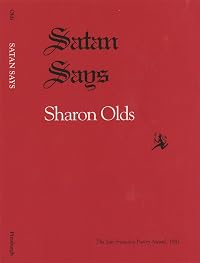
But I have to say that it is by far the weakest book in her oeuvre. Satan Says, her first book, was like a series of firecrackers, every poem a veritable explosion. In this book, almost every poem is a dud. The poems are leaden; they lack depth and range. She reveals an amount of self-absorption that is downright embarrassing. The poems say that both she and her friends think she has been maudlin too long. I can't agree more. There are phrases and even whole poems that possess power and are worth reading, but they are few and far between.
The fact that this was deemed the best book of show more poems by the Pulitzer committee in 2013 is a reflection that politics plays more of a hand than quality in literary awards. show less
But I have to say that it is by far the weakest book in her oeuvre. Satan Says, her first book, was like a series of firecrackers, every poem a veritable explosion. In this book, almost every poem is a dud. The poems are leaden; they lack depth and range. She reveals an amount of self-absorption that is downright embarrassing. The poems say that both she and her friends think she has been maudlin too long. I can't agree more. There are phrases and even whole poems that possess power and are worth reading, but they are few and far between.
The fact that this was deemed the best book of show more poems by the Pulitzer committee in 2013 is a reflection that politics plays more of a hand than quality in literary awards. show less
This work won the Pulitzer Prize for Poetry in 2013. Olds writes of the breakup of her 30 (?) year marriage in a way that promotes a sense of discovery and surprise but lacking the anger one would expect. I found the poetry more comforting than upsetting. I rarely read poetry, it often feeling like a chore but I found this small collection very readable as long as one is able to stay away from the sing-song so many do when reading poetry.
Thirty year marriage. Husband left for another woman.
OMG this is my story.
So when I read the description for this book, the 2013 Pulitzer Prize winner for poetry, I had to reserve it from the library.
It's a life shattering event and she tells it honestly and openly, and from my point of view, very realistically. She says things I've never been able to articulate; emotions I've never admitted out loud.
From the title poem, Stag's Leap (a favorite wine she and her husband shared) is this bit often quoted in reviews:
When anyone escapes, my heart
leaps up. Even when it’s I who am escaped from,
I am half on the side of the leaver.
One of my favorite of the poems is 'Last Look' which I don't seem to be able to edit into a neat excerpt. The show more last phrase however, is that she feels blessed
'not to have
lost someone who could have loved me for life.'
Like all poetry that really touches you, it's hard to say "Oh, yes, I finished that book in May." Snatches come back at odd times and odd situations and there is a subtle shift in outlook from that point onward. I know I'll revisit bits many times. Although I'd recommend this book to anyone who has loved completely and lost, I feel she sang to my heart. This is definitely one that I'll have to purchase my own copy--the library copy just won't do.
4 stars show less
OMG this is my story.
So when I read the description for this book, the 2013 Pulitzer Prize winner for poetry, I had to reserve it from the library.
It's a life shattering event and she tells it honestly and openly, and from my point of view, very realistically. She says things I've never been able to articulate; emotions I've never admitted out loud.
From the title poem, Stag's Leap (a favorite wine she and her husband shared) is this bit often quoted in reviews:
When anyone escapes, my heart
leaps up. Even when it’s I who am escaped from,
I am half on the side of the leaver.
One of my favorite of the poems is 'Last Look' which I don't seem to be able to edit into a neat excerpt. The show more last phrase however, is that she feels blessed
'not to have
lost someone who could have loved me for life.'
Like all poetry that really touches you, it's hard to say "Oh, yes, I finished that book in May." Snatches come back at odd times and odd situations and there is a subtle shift in outlook from that point onward. I know I'll revisit bits many times. Although I'd recommend this book to anyone who has loved completely and lost, I feel she sang to my heart. This is definitely one that I'll have to purchase my own copy--the library copy just won't do.
4 stars show less
Sharon Olds' Stag's Leap is a book of poems about the author's divorce. It received much acclaim, including winning the Pulitzer Prize in poetry in 2013.
But I have to say that it is by far the weakest book in her oeuvre. Satan Says, her first book, was like a series of firecrackers, every poem a veritable explosion. In this book, almost every poem is a dud. The poems are leaden; they lack depth and range. She reveals an amount of self-absorption that is downright embarrassing. The poems say that both she and her friends think she has been maudlin too long. I can't agree more. There are phrases and even whole poems that possess power and are worth reading, but they are few and far between.
The fact that this was deemed the best book of show more poems by the Pulitzer committee in 2013 is a reflection that politics plays more of a hand than quality in literary awards. show less
But I have to say that it is by far the weakest book in her oeuvre. Satan Says, her first book, was like a series of firecrackers, every poem a veritable explosion. In this book, almost every poem is a dud. The poems are leaden; they lack depth and range. She reveals an amount of self-absorption that is downright embarrassing. The poems say that both she and her friends think she has been maudlin too long. I can't agree more. There are phrases and even whole poems that possess power and are worth reading, but they are few and far between.
The fact that this was deemed the best book of show more poems by the Pulitzer committee in 2013 is a reflection that politics plays more of a hand than quality in literary awards. show less
Members
- Recently Added By
Lists

2013 Notable Books for Adults
26 works; 5 members

Tonikat reading completed on Librarything journals
329 works; 2 members

40 Books to Read Before You’re 40
40 works; 4 members

Books Read in 2020
4,379 works; 124 members
Author Information

39+ Works 3,792 Members
Sharon Olds was born in San Francisco. She lives in New York City.
Awards and Honors
Awards
Distinctions
Common Knowledge
- Original publication date
- 2012
- First words
- When he told me, I looked from small thing / to small thing, in our room, the face / of the bedside clock, the sepia postcard / of a woman bending down to a lily. (While He Told Me)
- Last words
- (Click to show. Warning: May contain spoilers.)We fulfilled something in each other - / I believed in him, he believed in me, then we / grew, and I grew, I grieved him, he grieved me, / I completed with him, he completed with me, we / made whole cloth together, we succeeded, / we perfected what lay between him and me, / I did not deceive him, he did not deceive me, / I did not leave him, he did not leave me, / I freed him, he freed me. (What Left?)
Classifications
Statistics
- Members
- 402
- Popularity
- 77,386
- Reviews
- 16
- Rating
- (3.98)
- Languages
- English, Spanish
- Media
- Paper, Audiobook, Ebook
- ISBNs
- 9
- UPCs
- 1
- ASINs
- 3