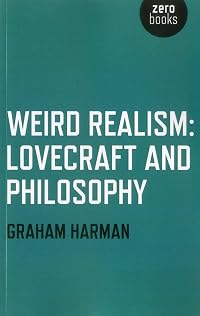
Weird Realism: Lovecraft and Philosophy
by Graham Harman
On This Page
Description
As Hölderlin was to Martin Heidegger and Mallarmé to Jacques Derrida, so is H.P. Lovecraft to the Speculative Realist philosophers. Lovecraft was one of the brightest stars of the horror and science fiction magazines, but died in poverty and relative obscurity in the 1930s. In 2005 he was finally elevated from pulp status to the classical literary canon with the release of a Library of America volume dedicated to his work. The impact of Lovecraft on philosophy has been building for more show more than a decade. Initially championed by shadowy guru Nick Land at Warwick during the 1990s, he was later discovered to be an object of private fascination for all four original members of the twenty-first century Speculative Realist movement. In this book, Graham Harman extracts the basic philosophical concepts underlying the work of Lovecraft, yielding a weird realism capable of freeing continental philosophy from its current soul-crushing impasse. Abandoning pious references by Heidegger to Hölderlin and the Greeks, Harman develops a new philosophical mythology centered in such Lovecraftian figures as Cthulhu, Wilbur Whately, and the rat-like monstrosity Brown Jenkin. The Miskatonic River replaces the Rhine and the Ister, while the Caucasus of Hölderlin gives way to the Antarctic mountains of madness of Lovecraft. show lessTags
Recommendations
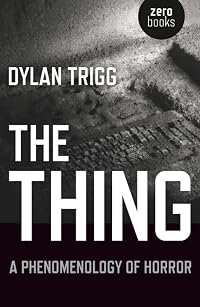
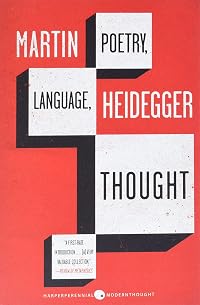
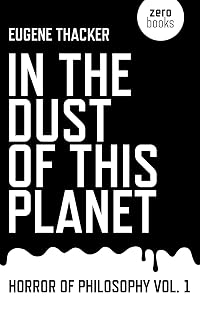

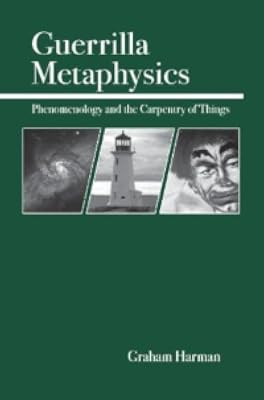



Member Reviews
Very good and, considering the subject, remarkably accessible. The author treats his material with skill, precision and sympathy.
Ratings
Members
- Recently Added By
Published Reviews
ThingScore 75
... American "speculative realist" philosopher Graham Harman, whose new book on Lovecraft is not only an odd and exciting addition to his own rapidly expanding bibliography but also an affront to those critics who have mistaken Lovecraft’s virtues for faults.
added by paradoxosalpha
Talk Discussions
Past Discussions
LA Review of Books article on Harman book on HPL in The Weird Tradition (April 2013)
Author Information

31+ Works 1,304 Members
Graham Harman is Distinguished Professor of Philosophy at the Southern California Institute of Architecture.
Common Knowledge
- People/Characters
- Edmund Wilson; Heidegger, Martin, 1889-1976; Slavoj Žižek; Alfred North Whitehead; Kant, Immanuel, 1724-1804; Karl Popper (show all 7); Clement Greenberg
- First words
- One of the most important decisions made by philosophers concerns the production or destruction of gaps in the cosmos.
Classifications
- Genres
- Literature Studies and Criticism, Fiction and Literature
- DDC/MDS
- 813.0873 — Literature & rhetoric American literature in English American fiction in English By type Genre fiction Adventure fiction Horror fiction; Ghost fiction
- LCC
- PS3523 .O833 .Z537 — Language and Literature American literature American literature Individual authors 1900-1960
- BISAC
Statistics
- Members
- 118
- Popularity
- 275,343
- Reviews
- 1
- Rating
- (3.86)
- Languages
- English
- Media
- Paper, Ebook
- ISBNs
- 2
- ASINs
- 1