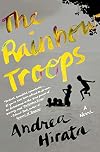
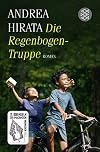
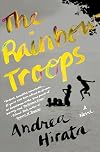
The Rainbow Troops
by Andrea Hirata
On This Page
Description
"On Indonesia's Belitong Island--impoverished and tyrannized by tin-mining interests--a wily group of schoolchildren fight for their right to education"--Tags
Recommendations












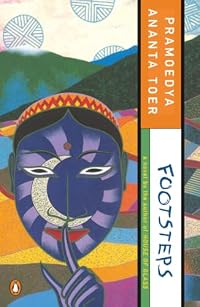
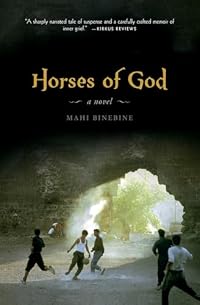

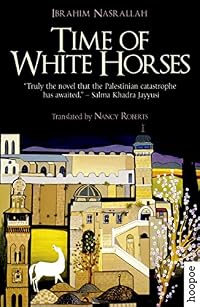
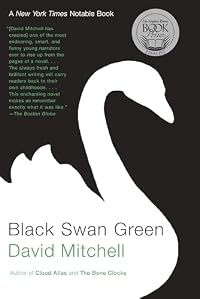














Member Recommendations
bibliobibuli Both heartwarming and charming.
Member Reviews
For the first third of The Rainbow Troops, better known by its original title, Laskar Pelangi, I was having a good time. These are universal themes--coming of age, forging friendships, carving out a living amidst corporate greed--in a specific setting, the 70s and 80s in Belitong, a Sumatran island. Our cast of characters are ten (later eleven) young children at a rural Muhammadiyah school that's little more than a dilapidated shack, which comes alive as their thirst for knowledge is stoked by their teachers.
"Gang of misfits" stories are as old as time. Everybody loves reading or watching quirky kids overcoming obstacles with cleverness and the power of friendship, which probably explains the novel's incredible success in Indonesia. show more But as I neared the halfway point, I found the structure getting very repetitive. It's largely told in vignettes, with a problem arising, the kids improvising or working hard to solve it, and triumphing. By the seventh refrain of "there's no way we'll be able to make it out of this one!" it all started to ring a bit hollow, because we've seen the kids succeed at every turn, albeit improbably.
I was also unsure of everyone's ages. We start at first grade, and later they're in "adolescence," but it's very unclear what that means, and it makes characters feel vague. The classmates are all largely one-dimensional, which is fine as a way to distil them to their most singular quirks and features, but the one spot of characterization that felt truly lacking to me were with the teachers, Bu Mus and Pak Harfan. We're constantly told how incredible they are at inspiring students and conveying knowledge but we're rarely shown it. This is especially true of Pak Harfan, who is introduced in the first few chapters and completely disappears for the next 80% of the book; his death barely registers because it doesn't feel like he was ever present .
What was consistently successful, though, was the setting. I really got a feel for Belitong as Andrea Hirata sees it: geography, culture, politics. He's critical of the corporate greed that has ravaged so much of the island, and the narrative voice shines most when he's talking frankly about poverty--not just as an economic state, but as a currency that politicians, journalists, and anyone looking for attention can exploit without actually establishing lasting solutions.
Simplistic, too long, and with a shockingly depressing ending, I'm very curious how this leads into the rest of Hirata's autobiographical novels.
____________________
Global Challenge: Indonesia show less
"Gang of misfits" stories are as old as time. Everybody loves reading or watching quirky kids overcoming obstacles with cleverness and the power of friendship, which probably explains the novel's incredible success in Indonesia. show more But as I neared the halfway point, I found the structure getting very repetitive. It's largely told in vignettes, with a problem arising, the kids improvising or working hard to solve it, and triumphing. By the seventh refrain of "there's no way we'll be able to make it out of this one!" it all started to ring a bit hollow, because we've seen the kids succeed at every turn, albeit improbably.
I was also unsure of everyone's ages. We start at first grade, and later they're in "adolescence," but it's very unclear what that means, and it makes characters feel vague. The classmates are all largely one-dimensional, which is fine as a way to distil them to their most singular quirks and features, but the one spot of characterization that felt truly lacking to me were with the teachers, Bu Mus and Pak Harfan. We're constantly told how incredible they are at inspiring students and conveying knowledge but we're rarely shown it. This is especially true of Pak Harfan, who is introduced in the first few chapters and completely disappears for the next 80% of the book
What was consistently successful, though, was the setting. I really got a feel for Belitong as Andrea Hirata sees it: geography, culture, politics. He's critical of the corporate greed that has ravaged so much of the island, and the narrative voice shines most when he's talking frankly about poverty--not just as an economic state, but as a currency that politicians, journalists, and anyone looking for attention can exploit without actually establishing lasting solutions.
Simplistic, too long, and with a shockingly depressing ending, I'm very curious how this leads into the rest of Hirata's autobiographical novels.
____________________
Global Challenge: Indonesia show less
Os Guerreiros do Arco-Íris é um romance escrito por Andrea Hirata, um escritor indonésio e traduzido por Maria João Freire de Andrade.
Antes de dizer o que quer que seja sobre os acontecimentos narrados neste livro, devo dizer que é fantástico! Não é qualquer livro que tem o poder de nos envolver de tal forma, que com ele choramos, rimos, sofremos, vibramos. Por vários momentos, senti o peito apertadinho a sofrer pelas personagens, ou melhor, com as personagens. Uma história de vida, de luta, de persistência, de desigualdades sociais, de exploração infantil, de desvalorização de escolas das aldeias, a par de uma grande persistência, de professores que fazem a diferença, de alunos que também fazem a diferença, de um show more grande espírito de sacrifício e resiliência, e, ainda, entremeando com momentos puramente mágicos, com a crença em fantasmas, com o amor (que, com efeito, comanda e muda a vida), momentos de vitória, nos quais me vi a torcer com ansiedade por um grupo de jovens e muitos momentos hilariantes nos quais era impossível não soltar uma boa gargalhada.
Esta é uma história que, segundo a Amazon, “se lê como um moderno conto de fadas”, mas um conto de fadas em que, nem sempre tudo corre às mil maravilhas. Narrada na primeira pessoa, é pela voz de Ikal, uma criança de seis anos, no início do romance, que nos chega esta história incrível. A ação decorre na ilha de Belitong, uma aldeia muito pobre e onde as crianças começam a trabalhar muito cedo a apanhar pimenta, a embrenharem-se pela perigosa selva para apanharem madeira de agara e sândalo amarelo, a trabalhar em lojas, a calafetar barcos, a ralar coco e como moços de recados dos barcos de pesca.
Porém, para este grupo de crianças, pelo menos até certa altura, a escola era o lugar onde eram felizes, mas manter a escola aberta é uma luta constante e muitas são as adversidades por que passam. Estes jovens estudantes são, com efeito, “guerreiros do arco-íris”, que tudo fazem para defender a sua escola, mesmo quando tencionam derrubá-la para explorar o estanho que estaria debaixo da sua estrutura.
Conseguirão os dois troféus ganhos em provas diferentes ser suficientes para manter a escola aberta? Que futuro estará reservado para estas crianças pobres?
Este é mesmo um livro que todos deviam ler, que alguns jovens que têm acesso à educação de mão beijada e não aproveitam, deviam ler. Que todos deviam ler!
Um romance 5 estrelas. É daqueles romances que nos deixa a ressacar. O próximo a ler tem de ser mesmo bom, ou vou ter sempre saudades deste! show less
Antes de dizer o que quer que seja sobre os acontecimentos narrados neste livro, devo dizer que é fantástico! Não é qualquer livro que tem o poder de nos envolver de tal forma, que com ele choramos, rimos, sofremos, vibramos. Por vários momentos, senti o peito apertadinho a sofrer pelas personagens, ou melhor, com as personagens. Uma história de vida, de luta, de persistência, de desigualdades sociais, de exploração infantil, de desvalorização de escolas das aldeias, a par de uma grande persistência, de professores que fazem a diferença, de alunos que também fazem a diferença, de um show more grande espírito de sacrifício e resiliência, e, ainda, entremeando com momentos puramente mágicos, com a crença em fantasmas, com o amor (que, com efeito, comanda e muda a vida), momentos de vitória, nos quais me vi a torcer com ansiedade por um grupo de jovens e muitos momentos hilariantes nos quais era impossível não soltar uma boa gargalhada.
Esta é uma história que, segundo a Amazon, “se lê como um moderno conto de fadas”, mas um conto de fadas em que, nem sempre tudo corre às mil maravilhas. Narrada na primeira pessoa, é pela voz de Ikal, uma criança de seis anos, no início do romance, que nos chega esta história incrível. A ação decorre na ilha de Belitong, uma aldeia muito pobre e onde as crianças começam a trabalhar muito cedo a apanhar pimenta, a embrenharem-se pela perigosa selva para apanharem madeira de agara e sândalo amarelo, a trabalhar em lojas, a calafetar barcos, a ralar coco e como moços de recados dos barcos de pesca.
Porém, para este grupo de crianças, pelo menos até certa altura, a escola era o lugar onde eram felizes, mas manter a escola aberta é uma luta constante e muitas são as adversidades por que passam. Estes jovens estudantes são, com efeito, “guerreiros do arco-íris”, que tudo fazem para defender a sua escola, mesmo quando tencionam derrubá-la para explorar o estanho que estaria debaixo da sua estrutura.
Conseguirão os dois troféus ganhos em provas diferentes ser suficientes para manter a escola aberta? Que futuro estará reservado para estas crianças pobres?
Este é mesmo um livro que todos deviam ler, que alguns jovens que têm acesso à educação de mão beijada e não aproveitam, deviam ler. Que todos deviam ler!
Um romance 5 estrelas. É daqueles romances que nos deixa a ressacar. O próximo a ler tem de ser mesmo bom, ou vou ter sempre saudades deste! show less
The Rainbow Troops is a remarkable debut novel by a young man who once promised his schoolteacher he would write a book in her honor. Inspired by Hirata's own childhood experiences on the tiny, isolated island of Belitong, on the east coast of Sumatra, this is the poignant story of ten young children from among the islands poorest families, and their struggle to gain the education they are guaranteed under Indonesian law.
On his first day at Belitong's only free school, Muhammadiyah Elementary, Ikal breathes a sigh of relief when the tenth child the school needs to remain operational appears at enrollment at the last minute, saving him from being sent to work as a helper at the grocery market or a coolie (labourer) for the miners or show more fishermen to supplement his family's meagre income. As he takes his seat in the ramshackle building which contains not much more than a chalkboard and a few desks and chairs he marvels at the opportunity he has been given, ignoring the leaking roof, "...a roof with leaks so large that students see planes flying in the sky and have to hold umbrellas while studying on rainy days", crumbling concrete floors and missing wall planks. In front of Ikal stands fifteen year old Bus Mus, the new class teacher, and school supervisor, Pak Harfan. Beside him sits nine other children, the Rainbow Troops.
Though simply written, this is an inspiring tale of struggle against adversity told with warmth, humour and tenderness. The children, the Rainbow Troops, will capture your heart as Ikal shares their stories, recounting his friends achievements, triumphs and tragedies as they struggle to claim their right to an education. There is Lintang who leaves his home at dawn to pedal the 40km to school each day, dodging crocodiles and wading through flood waters, never missing a day, Mahar whose imagination entertains them all with stories and Haran who sits, smiling happily, in class even though he doesn't understand a word. learning what becomes of these ten (later 11) children is both heartbreaking and revealing.
The Rainbow Troops is also a story of quiet rebellion. Belitong lies in the shadow of the giant PN tin mining company who, with government approval, strip the land of its riches while caring nothing for its native citizens. Muhammadiyah Elementary educates its students with few resources, it's teachers are unpaid and it is constantly threatened with closure but it fights the injustice with everything it has.
It is impossible to read The Rainbow Troops and not be moved by such an incredible story that is more fact than fiction. With memorable characters, irresistible charm and touching simplicity, this is a story that reminds us to appreciate what we have but also to strive for what we want most. This is a story the world should know.
'Laskar Pelangi' was a phenomenal success when published in Indonesia in 2005, an immediate bestseller, spawning a TV series and film. This is the first of four novels Hirata has penned in the interim, and the first to be translated into English, now on the cusp of global release. show less
On his first day at Belitong's only free school, Muhammadiyah Elementary, Ikal breathes a sigh of relief when the tenth child the school needs to remain operational appears at enrollment at the last minute, saving him from being sent to work as a helper at the grocery market or a coolie (labourer) for the miners or show more fishermen to supplement his family's meagre income. As he takes his seat in the ramshackle building which contains not much more than a chalkboard and a few desks and chairs he marvels at the opportunity he has been given, ignoring the leaking roof, "...a roof with leaks so large that students see planes flying in the sky and have to hold umbrellas while studying on rainy days", crumbling concrete floors and missing wall planks. In front of Ikal stands fifteen year old Bus Mus, the new class teacher, and school supervisor, Pak Harfan. Beside him sits nine other children, the Rainbow Troops.
Though simply written, this is an inspiring tale of struggle against adversity told with warmth, humour and tenderness. The children, the Rainbow Troops, will capture your heart as Ikal shares their stories, recounting his friends achievements, triumphs and tragedies as they struggle to claim their right to an education. There is Lintang who leaves his home at dawn to pedal the 40km to school each day, dodging crocodiles and wading through flood waters, never missing a day, Mahar whose imagination entertains them all with stories and Haran who sits, smiling happily, in class even though he doesn't understand a word. learning what becomes of these ten (later 11) children is both heartbreaking and revealing.
The Rainbow Troops is also a story of quiet rebellion. Belitong lies in the shadow of the giant PN tin mining company who, with government approval, strip the land of its riches while caring nothing for its native citizens. Muhammadiyah Elementary educates its students with few resources, it's teachers are unpaid and it is constantly threatened with closure but it fights the injustice with everything it has.
It is impossible to read The Rainbow Troops and not be moved by such an incredible story that is more fact than fiction. With memorable characters, irresistible charm and touching simplicity, this is a story that reminds us to appreciate what we have but also to strive for what we want most. This is a story the world should know.
'Laskar Pelangi' was a phenomenal success when published in Indonesia in 2005, an immediate bestseller, spawning a TV series and film. This is the first of four novels Hirata has penned in the interim, and the first to be translated into English, now on the cusp of global release. show less
This was as charming as it was inspirational. The author relates his time in the local village school in a remote corner of Indonesia, growing up with his 10 classmates and friends, The Rainbow Troops. The book doesn't shy away from the grinding poverty, the incredible hardship and the shocking state of education in this part of the world, but doesn't seek the reader's pity. Instead, this is an uplifting, hopeful account, often humerous, with characters who you can't help but cheer on.
I'd recommend this book to anyone interested in foreign cultures, but, since this is a story about education and the love of learning, I'd recommend it in particular to teachers.
I'd recommend this book to anyone interested in foreign cultures, but, since this is a story about education and the love of learning, I'd recommend it in particular to teachers.
The Rainbow Troops is one of those books that make you feel good inside and positive about the people that inhabit this Earth. This tale is fiction, but is strongly autobiographical of the author’s life growing up in Indonesia. The story is told in the first person, of a boy growing up with the desire to attend school. In this day and age, this strikes us as somewhat unusual – everyone attends school, whether they want to or not. But for Ikal and his friends, they have to wait at the village school to see if there are enough pupils for the school to run. Luckily, at the eleventh hour, they have the numbers and the Rainbow Troops (as they later name themselves) set off on a life-changing journey, led by two wonderful teachers.
The show more book reveals the scrapes that the Rainbow Troops get into as youngsters and their strengths and triumphs (particularly over the richer PN school). The school lacks even the most basic equipment required by the government, but it doesn’t stop the group from learning. We learn of the great poverty of the village, where children aspire to be menial workers (for example, coconut grater) and the desperation of the teachers to change that. Despite the barriers, the Rainbow Troops overcome many trials and tribulations to achieve what they want the most – an education.
As the troop grows up, the narrative becomes darker (although there is a sweet subplot about first love). Two troop members have fascinations with the spiritual underworld and others are forced out of school. As the school battles its own demons, the Rainbow Troops become dejected, losing faith in what they have achieved. Can they find their way back and will it make a difference to their lives?
I felt this book was divided into three parts – the funny, lighter part when the troops were young, the ennui that occurred in their teenage years and then the final part as adults – beaten but still with hope. Each part had its own tone and it was quite a change for these determined youngsters to suddenly not be bothered. Other parts were absolutely heartbreaking – I felt quite emotional with what happened to some of the characters. As I believe this book is the first of four (I don’t think all are published in English), I thought the final part was a bit rushed. It was good to see what became of Ikal and his friends, but I wonder if it’s covered in greater detail in the other books…
I’d read this book if you’re feeling a bit down and dissatisfied with your life – reading about the Rainbow Troops is certainly inspiring and will remind you of what you have, and what’s important.
Thank you to The Reading Room and Random House for an eARC copy. (My opinion is 100% my own).
http://samstillreading.wordpress.com show less
The show more book reveals the scrapes that the Rainbow Troops get into as youngsters and their strengths and triumphs (particularly over the richer PN school). The school lacks even the most basic equipment required by the government, but it doesn’t stop the group from learning. We learn of the great poverty of the village, where children aspire to be menial workers (for example, coconut grater) and the desperation of the teachers to change that. Despite the barriers, the Rainbow Troops overcome many trials and tribulations to achieve what they want the most – an education.
As the troop grows up, the narrative becomes darker (although there is a sweet subplot about first love). Two troop members have fascinations with the spiritual underworld and others are forced out of school. As the school battles its own demons, the Rainbow Troops become dejected, losing faith in what they have achieved. Can they find their way back and will it make a difference to their lives?
I felt this book was divided into three parts – the funny, lighter part when the troops were young, the ennui that occurred in their teenage years and then the final part as adults – beaten but still with hope. Each part had its own tone and it was quite a change for these determined youngsters to suddenly not be bothered. Other parts were absolutely heartbreaking – I felt quite emotional with what happened to some of the characters. As I believe this book is the first of four (I don’t think all are published in English), I thought the final part was a bit rushed. It was good to see what became of Ikal and his friends, but I wonder if it’s covered in greater detail in the other books…
I’d read this book if you’re feeling a bit down and dissatisfied with your life – reading about the Rainbow Troops is certainly inspiring and will remind you of what you have, and what’s important.
Thank you to The Reading Room and Random House for an eARC copy. (My opinion is 100% my own).
http://samstillreading.wordpress.com show less
Rainbow Troops is an debut autobiographical novel by Indonesian author Andrea Hirata that has sold more than 5 million copies in Indonesia and spawned a screen version. It is set on the island of Pulau Belitong, Sumatra, presumably in the 1970s, and portrays Ikal and his classmates’ experiences at Muhammadiyah Elementary School with passionate young teacher Bu Mu. Despite their gruelling poverty the children have to fight to continue attending school, with the brilliant Lintang cycling 40 kilometers, rain or shine, to get an education. The school has to battle with both the pompous school inspector and the wealthy PN tin mining company to stay open. The story is a real fight of the poor against oppression by the rich, or of good show more versus evil
It was important to realise how much of a privilege education really is, and how much this is taken for granted, and even willfully wasted in the Western world. On the other hand the novel read somewhat like a religious or political propaganda tract. The writing was very simplistic and idealistic. As another reviewer pointed out, it would have been nice to understand the background behind girls having equal rights to education in Indonesia, although this is not the case in all Muslim countries. This was due in part to the efforts of female Indonesian activist Raden Adjeng Kartini (1879-1904) who advocated for the rights of girls to be educated. This was a pleasant, easy read, that made me appreciate the privilege of an education and gave me some insight into island life in Indonesia. show less
It was important to realise how much of a privilege education really is, and how much this is taken for granted, and even willfully wasted in the Western world. On the other hand the novel read somewhat like a religious or political propaganda tract. The writing was very simplistic and idealistic. As another reviewer pointed out, it would have been nice to understand the background behind girls having equal rights to education in Indonesia, although this is not the case in all Muslim countries. This was due in part to the efforts of female Indonesian activist Raden Adjeng Kartini (1879-1904) who advocated for the rights of girls to be educated. This was a pleasant, easy read, that made me appreciate the privilege of an education and gave me some insight into island life in Indonesia. show less
Picked this book up while browsing in a Malaysian bookstore - so surprised that I hadn't heard of it before - I'd say it was the perfect novel for Malaysian teens and ought to find its way into classrooms across the country.
It is a charming tale, by turns funny and very touching, of a class of students at an Islamic school on a small Malaysian island, succeeding against all odds ... for a while at least, until abject poverty kicks in and thwarts all aspirations. The main message is about the importance of education and how it needs to be available to all.
Gave it 4 rather than 5 stars because I personally found it a little too simple, and I want more complexity and challenge in my reads. (I could better imagine a younger self reading show more it.) Reminded me of R.K. Narayan's stories. show less
It is a charming tale, by turns funny and very touching, of a class of students at an Islamic school on a small Malaysian island, succeeding against all odds ... for a while at least, until abject poverty kicks in and thwarts all aspirations. The main message is about the importance of education and how it needs to be available to all.
Gave it 4 rather than 5 stars because I personally found it a little too simple, and I want more complexity and challenge in my reads. (I could better imagine a younger self reading show more it.) Reminded me of R.K. Narayan's stories. show less
Members
- Recently Added By
Published Reviews
ThingScore 100
This autobiographical novel, written in simple, conversational prose by Andrea Hirata, was a record-breaking bestseller in Indonesia when it was published in 2005. Now in English, the story follows the students from their first day to their teens as they discover their strengths, build friendships in the shade of the school’s filicium tree, learn courage and grace from their teachers and show more dream of a better future. show less
added by wandering_star
Lists

Childhood: Books for or about children in different cultures around the wor
345 works; 18 members
Author Information

21 Works 438 Members
Awards and Honors
Series
Belongs to Publisher Series
Fischer Taschenbuch (19765)
Common Knowledge
- Canonical title
- The Rainbow Troops
- Original title
- Laskar Pelangi
- Original publication date
- 2005
- People/Characters
- Ikal; Lintang; Mahar; Sahara; Trapani; Borek (show all 11); Kucai; A Kiong; Syahdan; Harun; Muslimah Hafsari (Miss Mus)
- Important places*
- Belitung, Indonesien
- Related movies
- Laskar Pelangi (2008 | IMDb)
- Dedication*
- Meiner Mutter, N. A. Masturah Seman,
und meinem Vater, Seman Said Harun,
meinen Lehrern, Mrs Muslimah Hafsari
und Mr Harfan Effendi Noor,
und meinen zehn besten Freunden aus Kindertagen,
den Mitgliedern der Reg... (show all)enbogentrnuppe - First words*
- An jenem Morgen hockte ich auf einer langen Bank im Schatten eines dicht belaubten Filicium, eines japanischen Baumfarns.
- Last words*
- (Click to show. Warning: May contain spoilers.)Jeder Bürger hat das Recht auf Bildung
(Verfassung der Republik Indonesien, Artikel 33) - Original language
- Indonesian
*Some information comes from Common Knowledge in other languages. Click "Edit" for more information.
Classifications
- Genres
- Fiction and Literature, General Fiction
- DDC/MDS
- 899.22133 — Literature & rhetoric Literatures of other languages Literatures of non-Austronesian languages of Oceania, of Austronesian languages, of miscellaneous languages Malay and Austronesian languages Indonesian languages Indonesian (Bahasa Indonesia) Indonesian fiction 2000–
- LCC
- PL5089 .H57 .L3713 — Language and Literature Languages and literatures of Eastern Asia, Africa, Oceania Languages of Eastern Asia, Africa, Oceania Languages of Oceania Malayan (Indonesian) languages
- BISAC
Statistics
- Members
- 266
- Popularity
- 120,036
- Reviews
- 19
- Rating
- (4.09)
- Languages
- 10 — Chinese, Dutch, English, French, German, Indonesian, Italian, Malay, Portuguese, Spanish
- Media
- Paper, Audiobook, Ebook
- ISBNs
- 33
- ASINs
- 4