On This Page
Description
Five separate factions vie for control of the realm of the late Lord Eddard Stark, while an ancient form of magic, an everlasting winter, and an unearthly army threaten to return.Tags
Recommendations
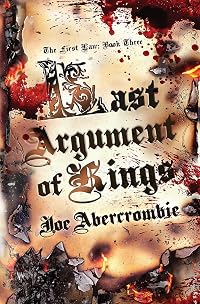
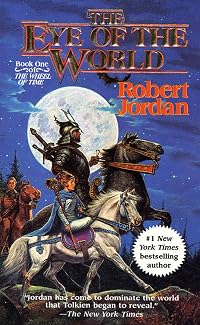
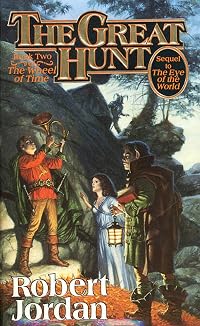
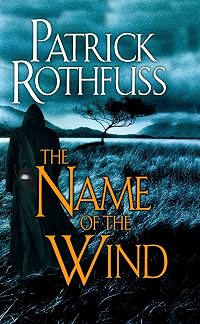
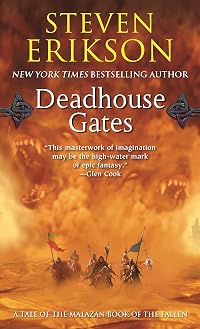
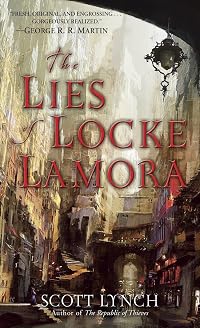
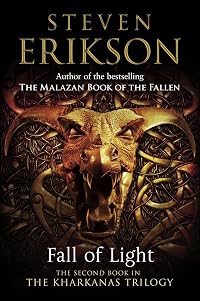
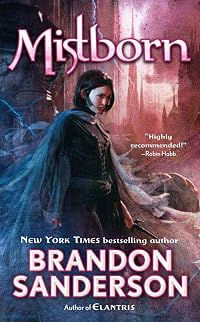
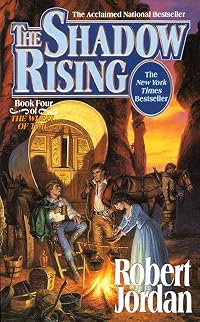
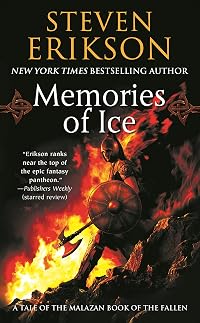
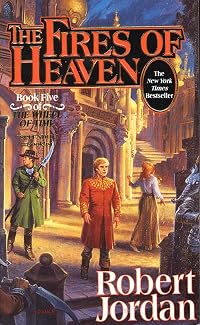
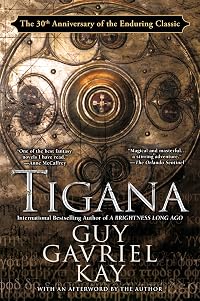
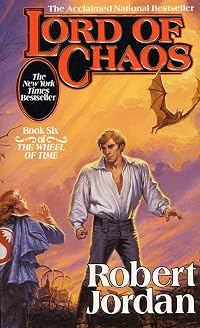
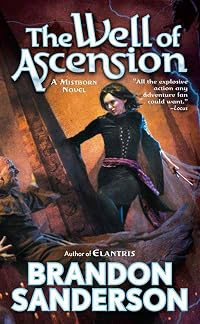

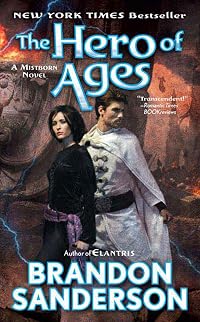
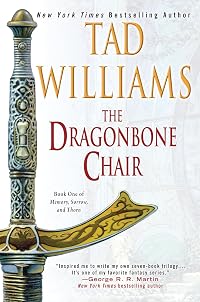
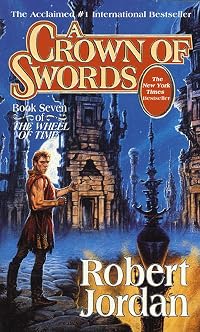
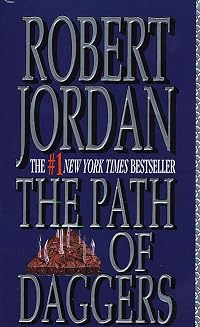
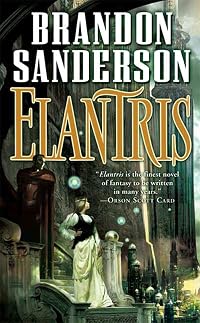
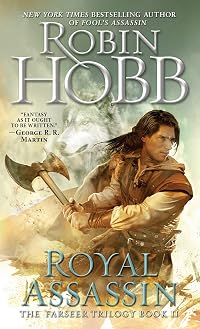
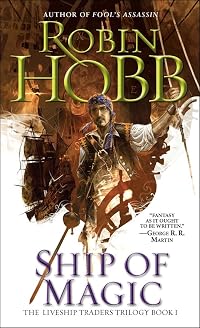
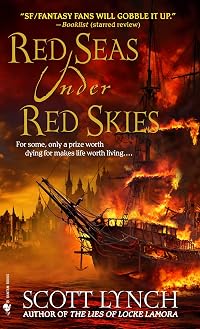
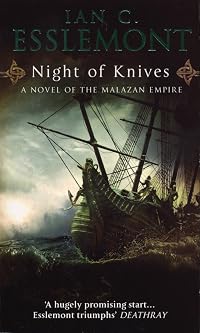
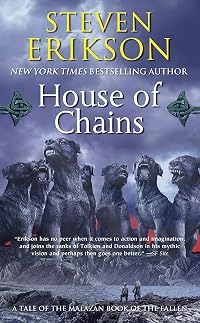

Member Recommendations
Member Reviews
The siege, the shadow, and the waiting.
If A Game of Thrones was the door, A Clash of Kings is the hallway. Darker, longer, full of unexpected turns and doors that lead to worse rooms. You have to walk through it to reach the fire at the end, but you will not enjoy every step.
I came to this book immediately after finishing A Game of Thrones. That first book had ended with devastating losses, scattered survivors, and Daenerys walking into a pyre to emerge with dragons. I was desperate. I wanted revenge. I wanted answers. I wanted someone to pay.
A Clash of Kings gave me none of that. Instead, it gave me more questions, more suffering, and a lingering sense that Martin was not building toward a catharsis; he was building toward a show more landslide.
What it is:
The Seven Kingdoms are at war. Five kings claim the Iron Throne: Joffrey Baratheon (a boy monster), Stannis Baratheon (a rigid zealot), Renly Baratheon (charming but green), Robb Stark (the Young Wolf, fighting for revenge), and Balon Greyjoy (an old fool trying to revive a dead kingdom). While they tear each other apart, winter creeps closer. The Wall is undermanned. The north is bleeding. And across the Narrow Sea, Daenerys Targaryen leads her small khalasar through the Red Waste, searching for a city that might welcome her and her three growing dragons.
The book expands the point-of-view cast. Tyrion arrives in King's Landing as acting Hand, trying to save a city that hates him. Arya wanders the war-torn riverlands with a motley crew of outlaws and fugitives. Sansa endures Joffrey's cruelty as a hostage in her own home. Theon Greyjoy, Robb's ward, returns to his ironborn family and makes a choice that will haunt the rest of the series. And Davos Seaworth, a smuggler turned knight, becomes the eyes of Stannis Baratheon's desperate campaign.
Why it works (even when it hurts):
1. Tyrion's arc is the spine of the book. After the trauma of the first book, Tyrion arrives in King's Landing as acting Hand. He is smart, cynical, and surprisingly effective. He schemes, he banters, he slaps Joffrey. He also discovers that competence does not earn love. The final third of the book: the Battle of the Blackwater is Tyrion's finest hour. And then Martin takes it all away. That is A Clash of Kings in a sentence: you can do everything right and still lose.
2. The siege of King's Landing is magnificent. Martin has called the Battle of the Blackwater the most complex sequence he has ever written. You feel every chain, every wildfire explosion, every soldier drowning in his own armor. The chapter where Tyrion leads a sortie through a secret gate is pure adrenaline. And the aftermath, the smoke, the silence, the horror, is devastating.
3. Arya's chapters are a grim tour of war. She travels through the riverlands, watching villages burn, prisoners hang, and children starve. Her companions are a torturer (the Tickler), a death-seeking knight, a red priest (Thoros), and a madwoman with a grudge. These chapters are bleak, but they are also where Martin does his most honest work: showing that war is not glory. It is mud, fire, and the faces of the dead.
4. Theon's arc is a tragedy. Theon returns to his birth family, betrays Robb, and captures Winterfell. He wants to be feared. He wants to be loved. He ends up alone, despised, and facing something worse than death. His final chapter left me staring at the wall. I hated him in this book. I also pitied him. That is good writing.
5. The prophecies and magic deepen. The first book hinted at the supernatural. This book unleashes it. Melisandre gives birth to a shadow. Daenerys visits the House of the Undying, where she sees visions of the future. Bran's dreams grow darker. The world expands, and Martin plants seeds that will not bloom for thousands of pages.
Where it stumbles (and why I cannot give it five stars like the first book):
1. The pacing is uneven. Tyrion's chapters are tight and urgent. But Jon Snow's arc is a slog: he climbs a mountain, finds a wildling camp, climbs down the mountain. Sansa's chapters are repetitive (Joffrey is cruel, Sandor is sad, she cries). Daenerys wanders the Red Waste for hundreds of pages, and her plot only accelerates in the final third. The middle of this book is heavy. Push through.
2. Too many new characters. The first book introduced a manageable cast. A Clash of Kings adds Davos, Melisandre, Stannis, Renly, the Tyrells, the Boltons, the Freys, and a dozen minor lords. The appendix becomes essential. Some readers bounce off the density.
3. The violence is more graphic. The first book had shocking deaths. This book has torture (Arya's chapters with the Tickler), sexual violence, and a scene involving a rat and a bucket that I will never forget. Martin is not gratuitous, but he does not look away. Be warned.
What it does better than the first book:
1. The political complexity. In A Game of Thrones, the conflict was mostly Stark vs. Lannister. Here, there are five kings, shifting alliances, betrayals within betrayals. Stannis is a zealot, but he is also the rightful heir. Renly is charming, but his claim is thin. Robb is noble, but his war is bleeding the north dry. You cannot pick a side and feel clean about it.
2. The prose sharpens. Martin is still not a stylist, but his battle writing improves. His dialogue is sharper. And the House of the Undying sequence is genuinely hallucinatory, the closest he ever comes to literary experimentation.
3. The sense of dread. In the first book, you believed something could save the Starks. Here, you stop believing. The war machine grinds on, and you realize that no one wins. The best you can hope for is survival. That is a harder, more honest book.
Who should read this:
Anyone who finished A Game of Thrones and needs more.
Readers who appreciate political fantasy and moral complexity.
People who are patient with slow middle sections for the sake of a stunning finale.
Who should skip it:
If you need a finished series (you are in for a long wait).
If graphic violence and bleak outcomes disturb you.
If you hated the pacing of the first book (this is slower).
Final verdict:
A Clash of Kings is not as satisfying as A Game of Thrones. The first book had a complete arc: Ned's fall, the children's scattering, Daenerys's rise. This book is a bridge. It builds the world, introduces new players, and sets up the two most devastating sequences in the entire series (which come in A Storm of Swords). But it also drags in the middle, throws too many names at you, and ends on a note of exhaustion rather than triumph.
Four stars. For Tyrion's chain, for the shadow baby, for the moment when Arya names Jaqen H'ghar's third kill. Push through the slow parts. A Storm of Swords is waiting for you and it is worth every page of this book.
P.S. If you have watched the show, the Battle of the Blackwater is bigger and better in the book. Martin himself wrote the TV episode for that battle, but the budget could not capture the scale of his vision. Read it. You will see what I mean. show less
If A Game of Thrones was the door, A Clash of Kings is the hallway. Darker, longer, full of unexpected turns and doors that lead to worse rooms. You have to walk through it to reach the fire at the end, but you will not enjoy every step.
I came to this book immediately after finishing A Game of Thrones. That first book had ended with devastating losses, scattered survivors, and Daenerys walking into a pyre to emerge with dragons. I was desperate. I wanted revenge. I wanted answers. I wanted someone to pay.
A Clash of Kings gave me none of that. Instead, it gave me more questions, more suffering, and a lingering sense that Martin was not building toward a catharsis; he was building toward a show more landslide.
What it is:
The Seven Kingdoms are at war. Five kings claim the Iron Throne: Joffrey Baratheon (a boy monster), Stannis Baratheon (a rigid zealot), Renly Baratheon (charming but green), Robb Stark (the Young Wolf, fighting for revenge), and Balon Greyjoy (an old fool trying to revive a dead kingdom). While they tear each other apart, winter creeps closer. The Wall is undermanned. The north is bleeding. And across the Narrow Sea, Daenerys Targaryen leads her small khalasar through the Red Waste, searching for a city that might welcome her and her three growing dragons.
The book expands the point-of-view cast. Tyrion arrives in King's Landing as acting Hand, trying to save a city that hates him. Arya wanders the war-torn riverlands with a motley crew of outlaws and fugitives. Sansa endures Joffrey's cruelty as a hostage in her own home. Theon Greyjoy, Robb's ward, returns to his ironborn family and makes a choice that will haunt the rest of the series. And Davos Seaworth, a smuggler turned knight, becomes the eyes of Stannis Baratheon's desperate campaign.
Why it works (even when it hurts):
1. Tyrion's arc is the spine of the book. After the trauma of the first book, Tyrion arrives in King's Landing as acting Hand. He is smart, cynical, and surprisingly effective. He schemes, he banters, he slaps Joffrey. He also discovers that competence does not earn love. The final third of the book: the Battle of the Blackwater is Tyrion's finest hour. And then Martin takes it all away. That is A Clash of Kings in a sentence: you can do everything right and still lose.
2. The siege of King's Landing is magnificent. Martin has called the Battle of the Blackwater the most complex sequence he has ever written. You feel every chain, every wildfire explosion, every soldier drowning in his own armor. The chapter where Tyrion leads a sortie through a secret gate is pure adrenaline. And the aftermath, the smoke, the silence, the horror, is devastating.
3. Arya's chapters are a grim tour of war. She travels through the riverlands, watching villages burn, prisoners hang, and children starve. Her companions are a torturer (the Tickler), a death-seeking knight, a red priest (Thoros), and a madwoman with a grudge. These chapters are bleak, but they are also where Martin does his most honest work: showing that war is not glory. It is mud, fire, and the faces of the dead.
4. Theon's arc is a tragedy. Theon returns to his birth family, betrays Robb, and captures Winterfell. He wants to be feared. He wants to be loved. He ends up alone, despised, and facing something worse than death. His final chapter left me staring at the wall. I hated him in this book. I also pitied him. That is good writing.
5. The prophecies and magic deepen. The first book hinted at the supernatural. This book unleashes it. Melisandre gives birth to a shadow. Daenerys visits the House of the Undying, where she sees visions of the future. Bran's dreams grow darker. The world expands, and Martin plants seeds that will not bloom for thousands of pages.
Where it stumbles (and why I cannot give it five stars like the first book):
1. The pacing is uneven. Tyrion's chapters are tight and urgent. But Jon Snow's arc is a slog: he climbs a mountain, finds a wildling camp, climbs down the mountain. Sansa's chapters are repetitive (Joffrey is cruel, Sandor is sad, she cries). Daenerys wanders the Red Waste for hundreds of pages, and her plot only accelerates in the final third. The middle of this book is heavy. Push through.
2. Too many new characters. The first book introduced a manageable cast. A Clash of Kings adds Davos, Melisandre, Stannis, Renly, the Tyrells, the Boltons, the Freys, and a dozen minor lords. The appendix becomes essential. Some readers bounce off the density.
3. The violence is more graphic. The first book had shocking deaths. This book has torture (Arya's chapters with the Tickler), sexual violence, and a scene involving a rat and a bucket that I will never forget. Martin is not gratuitous, but he does not look away. Be warned.
What it does better than the first book:
1. The political complexity. In A Game of Thrones, the conflict was mostly Stark vs. Lannister. Here, there are five kings, shifting alliances, betrayals within betrayals. Stannis is a zealot, but he is also the rightful heir. Renly is charming, but his claim is thin. Robb is noble, but his war is bleeding the north dry. You cannot pick a side and feel clean about it.
2. The prose sharpens. Martin is still not a stylist, but his battle writing improves. His dialogue is sharper. And the House of the Undying sequence is genuinely hallucinatory, the closest he ever comes to literary experimentation.
3. The sense of dread. In the first book, you believed something could save the Starks. Here, you stop believing. The war machine grinds on, and you realize that no one wins. The best you can hope for is survival. That is a harder, more honest book.
Who should read this:
Anyone who finished A Game of Thrones and needs more.
Readers who appreciate political fantasy and moral complexity.
People who are patient with slow middle sections for the sake of a stunning finale.
Who should skip it:
If you need a finished series (you are in for a long wait).
If graphic violence and bleak outcomes disturb you.
If you hated the pacing of the first book (this is slower).
Final verdict:
A Clash of Kings is not as satisfying as A Game of Thrones. The first book had a complete arc: Ned's fall, the children's scattering, Daenerys's rise. This book is a bridge. It builds the world, introduces new players, and sets up the two most devastating sequences in the entire series (which come in A Storm of Swords). But it also drags in the middle, throws too many names at you, and ends on a note of exhaustion rather than triumph.
Four stars. For Tyrion's chain, for the shadow baby, for the moment when Arya names Jaqen H'ghar's third kill. Push through the slow parts. A Storm of Swords is waiting for you and it is worth every page of this book.
P.S. If you have watched the show, the Battle of the Blackwater is bigger and better in the book. Martin himself wrote the TV episode for that battle, but the budget could not capture the scale of his vision. Read it. You will see what I mean. show less
← Part 1
I span away from the counter, my ominous black cloak pillowing behind me like a… pillow? No, wait, it billowed, not pillowed. That would be ridiculous. Where was I?
Oh right, Waterstones. I clutched my newly bought copy of A Clash of Kings in one hand, my grandfather's longsword in the other hand, and a shield in someone else's hand. “Thanks for holding my shield, Barry,” I said to Barry, who was holding my shield.
“Don't mention it,” said Barry. “I'm just glad I can repay the debt my family owes yours after aaarrrrggghh,” continued Barry.
“No, the debt was because of the assistance my great nuncle leant to your grandmother in the Battle of Gregg's, not because of aaarrrrggghh,” I said. “What does that even show more mean?" I asked, turning to Barry. But Barry couldn't answer. A hardbound edition of H.G. Wells' complete works had fallen from the top shelf and struck him atop the head, crushing his skull and for some reason spilling his entrails all over the carpet. “Hey, Barry, you don't look so ‘Wells’!” I said, with a small chuckle, as I checked his corpse for valuables.
A few pounds better off I moved on past the rest of the science fiction and fantasy section and found myself amongst the horror titles. An ill wind blew at my back and I couldn't shake the feeling that something was amiss. There was nothing I could put my finger on, but my battle hardened senses were telling me I shouldn't linger there. So I stepped past the dead bodies crowding the floor and ducked under the ones hanging from the ceiling.
Emerging from the forest of the dead I inexplicably found myself back at the counter whence I had started my journey north. Or maybe south. Or east. Whatever. I was going to ask the lady at the counter which direction was north, but she spoke first. “Valar morghulis," she said, and pointed a crossbow at my head.
Part 3 → show less
I span away from the counter, my ominous black cloak pillowing behind me like a… pillow? No, wait, it billowed, not pillowed. That would be ridiculous. Where was I?
Oh right, Waterstones. I clutched my newly bought copy of A Clash of Kings in one hand, my grandfather's longsword in the other hand, and a shield in someone else's hand. “Thanks for holding my shield, Barry,” I said to Barry, who was holding my shield.
“Don't mention it,” said Barry. “I'm just glad I can repay the debt my family owes yours after aaarrrrggghh,” continued Barry.
“No, the debt was because of the assistance my great nuncle leant to your grandmother in the Battle of Gregg's, not because of aaarrrrggghh,” I said. “What does that even show more mean?" I asked, turning to Barry. But Barry couldn't answer. A hardbound edition of H.G. Wells' complete works had fallen from the top shelf and struck him atop the head, crushing his skull and for some reason spilling his entrails all over the carpet. “Hey, Barry, you don't look so ‘Wells’!” I said, with a small chuckle, as I checked his corpse for valuables.
A few pounds better off I moved on past the rest of the science fiction and fantasy section and found myself amongst the horror titles. An ill wind blew at my back and I couldn't shake the feeling that something was amiss. There was nothing I could put my finger on, but my battle hardened senses were telling me I shouldn't linger there. So I stepped past the dead bodies crowding the floor and ducked under the ones hanging from the ceiling.
Emerging from the forest of the dead I inexplicably found myself back at the counter whence I had started my journey north. Or maybe south. Or east. Whatever. I was going to ask the lady at the counter which direction was north, but she spoke first. “Valar morghulis," she said, and pointed a crossbow at my head.
Part 3 → show less
What can I say about this book that hasn't been said already? It's brilliant. It's a very solid sequel that moves many chess pieces forward in exciting and unexpected ways. We get to see 5 kings (with multiple characters' points of view for each) try to stamp their authority on Westeros, and it's very exciting. This really does feel like a "war book" as the majority of the story centers around The War of the Five Kings. While this war is happening, we also read about the Night's Watch and their fight against the Wildlings far in the North, and we get a handful of chapters in another continent, where Daenerys Targaryen resides. It's a very large-scale story, with characters thousands of miles apart being involved. Yet, it doesn't feel show more clunky or disjointed. It's a very well-planned and well-executed story overall. [return][return]I really want to delve into some of the POVs in this book. My least favorite ones are probably those of Bran, not because I dislike the character, but because not much happens in them besides warg dreams and stuff. My favorite ones are probably those of Tyrion. He is considered the main character of this book, and it's easy to see why; he has a solid 15 chapters here, and they all take place in King's Landing. It's absolutely engrossing reading about this man using his wits and knowledge base to change the politics of King's Landing in the aftermath of Eddard Stark's death and Tywin Lannister's battles against Robb Stark; it's not an easy task at all, especially considering the fact that Stannis Baratheon is marching on King's Landing to take the Iron Throne. The pages slowly build towards the epic battle, with each chapter revealing a part of Tyrion's plan to win the war. And, when it finally comes, it doesn't hold back. It is brutal, bloody, and shocking, with towers of wildfires, great underwater chains, hundreds of battleships, massive explosions, glory, and death. I can see why "Blackwater" is one of the highest rated episodes of "Game of Thrones"; it is such a well-written battle. What makes the Tyrion chapters so good, however, is that, even though he's on the Lannister side (making him an enemy to the effective protagonists of the series: The Starks), we root for him because he's genuinely a good person. This is what makes GRRM's work so fucking great: everything is grey, and you root for characters on both sides. The storytelling is very complex and fascinating. [return][return]Obviously, Arya's chapters are fantastic as well. When I first read this book, they were the chapters that had me the most hooked. Arya really goes through Hell in her escape from King's Landing; she lives through horrendous conditions and faces some of the worst characters in the entire series. I don't know of anyone who would endure such a journey at that age without giving up or yielding or even committing suicide; it's so dire, man. [return][return]However, I cannot end this review without talking about Theon Greyjoy. In the show, Theon is one of the few characters who had a perfect and complete character arc that ended well, and this is the book where we see the beginnings of his fall from grace before the eventual redemption. He's very thoroughly explored in these chapters; we see his arrogance and his inhumanity, but we also see his yearning to prove himself to others and shower himself in glory. The final chapters where the Northmen trap him in Winterfell and he realizes that there's no way out are some of my favorite chapters in the entire series. The situation seems so dire and inescapable, but just when you think all hope is lost, another twist is thrown in the fray: Ramsay Bolton, the Bastard of the Dreadfort, has been alive all this time, dressed as Reek, and he betrays Robb Stark's bannermen to take over the North and burn Winterfell to the ground. It's such a good twist that I was chilled to the bone when I read it just now despite this being my second read of the book. [return][return]One more thing I want to mention is that this series has such a grand, majestic, and epic feel to it. In the chapter where we learn (partially) about why Jamie Lannister thought the Mad King was evil enough to kill, I knew at once that this character was destined for a great story and an epic farewell. Let's hope that GRRM finishes the books and gives this character a proper ending. Another aspect of this story that felt grand was the foreshadowing in the House of the Undying Ones. When Raegar Targaryen started talking about (SPOILER ALERT) Jon Snow being "the song of ice and fire", I was in a state of euphoria. Obviously, we don't know it's Jon Snow at this stage of the story, but, man, did GRRM create one of the greatest and most beautiful twists in the history of media when he made Jon Snow the son of Rhaegar and Lyanna, representing the Song of Ice and Fire, Azor Ahai, the Prince that was Promised, who would come in and save the world from a terrible winter. I love this story so fucking much, man. I don't know if anything will ever come close to it in the rest of my lifetime. [return][return]The weakest aspect of this book (and this series as a whole) is that there's just way too many fucking characters, Houses, castles, banners, etc. It's almost impossible to know them all. When you read the book, you think to yourself "Am I really going to have to remember these characters, what they do, and where they come from, or will it have no impact on the story at all?" You don't know which characters are important and which ones aren't, and then, suddenly, when a character does become important, you ask yourself, "Who is this person again? What do they do? Where do they come from? What's their backstory?" I watched "Game of Thrones" and read "A Song of Ice and Fire" in their entirety a few years ago, yet I still had trouble knowing who was who when re-reading this book over the past few weeks. That's one thing I feel the show does better than books: it simplifies the story to a certain degree and eliminates unimportant characters, banners, and Houses. It only focuses on the important parts. [return][return]With that small nitpick out of the way, I have to end this review by saying that I simply love these books, the show, and this overall story. It is, by far, my favorite story in all of media (even though it's largely unfinished), and no one can dissuade me from having this opinion (until I find something I love even more). show less
← Part 1
I span away from the counter, my ominous black cloak pillowing behind me like a… pillow? No, wait, it billowed, not pillowed. That would be ridiculous. Where was I?
Oh right, Waterstones. I clutched my newly bought copy of A Clash of Kings in one hand, my grandfather's longsword in the other hand, and a shield in someone else's hand. “Thanks for holding my shield, Barry,” I said to Barry, who was holding my shield.
“Don't mention it,” said Barry. “I'm just glad I can repay the debt my family owes yours after aaarrrrggghh,” continued Barry.
“No, the debt was because of the assistance my great nuncle leant to your grandmother in the Battle of Gregg's, not because of aaarrrrggghh,” I said. “What does that even show more mean?" I asked, turning to Barry. But Barry couldn't answer. A hardbound edition of H.G. Wells' complete works had fallen from the top shelf and struck him atop the head, crushing his skull and for some reason spilling his entrails all over the carpet. “Hey, Barry, you don't look so ‘Wells’!” I said, with a small chuckle, as I checked his corpse for valuables.
A few pounds better off I moved on past the rest of the science fiction and fantasy section and found myself amongst the horror titles. An ill wind blew at my back and I couldn't shake the feeling that something was amiss. There was nothing I could put my finger on, but my battle hardened senses were telling me I shouldn't linger there. So I stepped past the dead bodies crowding the floor and ducked under the ones hanging from the ceiling.
Emerging from the forest of the dead I inexplicably found myself back at the counter whence I had started my journey north. Or maybe south. Or east. Whatever. I was going to ask the lady at the counter which direction was north, but she spoke first. “Valar morghulis," she said, and pointed a crossbow at my head.
Part 3 → show less
I span away from the counter, my ominous black cloak pillowing behind me like a… pillow? No, wait, it billowed, not pillowed. That would be ridiculous. Where was I?
Oh right, Waterstones. I clutched my newly bought copy of A Clash of Kings in one hand, my grandfather's longsword in the other hand, and a shield in someone else's hand. “Thanks for holding my shield, Barry,” I said to Barry, who was holding my shield.
“Don't mention it,” said Barry. “I'm just glad I can repay the debt my family owes yours after aaarrrrggghh,” continued Barry.
“No, the debt was because of the assistance my great nuncle leant to your grandmother in the Battle of Gregg's, not because of aaarrrrggghh,” I said. “What does that even show more mean?" I asked, turning to Barry. But Barry couldn't answer. A hardbound edition of H.G. Wells' complete works had fallen from the top shelf and struck him atop the head, crushing his skull and for some reason spilling his entrails all over the carpet. “Hey, Barry, you don't look so ‘Wells’!” I said, with a small chuckle, as I checked his corpse for valuables.
A few pounds better off I moved on past the rest of the science fiction and fantasy section and found myself amongst the horror titles. An ill wind blew at my back and I couldn't shake the feeling that something was amiss. There was nothing I could put my finger on, but my battle hardened senses were telling me I shouldn't linger there. So I stepped past the dead bodies crowding the floor and ducked under the ones hanging from the ceiling.
Emerging from the forest of the dead I inexplicably found myself back at the counter whence I had started my journey north. Or maybe south. Or east. Whatever. I was going to ask the lady at the counter which direction was north, but she spoke first. “Valar morghulis," she said, and pointed a crossbow at my head.
Part 3 → show less
This is the second book in the Song of Ice and Fire series, and it has over 1000 pages. Egad. You see a page count like that and think of how it must be a dull paperweight; the magic in Martin's writing is that each of the characters are compelling in their own way, and each chapter ends on a suspenseful note. The reader is then forced to wait five, ten, maybe fifteen chapters until it returns to that character again. Gah! That takes incredible skill. Martin isn't afraid to kill or mutilate anyone, but fortunately my favorites have managed to stay alive so far.
Picking up where the first book left off, the Seven Kingdoms are in chaos. There are now three claimants to the Iron Throne and the North has declared something of a war of independence on the rest of the country.
This book has almost everything. Treachery, loyalty, conspiracies, conspiracies within conspiracies, turncoats, power plays, twists, turns, you name it. The only thing I find to be missing is a love story. I don't need much, but in a book this epic in scope, it feels like somebody should be in love with somebody else and want to talk about it. It's a small thing though, and I'm more than willing to overlook it since Martin does everything else so well.
I found it a little daunting when I realized that there are 28 pages of show more characters at the end of the book. That's right. Twenty-eight. But I found the main characters very easy to keep track of. It probably helps that I'm not someone who needs to know exactly how each minor character fits into which family. I found the cast of characters to be very manageable, and I don't think I have a huge tolerance for books with too many characters.
Speaking of characters, I loved watching how some of the characters grow throughout the book. As I recall, there wasn't a whole lot of character growth in the first book, but I guess the author was mostly worried about laying a good foundation for his story. So watching the sometimes surprising ways that some of my favorites developed was intriguing. And I was left with my heart aching for the path one character is forced to follow. I think causing that kind of emotional investment in your characters is one of the marks of a great author.
Another thing that keeps me reading is that no character feels safe. I never knew if a favorite was going to be the next to get killed off in some way. While it makes me a little nervous as I read (back to that emotionally invested thing again), it makes the whole book feel a little more real. There might not be a fairy tale ending to these books because this is the real world. Or at least it feels like it while I'm reading!
I just love this series. The size of the books is fairly intimidating, but I get so wrapped up in the story, I don't notice how long it's taking me to read them. I highly, highly recommend this series. show less
This book has almost everything. Treachery, loyalty, conspiracies, conspiracies within conspiracies, turncoats, power plays, twists, turns, you name it. The only thing I find to be missing is a love story. I don't need much, but in a book this epic in scope, it feels like somebody should be in love with somebody else and want to talk about it. It's a small thing though, and I'm more than willing to overlook it since Martin does everything else so well.
I found it a little daunting when I realized that there are 28 pages of show more characters at the end of the book. That's right. Twenty-eight. But I found the main characters very easy to keep track of. It probably helps that I'm not someone who needs to know exactly how each minor character fits into which family. I found the cast of characters to be very manageable, and I don't think I have a huge tolerance for books with too many characters.
Speaking of characters, I loved watching how some of the characters grow throughout the book. As I recall, there wasn't a whole lot of character growth in the first book, but I guess the author was mostly worried about laying a good foundation for his story. So watching the sometimes surprising ways that some of my favorites developed was intriguing. And I was left with my heart aching for the path one character is forced to follow. I think causing that kind of emotional investment in your characters is one of the marks of a great author.
Another thing that keeps me reading is that no character feels safe. I never knew if a favorite was going to be the next to get killed off in some way. While it makes me a little nervous as I read (back to that emotionally invested thing again), it makes the whole book feel a little more real. There might not be a fairy tale ending to these books because this is the real world. Or at least it feels like it while I'm reading!
I just love this series. The size of the books is fairly intimidating, but I get so wrapped up in the story, I don't notice how long it's taking me to read them. I highly, highly recommend this series. show less
I felt a bit mixed about the first Game of Thrones book and for quite a while avoided reading further. That had nothing to do with the quality of the first book, which I rated a full five stars and I thought earned it. Both books immediately pulled me in and made me care about its characters--perhaps a bit too much. Part of why I was reluctant to continue after the first book was that Martin killed off one of my favorite characters--and in a way that was a shock. I knew going into A Clash of Kings that no one was safe. And that does have a payoff, helping to create real suspense.
A lot of the characters I fell in love with in the last book are closely followed in the second and were a treat to return to, particularly Tyrion, Arya and show more Daenerys. What impressed me most in this book however was how smoothly Martin introduced new characters that were just as compelling to follow such as Melisandre, Davos and Brienne. Not necessarily characters to root for in the same way as my favorites from the first book, but certainly complex and alive on the page. Having read a short YA while taking a break from this behemoth I newly appreciated how much stronger Martin is as a writer than what you typically find in the fantasy genre, and much more gritty and dark--verging on too much so for my tastes.
If I'm docking this half a star from the first book, it's because this second book didn't quite generate the same intensity of emotion, and certainly not the sense of almost awe of the first book's ending. Instead, this book ended on very much a to-be-continued note designed it seemed to push you along to the next book. Something I wouldn't mind so much if this series was finished and Martin didn't have a tendency to go years between books. show less
A lot of the characters I fell in love with in the last book are closely followed in the second and were a treat to return to, particularly Tyrion, Arya and show more Daenerys. What impressed me most in this book however was how smoothly Martin introduced new characters that were just as compelling to follow such as Melisandre, Davos and Brienne. Not necessarily characters to root for in the same way as my favorites from the first book, but certainly complex and alive on the page. Having read a short YA while taking a break from this behemoth I newly appreciated how much stronger Martin is as a writer than what you typically find in the fantasy genre, and much more gritty and dark--verging on too much so for my tastes.
If I'm docking this half a star from the first book, it's because this second book didn't quite generate the same intensity of emotion, and certainly not the sense of almost awe of the first book's ending. Instead, this book ended on very much a to-be-continued note designed it seemed to push you along to the next book. Something I wouldn't mind so much if this series was finished and Martin didn't have a tendency to go years between books. show less
Members
- Recently Added By
Published Reviews
ThingScore 92
Martin manages very well to have satisfying volume completion and satisfying character arcs within the volume—slightly less well than in the first book, but still remarkably well considering how difficult it is.
added by Shortride
Roy Dotrice rises to the challenge, providing each character with his or her own unique voice.
added by readysetgo
Once again Martin treats us to a magnificent tapestry that is, at once, both stunningly detailed and amazing in its ability to draw the reader into its grasp.
added by Shortride
Lists

Best Fantasy Novels
821 works; 357 members

Top-Rated Books on LibraryThing
272 works; 117 members
Favorite Long Books
330 works; 42 members

NPRs your picks: top 100 Sci-Fi/Fantasy books
297 works; 80 members
Favourite Books
1,819 works; 316 members
Favourite High Fantasy Books
113 works; 23 members

Nineties
43 works; 10 members

20th Century Literature
1,161 works; 54 members

Stories About Other Worlds
145 works; 13 members

1990s
309 works; 17 members

Books I've Read More Than Once
602 works; 49 members
Books with Noble Titles
179 works; 10 members

Books with Twins
175 works; 12 members

Books Read in 2014
2,343 works; 86 members
Speculative Fiction to Read
706 works; 32 members

Mind Expanding Books by hackerkid
581 works; 8 members

Books Read in 2005
174 works; 7 members
Best Books of the 20th Century
193 works; 5 members

2015 Reading List
9 works; 1 member

LGBTQ+ Speculative Fiction
821 works; 51 members

Huxley's reading log 2017
45 works; 1 member

American Lit for Eng 11 Research Project
368 works; 6 members

Favorite Books of All Time Ranked
8 works; 1 member

Books Finished in 2024
12 works; 1 member

um actually
76 works; 3 members
Favorite Books of All Time Ranked
8 works; 1 member
Fantasy Books Ranked
6 works; 1 member

Books Read in 2001
194 works; 4 members
Epic Fantasy of the 90s
111 works; 4 members
Books available on Open Library
171 works; 4 members
Books Read in 2018
4,360 works; 110 members

Read in 2014
334 works; 11 members

Witches and Wizards Oh My
135 works; 12 members
Books Read in 2012 (Numbered)
168 works; 6 members

Books Read in 2012
816 works; 34 members

el
1,139 works; 1 member
Best Political Fiction
92 works; 12 members
Five star books
1,757 works; 108 members
Here There Be Dragons
143 works; 23 members

Unread books
1,063 works; 83 members

Best Pern Books
79 works; 10 members
Author Information

721+ Works 243,826 Members
George R. R. Martin was born on September 20, 1948 in Bayonne, New Jersey. He began writing at an early age, selling monster stories for pennies to neighborhood children. He received B.S. and M.S. degrees in Journalism from Northwestern University. In 1986, he worked as a story editor for the CBS series The Twilight Zone. He was also an executive show more story consultant, producer and co-supervising producer for CBS's Beauty and the Beast. In 1970, he sold the story The Hero to Galaxy magazine. Since becoming a full-time writer in 1979, he has written many novels, stories, and series including A Song for Lya, Portraits of His Children, The Pear-Shaped Man, and the Song of Ice and Fire series. He has won numerous awards including five Locus Awards, three Hugo Awards and two Nebula awards. In 2013 he made The New York Times Best Seller List with his titles A Dance with Dragons and A Game of Thrones: a Clash of Kings, a Storm of Swords, a Feast for Crows. His title's Rogues and The Ice Dragon made the New York Times List in 2014. Martin's title, A Knight of Seven Kingdoms, A Song of Fire and Ice novel, made the New York Times bestseller list in 2015. He is number 4 on the Hollywood Reporter's '25 Most Powerful Authors' 2016 list. (Bowker Author Biography) show less
Some Editions
Awards and Honors
Series

Belongs to Publisher Series
Varraku F-sari (95)
J'ai lu (6090)
Work Relationships
Is contained in
Contains
Has the adaptation
Has as a supplement
Has as a student's study guide
Common Knowledge
- Canonical title
- A Clash of Kings
- Original title
- A Clash of Kings
- Alternate titles*
- Il regno dei lupi e La regina dei draghi
- Original publication date
- 1998-11-16
- People/Characters
- Catelyn Tully Stark; Brandon "Bran" Stark; Sansa Stark; Arya Stark; Jon Snow; Tyrion Lannister (show all 69); Daenerys Targaryen; Theon Greyjoy; Davos Seaworth; Melisandre; Stannis Baratheon; Renly Baratheon; Brienne of Tarth; Cersei Lannister; Joffrey Baratheon; Tywin Lannister; Gregor Clegane; Sandor Clegane; Balon Greyjoy; Asha Greyjoy; Mandon Moore; Podrick Payne; Lancel Lannister; Lord Varys; Jorah Mormont; Xaro Xhoan Daxos; Pyat Pree; Jhogo; Quaithe; Hodor; Osha; Meera Reed; Jojen Reed; Jaime Lannister; Petyr Baelish "Littlefinger"; Rickon Stark; Maester Pycelle; Maester Luwin; Janos Slynt; Dontos Hollard; Jacelyn Bywater; Maester Cressen; Loras Tyrell; Edmure Tully; Hoster Tully; Walder Frey "Little Walder"; Walder Frey "Big Walder"; Roose Bolton; Vargo Hoat; Biter; Gendry; Hot Pie; Jaqen H'ghar; Rorge; Amory Lorch; Yoren; Weese; Rodrik Cassel; Ramsay Bolton; Jeor Mormont; Samwell Tarly; Qhorin "Halfhand"; Ygritte; Rattleshirt "Lord of Bones"; Shae; Alayaya; Bronn; Timett son of Timett; Shagga son of Dolf
- Important places
- Riverrun, The Riverlands, Westeros; Winterfell, The North, Westeros; King's Landing, Westeros; Harrenhal, The Riverlands, Westeros; Qarth, Essos; Dragonstone, Westeros (show all 22); Westeros; Castle Black, The Wall, Westeros; Red Waste, Essos; Essos; Storm's End, Westeros; The Red Keep, King's Landing, Westeros; Haunted Forest, Beyond the Wall, Westeros; Frostfangs, Beyond the Wall, Westeros; Beyond the Wall, Westeros; Pyke, Iron Islands, Westeros; Iron Islands, Westeros; Bitterbridge, Westeros; Gods Eye, Westeros; Vaes Tolorro, Red Waste, Essos; Seven Kingdoms; The Wall
- Important events
- War of the Five Kings
- Related movies
- Game of Thrones (2011 | IMDb)
- Dedication
- to John and Gail
for all the meat and mead we've shared - First words
- The comet's tail spread across the dawn, a red slash that bled above the crags of Dragonstone like a wound in the pink and purple sky.
- Quotations
- This world is twisted beyond hope, when lowborn smugglers must vouch for the honor of kings.
Crowns do queer things to the heads beneath them.
"In a room sits three great men, a king, a priest, and a rich man with his gold. Between them stands a sellsword, a little man of common birth and no great mind. Each of the great ones bids him slay the other two. 'Do it,' sa... (show all)ys the king, 'for I am your lawful ruler.' 'Do it,' says the priest, 'for I command you in the names of the gods.' 'Do it,' says the rich man, 'and all this gold shall be yours.' So tell me--who lives and who dies?"
There's no shame in fear, my father told me, what matters is how we face it.
Some men are like swords, made for fighting. Hang them up and they go to rust.
Yet if it is the swordsmen who rule us in truth, why do we pretend our kings hold the power?
"Power resides where men believe it resides. No more and no less." "So power is a mummer's trick?" "A shadow on the wall," Varys murmured, "yet shadows can kill. And ofttimes a very small man can cast a very large shadow."
"The men of Westeros are ever rushing," complained Salladhor Saan. "What good is this, I ask you? He who hurries through life hurries to his grave."
The years pass in their hundreds and their thousands, and what does any man see of life but a few summers, a few winters? We look at mountains and call them eternal, and so they seem... but in the course of time, mountains ri... (show all)se and fall, rivers change their courses, stars fall from the sky, and great cities sink beneath the sea. Even gods die, we think. Everything changes.
Perhaps that is the secret. It is not what we do, so much as why we do it.
"Sleep is good," he said. "And books are better."
Sorcery is the sauce fools spoon over failure to hide the flavor of their own incompetence.
"There are no true knights, no more than there are gods. If you can't protect yourself, die and get out of the way of those who can. Sharp steel and strong arms rule this world, don't ever believe any different."
Love is poison. A sweet poison, yes, but it will kill you all the same.
Drink with the dwarf, it's said, and you wake up walking the Wall. - Last words
- (Click to show. Warning: May contain spoilers.)I'm not dead either.
- Publisher's editor
- Groell, Anne Lesley
- Blurbers
- Jordan, Robert
- Original language
- English
- Canonical DDC/MDS
- 813.54
- Canonical LCC
- PS3563.A7239
- Disambiguation notice
- In the portuguese edition The Clash of Kings is actually the 3rd book, because the publisher split game of thrones in two books game of thrones and Muralha de Gelo (Wall of Ice)
Dette er den andre av to deler av boken "A Game of Thrones" i serien "A Song of Ice and Fire". De har utgaver med forskjellig tittel på omslaget og tittelsiden. (Henholdsvis { Bok I Del II} & {Bok 2})
*Some information comes from Common Knowledge in other languages. Click "Edit" for more information.
Classifications
Statistics
- Members
- 35,262
- Popularity
- 89
- Reviews
- 594
- Rating
- (4.31)
- Languages
- 25 — Catalan, Chinese, Czech, Danish, Dutch, English, Finnish, French, German, Greek, Hungarian, Italian, Japanese, Lithuanian, Norwegian (Bokmål), Polish, Russian, Serbian, Croatian, Slovenian, Spanish, Swedish, Ukrainian, Portuguese (Portugal), Portuguese (Brazil)
- Media
- Paper, Audiobook, Ebook
- ISBNs
- 167
- UPCs
- 1
- ASINs
- 110