On This Page
Description
A tale of court intrigues in the land of Seven Kingdoms, a country "blessed by golden summers that go on for years, and cursed by cruel winters that can last a generation". The cold is returning to Winterfell, where summers can last decades and winters a lifetime. A time of conflict has arisen in the Stark family, as they are pulled from the safety of their home into a whirlpool of tradedy, betrayal, assassination plots and counterplots. Each decision and action carries with it the potential show more for conflict as several prominent families, comprised of lords, ladies, soldiers, sorcerers, assassins and bastards, are pulled together in the most deadly game of all, the game of thrones. show lessTags
Recommendations
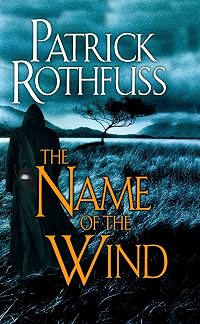
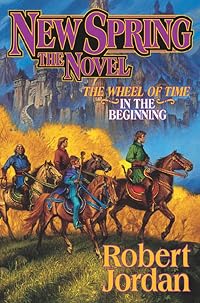
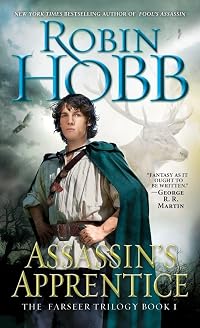
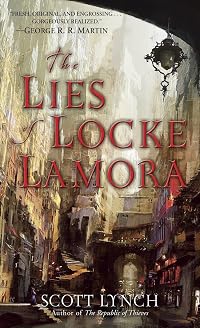

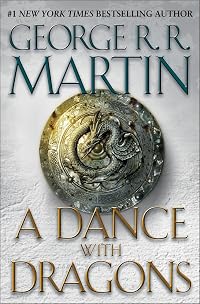
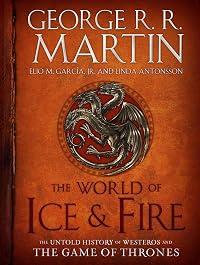
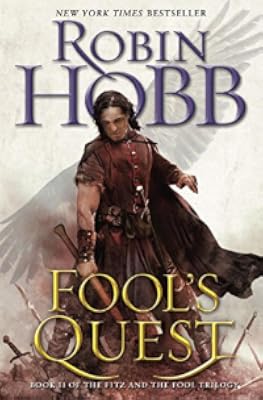
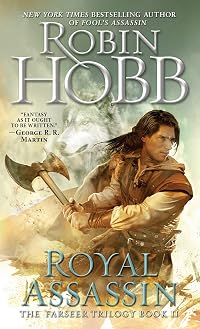
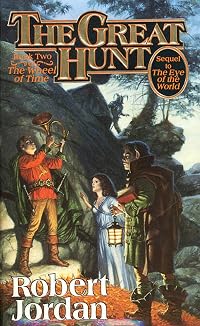
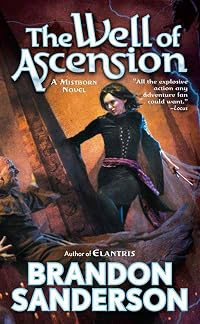
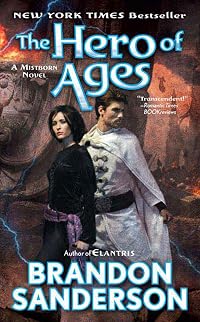
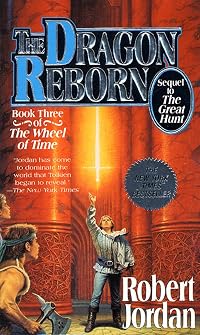
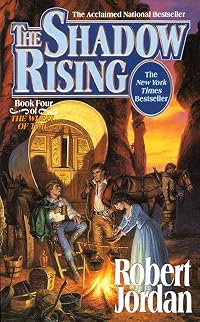
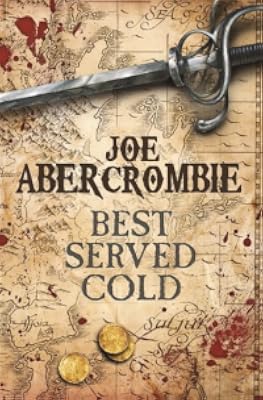
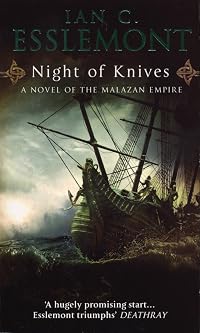
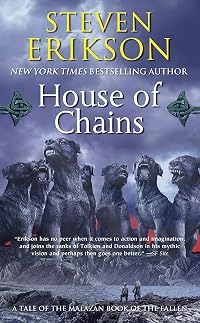
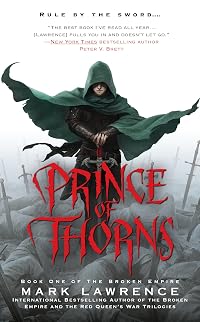
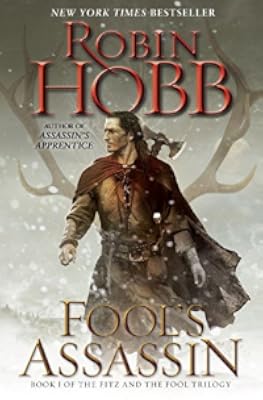
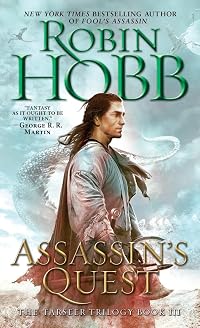
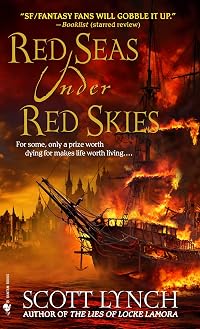
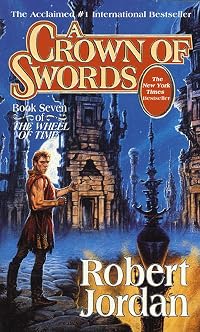
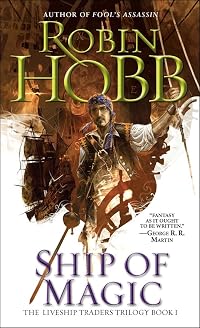
Member Recommendations
majkia Both feature war-torn landscapes, confusing and conflicting motivations for main characters, and focus on complex characters whose loyalties are strained and oftentimes change.
192
saturnine13 If you like gritty, faux historical fiction, how about another with an asian flavor? Shogun, like A Game of Thrones, concerns the byzantine political intrigues of a multitude of different characters painted in moral shades of grey, generously heaped with gruesome action and heart-breaking romance. While Shogun lacks dragons, it does have the added interest of being mostly based upon real events and people.
163
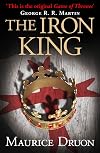
Fayries George R. R. Martin himself wrote that "Druon's series was one of my major inspirations".
90
ryvre Both are fantasy books with lots of politics and intrigue among the royal families.
115
sboyte Like Game of Thrones, this book shows us the lives of medieval men and women with a bit of magic and politics thrown in.
62

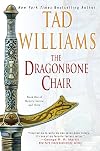
Cecrow Martin cites this earlier fantasy series as a major influence.
21
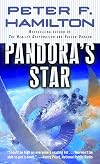
kay.emme Both are set in rich, fictional universes with a large cast of diverse characters. In each book, chapters focus on different character(s) story lines with overlapping and connecting events between characters. Lastly, both are complex and epic in scope, but are engaging, gripping, enjoyable reads.


by anonymous user
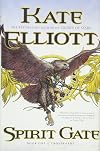
ImLittleJon There are some similarities between Martin's and Elliott's series. Their epic scale is similar, with multiple interweaving plotlines, characters noble and humble, interacting cultures, and so forth. Both begin in a world where magic is a matter of legend, but slowly creeps back into usage. Spirit Gate might not be A Dance with Dragons, but it will help make the time pass until that book gets published.
11

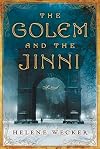
capetowncanada After reading George R.R. Martin I've had a hard time finding anything that measures up. This does just that, a well written and imaginative story of two fabled creatures in 1899 NY.
06
Member Reviews
The Good: People rave about this series. I just didn't get the appeal. From what I had heard, it seemed like every other generic fantasy epic saga. But I sort of wanted to finally check out the TV series (5 seasons behind everyone else) and I have a need to read the books before seeing the movies and shows based on them. So I went into A Game of Thrones expecting to be bored quickly and often. I was absolutely shocked at how quickly I got sucked into the story. I read this book for 3 days straight, did not put it down. Read it walking from one room to another. Read it and woke up with it on my face after my 3 hours of sleep, only to continue reading it immediately. I had to know what was going to happen next. I came to care about the show more characters in a painful way. Painful, because even those who don't read the series and watch the show know of GRRM's need to kill everyone all the damned time. The book was long. It was very detailed. It is also one of the very few books that carries its length well. This wasn't a case of a lazy editor - oh no, GRRM just packs a ton of wonderful into every single page.
The Bad: Not a thing. show less
The Bad: Not a thing. show less
The book that opened the door.
This was the first fantasy book I ever read. Not the first fantasy book that year or as an adult. The first. I grew up on literary fiction and the occasional thriller. Dragons, castles, and direwolves belonged to other people; readers I assumed were more patient or more childish than me.
Then a high school friend would not stop talking about this TV show. Game of Thrones, he called it. "You have to watch it," he said. "People die. Everyone dies. It's amazing." I was curious, but I had a rule: I read the book before watching the adaptation. So I picked up A Game of Thrones instead of turning on the screen.
That decision changed everything.
The prologue: three men of the Night's Watch riding through a forest, a show more dead boy with blue eyes, a cold that should not exist, hooked me by the throat. I did not look up again until I had finished all five published books. And then I sat in silence, furious that the sixth was not waiting for me. (My friend, meanwhile, had watched the first season and kept asking, "Are you caught up yet?" I was two books ahead and never looked back.)
What it is:
The continent of Westeros. Summer has lasted a decade, but whispers of winter creep from the north. King Robert Baratheon, who won the throne through rebellion, travels to Winterfell to ask his old friend Eddard "Ned" Stark to become his Hand (chief advisor). Ned accepts, leaving his frozen home for the viper pit of King's Landing. Meanwhile, across the Narrow Sea, the exiled princess Daenerys Targaryen is sold into marriage to a Dothraki warlord and begins to discover that fire does not forget. And at the edge of the world, a wall of ice guards against... something.
Why it worked for me as a fantasy beginner (and a book-before-show purist):
1. The magic is barely there. Early on, you could almost mistake this for historical fiction. The Wall is just ice. The dragons are bones. The zombies (wights) appear in the prologue and then vanish for hundreds of pages. Martin eases you in. By the time the supernatural becomes undeniable, you are already too invested to question it.
2. The characters feel real. Ned Stark makes stupid decisions because he believes in honor. Tyrion is a dwarf who uses wit as armor. Arya is a nine-year-old girl who witnesses her father's execution and begins a kill list. No one has plot armor. The first time a "main character" died, I reread the page four times. I had never experienced that in a book before. It was terrifying and addictive.
3. The politics are the plot. I do not care about magic systems or sword fights. I care about people making choices under pressure. Martin gives you that in spades. The small council meetings, the whispered betrayals, the marriage alliances that curdle into war; I ate it all up. This was not the fantasy I had dismissed. It was The Sopranos with swords.
Reading the book before watching the show (a small victory):
I am glad I read A Game of Thrones first. The first season of the show is remarkably faithful, but the book gives you interiority: Ned's doubts, Tyrion's self-loathing, Sansa's desperate illusions, Daenerys's dawning strength. You understand why people make the choices they do. And when the show eventually diverged (and later collapsed), I had the books to return to. My friend watched the final season and despaired. I read A Dance with Dragons again and sighed. We are not the same.
The rest of the series (a quick note for the curious):
I did not stop at A Game of Thrones. I read A Clash of Kings (more war, more prophecies, more heartbreak). I read A Storm of Swords, which contains the two most devastating sequences I have ever encountered in fiction. I read A Feast for Crows, which disappointed me at first because my favorite characters were missing and then I reread it and realized it was the most thematically rich of the five. I read A Dance with Dragons, which ends on a dozen cliffhangers and a feeling of vast, terrible waiting.
And now I wait with everyone else. I have been waiting for years. I will likely wait for years more. And I will do it gladly, because this series taught me that fantasy is not a genre of escape. It is a genre of confrontation—with power, with violence, with the choices we make when the rules fall away.
Where the first book stumbles (honest, even as a fan):
1. The first 200 pages are a feast. Literally. The visit to Winterfell, the journey south, the tournament; it is slow. If I had not been told to push through (by my friend, who kept promising "it gets crazy"), I might have quit. Do not quit.
2. The ages are absurd. Daenerys is thirteen when she is sold and pregnant. Robb and Jon are fifteen. This is historically accurate for medieval settings, but it is jarring for modern readers. Martin has said he wishes he had aged them up.
3. The prose is not beautiful. Martin writes clearly, not lyrically. If you love Rothfuss or Kay for their sentences, you will find Martin workmanlike. He is a plotter and a worldbuilder, not a stylist.
Who should read this (especially if you are new to fantasy like I was):
Anyone who has dismissed fantasy as "too silly" or "too childish".
Readers who love political drama, family sagas, and moral ambiguity.
People who are not afraid of long books and longer waits.
Who should skip it:
If you need a finished series (you have been warned).
If graphic violence, sexual assault, or child death are dealbreakers.
If you hate multiple POVs and complex family trees.
Final verdict:
A Game of Thrones opened a door for me. Behind it was not a fairy tale. It was a world of gray morality, shocking consequences, and characters who felt like people I had known for years. I have since read hundreds of fantasy books: Sanderson, Rothfuss, Kay, Hobb, Abercrombie. But the first one remains special. Not because it is flawless. Because it showed me what I had been missing.
Five stars. For the boy with the sword, the girl with the dragons, and the dwarf who just wants to live. And for my high school friend, who wanted me to watch a show and accidentally launched me into a lifetime of reading fantasy instead.
Winter came. I read it first. Then I watched. And I am still here, waiting for spring.
P.S. If you have only watched the show, the books are still worth your time. The show diverges after season one, then utterly collapses. The books are richer, stranger, and (so far) more coherent. Start from page one. The prologue alone is worth it. show less
This was the first fantasy book I ever read. Not the first fantasy book that year or as an adult. The first. I grew up on literary fiction and the occasional thriller. Dragons, castles, and direwolves belonged to other people; readers I assumed were more patient or more childish than me.
Then a high school friend would not stop talking about this TV show. Game of Thrones, he called it. "You have to watch it," he said. "People die. Everyone dies. It's amazing." I was curious, but I had a rule: I read the book before watching the adaptation. So I picked up A Game of Thrones instead of turning on the screen.
That decision changed everything.
The prologue: three men of the Night's Watch riding through a forest, a show more dead boy with blue eyes, a cold that should not exist, hooked me by the throat. I did not look up again until I had finished all five published books. And then I sat in silence, furious that the sixth was not waiting for me. (My friend, meanwhile, had watched the first season and kept asking, "Are you caught up yet?" I was two books ahead and never looked back.)
What it is:
The continent of Westeros. Summer has lasted a decade, but whispers of winter creep from the north. King Robert Baratheon, who won the throne through rebellion, travels to Winterfell to ask his old friend Eddard "Ned" Stark to become his Hand (chief advisor). Ned accepts, leaving his frozen home for the viper pit of King's Landing. Meanwhile, across the Narrow Sea, the exiled princess Daenerys Targaryen is sold into marriage to a Dothraki warlord and begins to discover that fire does not forget. And at the edge of the world, a wall of ice guards against... something.
Why it worked for me as a fantasy beginner (and a book-before-show purist):
1. The magic is barely there. Early on, you could almost mistake this for historical fiction. The Wall is just ice. The dragons are bones. The zombies (wights) appear in the prologue and then vanish for hundreds of pages. Martin eases you in. By the time the supernatural becomes undeniable, you are already too invested to question it.
2. The characters feel real. Ned Stark makes stupid decisions because he believes in honor. Tyrion is a dwarf who uses wit as armor. Arya is a nine-year-old girl who witnesses her father's execution and begins a kill list. No one has plot armor. The first time a "main character" died, I reread the page four times. I had never experienced that in a book before. It was terrifying and addictive.
3. The politics are the plot. I do not care about magic systems or sword fights. I care about people making choices under pressure. Martin gives you that in spades. The small council meetings, the whispered betrayals, the marriage alliances that curdle into war; I ate it all up. This was not the fantasy I had dismissed. It was The Sopranos with swords.
Reading the book before watching the show (a small victory):
I am glad I read A Game of Thrones first. The first season of the show is remarkably faithful, but the book gives you interiority: Ned's doubts, Tyrion's self-loathing, Sansa's desperate illusions, Daenerys's dawning strength. You understand why people make the choices they do. And when the show eventually diverged (and later collapsed), I had the books to return to. My friend watched the final season and despaired. I read A Dance with Dragons again and sighed. We are not the same.
The rest of the series (a quick note for the curious):
I did not stop at A Game of Thrones. I read A Clash of Kings (more war, more prophecies, more heartbreak). I read A Storm of Swords, which contains the two most devastating sequences I have ever encountered in fiction. I read A Feast for Crows, which disappointed me at first because my favorite characters were missing and then I reread it and realized it was the most thematically rich of the five. I read A Dance with Dragons, which ends on a dozen cliffhangers and a feeling of vast, terrible waiting.
And now I wait with everyone else. I have been waiting for years. I will likely wait for years more. And I will do it gladly, because this series taught me that fantasy is not a genre of escape. It is a genre of confrontation—with power, with violence, with the choices we make when the rules fall away.
Where the first book stumbles (honest, even as a fan):
1. The first 200 pages are a feast. Literally. The visit to Winterfell, the journey south, the tournament; it is slow. If I had not been told to push through (by my friend, who kept promising "it gets crazy"), I might have quit. Do not quit.
2. The ages are absurd. Daenerys is thirteen when she is sold and pregnant. Robb and Jon are fifteen. This is historically accurate for medieval settings, but it is jarring for modern readers. Martin has said he wishes he had aged them up.
3. The prose is not beautiful. Martin writes clearly, not lyrically. If you love Rothfuss or Kay for their sentences, you will find Martin workmanlike. He is a plotter and a worldbuilder, not a stylist.
Who should read this (especially if you are new to fantasy like I was):
Anyone who has dismissed fantasy as "too silly" or "too childish".
Readers who love political drama, family sagas, and moral ambiguity.
People who are not afraid of long books and longer waits.
Who should skip it:
If you need a finished series (you have been warned).
If graphic violence, sexual assault, or child death are dealbreakers.
If you hate multiple POVs and complex family trees.
Final verdict:
A Game of Thrones opened a door for me. Behind it was not a fairy tale. It was a world of gray morality, shocking consequences, and characters who felt like people I had known for years. I have since read hundreds of fantasy books: Sanderson, Rothfuss, Kay, Hobb, Abercrombie. But the first one remains special. Not because it is flawless. Because it showed me what I had been missing.
Five stars. For the boy with the sword, the girl with the dragons, and the dwarf who just wants to live. And for my high school friend, who wanted me to watch a show and accidentally launched me into a lifetime of reading fantasy instead.
Winter came. I read it first. Then I watched. And I am still here, waiting for spring.
P.S. If you have only watched the show, the books are still worth your time. The show diverges after season one, then utterly collapses. The books are richer, stranger, and (so far) more coherent. Start from page one. The prologue alone is worth it. show less
The first novel in the Song of Ice and Fire series, this long book by George R. R. Martin, appears to have a simple recipe - take a place and period already regularly linked with fantasy, namely medieval England, loosely transpose the real political conflicts into fantasy ones, and use the breath of a few dragons to simmer. The apparent formulaic nature of this exercise is enhanced by occasional awkward, cliche-ridden stylistic features, with phrases such as "cold as ice" and "cut like a knife". So far so unenthralling. But there are a few key features that elevate this novel way above the average, and make the incredible hype somewhat justifiable.
First, the characterisation, while not exactly literary, is deep, rich, with few show more characters obviously good or bad, and all set closely in context, so that even someone who is utterly abhorrent clearly has had an utterly abhorrent and unfair upbringing. The psychological range of people is breathtaking, as are the plots that support them. You get a strong sense that Martin is intent on capturing the vast breadth of humanity - and he does it fantastically well, with almost every topic - including some rather taboo in nature - captured at one point or another. That makes it a rather adult fantasy novel, which is meant as a huge compliment - and reading this you are keenly reminded that books like Lord of the Rings are really designed for children.
Then there is the storyline, which flits between three story arcs by the device of each chapter being title by its central character. One story surrounds the political maneuverings between various great houses of the kingdom, with much realistic plotting, involving the lazy hedonism or insanity of kings, legitimacy of heirs, debt issues, and so on. The second involves an exiled royal family, semi-destitute, but desperate to regain the throne, even allying themselves with semi-savages in order to achieve this aim. The third is the most ominous, but for this novel at least, the most minor story - a huge wall separates the main kingdom from strange dangers of the cold north, the most frightening of these are the hints of the white walkers, who have come back from the dead and are kind of super-charged zombies. There are so many cliffhangers and plot twists that the novel, despite its length and complexity, is very gripping.
Another adult component of the novel, and another huge compliment is that whereas other writers almost appear to be indulging in fantasy-inflation, with dragons, magic and so on saturating the pages, here many pages go by and you don't really feel this is anything but an intriguing historical novel. That means that when fantasy elements do rarely occur, they have far more power to shock you, and force you to turn the page. And it also means that the novel ends with an incredibly powerful scene, one that compels you to grab hold of the next in the series as soon as you can.
By the end, these strengths made me extremely forgiving of the clunky style, and privileged to have lived through such a mature feat of creativity. show less
First, the characterisation, while not exactly literary, is deep, rich, with few show more characters obviously good or bad, and all set closely in context, so that even someone who is utterly abhorrent clearly has had an utterly abhorrent and unfair upbringing. The psychological range of people is breathtaking, as are the plots that support them. You get a strong sense that Martin is intent on capturing the vast breadth of humanity - and he does it fantastically well, with almost every topic - including some rather taboo in nature - captured at one point or another. That makes it a rather adult fantasy novel, which is meant as a huge compliment - and reading this you are keenly reminded that books like Lord of the Rings are really designed for children.
Then there is the storyline, which flits between three story arcs by the device of each chapter being title by its central character. One story surrounds the political maneuverings between various great houses of the kingdom, with much realistic plotting, involving the lazy hedonism or insanity of kings, legitimacy of heirs, debt issues, and so on. The second involves an exiled royal family, semi-destitute, but desperate to regain the throne, even allying themselves with semi-savages in order to achieve this aim. The third is the most ominous, but for this novel at least, the most minor story - a huge wall separates the main kingdom from strange dangers of the cold north, the most frightening of these are the hints of the white walkers, who have come back from the dead and are kind of super-charged zombies. There are so many cliffhangers and plot twists that the novel, despite its length and complexity, is very gripping.
Another adult component of the novel, and another huge compliment is that whereas other writers almost appear to be indulging in fantasy-inflation, with dragons, magic and so on saturating the pages, here many pages go by and you don't really feel this is anything but an intriguing historical novel. That means that when fantasy elements do rarely occur, they have far more power to shock you, and force you to turn the page. And it also means that the novel ends with an incredibly powerful scene, one that compels you to grab hold of the next in the series as soon as you can.
By the end, these strengths made me extremely forgiving of the clunky style, and privileged to have lived through such a mature feat of creativity. show less
I still can't believe that it's finished. With other thick books I would be thinking, "When will this end?" with this one (just like HP), I was thinking "Please don't end." It was that good! I stumbled upon this book when my aunt sent us a balikbayan box. Among the nice stuff was the second book of this series "A Clash of Kings". It was not meant for me but rather it was meant to be a filler, so there will be no empty space inside the box. I took it as a sign and bought the first book and it did not disappoint me. George R.R. Martin is the god of fantasy (J.K. Rowling is the goddess). This is a book you can't put down. This is a book that would be too personal. This book is close to my heart along with the characters. But if you want a show more happy ending, this book is not for you. It is not a happy book, its full of coldness, loneliness, misery, death, intrigues, incest, treachery and war but it will teach you things about family, duty, honor, love and bravery. This one would definitely be my favorite of the year! show less
After falling in love the the television series only a couple of months ago, I was so excited to pick up the book. I had no idea that I would fall in love with Martin's words just as much as I love the show.
I'm glad I started with the show first (please don't hurt me) since I was able to remember exactly what was happening to which character when I went through periods of not being able to pick up the book. Plus, the world Martin creates in the books is so much different than the show. His writing is descriptive yet allows the reader to invent the world in their own mind instead of being told exactly what it is. I loved getting inside the heads of Ned, Jon, Arya, and everyone else. It's almost as if reading the book after watching the show more series has enhanced it for me.
There are so many secrets hidden inside the novel since Martin is able to tease so much more than the show. I fell in love again with the Starks, loathed the Lannisters and now want to go rewatch the first season and find all the things I missed.
What a wonderful story and world Martin has gifted to use. Also, his characters feel so real. I am almost sad that I had to end the first part of this adventure with these characters and can't wait to return to this world. I highly recommend any fan of the show to read the books, they may be long but they are more than worth it. show less
I'm glad I started with the show first (please don't hurt me) since I was able to remember exactly what was happening to which character when I went through periods of not being able to pick up the book. Plus, the world Martin creates in the books is so much different than the show. His writing is descriptive yet allows the reader to invent the world in their own mind instead of being told exactly what it is. I loved getting inside the heads of Ned, Jon, Arya, and everyone else. It's almost as if reading the book after watching the show more series has enhanced it for me.
There are so many secrets hidden inside the novel since Martin is able to tease so much more than the show. I fell in love again with the Starks, loathed the Lannisters and now want to go rewatch the first season and find all the things I missed.
What a wonderful story and world Martin has gifted to use. Also, his characters feel so real. I am almost sad that I had to end the first part of this adventure with these characters and can't wait to return to this world. I highly recommend any fan of the show to read the books, they may be long but they are more than worth it. show less
I've never felt such visceral disappointment toward a book in my two decades of reading.
Let me be clear: I had high expectations for ASOIF as a fan of the genre and its TV adaptation, and this certainly added to my heartbreak. The storytelling and writing were as good as I expected them to be, despite my incredulity at the length of the book—a product of Martin's overzealous detailing of his world, no doubt. If I were judging the book on its literary merits alone, I would gladly give it 4, if not 4.5 stars. Sadly, I am not. Sadly, I had to slog through what can only be described as some of the most enraging writing of women I have ever encountered.
TLDR: If Martin spent half as much time working on the next book in the series as he show more does describing the underage female body in AGOT, I daresay the series would have been wrapped up years ago.
I am completely baffled (and slightly concerned) as to the open popularity of the book now that I have read it. It is a book so deeply steeped in the male gaze that it leans dangerously toward misogyny. I found myself constantly tripping over grotesque, self-gratifying erotic prose, in what I can only assume was an exploration of GRRM's fetishes.
Almost all of the female characters in the book fall under at least one of the following labels: a mother, a helpless child, a sex worker, a woman who wants to be a man, a murderer. Meanwhile, the male cast is allowed to be colorful and clothed, allowed to play into stereotypes and turn them on their heads. Not all work needs to be socially transcendent, but I would at least expect something so widely-loved to not be so egregiously off-kilter.
The "Danaerys" chapters are by far the worst of the lot. Her story is completely poisoned by repeated grisly descriptions of sex between a 13-year-old child bride and her 30-year-old husband, in a pattern of erotic writing that is exclusive to her chapters. Here's a wild idea: if you want your characters to behave like adults, don't write them as children. And another: "historical accuracy" cannot be used to defend romanticizing child marriage and rape when your world is fictitious.
It's a sad state of affairs, but the book completely spoiled itself for me and I don't think I have the stomach to continue with the series. Whatever good it held, especially in the "Jon" chapters, was so terribly eclipsed by the nauseating over-sexualization of preteen girls that I'm almost at a loss for words. show less
Let me be clear: I had high expectations for ASOIF as a fan of the genre and its TV adaptation, and this certainly added to my heartbreak. The storytelling and writing were as good as I expected them to be, despite my incredulity at the length of the book—a product of Martin's overzealous detailing of his world, no doubt. If I were judging the book on its literary merits alone, I would gladly give it 4, if not 4.5 stars. Sadly, I am not. Sadly, I had to slog through what can only be described as some of the most enraging writing of women I have ever encountered.
TLDR: If Martin spent half as much time working on the next book in the series as he show more does describing the underage female body in AGOT, I daresay the series would have been wrapped up years ago.
I am completely baffled (and slightly concerned) as to the open popularity of the book now that I have read it. It is a book so deeply steeped in the male gaze that it leans dangerously toward misogyny. I found myself constantly tripping over grotesque, self-gratifying erotic prose, in what I can only assume was an exploration of GRRM's fetishes.
Almost all of the female characters in the book fall under at least one of the following labels: a mother, a helpless child, a sex worker, a woman who wants to be a man, a murderer. Meanwhile, the male cast is allowed to be colorful and clothed, allowed to play into stereotypes and turn them on their heads. Not all work needs to be socially transcendent, but I would at least expect something so widely-loved to not be so egregiously off-kilter.
The "Danaerys" chapters are by far the worst of the lot. Her story is completely poisoned by repeated grisly descriptions of sex between a 13-year-old child bride and her 30-year-old husband, in a pattern of erotic writing that is exclusive to her chapters. Here's a wild idea: if you want your characters to behave like adults, don't write them as children. And another: "historical accuracy" cannot be used to defend romanticizing child marriage and rape when your world is fictitious.
It's a sad state of affairs, but the book completely spoiled itself for me and I don't think I have the stomach to continue with the series. Whatever good it held, especially in the "Jon" chapters, was so terribly eclipsed by the nauseating over-sexualization of preteen girls that I'm almost at a loss for words. show less
Martin is so abusive to his main characters that we just gotta love him. There has been so many times that I've said to myself, "No way, someone's going to save (spoiler!) any minute now. there's no way the author will let him......Oh god, the author DID". Expect a lot of switching roles. Characters you think are allies are enemies and ones you think are enemies are actually the worst kind of enemies. Your eyes will be glued to the page, watching all the action unfold. "Game of Thrones" is a bit morbid and might make you feel miserable when you finish it but the book has a certain charm that will insure you'll be coming back for more soon enough.
Members
- Recently Added By
Published Reviews
ThingScore 100
[...] employs the cliches of fantasy fiction to fresh effect rather than relying upon them as a crutch. Martin makes vital figures of what seem at first to be stock characters, and even those who fall neatly into categories are genuinely beautiful heroes or truly despicable villains.
added by Nevov
Lists

Best Fantasy Novels
821 works; 361 members

Top-Rated Books on LibraryThing
272 works; 118 members

Recommend the 20 best books you've read in the last five years
2,168 works; 607 members

Read the book and saw the movie
1,170 works; 195 members

Top Five Books of 2013
1,562 works; 721 members
NPRs your picks: top 100 Sci-Fi/Fantasy books
297 works; 80 members
Favourite Books
1,820 works; 316 members
Favorite Long Books
330 works; 42 members
Favourite High Fantasy Books
113 works; 23 members

Unread books
1,063 works; 87 members

20th Century Literature
1,161 works; 55 members

PBS The Great American Read
100 works; 21 members

Nineties
43 works; 10 members
Best Family Stories
241 works; 22 members
BBC's 100 Novels That Shaped Our World
100 works; 22 members

Winter Books
127 works; 17 members

1990s
309 works; 17 members

Stories About Other Worlds
145 works; 13 members

Survey of Science Fiction and Fantasy
101 works; 13 members

Books I've Read More Than Once
602 works; 49 members
LibraryThingers' 1001 Books You Must Read Before You Die
442 works; 30 members
One Book, Many Authors
441 works; 39 members
Anti-heroines in fiction
59 works; 9 members

You Couldn't Pay Me to Read That (Take 2)
213 works; 87 members
Epic Fantasy
12 works; 6 members

Best books read in 2011
200 works; 51 members

Blue Pyramid 1,276 Best Books of All Time
1,248 works; 32 members

Top Five Books of 2017
757 works; 231 members

Top 100 to Read before you Die
109 works; 7 members

Top Five Books of 2014
1,064 works; 398 members

Dark Books for Winter Reading
71 works; 11 members

Books with Twins
175 works; 12 members

Books tagged favorites
390 works; 30 members

My top 10 Fantasy Novels
9 works; 2 members

Books Read in 2014
2,344 works; 89 members

Best books made into television
66 works; 4 members
Mind Expanding Books by hackerkid
581 works; 8 members

Top 100 Science-Fiction, Fantasy Books
18 works; 4 members

A Novel Cure
742 works; 23 members
Best Books of the 20th Century
193 works; 5 members
Speculative Fiction to Read
706 works; 31 members
What Makes This Book So Great
102 works; 16 members

SHOULD Read Books!
354 works; 9 members

Books on my Kindle
162 works; 3 members

BingoDOG - Books With Mythical Creatures
57 works; 16 members

Books Read in 2005
185 works; 7 members

What are your favourite books?
121 works; 11 members

Books Read in 2016
4,666 works; 199 members

LGBTQ+ Speculative Fiction
821 works; 51 members

LIBROS DE CIENCIA FICCIÓN Y FANTASIA
60 works; 1 member
Books About Murder
313 works; 7 members

Books Read in 2008
336 works; 8 members

Huxley's reading log 2017
45 works; 1 member
American Lit for Eng 11 Research Project
368 works; 6 members

The Complete Rory Gilmore Reading List
506 works; 5 members

Mustich's 1000 Books to Read Before You Die: A Life Changing List
1,001 works; 20 members

Unshelved Book Clubs
579 works; 5 members
Books for Loan
1 work; 1 member
Books We Resisted Reading
178 works; 110 members
Recommend Fantasy Books
100 works; 1 member

Books referenced in the Astral Library
60 works; 1 member
Fantasy Books Ranked
6 works; 1 member

el
1,139 works; 1 member
Books We Couldn't Put Down
443 works; 197 members

Favorite Books of All Time Ranked
8 works; 1 member

Top Five Books of 2025
954 works; 303 members

Books mentioned in Vandermeer's Wonderbook
34 works; 2 members

Books Finished in 2024
12 works; 1 member
Read These Too
458 works; 9 members
BitLife
212 works; 4 members
Here There Be Dragons
143 works; 23 members

al.vick-series
381 works; 2 members

Books Read in 2001
199 works; 4 members
Books That Will Take You Out of This World
19 works; 5 members

KayStJ's to-read list
1,616 works; 11 members

Best books I read in 2013
152 works; 3 members

Read in 2014
334 works; 11 members

8x8 Challenge 2015
64 works; 1 member

Books Read in 2012
816 works; 34 members

Books You Couldn't Finish
202 works; 32 members
Epic Fantasy of the 90s
111 works; 4 members

Biggest Disappointments
606 works; 168 members

Reliably Good Series
45 works; 2 members
Books Read in 2018
4,360 works; 110 members

Makes Me Want to Eat (or Drink)
39 works; 12 members
Books Read in 2012 (Numbered)
168 works; 6 members
Goalhanger Book Club
22 works; 1 member
Folio Society
831 works; 53 members
Best Political Fiction
92 works; 12 members

I Can't Finish This Book
189 works; 22 members
Five star books
1,767 works; 110 members
Survey of Fantasy Classics
111 works; 23 members
Talk Discussions
Past Discussions
So I finally tried Game of Thrones (NO SPOILERS PLEASE) in The Green Dragon (July 2014)
Group Read: A Game of Thrones - First 1/3 in 75 Books Challenge for 2011 (July 2014)
Group Read: A Game of Thrones in 75 Books Challenge for 2011 (February 2011)
Group Read: A Game of Thrones - Second 1/3 in 75 Books Challenge for 2011 (February 2011)
Author Information

727+ Works 244,662 Members
George R. R. Martin was born on September 20, 1948 in Bayonne, New Jersey. He began writing at an early age, selling monster stories for pennies to neighborhood children. He received B.S. and M.S. degrees in Journalism from Northwestern University. In 1986, he worked as a story editor for the CBS series The Twilight Zone. He was also an executive show more story consultant, producer and co-supervising producer for CBS's Beauty and the Beast. In 1970, he sold the story The Hero to Galaxy magazine. Since becoming a full-time writer in 1979, he has written many novels, stories, and series including A Song for Lya, Portraits of His Children, The Pear-Shaped Man, and the Song of Ice and Fire series. He has won numerous awards including five Locus Awards, three Hugo Awards and two Nebula awards. In 2013 he made The New York Times Best Seller List with his titles A Dance with Dragons and A Game of Thrones: a Clash of Kings, a Storm of Swords, a Feast for Crows. His title's Rogues and The Ice Dragon made the New York Times List in 2014. Martin's title, A Knight of Seven Kingdoms, A Song of Fire and Ice novel, made the New York Times bestseller list in 2015. He is number 4 on the Hollywood Reporter's '25 Most Powerful Authors' 2016 list. (Bowker Author Biography) show less
Some Editions
Awards and Honors
Awards
Distinctions
Notable Lists
Series

Work Relationships
Is contained in
Contains
Has the adaptation
Has as a supplement
Common Knowledge
- Canonical title
- A Game of Thrones
- Original title
- A Game of Thrones
- Alternate titles*
- Il Trono di Spade; Il Grande Inverno; Il Regno dei Lupi; La Regina dei Draghi
- Original publication date
- 1996-08-06
- People/Characters
- Eddard Stark ('Ned'); Catelyn Tully Stark (nee Tully); Brandon "Bran" Stark; Sansa Stark; Arya Stark; Jon Snow (show all 72); Tyrion Lannister; Daenerys Targaryen ('Dani'); Cersei Lannister; Robert Baratheon; Joffrey Baratheon; Jaime Lannister; Robb Stark; Petyr Baelish ('Littlefinger'); Stannis Baratheon; Sandor Clegane; Rickon Stark; Hodor; Benjen Stark; Daeren Targaryen; Khal Drogo; Gared; Waymar Royce; Maester Aemon; Mance Rayder; Old Nan; Theon Greyjoy; Jory Cassel; Harwin; Hullen; Jon Arryn; Mistr Luwin; Will; Jorah Mormont; Rodrik Cassel; Arther Dayne; Ashara Dayne; Mistr Ullyrio; Viserys Targaryen; Aegon Targaryen; King Loren of the Rock; King Mern of the Reach; Morrec; Vayan Poole; Hallis Mollen; Myrcella Baratheon; Mycah; Barristan Selmy; Renly Baratheon; Ilyn Payne; Rhaegar Targaryen; Raymun Darry; Moreo Tumitis; Aron Santagar; Aegon the Conqueror; Edmure Tully; Maegor the Cruel; Maester Pycelle; Lysa Arryn (nee Tully); Varys; Tywin Lannister; Lancel Lannister; Illyrio Mopatis; Jhogo; Osha; Loras Tyrell; Jeor Mormont; Samwell Tarly; Shae; Bronn; Timett son of Timett; Shagga son of Dolf
- Important places
- Winterfell, The North, Westeros; King's Landing, Westeros; Castle Black, The Wall, Westeros; Westeros; Storm's End, Westeros; The Eyrie, Vale of Arryn, Westeros (show all 22); Dragonstone, Westeros; The Red Keep, King's Landing, Westeros; Highgarden, Westeros; Sunspear, Dorne, Westeros; Casterly Rock, Westeros; Old Town, The Reach, Westeros; Harrenhal, The Riverlands, Westeros; Pentos, Essos; Essos; Dothraki Sea, Essos; Red Waste, Essos; Beyond the Wall, Westeros; The Twins, The Riverlands, Westeros; Moat Cailin, Westeros; Seven Kingdoms; The Wall
- Important events
- War of the Usurper
- Related movies
- Game of Thrones (2011 | IMDb)
- Dedication
- this one is for Melinda
- First words
- "We should start back," Gared urged as the woods began to grow dark around them. "The wildlings are dead."
- Quotations
- "The common people pray for rain, healthy children, and a summer that never ends", Ser Jorah told her. "It is no matter to them if the high lords play their game of thrones, so long as they are left in peace." He gave a shrug... (show all). "They never are."
Bran thought about it. "Can a man still be brave if he's afraid?" "That is the only time a man can be brave," his father told him.
The blood of the First Men still flows in the veins of the Starks, and we hold to the belief that the man who passes the sentence should swing the sword. If you would take a man's life, you owe it to him to look into his eyes... (show all) and hear his final words. And if you cannot bear to do that, then perhaps the man does not deserve to die.
A ruler who hides behind paid executioners soon forgets what death is.
Some old wounds never truly heal, and bleed again at the slightest word.
"Never forget what you are, for surely the world will not. Make it your strength. Then it can never be your weakness. Armor yourself in it, and it will never be used to hurt you."
A mind needs books as a sword needs a whetstone, if it is to keep its edge.
Let them see that their words can cut you, and you'll never be free of the mockery. If they want to give you a name, take it, make it your own. Then they can't hurt you with it anymore.
"When you play the game of thrones, you win or you die. There is no middle ground."
Death is so terribly final, while life is full of possibilities. - Last words
- (Click to show. Warning: May contain spoilers.)The other two pulled away from her breasts and added their voices to the call, translucent wings unfolding and stirring the air, and for the first time in hundreds of years, the night came alive with the music of dragons.
- Publisher's editor
- Groell, Anne Lesley
- Blurbers
- Jordan, Robert; McCaffrey, Anne; Bradley, Marion Zimmer; Feist, Raymond E.; Kerr, Katharine; Wurts, Janny (show all 7); May, Julian
- Original language
- English
- Canonical DDC/MDS
- 813.54
- Canonical LCC
- PS3563.A7239
- Disambiguation notice
- If you are combining a translated copy please check carefully as in some languages this book was split into two volumes. In some languages there is a single volume edition and a split edition - you should only combine the sin... (show all)gle volume edition with the English edition.
Languages known to have multiple-volumes - French*, German*, Italian*, Portugese, Romanian and Swedish*.
Languages marked by an asterisk also have a single volume edition.
This is the single-volume edition "A Game of Thrones". DO not combine with the omnibus edition containing "A Game of Thrones" and " A Clash of Kings".
*Some information comes from Common Knowledge in other languages. Click "Edit" for more information.
Classifications
Statistics
- Members
- 50,080
- Popularity
- 39
- Reviews
- 1,202
- Rating
- (4.35)
- Languages
- 28 — Catalan, Chinese, Czech, Danish, Dutch, English, Estonian, Finnish, French, German, Greek, Hungarian, Italian, Japanese, Korean, Lithuanian, Norwegian (Bokmål), Farsi/Persian, Polish, Romanian, Russian, Serbian, Croatian, Slovenian, Spanish, Swedish, Turkish, Portuguese (Brazil)
- Media
- Paper, Audiobook, Ebook
- ISBNs
- 217
- UPCs
- 4
- ASINs
- 131